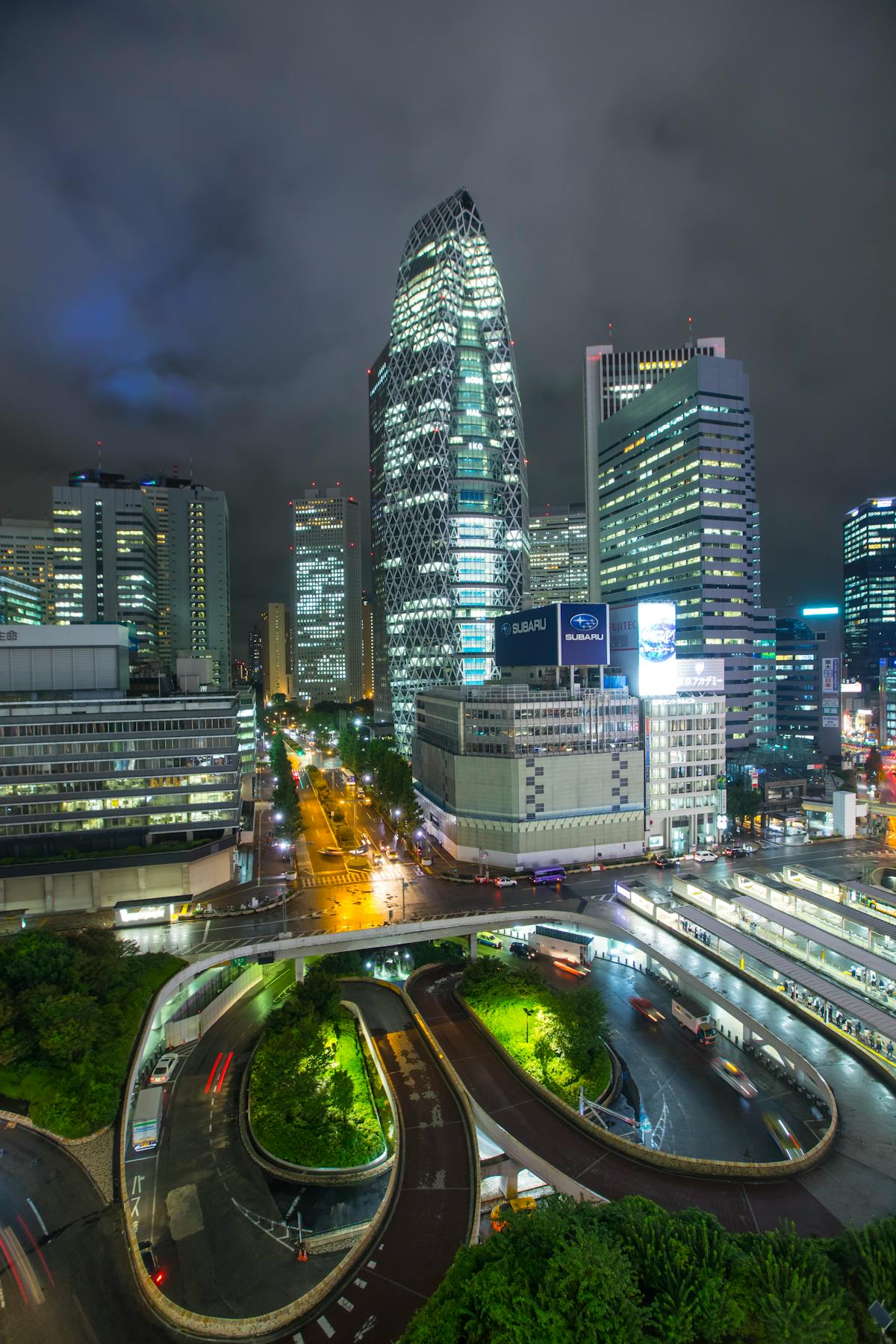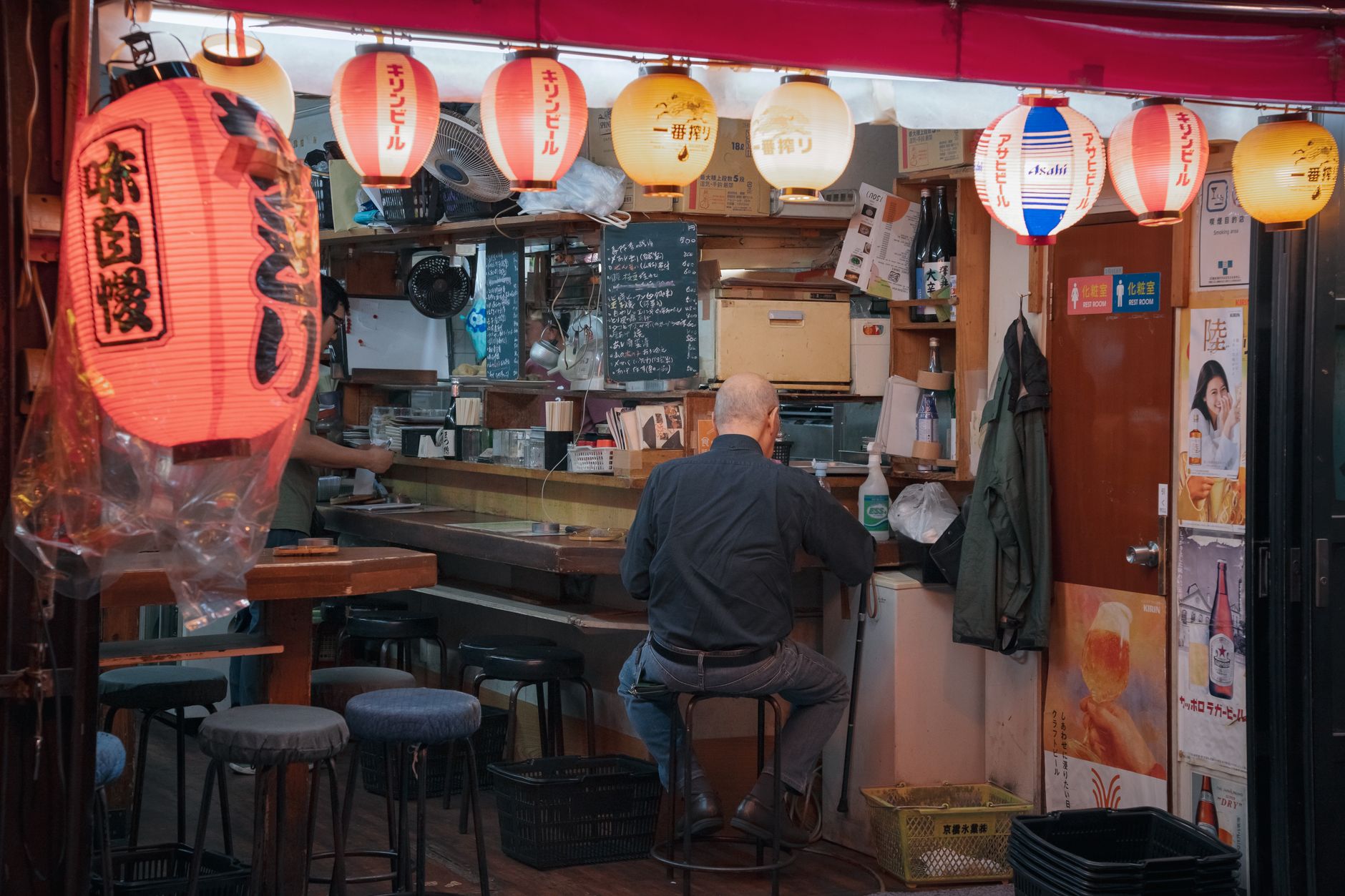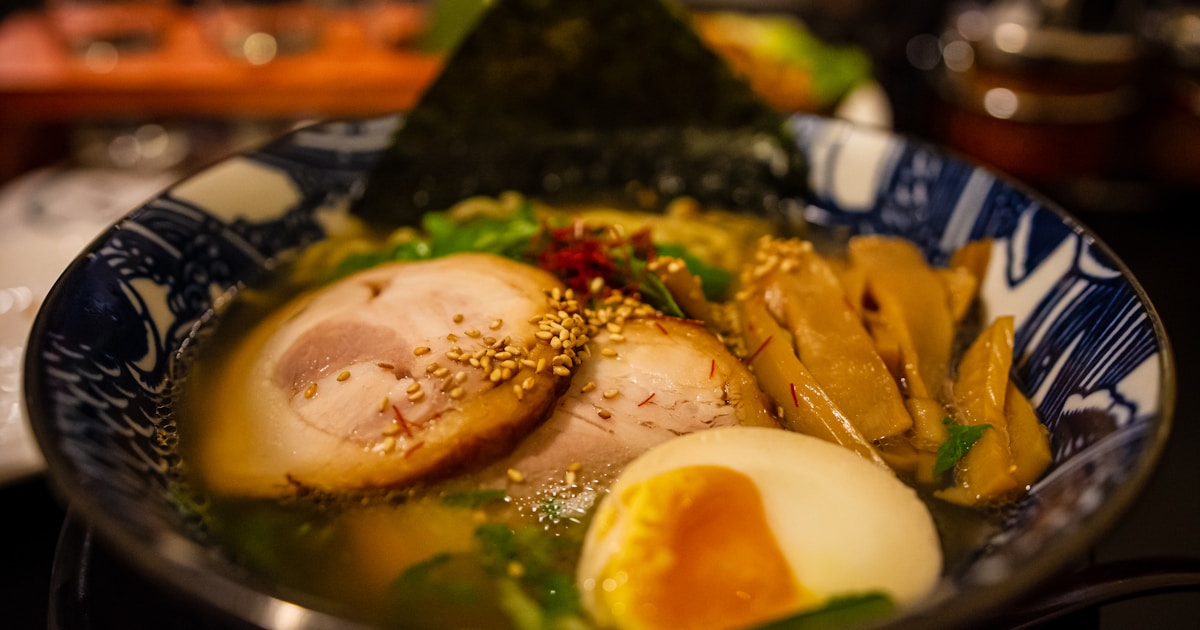
Tokyo is ramen paradise. With thousands of ramen shops competing for attention across the city, the quality is extraordinary — and so is the variety. Tokyo-style shoyu ramen, tonkotsu from Kyushu-inspired shops, rich miso ramen from Hokkaido, and innovative new styles created by the city’s obsessive chef community. This guide covers the best ramen in Tokyo across all budgets and styles, from legendary historic shops to modern innovators changing the game.
Understanding Ramen Styles in Tokyo
Before diving into specific shops, it helps to understand what you’re ordering. Tokyo has its own native ramen style, but the city’s shops serve varieties from across Japan:
Shoyu (Soy Sauce) Ramen — The original Tokyo style. A clear, amber-colored broth made from chicken or dashi base, seasoned with soy sauce. The flavor is clean, complex, and slightly sweet. This is what most people picture when they think “Tokyo ramen.”
Tonkotsu Ramen — Originating from Fukuoka in Kyushu, this style features a rich, creamy, pork-bone broth that takes 12–24 hours of intense boiling to make. The result is an opaque, white broth that’s intensely savory and fatty. Many Tokyo shops do excellent tonkotsu.
Miso Ramen — From Hokkaido’s Sapporo, this style uses fermented soybean paste as the seasoning. The broth is thicker and heartier, often topped with corn, butter, and bean sprouts. Perfect for cold Tokyo winters.
Shio (Salt) Ramen — The lightest and most delicate style. A clear broth seasoned simply with salt, often made from chicken, seafood, or clam dashi. When well-made, this style showcases extraordinary subtlety.
Tsukemen (Dipping Ramen) — An innovative Tokyo creation where the noodles are served separately and dipped into a concentrated broth. Often served cool or room temperature, making it popular in summer.
Tantanmen — Japan’s version of Chinese dan dan noodles, typically featuring ground meat, sesame paste, and a spicy, nutty broth. One of Tokyo’s most popular ramen varieties with international visitors.
Ichiran: The Ramen Experience That Defines Tokyo
Ichiran is perhaps the most famous ramen chain in Japan, and for good reason. Each customer eats alone in an individual booth separated by bamboo partitions — you order via a paper form specifying exactly how you want your tonkotsu ramen: richness of broth, firmness of noodles, amount of garlic, spice level, and more. Your bowl arrives through a small window in front of you.
This might sound antisocial, but the concept is pure genius — it allows you to focus entirely on the ramen without distraction or social pressure, creating a meditative eating experience. The tonkotsu broth is creamy and perfectly calibrated. Multiple Tokyo locations operate 24 hours a day, making Ichiran the perfect ramen fix at 3am after a night out in Shibuya.
Price: Around ¥980–¥1,200 for a bowl with toppings
Locations: Shinjuku, Shibuya, Harajuku, Akihabara, and more
Hours: Many locations 24 hours
Fuunji: Masters of Tsukemen
Located a short walk from Shinjuku Station, Fuunji is widely considered one of Tokyo’s top tsukemen shops. The dipping broth is intensely concentrated — a dark, richly flavored mix of chicken, dashi, and soy that coats thick, slightly chewy noodles with remarkable depth. You dip, eat, and by the time you reach the bottom of your noodle bowl, you’re completely satisfied in a way that lighter styles don’t quite achieve.
Be prepared to queue — Fuunji consistently draws lines, but they move quickly and the shop is small and efficient. Order at the ticket machine by the entrance (most items have pictures), find a seat at the counter, and watch the chefs work. The whole experience usually takes 30 minutes from joining the queue to finishing your bowl.
Price: Around ¥1,000–¥1,300
Location: 2-14-3 Yoyogi, Shibuya (7-minute walk from Shinjuku Station south exit)
Hours: 11:00am–3:00pm, 5:30pm–9:00pm (closed Sundays)
Afuri: Yuzu Shio Innovation
Afuri revolutionized Tokyo ramen when it introduced yuzu-infused shio ramen — a delicate, citrus-perfumed clear broth that tastes unlike anything else in the city. The house signature, yuzu shio ramen, arrives as a pale golden bowl with a slice of carefully arranged yuzu zest, bamboo shoots, roasted pork, and a perfectly soft-boiled egg. It’s lighter than you’d expect, bright and refreshing, and absolutely addictive.
Afuri has multiple locations including the original Ebisu shop and branches in Roppongi, Harajuku, and Shinjuku. The restaurants are stylishly designed with open kitchens where you can watch the broth being prepared. They also offer vegan ramen, making Afuri one of the few Tokyo ramen destinations accessible to non-meat-eaters.
Price: Around ¥1,200–¥1,800
Locations: Ebisu, Roppongi, Harajuku, Shinjuku, and more
Hours: Generally 11:00am–11:00pm
Nakiryu: Tokyo’s Michelin-Starred Tantanmen
Nakiryu in Otsuka holds a Michelin star — one of the very few ramen shops in the world to receive this distinction. Their specialty is tantanmen: a sesame-and-chili-rich broth with ground pork, crispy shallots, and perfectly al dente noodles. The depth of flavor is astonishing — you can taste layers of sesame, spice, umami, and something almost floral in the background.
The caveat: Nakiryu is notoriously difficult to visit. It opens at 11:30am, and on weekends the queue starts forming well before 10:00am. The shop seats only around 10 people. On weekdays, arriving at 11:00am and joining the queue gives you a reasonable chance. On weekends, 10:00am or earlier is recommended. It’s a pilgrimage for serious ramen enthusiasts — and it’s absolutely worth it.
Price: Around ¥850–¥1,100
Location: 1-17-1 Minamiookbo, Shinjuku (near Otsuka Station)
Hours: 11:30am–2:30pm, 5:30pm–8:00pm (closed Tuesdays)
Ramen Jiro: The Tokyo Cult Experience
Ramen Jiro is not for the faint-hearted. This is an institution with a devoted cult following that treats ramen eating as a quasi-spiritual practice. The bowls are enormous — piled with mountains of bean sprouts and cabbage, several large pieces of fatty pork, and an extraordinarily intense, thick broth that barely qualifies as soup.
When you sit down, you’ll be asked your customization choices in rapid-fire Japanese: noodle firmness, amount of fat, garlic, soy sauce, and toppings. If you’re a Jiro first-timer, hold up your hand and say “shoshinsha” (beginner) — the staff will guide you through the ordering. The original Mita location near Keio University is the most authentic; lines form before opening daily.
This is an experience as much as a meal. The portions are legendary — most first-timers cannot finish a full bowl. But the flavors are undeniably powerful and the atmosphere — rough, counter-only, no frills — is entirely its own thing.
Price: Around ¥800–¥1,000
Original location: 2-16-4 Mita, Minato-ku (Mita Station)
Hours: 11:00am–3:00pm, 5:00pm–9:00pm (varies by location)
Mugi to Olive: Refined Shoyu Excellence
For the definitive Tokyo-style shoyu ramen experience, Mugi to Olive in Ginza is extraordinary. The broth is a masterclass in restraint — made from multiple chicken varieties and dashi ingredients, seasoned with premium soy sauce, and finished with an olive oil accent that provides a subtle richness. The noodles are thin, slightly wavy, and springy. The roasted chicken breast is silky and perfectly seasoned.
This is what Tokyo ramen tastes like when it’s treated as fine dining. The shop is small and minimalist, the counter seats immaculate. It’s the kind of bowl where after the first sip of broth you put your spoon down and take a moment to appreciate what you’re tasting.
Price: Around ¥1,500–¥2,000
Location: Near Ginza Station
Hours: 11:00am–3:00pm (lunch only, closed weekends)
Tokyo Ramen Street: Eight Shops in One Place
If you can’t decide which style to try, Tokyo Ramen Street in the basement of Tokyo Station Building (First Avenue Tokyo Station, B1F) solves your problem elegantly. Eight carefully curated ramen shops sit side by side, representing a variety of Tokyo’s best regional styles and contemporary innovations.
The lineup includes branches of famous shops from Kyushu, Hokkaido, and within Tokyo itself. Each shop has its own character and specialty. It’s an excellent introduction to ramen diversity, and the central location at Tokyo Station means you can visit between catching bullet trains with minimal detour. Lines form here too, but they’re shorter and faster than at standalone shops.
Price: Around ¥900–¥1,300 per bowl
Location: First Avenue Tokyo Station, B1F, Marunouchi
Hours: Generally 11:00am–10:30pm daily
Budget-Friendly Ramen Chains Worth Knowing
Not every meal needs to be a pilgrimage. Tokyo’s ramen chains deliver consistently good bowls at remarkably low prices:
Ichiran — As mentioned above, excellent quality for a chain. ¥980 base price.
Tenkaippin — Famous for their thick, viscous “kotteri” broth that’s almost more like a thick soup than typical ramen. ¥800–¥1,000.
Keika — Kumamoto-style tonkotsu with a garlic-heavy profile. ¥850–¥1,100.
Ippudo — Premium tonkotsu chain from Fukuoka, now international but still reliable. ¥900–¥1,400.
Ramen Etiquette: How to Eat Like a Local
Slurp loudly. This is not only acceptable in Japan — it’s encouraged. Slurping is thought to enhance the flavor of the noodles and broth, and signals to the chef that you’re enjoying the food. Don’t be shy.
Order at the ticket machine. Most ramen shops use automated ticket vending machines (食券機, shokken-ki) at the entrance. Insert money, press the button for your choice, and hand the ticket to staff when seated. Most modern machines have picture options.
Eat quickly. Ramen is designed to be eaten while hot — the noodles continue cooking in the broth and become soggy if left. This is not a dining experience for leisurely conversation. Eat first, chat after.
It’s okay to eat alone. Solo dining at ramen counters is completely normal and has no social stigma whatsoever in Japan. Many shops are actually designed with solo diners in mind.
Ask for kaedama. At many tonkotsu shops, when your noodles are finished but broth remains, you can order extra noodles (kaedama, 替え玉) for around ¥100–¥200. Say “kaedama kudasai” (一玉ください) and a fresh portion of noodles will be added to your remaining broth.
Don’t request modifications at traditional shops. Unlike American restaurant culture, many ramen shops — especially high-end ones — don’t appreciate excessive customization requests. Order as the chef intends, unless the shop explicitly offers choices.
Finding Ramen Shops Using Apps
Ramen Beast — An English-language website and app with curated reviews and maps of Tokyo’s best ramen shops. Excellent for neighborhood-by-neighborhood searching.
Google Maps — Search “ラーメン” (ramen) in your current neighborhood and sort by rating. Japanese Google Maps reviews are remarkably reliable for food recommendations.
Tabelog — Japan’s most comprehensive restaurant review site. Japanese-only interface but Google Translate handles it well. A score of 3.5+ is excellent; 4.0+ is exceptional.
Final Tips for Ramen Hunting in Tokyo
Visit early or late. The best ramen shops in Tokyo often sell out their broth for the day, closing early with a “sold out” sign. Arriving right at opening (usually 11:00am or 11:30am) gives you the best chance of getting a seat without a long wait.
Don’t be afraid to queue. The lines at famous shops move faster than you’d expect — 30 minutes in line for an extraordinary bowl of ramen is a Tokyo ritual worth experiencing at least once.
Explore beyond the famous names. Some of the best ramen in Tokyo is found in tiny neighborhood shops with no English menu and a local clientele. If you see a queue of Japanese salarypeople outside a shop at lunchtime, that’s a reliable signal of quality. Point at what someone else is eating and you’ll rarely go wrong.
Tokyo’s ramen scene is one of the city’s genuine cultural treasures. Whether you spend ¥800 at a chain or ¥1,800 at Afuri, the quality of the bowl you’re getting vastly exceeds what you’d find almost anywhere outside Japan. Eat ramen every day — your waistline may not thank you, but your soul absolutely will.
Plan Your Japan Trip
🍜 Book a Ramen Tour in Tokyo
Experience Tokyo’s ramen culture on a guided tour — discover hidden shops and learn the differences between styles with a local expert.
🏨 Book a Hotel Near Tokyo’s Best Ramen Spots
Stay in Shinjuku, Shibuya, or Ikebukuro to be close to the city’s top ramen shops.
Related guides
- How to Read a Japanese Restaurant Menu (Even With Zero Japanese)
- Nishiki Market Travel Guide 2026: A First-Timer’s Guide to Eating Your Way Through Kyoto’s Kitchen
- Japan Izakaya Guide: What to Order, How to Behave, and the Best Spots in Tokyo and Osaka
Going to Japan? Talk to locals with confidence.
Hirameki Japanese — instant offline translation, camera translation, furigana + romaji, and 314 free flashcards. No login. Works without internet.

Plan your Japan trip
Two things every first-timer should book
Some links are affiliate links. If you book through them we may earn a small commission at no extra cost to you.