Japan has a reputation for being expensive. It’s not entirely undeserved — a Michelin-starred kaiseki dinner in Kyoto can cost ¥50,000 per person, and luxury ryokan command astonishing prices. But here’s what most travel guides don’t tell you: Japan is also one of Asia’s best-value destinations for budget travelers, with an infrastructure of affordable options that’s genuinely excellent. You can travel Japan comfortably on $60–80 USD per day once you know where to look.
Setting Realistic Budget Expectations

Before we dive into specifics, let’s establish what “budget travel” actually means in Japan. The yen’s fluctuation against the dollar, euro, and other currencies makes a big difference — at writing, Japan remains relatively affordable for travelers from North America, Europe, and Australia due to the weak yen.
Budget traveler: ¥6,000–¥9,000/day (~$40–60 USD). Capsule hotels or dorm beds, convenience store meals, free attractions, local trains only.
Mid-range traveler: ¥12,000–¥20,000/day (~$80–135 USD). Business hotels, mix of restaurant meals and convenience store, some paid attractions, occasional Shinkansen.
Comfortable traveler: ¥25,000–¥40,000/day (~$165–270 USD). Good hotels, regular restaurant dining, most attractions, JR Pass for transport.
This guide focuses on the budget tier while occasionally noting mid-range upgrades worth considering.
Accommodation: Where to Sleep for Less

Capsule Hotels are Japan’s iconic budget accommodation — a private pod about the size of a comfortable coffin, with a curtain for privacy, built-in lighting, and sometimes a small TV. Modern capsule hotels have evolved dramatically from the businessmen’s crash pads of the 1980s. Today’s premium capsule hotels feature stunning shared bathrooms, onsen facilities, lounge areas, and beautifully designed pods. In Tokyo, expect to pay ¥3,000–¥5,000 per night.
Recommended capsule hotel brands: First Cabin (airport-cabin aesthetic, excellent quality), Dormy Inn (chain with onsen, excellent value), Nine Hours (minimalist design, central locations).
Hostels — Japan’s hostel scene has improved enormously. Modern hostels with private lockers, common kitchens, and social areas exist in all major cities. Dorm beds typically cost ¥2,500–¥4,000/night in Tokyo; private rooms ¥7,000–¥12,000. The difference from capsule hotels is mainly the social environment — hostels attract more backpackers and international travelers.
Guesthouses and Minshuku — Small, family-run accommodations that are Japan’s equivalent of a B&B. Often found in rural areas and smaller cities, minshuku typically include breakfast and dinner in the price (dinner can be an elaborate multi-course affair). Prices range from ¥6,000–¥10,000/person including two meals — excellent value.
Business Hotels — Japan’s business hotel chains (Toyoko Inn, APA Hotel, Super Hotel, Dormy Inn) offer private rooms with private bathrooms at prices that often beat Western budget hotels: ¥5,000–¥9,000/night for a single room. They’re not glamorous, but they’re clean, well-located, and reliable.
Booking platforms: Booking.com typically has the best selection across all categories including last-minute availability. Japanese-specific sites like Jalan and Rakuten Travel sometimes have exclusive deals not available internationally.
Food: Eating Extraordinarily Well for Very Little
This is where Japan genuinely shocks budget travelers. The quality of affordable food here is unlike anywhere else in the world. A ¥600 bowl of ramen at a standing bar is often better than what you’d pay ¥2,000 for in Europe.
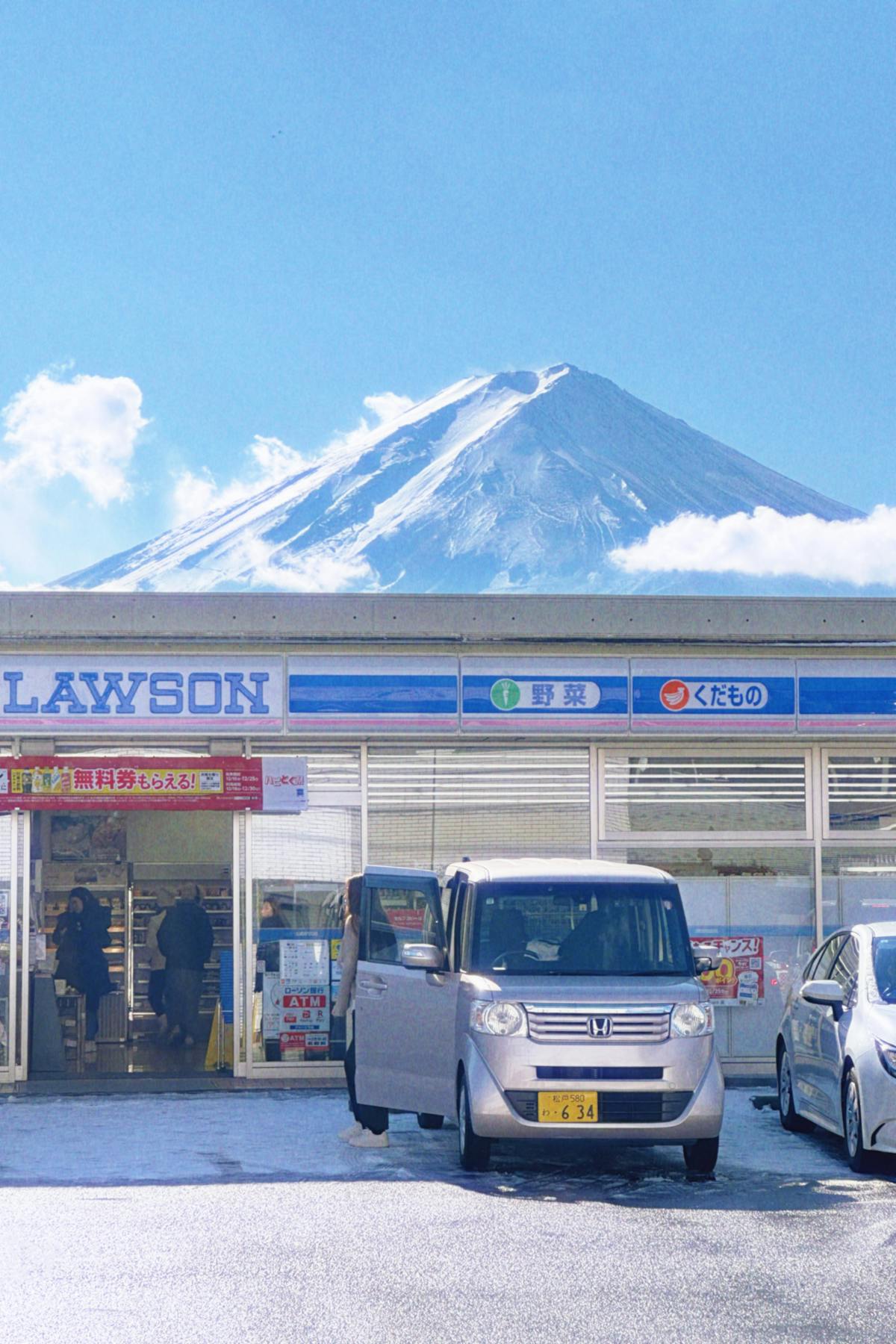
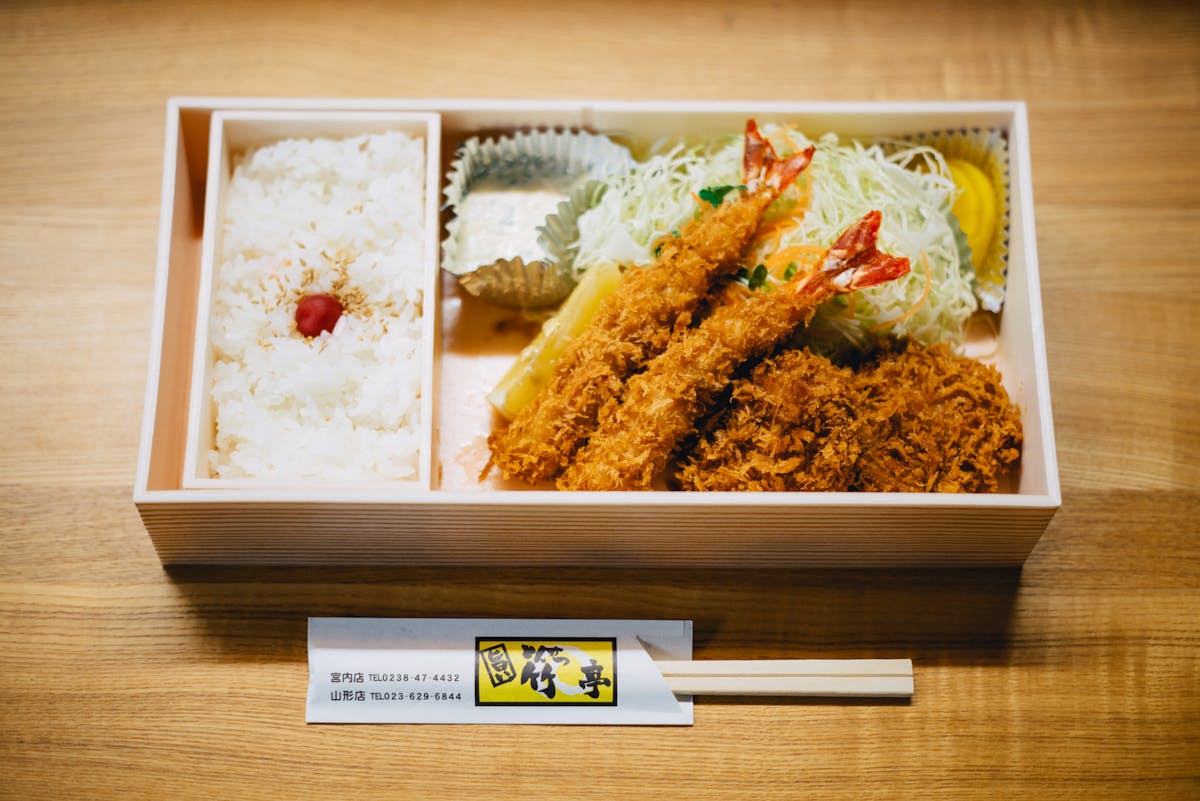
Convenience Stores (コンビニ, konbini) — The holy grail of Japan budget eating. 7-Eleven, FamilyMart, and Lawson serve freshly prepared onigiri (rice balls) for ¥100–¥180, hot nikuman (steamed meat buns) for ¥130, sandwiches for ¥200–¥300, hot soups, salads, fresh sushi rolls, and elaborate bento boxes for ¥500–¥700. A full and satisfying meal from a konbini costs ¥400–¥700. The quality is genuinely good — onigiri, in particular, is a perfect food: fresh, satisfying, and endlessly varied.
Standing Ramen and Soba Bars — You’ll notice narrow corridor-like restaurants with a counter and no seats near busy train stations. These tachigui (standing eating) establishments serve full bowls of ramen, udon, or soba for ¥400–¥700. They’re built for speed, but the food is excellent. Look for Fuji Soba, Yude Taro, and station-based kiosks throughout Tokyo.
Yoshinoya, Sukiya, and Matsuya (Gyudon chains) — These beef bowl chains serve a satisfying bowl of sliced beef over rice (gyudon) for ¥350–¥500. Open 24 hours, fast, reliable, and nutritious enough. A staple of budget Japan travel.
Teishoku (Set Meal) Restaurants — Lunch teishoku at sit-down restaurants typically costs ¥750–¥1,200 and includes a main dish, rice, miso soup, and pickles. Many restaurants offer teishoku only at lunch, making lunch the ideal time to eat at sit-down places and saving more expensive dinner menus for occasional splurges.
Supermarket evening discounts — Visit any Japanese supermarket after 5:00pm and you’ll find sushi, bento, prepared foods, and pre-cut fruit marked down by 20–50% with yellow or orange stickers. This is how many Tokyo residents eat on a budget. You can assemble a substantial dinner for ¥500–¥800.
Izakayas (Japanese gastropubs) — Not usually the cheapest option, but izakayas offer excellent value if you order carefully. Set courses (nomihoudai, drink-all-you-can packages) typically cost ¥2,000–¥3,000 for 2 hours of unlimited drinks plus several food dishes. A great evening experience that doesn’t break the budget.
Before heading out, make sure you have a Japan eSIM ready. Get your Japan eSIM (Stay connected from day 1) →
Book your hotel on Agoda (Best prices guaranteed) → or
Transport: Getting Around Without Going Broke
IC Cards (Suica/Pasmo) are the foundation of budget transport in Japan. These rechargeable smart cards work on every subway, JR line, bus, and many rural trains across the country. You simply tap in and tap out, and the fare is deducted automatically. Fares are calculated precisely by distance — you never overpay. IC cards also work at konbini, vending machines, and some restaurants.
Purchase a Suica at any JR station machine (¥500 deposit, refundable when you return it). Load whatever amount you need. This single card handles all urban transport throughout Japan.
24-hour and multi-day Metro passes are worth considering if you’re doing intensive sightseeing in Tokyo. A 24-hour Tokyo Metro pass costs ¥600 — if you take 4 or more journeys in a day, it pays off. A 72-hour pass costs ¥1,500.
Highway Buses are the budget traveler’s secret weapon for intercity travel. A nighttime highway bus between Tokyo and Osaka costs ¥3,500–¥6,000 — versus ¥13,870 by Shinkansen. You sacrifice 8 hours of time (most buses travel overnight so you don’t “lose” daylight hours) but save enormous amounts of money. Major operators include Willer Express, JR Bus Kanto, and Meitetsu Bus. Booking in advance via the Japan Bus Online website or each operator’s site gets the best prices.
Budget airlines are viable for longer distances. Peach Aviation, Jetstar Japan, and Spring Airlines Japan serve domestic routes at prices that sometimes undercut even the bus. Tokyo (Narita) to Fukuoka can cost ¥5,000–¥8,000 on Peach versus ¥23,000 by Shinkansen. Check Skyticket or each airline’s website for current prices. Factor in the cost of getting to and from budget airports (Narita is 60–90 minutes from central Tokyo).
Walking — Never underestimate how walkable Japan’s city centers are. The areas around most major attractions are best explored on foot. Walking between Asakusa, Ueno, and Akihabara in Tokyo, or between Kyoto’s temple districts, is entirely feasible and reveals street-level life that train travel misses completely.
Free and Nearly-Free Attractions
Japan has a remarkable number of excellent free attractions. Don’t assume everything costs money:
Temples and shrines (most are free entry) — Senso-ji in Asakusa, Meiji Jingu in Harajuku, Fushimi Inari in Kyoto, and thousands of other sacred sites charge no admission. Notable exceptions include Kinkaku-ji (Golden Pavilion, ¥500) and a few others.
Observation decks (free alternatives) — Tokyo Metropolitan Government Building (Shinjuku) has two free observation decks on floors 45 and 45 of both the north and south towers, open until 11pm. Views are comparable to Tokyo Skytree at a fraction of the price (Skytree costs ¥2,100–¥3,400). The Caretta Shiodome building in Ginza also has a free observation deck.
Parks and gardens — Yoyogi Park, Ueno Park, Shinjuku Gyoen (¥500, worth it), Maruyama Park in Kyoto, and dozens of castle grounds across Japan are either free or very cheap. Pack a konbini lunch and make it a picnic.
Fish and food markets — Tsukiji Outer Market in Tokyo, Nishiki Market in Kyoto, and Kuromon Market in Osaka are free to browse and offer some of the best street food experiences in Japan.
Department store basement floors (depachika) — The basement floors of Japanese department stores are elaborate food halls showcasing everything from fresh pastries to elaborate takeout meals. Free to browse, and browsing alone is a genuine experience.
Onsen day-use facilities — Many public bath houses (sento) and some onsen facilities offer day-use access for ¥500–¥1,500. This is significantly cheaper than staying at a ryokan but gives you a similar bathing experience. Look for “日帰り温泉” (day-trip onsen) facilities in your area.
Money and Cash in Japan
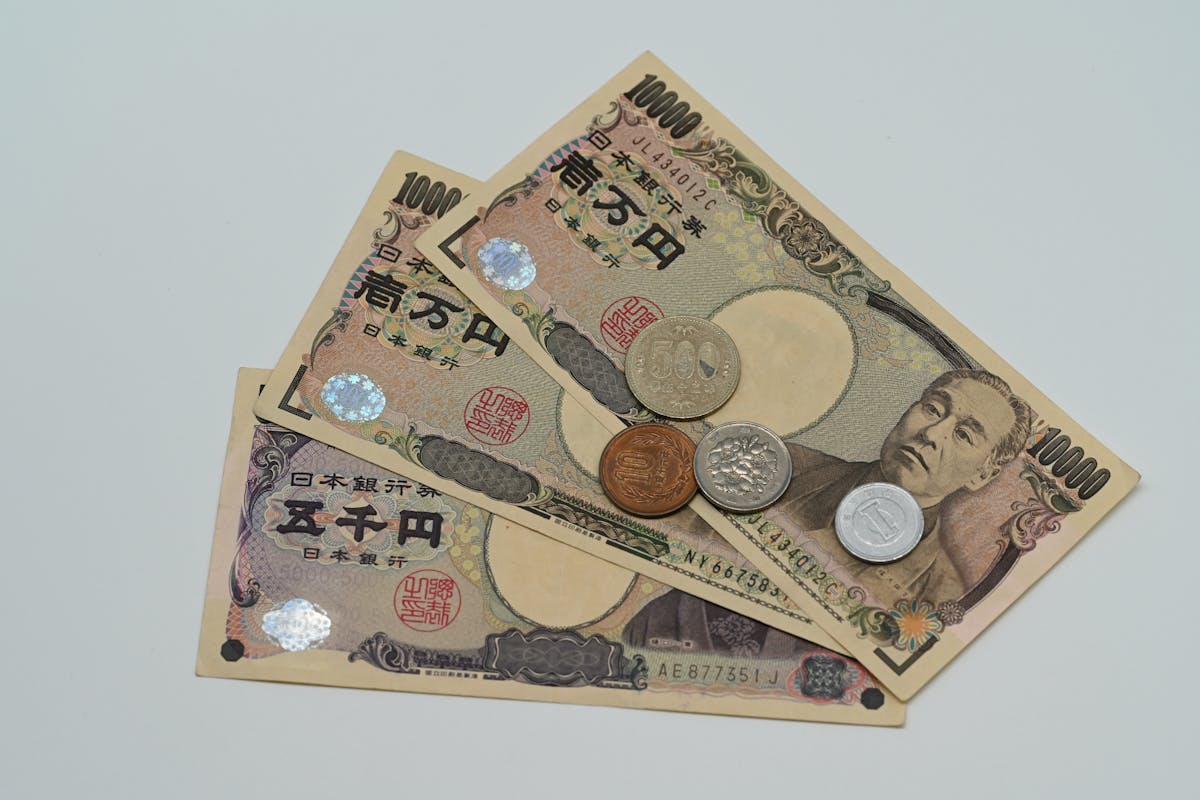
Japan remains heavily cash-based — many small restaurants, temples, and rural businesses don’t accept cards. Carrying cash is essential.
Best way to get cash: 7-Eleven ATMs accept international cards from almost every country and have English menus. Japan Post ATMs also work well internationally. Avoid currency exchange booths at airports — rates are poor.
Withdrawal fees: 7-Eleven charges ¥110 per withdrawal; some international banks charge additional foreign transaction fees. Wise (formerly TransferWise) and Revolut cards minimize these costs significantly — worth setting up before your trip.
How much to carry: Budget ¥5,000–¥10,000 in cash per day depending on your plans. Don’t worry too much — ATMs are everywhere and restocking is easy in any city.
Communication: SIM Cards and Pocket WiFi
Tourist SIM cards are the most convenient option for most visitors. IIJmio, NTT Docomo tourist SIMs, and Sakura Mobile offer data-only SIMs from around ¥3,000–¥5,000 for 15–30 days of unlimited data. Purchase at major airports (Narita, Haneda, KIX) immediately on arrival.
eSIM options — If your phone supports eSIM, services like Airalo and Klook sell Japan eSIMs that you activate before departure. No physical SIM needed. Data plans start around ¥2,000 for 1GB. Excellent for short trips.
Free WiFi — Available at most konbini (7-Eleven, FamilyMart, Lawson all have free WiFi), McDonalds, Starbucks, and many train stations. Coverage is good enough that combining a minimal data plan with strategic WiFi use is a viable budget option.
Sample Budget Day in Tokyo
To make the numbers concrete, here’s what a fully budget day in Tokyo looks like:
Accommodation (capsule hotel): ¥3,500
Breakfast (konbini onigiri x2 + coffee): ¥350
Transport (day’s subway journeys): ¥600
Lunch (standing ramen): ¥700
Afternoon snack (konbini): ¥200
Dinner (gyudon chain + beer from konbini): ¥700
Attractions (free: shrines + Tokyo Metro Government Building): ¥0
Total: ¥6,050 (~$40 USD)
On this budget you can spend a full, rich day in one of the world’s great cities. Add a paid museum (¥600–¥1,600) or a nicer dinner (¥2,000–¥4,000 at an izakaya) and you’re still under ¥9,000/day. This is genuinely achievable without feeling like you’re roughing it.
Final Tips for Saving Money in Japan
Visit in shoulder season. March (before cherry blossoms peak), November (before autumn foliage peaks), and June (rainy season) offer lower accommodation prices with minimal sacrifice in experience. Avoid Golden Week, O-Bon, and New Year’s — prices spike dramatically.
One cost no budget traveler should cut: basic travel medical cover. A single clinic visit in Japan can wipe out more than a week of hostel savings, while a pay-per-week plan like SafetyWing costs a few dollars a day and protects the whole budget you have so carefully built.
Get a JNTO Tourist Welcome Card. The Japan National Tourism Organization offers a Tourist Welcome Card program that provides discounts at participating hotels, restaurants, and shops when you show your passport. Not all discounts are significant, but the card costs nothing and is worth having.
Use luggage forwarding services. Takkyubin courier services (Yamato Transport is the main operator) can forward your luggage between hotels for ¥1,500–¥2,500. This lets you travel light on trains and explore freely on travel days — well worth it even on a tight budget.
Drink vending machine beverages. Vending machines are literally everywhere in Japan — estimated 5 million machines nationwide. Cold drinks cost ¥100–¥150 (coffee, tea, water, juice). This is significantly cheaper than buying drinks at cafes throughout the day.
Japan rewards the budget traveler who pays attention. The system is built with incredible efficiency, and once you understand the rhythm — konbini for breakfast, teishoku for lunch, standing bar for a quick ramen, free temple in the afternoon — you’ll find yourself living exceptionally well for remarkably little money.
Budget Accommodation in Japan: Full Breakdown by Type
Where you sleep accounts for the biggest variable in your Japan budget. Here is what to expect at each price point, with honest assessments of the trade-offs at each level.
Hostels and Guesthouses: ¥2,500–¥5,000 Per Night
Japan’s hostel scene is exceptional by global standards. Cleanliness levels that would rank as outstanding in Europe are standard here, and hostel common rooms are genuinely useful spaces for meeting other travellers and exchanging tips. Expect to pay ¥2,500–¥3,500 for a dorm bunk in Tokyo, slightly less in Osaka and Kyoto. Private rooms in hostels range from ¥5,000–¥8,000 and represent excellent value — often cleaner and better-located than budget hotels at the same price. In Tokyo, Asakusa and Ueno have the highest density of well-reviewed budget options. In Kyoto, the area around Kyoto Station offers excellent hostels within walking distance of the Shinkansen. In Osaka, Namba and Shinsaibashi put you in the middle of the food and nightlife culture.
Capsule Hotels: ¥3,500–¥6,000 Per Night
Modern capsule hotels have evolved far beyond the basic pod-and-shared-bathroom model. Properties like First Cabin, Book and Bed, and newer independent capsule hotels offer well-designed sleeping pods with blackout curtains, personal lighting, in-pod USB ports, premium shared bathing facilities (often with baths and saunas), and clean common areas. The privacy level is meaningfully higher than a dorm bed. Capsule hotels are men-only, women-only, or mixed-floor depending on the property. For solo budget travellers, a premium capsule hotel at ¥5,500 often delivers a better overall experience than a basic business hotel at ¥7,000, largely because the bathing facilities are dramatically superior.
Business Hotels: ¥7,000–¥12,000 Per Night
The backbone of Japanese budget accommodation for solo travellers. Brands like Toyoko Inn, APA Hotel, Super Hotel, and Dormy Inn are reliable, clean, and well-located. Rooms are compact (a standard single is approximately 14m2) but efficiently designed. Wi-Fi is always included. Most business hotels are within 5–10 minutes of a major train station. For two travellers sharing a twin room at ¥12,000–¥14,000 (¥6,000–¥7,000 per person), business hotels outperform hostels for couples and travel pairs in both comfort and cost.
Budget Ryokan: ¥8,000–¥15,000 Per Night With Two Meals
Traditional Japanese inns are widely assumed to be luxury-only, but budget ryokan exist throughout Japan — particularly in onsen towns like Kinosaki, Shibu, and Dogo Onsen. Budget ryokan at ¥8,000–¥12,000 per person typically include a tatami room, shared onsen baths, a dinner of 5–8 courses of local cuisine, and breakfast. The kaiseki dinner alone would cost ¥4,000–¥6,000 at a restaurant, making the meal-inclusive rate highly competitive. One or two nights at a budget ryokan is one of the best experiences in Japan at any budget level.
How to Eat Well in Japan for ¥2,500–¥4,000 Per Day
Japan is one of the most exceptional food destinations in the world, and many of its best eating experiences are also among its cheapest.
Convenience Stores (Konbini): ¥400–¥800 Per Meal
Japanese convenience stores — primarily 7-Eleven, FamilyMart, and Lawson — operate at a food quality level entirely unrecognisable to anyone familiar with Western convenience stores. Onigiri rice balls are freshly made with quality fillings at ¥120–¥160. Sandwiches and bento boxes are well-seasoned and filling at ¥380–¥580. Hot food counters dispense fried chicken, steamed pork buns, and croquettes at ¥100–¥200. The espresso machine (¥100 for a cappuccino) is consistently good. Starting the day with a konbini breakfast (onigiri plus coffee, ¥280) and packing konbini lunches on travel days cuts costs significantly without sacrificing quality.
Standing Restaurants (Tachigui): ¥400–¥800
Japan has an extensive culture of standing eating — soba and udon noodle stands ubiquitous in train stations charge as little as ¥350 for a bowl. Gyudon beef-bowl chains (Yoshinoya, Sukiya, Matsuya) serve a filling bowl with egg and miso for ¥550–¥750. Standing sushi bars price plates at ¥100–¥150. Train station standing noodle counters are freshly made, consistently decent, and extremely fast — use them without hesitation.
Teishoku Set Meals: ¥700–¥1,200
The teishoku (set meal) is Japan’s best answer to the lunch budget question: a main dish plus rice, miso soup, pickles, and sometimes a small salad, for ¥750–¥1,100 at mid-range restaurants during lunch hours. Many restaurants charging ¥2,000–¥3,000 for dinner offer teishoku lunch sets at half the price. This is one of the best-value eating patterns in Japan.
Supermarket Discounts After 7 PM: ¥500–¥1,000
Japanese supermarkets discount prepared foods — sushi, bento boxes, cooked dishes — by 20–50% in the hours before closing, typically 7–9 PM. Look for orange or yellow discount stickers. Supermarket sushi at 30% off (¥600–¥800 for a full tray) is genuinely excellent. This approach cuts dinner costs dramatically for travellers willing to eat slightly later in the evening.
Free and Very Cheap Activities in Japan’s Major Cities
Many of Japan’s most significant experiences are entirely free.
Tokyo: Sensoji Temple in Asakusa (free), Meiji Jingu Shrine (free), Harajuku Takeshita Street (free to browse), Shinjuku Gyoen National Garden (¥500 — outstanding value), Tokyo Metropolitan Government Building Observatory (free panoramic views), all major shrine grounds.
Kyoto: Fushimi Inari (completely free, open 24 hours), Philosopher’s Path (free walk), Nijo Castle grounds (free exterior), Maruyama Park (free), Nishiki Market (free to browse and sample), numerous neighbourhood shrines throughout Gion and Higashiyama.
Osaka: Dotonbori walk (free, best at night with the lights), Kuromon Ichiba Market (free to browse), Sumiyoshi Taisha Grand Shrine (free), Den Den Town electronics browsing (free), Tempozan Marketplace (free).
The $50/Day Japan Budget: Realistic Assessment
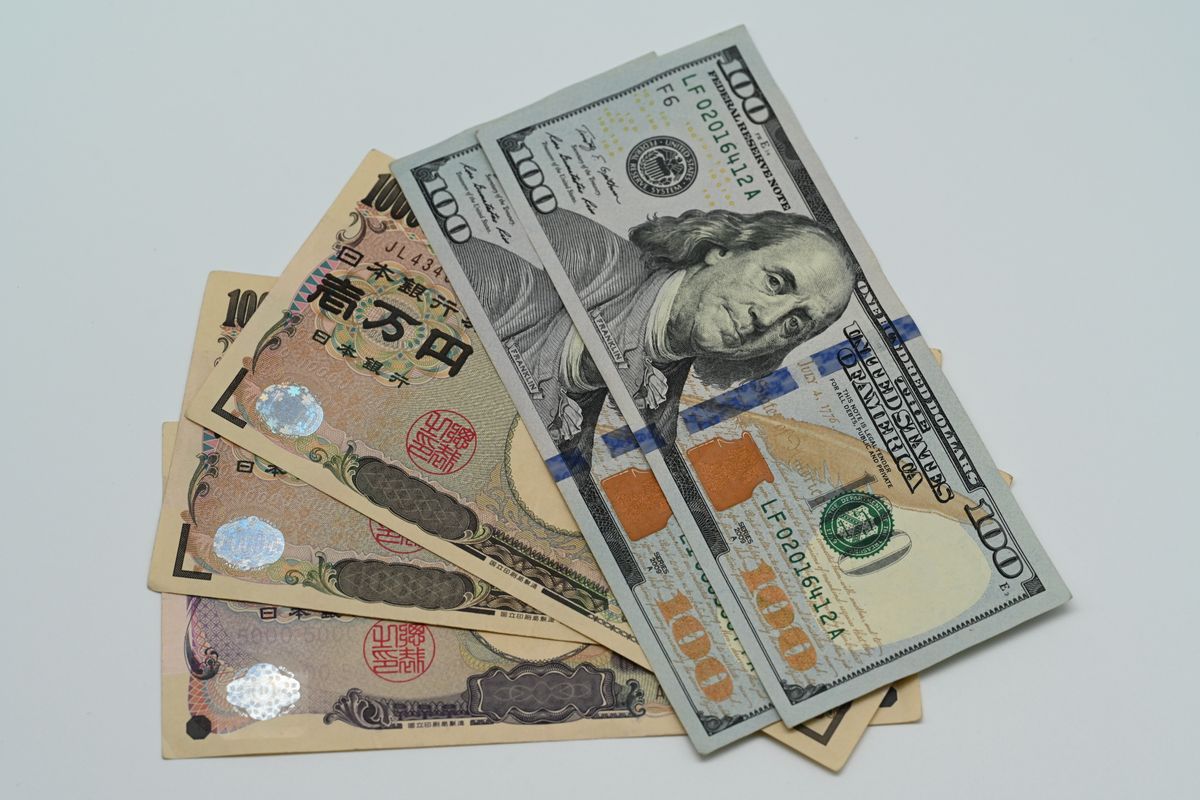
At current exchange rates (approximately ¥155 per US dollar), $50/day equals roughly ¥7,750. Here is whether this is achievable in practice:
Accommodation ¥3,000: Hostel dorm bed. Possible in Osaka, Kyoto, and Fukuoka. Tokyo dorms are ¥3,500–¥4,500 minimum, making ¥3,000 difficult in Tokyo specifically.
Food ¥2,500: Konbini breakfast (¥300) + ramen or teishoku lunch (¥800) + supermarket discounted dinner (¥900) + snacks (¥500). Achievable and still leaves room to eat well.
Transport ¥1,500: On city days using IC card. On Shinkansen days, transport costs spike to ¥6,000–¥15,000+ — these days break the daily budget. The $50/day figure works as an average over a full trip, not on individual Shinkansen travel days.
Honest verdict: ¥7,750/day is achievable in Osaka, Fukuoka, or smaller cities with careful choices. In Tokyo, ¥9,000–¥10,000/day is more realistic. The $50/day figure works for the budget-conscious traveller staying in dorms, eating from convenience stores and standing restaurants, and using city transport on most days — not a traveller taking Shinkansen daily.
Frequently Asked Questions: Japan Budget Travel
Q: Is Japan more or less expensive than Europe for budget travellers?
A: Japan is comparable to Western Europe for hotel costs but often cheaper for food — particularly convenience stores, standing restaurants, and teishoku set meals. The main difference is that Japan’s public transport is world-class but not cheap for long distances. Budget for transport separately from daily living costs.
Q: Is cash still necessary in Japan?
A: Less than it used to be. Major cities have seen significant shift toward card payment since 2023. However, some smaller restaurants, local izakayas, rural accommodation, and temple admission still requires cash. Carry ¥10,000–¥20,000 in cash at all times; withdraw at 7-Eleven ATMs (English menus, reliable foreign card acceptance, open 24 hours).
Q: Are budget airlines useful for Japan travel?
A: Yes — Japan has a competitive domestic budget airline market. Peach, Jetstar Japan, Skymark, Solaseed, and StarFlyer serve routes where Shinkansen pricing is high: Tokyo–Okinawa, Tokyo–Hokkaido, Osaka–Okinawa. For routes under 2 hours by Shinkansen, the train remains faster door-to-door. For long routes of 4+ hours by train, budget flights save both money and time.
Q: What is the cheapest time of year to visit Japan?
A: January–February (excluding New Year week) and June (rainy season) have the lowest tourist volumes and lowest accommodation prices. Cherry blossom season, Golden Week, and autumn foliage season see the highest prices and most crowding. A January visit to Tokyo can reduce accommodation costs by 20–40% versus peak season.
Q: Is it rude to eat while walking in Japan?
A: Generally yes, except in designated street food areas. Eating festival snacks or ice cream at tourist streets like Nakamise in Asakusa is accepted. Eating while walking on city pavements or in train stations is considered impolite. Eat at standing counters or seated.
Japan Budget Summary Per Day
Backpacker budget (hostel dorm, konbini meals, free activities): ¥7,000–¥10,000/day excluding long-distance transport.
Mid-range budget (business hotel, mix of restaurants and konbini, selected paid attractions): ¥12,000–¥18,000/day excluding long-distance transport.
Comfortable travel (good business hotel or entry-level ryokan, regular restaurant meals, attractions): ¥20,000–¥30,000/day excluding long-distance transport.
Add Shinkansen journeys separately: each major leg (Tokyo–Kyoto, Tokyo–Hiroshima) costs ¥13,000–¥18,000 per person. Budget for 3–5 major train journeys on a standard 14-day trip and plan your daily budget around them.
Money-Saving Strategies That Actually Work in Japan
Beyond the basic advice, these strategies have a meaningful impact on your total Japan travel budget.
Use the IC Card Everywhere Possible
The ICOCA (Kansai), Suica (Tokyo), and Manaca (Nagoya) IC cards are prepaid transit cards that also work at convenience stores, vending machines, lockers, and an increasing number of restaurants and shops. They save time (no fumbling for cash or tickets) and are slightly cheaper than paper tickets on some routes. Top up at station machines. One card covers your entire transit needs in the city and transfers automatically at fare gates without needing to buy individual tickets.
Eat at Lunch Instead of Dinner
Japan’s restaurant culture has a strong distinction between lunch and dinner pricing. The same restaurant that charges ¥2,500–¥4,000 for a dinner main course offers a teishoku lunch set for ¥1,000–¥1,500 including rice, miso soup, pickles, and a drink. For travellers trying to experience good restaurants on a budget, lunch is the answer. Plan your nicer meals for midday and keep evenings simple with supermarkets or standing bars.
Choose Overnight Buses for Long Distances
Japan’s overnight highway bus network connects all major cities at a fraction of Shinkansen prices. A Willer Express bus from Tokyo to Osaka (about 8 hours overnight) costs ¥3,500–¥5,500 depending on the bus type and seat class — compared to ¥13,870 for the Shinkansen. You save on a night’s accommodation at the same time. The buses are clean, reliable, and have reclined seats or leg rests on better coaches. Booking via Willer Express, JR Bus, or Kosoku Bus websites is straightforward and English-language options are available.
Take the JR Rapid (Futsuu) for Short to Medium Distances
For journeys under 2 hours where you are not in a rush, the regular JR express (Rapid or Futsuu) trains are significantly cheaper than the Shinkansen and cover interesting ground. Tokyo to Atami (2 hours, ¥1,980) versus Shinkansen to Mishima (37 minutes, ¥4,720). Kyoto to Osaka (29 minutes, ¥570) versus Shinkansen to Shin-Osaka (15 minutes, ¥1,420). On city-region journeys, always check if a regular express option exists before defaulting to Shinkansen.
Visit National Parks and Natural Attractions Over Paid Attractions
Japan’s national parks, mountains, coastal trails, and temple grounds are free or very cheap. Nikko National Park (free to enter, ¥1,000–¥1,300 for individual temple buildings), Fuji Five Lakes area (free to walk, ¥1,000–¥2,000 for cable cars or climbing fees), Towada-Hachimantai National Park in Tohoku (free), Yakushima Island hiking trails (free with national park entrance fee of ¥500). Nature-focused itineraries are inherently lower cost than city tourism, and Japan’s natural landscapes are among the most spectacular in Asia.
Avoid Hotel Booking Fees: Book Direct or Via Jalan and Rakuten Travel
Japanese hotel booking platforms Jalan (jalan.net) and Rakuten Travel (travel.rakuten.com) often offer lower prices than international platforms for Japan-based accommodation, particularly ryokan and traditional inns. Point accumulation programs on both platforms add further value. English interfaces are available on both sites. For business hotels, booking direct through the hotel’s own website or phone is sometimes cheaper than any third-party platform.
Sample Japan Budget Itinerary: 14 Days for Under ¥150,000 Total
This is a realistic plan for a solo traveller on a genuine budget covering Tokyo, Kyoto, Osaka, and Hiroshima. All figures in yen per person.
Accommodation (14 nights): 4 nights Tokyo hostel dorm (¥4,000/night = ¥16,000) + 3 nights Kyoto business hotel (¥7,500/night = ¥22,500) + 3 nights Osaka hostel private (¥6,000/night = ¥18,000) + 2 nights Hiroshima guesthouse (¥4,500/night = ¥9,000) + 2 nights back in Tokyo (¥4,000/night = ¥8,000). Total accommodation: ¥73,500.
Transport: JR 7-day Pass ¥50,000 (activated Day 5 for the Shinkansen segment) + IC card top-ups for city transit ¥10,000 + misc local buses ¥3,000. Total transport: ¥63,000.
Food (14 days): Averaging ¥2,500/day in Tokyo (konbini + one restaurant meal) + ¥2,800/day in Kansai (teishoku lunches + supermarket dinners) = approximately ¥37,000.
Activities and admissions: Todaiji ¥600, Sensoji free, Fushimi Inari free, Kinkakuji ¥500, Hiroshima Peace Museum ¥200, Miyajima ropeway ¥2,000, Nara Park free, etc. Budget ¥8,000–¥12,000 for all admissions.
Total estimated budget: ¥73,500 + ¥63,000 + ¥37,000 + ¥10,000 (admissions + misc) = approximately ¥183,500 (about $1,185 USD). Below the ¥150,000 target for accommodation and daily costs alone, but transport adds significantly. For strict ¥150,000 total: use overnight buses instead of the JR Pass and extend dorm stays throughout.
See our detailed 2-week Japan itinerary for the full day-by-day plan, and the JR Pass guide for transport cost calculations.
Japan Budget Travel Apps and Tools Worth Using
These tools will save you time, money, and confusion throughout your trip.
Google Maps with transit mode: Works excellently in Japan and shows IC card fares, travel times, and step-by-step transit directions. Covers Tokyo, Osaka, Kyoto, and all major city transit networks including the Shinkansen. Download offline maps for each region before you travel.
Hyperdia or Japan Transit Planner: More detailed train routing than Google Maps, with accurate fare breakdowns and timetables for all JR and private rail services. Useful for identifying overnight buses and comparing express vs local pricing. Available as a mobile app and web interface.
Tabelog (Japan restaurant reviews): Japan’s leading restaurant review platform, analogous to Yelp but far more widely used locally. English interface available. Search by area and filter by lunch price (昼: hiru) to find teishoku restaurants in any neighbourhood. Look for lunch sets under ¥1,000 at restaurants with high overall scores (3.0+ on Tabelog is genuinely good; 3.5+ is excellent).
Currency Converter App: Japanese prices are always quoted in yen with no tipping culture — a ¥1,200 lunch costs exactly ¥1,200, nothing more. A quick mental conversion (divide by 155 for USD, divide by 170 for GBP, divide by 160 for EUR at 2025–2026 rates) keeps budget tracking effortless.
Coin locker locator apps: Coin lockers (¥300–¥700/day) at train stations are essential for day trips when carrying luggage. Apps like Ekimobu or simply Googling “coin locker [station name]” show available lockers by size. JR Osaka and JR Kyoto stations have the largest locker banks in Kansai.
Final Advice: The Mindset for Budget Japan Travel
Japan rewards budget travellers who approach it with curiosity rather than anxiety. The convenience stores, standing restaurants, and supermarket discount sections are not compromises — they are authentic expressions of Japanese food culture that the majority of local residents use daily. The free shrines and parks are not second-tier attractions — Fushimi Inari, Meiji Jingu, and Nara Park are among the most extraordinary places in the country. Transport costs are real and unavoidable, but the Shinkansen is also an experience in itself — fast, smooth, punctual to the second, and offering views of rural Japan that no other form of transport matches.
Budget Japan travel is not about restricting your experience. It is about understanding where money makes a meaningful difference (a single night in a good onsen ryokan, a proper Kobe Beef lunch, a scenic limited express) and where it does not (daily transport within a city, most breakfasts, most admissions at Japan’s extraordinary free shrines and gardens). Allocate your budget wisely and Japan can be one of the most rewarding trips in the world at almost any price point.
For planning help, see our guides to the JR Pass, the best time to visit Japan, and our complete two-week Japan itinerary.
Quick Reference: Japan Budget Checklist Before You Travel
Before your flight: Purchase IC card or arrange for ICOCA/Suica pickup at the airport. Download Google Maps offline for your regions. Book accommodation for your first two nights at minimum — hostel dorms fill quickly in peak season. Identify which konbini chain is most common at your destination. Convert some cash to yen before arrival for airport to hotel transit.
On arrival: Withdraw ¥30,000–¥50,000 from a 7-Eleven ATM using your foreign card. Top up your IC card at any station machine (¥1,000–¥3,000 is sufficient for the first day). Locate your nearest konbini relative to your accommodation. If using a JR Pass, head to the JR ticket office on the day you plan your first Shinkansen journey to activate and reserve seats.
Daily habits that keep costs low: Check supermarket discount stickers after 7 PM for dinner savings. Use the teishoku lunch format at nicer restaurants rather than evening dining. Walk when distances are under 20 minutes rather than taking taxis. Use coin lockers at train stations instead of returning to your accommodation between activities. Carry ¥5,000–¥10,000 in cash for places that do not accept cards.
Japan rewards the prepared budget traveller enormously. The infrastructure, cleanliness, food quality, and safety that Japan delivers at every price point is simply not matched anywhere else in the world. Your budget trip to Japan will very likely become one of your best-value travel experiences regardless of what you spend.
Related guides: Best time to visit Japan by season, Tokyo neighborhoods guide for first-time visitors, Japan capsule hotel guide, and Japan family travel with kids. Whether you are travelling solo on a shoe-string or looking to stretch a moderate budget as far as possible, Japan consistently delivers experiences that exceed expectations at every price point. Plan well, eat adventurously, and let Japan’s extraordinary infrastructure do the rest.
Going to Japan? Talk to locals with confidence.
Hirameki Japanese — instant offline translation, camera translation, furigana + romaji, and 314 free flashcards. No login. Works without internet.

Plan your Japan trip
Two things every first-timer should book
Some links are affiliate links. If you book through them we may earn a small commission at no extra cost to you.