Japan’s most famous sights — Tokyo’s Shibuya Crossing, Kyoto’s Fushimi Inari, Osaka’s Dotonbori — are famous for good reason. But Japan is a country of extraordinary depth, and beyond the tourist trail lies a world that most visitors never discover. These hidden gems range from neighborhoods in major cities to entire towns that have somehow escaped the flood of international attention. This guide reveals the places that will make your Japan trip truly memorable.
Yanaka: Old Tokyo Surviving in the Present
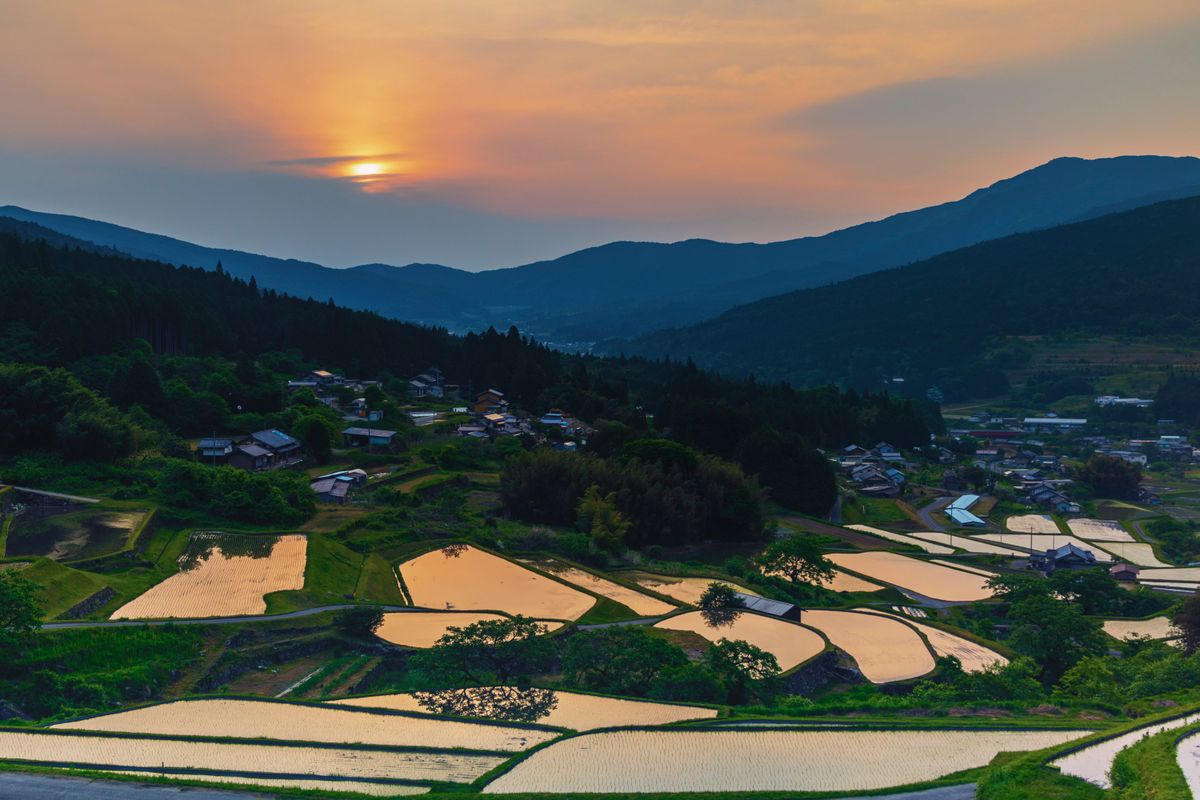
Tucked between Ueno and Nippori stations in northeastern Tokyo, Yanaka is a living museum of old downtown Tokyo. Unlike most of the city, Yanaka survived both the 1923 Great Kanto Earthquake and World War II bombings largely intact, preserving wooden machiya townhouses, narrow winding streets, and a neighborhood pace of life that feels a century removed from Shibuya.
The centerpiece is Yanaka Cemetery — far from morbid, it’s a beautiful, tree-lined park where families walk, cats sleep on gravestones, and cherry blossoms fall in spring. Surrounding the cemetery, Yanaka Ginza is a 170-meter shopping street of tiny traditional shops selling sembei crackers, hand-dyed textiles, local sweets, and perfectly aged pickles. Dozens of independent cafes and small art galleries line the streets between. It’s everything Tokyo is losing to development, preserved here almost accidentally.
How to get there: Nippori Station on the JR Yamanote Line. The cemetery entrance is a 5-minute walk; Yanaka Ginza is another 5 minutes beyond.
Best time to visit: Morning on a weekday for the authentic local atmosphere; weekends are busier but still far less crowded than Asakusa.
Naoshima: The Island of Modern Art
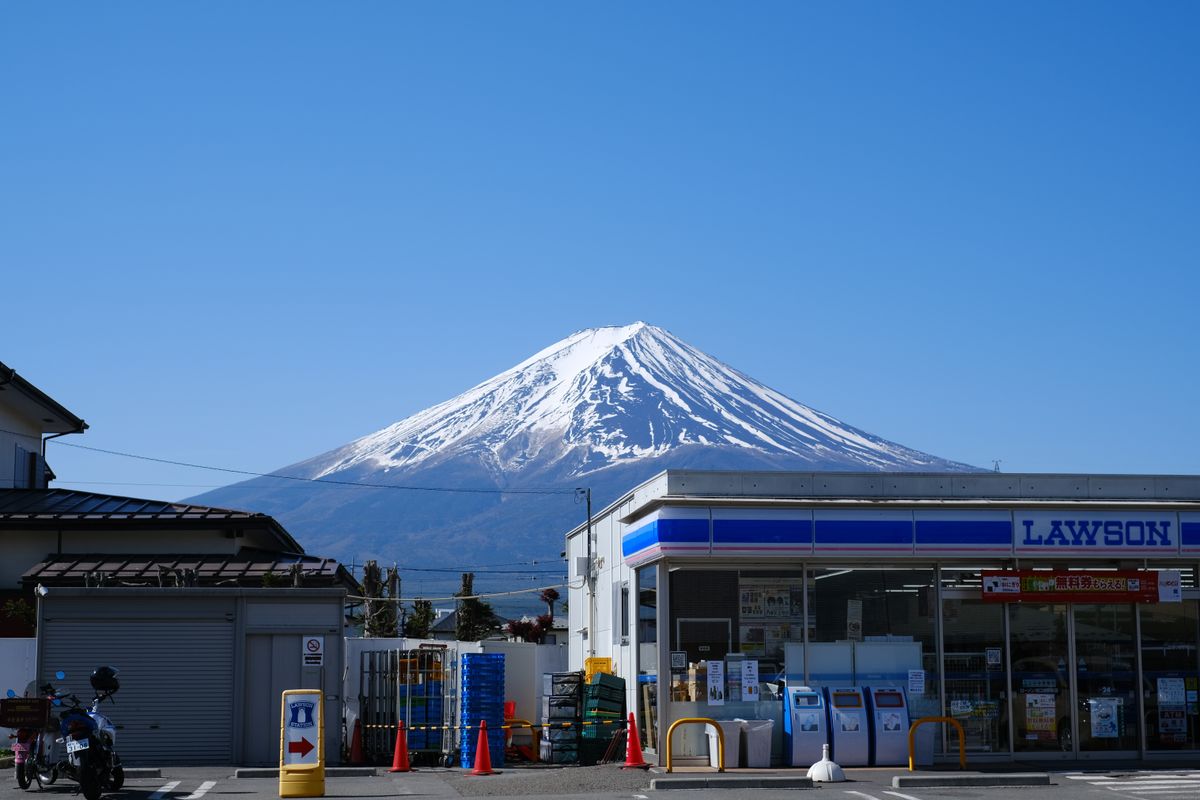
Naoshima is an island in the Seto Inland Sea that has been transformed into one of the world’s most remarkable contemporary art destinations. Beginning in the 1990s, the Benesse Corporation and architect Tadao Ando began developing a series of world-class art museums literally built into the landscape of this tiny fishing island.
The Chichu Art Museum is Ando’s masterpiece — an underground museum where the galleries receive only natural light, and the three artists housed within (Claude Monet, James Turrell, Walter De Maria) are displayed in spaces specifically designed to transform perception. Monet’s Water Lilies series in a room flooded with changing natural light is among the greatest museum experiences in Asia.
Beyond Chichu, the Benesse House Museum (with hotel accommodations amid the art), the Lee Ufan Museum, and dozens of art installations scattered throughout the island’s traditional fishing villages create a completely unique experience. Yayoi Kusama’s iconic Pumpkin sculpture on the dock has become one of Japan’s most photographed artworks.
How to get there: From Okayama or Takamatsu, take a ferry (40–60 minutes). JR Pass covers the train to these gateway cities.
Best time to visit: Spring and autumn for comfortable temperatures. Book museum tickets in advance — Chichu especially sells out.
Stay overnight if possible — the island is magical at dusk when day-trippers leave.
Kanazawa: Kyoto Without the Crowds
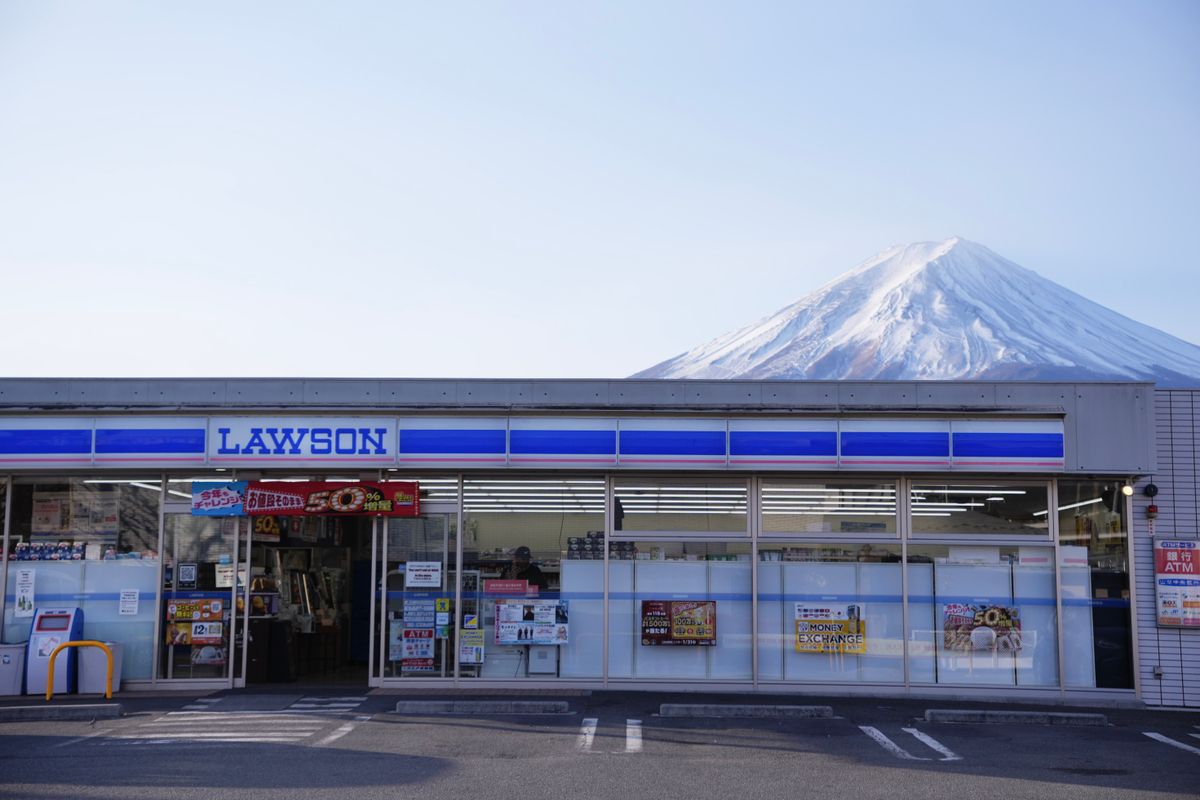
Kanazawa is one of Japan’s best-kept secrets. Located on the Sea of Japan coast facing Korea, this former castle town was one of the only major Japanese cities never bombed during World War II, preserving it with remarkable completeness. Many visitors who discover Kanazawa call it their favorite city in Japan — high praise in a country full of extraordinary places.
Kenroku-en, one of Japan’s three great gardens (alongside Kairakuen and Koraku-en), is the centerpiece — a 25,000-square-meter masterpiece of landscape design with hundreds of cherry trees, a pine-fringed pond, and pavilions at every turn. Nearby, the samurai and geisha districts of Nagamachi and Higashi Chaya survive in their original form, with restaurants and craft studios operating in historic buildings.
The Omicho Market is a spectacular covered market hall selling Kanazawa’s famous fresh seafood — crabs, sea urchin, yellowtail, and the local delicacy jibuni (duck and wheat gluten stew). The 21st Century Museum of Contemporary Art is one of Japan’s most exciting modern art venues, architecturally stunning and completely free to enter the central section.
How to get there: Kanazawa is on the JR Hokuriku Shinkansen line, 2.5 hours from Tokyo. Fully covered by the JR Pass.
Best time to visit: Spring for cherry blossoms in Kenroku-en; winter brings heavy snow that transforms the garden into a completely different spectacle.
Matsumoto: Japan’s Most Beautiful Castle Town
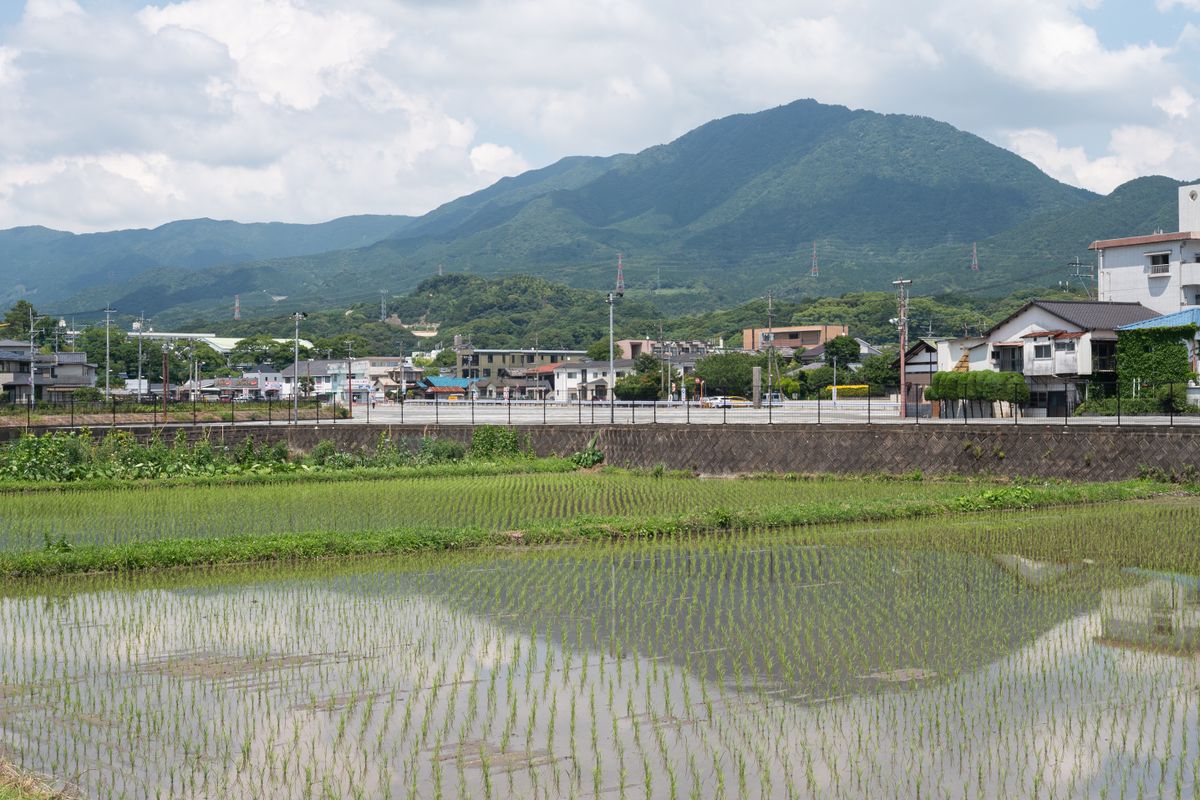
Most tourists who visit Matsumoto come specifically for the castle — and rightly so. Matsumoto Castle (Crow Castle, Karasu-jo) is one of Japan’s five National Treasure castles, distinguished by its dramatic black-and-white exterior and its remarkable state of preservation. Dating from the late 16th century, it’s the oldest surviving five-story castle keep in Japan, surrounded by a serene moat that reflects its turrets perfectly on still mornings.
But Matsumoto rewards those who stay longer than the castle. The old merchant town surrounding the castle has preserved its Meiji-era buildings along Nakamachi Street, now housing galleries, craft shops, and excellent cafes. The city’s mountain setting — surrounded by the Northern Japan Alps — is magnificent, and Matsumoto serves as the gateway to the Kamikochi valley, one of Japan’s most beautiful alpine landscapes.
How to get there: 2.5 hours from Tokyo by JR limited express (partially covered by JR Pass from Shinjuku via the Azusa express).
Day trip or overnight: Can be done as a day trip from Tokyo but strongly recommended as an overnight stay to see the castle at dawn when it’s empty of tourists.
Don’t miss: The Crow Castle at sunrise, the Nakamachi craft street, local wasabi products (Matsumoto region produces most of Japan’s wasabi).
Shirakawa-go: The Villages Time Forgot
Tucked in a remote mountain valley between Nagoya and Kanazawa, Shirakawa-go is a UNESCO World Heritage Site preserving a cluster of gassho-zukuri farmhouses — buildings with dramatically steep thatched roofs designed to shed heavy winter snow loads. The style is found nowhere else on earth with such concentration and authenticity.
The village of Ogimachi is the largest and most visited, but even here, crowds are manageable outside peak autumn foliage season. Walking between the towering farmhouses (some five stories tall), you’ll encounter families still living in these structures alongside small guesthouses and museums. The observation point above the village provides the iconic panoramic view — especially stunning on winter mornings when fresh snow blankets the rooftops.
How to get there: Bus from Kanazawa (about 75 minutes) or Takayama (about 50 minutes). No direct train access — the bus is the only option, which has kept visitor numbers lower than the scenery deserves.
Stay overnight: Staying in one of the farmhouse guesthouses (minshuku) is the definitive experience. Dinners include local mountain vegetables, river fish, and sake — unforgettable.
Takayama: Mountain Town Perfection
Takayama is a small city in Gifu Prefecture that’s often called “Little Kyoto” — an unfair comparison that undersells it. Takayama has its own distinct character: a prosperous merchant town that grew wealthy from lumber and saké production, it preserved its Edo-period townscape along Sanmachi Suji street with remarkable care.
The historic district consists of dark wooden buildings housing traditional saké breweries (look for the cedar ball hanging above the door), lacquerware shops, and regional craft stores. Takayama’s morning markets — Jinya-mae Jinya in front of the old government building and Miyagawa along the river — sell local produce, pickles, and crafts. Try hida beef (local wagyu comparable to Kobe beef but less famous and cheaper) at one of the restaurants along Sanmachi Suji.
How to get there: JR Wide View Hida limited express from Nagoya (about 2.5 hours). JR Pass covers this service.
Combine with: Shirakawa-go is just 50 minutes by bus; many travelers combine Takayama and Shirakawa-go into a 2–3 day mountain region itinerary.
Fukuoka: Japan’s Most Livable City
Fukuoka, Japan’s southernmost major city on the island of Kyushu, consistently ranks as Japan’s most livable city for its residents. For travelers, it offers something distinct from the rest of Japan’s tourist circuit: a more laid-back, subtropical atmosphere, extraordinary food culture, and remarkable history as Japan’s ancient gateway to Korea and China.
The food culture is particularly compelling. Fukuoka is the birthplace of hakata ramen — the tonkotsu style that now has restaurants worldwide, but tastes completely different here than anywhere else. Yatai (outdoor food stalls) set up along the river each evening in Nakasu and along Tenjin, serving ramen, yakitori, and local specialties under lantern light beside the water — one of Japan’s most atmospheric dining experiences.
Dazaifu, 30 minutes from central Fukuoka, is one of Japan’s most important Shinto shrines — Dazaifu Tenmangu, dedicated to the god of learning — surrounded by plum orchards and excellent traditional craft shops. The STARBUCKS at Dazaifu, designed by architect Kengo Kuma from interlocking wood beams, is paradoxically worth visiting as a work of art.
How to get there: Shinkansen from Tokyo (5 hours), Osaka (2.5 hours), or Hiroshima (1 hour). Fully covered by JR Pass. Or fly from Tokyo on Peach/Jetstar for ¥5,000–¥10,000.
Best time to visit: Spring for plum blossoms at Dazaifu; summer for Hakata Gion Yamakasa festival (July).
Kamikochi: Japan’s Most Beautiful Valley
Kamikochi is a high-altitude valley in the Northern Japan Alps, accessible only by bus (private cars are banned, preserving the environment). At 1,500 meters elevation, it’s a world of crystal-clear rivers, snow-capped peaks, ancient forests, and almost comical natural beauty. The Azusa River running through the valley floor is so clear you can count pebbles 3 meters down.
The classic Kamikochi walk runs from Kappa Bridge (the main entry point) along the river to Myojin Pond — about 4 kilometers each way through meadows with views of the Hotaka mountain range. No hiking experience necessary — it’s a flat, well-marked path. At the far end, Myojin Pond (¥300 entry) is among the most beautiful places in Japan, a perfectly still emerald pool framed by white peaks.
How to get there: From Matsumoto by JR train to Shin-Shimashima, then bus (45 minutes, approximately ¥2,600 round trip). Or from Nagano via Kamikochi Highway Bus.
Season: Open mid-April to mid-November only. Snow closes the valley in winter. Peak autumn foliage (late October) is stunning but very crowded.
Okunoshima: The Rabbit Island
This tiny island in Hiroshima Prefecture is home to approximately 900 wild rabbits — and virtually nothing else. Once a secret base for producing chemical weapons during World War II (so secret it was removed from official maps), today Okunoshima is a peaceful resort island whose wartime facilities have crumbled away while hundreds of adorably tame rabbits roam freely across the grounds.
Visitors arrive by ferry and are immediately surrounded by rabbits approaching for food. The island takes about 2 hours to walk around completely; there’s a small hotel and camping facilities. The wartime poison gas museum is sobering and important, providing context that makes the rabbits’ presence feel somehow meaningful — a reclamation of a place once devoted to death.
Okunoshima is one of the most genuinely unusual experiences in Japan — weird, peaceful, historically significant, and completely overrun with rabbits. It’s impossible not to love.
How to get there: From Mihara (on the Shinkansen line), take a local train to Tadanoumi and then the ferry (12 minutes, ¥310). JR Pass covers the train portion.
Bring food for the rabbits: Rabbit food is sold at the ferry terminal. Don’t bring cabbage, onions, or citrus — stick to bunny-safe pellets or carrots.
Before heading out, make sure you have a Japan eSIM ready. Get your Japan eSIM (Stay connected from day 1) →
Book your hotel on Agoda (Best prices guaranteed) → or
Kochi: Samurai Culture on Shikoku Island
Shikoku, the smallest of Japan’s four main islands, is dramatically undervisited by international tourists. Kochi Prefecture is the most fascinating gateway, home to one of Japan’s finest surviving feudal castles (Kochi Castle, free to enter the grounds), the extraordinary Sunday market along Otemae Street (one of Japan’s oldest, running every Sunday for over 300 years), and the dramatic Pacific coastline of Muroto Cape.
Kochi is also the birthplace of Sakamoto Ryoma, one of Japan’s most beloved historical figures — a samurai revolutionary who helped overthrow the shogunate in the 19th century. His statue overlooks the city from Katsurahama beach, surrounded by a museum that (along with the rest of Kochi’s history sites) receives a fraction of the visitors Kyoto’s attractions do, despite being equally significant.
How to get there: From Osaka or Okayama by JR limited express (2.5–3 hours). JR Pass covers this route.
Don’t miss: The Sunday market, Kochi Castle at dawn, katsuo no tataki (seared bonito) — Kochi’s signature dish.
Planning Your Off-the-Beaten-Path Japan Trip
A few practical notes for visiting Japan’s hidden gems:
English signage decreases as you leave major cities. Google Translate’s camera mode (point your phone at Japanese text to get instant translation) is indispensable in rural areas. Download the Japanese language pack for offline use before you go.
Accommodation books out fast in small towns. Shirakawa-go, Naoshima, and Kamikochi in particular have very limited accommodation. Book 2–3 months in advance for peak seasons. Booking.com and Japanese booking site Jalan both list rural ryokan and minshuku that may not appear on other platforms.
Cash is even more essential outside cities. Small-town restaurants, rural ferries, and local attractions frequently don’t accept cards at all. Keep ¥10,000–¥20,000 in cash when venturing into rural areas.
The best Japan experiences are often the unplanned ones. Many travelers who return from Japan most fondly remember not the famous sights but an accidental turn down a small street, a conversation with a local storekeeper, a meal eaten alone at a counter with no idea what was ordered. Japan rewards curiosity and exploration immensely. These hidden gems are a starting point — let them lead you further.
Related guides
- Tomonoura Travel Guide 2026: A First-Timer’s Guide to Japan’s Best-Preserved Edo-Era Port Town in Hiroshima
- Chichibu Travel Guide 2026: A First-Timer’s Guide to Shibazakura, a Sacred Wolf Shrine, and Tokyo’s Best Mountain Day Trip in Saitama
- Kirishima Travel Guide 2026: A First-Timer’s Guide to Sacred Shrines, Volcanic Trails, and Kyushu’s Best Onsen in Kagoshima
Going to Japan? Talk to locals with confidence.
Hirameki Japanese — instant offline translation, camera translation, furigana + romaji, and 314 free flashcards. No login. Works without internet.

Plan your Japan trip
Two things every first-timer should book
Some links are affiliate links. If you book through them we may earn a small commission at no extra cost to you.