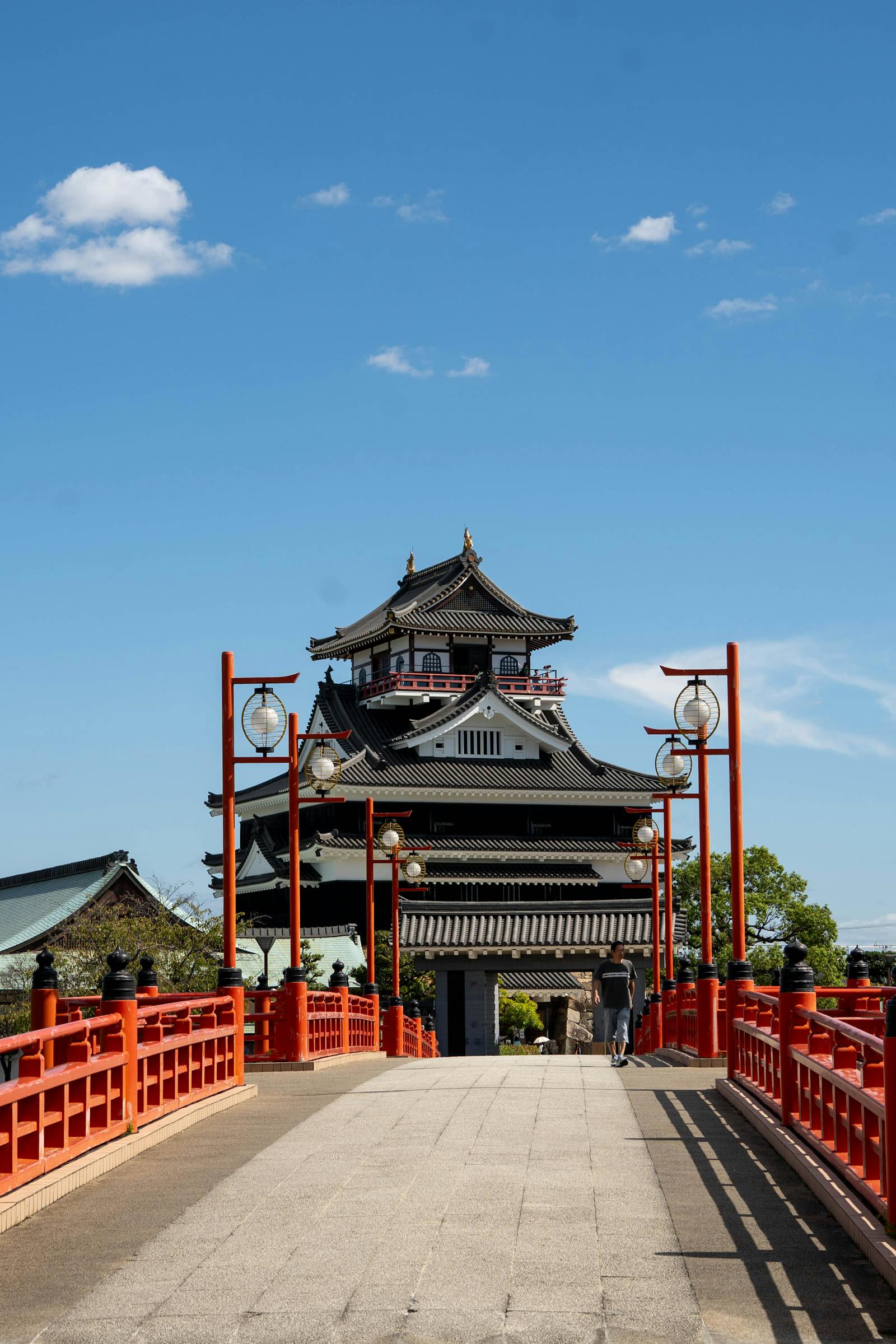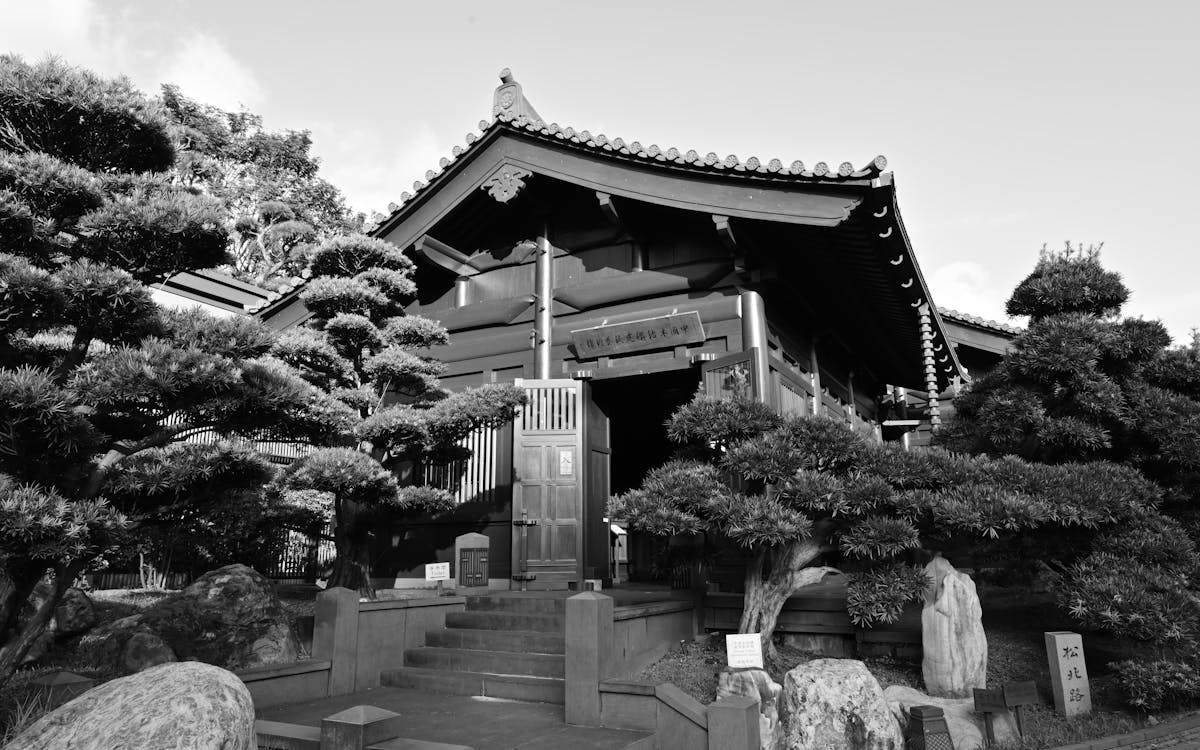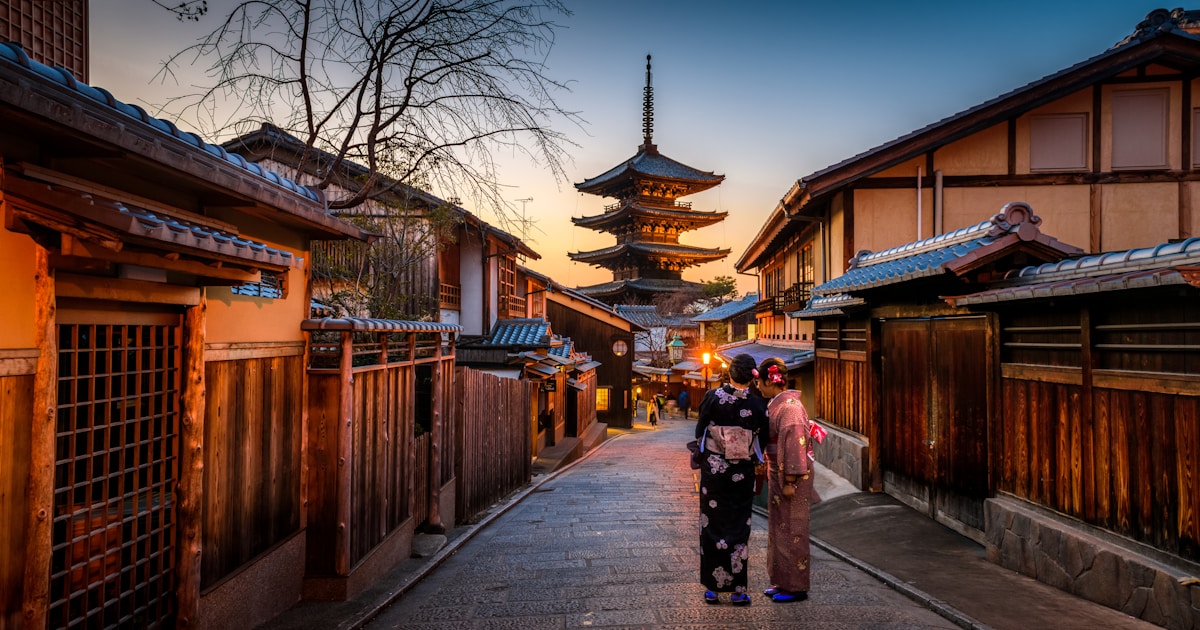
Kyoto contains 17 UNESCO World Heritage Sites, over 1,600 Buddhist temples, and more than 400 Shinto shrines. For first-time visitors, the city’s spiritual landscape can feel overwhelming — where do you start when every neighborhood has ancient sacred structures competing for your attention? This guide cuts through the overwhelm with practical, honest recommendations for Kyoto’s greatest temples and shrines, organized by area to minimize travel time and maximize your experience.
Understanding Kyoto’s Sacred Landscape
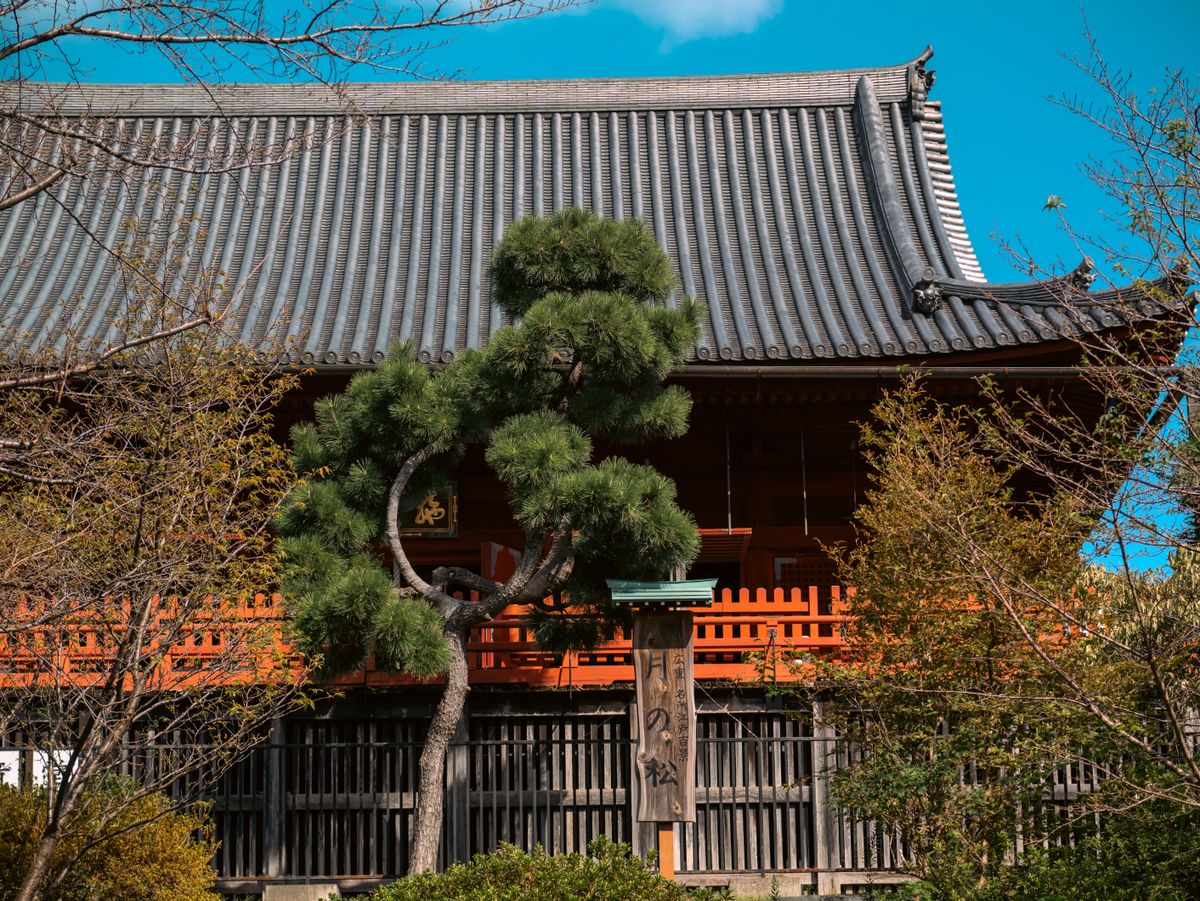
Kyoto served as Japan’s imperial capital from 794 to 1868 — over a thousand years — during which it became the religious, cultural, and intellectual center of the nation. Emperors, shoguns, and aristocratic clans competed to build the most magnificent temples and shrines, resulting in an extraordinary concentration of sacred architecture. When the capital moved to Tokyo, Kyoto retained its spiritual status, preserved from wartime bombing (partly through American academic advocacy), and emerged into the modern era uniquely intact.
The fundamental distinction to understand: temples (寺, tera or ji) are Buddhist; shrines (神社, jinja) are Shinto. At temples you’ll see large halls, Buddha statues, incense, and monks; at shrines you’ll see torii gates, fox statues, and shimenawa rope. Both are worth experiencing, and many of Kyoto’s greatest sites combine elements of both traditions.
Northern Higashiyama: The Essential Kyoto Morning Walk
The hillside district of Higashiyama (Eastern Mountains) contains Kyoto’s highest concentration of historic structures within walking distance of each other. The route from Kiyomizudera downhill through Sannenzaka and Ninenzaka to Gion is the definitive Kyoto walking experience — especially on a weekday morning before the crowds arrive.
Kiyomizudera Temple (清水寺)
Kyoto’s most famous temple sits dramatically on the hillside above the city, its main hall extending over a vertiginous wooden stage supported by 139 pillars — all constructed without a single nail. The view from the stage across Kyoto’s temples and forested hills is magnificent. Founded in 778 AD, rebuilt in its current form in 1633, Kiyomizudera is one of Japan’s most visited sacred sites and absolutely justifies the crowds.
Admission: ¥500 | Hours: 6:00am–6:00pm (extended during special events) | Best time: 6:00am opening — you’ll have the stage almost to yourself and the light is perfect for photography
Sannenzaka and Ninenzaka
The stone-paved lanes descending from Kiyomizudera through these preserved townscapes are among Japan’s most photographed streets. Traditional machiya buildings house tea shops, craft stores, and restaurants. The legend says anyone who falls on Sannenzaka will suffer misfortune for three years — perfect justification for walking carefully and taking your time. A minor but important warning: this area becomes intensely crowded from 10am onward. Walk it at 7–8am and it’s serene.
Kodaiji Temple (高台寺)
Less visited than Kiyomizudera but extraordinarily beautiful, Kodaiji was built in 1606 by Nene (wife of the great warlord Toyotomi Hideyoshi) as a memorial to her husband. The bamboo grove within the temple grounds rivals Arashiyama’s famous grove in beauty while receiving a fraction of the visitors. The temple garden, designed by the legendary landscape architect Kobori Enshu, is considered a masterpiece of the Japanese garden form.
Admission: ¥600 | Hours: 9:00am–5:30pm
Fushimi Inari: The Thousand Torii Gates
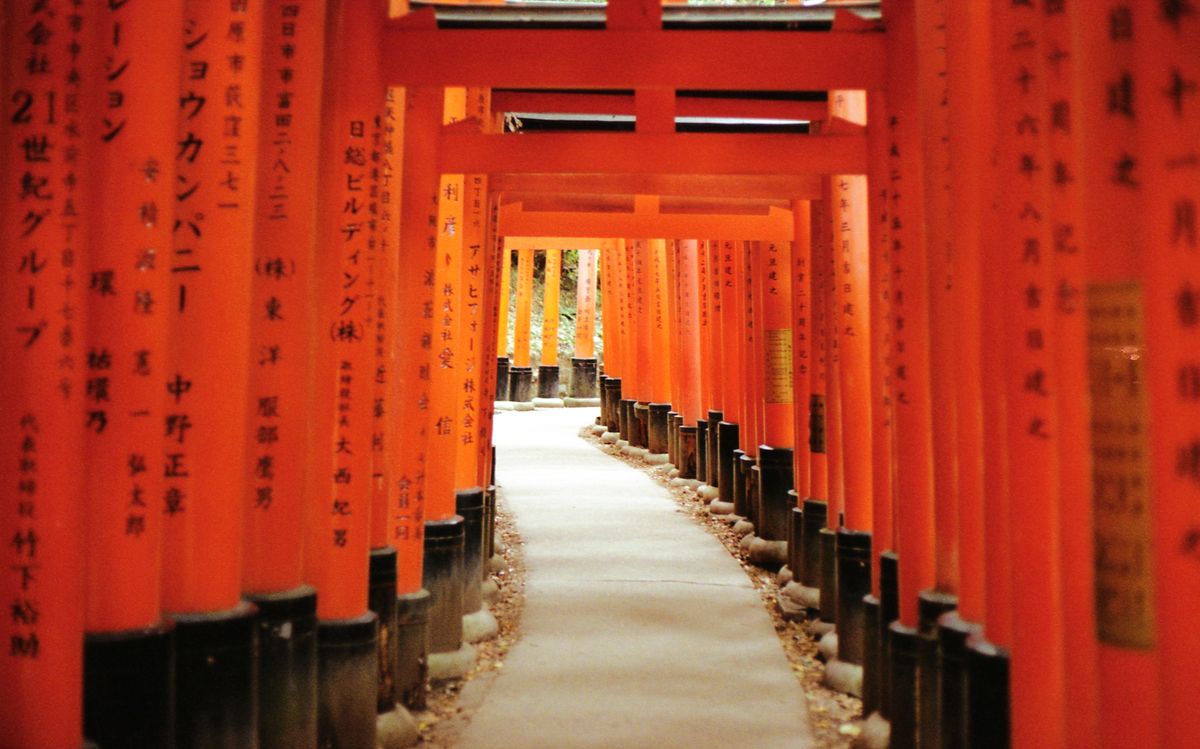
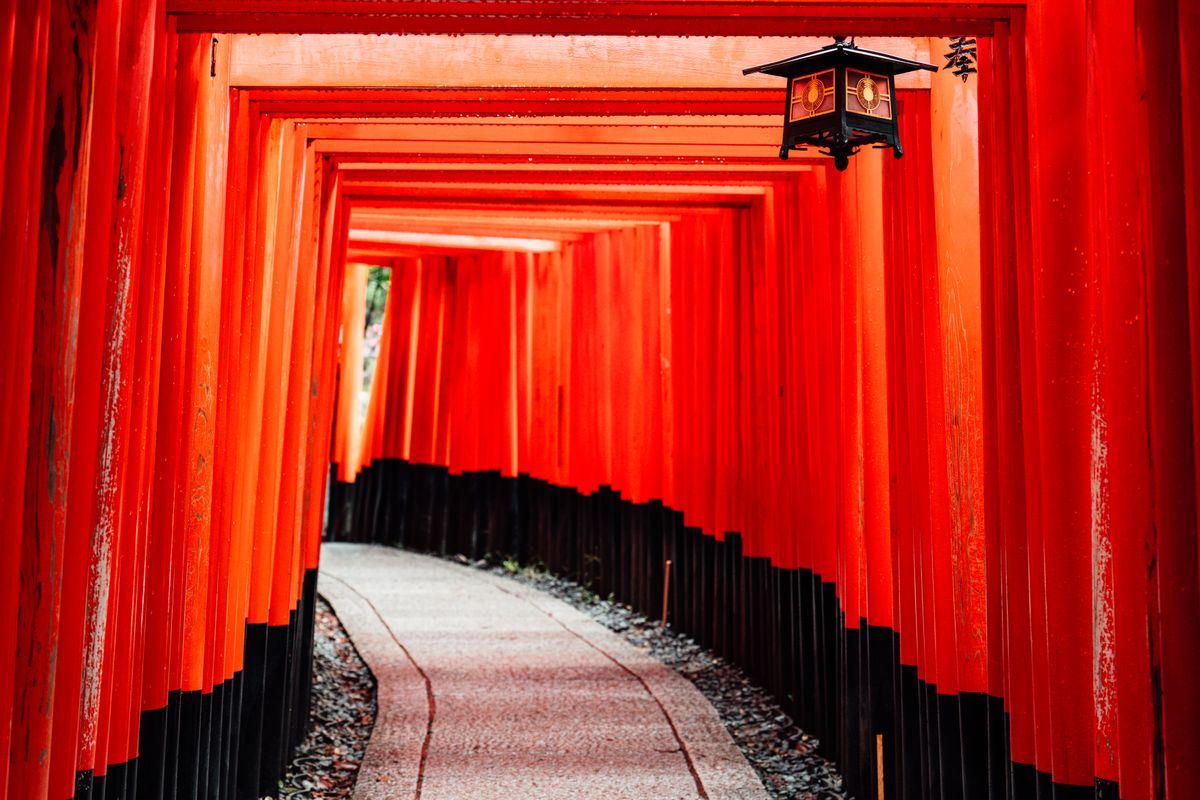
Fushimi Inari Taisha is one of the most visually dramatic sites in all of Japan. Approximately 10,000 vermillion torii gates — donated by businesses and individuals seeking the blessing of the shrine’s deity, Inari — wind up the forested mountain behind the main shrine complex, creating tunnels of orange light that seem to go on forever.
The main shrine at the base is impressive, but the real experience is on the mountain path. The full circuit to the summit (Inarimarubo, 233 meters) and back takes approximately 2–3 hours. The lower section — up to the famous Yotsutsuji intersection with its panoramic city view — takes about 30–40 minutes each way and covers the most photogenic stretches.
The early morning visit is essential. Fushimi Inari opens 24 hours and is dramatically more peaceful before 8am, when you can walk the first gates in near solitude. By 10am, the lower gates are crowded with tour groups. By going early, you earn the most iconic shots without a hundred other travelers in the frame.
Admission: Free | Hours: 24 hours (shrine office hours differ) | Access: 5-minute walk from JR Inari Station (JR Nara Line — covered by JR Pass)
Don’t miss: The fox (kitsune) statues throughout the complex — foxes are messengers of Inari and are depicted holding keys, jewels, or sheaves of rice in their mouths. The small stone fox statues tucked between gates are endlessly charming.
Arashiyama: Temples in the Bamboo Forest
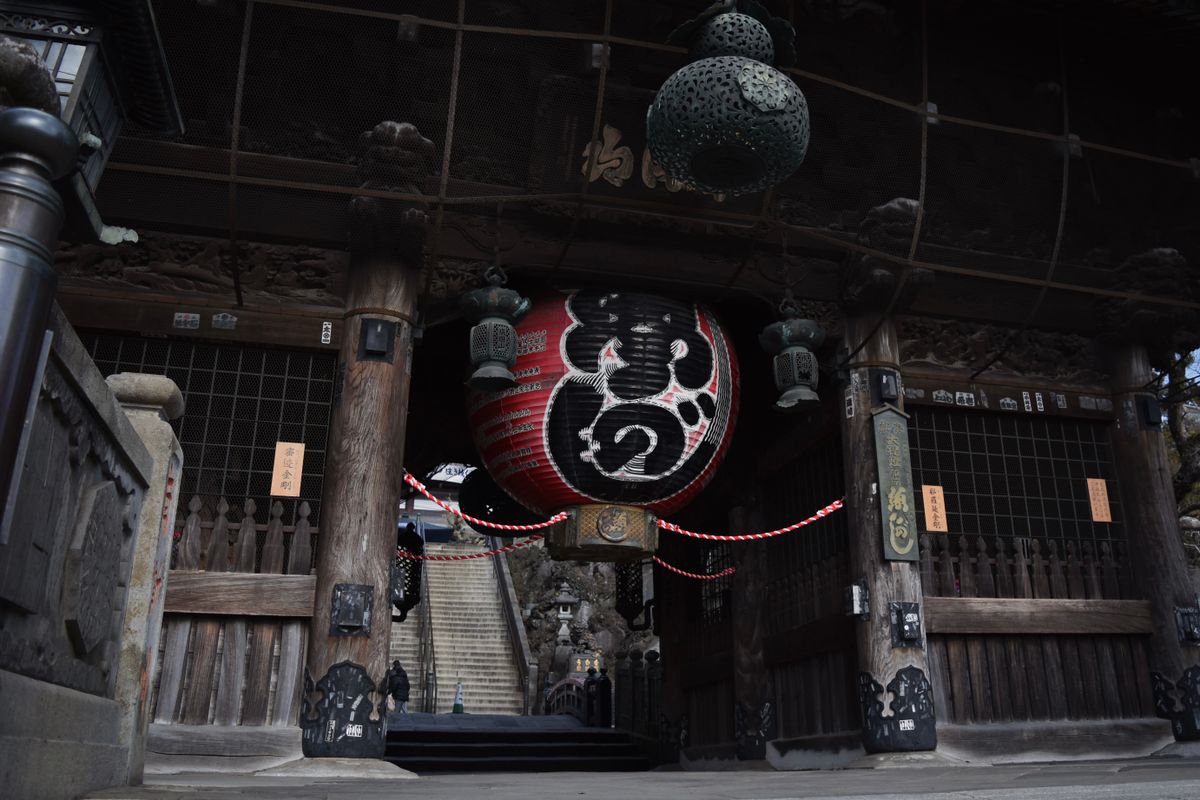
The western edge of Kyoto, where the city meets the mountains and the Oi River, is home to some of the most scenically beautiful temple grounds in Japan. The Arashiyama Bamboo Grove is globally famous — a stand of towering Moso bamboo through which a path winds, the stalks thick enough to block the sky, creating a cathedral of green light and whispering sounds.
Tenryuji Temple (天龍寺)
One of Kyoto’s five great Zen temples, Tenryuji holds UNESCO World Heritage status. The temple’s garden — designed by the legendary Zen monk and garden creator Muso Soseki in the 14th century — is a masterpiece of shakkei (borrowed scenery) technique, using the Arashiyama mountains as a backdrop that becomes part of the garden composition. The covered corridor walk around the garden perimeter provides continuously changing views.
Admission: ¥500 (garden only) or ¥800 (including temple buildings) | Hours: 8:30am–5:30pm
Jojakukoji Temple (常寂光寺)
This lesser-known temple on the hillside above Arashiyama is one of Kyoto’s most beautiful and tranquil spots. The mossy stone stairways, thatched gates, and ancient maple trees (spectacular in autumn) create an atmosphere of profound quietude. The hilltop pagoda offers exceptional views across Arashiyama. Crowds are a fraction of those at Tenryuji despite the beauty being arguably superior.
Admission: ¥500 | Hours: 9:00am–5:00pm
Okochi Sanso Garden (大河内山荘)
The private villa and garden of 1920s film star Okochi Denjiro, perched on the Arashiyama hillside with panoramic views across Kyoto. The ¥1,000 admission includes matcha tea and a confectionery in the garden tea house — arguably the best value tea experience in Kyoto. The garden paths wind through bamboo, maple, and pine with views that change at every turn.
Admission: ¥1,000 (includes tea) | Hours: 9:00am–5:00pm
The Golden and Silver Pavilions
Kinkakuji — Golden Pavilion (金閣寺)
Japan’s most photographed building. The three-story pavilion, covered in gold leaf, rises from the mirror-still Kyoko Pond — and the reflection it casts on the water’s surface doubles the visual impact. Built in 1397 as the retirement villa of Shogun Ashikaga Yoshimitsu, converted to a temple after his death, it was burned down by a deranged monk in 1950 and meticulously rebuilt.
This is not a temple where you walk around or sit quietly — it’s a single remarkable image experience. You walk the path around the pond, see the pavilion from different angles, and exit. The experience takes 30–45 minutes. It is genuinely, undeniably spectacular — even knowing the crowds are coming, the first sight of it stops most visitors in their tracks.
Admission: ¥500 | Hours: 9:00am–5:00pm | Best time: Opening, especially on a day when frost or light snow dusts the pavilion
Ginkakuji — Silver Pavilion (銀閣寺)
Despite the name, Ginkakuji is not actually covered in silver — plans to silver-leaf it were abandoned, perhaps deliberately, creating a more wabi-sabi (rustic imperfection) aesthetic. The pavilion itself is beautiful but understated. The real highlight is the garden: the karesansui (dry sand garden) features a platform of white sand sculpted into a rectangular mound (kogetsudai, “moon-facing platform”) and a wave-swept sea — some of Japan’s most extraordinary garden art.
Admission: ¥500 | Hours: 8:30am–5:00pm (until 9:00pm in summer)
Nijo Castle and Imperial Palace Area
Nijo Castle (二条城)
Technically not a temple but essential Kyoto history. Built in 1603 as the Kyoto residence of Tokugawa Ieyasu, Japan’s first Edo shogun, Nijo Castle is famous for its “nightingale floors” — corridors designed to squeak with every footstep, preventing ninja assassins from approaching silently. Walking through the Ninomaru Palace interiors (shoes off), you’re stepping over 400-year-old wooden boards that still sing with every step. The gardens are among Kyoto’s most beautiful.
Admission: ¥800 (includes palace) | Hours: 8:45am–4:00pm (closed Tuesdays)
Kyoto Imperial Palace (京都御所)
The former residence of Japan’s imperial family is now open to the public for free — a change from the previous reservation-required system. The palace grounds are extensive, serene, and beautifully maintained. The palace buildings themselves can be viewed from outside; guided tours (free, available in English) provide excellent historical context.
Admission: Free | Hours: 9:00am–5:00pm (closed Mondays)
Northwest Kyoto: Zen Gardens and Hidden Temples
Ryoanji Temple (龍安寺)
Home to the world’s most famous Zen rock garden — 15 carefully placed stones in a rectangular bed of raked white gravel, from which (by design) you can never see all 15 stones simultaneously from any single viewpoint. The garden was created in the 15th century and its meaning has been debated ever since — some say it represents islands in the ocean; others, mountains in clouds; others, the impossibility of complete understanding. Sit on the wooden platform and decide for yourself.
Admission: ¥600 | Hours: 8:00am–5:00pm
Daitokuji Temple Complex (大徳寺)
A vast temple complex in northwestern Kyoto containing 22 sub-temples, of which several are open to the public. The complex is beloved by Kyoto insiders for its authentic Zen atmosphere and relatively low visitor numbers. Zuihoin sub-temple has a beautiful garden; Daisen-in contains some of Japan’s finest dry landscape gardens. The whole complex rewards a half-day of quiet exploration.
Admission: Individual sub-temples ¥400–¥600 each | Hours: Varies by sub-temple
Practical Tips for Visiting Kyoto Temples
Go early, always. Kyoto receives over 50 million visitors per year. The difference between 7:00am and 10:00am at any major temple is the difference between serenity and chaos. Most temples open between 8:00am and 9:00am; Fushimi Inari is open 24 hours. Restructure your schedule around early-morning visits to the most famous sites.
Walk between temples where possible. The Northern Higashiyama area is entirely walkable. Arashiyama temples are all within 20 minutes on foot. Renting a bicycle is another excellent option — Kyoto is remarkably flat in its central areas.
Dress respectfully. Unlike many Asian temple complexes, Kyoto’s major temples don’t require specific clothing — you won’t be turned away in shorts and a t-shirt. But respectful attire (covered shoulders, longer bottoms) is appropriate given the sacred nature of the sites.
Buy a temple card (御朱印, goshuin). Many travelers collect goshuin — calligraphic stamps applied to a special notebook (goshuincho) sold at the first temple you visit. Monks or priests apply the stamp by hand, often with a date and the temple’s name in beautiful calligraphy. It costs ¥300–¥500 per stamp and creates an extraordinary personal record of your pilgrimage through Kyoto.
Avoid Golden Week and peak autumn foliage. The last week of April through May 5 (Golden Week) and November (peak autumn foliage, especially the second and third weeks) bring extraordinary crowds. If you must visit then, compensate with even earlier morning arrivals — before 7:30am at Fushimi Inari and Kinkakuji especially.
Budget for admission fees. A full day of major Kyoto temples typically costs ¥3,000–¥5,000 in admission fees. Budget for this — trying to visit only free temples means missing the greatest sites. The admission fees at Kyoto’s temples are extraordinarily good value compared to what you get.
Kyoto’s temples are not mere tourist attractions. They are working religious sites where monks practice, where families come to pray at New Year’s, where incense has been burning for centuries. Approach them with curiosity and genuine respect, and they will reveal themselves as something far more profound than any photograph or guidebook description can capture. Give Kyoto more time than you think you need. You will not regret it.
Plan Your Japan Trip
⛩️ Book a Kyoto Temple Tour
Discover Kyoto’s most stunning temples and shrines with a knowledgeable local guide — including Fushimi Inari, Kinkakuji, and Arashiyama.
🏨 Where to Stay in Kyoto
Find the perfect hotel for exploring Kyoto’s temples — from traditional ryokans to modern hotels near Kyoto Station.
Related guides
- How to Read a Japanese Restaurant Menu (Even With Zero Japanese)
- Essential Japanese Phrases for Travelers (and How to Read Menus on the Spot)
- Aomori Nebuta Festival Guide 2026: A First-Timer’s Guide to Japan’s Giant Glowing Floats and How to Dance in the Parade
Going to Japan? Talk to locals with confidence.
Hirameki Japanese — instant offline translation, camera translation, furigana + romaji, and 314 free flashcards. No login. Works without internet.

Plan your Japan trip
Two things every first-timer should book
Some links are affiliate links. If you book through them we may earn a small commission at no extra cost to you.