Tokyo has some of the finest hotels on earth — alongside some of the best budget options in any major Asian city. Whether you’re planning a honeymoon in a sky-high luxury suite overlooking the cityscape or a budget trip maximizing your yen, Tokyo’s hotel scene delivers. This guide curates the best hotels across all price ranges and neighborhoods, helping you find the perfect base for your Tokyo adventure.
A note from Jack, editor of Japan Real Guide:
I have stayed in Tokyo accommodation ranging from capsule hotels at ¥3,000 per night to a hotel in Shinjuku that cost more than I care to think about. The honest finding: the mid-range options in Tokyo — roughly ¥10,000–¥20,000 per room per night — consistently overdeliver relative to equivalent prices in London, New York, or Paris. Rooms are smaller but cleaner, staff are more helpful, and the beds are reliably comfortable.
Location matters more than most guides admit. Staying near a major station (Shinjuku, Shibuya, Ueno, Tokyo) reduces commute time significantly on a busy itinerary. The difference between a well-located ¥12,000 hotel and a slightly nicer ¥15,000 hotel in a less convenient area is real when you add up train time over five days.
The hotels listed in this guide have been selected on the basis of value, location, and consistent guest reviews — not on the basis of which ones have affiliate arrangements with this site. All price ranges are included.
Luxury Hotels in Tokyo
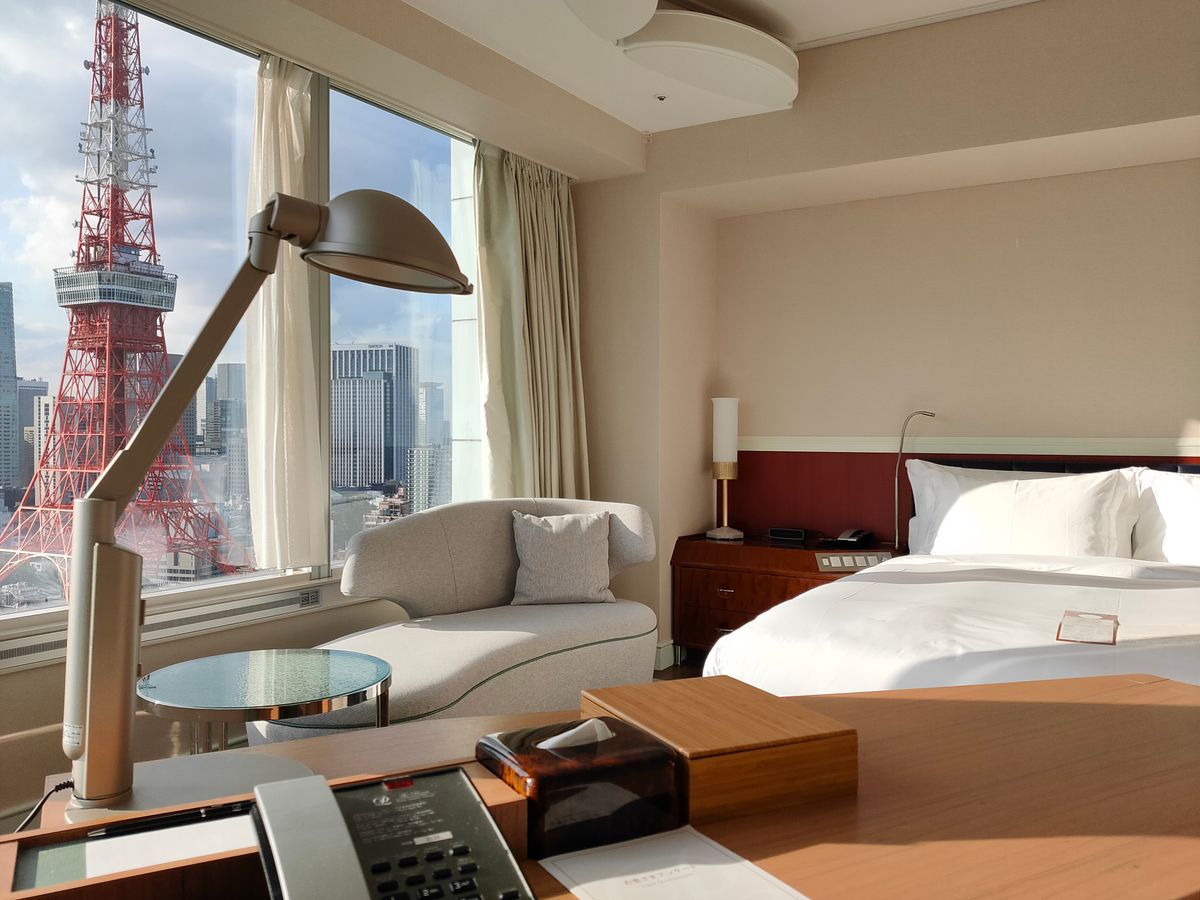
Tokyo’s luxury hotel scene is extraordinary — these properties compete at the highest global level in terms of service, facilities, and design.
Park Hyatt Tokyo (Shinjuku)
Made internationally famous by Sofia Coppola’s film “Lost in Translation,” the Park Hyatt occupies floors 39–52 of the Shinjuku Park Tower. Every room is spacious by Tokyo standards (starting at 53m²), with floor-to-ceiling windows overlooking the Tokyo skyline. The 47th-floor New York Bar and Grill is one of the world’s great hotel bars — jazz plays nightly with the city spread below. The 47th-floor 20-meter pool with stunning views is an extraordinary facility.
Best for: Couples, film/culture enthusiasts, those who want genuine Shinjuku immersion at the luxury level
Average price: ¥60,000–¥120,000/night
Aman Tokyo (Otemachi)
The Aman brand’s Japanese flagship occupies floors 33–38 of the Otemachi Tower, steps from the Imperial Palace. Rooms start at a generous 74m², with 4.5-meter ceilings and Japanese design elements: washi paper screens, natural stone, and views over the palace gardens. The spa, bathing ritual, and atmospheric restaurant make it a self-contained world. Aman’s service philosophy — attention to guests before they ask — is at its finest here.
Best for: Ultra-luxury travelers, design-conscious guests, couples seeking exceptional service
Average price: ¥120,000–¥300,000/night
Mandarin Oriental Tokyo (Nihonbashi)
Floors 30–38 of Nihonbashi Mitsui Tower, with spectacular cityscape views in all directions. The MO’s signature level of service combined with excellent dining options (including a Michelin-starred French restaurant) and a spectacular spa make this consistently one of Tokyo’s top-rated properties. The rooftop bar (Tapas Molecular Bar) offers one of Tokyo’s most theatrical dining experiences.
Best for: Business travelers, foodies, spa enthusiasts
Average price: ¥80,000–¥200,000/night
The Prince Gallery Tokyo Kioicho (Akasaka)
A more overlooked luxury option that offers exceptional value relative to its actual quality. Occupying the upper floors of a tower with Akasaka Palace views, stunning design by Japanese architect Ryoji Ikeda, and facilities including a remarkable rooftop terrace. Often priced 30–40% below comparable properties.
Average price: ¥55,000–¥100,000/night
Upper Mid-Range Hotels (¥20,000–¥50,000/night)

This price bracket offers genuinely excellent hotels with good locations, comfortable rooms, and quality service — the sweet spot for many international travelers.
Keio Plaza Hotel (Shinjuku)
A classic Tokyo hotel with over 1,400 rooms in twin towers in western Shinjuku. The location is excellent — 5 minutes from Shinjuku Station’s west exit, near the Tokyo Metropolitan Government Building’s free observation deck. The hotel has multiple restaurants, a pool, and the reliable scale of a landmark property. Good value for the area.
Average price: ¥20,000–¥40,000/night
Hotel Gajoen Tokyo (Meguro)
One of Tokyo’s most unique hotels — built in the 1920s as an opulent wedding venue and ryotei restaurant, with public spaces decorated with museum-quality traditional Japanese paintings, carved ceilings, and lacquerwork. A stay at Gajoen is genuinely unlike anywhere else; some rooms feature private indoor gardens or seasonal decor that changes quarterly. The attached art museum (Muse Meguro) is worth visiting independently.
Average price: ¥35,000–¥80,000/night
Cerulean Tower Tokyu Hotel (Shibuya)
Sitting above Shibuya Station, the Cerulean Tower has exceptional connectivity — you can literally step off the train and into the hotel. The upper floors have remarkable views across the Shibuya scramble and beyond. Japanese-style rooms (washitsu) available alongside Western-style doubles. The jazz lounge in the basement is a pleasant evening option.
Average price: ¥25,000–¥55,000/night
Trunk Hotel (Shibuya, Daikanyama)
Boutique, lifestyle-oriented hotel in Shibuya’s fashionable Daikanyama neighborhood. Social spaces, rooftop, and design-forward rooms attract a younger, design-conscious international crowd. Excellent restaurant and bar program. The “local connection” philosophy means the hotel actively integrates with its neighborhood.
Average price: ¥30,000–¥60,000/night
Mid-Range Hotels (¥10,000–¥20,000/night)
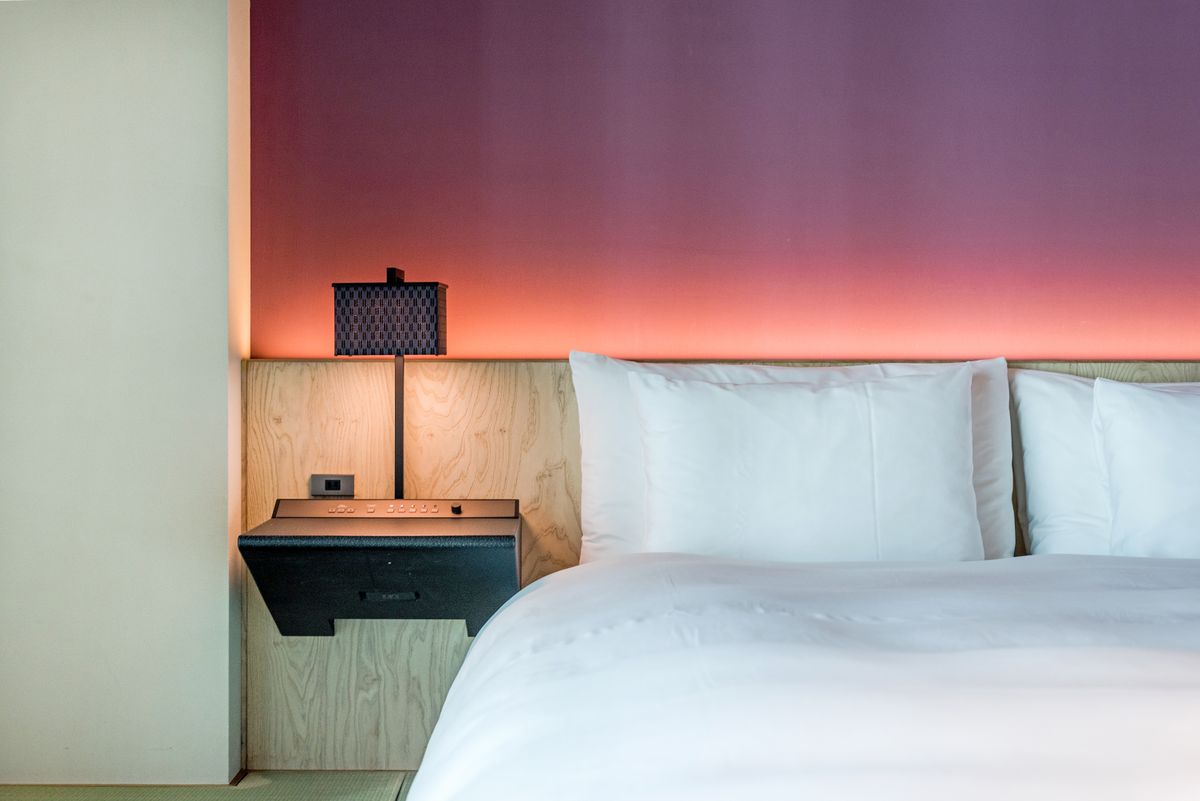
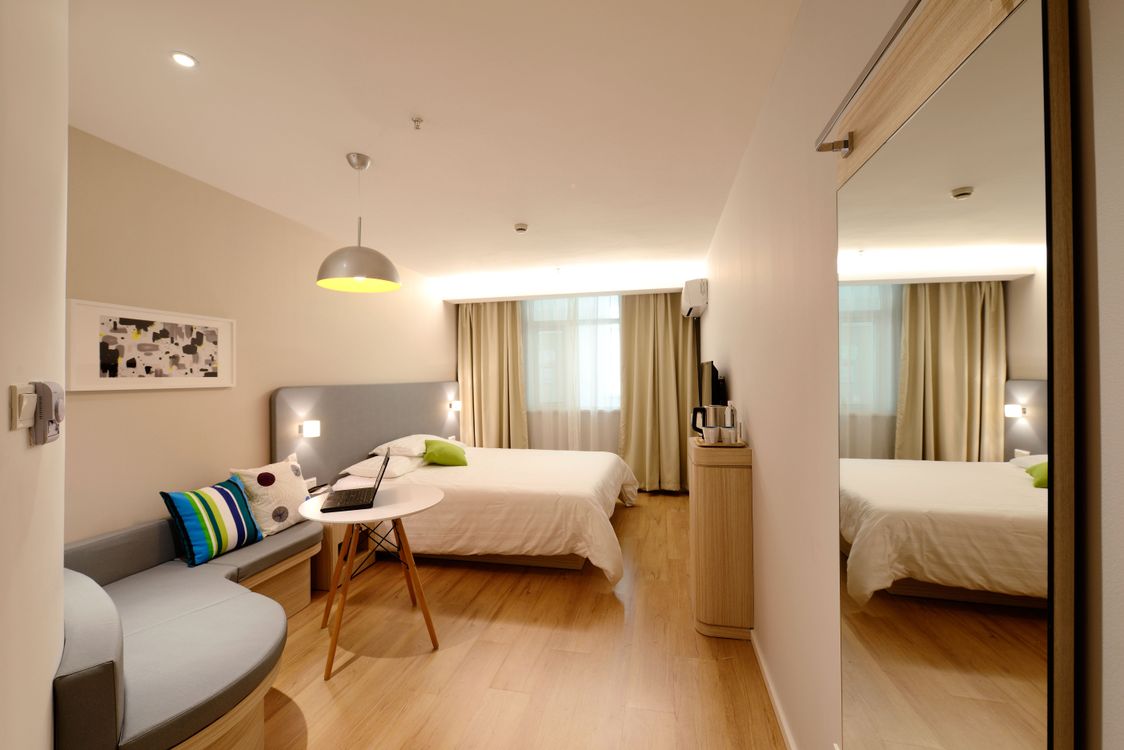
Tokyo’s mid-range is genuinely competitive — clean, well-located properties that prioritize functionality and comfort.
Dormy Inn Chains (Multiple Locations)
Dormy Inn is arguably Japan’s best business hotel chain for travelers. Their properties include public onsen or sento facilities (genuine hot spring water at some locations), late-night free ramen service (a beloved quirk of the brand), and generous breakfast options. Rooms are compact but well-designed. Locations in Shinjuku, Asakusa, Shibuya, and more.
Average price: ¥10,000–¥18,000/night single, ¥13,000–¥22,000 double
Remm Akihabara
The Remm brand specializes in sleep quality — beds, sound insulation, and sleep-supporting amenities are the focus. Central location in Akihabara. Rooms are small but extremely comfortable, and the value for money is excellent for the location.
Average price: ¥12,000–¥20,000/night
Asakusa View Hotel
The tallest building in traditional Asakusa, offering panoramic views over Senso-ji Temple and the Tokyo Skytree from upper floor rooms. The juxtaposition of the temple rooftops below and the tower above is wonderful. Classic design, reliable service, excellent location for temple exploration.
Average price: ¥15,000–¥28,000/night
Sequence Miyashita Park (Shibuya)
A newer hotel above Miyashita Park — a rooftop park built over the former Miyashita Park in 2020 — in central Shibuya. Design-led, young-oriented, and superbly located for Shibuya, Harajuku, and Omotesando exploration. The views of Shibuya’s scramble from some rooms are exceptional.
Average price: ¥18,000–¥35,000/night
Budget Hotels and Capsule Hotels (Under ¥10,000/night)
Tokyo offers genuinely excellent budget options that would be considered remarkable value in any Western city.
Nine Hours Narita Airport / Shinjuku
Nine Hours is the most design-forward capsule hotel brand in Japan — Naoto Fukasawa designed the pod system; the shower, sleeping, and lounge spaces are each precisely engineered for their purpose. The experience is clean, efficient, and curiously enjoyable. The Shinjuku location is perfect for exploring the neighborhood; the Narita location is useful for early departures.
Average price: ¥4,000–¥6,500/night per pod
First Cabin Akihabara / Shibuya
First Cabin takes the capsule hotel concept upmarket with larger pods styled as business or first-class airline cabins. More privacy than standard capsules; excellent shared bathroom facilities; lounge areas. Clean and reasonably priced.
Average price: ¥4,500–¥8,000/night
Khaosan Tokyo Kabuki (Asakusa)
A sociable hostel in a converted traditional building in the heart of Asakusa. Private rooms and dormitory beds available. The rooftop terrace and ground-floor bar make it excellent for solo travelers. Community bulletin boards advertise local events and tours.
Average price: ¥2,800–¥4,500/night dorm; ¥8,000–¥14,000 private room
Toyoko Inn Chains
Japan’s ubiquitous business hotel chain — not glamorous, but utterly reliable. Private rooms with private bathrooms, included breakfast (onigiri, salad, coffee), central locations throughout every major city. The experience is functional and perfectly adequate for budget-focused travelers who want a private room.
Average price: ¥6,000–¥10,000/night single
Traditional Japanese Accommodation: Ryokan in and near Tokyo
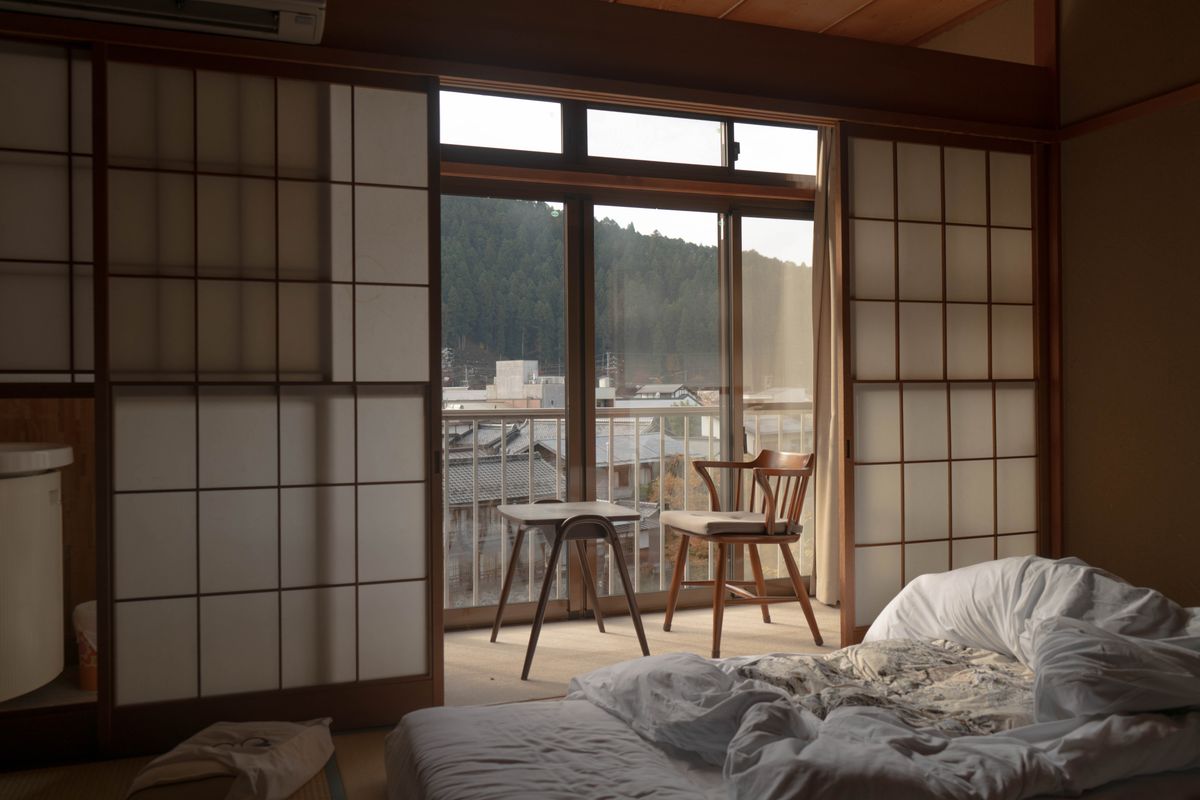
Traditional ryokan (Japanese inns) are relatively rare within Tokyo proper but can be found, and the experience is completely different from Western-style hotels:
Sadachiyo (Asakusa)
An authentic traditional ryokan in the heart of Asakusa. Rooms have tatami floors, futon beds laid by staff, and yukata (cotton robes) provided. Breakfast is a traditional Japanese meal. The experience is a genuine cultural immersion at a relatively accessible price point for ryokan.
Average price: ¥15,000–¥25,000/person including breakfast
Hakone Ryokan (Day Trip from Tokyo)
The best ryokan experiences near Tokyo are in Hakone, 90 minutes from Shinjuku. Gora Kadan (former imperial villa, extraordinary), Hakone Ginyu, and Yama no Chaya offer genuine traditional ryokan experiences with private onsen baths and multi-course kaiseki dinners. A one-night ryokan stay in Hakone should be on every Japan bucket list.
Price range: ¥30,000–¥80,000/person including dinner and breakfast
Booking Tips for Tokyo Hotels
Book early for peak periods. Cherry blossom season (late March–early April), Golden Week (late April–early May), and autumn foliage (November) see massive domestic and international demand. Hotels in popular neighborhoods can sell out months in advance at reasonable prices, leaving only expensive last-minute availability.
Booking.com offers the most comprehensive Tokyo hotel inventory. Including many smaller, independent hotels and traditional guesthouses that don’t appear on other platforms. The free cancellation filters are particularly useful for flexible travelers who want to book ahead but may need to change plans.
Check if breakfast is included and what it consists of. A Japanese breakfast at a Tokyo hotel — grilled fish, miso soup, pickles, rice, tamagoyaki (rolled egg) — is a genuine experience worth having. Some hotels include breakfast in the rate; others charge ¥1,500–¥3,000 as an add-on. Factor this into your cost comparison.
Consider the checkout time carefully. Most Tokyo hotels check in at 3pm and check out at 11am. If you’re arriving on an early international flight or departing on a late flight, ask about early check-in or late checkout (sometimes free, sometimes ¥3,000–¥5,000 extra). Luggage storage is available at virtually all hotels even outside check-in/out periods.
Tokyo’s hotel landscape is one of its genuine strengths — across every price point, you’ll find cleaner, better-maintained, and more thoughtfully designed properties than equivalent prices deliver in most other global cities. Take time to choose your neighborhood well (our Tokyo Neighborhoods Guide covers this in detail), and you’ll have a comfortable, well-located base that makes exploring this extraordinary city even more enjoyable.
Ready to Book Your Tokyo Hotel?
Compare hundreds of hotels in Tokyo — from budget hostels to luxury 5-star properties. Best price guaranteed.
🔍 Search Tokyo Hotels on Agoda →
Free cancellation on most hotels • No booking fees
💡 Tokyo Hotel Booking Tips
- Book 2–3 months ahead for cherry blossom season (late March–April) and Golden Week (late April–early May)
- Shinjuku and Shibuya offer the best transport connections to all major attractions
- Asakusa is ideal for a traditional atmosphere near Senso-ji Temple
- Ginza and Marunouchi suit business travelers and luxury seekers
- Look for hotels near a JR or Tokyo Metro station — getting around is much easier
How to Choose the Right Tokyo Hotel: Area Guide
After visiting Tokyo numerous times and staying in different neighborhoods, I can say that your hotel location makes or breaks the trip. Here’s an honest breakdown of each major area — who it’s best for, what you can walk to, and where the hidden gems are.
Shinjuku: Best for First-Time Visitors
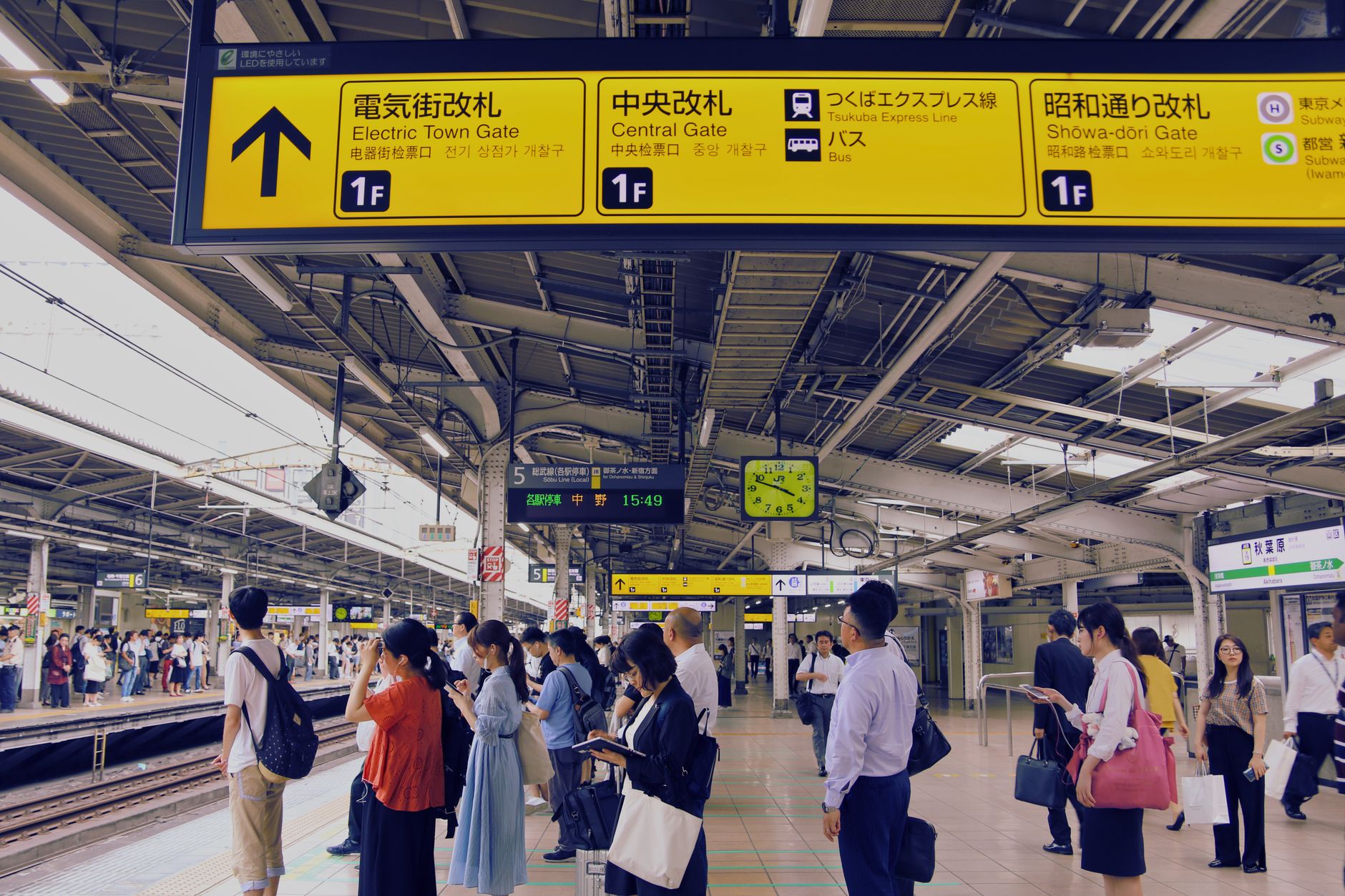
Shinjuku is the transportation hub of Tokyo. The massive Shinjuku Station connects to virtually every JR line, subway line, and the Narita/Haneda airport buses. If this is your first time in Tokyo, Shinjuku makes sense simply because you can get anywhere quickly.
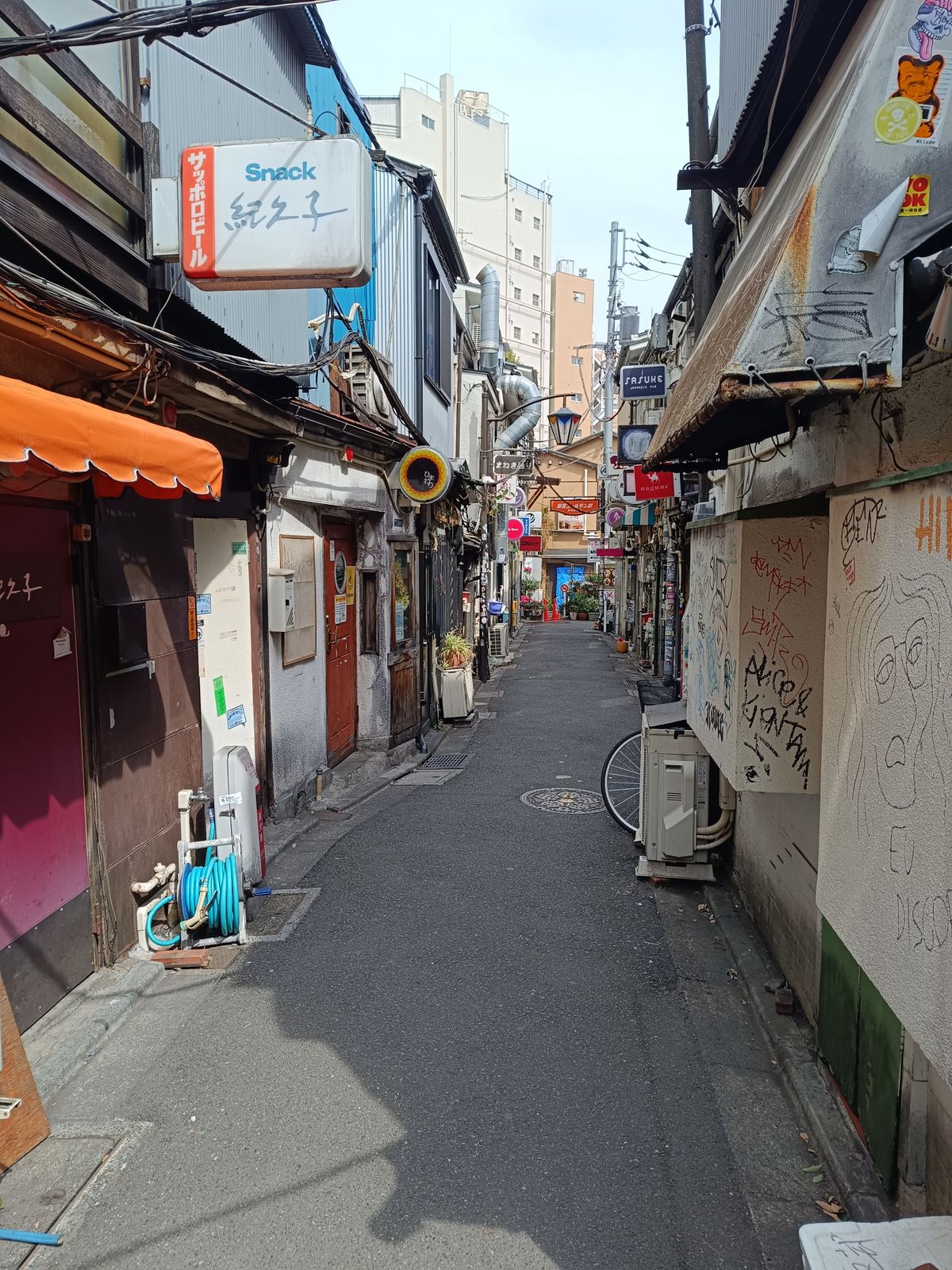
The east side of Shinjuku is all neon lights, izakayas, and the famous Golden Gai alley — a cluster of tiny bars each seating fewer than 10 people. Kabukicho, Japan’s largest entertainment district, is steps away. The west side is dominated by skyscrapers, corporate hotels, and the Tokyo Metropolitan Government Building (free observation deck — worth visiting at night).
Hotels here range from capsule to 5-star. The Park Hyatt, immortalized in the film Lost in Translation, is in Shinjuku’s west side. Budget travelers should look at the many business hotels around the east side near Takashimaya Times Square.
Shibuya: Best for Shopping and Youth Culture
Shibuya is Tokyo’s fashion and pop culture epicenter. The famous Shibuya Crossing — the world’s busiest pedestrian intersection — is right outside the station. Harajuku and Omotesando (Tokyo’s answer to the Champs-Élysées) are walking distance away.
Hotels in Shibuya tend to be newer and more design-focused than in Shinjuku. The area between Shibuya Station and Daikanyama (a 15-minute walk south) has become one of Tokyo’s most stylish neighborhoods, with boutique hotels, coffee shops, and restaurants that cater to travelers seeking authenticity over tourist traps.
Asakusa: Best for Traditional Tokyo Atmosphere
Asakusa is where old Tokyo — known as Shitamachi or “low city” — survives. The Senso-ji Temple complex, rickshaw rides, and shops selling traditional crafts make this a photogenic area that feels markedly different from the neon-lit west.
Staying in Asakusa means waking up early and walking to Senso-ji before the crowds arrive around 9am — this is one of Tokyo’s unmissable experiences. The temple grounds are magical in the early morning mist.
The downside: Asakusa is less convenient for transport than Shinjuku, and the nightlife scene is quiet. It’s perfect for cultural immersion, less ideal for bar-hopping.
Ginza and Marunouchi: Best for Business Travelers and Luxury Seekers
Tokyo’s most expensive hotels cluster around Ginza (luxury shopping) and Marunouchi (the business district beside Tokyo Station). The Palace Hotel Tokyo, overlooking the Imperial Palace gardens, and the Tokyo Station Hotel — built in 1914 inside the historic brick station building — are standout properties.
Staying here puts you close to the Shinkansen bullet trains at Tokyo Station and the Ginza district, but further from the youth-culture areas like Shibuya and Harajuku.
Akihabara and Ueno: Best for Budget Travelers and Tech Fans
The area around Ueno Station is home to many affordable business hotels with surprisingly good rooms. Ueno Park, one of Tokyo’s best, hosts cherry blossom parties in spring. The museums cluster here, and it’s a short walk to Asakusa.
Akihabara — the electronics and anime district — is one stop south on the Yamanote Line. Hotels here are extremely affordable and the area is well-connected.
Tokyo Hotel Prices: What to Expect in 2025
Tokyo hotel prices vary enormously by season, area, and property type. Here’s a realistic breakdown:
| Category | Price Range per Night | What You Get |
|---|---|---|
| Capsule Hotels | ¥3,000–¥6,000 (~$20–$40) | Pod bed, shared facilities, lockers. Modern capsule hotels are surprisingly comfortable. |
| Budget Business Hotels | ¥7,000–¥12,000 (~$45–$80) | Private room with en-suite bathroom. APA Hotels and Toyoko Inn are reliable chains. |
| Mid-Range Hotels | ¥15,000–¥35,000 (~$100–$230) | Comfortable rooms, often with city views, breakfast options, gym access. |
| Luxury Hotels | ¥40,000–¥150,000+ (~$270–$1,000+) | World-class service, spectacular city views, multiple restaurants, spa facilities. |
Best Time to Book for Value
Avoid these periods when prices spike dramatically: cherry blossom season (late March to mid-April), Golden Week (late April to early May), Obon holiday (mid-August), and the autumn foliage season (mid-November to early December). Book at least 3 months in advance for these periods.
The best value windows are: late January to late February, June to mid-July, and September. Hotels drop prices noticeably during the rainy season (June–July), but the weather is perfectly manageable.
Traditional vs. Modern: Should You Stay in a Ryokan?
Tokyo is not the obvious choice for ryokan experiences — the city’s ryokan options are few compared to places like Kyoto or Hakone. However, there are some excellent traditional inns operating within the city.
A ryokan stay in Tokyo gives you tatami flooring, futon beds laid out by staff each night, yukata robes, and often kaiseki cuisine for dinner and breakfast. The experience is fundamentally different from hotel stays and worth trying at least once during a Japan trip.
Hanare ryokan in Yanaka and Sadachiyo in Asakusa are two well-regarded traditional options. Expect to pay ¥20,000–¥50,000 per person including meals.
Practical Tips for Booking Tokyo Hotels
- Book with free cancellation. Tokyo hotels on Agoda and Booking.com often offer free cancellation up to 24–48 hours before arrival. Always choose this option — Japan’s weather, JR strikes, and personal changes in plan happen.
- Check distance to subway stations, not just the address. A hotel described as “central Tokyo” might be a 15-minute walk from the nearest station. Use Google Maps and check the walking time.
- Breakfast is often expensive in hotels. Tokyo’s convenience stores (7-Eleven, FamilyMart, Lawson) serve excellent hot food, onigiri, sandwiches, and coffee for under ¥1,000. Skip the hotel breakfast and eat like a local.
- Coin laundry is widely available. Even budget hotels often have coin laundry facilities. Pack light and plan to wash clothes mid-trip.
- Request a high floor when booking. Tokyo’s skyline is extraordinary, especially at night. A room on the 20th floor or above transforms the experience.
- Single rooms are very small. Japanese hotel rooms are famously compact. If you need space, always book a double or twin room even for solo travel.
Frequently Asked Questions: Tokyo Hotels
What is the best area to stay in Tokyo for tourists?
For first-time visitors, Shinjuku offers the best combination of transport access, variety of accommodation, and proximity to major attractions. Shibuya is better for those focused on shopping and nightlife. Asakusa suits travelers seeking traditional Japanese atmosphere.
Is it safe to stay in a capsule hotel in Tokyo?
Yes, Tokyo’s capsule hotels are very safe. Most have secure lockers for valuables, and many are located in well-lit areas near major stations. Modern capsule hotels like The Millennials and Nine Hours are comfortable, design-forward spaces. Note that most are gender-separated with communal bathrooms and communal areas.
Do Tokyo hotels include breakfast?
Japanese business hotels typically offer optional breakfast for ¥1,000–¥2,000 extra. Luxury hotels include elaborate buffet or set-menu breakfasts. Budget hotels rarely include breakfast. As noted above, Tokyo’s convenience stores and local coffee shops are excellent alternatives.
What is the check-in and check-out time at Tokyo hotels?
Standard check-in is 3:00 PM and check-out is 11:00 AM at most Tokyo hotels. Early check-in and late check-out are possible for an additional fee, or sometimes complimentary if you ask nicely and rooms are available. Luggage storage is always available at the hotel if you arrive before your room is ready.
Do Tokyo hotels have Western-style beds?
Most modern hotels in Tokyo have Western-style beds. Traditional ryokan use futons on tatami floors. Some higher-end hotels offer a choice. If you have back problems, specify “bed” (not futon) when booking, or stay at an international chain hotel.
Are there good hotels near Narita Airport?
Yes — if you have an early morning flight or a very late arrival, staying near Narita Airport is practical. The Hilton Tokyo Narita Airport and The Royal Park Hotel Narita are the most popular options. The airport area is quiet but well-connected via the Narita Express (N’EX) to central Tokyo (about 60 minutes).
How far in advance should I book Tokyo hotels?
For peak seasons (cherry blossoms, Golden Week, autumn foliage), book 2–3 months in advance — good rooms at popular hotels sell out this far ahead. For regular travel seasons, 4–6 weeks ahead is usually sufficient. Last-minute deals do occasionally appear, but Tokyo hotels rarely struggle to fill rooms.
Is there a tourist tax on Tokyo hotels?
Yes — Tokyo implemented a hotel accommodation tax in 2002. The rate depends on the room price: rooms under ¥10,000/night are exempt; rooms ¥10,000–¥14,999 incur ¥100/person/night; rooms ¥15,000–¥19,999 incur ¥200/person/night; rooms ¥20,000+ incur ¥300/person/night. This is separate from the 10% consumption tax that applies to all goods and services in Japan.
Top Hotel Picks by Category
Based on research, guest reviews, and traveler feedback, here are standout hotels in each category. Prices fluctuate seasonally, so always check current rates on booking platforms.
Best Luxury Hotels in Tokyo
The Peninsula Tokyo — Marunouchi
Consistently ranked among the best hotels in Asia, the Peninsula Tokyo offers impeccable service, stunning views over the Imperial Palace gardens, and rooms that combine traditional Japanese aesthetics with modern luxury. The rooftop helipad garden and the ground-floor dining scene are particular highlights. Book well in advance — rooms fill months ahead for cherry blossom season.
Aman Tokyo — Otemachi
Situated on the upper floors of the Otemachi Tower, Aman Tokyo blends Japanese minimalism with contemporary design. The soaring 33-meter-high lobby with washi paper walls and the city-view infinity pool set it apart. The spa is extraordinary — three floors dedicated to Japanese bathing traditions. One of the most distinctive luxury hotel experiences in the world.
Park Hyatt Tokyo — Shinjuku
Immortalized by Sofia Coppola’s Lost in Translation, the Park Hyatt occupies floors 39–52 of the Shinjuku Park Tower. The New York Bar on the top floor is a Tokyo institution — live jazz nightly, cocktails with jaw-dropping views. Despite the fame, it’s less ostentatious than many luxury hotels and delivers consistently excellent service.
Best Mid-Range Hotels in Tokyo
Dormy Inn Premium Shibuya — Shibuya
The Dormy Inn chain punches well above its price point. The Shibuya location features a rooftop natural hot spring bath (onsen) — rare in this price range — along with complimentary ramen served late at night. Rooms are compact but thoughtfully designed. This is what makes Japanese business hotels special: amenities that 3-star hotels elsewhere simply don’t offer.
NOHGA Hotel Akihabara — Akihabara
A boutique mid-range hotel with strong design credentials and an excellent on-site restaurant. The neighborhood is convenient for transport and surprisingly interesting — not just for electronics and anime, but for the covered shopping streets and excellent ramen restaurants nearby. Good value for what you get.
Best Budget Hotels and Capsule Hotels in Tokyo
The Millennials Shibuya — Shibuya
This is not your grandfather’s capsule hotel. The Millennials features smart pod beds you control via smartphone (angle, lighting, privacy screen), a social lounge with free cocktail hour each evening, and a rooftop terrace. Designed specifically for solo travelers, it manages to feel social rather than claustrophobic. A genuinely innovative hospitality concept.
APA Hotel Shinjuku-Kabukicho Tower — Shinjuku
APA Hotels are the workhorses of Japan’s budget hotel scene. Efficient, clean, and remarkably reliable, this Shinjuku location places you in the heart of the entertainment district. Rooms are compact even by Tokyo standards, but the beds are comfortable and the shower strong. At peak times, APA often offers the best available rates in central Shinjuku.
Tokyo Hotels vs. Airbnb: What’s Better?
Japan’s rules around short-term rentals have tightened significantly since 2018, when the Minpaku Law came into effect. Legal Airbnb listings are now restricted to hosts who register with local governments — limiting the number of available properties and driving up prices for legitimate listings.
For most visitors to Tokyo, a hotel will be more convenient, more predictable, and often cheaper than a comparable Airbnb. Hotels are professionally managed, the check-in process is smooth, luggage storage is available, and there’s always someone at reception if something goes wrong.
Airbnb in Tokyo makes most sense for groups of 4+ people who need multiple bedrooms and a kitchen for self-catering. For solo travelers and couples, hotels win on almost every metric in Tokyo.
Getting the Best Hotel Deal in Tokyo
Tokyo hotels are competitive to book, and a few strategies consistently save money:
Compare Multiple Platforms
Agoda, Booking.com, Hotels.com, and the hotel’s own website often have different rates for the same room. Agoda tends to offer strong rates in Asia, including Tokyo, and their reviews are generally reliable. Always check the hotel’s direct website too — some properties offer a “best rate guarantee” if you book direct.
Look for Package Deals
Flight-plus-hotel packages from major travel sites can offer significant savings compared to booking separately. Japan Airlines and ANA both run package deals combining flights from major international cities with Tokyo hotel nights — worth checking if you’re booking from overseas.
Consider Location vs. Price Trade-offs
A hotel in Ueno or Akihabara might be ¥5,000 cheaper per night than an equivalent hotel in Shinjuku, but you’ll spend ¥300–¥500 extra per day on transportation. For a 7-night stay, the savings evaporate. Do the math before choosing a “bargain” hotel far from the attractions you want to visit.
Read Reviews Carefully
Tokyo hotels are generally held to high standards, but reviews reveal important details: how soundproof the walls are, whether the air conditioning is noisy, whether the shower has good pressure, and how helpful the staff are with tourist questions. A hotel with a 9.0 rating based on 2,000 reviews is more trustworthy than one with a 9.5 based on 50.
Getting to Your Tokyo Hotel from the Airport
Tokyo is served by two airports: Narita International Airport (NRT), about 60–90 minutes from the city center, and Haneda Airport (HND), just 30–40 minutes away. Here’s how to get to your hotel efficiently from each.
From Narita Airport
The Narita Express (N’EX) is the most comfortable option, running directly to Shinjuku, Shibuya, Tokyo Station, and other major hubs in about 60 minutes. A one-way ticket costs ¥3,070; a round-trip is ¥4,070 — excellent value. The train runs every 30 minutes. Book seats in advance during peak periods.
The Limousine Bus is slower (90 minutes to 2+ hours depending on traffic) but goes directly to many major hotels and the Tokyo Station area without transfers. Useful if you have heavy luggage. Taxis from Narita are extremely expensive (¥20,000–¥30,000) and should be avoided for this route.
From Haneda Airport
Haneda is far more convenient. The Tokyo Monorail reaches Hamamatsucho Station (connects to the Yamanote Line) in 13 minutes. The Keikyu Line connects directly to Shinagawa and Daikanyama. The new international terminal access has improved significantly. A taxi from Haneda to central Tokyo costs ¥5,000–¥8,000 — occasionally reasonable for groups with lots of luggage late at night.
Storing Luggage Before and After Your Hotel Stay
One of Tokyo’s great travel advantages is its infrastructure for luggage storage. You’ll never be stranded with bags.
- Coin lockers are available at every major station. Sizes range from small (fits a day bag, ¥300–¥400) to large (fits a suitcase, ¥700–¥900). They accept IC cards (Suica/Pasmo) or coins.
- Station luggage delivery (takuhaibin) services ship your luggage from the airport to your hotel for ¥1,500–¥2,500. Leave it at the airport service counter after landing and it arrives at your hotel next day. Yamato Transport (Kuroneko) and Japan Post both offer this service — invaluable for multi-city trips.
- Hotel luggage storage is standard practice. Arrive before check-in time? Leave your bags at the front desk and explore. Need to stay after check-out? Leave bags and collect them before heading to the station.
- Ecbo Cloak is an app-based luggage storage service that partners with convenience stores and local shops across Tokyo. Reserve online, drop off at the nearest partner location. Useful in areas with few coin lockers.
Final Thoughts on Tokyo Hotels
Tokyo’s hotel scene is one of the world’s best. The city manages to combine legendary Japanese service culture with modern facilities and designs that shame many Western capitals. Whether you’re spending ¥5,000 a night in a capsule pod or ¥50,000 in a 5-star suite, the standard of cleanliness, helpfulness, and attention to detail is consistently high.
The keys to a great Tokyo hotel experience: choose your neighborhood based on what matters most to you (transport access, atmosphere, or price), book early for peak seasons, and don’t overlook Japanese business hotels — they offer excellent value that international chain hotels at the same price point cannot match.
Tokyo rewards repeat visits, and each time you return, you’ll find new neighborhoods to explore, new hotels to discover, and new layers of the city to appreciate. Your choice of hotel is the base from which all of this unfolds — choose wisely.
More Japan Travel Planning Resources
Planning your Tokyo trip involves more than just finding a hotel. These guides will help you prepare for every aspect of your visit.
- Japan Packing List 2025 — Everything you need to pack for Japan, organized by season. Don’t forget your IC card, coin purse, and comfortable walking shoes.
- Japan Visa Requirements — Check whether you need a visa for Japan before you book.
- Japan Trip Cost Calculator — Estimate your total Japan travel budget including accommodation, food, and transport.
Going to Japan? Talk to locals with confidence.
Hirameki Japanese — instant offline translation, camera translation, furigana + romaji, and 314 free flashcards. No login. Works without internet.
⬇ Download Free on the App Store
Plan your Japan trip
Two things every first-timer should book
Some links are affiliate links. If you book through them we may earn a small commission at no extra cost to you.