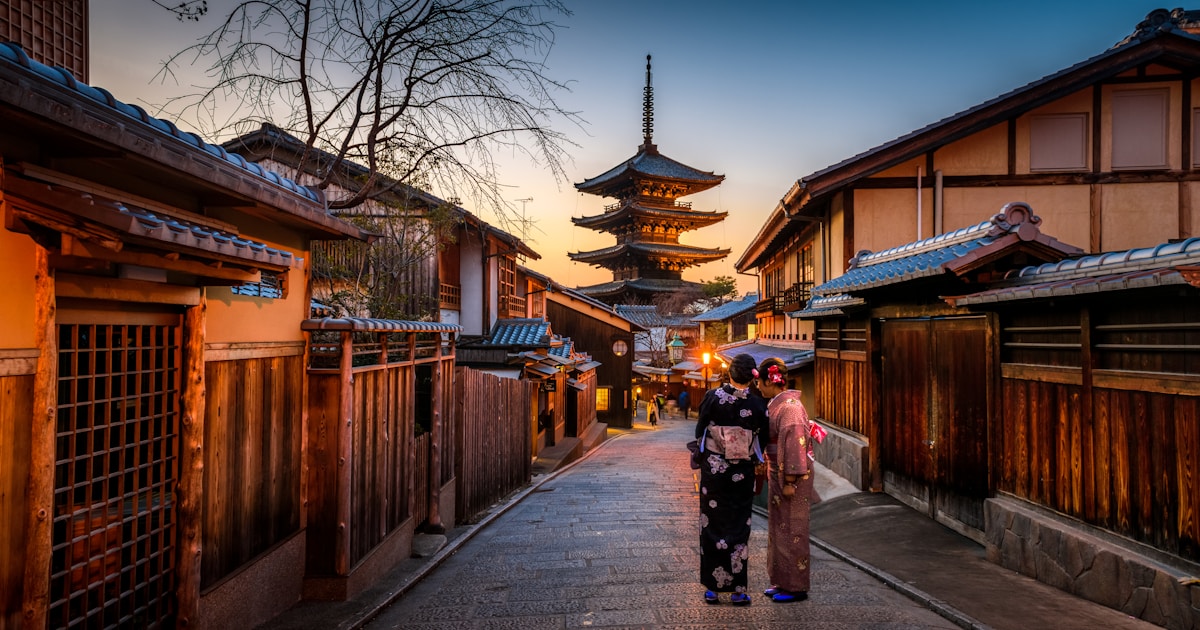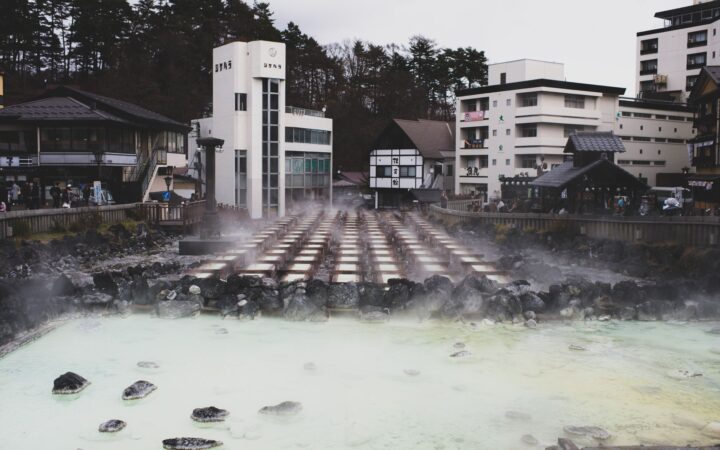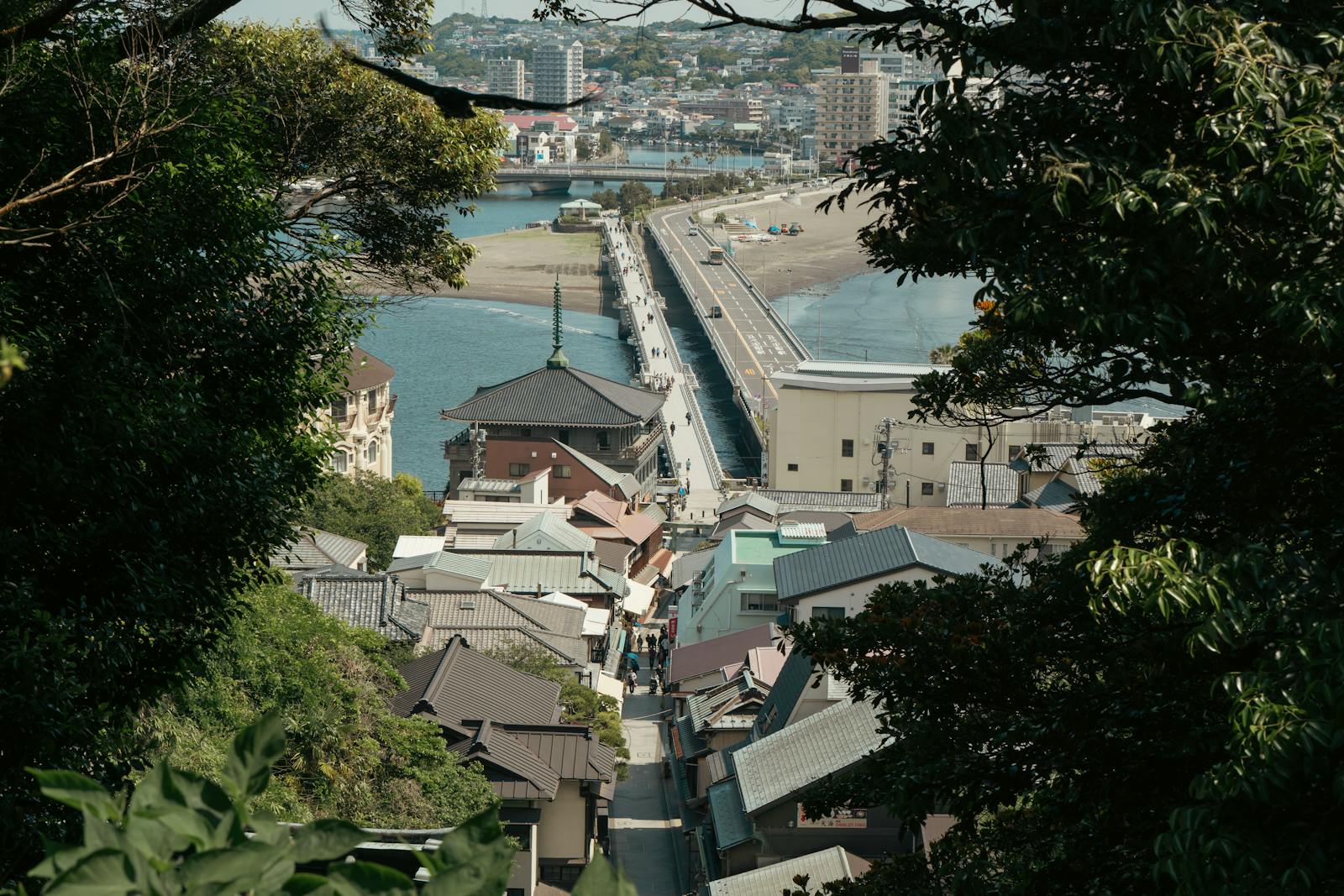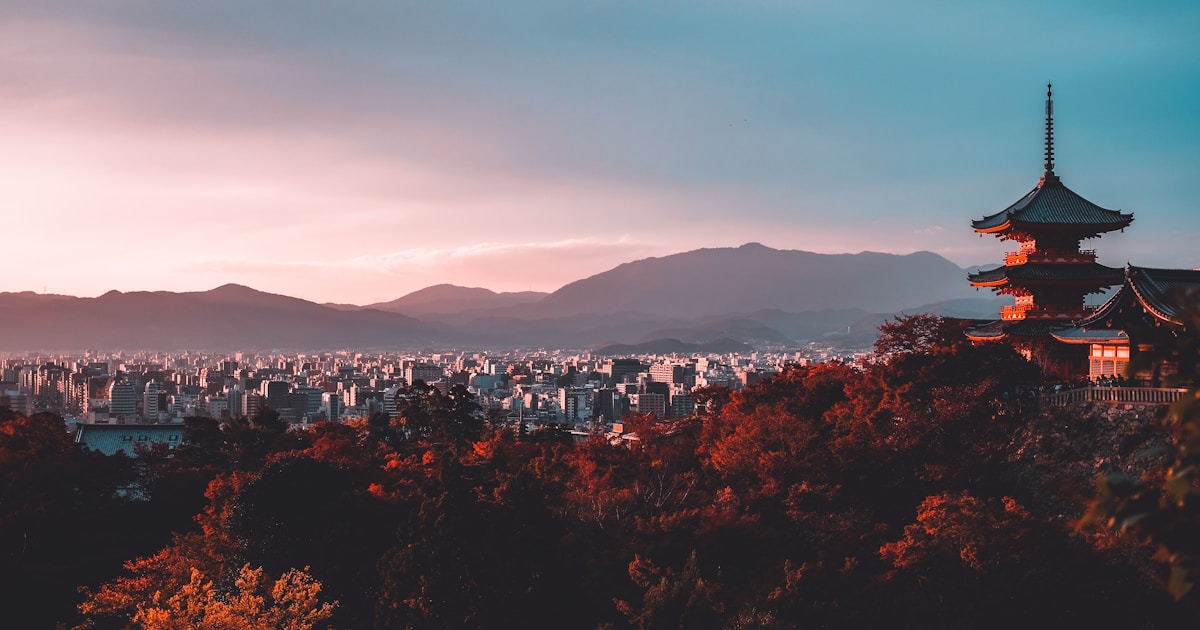
Japan’s autumn foliage season (koyo, 紅葉) rivals cherry blossom season as the most spectacular natural event in the Japanese calendar — and many travelers who experience both consider the autumn colors superior. Where spring’s sakura is an explosion of pale pink lasting one brief week, autumn koyo builds gradually through October and November into a sustained crescendo of crimson, amber, gold, and burgundy that transforms entire mountain ranges, temple gardens, and city parks. This guide covers when, where, and how to experience Japan’s autumn colors at their peak.
A note from Jack, editor of Japan Real Guide:
Autumn colour in Japan is the most variable seasonal event I have tried to plan around. Cherry blossom has a three-week window and is widely forecasted; autumn foliage can peak anywhere in a six-week range depending on elevation, temperature, and location. My two most spectacular autumn moments were in places I had not planned for — a pass road in Nagano that turned out to be at peak colour on a clear day when I was simply driving through, and a small temple garden in Nara that had been entirely missed by other visitors because a more famous garden nearby was drawing the crowds.
The best verified locations in this guide are ones where I have confirmed the timing firsthand or through multiple reliable reports. The timing ranges are honest ranges, not aspirational ones.
One key insight: colour in the Japan Alps (Nagano, Toyama, Gifu) peaks in October — a full month before Kyoto and Osaka. If you can travel in mid-October, the mountain areas offer spectacular colour with significantly lower tourist numbers than the November Kyoto rush.
Understanding Japan’s Autumn Foliage Season

The Japanese autumn foliage display is driven primarily by three tree species: the Japanese maple (momiji, 紅葉 — the character used for koyo is the same), the ginkgo (ichyo, 銀杏), and multiple oak and beech varieties. Each species has its own timing, and their layered sequence means the foliage season extends over 6–8 weeks as you move from high altitude and northern regions southward and downhill.
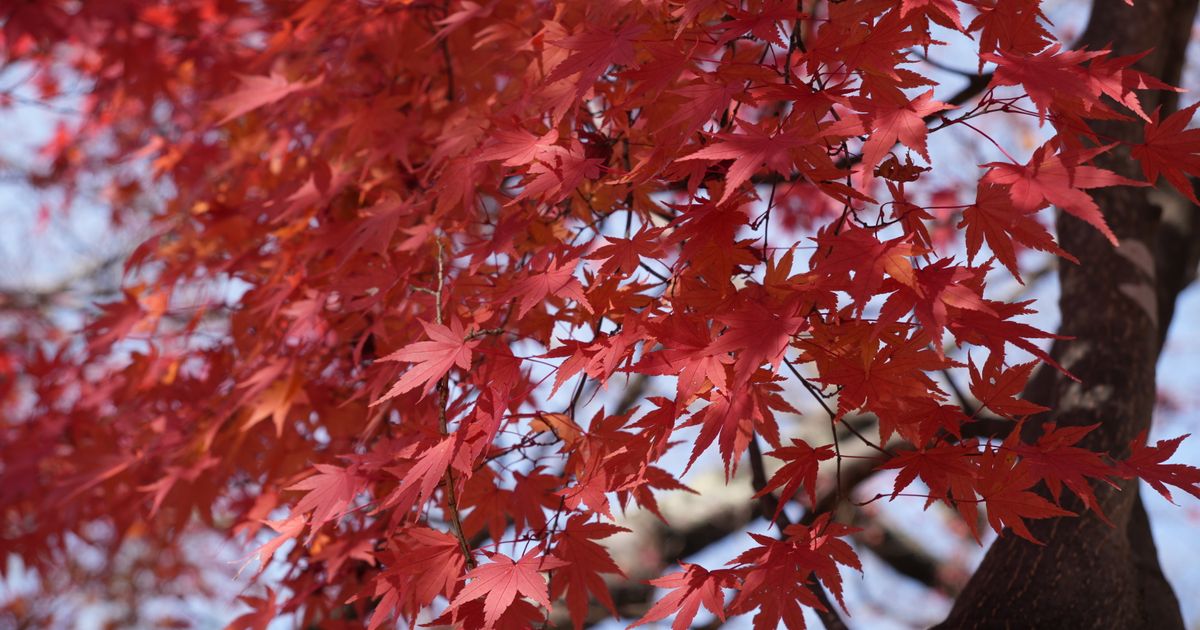
The momiji (maple) is the undisputed star — its deeply lobed leaves turn brilliant crimson and scarlet against the backdrop of still-green pines and golden ginkgos. Japanese gardens designed centuries ago specifically positioned momiji for maximum visual impact: near water for reflections, against stone walls, overhanging temple rooftops. The results are images of almost impossible beauty.
Japan Meteorological Corporation releases annual koyo forecasts (similar to sakura forecasts) in September, predicting peak dates for major locations. These are widely followed on social media and travel planning sites. Search “koyo forecast 2025” from September onward for the most current predictions.
Autumn Foliage Timeline by Region
The foliage front moves from north to south and high to low elevation, essentially the reverse of the spring cherry blossom progression:
Hokkaido (Daisetsuzan, Sapporo): Late September to mid-October — Japan’s earliest fall colors. Alpine areas of Daisetsuzan National Park peak in late September at higher elevations.
Tohoku (Aomori, Sendai, Nikko): Mid to late October. Nikko’s mountains begin turning in mid-October; valley areas peak late October.
Tokyo (Shinjuku Gyoen, Rikugien Garden): Late November — typically the last two weeks of November for peak color in the capital.
Kyoto: Mid to late November — typically the second and third weeks of November. The most celebrated koyo destination in Japan.
Osaka, Kobe: Late November to early December.
Hiroshima, Okayama: Late November to early December.
Key insight: Because the foliage season spans weeks rather than days at any given location (unlike sakura), timing your visit is somewhat more forgiving. Even arriving 5–7 days before or after peak can produce excellent colors — early visitors see the forest transforming; late visitors catch the ground covered in a carpet of fallen leaves.
Best Autumn Foliage Spots in Kyoto
Kyoto is the undisputed center of Japan’s autumn foliage culture. The city’s temples spent centuries designing their gardens specifically for the momiji display, and the results in November are breathtaking.
Eikan-do Zenrin-ji Temple (永観堂)
Kyoto’s single most famous autumn foliage temple — a complex of halls connected by covered corridors winding through maple-covered hillside grounds. Over 3,000 maple trees create an enveloping canopy of red and gold. The temple illuminates its grounds in the evenings throughout November (ticketed evening entry available — highly recommended). The views from the pagoda over the maple canopy to Kyoto below are extraordinary.
Admission: ¥600 daytime; additional charge for evening illuminations
Crowds: Very high in peak November — arrive at opening (9:00am) or book evening tickets in advance
Tofuku-ji Temple (東福寺)
Tofuku-ji’s garden, designed by the renowned 20th century landscape architect Mirei Shigemori, is one of Japan’s most innovative — combining traditional Zen garden principles with modernist grid patterns in the stone and moss work. In November, the temple’s Tsutenkyo Bridge (scarlet bridge spanning a maple-filled ravine) becomes one of Japan’s most photographed autumn scenes. The bridge allows views over thousands of maples in both directions.
Admission: ¥600
Tip: Arrive by 8:00am when the bridge opens — by 10:00am it’s crowded beyond comfortable photography
Philosopher’s Path in November
The same 2km canal-side path beloved for cherry blossoms in spring transforms in autumn into a tunnel of golden and red maple and ginkgo. The canal reflects the overhanging branches. Far less crowded than the spring equivalent; easier to walk at leisure.
Best time: Late afternoon when the low November sun illuminates the foliage from the west
Kiyomizudera Temple
The hillside temple overlooking Kyoto provides spectacular views of the city in autumn. The surrounding hillside is densely planted with maples that turn vivid crimson, creating a sea of red below the temple’s wooden stage. Illuminated evenings through November create an unforgettable night scene.
Admission: ¥500 daytime; ¥400 evening illumination (separate ticket)
Arashiyama in Autumn
The mountain district that draws visitors for bamboo and temples in spring becomes one of Japan’s most spectacular autumn landscapes. Tenryuji’s garden with its borrowed-scenery mountains in full fall color is extraordinary. The less-visited hillside temples (Jojakukoji, Okochi Sanso) surrounded by maples and bamboo in autumn deliver some of Kyoto’s most memorable photographs.
Best time: Early morning on a clear day for the mountain reflections in Osawa Pond
Best Autumn Foliage Spots: Nikko
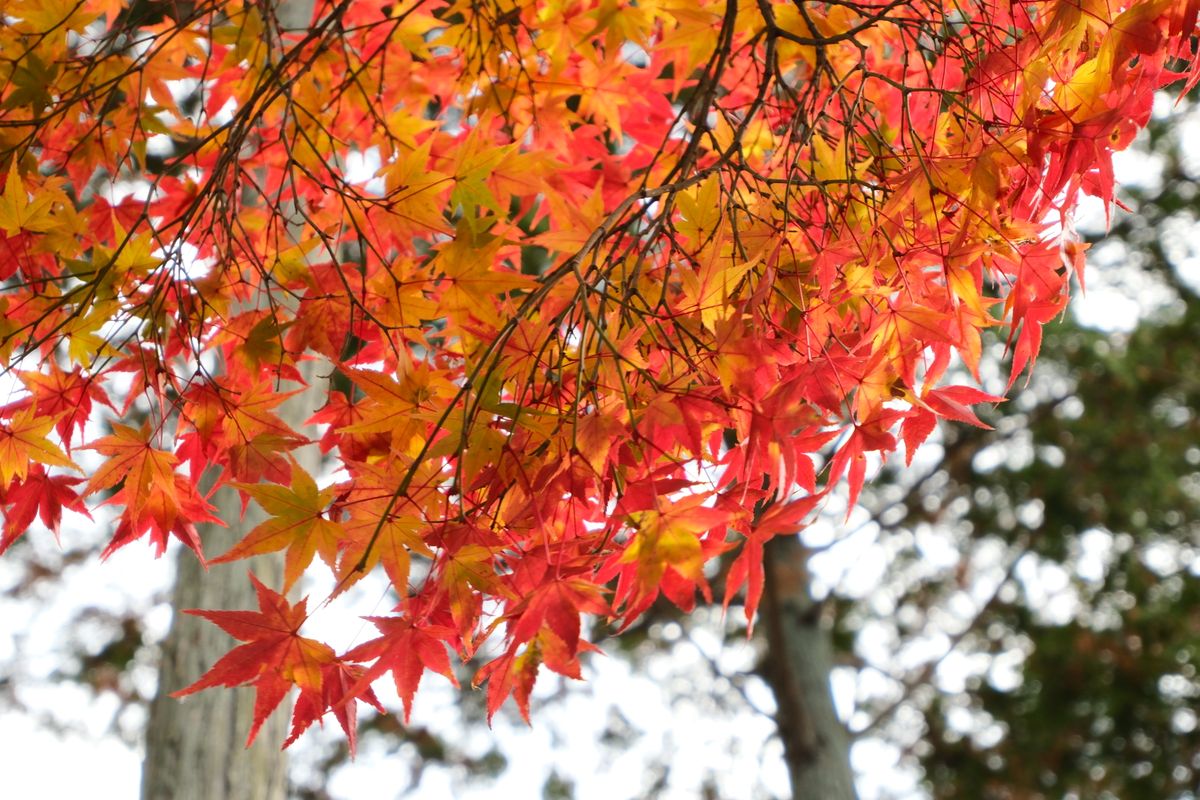
Nikko, in the mountains of Tochigi Prefecture 2 hours from Tokyo, combines extraordinary architectural heritage with some of Japan’s most accessible mountain autumn foliage. The ornate mausoleum complex of Tosho-gu — Japan’s most lavishly decorated shrine, encrusted with gilded carvings — is surrounded by ancient cedars and maples that turn brilliant in mid to late October, weeks before Tokyo’s urban parks peak.
The Irohazaka winding road (48 hairpin bends named after the Japanese hiragana alphabet) ascending to Lake Chuzenji and the Kegon Waterfall passes through dense maple and beech forest that becomes an extraordinary color display. The waterfall itself, dropping 97 meters, is framed by red and gold foliage at peak koyo — one of Japan’s most dramatic autumn scenes.
Access from Tokyo: Tobu Nikko Limited Express from Asakusa (2 hours, ¥2,780) or JR Shinkansen to Utsunomiya then JR Nikko Line (covered by JR Pass; 2.5 hours total)
Best Autumn Foliage Spots: Tokyo
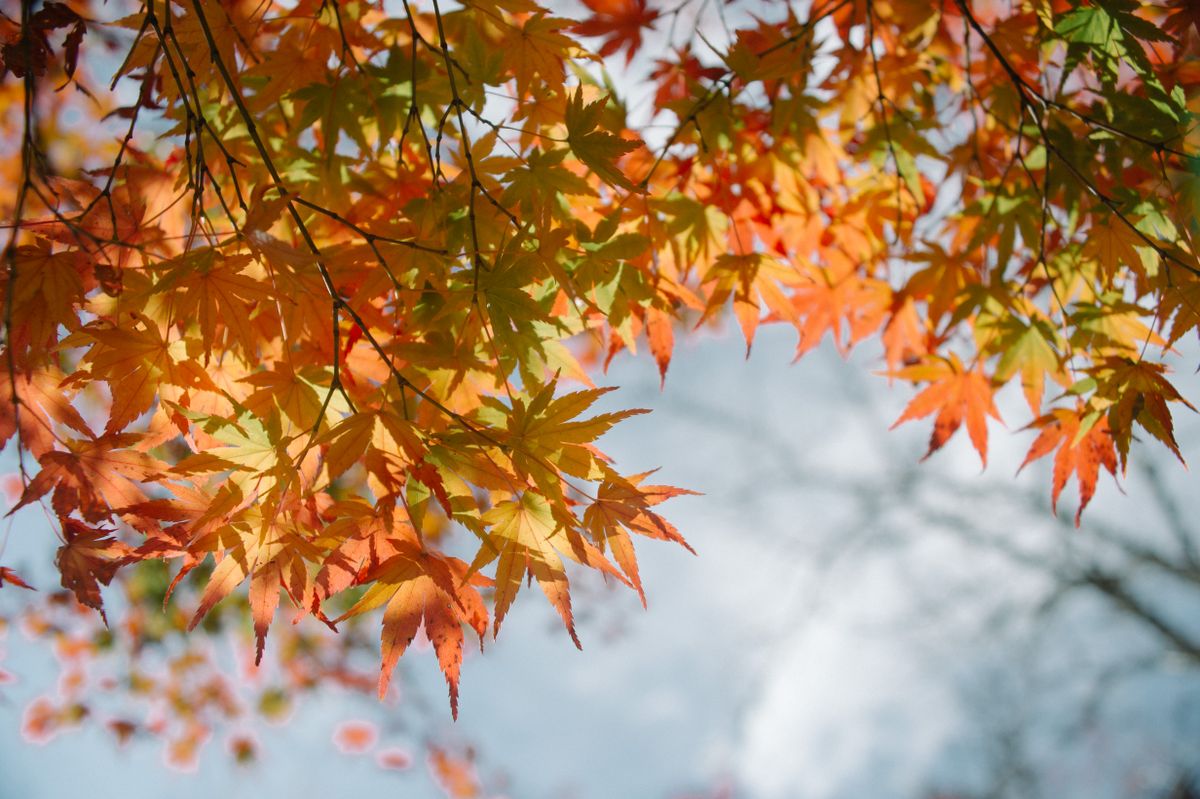
Tokyo’s urban autumn foliage, while not as dramatic as mountain or temple settings, is beautiful and easily accessible during a city stay:
Rikugien Garden (六義園) — One of Tokyo’s finest traditional gardens, famous for its weeping cherry in spring and for its illuminated autumn evenings. The central pond reflects surrounding maples in spectacular fashion during evening illumination events in late November.
Admission: ¥300 daytime; ¥300 evening illumination
Shinjuku Gyoen National Garden — Tokyo’s most refined green space also offers superb autumn foliage. Ginkgo trees lining the French formal garden’s central avenue turn brilliant yellow in late November; the Japanese garden section’s maples are exceptional.
Admission: ¥500
Meiji Jingu Gaien (outer gardens) — The ginkgo-lined avenue leading to the outer Meiji Shrine gardens is one of Tokyo’s most spectacular seasonal sights. Approximately 146 ginkgo trees form a 300-meter avenue that turns uniformly golden yellow in late November, creating a spectacular yellow tunnel.
Admission: Free
Autumn Foliage Beyond the Famous Spots
Daisetsuzan National Park, Hokkaido — Japan’s largest national park offers the earliest and most dramatic alpine foliage. The Sounkyo Gorge with its red and gold cliff-side maples in early October is remote but exceptional. The ropeway to Kurodake’s summit reveals views over a carpet of autumn color in every direction.
Best time: Late September to mid-October
Korankei, Aichi Prefecture — A hidden gem within Asuke village 90 minutes from Nagoya: a narrow valley with approximately 4,000 maple trees covering the hillsides, including some of Japan’s oldest specimens. The small bridges and traditional buildings create an intimate, picture-perfect setting. Less visited than Kyoto’s temples but genuinely spectacular.
Best time: Mid to late November
Mount Koya (Koyasan), Wakayama — The sacred mountain complex of Koyasan, Japan’s center of Shingon Buddhism, sits at 900 meters elevation and peaks in mid-November — several days before Osaka and Kyoto at lower altitude. The ancient cemetery of Okunoin (Japan’s largest, housing over 200,000 grave monuments under 1,000-year-old cedar trees) with autumn maples filtering light through the canopy is among Japan’s most atmospheric places in any season. In autumn it’s otherworldly.
Access: Nankai Railway from Osaka Namba (covered by Kansai Area Pass or individual ticket)
Practical Tips for Autumn Foliage Season
Book accommodation even earlier than for cherry blossom season. Kyoto in November is extraordinarily crowded — busier than cherry blossom in many years. Hotels within walking distance of major foliage temples (Eikan-do, Tofuku-ji) book out months in advance. Book 3–5 months ahead for November travel to Kyoto.
Rain and overcast days are often better for photography. Unlike spring’s sakura, which looks best in bright sunshine, autumn maples are often more vivid and saturated in color on overcast days. The diffused light eliminates harsh shadows and intensifies the reds. Don’t be discouraged by grey weather.
Wind accelerates leaf fall. A windy day during peak foliage strips leaves rapidly — what was spectacular in the morning may be half-bare by evening. Visit your priority locations on calmer days if possible.
Evening illuminations are the signature autumn experience. Kyoto’s major temples (Eikan-do, Kiyomizudera, Nijo Castle) illuminate their grounds in November evenings, creating magical night scenes with red and gold maples reflected in illuminated ponds. These events sell out — book tickets online in advance through the temples’ official sites or through travel platforms.
Autumn food experiences to seek: Matsutake mushroom (the most prized and expensive mushroom in Japan, available only in autumn), kuri (chestnut) desserts and snacks, sweet potato (satsumaimo) in roasted, baked, and ice cream form, and sanma (Pacific saury) grilled over charcoal — the smell drifting from izakayas in October is unmistakably autumnal Japan.
Japan in autumn is Japan at its most romantic — the light is golden, the air is crisp without being cold, and everywhere you look the ancient temples and gardens are dressed in colors that have been cultivated over centuries specifically for this moment. If you have flexibility in timing your Japan trip, November (specifically the 10th–25th, depending on the year’s forecast) is an extraordinarily compelling choice. You will not be alone in this opinion — but the beauty is large enough to share.
Plan Your Japan Trip
🍁 Book a Koyo Foliage Tour
See Japan’s stunning autumn colors with a guided foliage tour — visit Nikko, Kyoto’s temple gardens, and the Japanese Alps at their most spectacular.
🏨 Book Your Hotel for Autumn Season
Autumn is peak travel season in Japan. Book early to secure the best rates at hotels near top foliage spots.
Understanding Japan’s Autumn Foliage: The Science Behind Koyo
Japan’s autumn foliage — called koyo (紅葉) — is one of nature’s most spectacular color displays, and understanding why it happens helps you predict the best times and places to witness it.
Leaves change color when deciduous trees begin preparing for winter dormancy. As daylight hours decrease and temperatures drop below approximately 8°C (46°F) at night, trees stop producing chlorophyll — the green pigment that powers photosynthesis. As the green fades, the underlying yellow and orange pigments (carotenoids) become visible. Red and purple colors are produced by anthocyanins — compounds the tree actively produces during this period, their intensity affected by temperature swings and sunlight levels.
Japan’s geography — stretching from subtropical Okinawa to subarctic Hokkaido — creates a koyo front that moves from north to south during September through December, mirroring the spring sakura front but in reverse. Following this front allows dedicated foliage chasers to witness peak color for weeks across different regions.
Japan Autumn Foliage Calendar: Peak Times by Region
| Region | Peak Foliage Period | Notable Locations |
|---|---|---|
| Hokkaido | Late September – mid-October | Daisetsuzan National Park, Sounkyo Gorge, Jozankei Onsen |
| Tohoku | Mid-October – early November | Towada-Hachimantai NP, Naruko Gorge, Matsushima |
| Nikko (Tochigi) | Late October – mid-November | Nikko National Park, Irohazaka Winding Road |
| Tokyo area | Mid-November – early December | Shinjuku Gyoen, Meiji Jingu Gaien, Hamarikyu Gardens |
| Kyoto | Mid-November – early December | Tofuku-ji, Arashiyama, Eikan-do, Rurikoin |
| Osaka / Nara | Late November – mid-December | Minoo Park Waterfall, Yoshino Mountain, Hasedera Temple |
Top Autumn Foliage Spots in Japan
Tofuku-ji Temple, Kyoto — The Most Iconic View
Tofuku-ji’s Tsutenkyo Bridge, spanning a gorge filled with maple trees, is probably the single most photographed autumn scene in Japan. The view from the bridge looking east and west along the gorge, with hundreds of maples turning simultaneously, is breathtaking. The downside: everyone knows this. Arrive before 8am for manageable crowds, or visit midweek. The surrounding grounds also contain the famous Mirei Shigemori gardens — modern dry landscape designs that look extraordinary beneath autumn foliage.
Eikan-do (Zenrin-ji), Kyoto — Best Night Illumination
Eikan-do runs special nighttime illumination events during the koyo season (typically mid-November to early December). The pond reflections of illuminated maple trees create mirror images that look almost unreal. This is one of Japan’s premier nighttime foliage experiences. Expect queues, but the experience justifies the wait.
Nikko, Tochigi Prefecture — Waterfalls and Shrines
Nikko combines elaborate Toshogu Shrine, waterfalls, lakes, and mountain scenery with autumn color that typically peaks in late October. The Irohazaka winding road (48 hairpin turns ascending the mountain) offers continuous foliage viewing, and Lake Chuzenji at the top is ringed with maples that reflect in the still water on calm days. Nikko is only 2 hours from Tokyo by Tobu or JR train — an ideal day trip.
Naruko Gorge, Miyagi Prefecture
Located in Tohoku, Naruko Gorge is one of Japan’s most underrated autumn foliage destinations. The gorge walls rise 100 meters above the narrow valley, and the combination of rock, water, and autumn color creates scenes that rival anything in Kyoto. Peak season is mid to late October — earlier than Kyoto, giving travelers in October an alternative to crowded southern destinations. The area is also known for Naruko Onsen hot springs.
Daisetsuzan National Park, Hokkaido
For travelers who want early autumn foliage and wilderness, Hokkaido’s Daisetsuzan National Park — Japan’s largest — offers high-altitude color beginning in mid-September. The Kurodake ropeway in Sounkyo ascends to where the first autumn colors appear. By early October, the valley floors in Sounkyo are ablaze with color. This is Japan’s most dramatic alpine foliage experience.
Rurikoin: Japan’s Most Beautiful Hidden Foliage Temple
Rurikoin in the Yase area north of Kyoto has become something of an Instagram phenomenon — and with good reason. The temple’s second-floor tatami room has floor-to-ceiling windows overlooking a garden of maples. In autumn, the entire room reflects the red and gold canopy above, and the lacquered table in the room creates a second reflection, making it appear as though you’re floating within the foliage. The experience is genuinely surreal.
Rurikoin is only open for a limited period during spring (new green leaves) and autumn (colored leaves) — typically two weeks to a month. Advance tickets via the official website or same-day queue entry. Worth planning your entire Kyoto dates around.
Practical Tips for Autumn Foliage Viewing in Japan
Timing Is Everything — But Forecasts Help
Japan’s major weather agencies publish autumn foliage forecasts from September, updated weekly. The Japan Meteorological Corporation provides city-by-city predictions for kaede (maple) and icho (ginkgo) peak periods. Ginkgo trees turn brilliant yellow and are often overlooked in favor of maples — the Jingu Gaien ginkgo avenue in Tokyo and the ginkgo tree at Shinjuku Gyoen are extraordinary in mid-November.
Weekday vs. Weekend
Autumn foliage sites in Kyoto become genuinely unmanageable on weekends during peak season (mid-November). If your travel schedule allows any flexibility, visiting Tuesday to Thursday dramatically reduces crowds at even the most popular sites. Temples that are pleasant on a Tuesday become overwhelming on a Saturday.
Rain Creates Magic
Unlike cherry blossoms, which are damaged by rain, autumn foliage actually benefits from wet conditions. Rain-soaked maple leaves intensify in color, temple gardens reflect in puddles, and the crowds thin out. Carry a compact umbrella and embrace the atmosphere of a rainy autumn day in Kyoto — it has a melancholy beauty that perfectly matches the season.
Frequently Asked Questions: Japan Autumn Foliage
When is the best time to see autumn leaves in Kyoto?
Peak autumn foliage in Kyoto typically falls between November 15–30, though this varies by 1–2 weeks depending on the year’s weather. Warmer autumns push the peak later; cooler autumns bring it forward. Check the Japan Meteorological Corporation forecast (nihonkisho.jp) in October for that year’s specific prediction.
Where is the best autumn foliage in Japan?
Kyoto is the overall best destination for combining autumn foliage with historical temples and gardens. For mountain and wilderness scenery, Nikko (Tochigi), Naruko Gorge (Miyagi), and Daisetsuzan (Hokkaido) are outstanding. For city foliage, Tokyo’s Shinjuku Gyoen and Rikugien garden are excellent options.
Is autumn a good time to visit Japan?
Yes — autumn (October–November) is one of the two peak seasons for Japan travel (alongside cherry blossom spring). The weather is comfortable, skies are often clear, and the foliage is spectacular. The downside is that popular destinations like Kyoto become very crowded and accommodation prices rise significantly. Book flights and hotels at least 3 months in advance for November trips to Kyoto.
Do I need a reservation to visit foliage temples in Kyoto?
Most temples operate on a first-come, first-served basis, though Rurikoin and a few others require advance tickets. Popular sites like Tofuku-ji, Eikan-do (for night illumination), and Kinkaku-ji don’t require reservations but have long queues during peak season. Arriving at opening time (typically 8:00–9:00am) is the most effective strategy for avoiding crowds.
Related guides
- The Perfect 7-Day Japan Itinerary for First-Timers
- Where to Stay in Kyoto: Best Areas & Ryokan for First-Timers
- Narita & Haneda Airport to Tokyo: The Complete Access Guide
Going to Japan? Talk to locals with confidence.
Hirameki Japanese — instant offline translation, camera translation, furigana + romaji, and 314 free flashcards. No login. Works without internet.

Plan your Japan trip
Two things every first-timer should book
Some links are affiliate links. If you book through them we may earn a small commission at no extra cost to you.