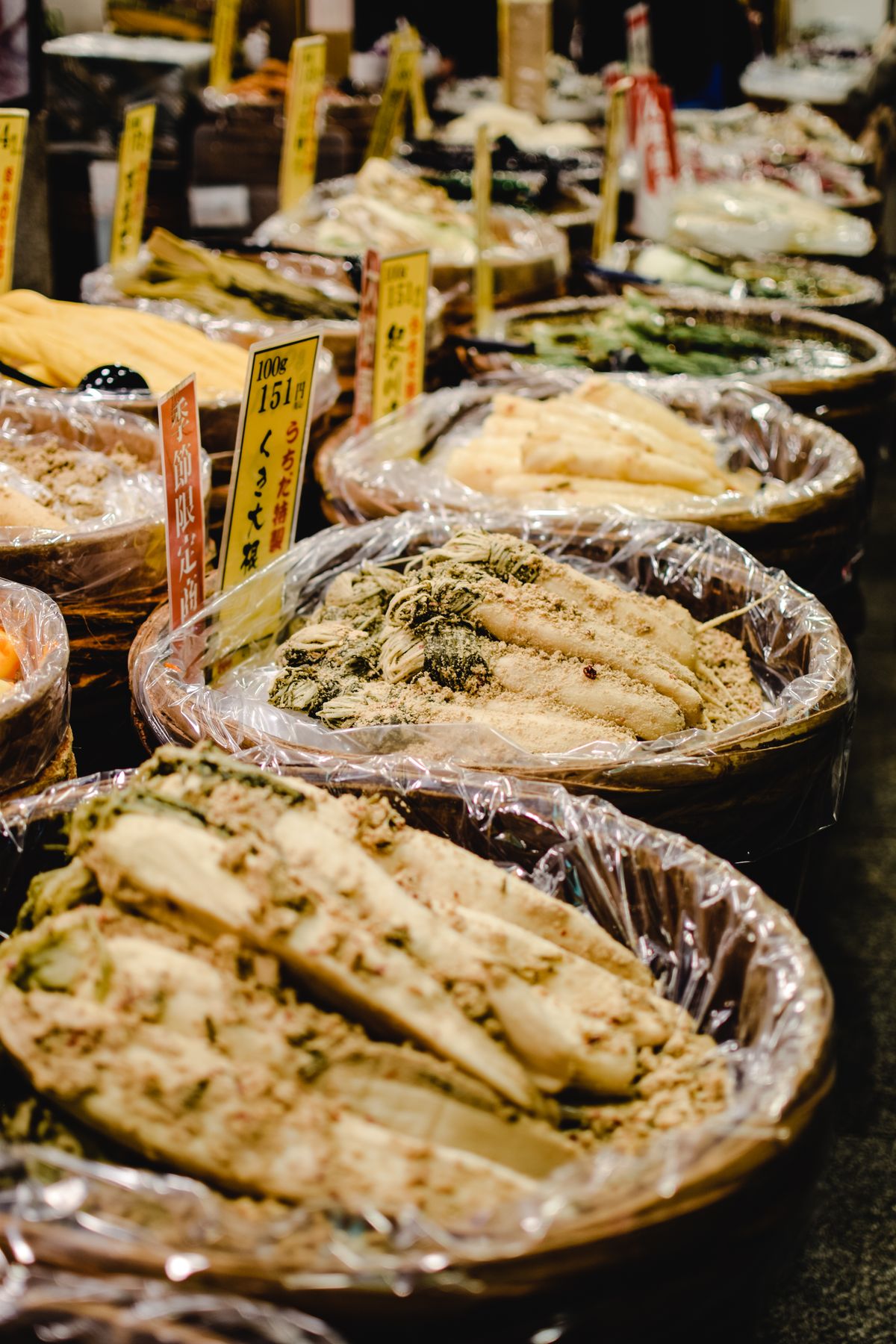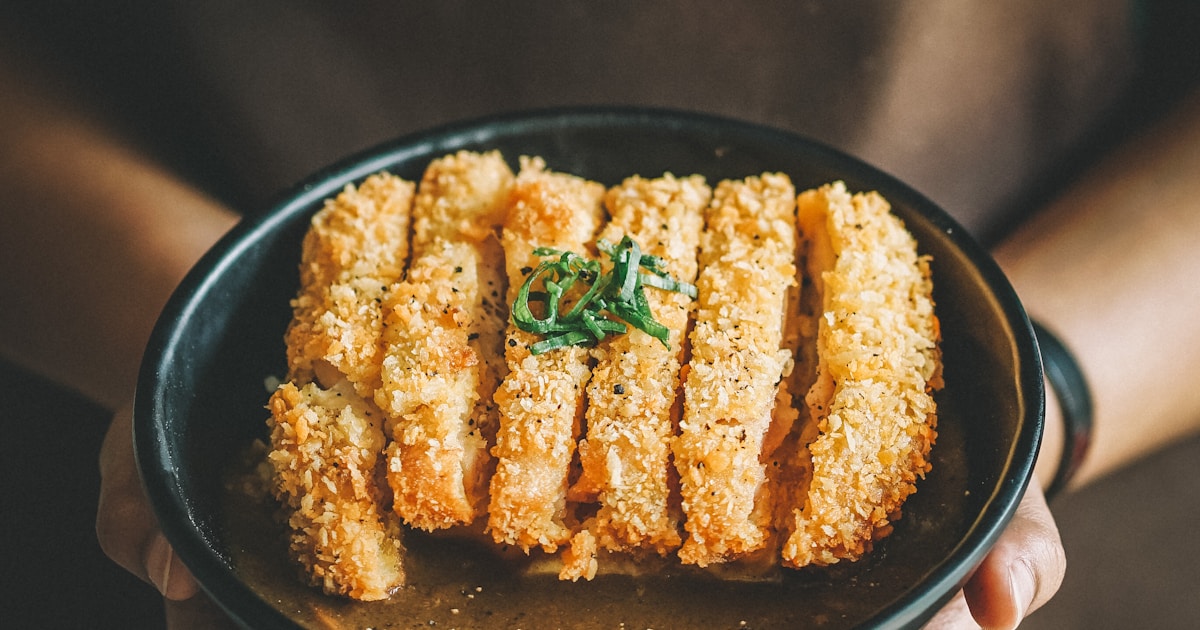
Japan has one of the world’s greatest street food cultures — not in spite of its reputation for hygiene and order, but because of it. Japanese street food is prepared with the same meticulous attention as restaurant meals, priced to be genuinely accessible, and embedded in cultural rituals from festival season to morning commutes. This guide takes you through the essential street foods of Japan, where to find them, and how to eat them properly.
A note from Jack, editor of Japan Real Guide:
Street food in Japan is one of those categories where being there in person reveals layers that no list can fully capture. I have eaten my way through a lot of it — from Osaka’s Dotonbori at midnight to a festival stall in rural Miyazaki where I was the only foreigner for kilometres. The foods in this guide are ones I come back to specifically, not just because they are photographable.
A note on takoyaki: I spent an afternoon in 2018 eating from three different Dotonbori stalls in a row, purely to compare. The differences were significant — one was lighter and crispier, one was richer and oilier, one used better dashi. The “best” stall by queue length was not the best by taste. My honest recommendation is to try at least two different vendors before forming an opinion.
One thing that surprises visitors: Japanese street food is rarely eaten while walking. Most stalls have a small standing counter or nearby ledge, and locals tend to stop and eat there. Worth knowing before you find yourself holding hot takoyaki with nowhere to put it.
Takoyaki: Osaka’s Gift to the World
Takoyaki (たこ焼き, octopus balls) are Japan’s most universally beloved street food — golf-ball-sized spheres of wheat batter encasing a chunk of octopus, pickled ginger, and green onion, cooked in specialized half-sphere iron pans and topped with takoyaki sauce, Japanese mayonnaise, bonito flakes, and aonori seaweed. When done correctly, the exterior is lightly crispy; the interior remains almost liquid. They’re sold everywhere in Japan at festivals, markets, and dedicated stalls, but they’re best in Osaka where the art of their preparation reaches its highest expression.
Price: ¥400–¥600 for 6–8 pieces
Best found at: Osaka’s Dotonbori district, Namba, and dedicated takoyaki restaurants across Japan
Tip: Eat immediately while hot. The bonito flakes waving in the steam are part of the spectacle.
Yakitori: The Art of the Charcoal-Grilled Skewer
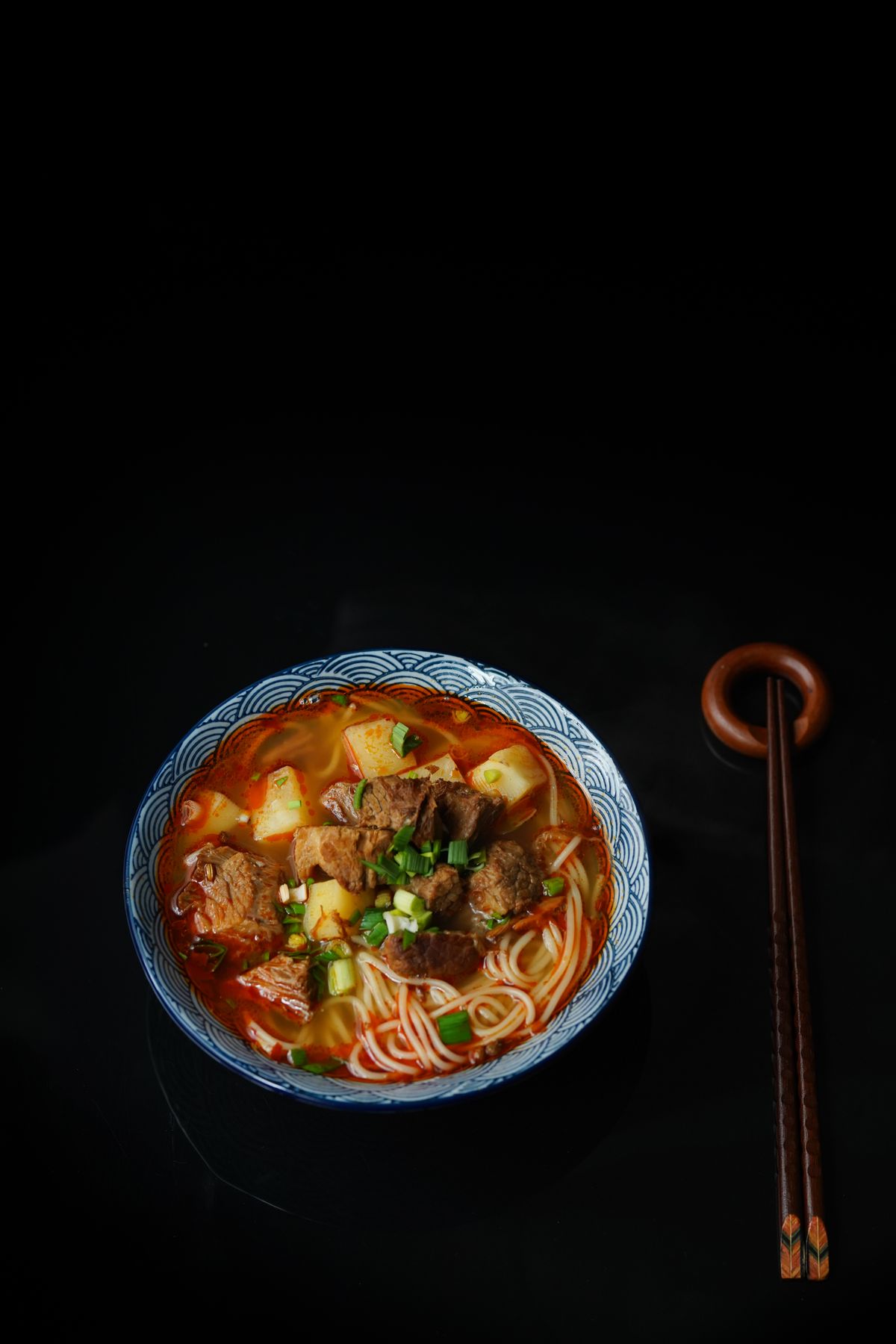
Yakitori (焼き鳥, grilled bird) are chicken skewers cooked over charcoal, seasoned either with tare (a sweet soy-based sauce built up over years of basting the same grill) or simply with salt (shio). The varieties seem endless: momo (thigh), negima (thigh with leek), tsukune (chicken meatball), kawa (skin — crispy, fatty, extraordinary), gyutan (tongue), and for the adventurous, reba (liver), hatsu (heart), and nankotsu (cartilage).
True yakitori is cooked over binchotan charcoal (white charcoal from Wakayama), which burns clean and hot without imparting smoky flavors. The result is chicken with a caramelized outer layer, juicy interior, and the pure flavors of quality protein and excellent seasoning. The small specialist yakitori stalls under railway bridges in Tokyo (yakitori yokocho) are among the city’s most atmospheric dining experiences.
Price: ¥100–¥200 per skewer at stalls; ¥150–¥400 at specialist restaurants
Best found at: Yurakucho under the Yamanote Line tracks, Omoide Yokocho in Shinjuku (Memory Lane), festival stalls throughout Japan
Tip: Order a variety — the less familiar cuts (skin, cartilage) are often the most interesting.
Taiyaki: The Lucky Fish-Shaped Cake

Taiyaki (鯛焼き, sea bream cake) are fish-shaped waffle pastries filled with sweet red bean paste (anko) — or, in modern versions, custard cream, chocolate, or matcha paste. They’re cooked in fish-shaped cast iron molds, producing a crunchy outer shell with a soft, yielding interior. The filling-to-pastry ratio varies significantly between shops; the best have generous, well-seasoned filling that extends into the tail (a point of pride — some shops advertise that their tails are filled).
Taiyaki are sold at almost every matsuri (festival), in shopping arcade stalls, and at dedicated storefronts with continuous production lines. The simple pleasure of eating one while walking on a cool autumn afternoon is a very pure Japan experience.
Price: ¥150–¥250 each
Best found at: Festival stalls, Ninenzaka in Kyoto, shopping arcade stalls
Varieties to try: Classic red bean, custard, matcha custard
Onigiri: Japan’s Perfect Portable Meal
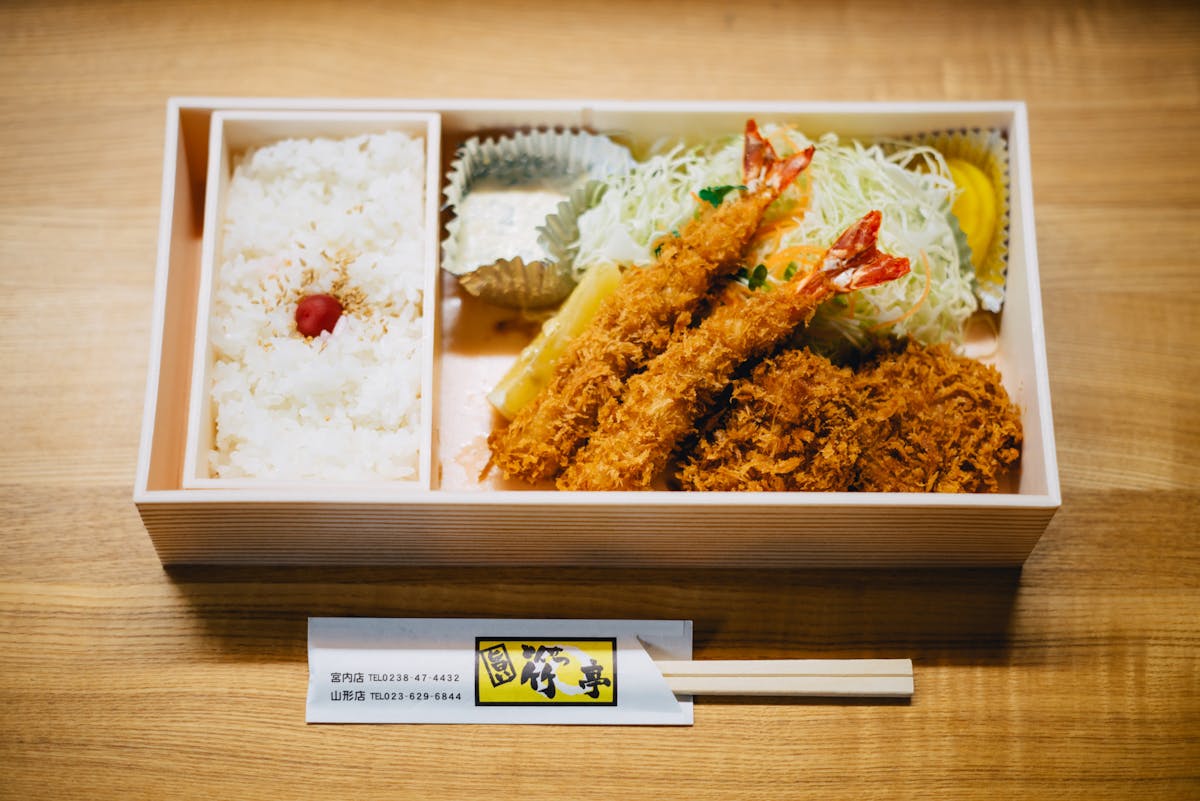
Onigiri (おにぎり, rice balls) occupy a unique position in Japanese food culture — they’re simultaneously humble everyday food and an expression of genuine craft. A well-made onigiri uses fresh cooked rice seasoned with just enough salt, wrapped in toasted nori (seaweed), and filled with one of dozens of possible fillings: umeboshi (salted pickled plum), tuna and mayo, grilled salmon, kombu, mentaiko (spiced pollock roe), or katsuobushi (dried bonito flakes).
Japanese convenience stores (7-Eleven, FamilyMart, Lawson) sell onigiri at ¥100–¥200 each, and the quality is genuinely good — fresh daily, carefully produced, with a distinctive triangular wrapper design that keeps the nori separate from the rice until you peel and eat it (keeping it crispy).
Specialist onigiri shops (おにぎり専門店) across major cities elevate the form dramatically — using premium rice, house-made fillings, and handcrafted wrapping techniques. Lines at popular specialist shops attest to the seriousness with which Japan treats even its most basic foods.
Price: ¥100–¥200 at convenience stores; ¥200–¥400 at specialist shops
Best found at: Any 7-Eleven, FamilyMart, or Lawson in Japan; Onigiri Asakusa Yadoroku (Tokyo’s oldest onigiri specialist, Asakusa)
Tip: The plastic packaging opens in a specific sequence — follow the numbered arrows to prevent the nori from touching the rice before you’re ready to eat.
Yakisoba: Festival Noodle King
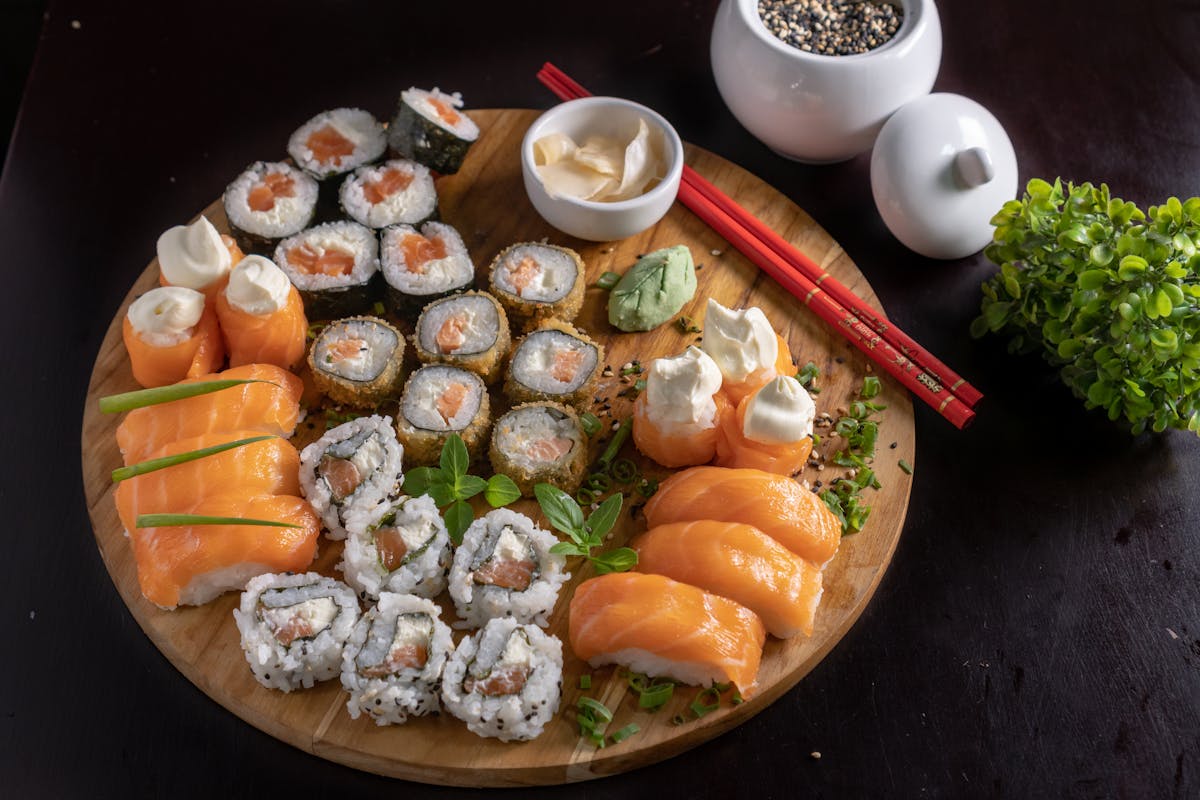
Yakisoba (焼きそば, fried buckwheat noodles) are the quintessential Japanese festival noodle — stir-fried Chinese-style noodles with pork, cabbage, carrots, and green onion, seasoned with yakisoba sauce (a Worcestershire-like condiment) and topped with aonori seaweed, pickled ginger, and benishoga (red pickled ginger). They’re cooked on large flat iron griddles at festival stalls, the sound and smell of the noodles hitting the hot plate drifting across the matsuri grounds.
Despite the name suggesting buckwheat (soba), yakisoba uses wheat noodles — the “soba” in the name refers to the noodle shape, not the flour. The sauce-coated noodles with their mix of vegetables and pork are satisfying, affordable festival food at its most honest.
Price: ¥400–¥600 at festivals; ¥600–¥900 at restaurant chains
Best found at: Any matsuri or festival stall during Japan’s summer festival season (July–August)
Ningyo-yaki and Regional Sweet Cakes
Japan’s tradition of regional confectionery (wagashi, 和菓子) extends to a remarkable variety of baked street sweets tailored to specific neighborhoods and cities. Ningyo-yaki (人形焼き) — small sponge cakes molded into shapes specific to each neighborhood — are Asakusa’s signature: lanterns, pigeons, and traditional Shinto symbols. They’re baked fresh in cast iron molds, filled with red bean paste, and sold by the bag at the Nakamise shopping street leading to Senso-ji Temple.
Momiji manju from Miyajima (near Hiroshima) — maple leaf-shaped cakes filled with bean paste, custard, or matcha — are among Japan’s most recognizable regional sweets, baked in continuous production in shop windows throughout the island.
Karintou — Deep-fried wheat dough coated in dark brown sugar — is one of Japan’s most ancient snack foods, sold in bags at festival stalls and traditional confectionery shops. The caramelized sugar coating gives a distinctive crunch followed by a slightly chewy center.
Matcha and Japanese Sweets
Matcha (抹茶, powdered green tea) has become a global food trend, but Japan remains its spiritual and culinary home. Street food applications of matcha are everywhere:
Matcha soft cream — Soft serve ice cream with matcha powder incorporated — ranging from mild green to an intensely bitter-sweet dark green depending on the quality and concentration of the matcha used. Uji (near Kyoto), Japan’s matcha capital, has the most intensely flavored versions. Available throughout Japan from ¥350–¥600 per cone.
Mochi — Rice cake confections in every conceivable flavor, texture, and form. Plain mochi is simple and satisfying; daifuku mochi (mochi stuffed with sweet fillings) in strawberry (ichigo daifuku), red bean, or seasonal flavors are a Japanese confectionery treasure. Ice cream mochi — commercial versions widely available, but fresh specialist versions from mochi shops are incomparably better.
Dango — Skewered rice dumplings available in multiple preparations: mitarashi (savory-sweet soy sauce glaze, the most common), hanami dango (three-colored skewer of pink, white, and green), and ankake (topped with sweet red bean paste). A fundamental Japanese street food dating from the Muromachi period.
Japanese Festival Foods (Matsuri Cuisine)
Japan’s summer festival season (roughly June through August) fills parks and shrine grounds across the country with temporary food stalls (yatai) serving the widest variety of street foods. Attending a matsuri purely for the food is entirely legitimate:
Ikayaki — Whole squid grilled on a long stick, brushed with soy sauce. The smell alone drawing crowds from 50 meters away.
Karaage — Japanese fried chicken, marinated in soy and ginger, fried to a lighter crisp than Western fried chicken.
Churros and crepes — Western pastry imports have been thoroughly Japanized; Japanese crepes (filled with elaborate combinations of whipped cream, strawberries, and ice cream, rolled into a cone) are sold throughout Harajuku’s Takeshita Street and festival grounds.
Wata ame (cotton candy) — Spun sugar sold in elaborate bags decorated with characters; Japanese versions are often flavored with strawberry, melon, or grape syrup.
Convenience Store Food: Japan’s Greatest Secret
No Japan street food guide is complete without acknowledging that Japan’s convenience stores (コンビニ, konbini) serve some of the best quick food in the country. The three major chains — 7-Eleven, FamilyMart, and Lawson — maintain genuinely high food quality standards across their prepared food lines:
Freshly prepared foods available at konbini counters:
Fried chicken (karaage) pieces — hot, crispy, made fresh throughout the day
Nikuman (steamed pork buns) — kept warm in steamers, best in autumn and winter
Corn dogs and potato wedges (seasonal varieties)
Hot soups and oden (winter stew) from heated cases
Packaged ready foods:
Onigiri in 20+ varieties
Sushi rolls and packs (¥300–¥500, surprisingly good)
Pasta salads, grain bowls, and fresh vegetable packs
Sandwiches (Japan’s konbini sandwiches are a legitimate culinary achievement — particularly tamago sando, the egg salad sandwich on soft white bread)
Seasonal and regional specials: Each season and region produces konbini limited editions — spring sakura desserts, summer kakigori (shaved ice) sets, autumn sweet potato flavors, winter citrus and hot chocolate drinks. These limited editions are worth seeking out and often disappear within days.
Japan’s street food culture rewards curiosity above all else. The stalls that attract the longest queues of local people are almost always the ones worth joining. The limited-edition flavors that seem inexplicable often turn out to be inspired. The simple things — a warm nikuman on a winter morning, a cold kakigori on a summer afternoon, an onigiri eaten at a train station bench — become some of the most vivid food memories you’ll carry home from Japan.
Plan Your Japan Trip
🍜 Book a Food Tour in Japan
Want to explore Japan’s street food scene with a local guide? Food tours are one of the best ways to discover hidden gems and learn the stories behind each dish.
🏨 Stay in the Heart of the Action
Book a hotel close to the best street food areas — Dotonbori in Osaka, Shibuya in Tokyo, or Nishiki Market in Kyoto.
Related guides
- How to Read a Japanese Restaurant Menu (Even With Zero Japanese)
- Nishiki Market Travel Guide 2026: A First-Timer’s Guide to Eating Your Way Through Kyoto’s Kitchen
- Japan Izakaya Guide: What to Order, How to Behave, and the Best Spots in Tokyo and Osaka
Going to Japan? Talk to locals with confidence.
Hirameki Japanese — instant offline translation, camera translation, furigana + romaji, and 314 free flashcards. No login. Works without internet.

Plan your Japan trip
Two things every first-timer should book
Some links are affiliate links. If you book through them we may earn a small commission at no extra cost to you.