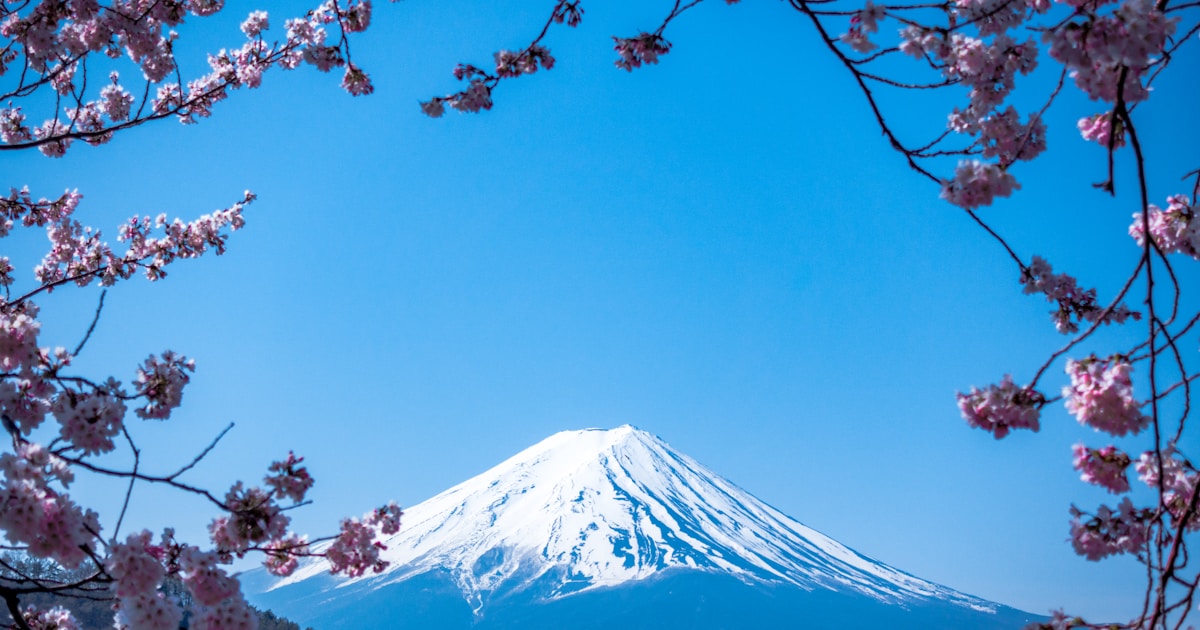
Mount Fuji (富士山, Fujisan) is Japan’s most iconic image and its highest peak at 3,776 meters. This sacred volcano has shaped Japan’s art, religion, and national identity for centuries, and for millions of international visitors, a clear view of — or a climb up — Japan’s most famous mountain is the defining moment of their trip. This guide covers everything you need to know: viewing Fuji without climbing, the full climbing guide for those who want to summit, and the surrounding Fuji Five Lakes region.
A note from Jack, editor of Japan Real Guide:
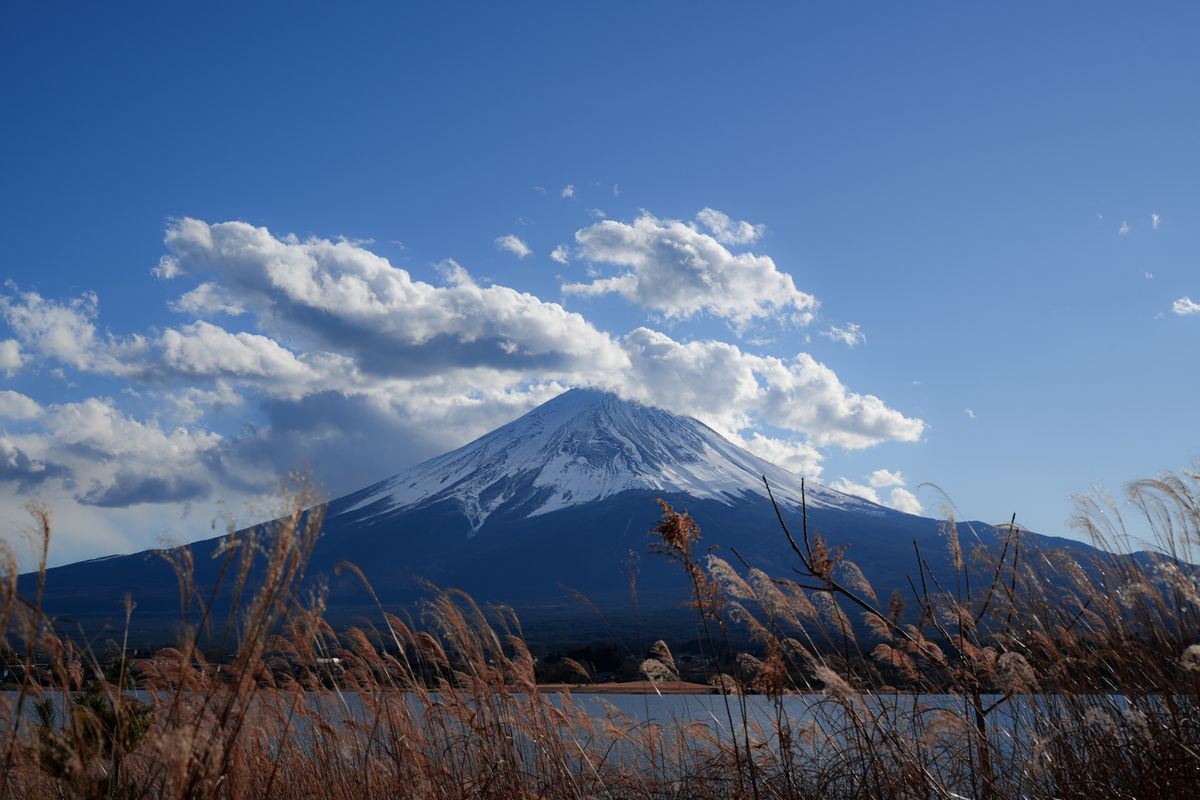
I have tried to see Mount Fuji clearly from multiple angles over multiple trips, and the mountain has a way of hiding behind cloud and haze exactly when you most want to see it. My clearest view of the summit was from a Shinkansen window on an early November morning — completely unexpected, and gone within about thirty seconds. My most disappointing was a clear-sky morning at Kawaguchiko when, by the time I arrived, a single band of cloud had settled around the summit and refused to move for five hours.
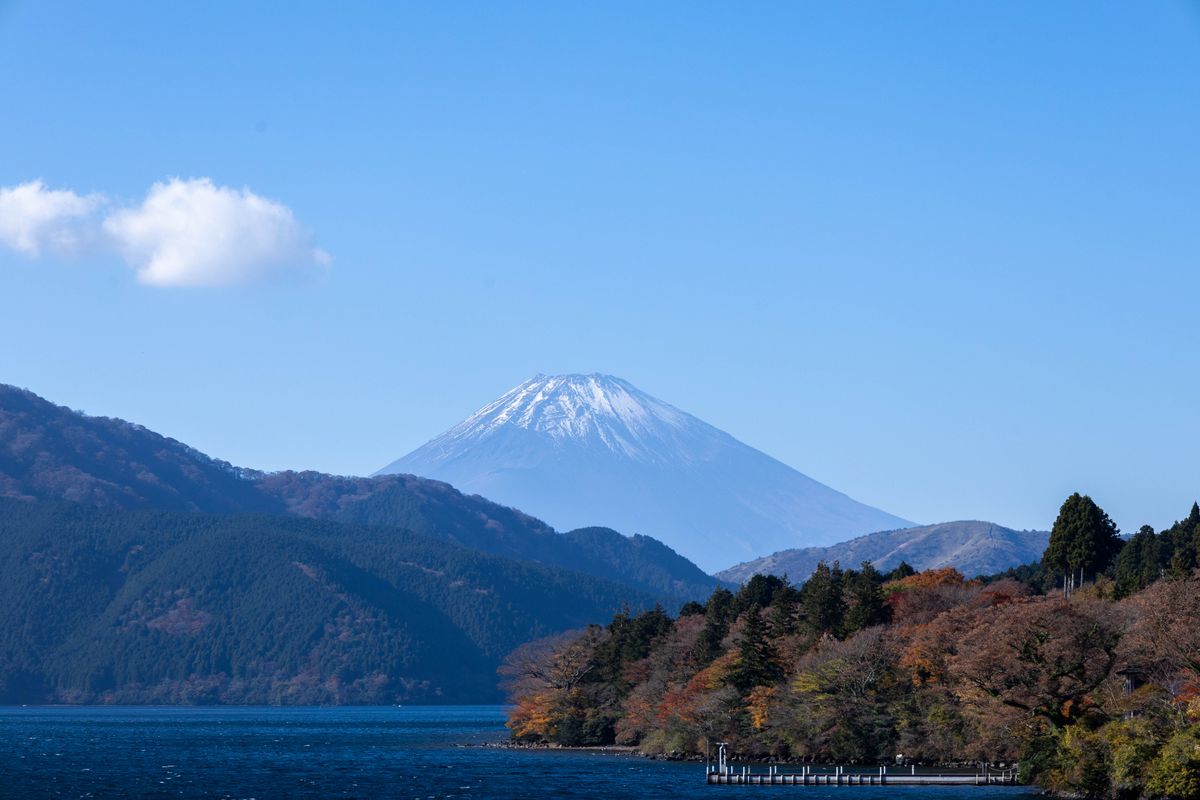
The practical lesson: Fuji views are best in winter and early spring when the air is clearest and snow still caps the summit. October and November have the best statistical odds of clear sky. Summer is the climbing season but often the worst for visibility from below.
This guide separates the viewing experience from the climbing experience, because they are genuinely different activities with different requirements. Most visitors come for views — only a minority come to climb. Both are covered here.
Understanding Mount Fuji: The Basics
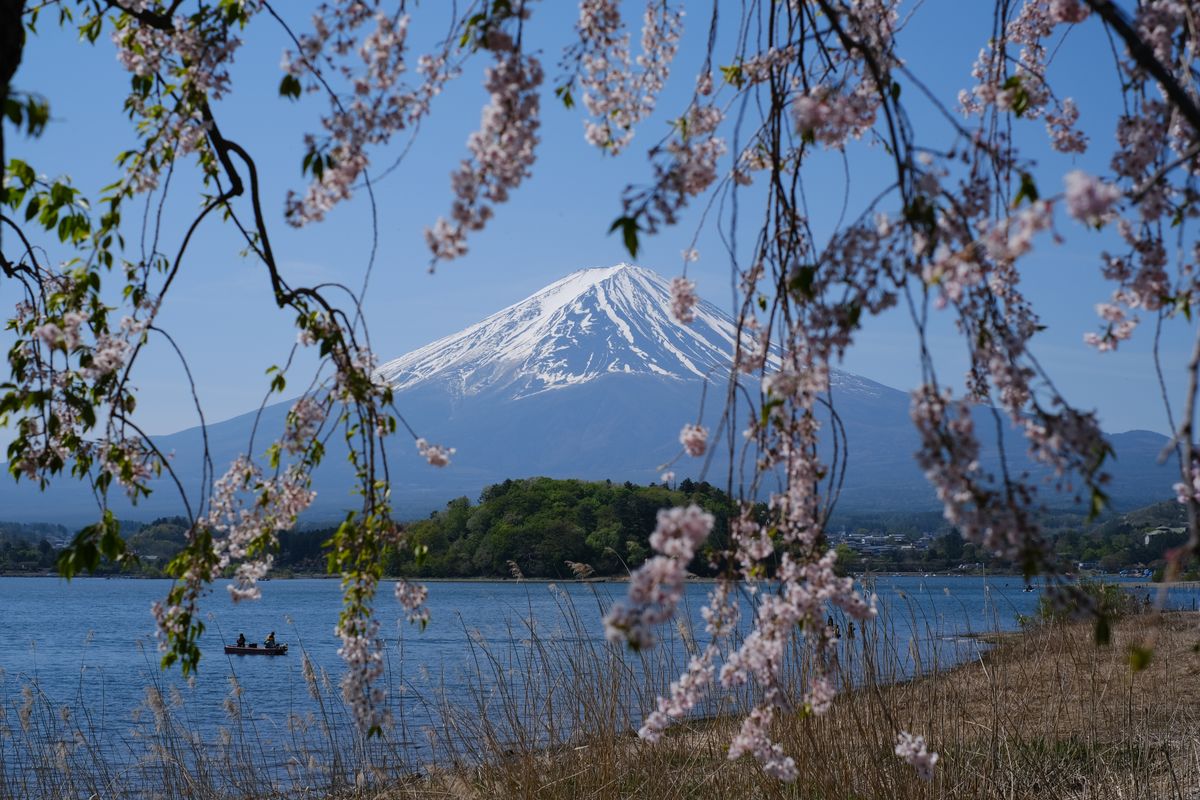
Fuji is an active stratovolcano — its last eruption was in 1707, and scientists monitor it continuously today. It’s classified as a World Heritage Site (since 2013) for its cultural significance. The mountain straddles the border of Yamanashi and Shizuoka prefectures, roughly 100km southwest of Tokyo.
The mountain is snow-capped from approximately October through June. During July and August (the official climbing season), the snow melts and four trails are officially open for climbing. Outside this window, climbing is dangerous and officially discouraged — trails are closed and mountain huts don’t operate.
Key seasonal facts:
Best for climbing: July 1 – September 10 (official season)
Best for viewing: October–December (clearest air, snow-capped peak)
Worst for viewing: June–September (rainy season and summer humidity reduce visibility)
Cherry blossoms + Fuji views: Late March–mid April at Chureito Pagoda and Lake Kawaguchiko
Best Places to VIEW Mount Fuji (Without Climbing)
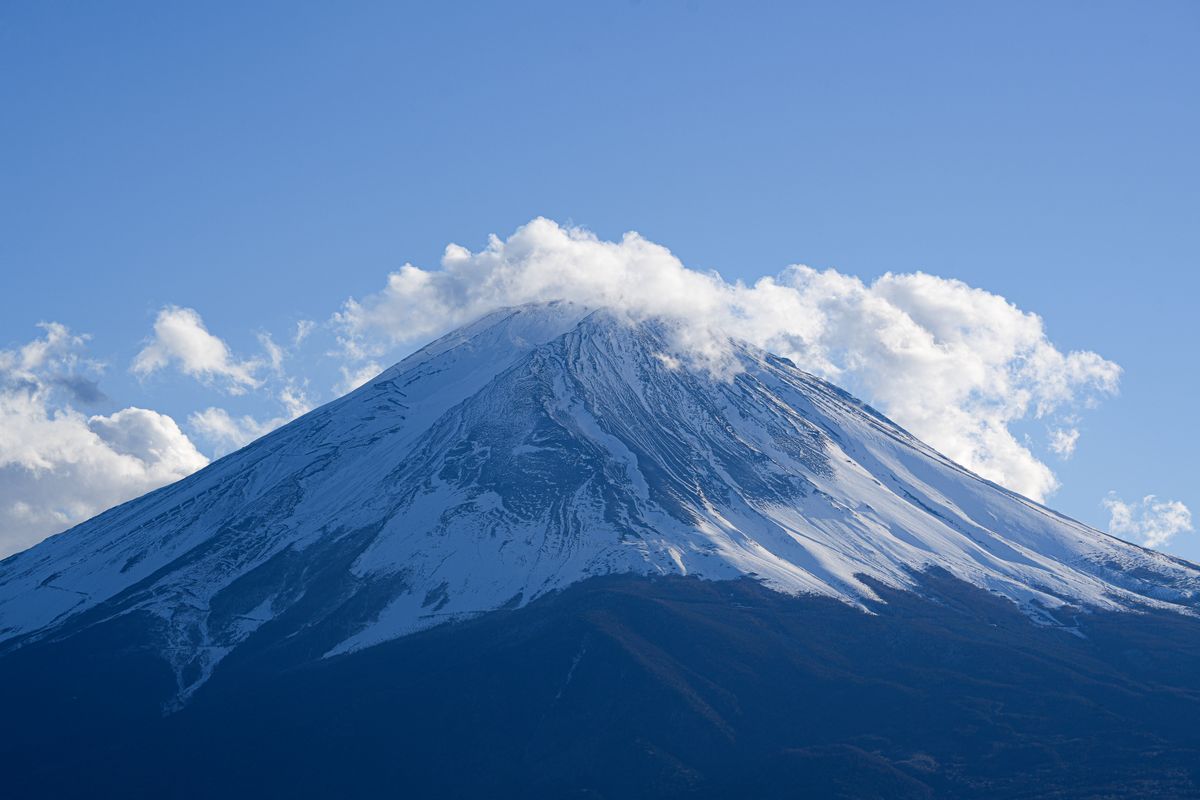
The classic views of Fuji rarely come from standing on it. Japan’s most famous Fuji photographs are taken from a distance — particularly the reflections on the Fuji Five Lakes and the iconic pagoda views. Here are the best viewing spots:
1. Chureito Pagoda, Fujiyoshida
The most photographed Fuji view in Japan — a five-story pagoda framing Mount Fuji behind it, with 398 stone steps leading up through a forest of cherry trees. In late March or early April when the cherries bloom, this is possibly the most beautiful photograph available anywhere in Japan. The pagoda belongs to Arakura Sengen Shrine; the climb takes about 20 minutes from the base torii gate.
Access: 10-minute walk from Shimo-Yoshida Station on the Fujikyuko Line from Fuji-Q Highland
Admission: Free
2. Lake Kawaguchiko (河口湖)
The most accessible of the Fuji Five Lakes and the most developed for tourism. On calm mornings, the lake’s surface perfectly reflects Mount Fuji — the “inverted Fuji” (sakasa Fuji) photograph. The north shore of the lake, accessible by bicycle or the local bus loop, provides multiple excellent viewing angles. Kubota Itchiku Art Museum on the lake shore is a remarkable bonus — a gallery of extraordinary textile art in a building styled as a Japanese castle.
Access: Direct bus from Shinjuku (about 90 minutes, ¥1,800–¥2,000). JR Pass holders can take the train to Otsuki and connect to the Fujikyuko Line.
Best time to view: Early morning on a clear winter day for reflections
3. Hakone
From Hakone’s higher elevations — particularly the Owakudani volcanic area and Lake Ashi — views of Fuji on clear days are spectacular. The famous “Fuji with the Torii gate” shot is taken at Hakone Shrine on Lake Ashi, where a red torii gate stands in the water with Fuji behind. Hakone combines onsen bathing with Fuji views and the excellent Hakone Open Air Museum — an outstanding day trip from Tokyo.
Access: Romancecar express from Shinjuku (about 85 minutes, ¥2,370), or Odakyu Line with JR Pass from Odawara
4. Mount Tenjo Cable Car, Lake Kawaguchiko
A 3-minute cable car ride above Lake Kawaguchiko reaches Mount Tenjo’s summit platform (1,075 meters), from which the classic view of Fuji over the lake below is extraordinary. It’s particularly stunning in autumn when the surrounding forest is in full color. Far less effort than climbing Fuji itself, and the views rival anything on the actual mountain until you’re quite high up.
Cable car cost: ¥900 round trip
5. Fujiyama (Fuji-Q Highland area)
The Fuji Five Lakes region as a whole — Lakes Kawaguchi, Saiko, Yamanaka, Shoji, and Motosu — each provide distinct views. Lake Motosu is the northernmost and least visited, offering the purest, most unspoiled view of Fuji — this is the view that appeared on the old ¥5,000 note. The road around Lake Motosu is one of Japan’s great scenic drives.
Climbing Mount Fuji: Everything You Need to Know
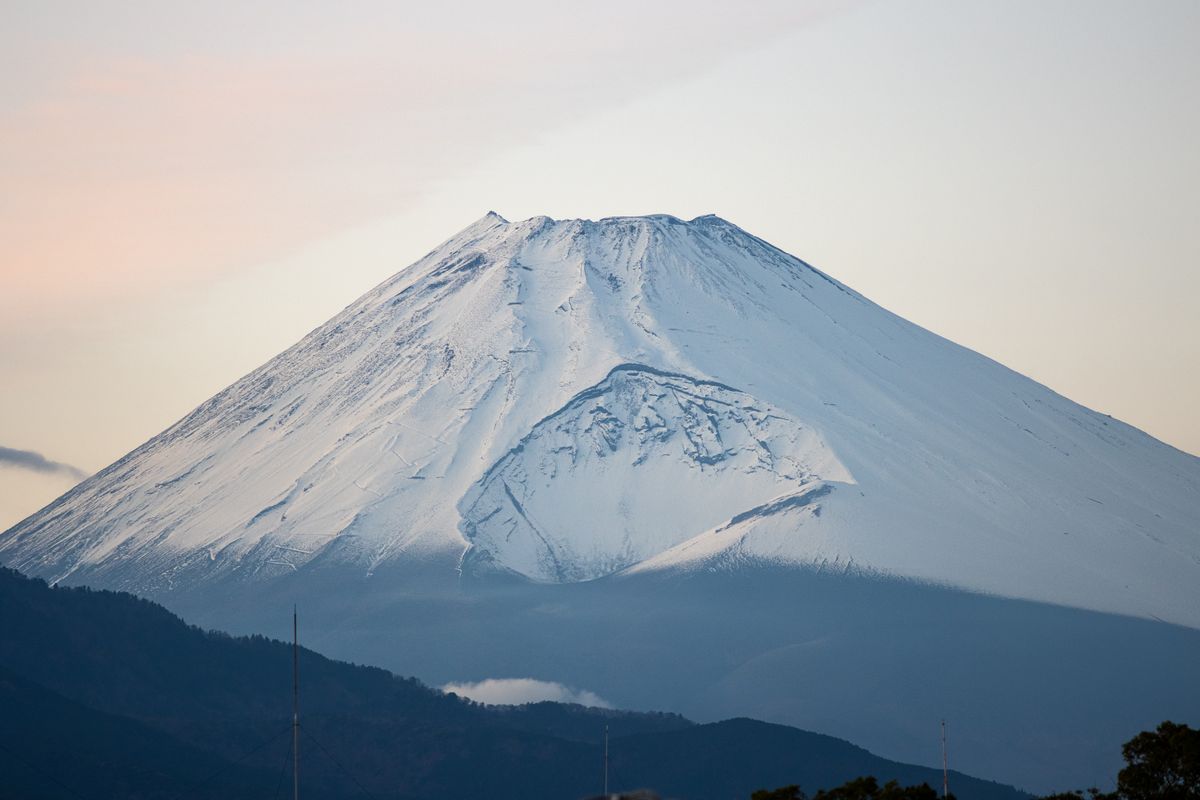
Approximately 200,000 people climb Mount Fuji every year during the official July–September climbing season. It’s achievable for most reasonably fit adults — it’s a long, demanding hike but not technical mountaineering. Here’s the complete guide:
The Four Trails
Yoshida Trail (富士吉田口) — The most popular by far (more than half of all climbers). Starts from Fuji Subaru Line 5th Station (2,305m). Most mountain huts on this trail. Best infrastructure and the most crowded.
Subashiri Trail (須走口) — Less crowded than Yoshida, starts from 1,980m (lower, so longer climb). Beautiful forest section in the lower portion.
Gotemba Trail (御殿場口) — Longest and hardest. Starts from only 1,440m. Least crowded. Only for experienced hikers who want the genuine challenge.
Fujinomiya Trail (富士宮口) — Second most popular, accessed from the Shizuoka side. Starts at 2,390m (highest starting point). More direct to the summit.
Summit Height and What’s There
The summit rim (お鉢, ochachi) is at 3,776 meters. A complete circuit of the crater rim (ochachi meguri) takes approximately 1 hour. The highest point is Kengamine, where a weather station, a post office (open during climbing season only — send postcards with a Fuji summit stamp!), vending machines selling surprisingly reasonably priced drinks, and basic food stalls operate. Yes, there are vending machines on the summit of Japan’s highest mountain.
Climbing Duration
Yoshida Trail: 5–7 hours up, 3–4 hours down. Total: 8–11 hours
Fujinomiya Trail: 4–6 hours up, 2–3 hours down. Total: 6–9 hours
Factor in rest stops, photography, and acclimatization breaks.
When to Climb: Day Hike vs. Overnight
The classic Fuji experience is the overnight climb (leaving 5th station around 11pm–midnight) to reach the summit for sunrise (goraiko, 御来光). Sunrise from the summit of Fuji — watching the first light slowly illuminate the shadow Fuji casts across the clouds below — is a genuinely transcendent experience that justifies the effort entirely.
Day hiking is also possible but means climbing in crowded daytime conditions and missing the sunrise. If you climb during the day, aim for a very early start (before 5am from 5th Station) to reach the summit before the worst heat and crowds of midday.
Mountain Huts (Yamagoya)
Approximately 30 mountain huts operate on Fuji during climbing season, located at various stations from the 6th to the 9th stations. Services include: basic dormitory sleeping (bunk beds in a shared room, ¥7,000–¥10,000 including dinner and breakfast), simple meals (curry rice, ramen, corn soup), toilet access (¥200–¥300 coin-operated), bottled water (increasingly expensive as you ascend — ¥500 at 5th Station, ¥200 more per station), and stamp collection for your walking stick or passport.
Booking mountain huts in advance is strongly recommended for July and August weekends. Popular huts fill months in advance. Use the official Fuji mountain hut reservation systems or book directly through hut websites (many now have English booking pages).
What to Wear and Bring for the Fuji Climb
The most common mistake first-time Fuji climbers make is underestimating how cold the summit gets. Even in summer, summit temperatures regularly drop to 0–5°C with wind chill making it feel significantly colder. Many climbers start the trail in t-shirts at 5th Station in 20°C heat and arrive at the summit shivering.
Essential clothing:
Base layer (moisture-wicking, not cotton — cotton stays wet and causes dangerous cooling)
Insulating mid-layer (fleece or down jacket)
Waterproof outer shell (rain is common and sudden on Fuji)
Waterproof pants or convertible hiking pants
Warm hat and gloves
Sturdy hiking boots or trail runners with ankle support
Thick hiking socks
Essential gear:
Headlamp with extra batteries (essential for night climbing)
Trekking poles (dramatically reduce knee pain on the descent; rentable at 5th Station)
Portable battery pack (charging your phone is important for navigation safety)
High-SPF sunscreen (UV intensity is extreme at altitude)
Cash (¥10,000 minimum — mountain huts, toilets, and emergency gear purchase all require cash)
High-calorie snacks (trail mix, energy bars, chocolate)
2–3 liters of water (more if you’re a heavy sweater)
Altitude Sickness on Fuji
Altitude sickness (acute mountain sickness, AMS) is a genuine risk on Fuji, and is more common than many climbers expect. The 5th Station already sits at 2,300+ meters — above the altitude at which some people begin to feel effects. Symptoms include headache, nausea, dizziness, fatigue, and in severe cases, disorientation.
Prevention strategies:
Acclimatize at 5th Station for at least 30–60 minutes before beginning the climb
Ascend slowly — the temptation to push hard in the cool evening air is real, but slow and steady dramatically reduces AMS risk
Stay well hydrated throughout
Consider diamox (acetazolamide) — a prescription medication that can prevent AMS. Consult your doctor before your trip if you’re concerned
If symptoms worsen, descend immediately — this is the only cure for AMS
Most people who turn back before the summit do so because of altitude sickness, not physical fitness. It’s not a failure — it’s smart mountaineering.
New Fuji Climbing Regulations (2024+)
In response to overtourism and safety concerns, Yamanashi Prefecture implemented significant new regulations for the Yoshida Trail beginning in 2024:
Nighttime gate closure: A barrier closes at the entrance to the Yoshida Trail between 4:00pm and 3:00am, preventing the dangerous practice of climbing through the night and rushing to the summit for sunrise without adequate preparation.
Daily climber limit: 4,000 climbers per day on the Yoshida Trail during peak season.
Climbing fee: ¥2,000 conservation fee per person on the Yoshida Trail.
No climbing after 3pm without hut reservation: Climbers starting after 3pm must have a mountain hut reservation above a certain station.
These regulations are likely to expand to other trails in coming years. Check the official Fujisan Climbing Website for the most current regulations before planning your climb.
Getting to Mount Fuji
From Tokyo to Fuji 5th Station (Yoshida Trail):
Option A: Direct bus from Shinjuku Bus Terminal (Busta Shinjuku) to Fuji Subaru Line 5th Station — approximately 2 hours 45 minutes, ¥2,800 one way. Seasonal service during climbing season; book in advance on the Keio Bus website or through Klook.
Option B: Limited express train to Otsuki (JR Chuo Line, covered by JR Pass) → Fujikyuko Line to Fuji-Q Highland → shuttle bus to 5th Station
From Tokyo to Lake Kawaguchiko (for viewing):
Direct bus from Shinjuku approximately 90 minutes, ¥1,800. Most convenient for day trips focused on viewing rather than climbing.
Is Climbing Fuji Worth It?
The famous Japanese saying captures it perfectly: “A wise man climbs Fuji once. A fool climbs it twice.” The experience — the long slog through volcanic ash and rock, the freezing summit temperatures, the overwhelming crowds on the Yoshida Trail in August — is genuinely challenging. But the sunrise from the summit is among the most beautiful experiences available in Japan, and the sense of achievement is real.
If you’re fit, prepared, and visiting during the official season, climbing Fuji is a Japan experience worth having at least once. If you’re less interested in the physical challenge, the views from Lake Kawaguchiko, Hakone, and Chureito Pagoda are some of the most beautiful in the world — and they put you firmly in the “wise man” category.
Plan Your Japan Trip
🗻 Book a Mount Fuji Tour
Not ready to climb solo? Join a guided Mount Fuji tour or day trip from Tokyo — with transport, gear advice, and a knowledgeable guide included.
🏨 Stay Near Mount Fuji
Book a hotel in the Fuji Five Lakes area or Hakone for the most stunning Fuji views and easy mountain access.
Related guides
- Tomonoura Travel Guide 2026: A First-Timer’s Guide to Japan’s Best-Preserved Edo-Era Port Town in Hiroshima
- Chichibu Travel Guide 2026: A First-Timer’s Guide to Shibazakura, a Sacred Wolf Shrine, and Tokyo’s Best Mountain Day Trip in Saitama
- Kirishima Travel Guide 2026: A First-Timer’s Guide to Sacred Shrines, Volcanic Trails, and Kyushu’s Best Onsen in Kagoshima
Going to Japan? Talk to locals with confidence.
Hirameki Japanese — instant offline translation, camera translation, furigana + romaji, and 314 free flashcards. No login. Works without internet.

Plan your Japan trip
Two things every first-timer should book
Some links are affiliate links. If you book through them we may earn a small commission at no extra cost to you.