Hiroshima is a city that should not exist — and yet it does, transformed in the decades since 1945 from total devastation into one of Japan’s most vibrant, forward-looking, and deeply moving cities. Combining the Peace Memorial Park and Museum with a day trip to Miyajima Island’s floating torii gate creates one of the most emotionally powerful and visually spectacular two-day itineraries in Japan. This guide helps you experience both with depth and sensitivity.
A note from Jack, editor of Japan Real Guide:
Hiroshima was the trip that changed how I thought about Japan as a destination. I had been visiting the country for several years mostly focused on temples, food, and train systems. Hiroshima was where I first understood that Japan is also a place of very recent, very complicated history — and that the Japanese approach to carrying that history is unlike anything I had encountered elsewhere.
The Peace Memorial Museum is difficult. I spent about two hours inside and needed to sit down twice. The exhibits on the human impact of the bombing are presented without melodrama, which somehow makes them more affecting, not less. I would strongly recommend going in the morning when you still have energy and time to process it, not as the last stop of a busy day.
Miyajima — the island with the famous floating torii gate — is a completely different kind of experience, and the contrast between the two on the same day is striking. This guide covers both, and explains why doing them together in one day is genuinely worthwhile rather than rushed.
Hiroshima: Understanding the City Before You Arrive
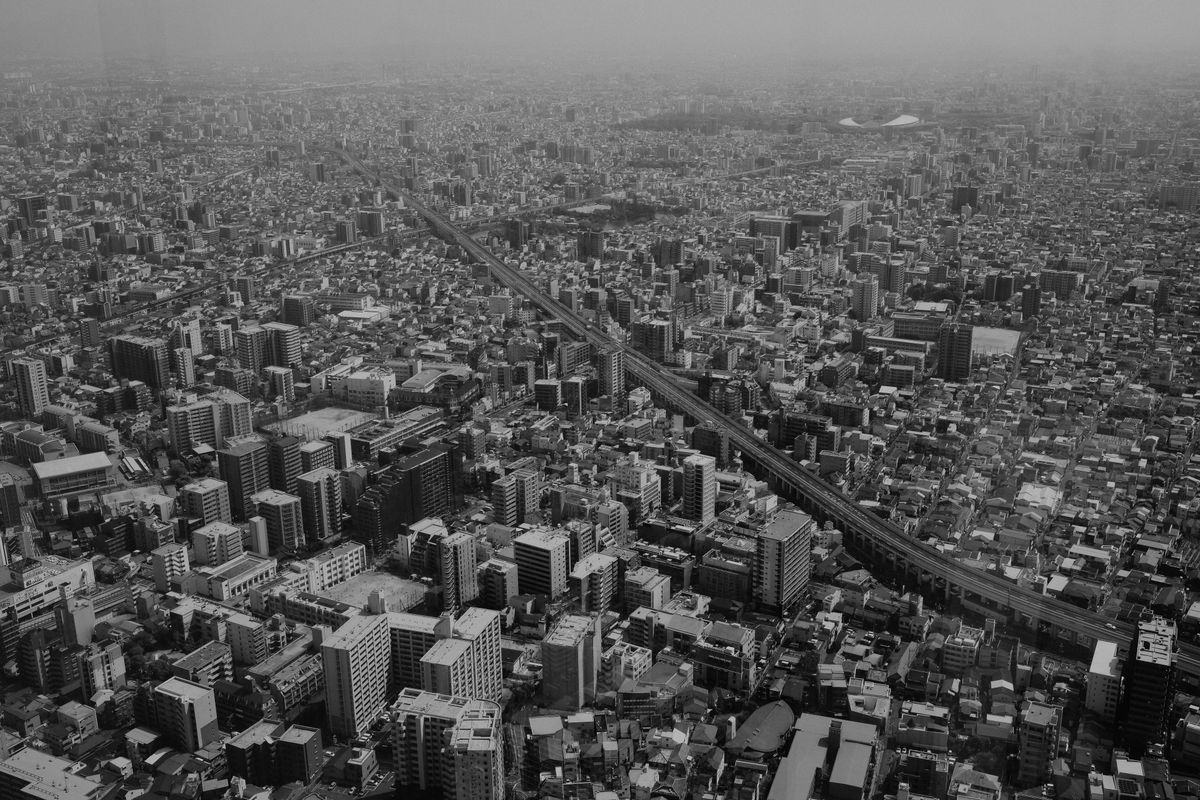
On August 6, 1945, at 8:15am, the world’s first atomic bomb used in warfare was detonated 600 meters above the center of Hiroshima. The explosion instantly killed an estimated 70,000–80,000 people; total deaths from the bomb and its aftermath reached 90,000–166,000 by the end of 1945. The explosion’s hypocenter was directly above the Industrial Promotion Hall — the only structure near the blast to survive in skeletal form, now preserved as the Atomic Bomb Dome (A-Bomb Dome).
Modern Hiroshima was rebuilt from almost nothing, and rebuilt with extraordinary intention: as a symbol of peace and reconciliation rather than anger and remembrance of victimhood. The city’s Peace Memorial Museum frames Japan’s experience not as nationalistic suffering but as universal testimony against nuclear weapons. This approach makes Hiroshima a profoundly important place for visitors from any country — it speaks to something universal about human choices and consequences.
Peace Memorial Park (平和記念公園)
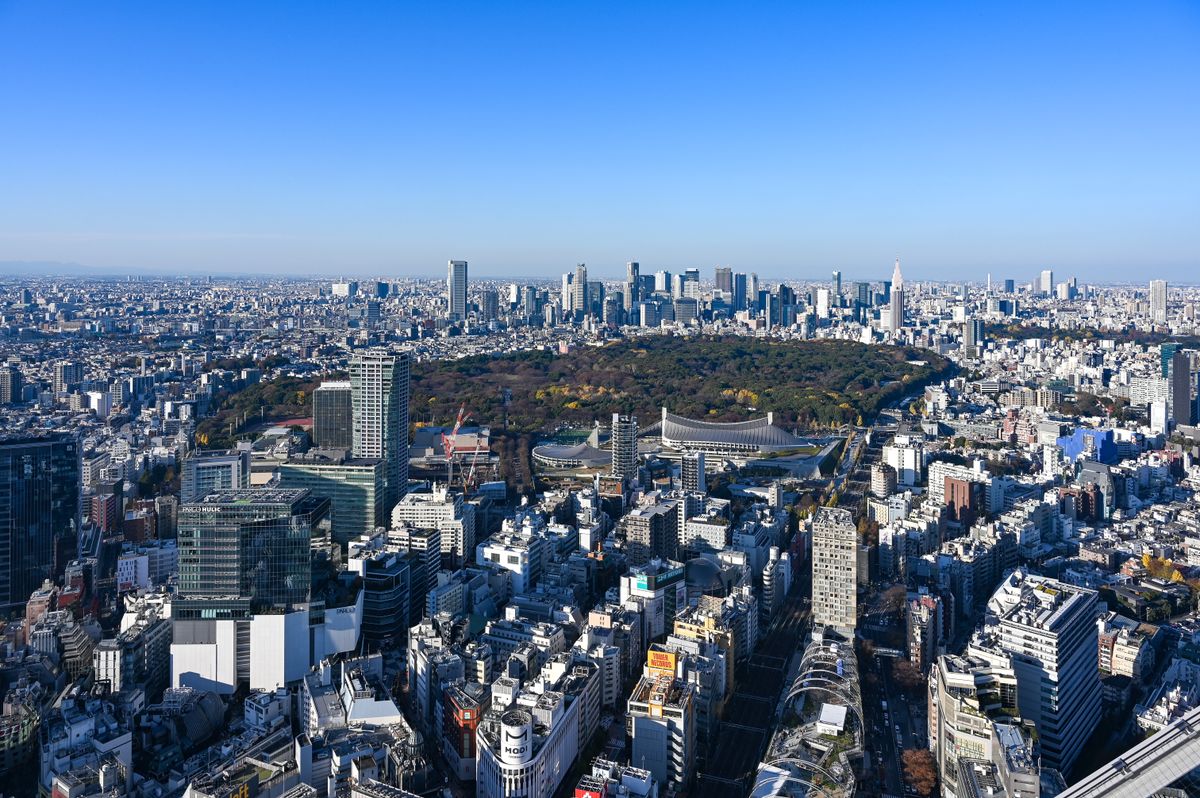
The Peace Memorial Park occupies the area closest to the bomb’s hypocenter — the former commercial and residential district obliterated in 1945. Today it’s a serene green space on the delta between two branches of the Ota River, containing memorials, the iconic A-Bomb Dome, and the Peace Memorial Museum.
Atomic Bomb Dome (原爆ドーム)
The skeletal remains of the Industrial Promotion Hall — the only surviving structure near the hypocenter — were preserved exactly as they stood after the blast. The ruined dome and frame have become the world’s most powerful architectural symbol of nuclear destruction. UNESCO World Heritage Site since 1996. Free to view from outside; no admission required.
Best time to visit: Early morning before crowds, or evening when lit against the darkening sky
Children’s Peace Monument (原爆の子の像)
A bronze statue of Sadako Sasaki — a girl who survived the bomb but died of leukemia at age 12 in 1955 while folding paper cranes, believing that if she reached 1,000 cranes she would recover. Today, millions of paper cranes are donated to this memorial annually from schools around the world. The image of thousands of colorful paper cranes surrounding the statue is deeply affecting.
Admission: Free
Peace Memorial Museum (平和記念資料館)
This is the essential Hiroshima experience. The museum documents the human cost of the atomic bomb through photographs, personal testimonies, artifacts — a child’s bicycle, a lunch box, a shadow burned into stone steps by the flash — and the stories of individuals who died or survived. The museum was comprehensively renovated in 2019, with expanded English translation and a more personal, human-centered approach.
Plan a minimum of 90 minutes; many visitors spend 2–3 hours. The experience is emotionally intense — it would be unusual not to be moved. The museum ends with displays of the current global nuclear arsenal and a statement of Hiroshima’s ongoing peace advocacy.
Admission: ¥200 | Hours: 8:30am–6:00pm (until 8:00pm in summer)
Memorial Cenotaph
An arched stone monument sheltering a chest inscribed with the names of all known atomic bomb victims. The cenotaph is precisely aligned so that looking through the arch frames the A-Bomb Dome in the background — a deliberate architectural statement connecting the memorial to the ruin. Eternal Flame burns in front, with the inscription: “Let all souls here rest in peace; for we shall not repeat the evil.”
Admission: Free
Beyond the Peace Park: Hiroshima as a Living City
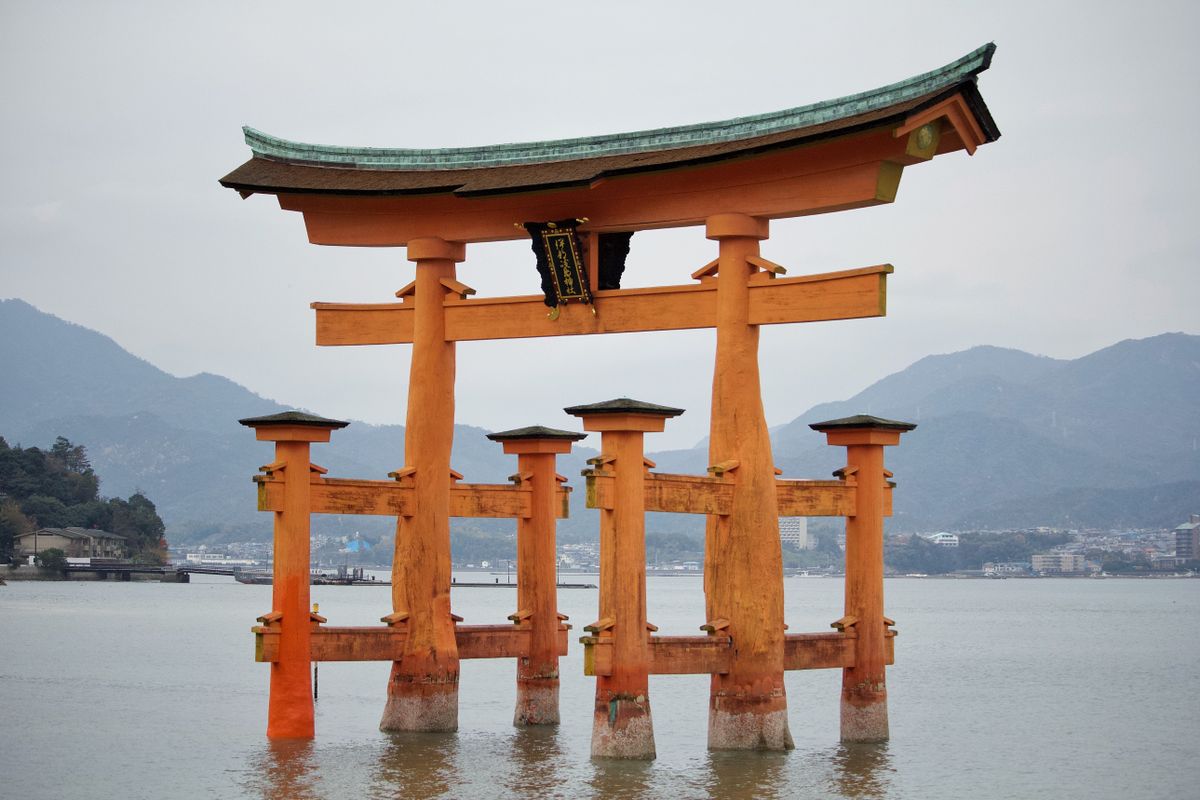
Many visitors come only for the Peace Park and leave without experiencing Hiroshima as the vibrant, modern city it also is. Give it at least a half-day beyond the museum:
Hiroshima Castle (広島城)
The original castle was destroyed in the atomic blast. The current reconstruction (1958) is a faithful exterior replica. The castle keep’s interior is a museum chronicling Hiroshima’s feudal history — an interesting complement to the atomic bomb history that tends to dominate the city’s tourism narrative. The moated castle grounds are beautiful for walking.
Admission: ¥370 | Hours: 9:00am–6:00pm
Shukkeien Garden (縮景園)
A beautiful classical Japanese garden designed in 1620, near Hiroshima Castle. The name means “garden of contracted scenery” — the landscape design miniaturizes natural scenery including hills, streams, and islands. This garden too was devastated in 1945; the reconstruction and regrowth over decades is part of its meaning.
Admission: ¥260 | Hours: 9:00am–6:00pm
Okonomimura (お好み村)
Hiroshima has its own distinct style of okonomiyaki (the savory pancake) — Hiroshima-yaki — where ingredients are layered rather than mixed, with fried noodles (soba or udon) integrated into the structure. Okonomimura is a four-story building containing approximately 24 individual okonomiyaki restaurants, each run by a single cook or couple with their own recipes and personality. Climbing the narrow stairs and choosing a counter is one of Hiroshima’s most atmospheric dining experiences.
Price: ¥900–¥1,400 per person | Hours: Generally 11:00am–11:00pm
Miyajima Island (宮島): Japan’s Floating Torii Gate
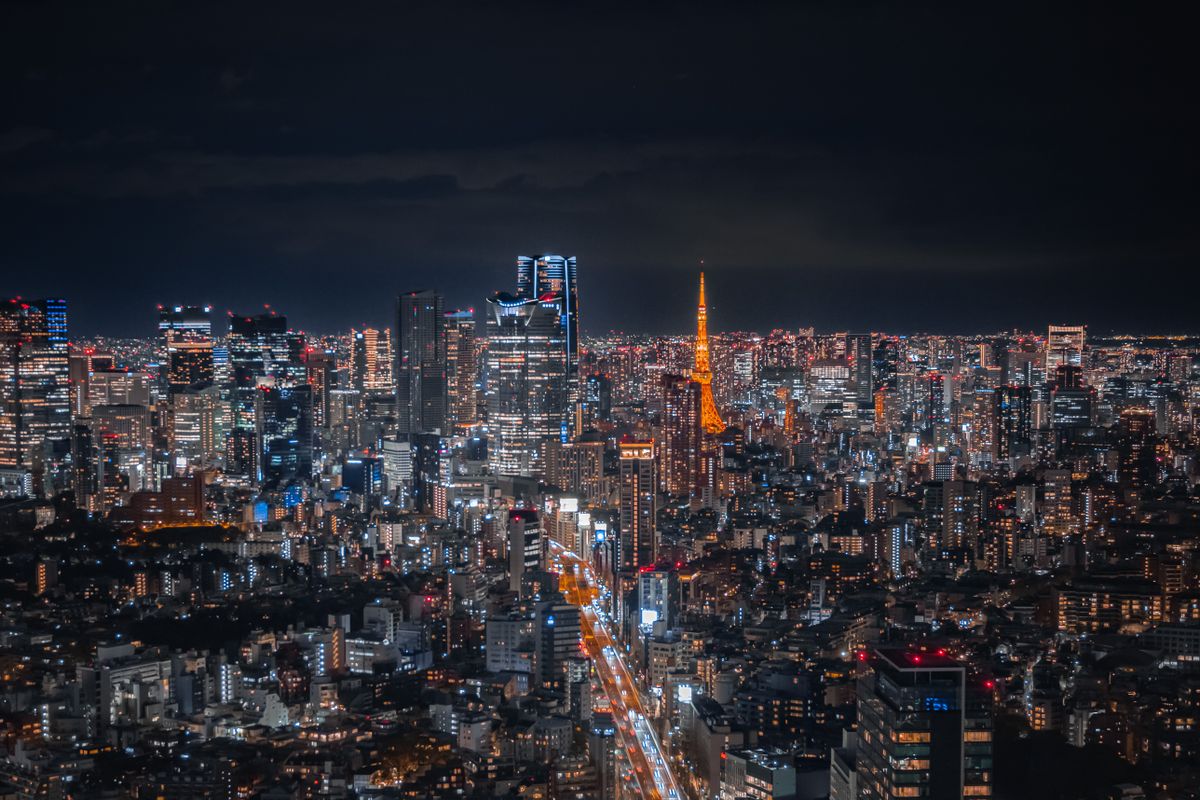
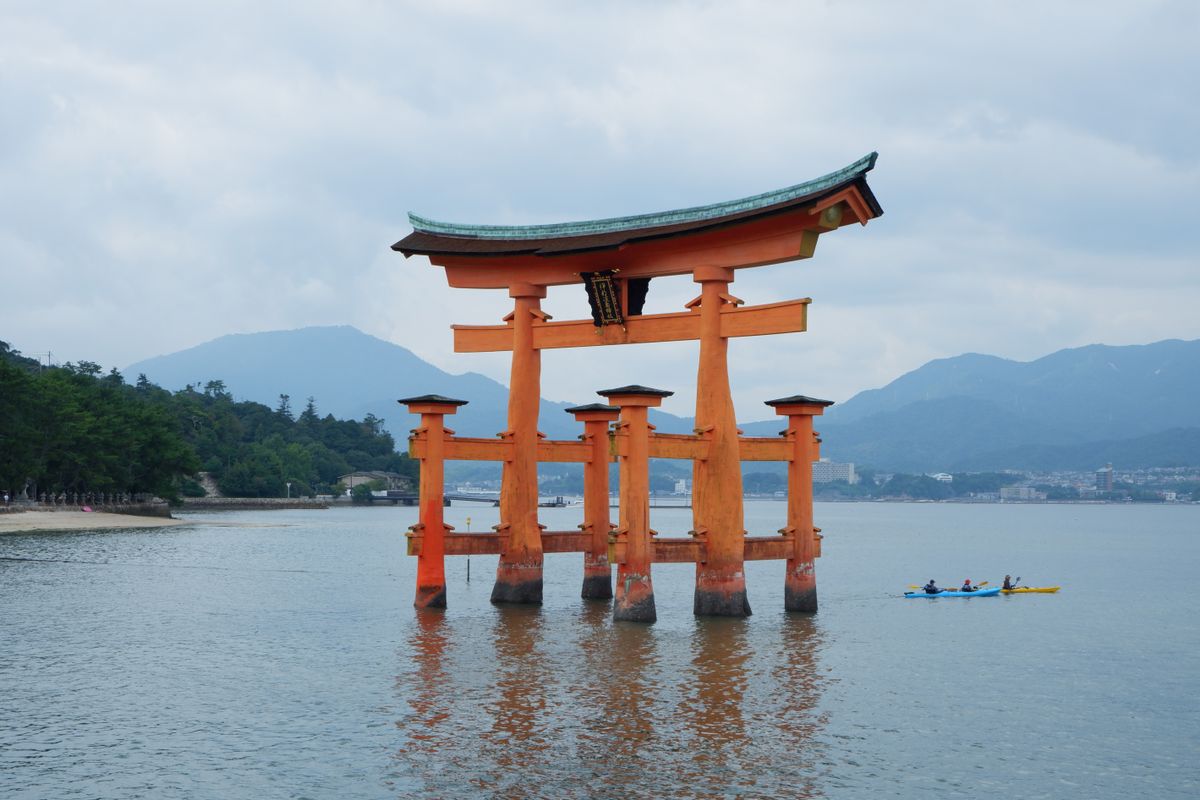
Miyajima — formally Itsukushima — is a small island 20 minutes by ferry from Hiroshima, famous for one of Japan’s three most scenic views: the great torii gate of Itsukushima Shrine rising from the sea. During high tide, the gate appears to float on the water; during low tide, you can walk to its base on the exposed seabed. Both states are extraordinary.
Itsukushima Shrine (厳島神社)
Built over the sea on a tidal flat in the 6th century, reconstructed in its current form in 1168, Itsukushima Shrine is one of Japan’s most dramatically situated sacred sites. The entire complex of vermillion-lacquered shrine buildings and corridors seems to float above the water at high tide, connected by raised walkways. The great torii gate stands 200 meters offshore, rising 16 meters from the sea floor.
Admission: ¥300 | Hours: 6:30am–6:00pm (varies seasonally)
Walking the Island
Miyajima’s village of souvenir shops and restaurants spreads along the shoreline behind the shrine. The island’s tame deer (over 500 on the island) wander freely through the town, begging for snacks from tourists and occasionally stealing maps and food bags. They’re not aggressive but are persistent — keep food bags closed.
Beyond the village, forested mountain trails lead upward: to Daisho-in Temple (highly recommended — a complex of atmospheric temple buildings, pagodas, and statues), and to Mount Misen (535m, about 2 hours hiking each way or accessible by ropeway) for the island’s most spectacular views.
Mount Misen Ropeway
The ropeway operates in two stages to the upper ropeway station, from which a 30-minute walk reaches Misen’s summit. Views across the Seto Inland Sea’s hundreds of islands to the mountains of Hiroshima and Chugoku Prefecture are outstanding. A sacred flame burning in the Misen summit temple has allegedly never been extinguished since Kobo Daishi lit it in 806 AD — and it’s this flame that was used to light the Hiroshima Peace Park’s Eternal Flame.
Ropeway cost: ¥2,000 round trip
Daisho-in Temple (大聖院)
This is Miyajima’s most interesting temple and among the most fascinating in western Japan — a working Shingon Buddhist temple complex dating from 806 AD with cave altars, spinning prayer wheels (turning them is said to generate merit equivalent to reading the sutras inscribed on them), thousands of small jizo statues dressed in knitted caps, and a prayer room containing an extraordinary collection of votive objects. Allow 45–60 minutes; entry is free.
Miyajima Oysters and Momiji Manju
The island is famous for two foods: Hiroshima-style oysters (among Japan’s finest, grilled, fried, or raw from numerous shoreside restaurants) and momiji manju — maple-leaf-shaped sponge cakes filled with red bean paste. The manju are Miyajima’s signature souvenir, baked fresh continuously in windows throughout the shopping street. The sight and smell of rows of maple-leaf cakes emerging from custom molds is quintessentially Japanese.
Practical: Getting from Hiroshima to Miyajima
The ferry to Miyajima is one of the most satisfying JR Pass uses in Japan — the pass covers the JR Ferry completely.
Route: Hiroshima Station → JR San-yo Line to Miyajimaguchi Station (25 minutes) → JR Miyajima Ferry to Miyajima (10 minutes)
Total cost without JR Pass: ¥580 train + ¥200 ferry = ¥780 one way
Total cost with JR Pass: ¥0 (both covered)
First ferry: Approximately 6:25am | Last return ferry: Approximately 11:00pm
Alternatively, take the tram (streetcar) from Hiroshima city center directly to Miyajimaguchi-futo pier (about 70 minutes but scenic, ¥240 flat fare) — not covered by JR Pass but gives a different perspective on the city.
Getting to Hiroshima
From Tokyo: Shinkansen (Hikari or Sakura) approximately 4 hours, ¥19,440 one way (covered by JR Pass). The route crosses spectacular scenery including clear Fuji views on the right side (seat A) between Shizuoka and Kyoto on clear days.
From Kyoto: About 1.5 hours by Shinkansen (¥10,780, JR Pass valid).
From Osaka: About 1.5 hours (¥10,440, JR Pass valid).
Suggested Itinerary: Hiroshima + Miyajima in 1.5–2 Days
Day 1: Arrive Hiroshima, check in, afternoon at Peace Memorial Park and Museum (allow 3–4 hours including A-Bomb Dome and Memorial). Evening: okonomiyaki dinner at Okonomimura, explore Hondori shopping arcade.
Day 2: Morning ferry to Miyajima (aim to arrive by 8am for low crowds). Walk to Itsukushima Shrine, Daisho-in Temple, ropeway to Mount Misen. Lunch: oysters and momiji manju on the island. Return ferry by 3–4pm. Optional: Hiroshima Castle and Shukkeien Garden on the way back to the station. Evening Shinkansen to next destination.
Hiroshima asks something of its visitors — a willingness to sit with difficult history, to look at photographs and read names, to consider choices made and lives lost. Most travelers find the experience not crushing but clarifying, and leave with a profound respect for the city that chose to respond to the worst act of violence in human history with a commitment to peace. Combined with Miyajima’s otherworldly beauty, it forms one of Japan’s most complete and moving travel experiences.
Plan Your Japan Trip
⛩️ Book a Hiroshima & Miyajima Tour
Explore Hiroshima’s Peace Memorial and Miyajima’s iconic floating torii with a guided tour that covers all the highlights.
🏨 Stay in Hiroshima
Book a hotel in Hiroshima for easy access to both the Peace Memorial and Miyajima Island.
Related guides
- How to Read a Japanese Restaurant Menu (Even With Zero Japanese)
- Essential Japanese Phrases for Travelers (and How to Read Menus on the Spot)
- Aomori Nebuta Festival Guide 2026: A First-Timer’s Guide to Japan’s Giant Glowing Floats and How to Dance in the Parade
Going to Japan? Talk to locals with confidence.
Hirameki Japanese — instant offline translation, camera translation, furigana + romaji, and 314 free flashcards. No login. Works without internet.

Plan your Japan trip
Two things every first-timer should book
Some links are affiliate links. If you book through them we may earn a small commission at no extra cost to you.