Nara was Japan’s first permanent imperial capital (710–794 AD), and the city’s extraordinary collection of ancient temples, shrines, and over 1,200 freely roaming deer make it one of the most magical day trips from Kyoto or Osaka. A full day is sufficient to experience Nara’s highlights; you’ll walk away with photographs of deer bowing for biscuits, memories of standing before Japan’s largest bronze Buddha, and a deeper understanding of how Japan’s spiritual and artistic culture took shape.
A note from Jack, editor of Japan Real Guide:
Nara is one of those places that reveals itself slowly. My first visit was a rushed half-day, squeezed between Osaka in the morning and Kyoto in the evening. I saw the deer, had a brief look at Todaiji, and left. That version of Nara was enjoyable but shallow — the kind of tick-box tourism I had been doing before I slowed down.
A later visit with a full day changed my perspective. The area behind Todaiji — Kasugayama Primeval Forest, the paths toward Kasuga Taisha, the quiet residential lanes of Naramachi — is genuinely beautiful in a way that needs time to appreciate. The deer are still there, but the crowds thin out quickly once you get away from the main entrances.
One specific piece of advice I wish I had been given: the deer are not gentle. They are wild animals accustomed to tourists, and they will headbutt, bite clothing, and knock things out of your hands if they think you have food. This is not a criticism of the deer — it is just something to know before you hand a shika senbei cracker to a five-year-old.
The Deer of Nara: Japan’s Most Photographed Animals

Nara’s deer (Sika deer, shika) are classified as natural monuments — they roam the city’s parks and temple grounds completely freely and have done so for over 1,000 years. In Shinto tradition, the deer were considered messengers of the gods; harming them was historically punishable by death. Today, approximately 1,200 deer live in Nara Park, wandering between temples, approaching tourists, and causing considerable gentle chaos.
The deer quickly learned that bowing their heads is rewarded with the senbei (rice crackers) sold by vendors throughout the park. As soon as you purchase a packet (¥200 for a stack of 10 crackers), you will be surrounded by bowing, nudging deer competing for your attention. Feed them one at a time, keep crackers hidden once you want to stop, and be aware that they occasionally nibble clothing, bags, and maps.
Tips for deer interaction:
Break crackers into small pieces — make the bag last longer
Small children should be supervised closely — deer are generally gentle but can be persistent
The deer near Todaiji temple are especially bold from years of tourist feeding
Early morning visits catch the deer grazing peacefully before the tourist crowds arrive
Male deer have antlers trimmed in October — visiting before then means deer with full antlers
Todaiji Temple: Japan’s Greatest Bronze Buddha
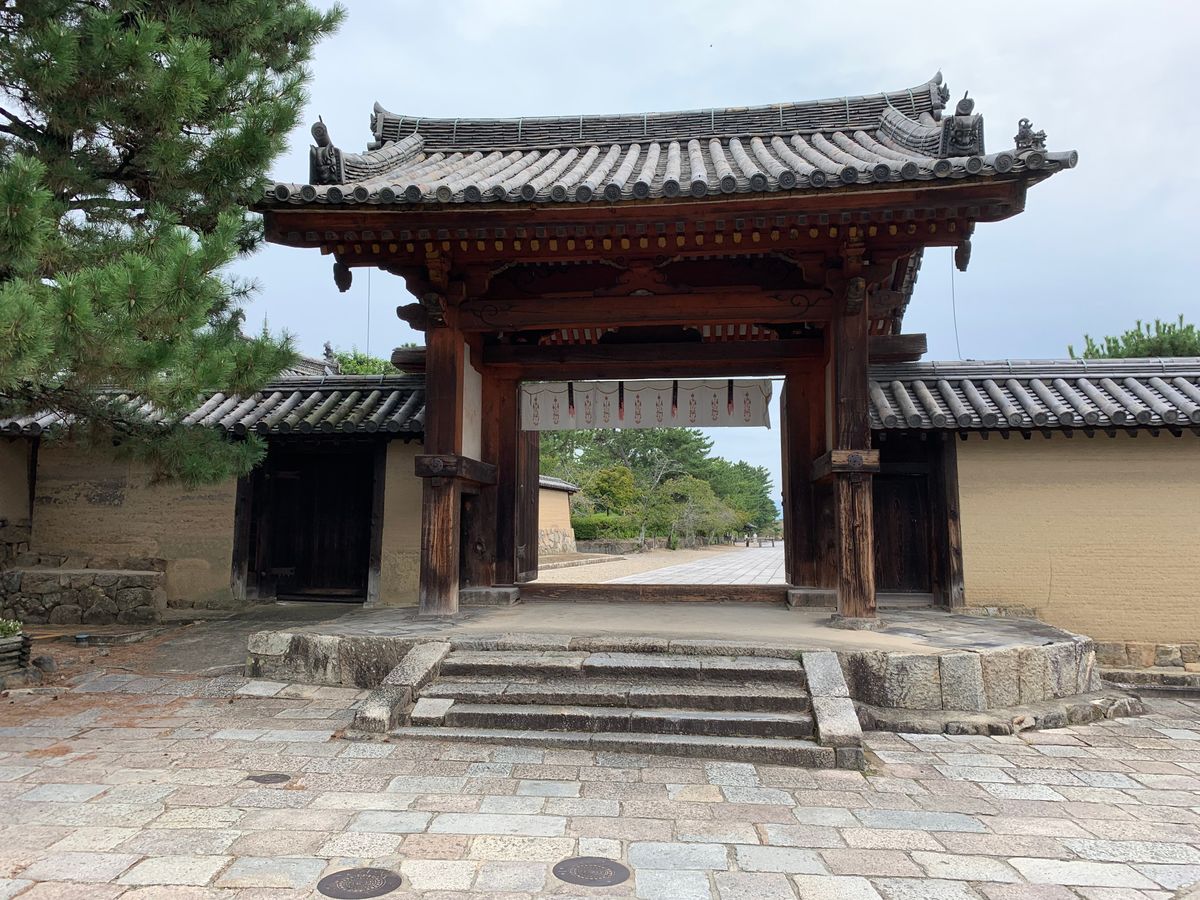
Todaiji (東大寺) contains the world’s largest bronze Buddha statue and the world’s largest wooden building — a combination that makes it arguably the single most impressive religious complex in Japan. Founded in 752 AD at the order of Emperor Shomu, who wished to unify Japan under Buddhist protection, Todaiji represents the apex of Japan’s imperial Buddhist architecture.
Nandaimon Gate
The approach to Todaiji passes through the Nandaimon (Great South Gate), a magnificent structure housing two colossal wooden guardian statues (Nio, 仁王) — each standing 8.4 meters tall, among the finest examples of Japanese sculptural art. Created in 1203 by the master sculptors Unkei and Kaikei, the figures represent raw creative power — they were carved in 69 days. Stand close and look up; the detail in the facial expressions is astounding.
Admission: Free (gate is open air)
Daibutsuden Hall (Great Buddha Hall)
The Daibutsuden is the world’s largest wooden building — extraordinary given that it was rebuilt in 1709 at two-thirds the size of the original. Even at reduced scale, it’s staggering: 57 meters wide, 50 meters deep, 49 meters tall. Inside sits the Daibutsu — the Great Buddha of Nara — a seated Vairocana Buddha cast in bronze in 752 AD, 14.98 meters tall (nearly 5 stories), weighing approximately 500 metric tons. The Buddha is flanked by bodhisattvas standing taller than many temples.
A famous experience: one of the Daibutsuden’s inner pillars has a hole drilled through its base, said to be the same size as the Daibutsu’s nostril. Legend holds that those who can squeeze through are guaranteed enlightenment. Many children (and some determined adults) attempt this daily.
Admission: ¥800 | Hours: 7:30am–5:30pm (until 5:00pm in winter)
Kasuga Taisha Shrine: 3,000 Stone Lanterns
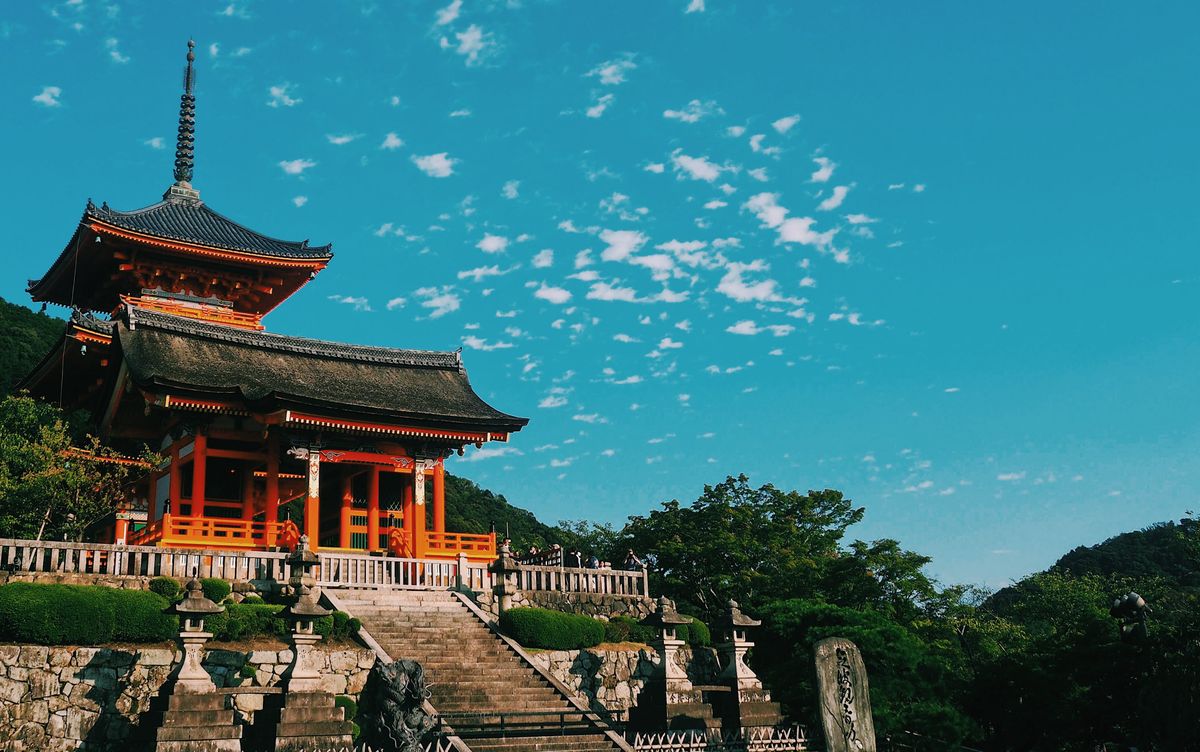
Kasuga Taisha (春日大社) is Nara’s most important Shinto shrine, founded in 768 AD and rebuilt every 20 years in the traditional Shinto renewal practice. The approach path from Nara Park winds through ancient forest, lined on both sides by hundreds of stone lanterns donated by worshippers over the centuries — more than 2,000 stone lanterns along the path, supplemented by 1,000 bronze lanterns hanging within the shrine complex itself.
Twice a year (Setsubun in February and O-Bon in August), all 3,000 lanterns are simultaneously lit — one of Japan’s most atmospheric spectacles. Outside these events, the lanterns create a dreamlike path through the forest even unlit. The shrine’s inner sanctum glows with hundreds of suspended bronze lanterns even during daytime visits.
Admission: Free (outer areas); ¥500 for inner shrine | Hours: 6:00am–6:00pm (until 5:00pm in winter)
Naramachi: Historic Merchant Town
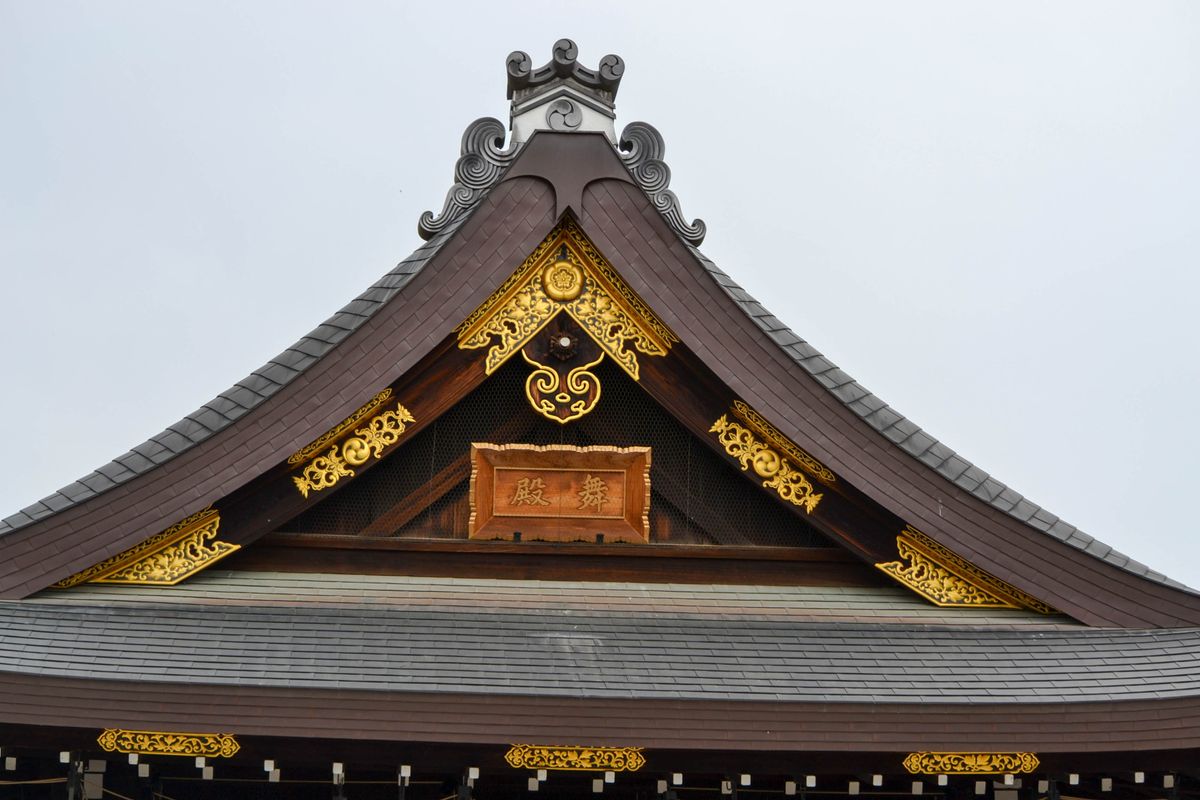
Between Nara Park and Kintetsu Nara Station, the Naramachi district preserves a network of narrow lanes lined with machiya merchant townhouses from the Edo period. Unlike the more famous preserved districts of Kyoto, Naramachi is unpolished and genuinely lived-in — residents still occupy many of the historic buildings alongside a scattering of craft shops, sake breweries, cafes, and a small history museum.
The distinctive feature of Naramachi’s machiya is their “catfish tail” roof ornaments and the “migawari saru” (substitute monkey) — small red cloth dolls hung outside buildings to absorb misfortune on behalf of the household. You’ll see them throughout the district; small versions are sold as traditional Nara souvenirs.
Naramachi is the perfect post-temple lunch destination. Small restaurants serve Nara’s traditional cuisine: kakinoha-zushi (sushi wrapped in persimmon leaves, the leaf acting as natural preservative), miwa somen (delicate thin noodles produced in Nara since the 7th century), and kinako mochi (rice cakes dusted with roasted soybean flour).
Yoshikien and Isuien Gardens
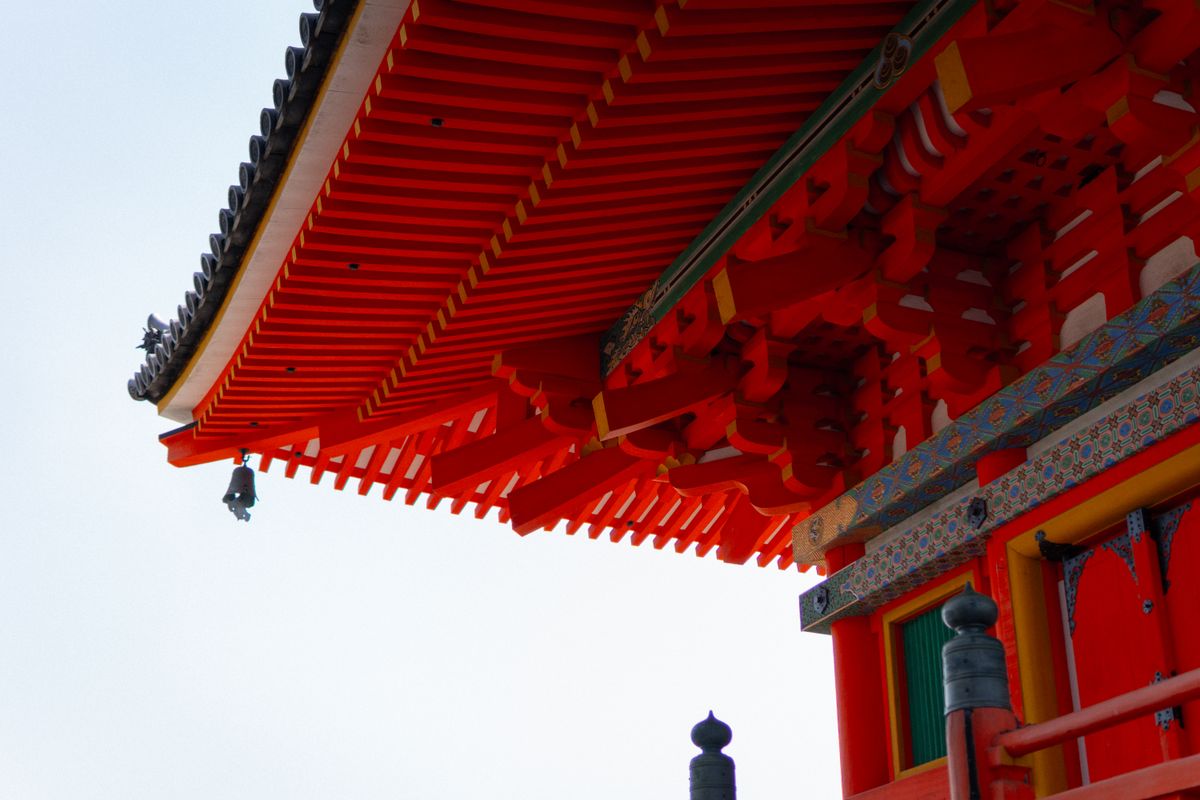
Two exceptional gardens sit adjacent to each other near Todaiji, offering a peaceful contrast to the temple crowds:
Yoshikien Garden — A beautiful three-part garden featuring a pond garden, a moss garden, and a tea ceremony garden, established in the late Meiji period. Foreign visitors receive free admission (¥250 for Japanese visitors) — take advantage of this rare perk.
Hours: 9:00am–5:00pm, closed Tuesday
Isuien Garden — One of Japan’s finest Meiji-period gardens, featuring extraordinary shakkei (borrowed scenery) technique — the garden appears to incorporate Mount Wakakusa and Todaiji’s roof into its composition. The use of perspective creates a garden that seems vastly larger than its actual size. A highly regarded traditional tea room operates within the garden.
Admission: ¥1,200 | Hours: 9:30am–4:30pm, closed Tuesday
Horyu-ji: The World’s Oldest Wooden Buildings
If you have a full day and historical interests run deep, the optional extension to Horyu-ji temple (法隆寺) is extraordinary. Located about 20 minutes from Nara Station by JR train, Horyu-ji’s main complex was built in 607 AD and represents the oldest surviving wooden structures on earth. The Western Precinct’s pagoda and the Golden Hall (Kondo) are verifiably from the 7th century — buildings that were already 1,000 years old when Japan’s Edo period began.
The Daihozoin treasure hall within the complex contains over 2,000 national treasures and important cultural properties — Buddhist sculptures, paintings, and ritual objects spanning 14 centuries. It’s an overwhelming concentration of priceless artifacts in a relatively intimate setting.
Admission: ¥1,500 (includes Daihozoin) | Access: JR Yamato-Kohriyama Station, then bus 12 minutes; JR Pass covers the train
Practical Information: Getting to Nara
From Kyoto:
Kintetsu Railway (fastest): Kintetsu Kyoto Line direct to Kintetsu Nara Station, 35 minutes, ¥760. The Kintetsu line is NOT covered by JR Pass but is the fastest and most convenient option.
JR (JR Pass valid): JR Nara Line from Kyoto Station to JR Nara Station, approximately 45 minutes, ¥720. Covered by JR Pass. Note: JR Nara Station is slightly further from Nara Park than Kintetsu Nara Station.
From Osaka:
Kintetsu Railway: Kintetsu Osaka Namba to Kintetsu Nara, 38 minutes, ¥680. Convenient and frequent.
JR (JR Pass valid): JR Osaka Loop Line to Tennoji, then Yamato-ji Line to JR Nara, approximately 50–60 minutes. Covered by JR Pass.
Suggested Nara Day Trip Itinerary
8:00am: Arrive Nara. Walk to Nara Park through quiet morning streets.
8:30am: Kasuga Taisha Shrine (fewer crowds, deer graze peacefully nearby).
9:30am: Todaiji Temple — Nandaimon Gate, then Daibutsuden with Great Buddha. The temple opens at 7:30am; being there before 10am means manageable crowds.
11:00am: Explore Nara Park, feed deer, visit Yoshikien Garden (free for foreigners).
12:30pm: Lunch in Naramachi district. Try kakinoha-zushi.
2:00pm: Browse Naramachi’s craft shops and historic streets.
3:30pm: Optional: Isuien Garden or afternoon visit to additional temples in the Nishino-kyo area.
5:30pm: Return train to Kyoto or Osaka.
What to Eat in Nara
Kakinoha-zushi — Sushi (mackerel or salmon) wrapped and preserved in persimmon leaves. The leaf imparts a subtle flavor and was historically practical — persimmon leaves have antimicrobial properties. Tanaka sushi restaurant on the road from Kintetsu Station is excellent.
Miwa somen — Ultra-fine wheat noodles produced in the Miwa region of Nara Prefecture since the 7th century. Served cold with dipping broth in summer, in hot soup in winter.
Kaki (Nara persimmons) — Nara Prefecture produces some of Japan’s finest persimmons. In autumn, persimmon products appear everywhere: dried, fresh, as ice cream, and in confectionery.
Yoshino kuzu — Kudzu starch from the Yoshino region is one of Japan’s premium culinary starches, used to make silky clear noodles and thicken sauces. Try kuzukiri (kudzu noodles in sweet syrup) at traditional sweet shops near the temples.
Nara-zuke — Vegetables pickled in sake lees (the residue from sake brewing), one of Nara’s most traditional food products. The pickles are deeply savory, slightly sweet, and very different from the soy-pickled vegetables common elsewhere.
Final Tips for Nara
Wear comfortable walking shoes. Getting between Nara’s main sights involves significant walking on uneven stone paths and park terrain. Sandals and dress shoes are not practical.
Visit on a weekday if possible. Nara is extremely popular with Japanese domestic tourists on weekends, particularly during spring and autumn. Weekday visits are significantly less crowded at all major sites.
Bring cash. Many smaller restaurants and shops in Naramachi are cash-only. ¥5,000 is a comfortable budget for food and smaller purchases.
The deer are wild animals. They’re remarkably calm by wild animal standards, but they can bite (their teeth are surprisingly sharp), kick when startled, and become aggressive if food is teased. Don’t hold food up high — this agitates them. Crouch down to feed them at their level.
Nara rewards an unhurried morning. The city’s ancient atmosphere — deer grazing in the shadow of temples that were old when Europe was building its first great cathedrals — creates a sense of deep time that’s rare in any modern country. Even visitors who approach Japanese culture cautiously tend to fall under Nara’s spell within an hour of arrival. It’s one of Japan’s genuine treasures.
Plan Your Japan Trip
🦌 Book a Nara Day Trip Tour
Join a guided day trip from Osaka or Kyoto and make the most of your time in Nara — with expert commentary on the history and culture of this ancient capital.
🏨 Base Yourself in Kyoto or Osaka
Nara is perfect as a day trip. Stay in Kyoto or Osaka for easy access.
Related guides
- Yoshino Guide: Japan’s Sacred Cherry Blossom Mountain in Nara Prefecture
- The Perfect 7-Day Japan Itinerary for First-Timers
- Where to Stay in Kyoto: Best Areas & Ryokan for First-Timers
Going to Japan? Talk to locals with confidence.
Hirameki Japanese — instant offline translation, camera translation, furigana + romaji, and 314 free flashcards. No login. Works without internet.

Plan your Japan trip
Two things every first-timer should book
Some links are affiliate links. If you book through them we may earn a small commission at no extra cost to you.