The Shinkansen (新幹線, “new trunk line”) is one of the world’s great engineering achievements and Japan’s most iconic mode of transport. Since 1964, when the first bullet train ran between Tokyo and Osaka, the Shinkansen network has carried billions of passengers at speeds up to 320 km/h with a punctuality record that is, quite literally, the envy of every rail network on earth. Riding the Shinkansen is not just transport — it’s a distinctly Japanese experience that combines extraordinary engineering with impeccable service and the pleasure of watching Japan’s landscape blur past at speed.
How Fast Is the Shinkansen?
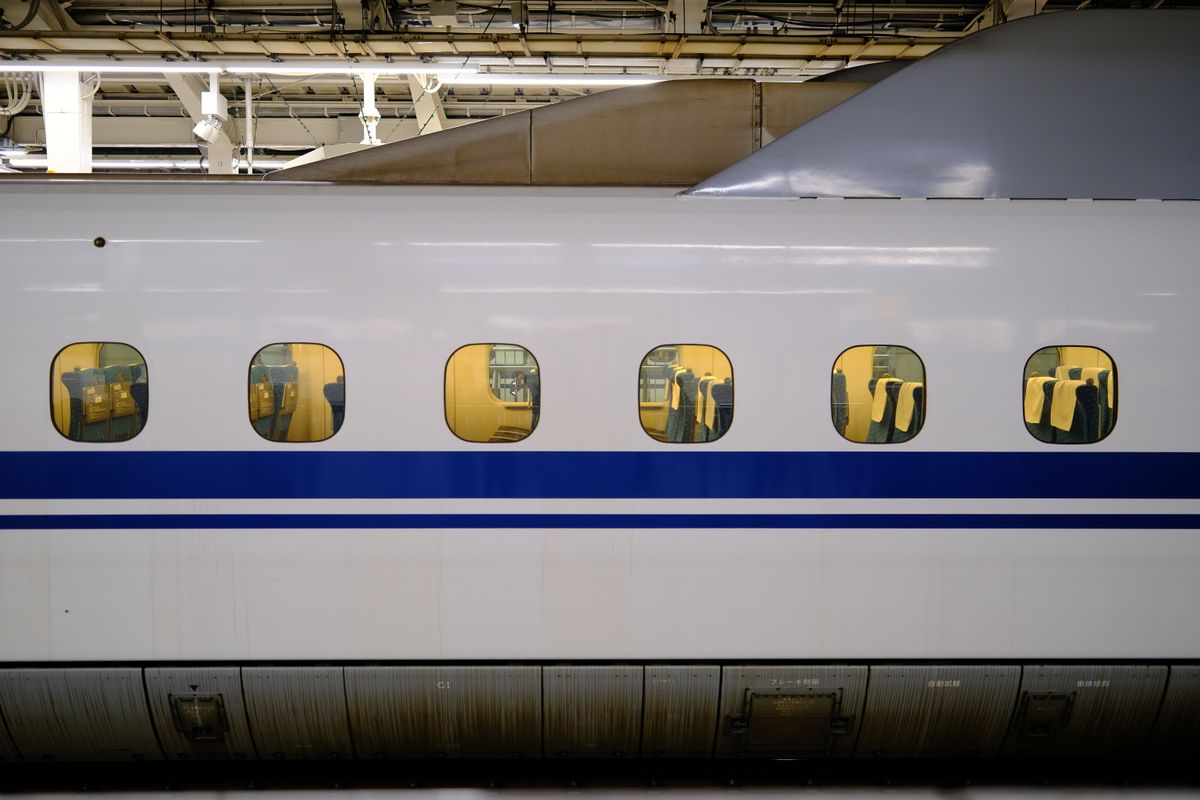
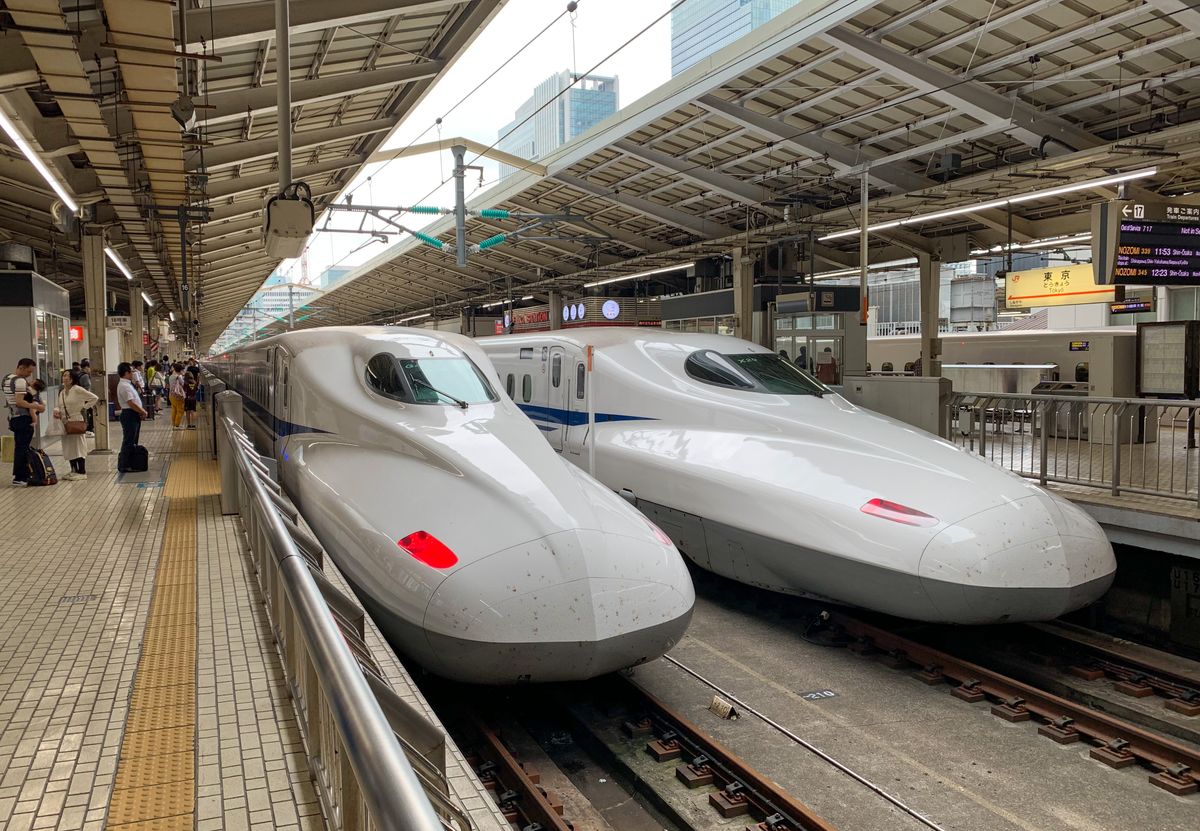
Japan’s Shinkansen trains operate at commercial speeds of 240–320 km/h, depending on the line and train type. The fastest current service, the Hayabusa on the Tohoku Shinkansen, reaches 320 km/h. The Tokaido Shinkansen’s Nozomi service (Tokyo–Osaka) runs at up to 285 km/h.
In practice, this means: Tokyo to Osaka in 2 hours 22 minutes. Tokyo to Kyoto in 2 hours 15 minutes. Tokyo to Hiroshima in 3 hours 40 minutes. Tokyo to Fukuoka in 4 hours 52 minutes. These are door-to-station times; add 20–30 minutes for urban transport at each end and you still rival or beat air travel on most of these routes once airport security and boarding are factored in.
Punctuality: The average Shinkansen delay in Japan is approximately 36 seconds. This is not a misprint. When a Shinkansen is 2 minutes late, the train manager apologizes over the PA system. The engineering and operational precision behind this record is extraordinary and represents decades of continuous improvement.
Shinkansen Lines Across Japan
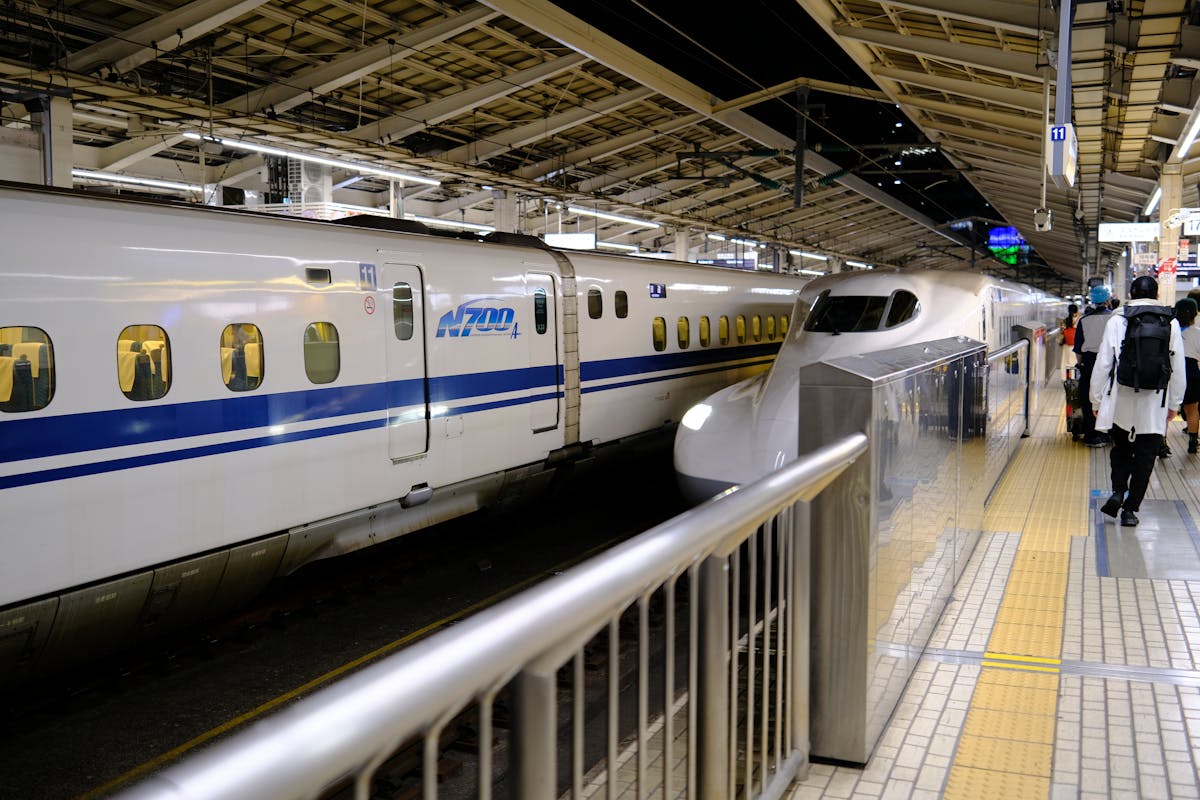
Tokaido Shinkansen — Tokyo to Shin-Osaka (550 km). The busiest high-speed rail line in the world by passenger volume, operated jointly by JR Central and JR West. Services: Nozomi (fastest, NOT covered by JR Pass), Hikari (stops at major stations, JR Pass valid), Kodama (all stations, JR Pass valid). This line carries over 400,000 passengers daily.
Sanyo Shinkansen — Shin-Osaka to Hakata (Fukuoka), 554 km. Continuation of the Tokaido line. Services: Nozomi and Mizuho (fastest, NOT JR Pass), Hikari and Sakura (JR Pass valid), Kodama and Tsubame (all stations). Stops include Hiroshima, Okayama, and Himeji.
Tohoku Shinkansen — Tokyo to Shin-Aomori (674 km), with branches to Akita and Yamagata. Services: Hayabusa (fastest, JR Pass valid), Hayate, Yamabiko, Nasuno. Continues as the Hokkaido Shinkansen to Shin-Hakodate-Hokuto.
Hokuriku Shinkansen — Tokyo to Tsuruga (Fukui), via Nagano and Kanazawa. Services: Kagayaki (fastest, limited stops), Hakutaka (JR Pass valid). Extended to Tsuruga in 2024, with further extension toward Osaka planned.
Joetsu Shinkansen — Tokyo to Niigata (269 km). Services: Toki, Tanigawa. Less traveled by international tourists but useful for Niigata’s sake country and Naeba ski resort access.
Kyushu Shinkansen — Hakata (Fukuoka) to Kagoshima-Chuo (257 km). Services: Mizuho and Sakura. Connects Fukuoka with Kumamoto, Kagoshima, and beyond.
Train Classes: Reserved, Unreserved, and Green Car
Reserved seats (指定席, shiteiseki) — A specific seat assigned to you, guaranteed. Reserved seats are booked at no extra charge for JR Pass holders at any JR ticket office or reservation machine. Highly recommended for: weekend travel, holiday periods (Golden Week, O-Bon, New Year’s), morning and evening peak departure times, and the morning Nozomi trains from Tokyo.
Unreserved seats (自由席, jiyuseki) — Available on a first-come, first-served basis in designated cars (typically the first 3–4 cars). JR Pass holders can ride unreserved seats without making a reservation. On off-peak weekday travel, unreserved cars are rarely full. On popular weekend trains, you may need to stand between stations — rare but possible.
Green Car (グリーン車) — First class, with wider seats (2+2 configuration versus the standard 3+2), more legroom, and quieter cars. A JR Green Car Pass costs approximately 30% more than the standard pass but includes free Green Car access. Worth considering for multi-hour journeys or travelers who prioritize comfort.
Gran Class — Premium first class available on Hokkaido and Tohoku Shinkansen services (Hayabusa). Seats recline to near-flat, meals and drinks are served, and the experience is comparable to international business class air travel. Significant extra charge on top of JR Pass — reserved for special occasions.
How to Buy Shinkansen Tickets
JR Pass holders: If you haven’t bought yours yet, order a JR Pass through JRPass.com before you fly — it can only be purchased in advance for most options. Your pass covers unreserved seats at no additional cost. To reserve specific seats (strongly recommended), go to any JR ticket office (みどりの窓口, Midori no Madoguchi) or JR reservation machine with your pass. Make seat reservations free of charge for any covered service. You can reserve multiple journeys at once — this is efficient to do in a single visit on your first day in Japan.
Individual ticket purchase: Tickets can be bought at any JR station ticket office or from the green automatic ticket machines (Midori no Madoguchi machines have English menus). Purchase at least one station in advance when possible — tickets for the same day’s popular departures can sell out on busy routes.
Online booking (EX Service): JR Central’s EX (Express) reservation service allows advance booking and payment online — excellent for domestic travelers with Japanese credit cards. International visitors can use the “Smart EX” service with foreign credit cards, though the JR Pass cannot be used through this system.
IC card touch payment: Some JR lines now accept IC card (Suica/Pasmo) touch payment for reserved seat tickets pre-purchased. This is primarily on the Tokaido Shinkansen and is convenient for commuter-pattern travelers.
What to Expect on the Shinkansen
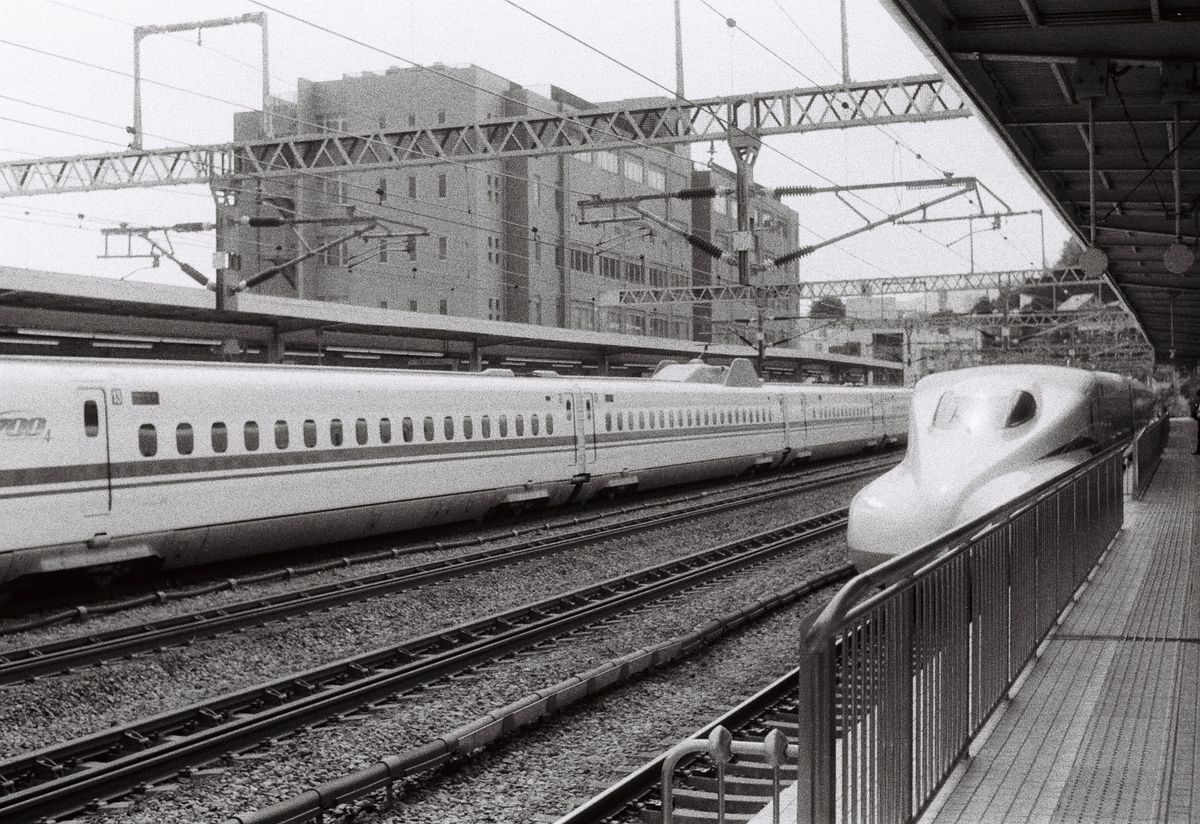
Cleanliness: Shinkansen cars are cleaned between every journey by teams of uniformed cleaners who board at terminus stations. In approximately 7 minutes, they flip every seat headrest cover, wipe all surfaces, vacuum the floors, and prepare the car for the next departure. It’s one of the most impressive operational displays in public transport.
Seats: Economy class seats are 2+3 configuration (window-middle-aisle / window-aisle), with significantly more legroom than most European or American trains. Seats recline with a button press (by a respectable degree without intrusion into the row behind). All seats have a tray table and power outlet (newer trains have USB ports).
Ekiben (駅弁, station bento): One of Japan’s great food traditions — elaborate bento boxes sold at Shinkansen platform kiosks and aboard trains, often featuring regional specialties of the departure city. Tokyo Station’s platform ekiben selection is extraordinary: dozens of options from ¥1,000–¥2,500, featuring everything from Makunouchi (traditional assorted bento) to specialized crab, wagyu beef, or seafood boxes. Buy before boarding — selection diminishes once the train is moving.
Mount Fuji views: On the Tokaido Shinkansen between Tokyo and Nagoya, Mount Fuji is visible from the right side of the train (seats A and B when traveling toward Osaka). The best viewing window is between Shin-Fuji and Shizuoka stations. Morning westbound trains have Fuji on the south side (morning light); afternoon eastbound trains have it illuminated from the west. Sit on the A side and watch — the view is breathtaking on clear days.
Luggage: Standard policy allows bags fitting overhead bins. Large suitcases require a reserved luggage space — book at the time of seat reservation. Overhead bins are smaller than aircraft — a 26-inch rolling suitcase typically won’t fit. Use luggage forwarding services (takkyubin) or the dedicated luggage storage areas to travel comfortably.
Shinkansen Etiquette
Phone calls are not made in the passenger cars. Phones must be set to silent. If you need to make or receive a call, move to the area between cars (the vestibule). This is consistently observed by Japanese passengers and is the most important etiquette rule on the Shinkansen.
Eating is acceptable but quiet. Ekiben eating is a traditional Shinkansen activity and perfectly fine. Strong-smelling foods are frowned upon — avoid particularly pungent items in confined seating.
Recline considerately. Check before reclining if the passenger behind you is working on a laptop or eating. A quick glance and brief recline (not slamming the seat back) is the considerate approach.
The window seat doesn’t exit first. If you’re in the window seat and need to pass the aisle seat passenger, a polite “sumimasen” (excuse me) is the appropriate signal — they will stand immediately to let you out. Never climb over.
The Nozomi Rule: JR Pass Holders
The Nozomi and Mizuho are the fastest Shinkansen services on the Tokaido-Sanyo line, and they are NOT covered by the JR Pass. JR Pass holders must use the Hikari, Kodama, Sakura, or Tsubame services instead. In practice, the difference in journey time between Hikari and Nozomi for the Tokyo–Kyoto route is about 17 minutes — a minor inconvenience for the significant cost savings of the pass.
If you accidentally board a Nozomi with a JR Pass, staff will ask you to pay the difference at the destination or disembark at the next station. The difference is not enormous (around ¥2,000–¥3,000) but avoidable with attention to the service name on your ticket or reservation.
The First Shinkansen Ride: What to Do
If this is your first Shinkansen ride, here’s how to make the most of it:
Arrive at the platform 10–15 minutes early. Notice how the painted marks on the platform exactly indicate where each car door will stop — when the train arrives, it stops to within centimeters of the designated marks. This precision is worth observing.
Buy an ekiben before boarding. The act of opening your bento as the Tokyo suburbs give way to Kanagawa rice fields is a Japan travel ritual.
Sit on the right side (A seats) traveling west from Tokyo, left side (D and E seats) traveling east toward Tokyo, for Mount Fuji views.
Watch the acceleration. The Shinkansen accelerates from a standstill with remarkable smoothness and speed — you’ll be cruising at 200 km/h before you’ve finished your tea. The landscape blurs into streaks of green and grey. Road vehicles appear to be standing still.
The Shinkansen is not merely transport. It’s a piece of national pride, an engineering philosophy, and one of the most efficient ways humans have ever devised to move from one place to another. Riding it is, for most visitors, one of the definitive Japan moments — a reminder that when a society commits to doing something well, the result can be genuinely extraordinary.
Plan Your Japan Trip
🚄 Ready to Book Your Shinkansen Pass?
The Japan Rail Pass is the most convenient way to travel on the Shinkansen across Japan. Compare options and get your pass before you arrive in Japan.
Compare Japan rail passes & packages on JTB →
Tip: Order online before your trip — passes cannot be purchased inside Japan.
A note from Jack, editor of Japan Real Guide:
I have taken hundreds of Shinkansen journeys across Japan over more than a decade of travel. It is still, without qualification, the most reliable and comfortable overland travel experience I have had anywhere in the world. In thirteen years of riding Shinkansen, I have never experienced a delay of more than a few minutes — including during typhoon seasons and during a 2016 Kyushu earthquake period when services were rerouted.
The practical things that take time to learn: the difference between Nozomi, Hikari, and Kodama services on the Tokaido line; when a JR Pass is actually worth buying versus buying individual tickets; why reserved seats are worth the small additional cost on busy travel days; and which side of the train to sit on for Mount Fuji views.
This guide covers all of that, plus the lines and routes that many visitors miss — particularly the excellent Kyushu, Hokuriku, and Tohoku Shinkansen networks that open up parts of Japan that most first-timers never reach.
🏨 Book Your Hotels Along the Route
Planning stops along your Shinkansen route? Compare hotels and find the best deals across Japan.
Related guides
- Getting from Tokyo to Kyoto: Shinkansen, Bus, and Flight Options Compared
- Japan SIM Card & eSIM Guide 2026: Best Options for Staying Connected
- Japan Rail Pass: Is It Worth It in 2026? (Honest Guide)
Going to Japan? Talk to locals with confidence.
Hirameki Japanese — instant offline translation, camera translation, furigana + romaji, and 314 free flashcards. No login. Works without internet.

Plan your Japan trip
Two things every first-timer should book
Some links are affiliate links. If you book through them we may earn a small commission at no extra cost to you.