A note from Jack, editor of Japan Real Guide:
I have done two-week Japan itineraries three times, and each time I have made the same structural mistake in a different direction. The first was spending too much time in Tokyo and arriving exhausted in Kyoto with two days left. The second was over-planning the Kansai portion and running out of energy for anything spontaneous. The third, finally, felt right — and that version is what forms the backbone of this guide.
The honest lesson from all three: Japan has enough to fill six months, not two weeks. The goal of this itinerary is not to see everything — it is to see the right things without spending your holiday on trains, in queues, or recovering from exhaustion. Fewer places, more time in each one, and at least one unscheduled afternoon in each city to wander without a plan.
Before you start booking anything, make sure you understand the visa requirements for Japan. Most nationalities get 90 days visa-free, but the rules vary — check our complete Japan visa requirements guide before confirming your travel dates.
Before You Arrive: Essential Preparation
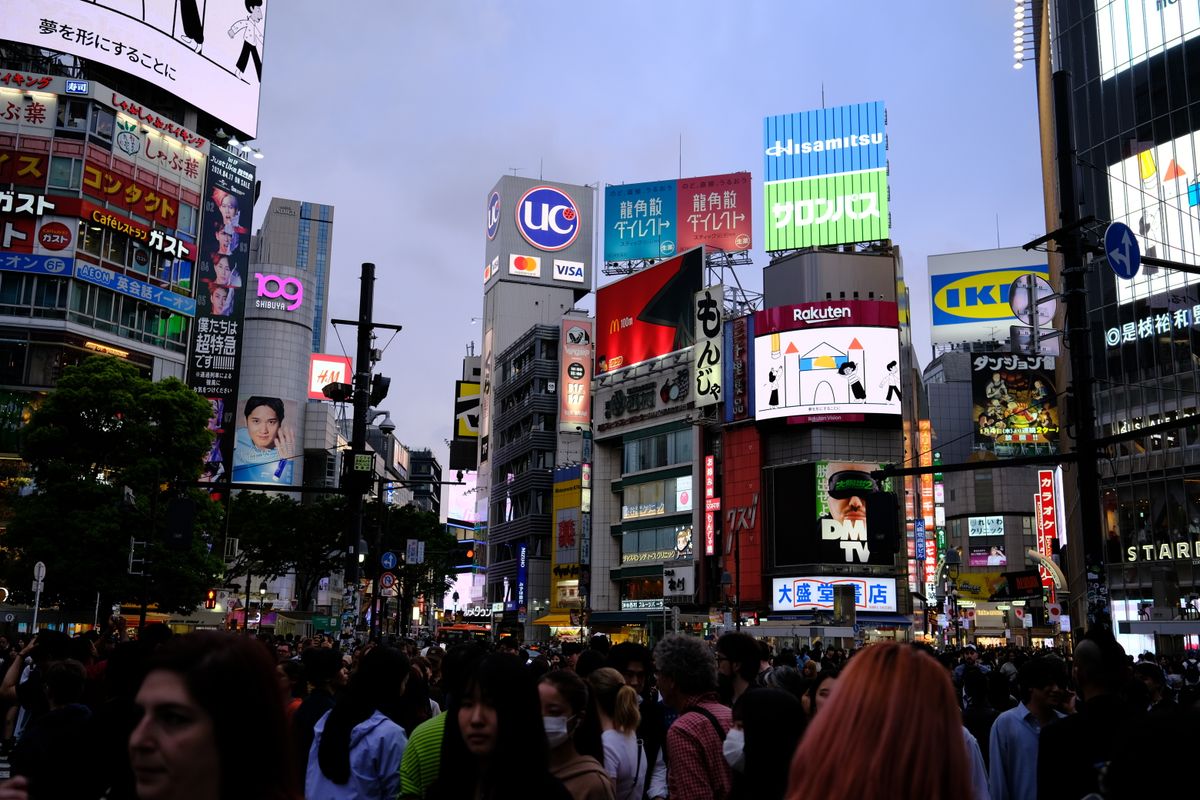
Days 1–2: Arrive in Tokyo — First Impressions
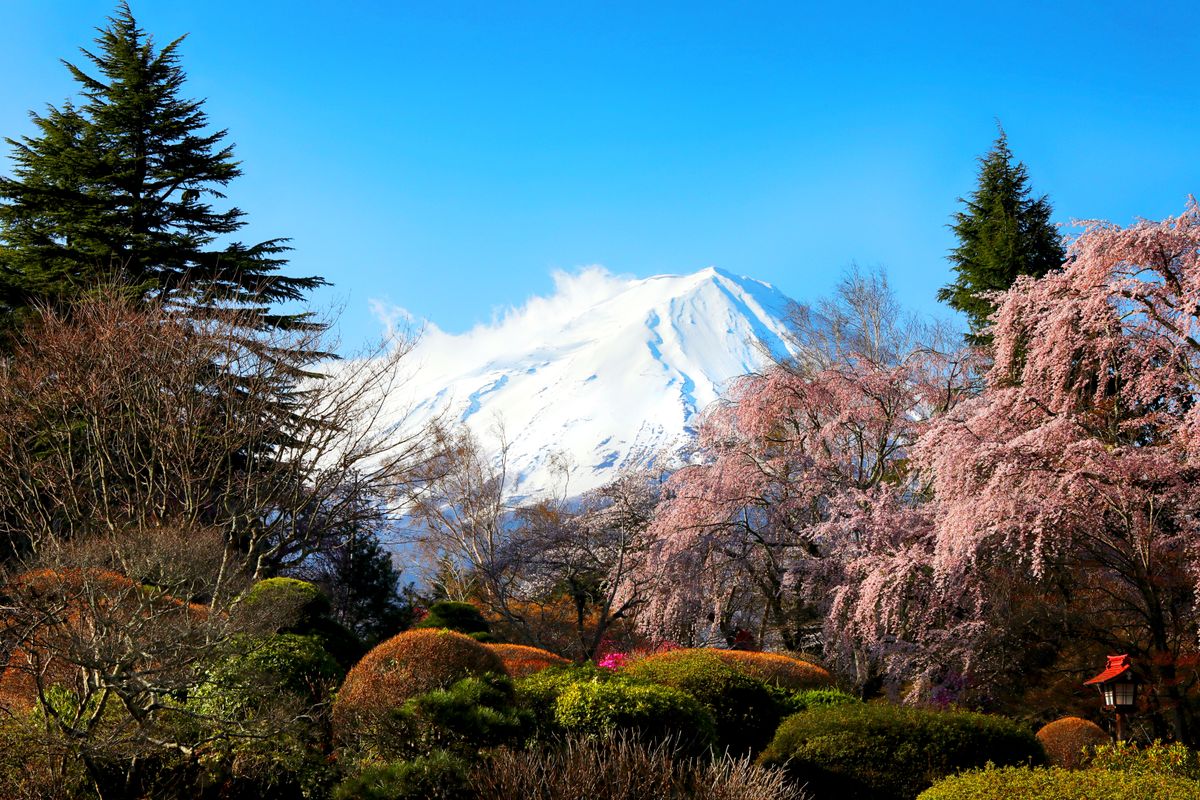
- Morning: Senso-ji Temple in Asakusa (go early to beat crowds) + Nakamise shopping street
- Midday: Ride the Sumida River cruise to Odaiba or walk to nearby Ueno Park
- Afternoon: Akihabara electric town (15 minutes by train)
- Evening: Shinjuku for dinner — try a ramen shop or yakitori restaurant under the train tracks in Omoide Yokocho
Days 3–4: Tokyo Deep Dive
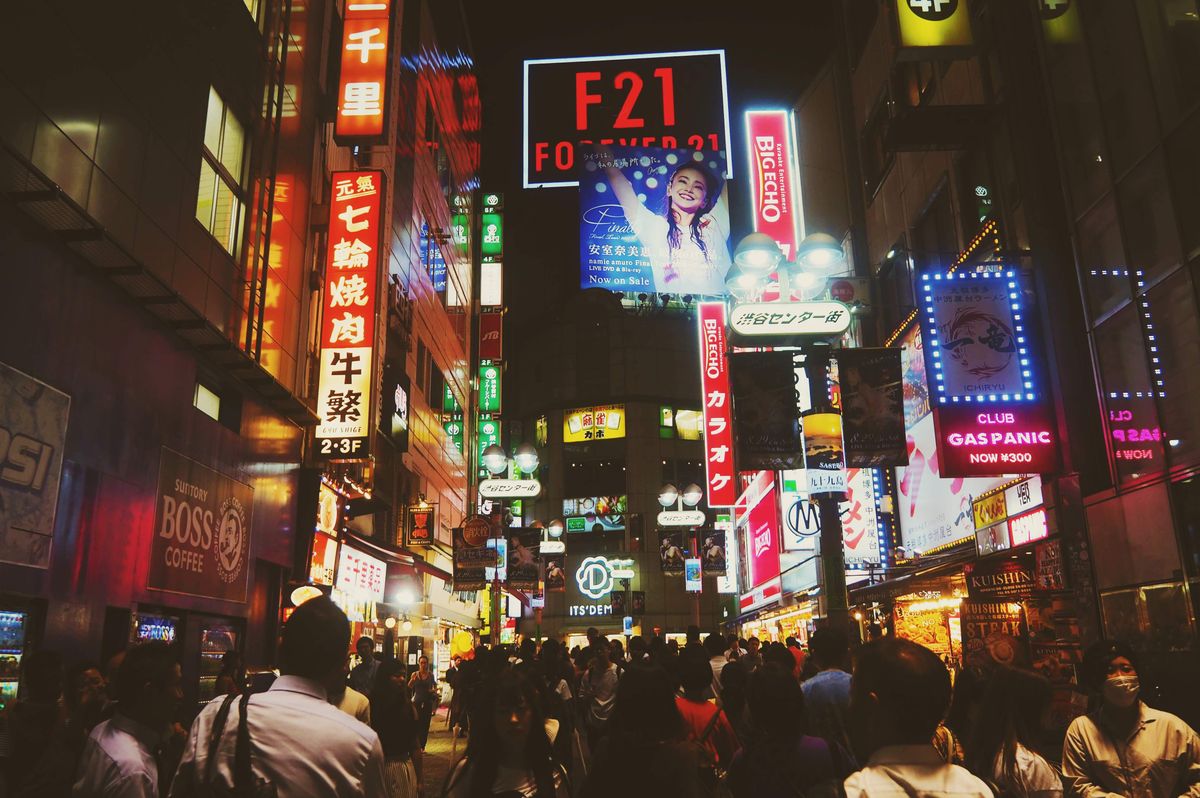
- Morning: Meiji Shrine — a peaceful forest shrine in the middle of the city. Arrive early (opens at sunrise) for the most serene experience.
- Late morning: Walk through Harajuku’s Takeshita Street for quirky fashion and crepe shops
- Lunch: Omotesando — try one of the many excellent cafés or the basement food hall of Omotesando Hills
- Afternoon: Shibuya Scramble Crossing (most impressive during evening rush hour). Visit Shibuya Sky observation deck for panoramic views (book tickets in advance)
- Evening: Explore Shimokitazawa (vintage shops, live music bars) or Daikanyama (sophisticated cafés and boutiques)
- Morning: Tokyo Metropolitan Government Building — free observation deck with views of Mount Fuji on clear days (best in morning)
- Late morning: Shinjuku Gyoen Garden — one of Japan’s finest parks, with beautiful design blending Japanese, French, and English garden styles
- Afternoon: Kabukicho and Golden Gai (Shinjuku’s famous tiny bar district — tiny bars seating 5-8 people each)
- Evening: Tsukiji Outer Market for dinner — the famous inner market moved to Toyosu, but the outer market still has excellent sushi, tamagoyaki, and seafood
Day 5: Day Trip to Nikko or Kamakura
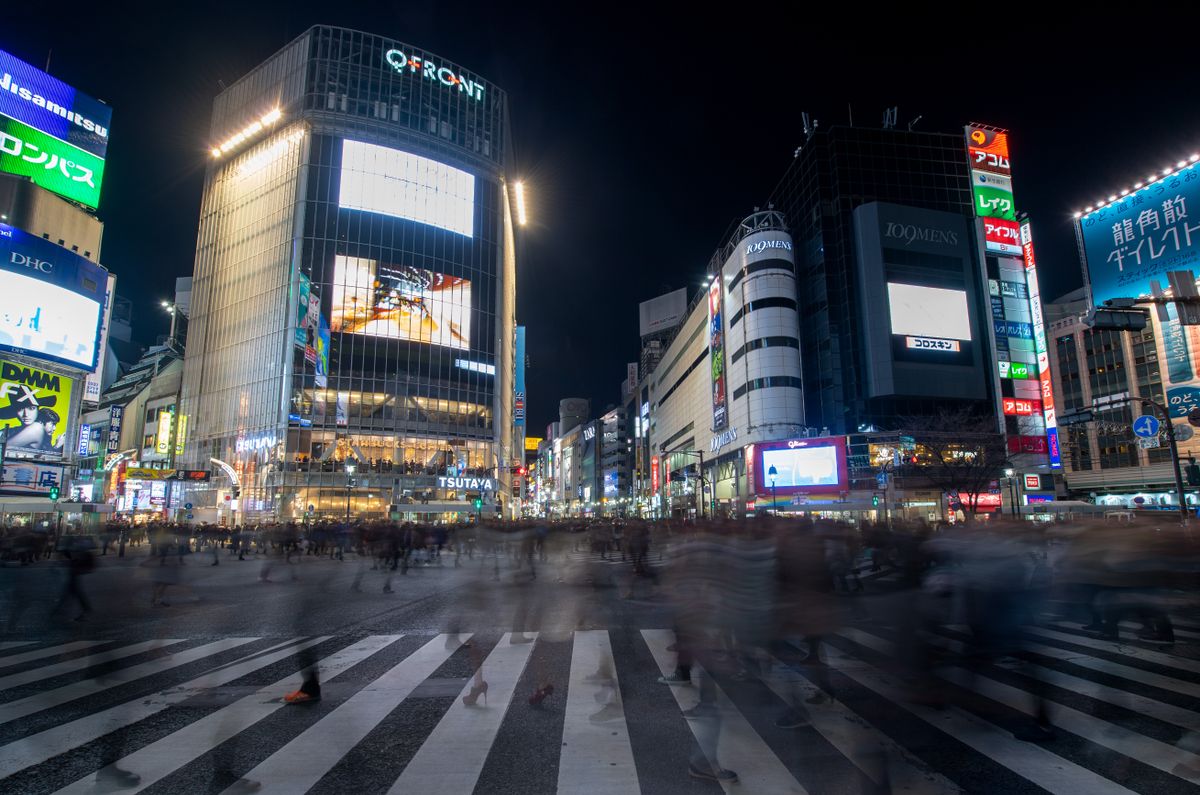
Days 6–7: Hakone — Mount Fuji Views and Onsen
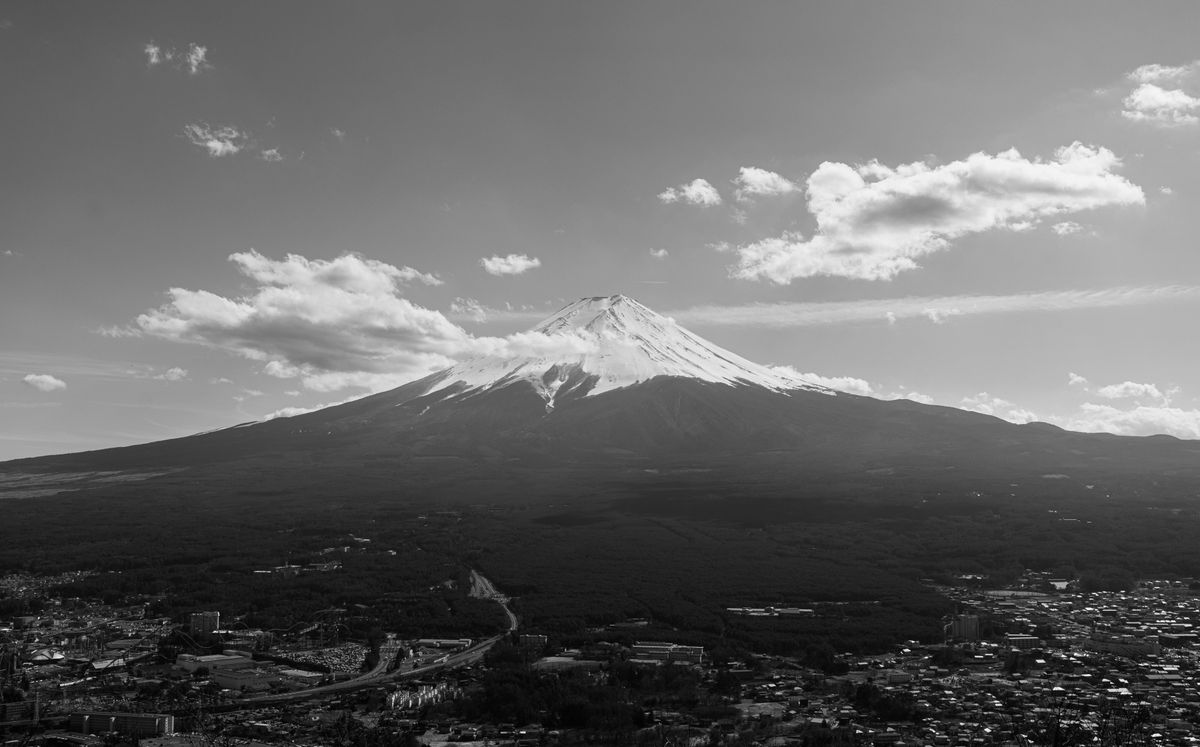
- Check into your ryokan and immediately change into a yukata (cotton robe). Most ryokan include dinner and breakfast — a multi-course kaiseki meal in the evening is a highlight.
- Soak in the ryokan’s onsen baths — outdoor baths with views of the mountains are particularly lovely. Read our complete onsen etiquette guide before your first visit.
- Evening kaiseki dinner — a beautifully presented multi-course Japanese meal that’s one of travel’s great dining experiences.
- Morning: Take the ropeway over the volcanic Owakudani valley (dramatic sulphur vents and black eggs cooked in volcanic springs)
- Midday: Cruise on Lake Ashi with Mount Fuji as a backdrop on clear days
- Afternoon: Hakone Open Air Museum — outstanding sculpture park combining modern art with mountain scenery
- Late afternoon: Head to Odawara Station and catch the Shinkansen to Kyoto (approximately 2.5 hours)
Days 8–10: Kyoto — Japan’s Cultural Heart
Kyoto was Japan’s imperial capital for over a thousand years and remains the country’s cultural heartbeat. With over 1,600 Buddhist temples, 400 Shinto shrines, traditional machiya (wooden townhouses), and meticulous Japanese gardens, Kyoto rewards slow, deep exploration. Three days is the minimum to do it justice. Day 8 — Eastern Kyoto:- Very early morning (6-7am): Fushimi Inari Shrine — thousands of vermillion torii gates winding up a mountain. Go before 7am to avoid crowds completely. The full hike takes 2-3 hours; the lower section with the iconic dense gate tunnels takes 30-45 minutes.
- Morning: Nishiki Market (Kyoto’s narrow “Kitchen of Kyoto” with hundreds of food stalls and shops)
- Afternoon: Kiyomizu-dera Temple, Ninenzaka and Sannenzaka historic lanes
- Evening: Gion district — walk Hanamikoji Street at dusk for the best chance of spotting a geiko (Kyoto’s term for geisha)
- Morning: Arashiyama Bamboo Grove (go by 7-8am before crowds arrive) + Tenryu-ji Temple gardens
- Midday: Philosopher’s Path — a canal-side walk through northern Higashiyama linking Nanzen-ji and Ginkaku-ji temples. Beautiful in cherry blossom season.
- Afternoon: Nijo Castle + Nishijin Textile Center
- Evening: Pontocho alley for dinner — a narrow lane parallel to the Kamo River lined with excellent restaurants
- Nara is 45 minutes from Kyoto by express train and absolutely worth a half-day visit
- Nara Park is home to over 1,000 freely roaming deer — sacred in Shinto tradition. They bow in exchange for shika-senbei (deer crackers) sold throughout the park.
- Todai-ji Temple houses Japan’s largest bronze Buddha in one of the world’s largest wooden buildings
- Return to Kyoto in the afternoon and check out Philosopher’s Path or any temples not yet visited
Days 11–12: Osaka — Food Capital of Japan
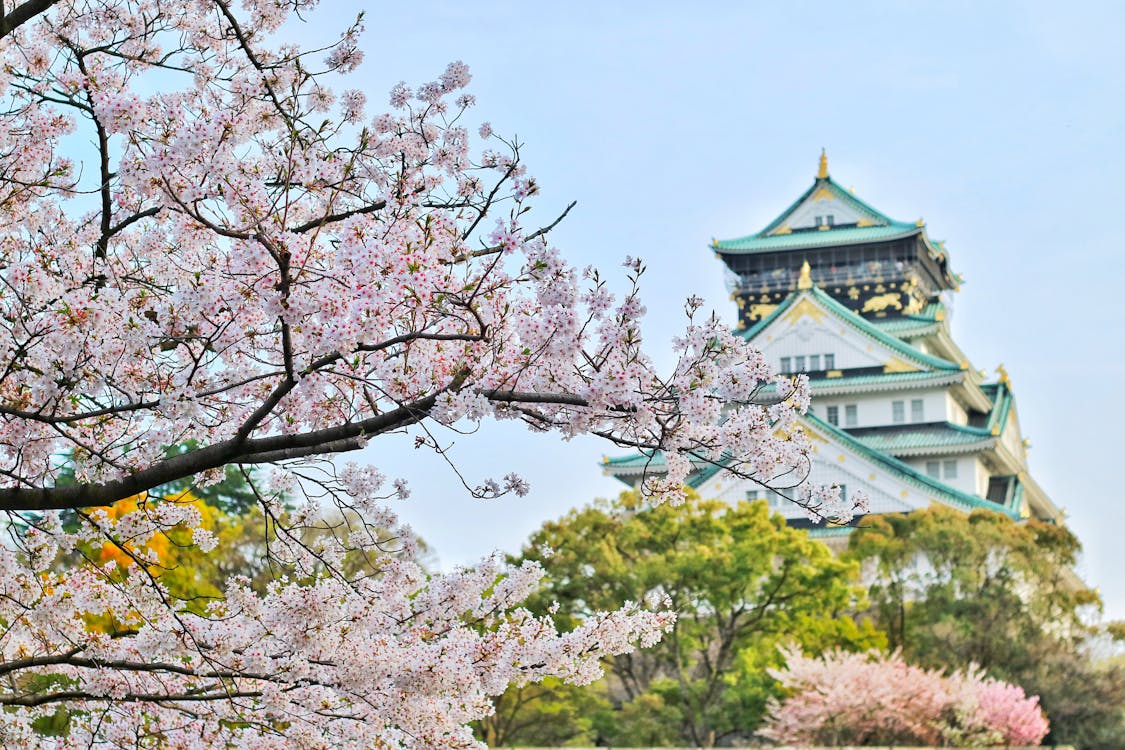
Osaka is just 15 minutes from Kyoto by Shinkansen (or 30 minutes by regular express) and provides a dramatically different experience — loud, fun, unpretentious, and obsessed with food. Osaka’s culinary reputation is captured in the local phrase “kuidaore” (eat until you drop), and the city absolutely delivers. Day 11 — Osaka highlights:- Morning: Osaka Castle — imposing castle surrounded by a moat and beautiful park
- Afternoon: Dotonbori — Osaka’s famous entertainment district with giant mechanical crab and blowfish signs, takoyaki stalls, and ramen shops. Try takoyaki (octopus balls) from the original Aiduya shop.
- Evening: Shinsaibashi shopping district + Namba’s vibrant restaurant streets
- Morning: Kuromon Ichiba Market (“Osaka’s Kitchen”) — a 580-meter covered shopping street packed with fresh fish, meat, produce, and street food. Try fresh uni (sea urchin), wagyu beef skewers, and fresh oysters.
- Afternoon: Osaka Aquarium Kaiyukan (one of the world’s best, with a massive whale shark tank) or Umeda Sky Building observation deck
- Evening: Return to Dotonbori for dinner — get kushikatsu (breaded and deep-fried skewers) at Daruma or try okonomiyaki (savory pancakes)
Days 13–14: Hiroshima and Miyajima, Then Home
For the final two days, make a meaningful detour to Hiroshima and nearby Miyajima Island — two of Japan’s most important and beautiful destinations, easily accessible from Osaka via Shinkansen (45 minutes) or from Kyoto (1 hour 20 minutes). Day 13 — Hiroshima Peace Memorial:- Morning/afternoon: Peace Memorial Park and Museum — the museum is one of the most powerful in the world, documenting the 1945 atomic bombing with devastating clarity. Allow 2-3 hours. The A-Bomb Dome (the ruined building preserved as a UNESCO World Heritage Site) stands just outside.
- Afternoon: Try Hiroshima-style okonomiyaki — a layered version with noodles, distinct from Osaka’s mixed-style version
- Evening: Stay overnight in Hiroshima city or take the ferry to Miyajima Island (20 minutes)
- Morning: Miyajima Island’s iconic Itsukushima Shrine with its floating torii gate — most magical at high tide when the gate appears to float on the sea. Check tide times in advance.
- Late morning: Hike Mount Misen for panoramic views of the Inland Sea (cable car available)
- Afternoon: Return to Hiroshima or Osaka, then head to the airport for your departure flight
Budget Breakdown: 2 Weeks in Japan
Japan has a reputation for being expensive, but it’s very manageable with smart planning. Here’s a realistic daily budget breakdown: Budget traveler (¥8,000–12,000/day ≈ $55–80): Stay in hostels or budget guesthouses, eat at convenience stores, ramen shops, and sushi conveyor belts, use all-inclusive transport passes. Mid-range traveler (¥15,000–25,000/day ≈ $100–170): Stay in 3-star hotels or business hotels, eat at mid-range restaurants, one ryokan night in Hakone included. Comfortable traveler (¥30,000+/day ≈ $200+): Mix of premium hotels and ryokan, kaiseki dinners, some taxis, premium experiences. Major fixed costs to budget for: return international flights (varies widely by origin), 14-day JR Pass (¥50,000/$340 approximately), ryokan night in Hakone (¥20,000–50,000 per person including meals), and entrance fees to major attractions (typically ¥500–1,500 each). For a complete guide to managing costs, see our article on traveling Japan on $50 a day.Practical Tips for This Itinerary
Navigation: Google Maps works excellently in Japan and includes transit options. Download the Japan Official Travel App for additional route planning. Most train stations have clear English signage. Etiquette reminders: Read our Japanese customs guide before arriving. Key points: remove shoes when indicated, don’t eat while walking, speak quietly on public transit, and always have cash — many places remain cash-only. Luggage forwarding (takkyubin): Japan’s luggage forwarding service is a game-changer. Send your main bag from hotel to hotel for ¥1,000–2,000 per bag and travel with just a daypack. This is especially useful on the Shinkansen. Ask at any convenience store or hotel front desk. Restaurant reservations: For high-end restaurants and popular ramen shops, book in advance via Tableall, Omakase, or direct contact. Many famous spots have English reservation options. Two weeks in Japan is an extraordinary experience — rich, delicious, surprising, and deeply moving. This itinerary gives you a strong framework, but give yourself permission to slow down, get lost, and let Japan surprise you. It always does.Plan Your Japan Trip
🏨 Book Your Accommodation for This Itinerary
Follow this 2-week itinerary and book hotels city by city — Tokyo, Kyoto, Osaka, Hiroshima, and more. Compare prices and book with free cancellation. Book your hotel on Agoda (Best prices guaranteed) →🚄 Get Your Japan Rail Pass
A 14-day JR Pass is ideal for a 2-week Japan trip — unlimited travel on Shinkansen and most JR trains across the country. Compare Japan rail passes & packages on JTB →Day-by-Day 2 Weeks in Japan: The Complete Itinerary
This day-by-day breakdown assumes arrival at Tokyo Narita or Haneda and departure from Osaka Kansai International (or return to Tokyo). The JR Pass 14-day (activated Day 3) covers all major Shinkansen journeys. Adjust based on your interests.
Two weeks is also long enough for small mishaps — a cold, a twisted ankle on temple steps — and visitor medical bills in Japan are paid out of pocket. Travel medical cover such as SafetyWing, priced by the week so a fortnight stays cheap, belongs on the same pre-flight checklist as your eSIM and rail tickets.
Day 1: Arrive Tokyo — Check into accommodation near Shinjuku or Asakusa. Walk off jet lag with an evening stroll through the immediate neighbourhood. Convenience store dinner. Sleep early.
Day 2: Tokyo — East and Traditional — Asakusa Sensoji Temple (7 AM before crowds), Nakamise shopping street, Sumida River walk, Ueno Park and Tokyo National Museum (free on museum evenings), Akihabara electronics browsing in the afternoon. Dinner: ramen at a standing ramen counter near Ueno Station.
Day 3: Tokyo — West and Modern — Activate JR Pass at Shinjuku Station ticket office. Harajuku Takeshita Street (morning, when it is manageable), Meiji Jingu Shrine (forested walk, free), Shibuya Scramble Crossing at dusk, Shinjuku Golden Gai bar alley for an evening drink (small atmospheric bars, drinks from ¥500–¥800). Reserve Shinkansen seats for Day 5 while at the ticket office.
Day 4: Nikko Day Trip — JR Utsunomiya Shinkansen from Ueno to Utsunomiya (50 min), then JR Nikko Line to Nikko Station (45 min, both covered by JR Pass). Toshogu Shrine (the most ornate building complex in Japan), Rinno-ji Temple, Kegon Falls, walk the cedar-lined Nikko approach road. Return to Tokyo for overnight.
Day 5: Tokyo → Hakone — Odakyu Romancecar from Shinjuku to Hakone-Yumoto (1 hour 25 min, not covered by JR Pass — book separately, ¥2,470). Ropeway over Owakudani volcanic crater. Lake Ashi boat crossing with Fuji views on clear days. Sleep at Hakone onsen hotel or ryokan — this is an excellent place for a first-night ryokan experience. The ropeway and internal transport are Hakone Freepass territory (¥5,700/2 days from Odawara).
Day 6: Hakone → Kyoto — Morning in Hakone (free onsens at your inn). JR Local from Odawara to Shin-Osaka or Kyoto on the Hikari (JR Pass covered). Arrive Kyoto by early afternoon. Afternoon at Gion district — the original geisha area, best appreciated by walking the backstreets east of Hanamikoji around 5–6 PM when maiko sometimes travel between appointments. Nishiki Market for evening snacks.
Day 7: Kyoto — North and East — Fushimi Inari (arrive 7 AM — this cannot be emphasised enough; the summit takes 2 hours and lower gates are crowd-free until 9 AM). Afternoon: Higashiyama district — Kiyomizudera Temple, Sannenzaka and Ninenzaka stone-paved lanes, Kodaiji Temple, evening in Maruyama Park (free entry, beautiful garden).
Day 8: Kyoto — Arashiyama and Northwest — Arashiyama Bamboo Grove (arrive before 8 AM for photos without crowds), Tenryu-ji Garden (¥500), Katsura River walk, Nonomiya Shrine. Afternoon: Kinkakuji (Golden Pavilion, ¥500), Ryoanji Rock Garden (¥600), Nishiki Market return for lunch. Evening: Philosopher’s Path walk and Nanzenji Temple aqueduct (free).
Day 9: Nara and Back — JR train Kyoto to Nara (30–50 min, JR Pass covered). Todaiji Great Buddha (¥600), Nara deer park (completely free), Kasuga Taisha Grand Shrine (free grounds, ¥500 inner sanctum), Naramachi preserved merchant district. Return to Kyoto or continue to Osaka for overnight.
Day 10: Osaka — Food and Culture — Move base to Osaka (25–45 min from Kyoto). Dotonbori food crawl: takoyaki at Aizuya, kushikatsu at Daruma, ramen at Kinryu. Kuromon Ichiba Market. Afternoon: Osaka Castle exterior and grounds (free), nearby Tsuruhashi Korean market. Evening: Shinsekai district for kushikatsu dinner at Daruma or local alternatives.
Day 11: Osaka USJ or Kobe — Either Universal Studios Japan (book in advance, arrive at opening, Harry Potter World and Super Nintendo World are the priorities) — or Kobe day trip: JR from Osaka to Kobe-Sannomiya (22 min), Kitano foreign mansion district, Kobe Beef lunch (book ahead), Harborland waterfront. Return to Osaka evening.
Day 12: Hiroshima and Miyajima — Early Shinkansen from Shin-Osaka to Hiroshima (50 min, JR Pass). Peace Memorial Museum and A-Bomb Dome. Afternoon: JR train to Miyajimaguchi + JR Ferry to Miyajima Island (both JR Pass covered). High tide for the torii gate. Fresh Hiroshima oysters at island food stalls. Return to Hiroshima or Osaka for overnight.
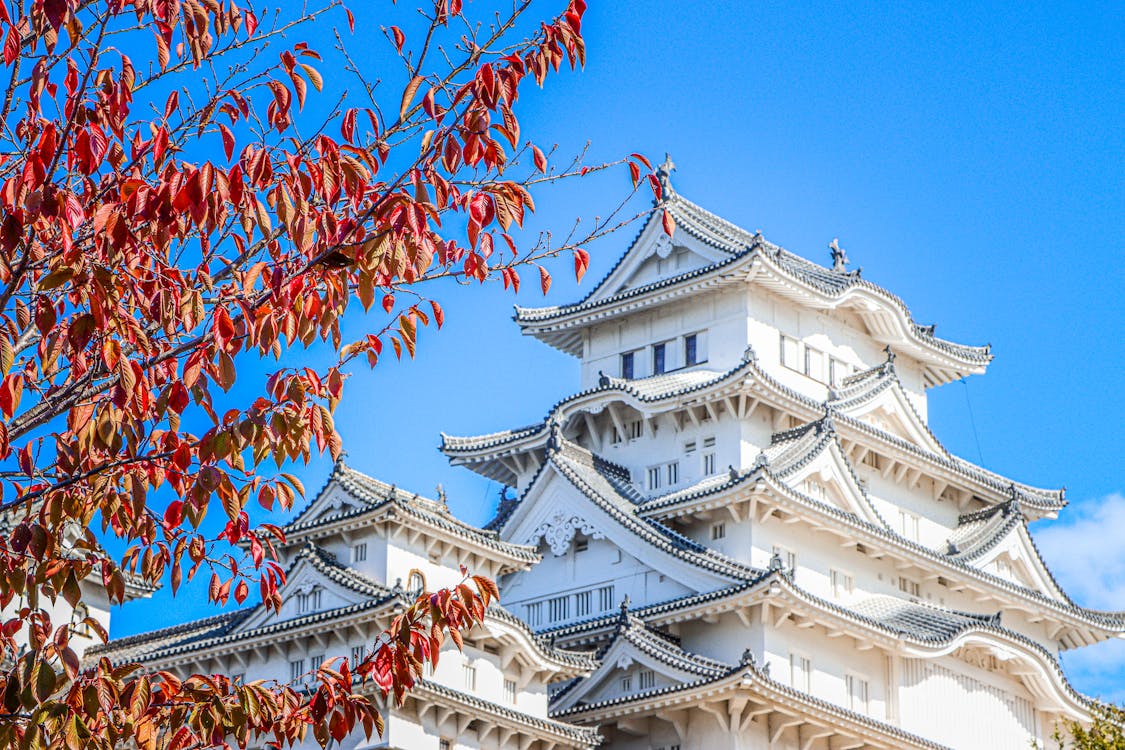
Day 13: Himeji and Return — Early JR Shinkansen from Hiroshima to Himeji (35 min, JR Pass). Himeji Castle — allow 3–4 hours minimum for castle and Koko-en Garden. Return to Osaka by afternoon. Last shopping, Dotonbori farewell dinner. Any final Osaka experiences.
Day 14: Depart from Osaka or Tokyo — Kansai Airport (KIX) is 70 minutes from Osaka Namba by Nankai limited express (¥1,190, not JR covered). If departing Tokyo, Shinkansen Shin-Osaka to Shin-Yokohama then Narita Express is possible on JR Pass but requires 4+ hours. Consider booking a direct Osaka–Tokyo flight on a budget carrier if departing from Tokyo on Day 14.
Customise Your 2-Week Itinerary: Swaps and Alternatives
The above itinerary covers the greatest hits efficiently. Here are meaningful substitutions based on different priorities:
Replace Nikko with Kamakura: Kamakura (1 hour from Tokyo by JR, covered by JR Pass) has the Great Buddha, Engakuji Temple, and excellent coastal hiking. Less ornate than Nikko but more relaxed and ocean-adjacent.
Replace USJ/Kobe with Koyasan: For travellers more interested in spiritual Japan than modern attractions, Koyasan (2 hours from Osaka by Nankai Railway) for an overnight temple stay (shukubo) and the extraordinary Okunoin cemetery is one of Japan’s most memorable experiences.
Add Kanazawa (between Kyoto and Osaka or Nagoya leg): Kanazawa’s Kenrokuen Garden, Higashi Chaya geisha district, and Omicho fresh seafood market make it one of Japan’s best mid-sized cities. The Hokuriku Shinkansen from Tokyo to Kanazawa (2.5 hours) and then Thunderbird express from Kanazawa to Osaka (2.5 hours, both JR Pass covered) enables a Tokyo–Kanazawa–Kyoto–Osaka route with only minor scheduling adjustments.
For families with children: Reduce the temple density and add: Tokyo DisneySea (the best theme park in Asia for adult and child mix), Pokemon Center Mega Tokyo in Sunshine City Ikebukuro, and Osaka Kaiyukan Aquarium (one of the world’s best).
Packing for 2 Weeks in Japan
Japan is very easy to pack light for. Laundromats (coin laundry) are found in most accommodation buildings and residential neighbourhoods — a wash and dry cycle costs ¥200–¥400. Plan for 5–7 days of clothing and wash mid-trip rather than packing 14 days of clothing.
Essential items: IC card holder separate from wallet (for quick transit access), portable umbrella (Japan has sudden rain), comfortable walking shoes (15,000–20,000 steps/day is normal), small day pack (coin locker storage for main bags on travel days), power bank (Google Maps and transit apps drain batteries quickly).
Japan has no need for mosquito repellent, extensive first aid, or malaria tablets. Pharmacies (drugstores) are ubiquitous and well-stocked for any medical need that arises. Sunscreen is widely available and inexpensive. Any clothing you forget can be replaced affordably at UniQlo (multiple locations in every major city).
Frequently Asked Questions: 2 Weeks in Japan
Q: Is 2 weeks enough for Japan?
A: Two weeks covers the essential Golden Route (Tokyo, Hakone, Kyoto, Nara, Osaka, Hiroshima) with time to breathe. It is not enough to explore Hokkaido, Kyushu, and Shikoku in the same trip — plan return visits for those. Japan rewards repeat visits enormously because each region is genuinely different.
Q: How many cities should I realistically cover in 14 days?
A: Five to seven base locations over 14 days is comfortable. Moving every 1–2 nights becomes exhausting; spending 2–3 nights in each main city and doing day trips from there is significantly more enjoyable than constant packing and unpacking.
Q: Should I pre-book all accommodation or leave flexibility?
A: Pre-book your first and last nights at minimum, plus any special experience (ryokan, onsen hotel). During cherry blossom season (late March–April) or Golden Week, pre-book everything 3–6 months ahead. At other times, 1–2 weeks ahead is generally sufficient for business hotels in major cities; 1–3 months ahead for popular ryokan.
Q: Do I need to learn Japanese for a 2-week trip?
A: Not at all. Major tourist areas have comprehensive English signage, menus, and helpful staff. Learning 10–20 basic Japanese phrases (arigatou gozaimasu, sumimasen, eigo o hanasemasuka, kore wo kudasai) will be warmly received and covers most daily interactions. Google Translate’s camera function handles any Japanese text you encounter.
Q: Is the itinerary above manageable for older travellers?
A: Yes, with modifications. Japan’s train system is the world’s most accessible for older travellers — elevators at all major stations, reserved seating always available, short walks between connections. The main challenge is uneven stone paths at traditional temples. Reduce walking-heavy days by taking taxis for the final stretch to temples. Japan’s taxi culture is reliable, metered, and not expensive for short distances (¥700–¥1,500 for 5–10 minute journeys).
For more on planning, see our JR Pass guide, best time to visit Japan, and Japan budget travel guide. Japan is ready for you — go.
Day-by-Day Breakdown: 2 Weeks in Japan
This detailed itinerary assumes arrival at Tokyo Narita or Haneda with departure from Osaka Kansai International. JR Pass 14-day activated on Day 3 covers all major Shinkansen journeys.
Day 1 — Arrive Tokyo: Check in near Shinjuku or Asakusa. Walk off jet lag with an evening stroll. Convenience store dinner. Sleep early to reset for the next day.
Day 2 — Tokyo East: Asakusa Sensoji (arrive 7 AM before crowds), Nakamise shopping street, Ueno Park and Tokyo National Museum, Akihabara electronics browsing. Standing ramen dinner near Ueno Station (¥700–¥900).
Day 3 — Tokyo West + Activate JR Pass: Head to Shinjuku Station JR ticket office to activate the 14-day JR Pass and reserve Shinkansen seats for Days 5 and 6. Morning: Harajuku Takeshita Street and Meiji Jingu Shrine (forested approach, free). Afternoon: Shibuya Scramble Crossing at dusk. Evening: Shinjuku Omoide Yokocho yakitori alley for dinner.
Day 4 — Nikko Day Trip: JR Shinkansen from Ueno to Utsunomiya (50 min, JR Pass), then JR Nikko Line to Nikko (45 min, JR Pass). Toshogu Shrine (most ornate building complex in Japan), Kegon Falls, cedar avenue approach. Return to Tokyo overnight.
Day 5 — Tokyo to Hakone: Odakyu Romancecar from Shinjuku to Hakone-Yumoto (85 min, ¥2,470, not JR Pass). Owakudani volcanic ropeway, Lake Ashi boat crossing. Overnight at Hakone onsen ryokan — highly recommended for a first ryokan experience. The Hakone Freepass (¥5,700 from Odawara for 2 days) covers all internal Hakone transport.
Day 6 — Hakone to Kyoto: Morning soak in ryokan onsen. JR from Odawara to Kyoto on the Hikari Shinkansen (2 hours, JR Pass). Arrive Kyoto early afternoon. Walk Gion district at 5–6 PM. Evening at Nishiki Market food street.
Day 7 — Kyoto East: Fushimi Inari at 7 AM (2-hour mountain walk, completely free). Afternoon: Higashiyama district — Kiyomizudera Temple, Sannenzaka and Ninenzaka stone lanes, Maruyama Park in the evening (free).
Day 8 — Kyoto West: Arashiyama bamboo grove at 7:30 AM (photographs best before 8 AM). Tenryu-ji Garden (¥500), Katsura River walk. Afternoon: Kinkakuji Golden Pavilion (¥500), Ryoanji rock garden (¥600). Evening: Philosopher’s Path walk to Nanzenji aqueduct (free).
Day 9 — Nara: JR Kyoto to Nara (30–50 min, JR Pass). Todaiji Great Buddha (¥600), freely roaming deer in Nara Park (free), Kasuga Taisha Grand Shrine (free grounds). Naramachi preserved merchant district. Return to Kyoto or move to Osaka for overnight.
Day 10 — Osaka: Move base to Osaka (25–45 min from Kyoto by JR, covered). Dotonbori food crawl: takoyaki, kushikatsu, ramen. Kuromon Ichiba Market. Osaka Castle grounds (free exterior). Evening: Shinsekai retro district for kushikatsu dinner.
Day 11 — Kobe: JR from Osaka to Kobe-Sannomiya (22 min, JR Pass). Kitano foreign-mansion district (free walk), Kobe Beef lunch (book ahead — ¥6,000–¥15,000), Harborland waterfront. Return to Osaka evening.
Day 12 — Hiroshima and Miyajima: Early Shinkansen Shin-Osaka to Hiroshima (50 min, JR Pass). Peace Memorial Museum (¥200, profoundly moving). Afternoon: JR train + JR Ferry to Miyajima (both JR Pass covered). Floating torii gate, fresh oysters at island stalls. Return to Osaka overnight.
Day 13 — Himeji: JR Shinkansen from Hiroshima to Himeji (35 min, JR Pass). Himeji Castle — 3–4 hours minimum for castle and Koko-en Garden. Return to Osaka for final evening. Last Dotonbori dinner.
Day 14 — Depart Osaka: Nankai limited express to Kansai Airport (70 min, ¥1,190, not JR covered). Or JR to Shin-Osaka then Shinkansen to Shin-Yokohama for Narita Express departure (4+ hours total — consider a budget airline flight from Osaka if departing Tokyo).
Alternative Swaps and Customisation Options
Replace Nikko with Kamakura: Kamakura (1 hour from Tokyo by JR Shonan-Shinjuku Line) offers the Great Buddha, Engakuji Temple, and coastal hiking. Slightly more relaxed than Nikko, better for beach fans.
Replace Kobe with Koyasan: For travellers prioritising spiritual Japan over city exploration, Koyasan (Nankai Railway from Osaka, 2 hours) for an overnight temple stay delivers one of Japan’s most extraordinary experiences. The Okunoin cemetery after dark is unforgettable.
Add Kanazawa: Add Kanazawa between Kyoto and Tokyo on the return — the Hokuriku Shinkansen connects Tokyo to Kanazawa in 2.5 hours (JR Pass covered). Kenrokuen Garden, Higashi Chaya geisha district, and Omicho seafood market are all outstanding.
For families with children: Reduce temple density and add Tokyo DisneySea (exceptional for all ages), Osaka Kaiyukan Aquarium (world-class), and Nara’s deer park (always a hit with children).
Budget Breakdown for 2 Weeks in Japan
Per person estimates excluding international flights.
Accommodation (14 nights, mid-range mix): 3 nights Tokyo business hotel (¥9,000/night = ¥27,000) + 1 night Hakone ryokan (¥18,000) + 3 nights Kyoto business hotel (¥8,500/night = ¥25,500) + 4 nights Osaka business hotel (¥7,500/night = ¥30,000) + 1 night Hiroshima guesthouse (¥5,000) + 1 night Osaka (¥7,500) = approximately ¥113,000.
Transport: JR Pass 14-day ¥80,000 + IC card top-ups and private rail (Hakone, Kansai Airport) ¥15,000 = approximately ¥95,000.
Food (14 days at ¥3,500/day average): approximately ¥49,000.
Activities and admissions: approximately ¥15,000–¥20,000 for all major sites.
Total: approximately ¥275,000–¥285,000 per person (around $1,800–$1,850 USD at 2025–2026 exchange rates). See our Japan Budget Travel Guide for strategies to reduce this by ¥30,000–¥50,000 with hostel accommodation and konbini meals.
Q: Is 2 weeks enough for Japan?
A: Two weeks covers the Golden Route comfortably. It does not cover Hokkaido, Kyushu, and Shikoku — plan return visits. Japan consistently rewards repeat trips because each region is genuinely different.
Q: Do I need to learn Japanese?
A: Not at all. Major tourist areas have comprehensive English signage and menus. Learning 10–15 basic phrases is appreciated but not necessary. Google Translate’s camera function handles any Japanese text you encounter instantly.
For everything else you need to plan your trip, see our JR Pass guide, best time to visit Japan, Japan budget guide, and Tokyo neighborhoods guide. Two weeks in Japan is one of the most rewarding travel experiences in the world. Go.
Packing Advice for 2 Weeks in Japan
Japan is easy to pack light for. Coin laundromats are located in most accommodation buildings — a full wash and dry cycle costs ¥200–¥400. Plan 5–7 days of clothing and do laundry mid-trip rather than packing 14 days of clothes. Essential items: IC transit card holder separate from your wallet for quick gate access, portable umbrella (Japan has sudden showers), comfortable walking shoes capable of 15,000–20,000 steps per day, small day pack for coin-locker-free travel days, and a power bank since maps and transit apps drain batteries quickly. Japan’s pharmacies (drugstores) are excellent and ubiquitous — any medical need can be handled locally. UniQlo branches in every major city cover any clothing you forget at competitive prices.
Going to Japan? Talk to locals with confidence.
Hirameki Japanese — instant offline translation, camera translation, furigana + romaji, and 314 free flashcards. No login. Works without internet.
⬇ Download Free on the App Store
Plan your Japan trip
Two things every first-timer should book
Some links are affiliate links. If you book through them we may earn a small commission at no extra cost to you.