Tokyo is one of the world’s greatest cities, and choosing where to stay can make or break your trip. With 23 special wards and dozens of distinct neighborhoods, Tokyo offers an incredible range of atmospheres — from neon-lit entertainment districts to peaceful residential areas steeped in traditional culture. This guide breaks down the best neighborhoods for first-time visitors, helping you find the perfect base for your Tokyo adventure.
A note from Jack, editor of Japan Real Guide:
I have stayed in seven different Tokyo neighbourhoods across multiple trips, and the choice of base makes a more significant difference than most first-timers expect. Not in terms of getting around — the train network makes every area accessible — but in terms of what Tokyo feels like when you step outside your hotel in the morning.
Shinjuku and Shibuya are the obvious choices, and they are not wrong choices. But they are also the noisiest, most stimulating, least restful parts of the city. On my fourth Tokyo trip I stayed in Yanaka, in the northeast, and the experience of walking out into quiet temple lanes and a functioning local shopping street at 7 AM completely changed how I understood the city.
The neighbourhood guide below is based on where I have actually spent time, what I found useful, and what I would choose for different types of trips. It is opinionated because staying in the wrong neighbourhood for your travel style genuinely affects the experience.
Why Your Choice of Neighborhood Matters
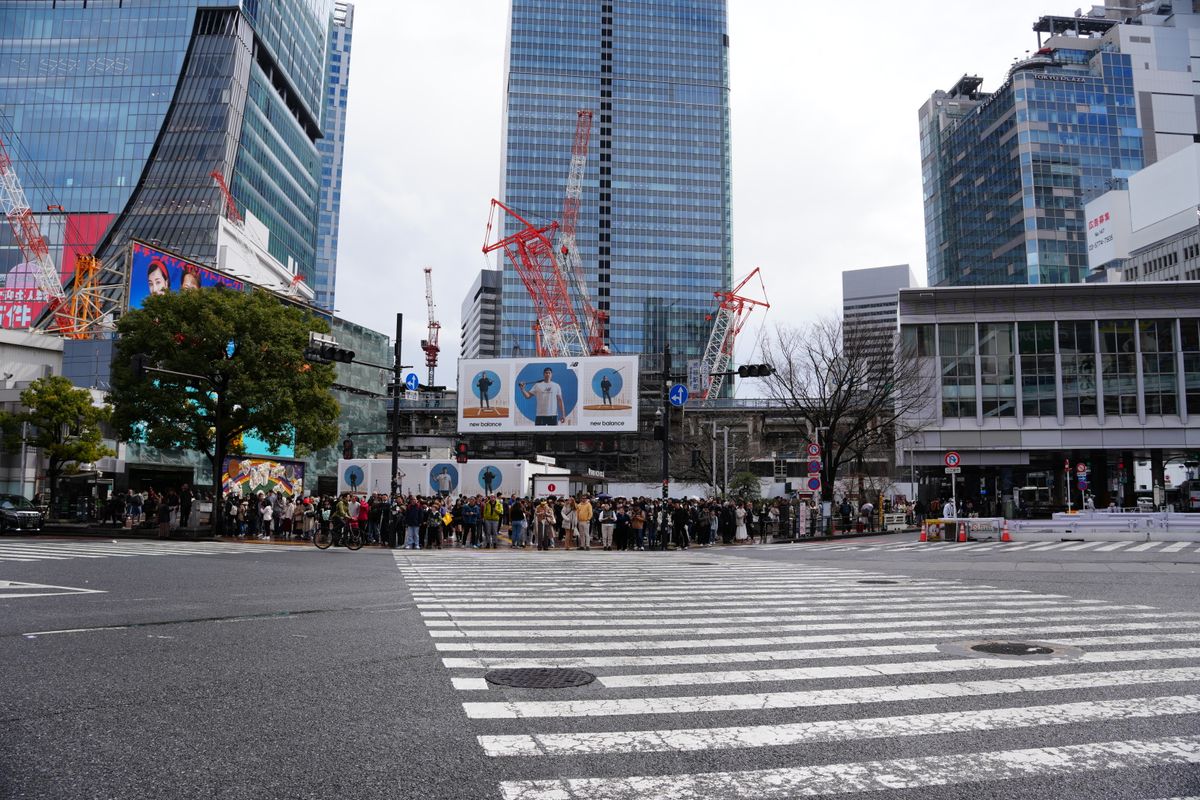
Unlike many cities where “downtown” is the obvious choice, Tokyo doesn’t have a single center — it has multiple. Each neighborhood has its own personality, transport connections, and nearby attractions. Staying in the right area saves you hours of commuting and puts you in the heart of what you came to experience. With the Tokyo Metro and JR lines connecting everything efficiently, you can realistically stay almost anywhere and still see the whole city — but your neighborhood will define your daily rhythm.
Shinjuku: The Ultimate First-Timer’s Hub
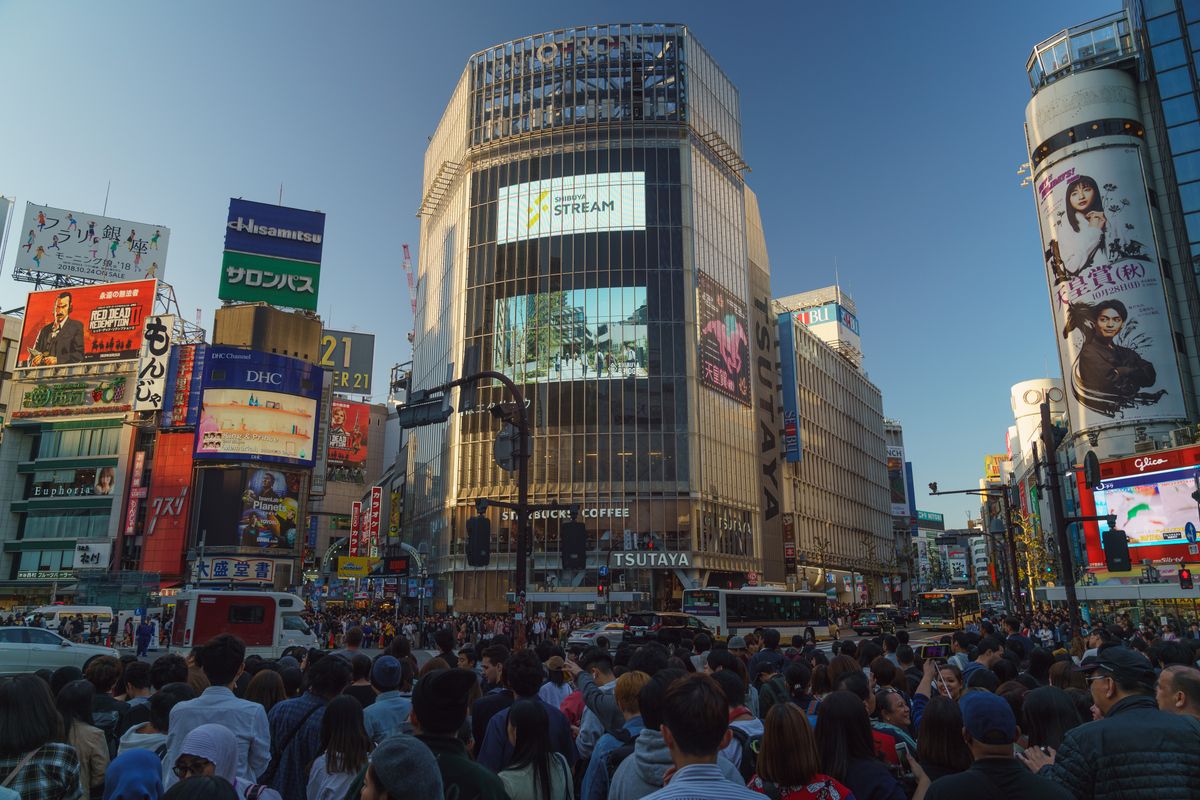
Shinjuku is the single busiest train station in the world, processing over 3.5 million passengers daily. That might sound overwhelming, but it means one thing for travelers: you can get absolutely anywhere from Shinjuku with ease. This makes it the most practical neighborhood in Tokyo, and it’s also one of the most exciting.
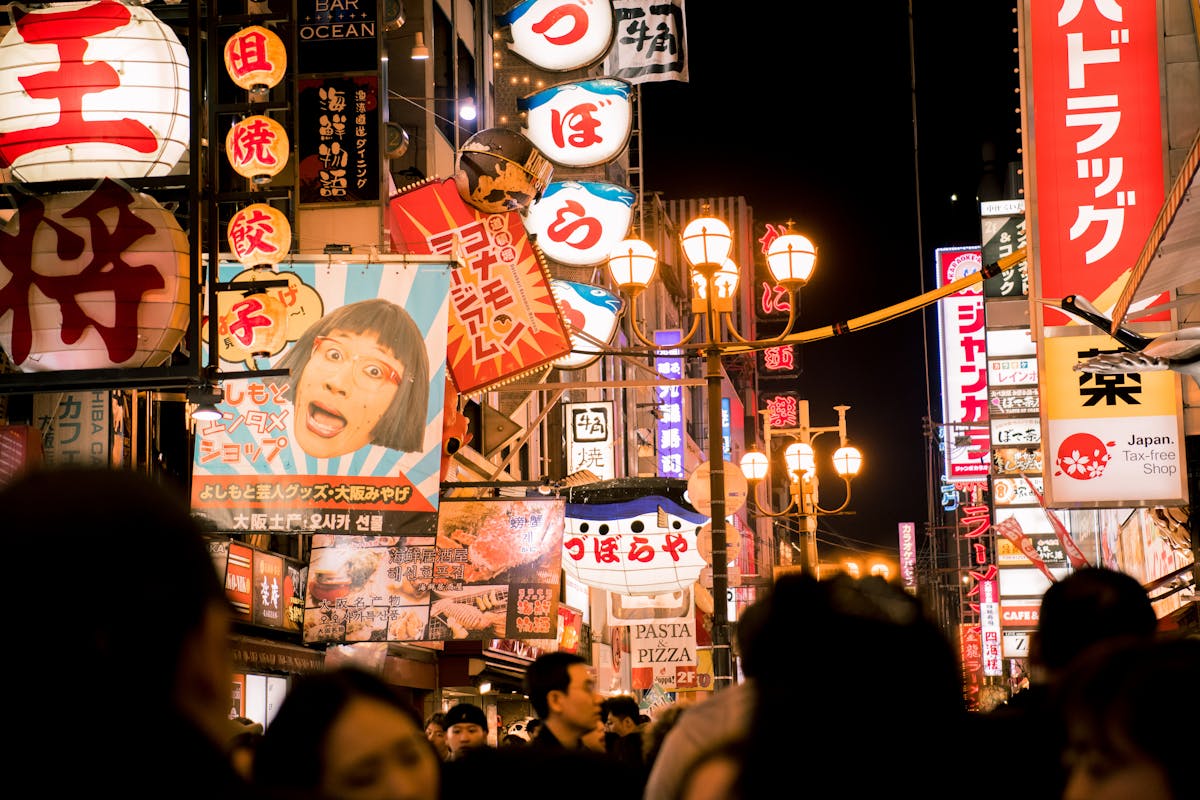
The west side of Shinjuku is dominated by gleaming skyscrapers housing luxury hotels, the Tokyo Metropolitan Government Building (free observation deck!), and the upscale Takashimaya Times Square shopping complex. Cross under the tracks to the east side and the atmosphere changes dramatically — you’re in Kabukicho, Tokyo’s famous entertainment district, packed with neon signs, izakayas, themed cafes, and the unforgettable Golden Gai alley of tiny six-seat bars.
Best for: First-time visitors who want convenience above all else, nightlife lovers, shoppers, and anyone using the JR Pass (the Yamanote Line runs through Shinjuku Station).
Typical hotel cost: ¥8,000–¥25,000/night for mid-range options. Budget capsule hotels from ¥3,500/night.
Don’t miss nearby: Omoide Yokocho (Memory Lane) — a narrow alley of yakitori stalls; Shinjuku Gyoen National Garden; the robot restaurants and themed dining experiences.
Asakusa: Old Tokyo Atmosphere
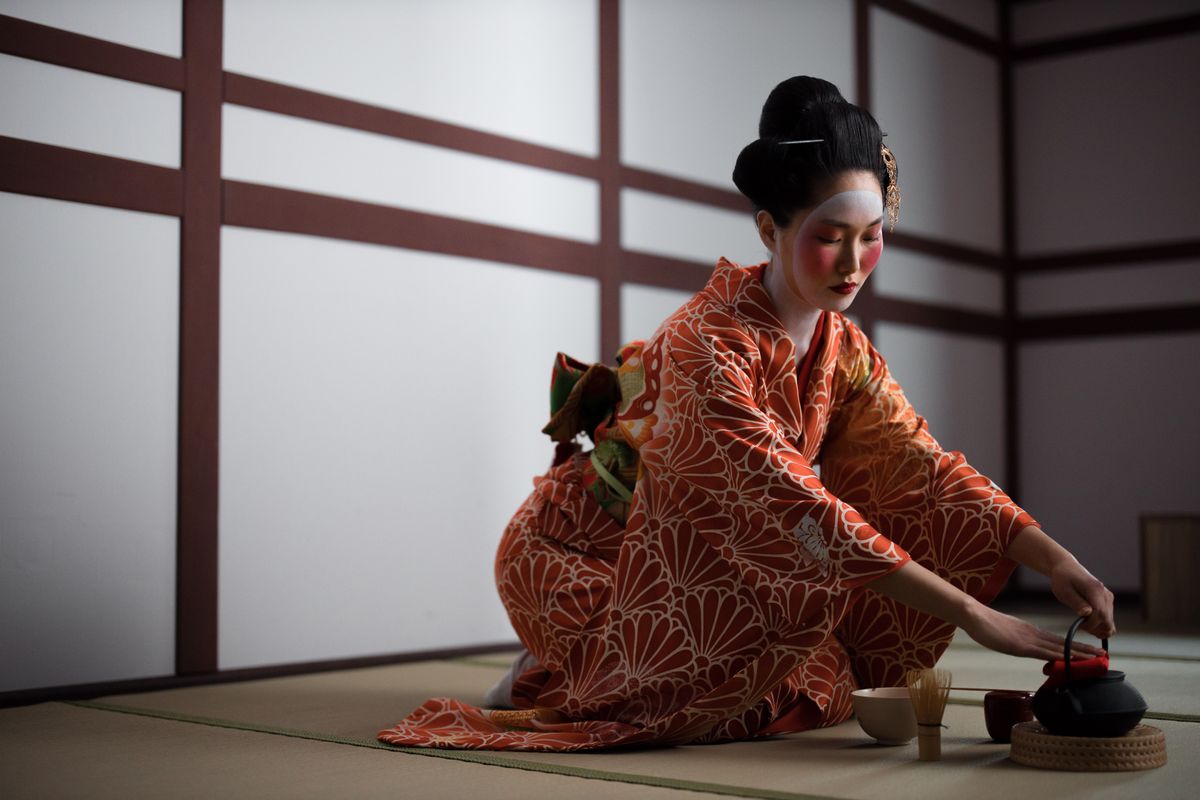
If you want to feel like you’ve stepped back into the Tokyo of a century ago, Asakusa is your neighborhood. This is the heart of shitamachi — “low city” — the traditional merchant and artisan districts that characterized Edo-period Tokyo. Asakusa survived the 1923 earthquake and World War II bombings better than most areas, preserving its old-world character.
Senso-ji Temple is the anchor of Asakusa, and it’s spectacular — especially in the early morning before crowds arrive. The Nakamise shopping street leading to the temple gate is lined with traditional craft shops selling everything from paper fans to ningyo-yaki (small cakes shaped like lanterns or pigeons). Beyond the temple grounds, explore the back streets of Kappabashi (wholesale kitchen equipment district) and the trendy Yanaka neighborhood nearby.
Best for: Culture seekers, photographers, those who want a more atmospheric and quieter base, families who prefer a slower pace.
Typical hotel cost: ¥7,000–¥20,000/night. Some excellent ryokan (traditional Japanese inns) in this area for ¥15,000–¥40,000/night.
Don’t miss nearby: Senso-ji Temple (free entry), rickshaw rides, the Sumida River waterbus to Odaiba, Tokyo Skytree (10 minutes away on foot).
Shibuya: Youth Culture and Iconic Crossings
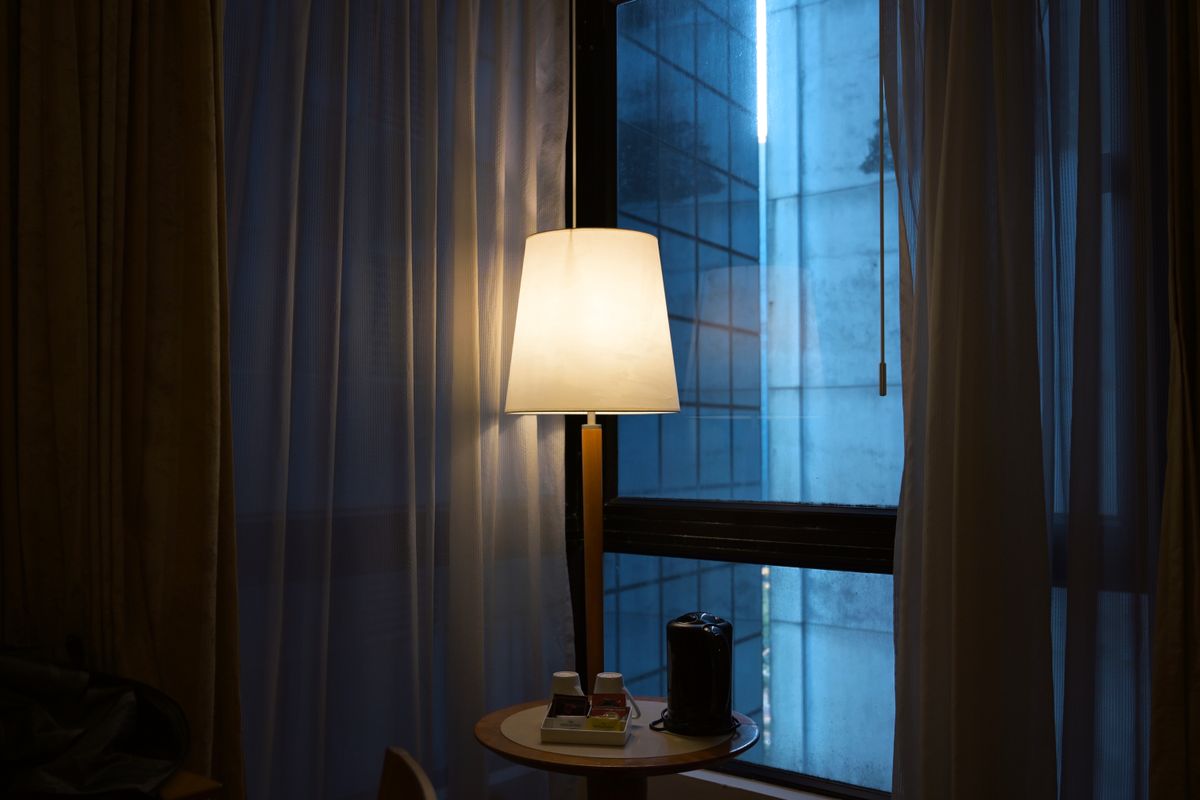
The Shibuya Scramble Crossing is perhaps the most photographed intersection on earth — and for good reason. When the lights turn red, up to 3,000 pedestrians cross simultaneously from all directions, a mesmerizing flow of humanity that’s become symbolic of modern Tokyo. But Shibuya is much more than that one famous corner.
Shibuya is where Tokyo’s youth culture pulses strongest. Harajuku (a short walk north) is the birthplace of Japan’s eccentric fashion subcultures, while Omotesando — Tokyo’s answer to the Champs-Élysées — showcases flagship stores by the world’s luxury brands in architecturally stunning buildings. Cat Street nearby has an excellent mix of independent boutiques and cafes. For shopping at all price points, Shibuya 109 and the surrounding streets offer everything from fast fashion to vintage finds.
Best for: Fashion-conscious travelers, young adults, Instagram photographers, those interested in pop culture and street fashion.
Typical hotel cost: ¥10,000–¥30,000/night for mid-range options.
Don’t miss nearby: Meiji Jingu Shrine (free, peaceful forest walk), Yoyogi Park, Daikanyama’s boutiques and the iconic Tsutaya Books, Ebisu Garden Place.
Ginza: Luxury and Sophistication
Tokyo’s most upscale neighborhood, Ginza is Japan’s equivalent of New York’s Fifth Avenue or Paris’s Rue du Faubourg Saint-Honoré. Wide, tree-lined boulevards are flanked by flagship stores of every major international and Japanese luxury brand, alongside world-class galleries, the legendary Kabuki-za theatre, and Michelin-starred restaurants.
Staying in Ginza puts you at the center of old-money Tokyo sophistication. On weekend afternoons, Chuo-dori (the main street) is closed to traffic and becomes a pedestrian paradise. The area also benefits from excellent access to Tokyo Station (gateway to bullet trains) and the Imperial Palace East Gardens.
Best for: Luxury travelers, couples on honeymoon, those attending business meetings, opera/theatre goers, and foodies targeting high-end restaurants.
Typical hotel cost: ¥25,000–¥80,000/night (this is luxury territory). The Mandarin Oriental, Conrad, and Palace Hotel Tokyo are in or near Ginza.
Don’t miss nearby: Tsukiji Outer Market (fresh sushi breakfast), teamLab Planets or Borderless digital art museums, Imperial Palace East Gardens (free).
Akihabara: Electric Town for Anime and Tech Fans
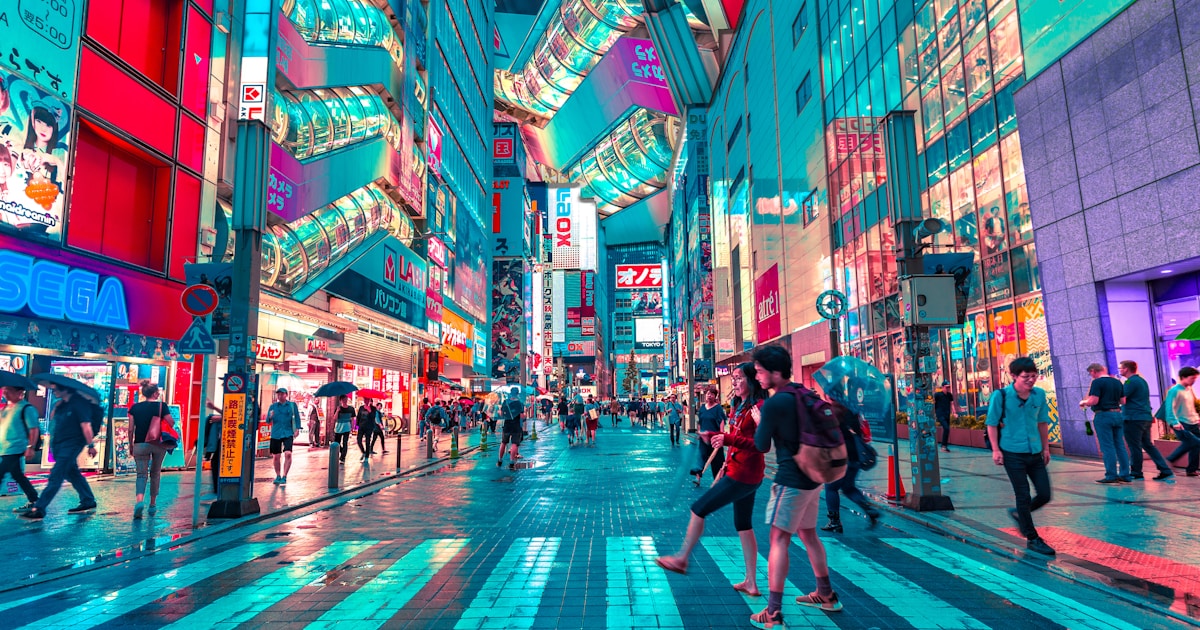
Akihabara is unlike anywhere else on earth. Walk out of the station and you’re immediately surrounded by multi-story electronics stores blasting anime theme songs, maid cafes with girls in frilly outfits handing out flyers, and shops stacked floor to ceiling with manga, video games, and collectible figures. It’s overwhelming and wonderful in equal measure.
Even if you’re not an anime fan, Akihabara is worth visiting at least once for the sheer spectacle. But if you ARE into gaming, anime, manga, or retro electronics, you could genuinely spend days here. Yodobashi Camera is a legendary electronics megastore. Super Potato is a mecca for retro gaming. And the dozens of specialized hobby shops sell items you simply cannot find anywhere else.
Akihabara is also centrally located on the JR Yamanote and Sobu lines, making it a surprisingly practical base despite its niche reputation.
Best for: Gamers, anime fans, technology enthusiasts, those on a budget (many cheaper hotels in the area).
Typical hotel cost: ¥6,000–¥18,000/night. Some of Tokyo’s best budget options are found here.
Don’t miss nearby: Kanda Myojin Shrine, Okachimachi street market, Ueno Park and museums (10 minutes by train).
Roppongi: Nightlife and Art Museums
Roppongi has a dual identity that often surprises visitors. By day, it’s home to two of Tokyo’s best art museums: Mori Art Museum (with spectacular city views from the 52nd floor) and the National Art Center, plus the Suntory Museum of Art. The area also houses many foreign embassies and international businesses, giving it a cosmopolitan feel.
By night, Roppongi transforms into Tokyo’s most internationally-oriented nightlife district. Clubs, bars, and restaurants cater to a mix of expats, tourists, and Tokyo’s international business community. If you’re looking to experience Tokyo’s club scene, this is where to go — though be aware it can get rowdy in the small hours, and some establishments near the main drag have aggressive touts.
Best for: Art lovers, nightlife seekers, international visitors who prefer English-speaking environments, business travelers.
Typical hotel cost: ¥12,000–¥35,000/night. Several high-end hotels including the Grand Hyatt Tokyo.
Don’t miss nearby: Mori Art Museum and Tokyo City View observation deck, Azabu-Juban (charming local shopping street), Zojo-ji Temple with Tokyo Tower backdrop.
Ueno: Museums and Cherry Blossoms
Ueno is Tokyo’s cultural heartland. Ueno Park houses an extraordinary concentration of world-class institutions: the Tokyo National Museum (Japan’s largest and oldest museum), the National Museum of Nature and Science, the National Museum of Western Art (a UNESCO World Heritage building designed by Le Corbusier), the Tokyo Metropolitan Art Museum, Ueno Zoo, and Shinobazu Pond.
Every spring, Ueno Park becomes one of Tokyo’s most famous hanami (cherry blossom viewing) spots — thousands of people gather under the trees for picnics and parties. It’s chaotic, colorful, and quintessentially Japanese. Ueno is also extremely affordable, with many budget hotels and excellent street food options in the nearby Ameyoko market.
Best for: Museum enthusiasts, budget travelers, those visiting during cherry blossom season, families with children (great zoo and nature museum).
Typical hotel cost: ¥5,000–¥15,000/night. Excellent budget-to-mid-range options.
Don’t miss nearby: Ameyoko market (street food and bargain shopping), Yanaka old-town neighborhood (10-minute walk), Akihabara (5 minutes by train).
Marunouchi and Tokyo Station Area: Business and Convenience
Tokyo Station is a masterpiece of architecture — the redbrick 1914 Marunouchi facade was painstakingly restored to its original glory. Staying near Tokyo Station means unmatched transport access: Shinkansen to Kyoto, Osaka, and everywhere in Japan; multiple Metro lines; the Narita Express airport connection; and the Sobu and Yokosuka lines. If you’re doing a Japan rail trip, this location minimizes friction enormously.
The Marunouchi and Nihonbashi districts surrounding Tokyo Station are sleek, modern, and primarily business-oriented — think glass towers and upscale restaurants packed with salary workers at lunch. It’s quieter in the evenings than entertainment districts, but that can be a plus for travelers who want a peaceful night’s sleep.
Best for: Business travelers, JR Pass users doing multi-city trips, those who prioritize transport access over atmosphere.
Typical hotel cost: ¥15,000–¥50,000/night. The Palace Hotel Tokyo and Shangri-La are nearby landmarks.
Which Neighborhood is Right for You? A Quick Decision Guide
Here’s a quick summary to help you decide:
You want maximum convenience and don’t mind crowds → Shinjuku
You want traditional atmosphere and temples → Asakusa
You’re into fashion, youth culture, and Instagram moments → Shibuya or Harajuku
You’re traveling on a luxury budget or honeymoon → Ginza or Roppongi
You love gaming, anime, and tech → Akihabara
You’re a museum enthusiast or on a budget → Ueno
You’re doing a Japan rail trip and prioritize transport → Tokyo Station / Marunouchi
Practical Tips for Booking Tokyo Hotels
Book early, especially for peak seasons. Cherry blossom season (late March–early April) and autumn foliage season (November) see massive demand. Hotels in popular neighborhoods can sell out months in advance. Golden Week (late April–early May) is another extremely busy period when domestic tourism peaks.
Consider splitting your stay. Tokyo is large enough that spending 3 nights in Asakusa and 3 nights in Shibuya, for example, gives you two completely different experiences and reduces commuting time to different parts of the city. Many travelers find this approach ideal for longer stays.
Look beyond the obvious chains. Tokyo has an exceptional variety of independent hotels, boutique ryokan, design hotels, and traditional inns that you won’t find on Western booking sites unless you search specifically. Booking.com tends to have the most comprehensive inventory for Tokyo accommodation.
Check the breakfast situation. Many Tokyo hotels offer remarkable breakfast spreads — Japanese-style breakfasts with grilled fish, miso soup, pickles, and rice are a treat. Some hotels include breakfast in the room rate; others charge separately (usually ¥1,500–¥3,000 extra).
Luggage storage is your friend. If you’re changing neighborhoods mid-trip, services like Ecbo Cloak allow you to store luggage at convenience stores and shops across the city for around ¥600/day per bag. This lets you check out in the morning and still explore with your hands free before checking into your next hotel.
Before heading out, make sure you have a Japan eSIM ready. Get your Japan eSIM (Stay connected from day 1) →
Book your hotel on Agoda (Best prices guaranteed) → or
Getting Around Between Neighborhoods
The Tokyo Metro and Toei Subway networks cover the entire city with extraordinary efficiency. Trains run from approximately 5:00am to midnight, with frequencies of 2–5 minutes during peak hours. The IC card system (Suica or Pasmo) works on all trains, buses, and even at many convenience stores and vending machines — load it up at any station and tap in/out at every journey.
A single Metro fare within central Tokyo typically costs ¥170–¥310. A 24-hour Metro pass costs ¥600 and is excellent value if you’re taking more than 3 or 4 journeys in a day. For 48-hour and 72-hour passes, the savings become even more significant.
Taxis in Tokyo are clean, metered, and reliable — but expensive. Expect ¥730 as a starting fare, with the meter ticking up quickly. They’re useful for late nights when trains have stopped, but for daytime travel, the train network is always faster and cheaper.
Final Thoughts
There’s no single “best” neighborhood in Tokyo — it entirely depends on what you value in a travel experience. What we can say with confidence is that any of the areas covered in this guide will give you excellent access to the city’s attractions, reliable transport, and plenty of great food options within walking distance.
If this is your first time in Tokyo and you’re staying 3–4 nights, we’d recommend Shinjuku or Asakusa as your base. Both neighborhoods are welcoming to first-time visitors, have excellent hotel variety across all price points, and put you close to some of the city’s most essential experiences. From either of these areas, you can reach anywhere else in Tokyo in under 40 minutes by train.
Wherever you stay, get an early start each morning — Tokyo’s popular attractions are significantly more enjoyable before the crowds arrive at 10am. And don’t forget to explore the streets and alleyways around your hotel; some of the best Tokyo experiences happen not at famous landmarks but in the neighbourhood izakayas and local coffee shops that capture the true spirit of this extraordinary city.
Tokyo Neighborhood Guide: Practical Details for Choosing Your Base
The choice of where to stay in Tokyo shapes your entire experience — from how much time you spend on trains to what you encounter when you walk out the door. Here is a deeper look at what each major accommodation area delivers in practice.
Shinjuku: The Ultimate First-Timer Base
Shinjuku Station handles approximately 3.6 million passengers per day and is Japan’s — and the world’s — busiest rail station. As an accommodation base, this means extraordinary connectivity: direct trains to Narita Airport (Narita Express), direct access to every Tokyo Metro and JR line, and proximity to the Shinkansen hub at Shibuya and the Odakyu Romance Car to Hakone. The Shinjuku area itself divides into three distinct zones: East Shinjuku (Kabukicho entertainment, Isetan and Takashimaya department stores, Golden Gai bar alley), West Shinjuku (corporate towers, Tokyo Metropolitan Government Observatory free view, Odakyu and Keio railway departure halls), and South Shinjuku (Takashimaya Times Square, bus terminals for day trips). For first-time visitors, Shinjuku offers the most connections, the most variety, and the least chance of making a costly logistical mistake. It is not the most atmospheric area — it is the most practical one.
Best for: First-time visitors, solo travellers, anyone taking multiple day trips. Avoid if: You prioritise quiet streets and traditional atmosphere.
Hotel price range: Capsule hotels from ¥3,500. Business hotels (APA, Toyoko Inn) from ¥7,000–¥10,000. Mid-range from ¥12,000–¥20,000. Luxury from ¥35,000 (Hyatt Regency, Park Hyatt).
Asakusa: Old Tokyo Atmosphere at Lower Prices
Asakusa sits in Tokyo’s Shitamachi (downtown) district — the historically working-class area east of the Sumida River that survived World War II bombing more intact than other districts. Sensoji Temple, the Nakamise shopping street, and the Kappabashi Kitchen Street (where professional catering equipment and traditional knives are sold to the public) make Asakusa one of Tokyo’s most genuinely interesting neighbourhoods. It also sits on the Ginza and Toei Asakusa metro lines with direct connections to Ueno (for Tokyo National Museum), Akihabara, and Nihonbashi.
Accommodation in Asakusa skews toward traditional ryokan, budget guesthouses, and smaller business hotels. Prices run 20–30% lower than Shinjuku and Shibuya equivalents. The Asakusa area feels genuinely Japanese in a way that the massive modern districts do not — local izakayas, traditional craft shops, and temple grounds coexist with increasingly polished hotels serving international visitors.
Best for: Visitors prioritising Japanese atmosphere, budget travellers, anyone interested in traditional crafts and old-Tokyo culture. Avoid if: You rely heavily on JR lines (Asakusa is Toei and Ginza metro primarily, with less JR access than Shinjuku or Ueno).
Hotel price range: Budget guesthouses and ryokan from ¥4,000–¥7,000. Business hotels from ¥7,000–¥12,000. Boutique hotels and traditional ryokan from ¥15,000–¥30,000.
Shibuya: Young, Fashionable, and Well-Connected
Shibuya is best known internationally for the Scramble Crossing — the multi-directional pedestrian crossing that handles 500,000+ people per day and has become one of Tokyo’s most-photographed sights. But Shibuya as an accommodation base offers considerably more than photo opportunities. The area’s rail connectivity rivals Shinjuku: JR Yamanote Line (the main Tokyo circle line), Tokyu lines south to Yokohama and Kamakura, Keio Inokashira Line to Shimokitazawa, and multiple Metro connections. The surrounding neighbourhoods — Daikanyama (boutique fashion and coffee), Nakameguro (canal-side restaurants and cherry blossoms), and Omotesando (high-end shopping and architecture) — are within 10–20 minutes on foot or one metro stop.
Shibuya skews younger and more fashion-forward than Shinjuku, with a stronger cluster of boutique and design hotels. It is an excellent base for fashion-conscious travellers, those wanting access to south Tokyo, and anyone spending time at Roppongi (one metro stop) or Harajuku (two stations on the JR Yamanote Line).
Hotel price range: Business hotels from ¥9,000–¥15,000. Boutique and design hotels from ¥18,000–¥35,000. Luxury (Cerulean Tower Tokyu) from ¥40,000+.
Ueno: Museums, Parks, and Budget Access
Ueno is Tokyo’s museum district and one of its most underrated accommodation areas. The Tokyo National Museum (Japan’s largest), the National Museum of Nature and Science, the National Museum of Western Art, and Ueno Zoo are all within walking distance. Ueno Park is Tokyo’s premier cherry blossom destination in April. Ameyoko market — a sprawling outdoor market stretching under the JR tracks — sells street food, fresh seafood, dried goods, and discounted clothing daily. Ueno’s proximity to Akihabara (one stop south), Asakusa (one stop east on the Ginza line), and Ikebukuro (two stops north on the JR Yamanote) makes it excellent for travellers wanting to explore north and east Tokyo.
Hotel price range: Business hotels from ¥6,500–¥10,000. Several well-reviewed mid-range options from ¥10,000–¥18,000. Traditional ryokan in the adjacent Yanaka district from ¥12,000–¥25,000.
Ginza and Marunouchi: Luxury and Business at Tokyo’s Centre
Ginza is Tokyo’s most prestigious address — a grid of wide boulevards lined with flagship stores (Chanel, Dior, Mikimoto, Mitsukoshi), high-end restaurants, and art galleries. Accommodation in Ginza is overwhelmingly upscale: the Mandarin Oriental, Palace Hotel Tokyo, Four Seasons Marunouchi, and Aman Tokyo all sit within 10 minutes of this area, with room rates from ¥60,000–¥200,000+. The area is immaculate, extremely safe, and offers a very different experience of Tokyo than the chaotic energy of Shinjuku or Shibuya. For luxury travellers or those on business itineraries, Ginza is the obvious choice. For budget travellers or those wanting to experience Tokyo’s street-level culture, it is the wrong base.
Day Trip Accessibility From Different Tokyo Bases
Where you stay in Tokyo significantly affects day trip convenience. Here is how each area fares for the most common day trips:
Nikko (2.5 hours): Fastest from Ueno (JR Utsunomiya Shinkansen from Ueno to Utsunomiya, then local to Nikko). Manageable from Shinjuku or Shibuya via one transfer.
Hakone (1.5 hours): Fastest from Shinjuku (Odakyu Romancecar direct from Shinjuku Station to Hakone-Yumoto). Also convenient from Shibuya. Less convenient from Asakusa or Ueno without JR Shinkansen option via Shin-Yokohama.
Kamakura (1 hour): Fastest from Shibuya or Shinjuku (JR Shonan-Shinjuku Line direct to Kamakura). Very convenient from Harajuku and Ebisu too. Less direct from Asakusa or Ueno.
Yokohama (30 minutes): Convenient from Shibuya (Tokyu Toyoko Line direct to Yokohama in 28 minutes). Also easy from Shinjuku (JR Shonan-Shinjuku Line). Accessible from any Tokyo area within 45 minutes.
Mount Fuji / Kawaguchiko (2 hours): Easiest from Shinjuku (direct bus from Shinjuku Expressway Bus Terminal to Kawaguchiko in 2 hours, from ¥1,800). JR option from Shinjuku to Otsuki then Fujikyu Railway. Manageable from all areas with one transfer at Shinjuku.
Neighbourhood Food Specialties
Each Tokyo neighbourhood has a food culture worth knowing before you arrive:
Asakusa: Traditional Japanese sweets (ningyo-yaki, melonpan, anmitsu), yakitori at Hoppy Street, monjayaki (savoury pancake variation), soba noodles in classic old-school restaurants.
Shinjuku: Everything — but notably the memory lane yakitori alleys (Omoide Yokocho west of Shinjuku Station), izakayas along Kabukicho, and the restaurant floors of department stores (11th–13th floors of Takashimaya Times Square have 60+ restaurants).
Shibuya and Ebisu: International cuisine, third-wave coffee shops, trendy fusion restaurants, and Daikanyama’s exceptional cafe scene.
Ueno and Akihabara: Budget ramen and soba, street food at Ameyoko, izakayas around Ueno park, maid cafes and themed restaurants in Akihabara.
Frequently Asked Questions: Tokyo Neighborhoods
Q: Should I stay in Tokyo or Osaka on a first Japan trip?
A: If your itinerary includes both cities, staying in Tokyo for the first leg and Osaka for the second (or vice versa) is standard and works well. Tokyo as a base offers the largest range of activities and day trips. Osaka offers excellent food culture and is a 15–45 minutes cheaper Shinkansen connection to Kyoto than Tokyo.
Q: Is it safe to stay anywhere in Tokyo?
A: Tokyo is one of the world’s safest major cities. All major tourist accommodation areas have extremely low crime rates. The Kabukicho entertainment district in Shinjuku has more street solicitation than other areas (hosts outside bars attempting to attract customers) but is not unsafe. The only area visitors commonly mention with mild caution is around specific entertainment venues late at night — exercise the same judgment you would anywhere.
Q: How important is it to stay near a subway line vs the JR Yamanote Line?
A: Both are excellent. The JR Yamanote Line (the main circle train) serves the key hubs: Shinjuku, Shibuya, Harajuku, Ebisu, Osaki, Shinagawa, Tokyo, Akihabara, Ueno, Ikebukuro. Staying within 5 minutes of any Yamanote station gives you practical access to the entire inner city. Tokyo Metro adds coverage into the older eastern districts (Ginza, Nihonbashi, Roppongi) not on the Yamanote. Both networks accept the IC card (Suica/Pasmo).
Q: Is Akihabara a good base for non-anime/gaming travellers?
A: Akihabara is an interesting neighbourhood to visit but not an ideal base unless electronics and anime are your primary interests. Adjacent Ueno is far more practical as a base with better transport connections, more dining variety, and proximity to the museum district.
Q: Which neighbourhood is best for families with young children?
A: Asakusa combines child-friendly activities (Sensoji Temple, Sumida Aquarium, Tokyo Skytree), manageable walking distances, and good budget hotel options. Ueno is equally good for families wanting museum access. Shinjuku and Shibuya are fine logistically but the entertainment-heavy atmosphere around the main stations is less ideal for families with very young children in the evenings.
Practical Booking Tips for Tokyo Accommodation
A few final practical notes that make a real difference when booking Tokyo accommodation.
Book directly for business hotel chains when possible. APA Hotel, Toyoko Inn, and Dormy Inn all run loyalty programs with direct-booking discounts. Toyoko Inn’s loyalty membership (free to join) provides discounted rates and builds toward complimentary nights. For a 10–14 day trip with multiple nights at the same chain in different cities, this adds up quickly.
Use Japanese booking platforms too. Jalan.net and Rakuten Travel often list Japan-only deals and early-booking rates not available on Booking.com or Expedia — particularly for traditional inns and smaller ryokan in Tokyo’s outer districts. Both sites have English interfaces.
Cherry blossom and Golden Week: 3–6 months lead time required. Standard business hotel availability disappears very quickly for early April and late April to early May. If your dates fall in these windows, book immediately after confirming your flights. An inflexible 10-night itinerary starting early April planned 3 weeks out will not find good accommodation at reasonable prices.
Quieter areas for lighter sleepers. Tokyo is a quiet city by global standards, but entertainment districts (Kabukicho in Shinjuku, Shibuya crossing area, Roppongi) have foot traffic and ambient noise until 3–4 AM on weekends. For light sleepers, book 2–3 blocks removed from the main entertainment strips, or base yourself in Asakusa, Ueno, or residential neighbourhoods like Shimokitazawa and Nakameguro.
Airport to hotel: quickest routes. From Narita: Narita Express (N’EX) direct to Shinjuku, Shibuya, and Yokohama in 90 minutes (¥4,070). The Keisei Skyliner to Ueno then JR is slightly cheaper (¥2,520 + ¥160) and useful for Ueno and Asakusa bases. From Haneda: Keikyu Airport Express to Shinagawa in 13 minutes (¥340) then JR Yamanote to anywhere — fastest and cheapest for most Tokyo neighbourhoods.
Day Trip Accessibility by Neighbourhood
Where you stay significantly affects how convenient Tokyo day trips are.
Nikko: Fastest from Ueno (JR Shinkansen to Utsunomiya, then local to Nikko). Manageable from Shinjuku or Shibuya with one transfer at Ueno.
Hakone: Fastest from Shinjuku (Odakyu Romancecar direct, 85 minutes). Less convenient from Asakusa or Ueno, which require a transfer to Shinjuku or use of JR via Odawara.
Kamakura: Fastest from Shibuya or Shinjuku (JR Shonan-Shinjuku Line direct, 55–60 minutes). Also excellent from Osaki and Ebisu. Less direct from Asakusa or Ueno (transfer to Shinjuku required).
Mount Fuji / Kawaguchiko: Easiest from Shinjuku (highway bus direct from Shinjuku Highway Bus Terminal, 2 hours, ¥1,800 one-way). Manageable from any area via transfer at Shinjuku.
Yokohama: Under 30 minutes from most Tokyo neighbourhoods. From Shibuya: Tokyu Toyoko Line direct in 28 minutes (¥280). From Shinjuku: JR direct in 35 minutes.
Tokyo Neighbourhood Food Highlights
Each area has a food culture worth knowing before you arrive.
Asakusa: Traditional Japanese sweets (ningyo-yaki, anmitsu, kakigori shaved ice in summer), yakitori along Hoppy Street, old-school soba restaurants, thick Edo-style udon, monjayaki savoury pancakes at Kaminarimon area restaurants.
Shinjuku: The Omoide Yokocho yakitori memory lane (smoke-filled alley of tiny bars serving charcoal-grilled skewers from ¥150 each), izakaya floors throughout Kabukicho, vast restaurant selections across 10+ floors of Takashimaya Times Square and Isetan department stores.
Shibuya and Ebisu: Third-wave coffee culture (Onibus, Fuglen Tokyo branches), international cuisine, upscale Japanese restaurants in Daikanyama, canal-side Nakameguro dining, and the Shibuya Hikarie and Scramble Square food floors.
Ueno and Akihabara: Ameyoko market street food (takoyaki, grilled seafood, cheap snacks), budget ramen and soba, standing bars under the JR tracks, themed cafes and restaurants in Akihabara.
Neighbourhood Quick-Reference Summary
Shinjuku: First-timer best choice, maximum connectivity, all budgets, busy and commercial but logistically unbeatable.
Asakusa: Traditional atmosphere, lower prices, best ryokan options in central Tokyo, ideal for culture-focused travellers.
Shibuya: Fashion, south Tokyo access (Kamakura, Yokohama), boutique hotels, younger travellers.
Ueno: Museums, budget hotels, proximity to Asakusa and Akihabara, excellent family base.
Ginza and Marunouchi: Luxury travel, business itineraries, high-end dining. Not for budget travellers.
For complete trip planning, see our 2-Week Japan Itinerary, our Best Time to Visit Japan guide, and our Japan Budget Travel Guide. Tokyo is endlessly rewarding regardless of which neighbourhood you choose — the transport network ensures no base puts you more than one easy train ride from anywhere.
Frequently Asked Questions: Tokyo Neighbourhoods
Q: Is it safe to stay anywhere in Tokyo?
A: Tokyo is one of the world’s safest major cities. All major tourist accommodation areas have extremely low crime rates. The Kabukicho entertainment district in Shinjuku has more street solicitation than other areas, but is not unsafe. Exercise the same situational awareness you would in any busy city after midnight.
Q: How important is it to stay near the JR Yamanote Line vs Tokyo Metro?
A: Both are excellent. The JR Yamanote Line circles the inner city hitting all key hubs: Shinjuku, Shibuya, Harajuku, Ueno, Akihabara, Tokyo, Shinagawa. Tokyo Metro adds coverage into older eastern districts (Ginza, Nihonbashi, Roppongi) not on the Yamanote. Staying within 5 minutes of any Yamanote station gives practical access to the entire inner city. Both networks accept Suica and Pasmo IC cards.
Q: Which neighbourhood is best for families with young children?
A: Asakusa is excellent for families — Sensoji Temple, Sumida Aquarium, Tokyo Skytree, and manageable walking distances. Ueno is equally good with its museum cluster and Ueno Zoo. Shinjuku and Shibuya work logistically but the dense entertainment-area atmosphere is less relaxed for families with very young children in the evenings.
Q: Should I stay in Tokyo or Osaka for a first Japan trip?
A: If your itinerary includes both cities, staying in Tokyo for the first leg and Osaka for the second (or vice versa) works very well. Tokyo as a base offers the widest range of activities and day trips; Osaka offers a more relaxed food culture and cheaper accommodation near Kyoto and Nara. Most first-timers find Tokyo the more impressive initial arrival city.
Q: Is Akihabara a good base for non-gaming travellers?
A: Akihabara is interesting to visit but not an ideal base unless electronics and anime are primary interests. The adjacent Ueno area is far better as a base — better transport connections, more dining variety, proximity to the museum district, and a much wider range of accommodation options.
Tokyo is ready to reward every type of traveller, in every neighbourhood.
Going to Japan? Talk to locals with confidence.
Hirameki Japanese — instant offline translation, camera translation, furigana + romaji, and 314 free flashcards. No login. Works without internet.

Plan your Japan trip
Two things every first-timer should book
Some links are affiliate links. If you book through them we may earn a small commission at no extra cost to you.