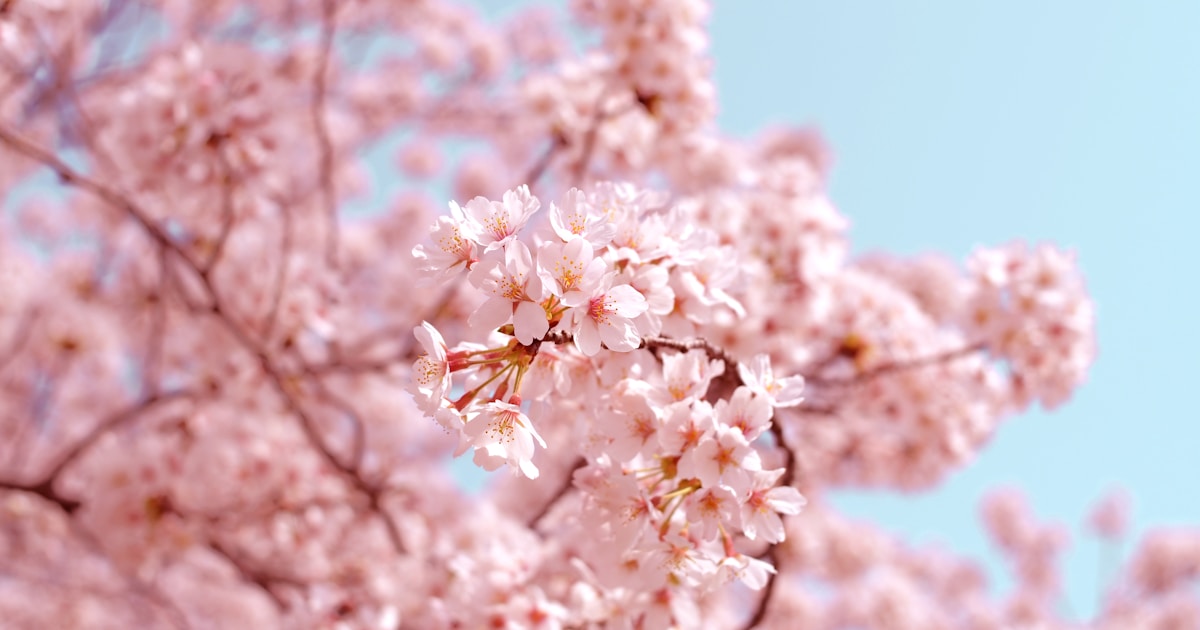
Choosing the right time to visit Japan can make or break your trip. Japan is a spectacular year-round destination, but each season offers a completely different experience — from the delicate pink of cherry blossoms in spring to the fiery crimson of maple leaves in autumn, from the electric energy of summer festivals to the tranquil beauty of snow-covered temples in winter. This comprehensive guide breaks down every single month so you can find the perfect time for your travel style, interests, and budget.
Japan’s climate varies significantly by region. While Tokyo, Kyoto, and Osaka experience four distinct seasons, Hokkaido (Japan’s northernmost island) has long, snowy winters and cool summers, while Okinawa (in the far south) remains warm year-round and follows a subtropical pattern. Keep your destination in mind as you read through this guide.
Spring (March–May): Cherry Blossom Season — The Most Magical Time
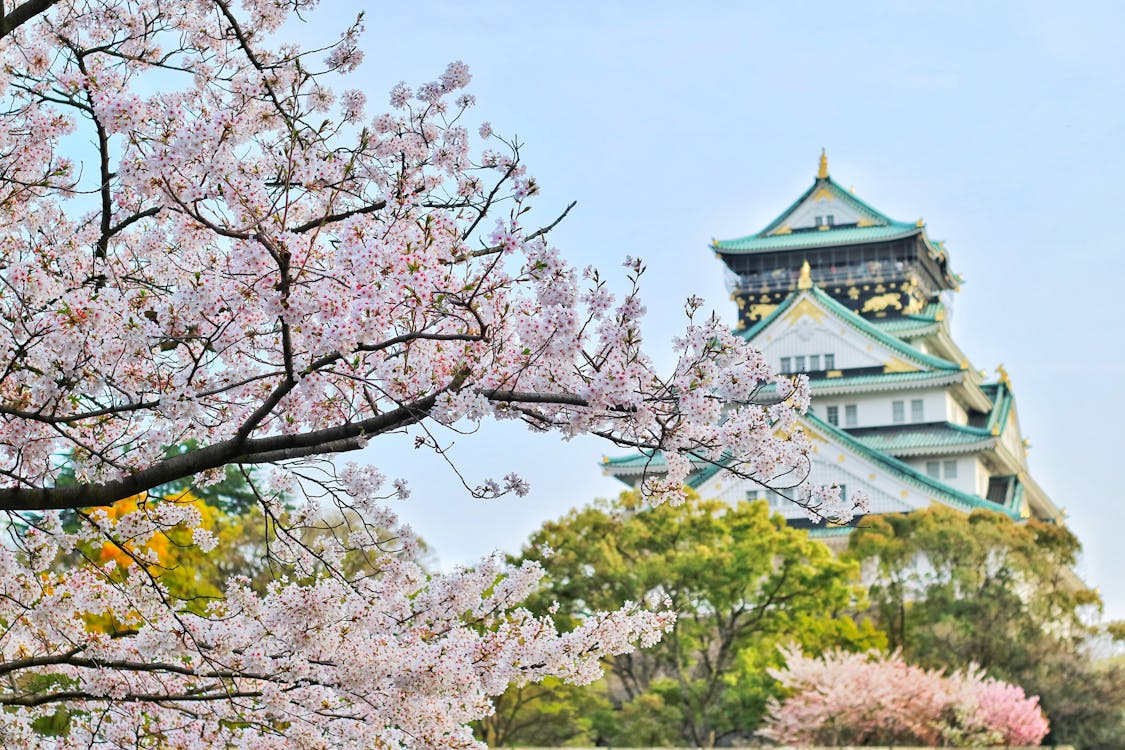
Spring is arguably the most magical time to visit Japan, and it’s easy to understand why millions of visitors time their trips around it. Cherry blossoms — known in Japanese as sakura — transform the country into a breathtaking pink wonderland for a brief two to three weeks each year. Parks, riverbanks, castle grounds, and mountain slopes burst with color, and locals celebrate with hanami (flower-viewing) picnics where families and friends gather under the blooming trees to eat, drink, and enjoy the fleeting beauty.
The cherry blossom front (known as the sakura zensen) moves northward from late March through early May, starting in southern Kyushu and working its way up to Hokkaido. This means savvy travelers can actually follow the blossoms northward for an extended viewing period.
Cherry Blossom Peak Times by Region
- Kyushu (Fukuoka, Nagasaki): Late March to early April
- Tokyo: Late March to early April (typically peaks around March 25–April 5)
- Kyoto: Late March to early April (typically peaks around March 28–April 7)
- Osaka: Late March to early April
- Kanazawa: Early to mid-April
- Tohoku (Sendai, Hirosaki): Mid to late April
- Hokkaido (Sapporo): Late April to early May
The most famous cherry blossom viewing spots include Shinjuku Gyoen and Ueno Park in Tokyo, Maruyama Park and the Philosopher’s Path in Kyoto, Osaka Castle Park, Hirosaki Castle in Aomori (one of Japan’s best), and Matsumae Castle in Hokkaido.
The downside of spring travel: Spring is peak tourist season, and this brings challenges. Hotels fill up months in advance — sometimes 6 months or more for popular areas like Kyoto during peak bloom. Prices surge significantly during hanami season, with accommodation often costing 50–100% more than off-peak rates. Popular attractions can become extremely crowded, particularly on weekends. Book as early as possible if you plan to visit during cherry blossom season. That said, the experience of seeing Japan in full bloom is genuinely once-in-a-lifetime and worth the extra planning effort.
Late April brings Golden Week (late April through early May) — a cluster of national holidays that sees millions of Japanese people traveling domestically. Avoid traveling within Japan during Golden Week if possible, as trains, hotels, and attractions are packed to capacity and prices reach their annual peak.
Early Summer (June): Rainy Season and Hydrangeas

June is Japan’s tsuyu (rainy season), bringing frequent rain and high humidity to most of Honshu (the main island). Many first-time visitors avoid June for this reason, but it’s actually one of the best-kept secrets for smart travelers. Here’s why June deserves more credit:
- Far fewer crowds: The rain keeps many tourists away, meaning you can visit famous temples and shrines in Kyoto or Nara without the usual crush of visitors.
- Lower prices: Accommodation and flights are significantly cheaper than spring or autumn peak periods.
- Beautiful hydrangeas: Japan’s hydrangeas (ajisai) bloom spectacularly in June, turning temple gardens into a sea of blue, purple, and pink. Meigetsuin Temple in Kamakura is particularly famous for its hydrangea displays.
- Lush greenery: The rain transforms Japan’s mountains, rice fields, and gardens into vivid shades of green that photographers love.
Note that Hokkaido doesn’t experience the rainy season — June there is actually one of the best months, with mild temperatures, lavender beginning to bloom, and very few tourists.
Summer (July–August): Festivals, Fireworks, and Heat
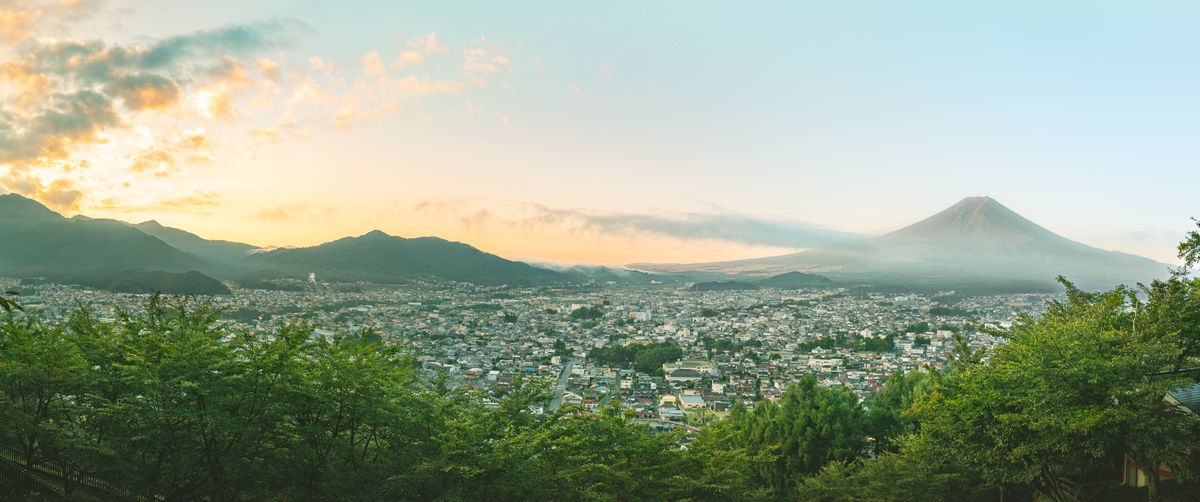
Japanese summers are hot and humid, particularly in July and August. Temperatures regularly hit 35°C (95°F) in major cities, and the humidity makes it feel even hotter. This is not the most comfortable time for sightseeing in cities, but summer has its own undeniable appeal — and if you know how to handle the heat, it can be an unforgettable season to visit.
Summer is the season of Japan’s spectacular matsuri (festivals). Communities across the country hold elaborate celebrations with traditional music, dancing, street food stalls, and ceremonial processions. Many festivals culminate in spectacular fireworks displays (hanabi) that draw tens of thousands of spectators.
Top Summer Festivals and Events
- Gion Matsuri (Kyoto, July): One of Japan’s three greatest festivals, running throughout July with the famous Yamaboko Junko float parade on July 17th and 24th. Dating back over 1,000 years, it’s a UNESCO Intangible Cultural Heritage event.
- Tenjin Matsuri (Osaka, July 24–25): One of Japan’s top three festivals, featuring a spectacular water procession on the Okawa River with over 100 traditional boats.
- Awa Odori (Tokushima, mid-August): Japan’s largest dance festival, with thousands of dancers and musicians performing the traditional Awa dance through the city streets.
- Obon (mid-August): A Buddhist festival honoring ancestors’ spirits, celebrated with traditional Bon Odori dances in communities across Japan. The atmosphere is atmospheric and deeply cultural.
- Sumidagawa Fireworks Festival (Tokyo, late July): One of Tokyo’s most beloved summer events, with over 20,000 fireworks launched over the Sumida River.
Summer is also the only season when you can climb Mount Fuji. The official climbing season runs from early July to early September, when mountain huts are open and conditions are relatively safe. See our Mount Fuji climbing guide for everything you need to know about making the ascent.
Practical tips for summer travel: Stay hydrated and carry water everywhere. Take advantage of Japan’s ubiquitous convenience stores (konbini) for cold drinks and air-conditioned breaks. Schedule outdoor sightseeing for early morning or late afternoon to avoid the worst of the midday heat. Museums, department stores, and shopping malls offer welcome air-conditioned refuge during the hottest hours.
Autumn (September–November): Fall Foliage — Japan’s Second Peak Season
Autumn rivals spring as the best time to visit Japan, and many experienced Japan travelers actually prefer it. The koyo (autumn foliage) season transforms Japan’s forests, mountain slopes, and temple gardens into a stunning palette of red, orange, gold, and yellow that seems almost impossibly vivid. Unlike the fleeting two-week window of cherry blossom season, autumn color lasts longer and offers a more extended window for perfect viewing.
Temperatures in autumn are ideal for sightseeing — typically 15–25°C (59–77°F) in October, cooling to 10–18°C (50–64°F) in November. The humidity that makes summer uncomfortable is gone, replaced by crisp, clear skies that make for excellent photography conditions.
Autumn Foliage Peak Times by Region
- Hokkaido (Daisetsuzan): Mid-September to mid-October (Japan’s earliest autumn color)
- Tohoku (Towada-Hachimantai): Early to mid-October
- Nikko (Tochigi): Mid to late October
- Japanese Alps: Mid to late October
- Tokyo: Mid to late November
- Kyoto: Mid to late November (typically peaks November 15–30)
- Osaka: Late November to early December
- Hiroshima: Late November to early December
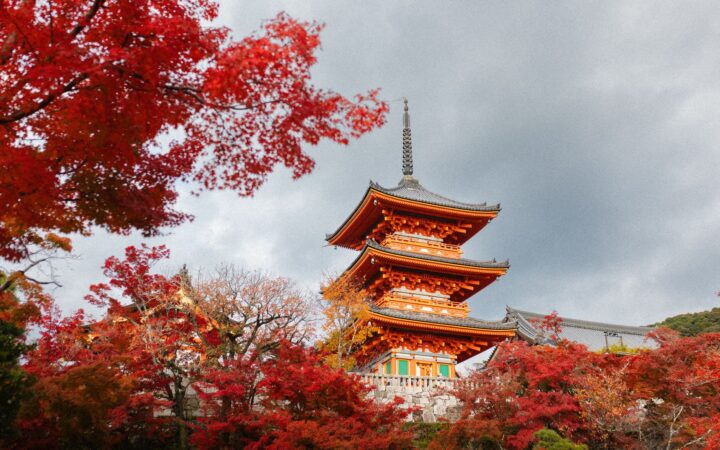
Kyoto is the undisputed capital of autumn foliage viewing in Japan. Temples like Tofuku-ji, Eikan-do, and Kiyomizu-dera become extraordinarily beautiful when surrounded by crimson maples, and evening illuminations at many temples add a magical, ethereal quality to the scenery. Like spring, Kyoto in November is extremely popular — book accommodation 3–6 months in advance and expect large crowds at the most famous spots.
September can bring typhoons (tropical storms) that occasionally cause disruptions to travel plans. The typhoon season runs roughly from August through October, with September being the most active month. Check weather forecasts before traveling during this period and be prepared for potential train delays or cancellations.
Winter (December–February): Snow, Onsen, and Fewer Crowds
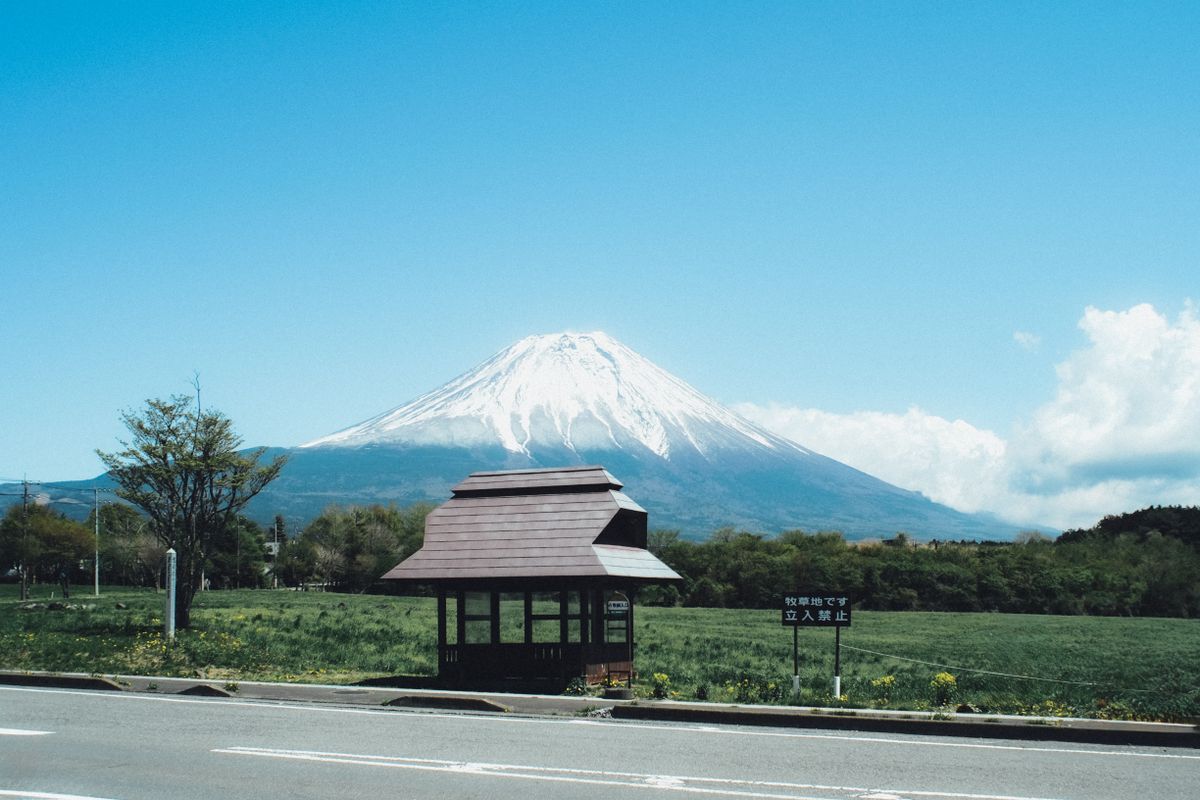
Winter is Japan’s best-kept secret for savvy travelers. It’s the low season for international tourism, which means lower prices, shorter queues, and a more authentic experience at major attractions. Yet Japan in winter is genuinely beautiful — cities sparkle with elaborate Christmas illuminations, Hokkaido and the Japanese Alps offer world-class skiing, and the combination of cold weather and hot springs makes for one of travel’s great pleasures.
December is particularly festive with elaborate illumination displays (raito appu) across the country. Shopping districts, parks, and landmarks are decorated with millions of lights, creating a warm, romantic atmosphere that contrasts beautifully with the cold nights.
Winter Highlights
- Sapporo Snow Festival (February): Held in early February, this is one of Japan’s largest winter events. Enormous snow and ice sculptures — some the size of buildings — are constructed in Odori Park and around the city, attracting over 2 million visitors. Absolutely spectacular.
- World-class skiing and snowboarding: Niseko in Hokkaido is internationally famous for its abundant powder snow, but Hakuba (Nagano), Furano, and Nozawa Onsen also offer excellent conditions. Ski season runs roughly December through March.
- Onsen experiences: Japan’s hot spring culture is enjoyable year-round, but there’s something particularly magical about soaking in an outdoor rotenburo (open-air bath) while snow falls around you. The Tohoku region (Nyuto Onsen, Ginzan Onsen) and Hakone are famous for winter onsen experiences. Check out our complete onsen guide before your visit.
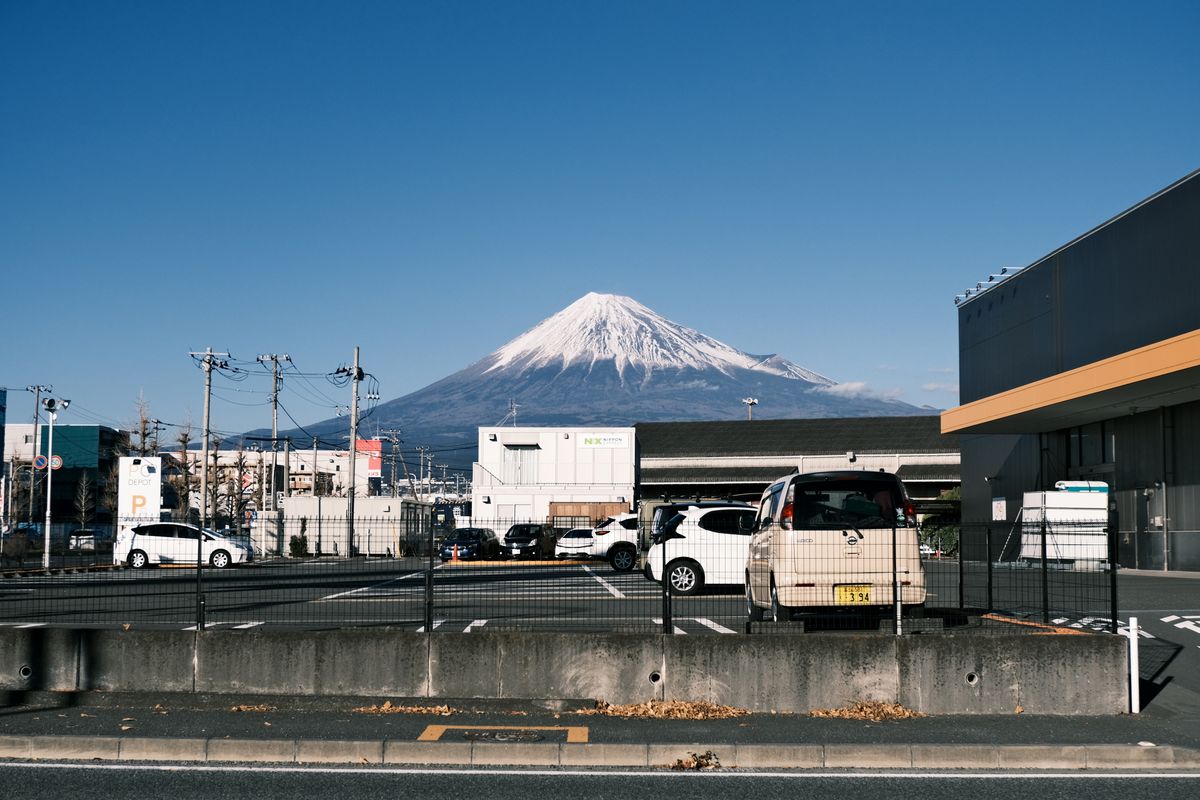
- Mount Fuji views: Winter offers the clearest views of Japan’s iconic mountain. The snowcapped peak stands out dramatically against blue winter skies, and the lower tourist numbers mean you can appreciate it without the summer crowds.
- Lower prices everywhere: January and February offer some of the year’s best prices for flights and accommodation, with the exception of New Year’s (early January) and the Sapporo Snow Festival period.
New Year’s in Japan: The Japanese New Year (Oshogatsu) is the most important holiday of the year. The period from December 29 through January 3 sees many businesses closed and Japanese people traveling home to be with family. Temples and shrines hold special New Year’s events — the most famous being Hatsumode, the first shrine or temple visit of the year. If you visit during New Year’s, expect crowds at major shrines but a fascinating cultural experience.
Detailed Month-by-Month Guide
January
Cold throughout Japan, with temperatures in Tokyo ranging from 2–10°C. Snow is common in Hokkaido, the Japanese Alps, and Tohoku. After the New Year rush ends around January 4, Japan enters its quietest tourist period of the year. Accommodation prices drop significantly, queues at attractions virtually disappear, and you can experience famous sites with a fraction of the usual crowds. The cold is manageable with proper layering.
February
Still cold, but plum blossoms (ume) begin appearing from mid-February — a beautiful and underappreciated precursor to cherry blossoms. The Sapporo Snow Festival (early February) is a must-see event. Setsubun (February 3) is a colorful bean-throwing festival celebrated at shrines and temples across Japan. Low tourist numbers continue.
March
The transition month — early March is still relatively quiet, but crowds build rapidly from mid-March as cherry blossoms begin appearing in warmer parts of Japan. Great time to visit Kyushu (blossoms arrive earlier). Accommodation prices begin rising from mid-March onward.
April
Peak cherry blossom season in Tokyo and Kyoto (typically late March to mid-April). The most popular and expensive time to visit. Despite the crowds and costs, the experience is extraordinary. Early April tends to see the peak bloom in most of central Japan, while late April brings blossoms to Tohoku and hanami season to the whole country.
May
Golden Week (late April through early May) is Japan’s busiest domestic travel period. Avoid internal travel during this week if possible. After Golden Week, May becomes one of Japan’s most pleasant months — warm, clear weather, comfortable temperatures (20–25°C in Tokyo), and lower crowds than April. Fresh green leaves (shinryoku) add beauty to temples and shrines.
June
Rainy season in most of Japan (except Hokkaido). Frequent showers and humidity, but significantly fewer tourists and lower prices. Hydrangeas bloom beautifully at temples across the country. Excellent time for visiting Kamakura’s famous hydrangea temple (Meigetsuin) or exploring Hokkaido’s flower fields.
July
Hot and humid in most of Japan (30–35°C). Rainy season typically ends in early July. Major summer festivals begin — Gion Matsuri in Kyoto (all month) is the highlight. Mount Fuji climbing season opens. Japan’s beaches come alive.
August
Peak summer heat. Obon holidays (mid-August) see heavy domestic travel. Spectacular fireworks festivals nationwide. The hottest and most humid month — plan activities in the early morning or evening. Mountain areas offer relief from the heat.
September
Typhoon season peaks. Weather can be unpredictable, but the heat begins to ease toward the end of the month. Crowds thin considerably from summer peaks. Early autumn color begins to appear in Hokkaido.
October
One of Japan’s best months to visit. Comfortable temperatures (18–24°C), low humidity, and clear skies. Autumn foliage begins in mountainous areas and northern regions. Pre-peak season means lower prices and manageable crowds. Excellent for hiking.
November
Peak autumn foliage season in central Japan. Kyoto in November is extraordinary — but expect spring-level crowds and prices. Book accommodation months in advance. Tokyo foliage typically peaks in late November. Getting cooler (10–18°C in Tokyo).
December
Beautiful winter illuminations nationwide. Getting cold (5–12°C in Tokyo). Christmas is celebrated in a uniquely Japanese way — less religious, more romantic and commercial. New Year’s preparations add a special atmosphere in late December. Crowds build again around New Year’s Eve and New Year’s Day.
Best Time to Visit by Type of Traveler
First-time visitors who want the “classic Japan” experience: Late March to early April (cherry blossoms) or November (autumn foliage). Accept the crowds and plan well in advance.
Budget travelers: January to February or June. Lowest prices of the year with excellent experiences still available.
Photography enthusiasts: April for cherry blossoms, November for autumn leaves, or January/February for snow scenes.
Outdoor and hiking enthusiasts: May to June or September to October for the most comfortable conditions on mountain trails.
Festival lovers: July to August for summer matsuri and fireworks. February for the Sapporo Snow Festival.
Ski and snowboard enthusiasts: January to February for the best powder snow in Hokkaido and the Japan Alps.
Travelers avoiding crowds: January to early February for the quietest experience at major sites.
Family travelers: Spring school holidays (late March to early April) or summer (July to August) align with family schedules, though these are the busiest periods. October is also excellent for families with comfortable weather and fewer crowds than peak season.
Practical Planning Tips
Regardless of when you visit Japan, planning ahead makes a significant difference to your experience. The Japan Rail Pass is one of the most important items to arrange before departure — purchase it before arriving in Japan as it’s not available for purchase within the country. It provides unlimited travel on JR trains throughout Japan, which is particularly valuable if you’re visiting multiple cities.
For accommodation, book as early as possible for peak seasons (April, November, and major festival periods). Japan’s accommodation ranges from luxury hotels to traditional ryokan (Japanese inns) to budget hostels, and the quality-to-price ratio across all categories is generally excellent. If you’re traveling on a budget, our guide to traveling Japan on $50 per day offers practical strategies for keeping costs manageable regardless of season.
Japan rewards those who plan — but it also rewards spontaneity. With excellent public transportation, extensive convenience store infrastructure, safe streets, and a culture renowned for hospitality, Japan is one of the most traveler-friendly countries in the world at any time of year. Whichever season you choose, you’re in for an extraordinary experience.
Plan Your Japan Trip
🏨 Book Your Japan Hotel
Now that you know the best time to visit, secure your accommodation early — especially for peak seasons like cherry blossom (March–April) and autumn foliage (October–November).
🎫 Book Tours & Activities in Japan
Whatever season you visit, there’s always something amazing to experience. Browse tours, day trips, and unique activities across Japan.
Regional Timing Variations: Japan Is Not One Climate
Japan stretches 3,000 kilometres from the subtropical Okinawa islands to the subarctic reaches of Hokkaido, and the best time to visit varies dramatically by region. A generalised “best month for Japan” answer is almost always wrong for someone focused on a specific destination.
Hokkaido: Best May–October, Skiing November–March
Hokkaido is Japan’s northernmost main island and has the most extreme seasonal variation. Summers (June–August) are cool and pleasant — Sapporo typically peaks at 26°C in August, dramatically cooler than Tokyo’s 35°C. This makes Hokkaido the best destination in Japan during the intense summer heat that makes other cities uncomfortable. The Furano lavender fields (July) and Biei patchwork hills in summer are visually extraordinary. Autumn in Hokkaido (late September to mid-October) arrives 2–3 weeks earlier than in Honshu, offering spectacular foliage in National Parks like Daisetsuzan. Winter is for skiing — Niseko and Furano rank among the best powder ski resorts in the world. Spring in Hokkaido starts late (cherry blossoms in late April to early May, 3–4 weeks after Tokyo).
Tohoku: Best May–June and September–October
Japan’s northeast region (Aomori, Akita, Yamagata, Miyagi, Iwate, Fukushima) has some of Japan’s most dramatic seasonal scenery. The Aomori Nebuta summer festival (August 2–7) is one of Japan’s most spectacular matsuri events, featuring enormous illuminated floats. The Hirosaki castle cherry blossom park in late April–early May is regarded by many Japan travellers as the single best hanami (blossom viewing) location in the country. Autumn foliage in Tohoku peaks in October and is significantly less crowded than Kyoto or Nikko at the same time.
Kansai (Kyoto, Osaka, Nara): Best March–May and October–November
The most visited region in Japan has two peak seasons: cherry blossom (late March–mid April) and autumn foliage (mid-October–late November). Both are extraordinary and both are extremely crowded. For Kyoto specifically, the combination of historical density and seasonal beauty is unmatched in Japan — but so are the crowds. For a less congested Kansai visit, early December (winter illuminations, cool and clear weather, few tourists) and late January to mid-February (cold but uncrowded, occasional snow which makes temple gardens look remarkable) are the best kept secrets. The summer humidity in Kyoto (July–August, regularly 35°C with 80%+ humidity) is genuinely challenging.
Okinawa: Best October–May, Avoid June–September
Japan’s subtropical island chain has different rules entirely. The Japanese mainland’s cherry blossom season doesn’t apply here — Okinawa’s higanzakura blooms in late January to early February, the first in Japan. Okinawa’s typhoon season runs June to September, with peak risk in August–September. The best swimming and beach conditions are May (water warming but pre-typhoon), October–November (warm water, past typhoon season, less humid than summer), and March (quieter, comfortable temperatures around 20°C). Okinawa is pleasant year-round by mainland standards, but the summer typhoon risk makes June–September a gamble for a beach-focused trip.
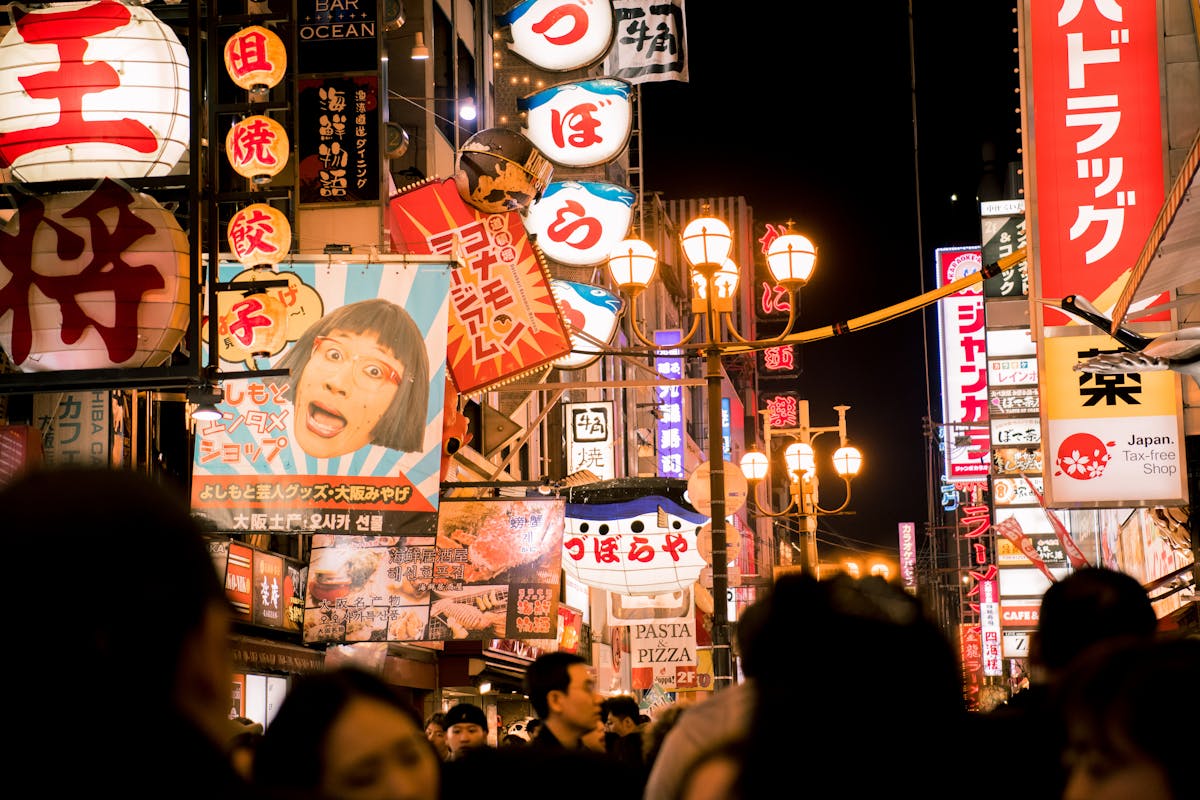
Japan’s Festival Calendar: Plan Around These Dates
Festivals (matsuri) are one of Japan’s most rewarding travel experiences and some of the world’s most visually spectacular events. Most take place in summer and autumn. Here are the essential ones with specific dates.
Sapporo Snow Festival (Hokkaido, February 5–11 2026): Enormous snow and ice sculptures throughout Odori Park in central Sapporo. One of Japan’s most photographed events. Temperatures in February in Sapporo are -5°C to -10°C — dress for Arctic conditions.
Hirosaki Cherry Blossom Festival (Aomori, late April–early May): Hirosaki Castle surrounded by 2,600 cherry trees, with fallen petals creating a pink carpet on the castle moat. Widely considered Japan’s most beautiful hanami site. Access from Shin-Aomori Station (Shinkansen from Tokyo) in 30 minutes.
Aoi Matsuri (Kyoto, May 15): One of Kyoto’s three great festivals, featuring a 500-person procession in Heian period costume from the Imperial Palace to Shimogamo and Kamigamo shrines. Free to watch from the roadside.
Gion Matsuri (Kyoto, all July, peak July 17 and 24): Japan’s most famous festival, with enormous decorated floats paraded through central Kyoto streets. The Yoiyama evenings (July 14–16 for Saki Matsuri, July 21–23 for Ato Matsuri) when floats are displayed stationary and streets fill with yukata-wearing locals are the most atmospheric times to attend.
Awa Odori (Tokushima, August 12–15): Japan’s largest dance festival, with 100,000+ performers dancing through Tokushima’s streets in teams. Free outdoor viewing areas throughout the city. The paid bleacher seats offer a structured view but the street dancing is more energetic.
Nebuta Matsuri (Aomori, August 2–7): Enormous illuminated paper floats depicting samurai warriors, kabuki characters, and historical scenes, pulled through the city while performers dance around them. One of Japan’s most spectacular events and significantly less visited by international tourists than Kyoto festivals.
Jidai Matsuri (Kyoto, October 22): A 2-kilometre procession of 2,000 people in period costume representing every era of Japanese history from the Heian period to the Meiji era. Held at the same time as the fire festival at Kurama village.
Hakone Daimyo Gyoretsu (Hakone, November 3): A feudal lord procession recreating the sankin-kotai system in which lords were required to travel between Edo and their domains. Held on National Culture Day in Hakone town — excellent for day-trippers from Tokyo.
Weather Data by Month: What to Actually Expect
The following figures are for Tokyo (representative of Honshu/Kanto; Kansai is similar with slightly hotter summers).
January: 5°C average / 10°C high / -1°C low. Dry, clear, cold. Low tourist volumes. 2–3 brief cold snaps. Excellent museum and indoor culture month.
February: 6°C average. Similar to January. Plum blossoms in Tokyo from early February. Sapporo Snow Festival. Okinawa cherry blossoms.
March: 10°C average / 15°C high. Cherry blossom season begins in Tokyo late March. Major increase in tourism from mid-March. Spring temperatures pleasant for walking.
April: 15°C average / 20°C high. Peak cherry blossom (early April in Tokyo, mid-April in Tohoku, late April in Hokkaido). Golden Week begins late April — major domestic travel peak. Book accommodation 3+ months ahead for early April.
May: 20°C average. Post-blossom, pre-rainy-season window. Clear weather, comfortable temperatures, generally uncrowded mid-May. Golden Week (late April–early May) is extremely busy.
June: 24°C average. Rainy season (tsuyu) typically runs June through mid-July. High humidity, frequent rain. Not ideal for photography. Hydrangeas bloom beautifully. Lower hotel prices.
July: 28°C average / 32°C+ highs. Hot and humid post-rainy-season. Obon festival preparations. Major fireworks festivals nationwide on weekend evenings. Uncomfortable for heavy walking in cities.
August: 30°C average. Peak summer. Very hot, very humid. Beaches in Shonan and Okinawa at their busiest. Mountain hiking (Fuji climbing season, July 1–September 10) at peak. Avoid major cities mid-August if heat-sensitive.
September: 26°C average. Slowly cooling. Typhoon risk through September. Early autumn light. Rice harvest season in rural areas. Silver Week (around September 21–23) is a domestic travel peak.
October: 21°C average. Excellent. Typhoon risk reducing. Early foliage in Hokkaido and Tohoku. Ideal combination of comfortable temperatures and beginning of the autumn colour season in northern Japan.
November: 15°C average. Peak autumn foliage in Tokyo and Kansai typically mid-to-late November. This rivals cherry blossom season for beauty and is equally crowded in Kyoto. Clear, dry, comfortable temperatures.
December: 10°C average. Winter begins. Roppongi and Kobe Christmas illuminations are spectacular. Fewer tourists, competitive hotel pricing, pleasant cool weather for walking. Shorter days (sunset around 4:30 PM). Excellent for onsen trips.
Frequently Asked Questions: Best Time to Visit Japan
Q: Should I avoid Japan during Golden Week?
A: Golden Week (late April–early May) is Japan’s main domestic travel period, when bullet trains, popular accommodations, and tourist sites are at peak capacity. Prices rise substantially. If you travel during Golden Week, book accommodation 3–6 months in advance and choose sites that are naturally less crowded (rural Tohoku, Sanin coast, Shikoku, or western Kyushu rather than Tokyo, Kyoto, and Osaka). The festivals during this period are worth seeing if you plan accordingly.
Q: How early in advance must I book cherry blossom accommodation?
A: For Tokyo early April and Kyoto early to mid-April, book 3–6 months ahead for quality accommodation at reasonable prices. Peak cherry blossom is predictable within a week or two based on historical averages, and popular properties fill by November–December for the following March–April season.
Q: Is Japan worth visiting in summer despite the heat?
A: Yes, with adjustments. Build itineraries around cooler morning and evening hours, plan air-conditioned indoor activities (museums, department stores, temples with covered walkways) for peak heat, include Hokkaido (naturally cool), and embrace Japan’s extraordinary summer festival culture. Summer is loud, colourful, and genuinely exciting — just not comfortable for heavy outdoor walking between noon and 4 PM in July and August.
Q: Is the rainy season (June) worth avoiding?
A: It depends on your priorities. June has the lowest tourist volumes of the year, the most competitive hotel prices, and the hydrangea blooms in Kyoto and Kamakura are genuinely beautiful. Rain in Japan is typically showers rather than sustained downpours. Photographers often find June light excellent. For a first visit focused on photography at landmark sites, it is worth considering. For a once-in-a-lifetime trip to Kyoto with no weather compromise, wait until May or October.
Q: What is the best time for Mount Fuji?
A: Fuji is clearest from a distance (Lake Kawaguchiko, Hakone) in winter and early spring — cold and clear skies make for the best views. The official Fuji climbing season is July 1 to September 10; the summit experience in August is busy but extraordinary. Views from around the mountain are good year-round except during the “Fuji Hiding Season” (late June to July) when cloud cover is most persistent.
How to Decide: Matching Season to Your Priorities
Rather than asking which month is best overall, the more useful question is which month best fits what you specifically want to experience. Use this quick-reference guide.
Cherry blossom photography at famous sites (Kyoto, Tokyo, Hirosaki): Late March to mid-April. Book 4–6 months ahead. Accept that you will share the experience with large crowds. The blossoms are worth it unconditionally.
Autumn foliage photography (Kyoto, Nikko, Tohoku): Mid-October to late November depending on location. Kyoto’s peak is typically November 15–30. Nikko’s is 2–3 weeks earlier. Plan for crowds comparable to cherry blossom season in Kyoto.
Snow and winter atmosphere (Shirakawa-go, Zao, Hokkaido): January and February. Shirakawa-go’s thatched farmhouses under snow are extraordinary. Zao’s snow monsters (juhyo — trees encased in ice) are a bucket-list sight. Book the few accessible accommodation options months ahead.
Avoiding crowds entirely: January (excluding New Year), mid-May to mid-June, and October–November in Tohoku and Kyushu (less visited than Kyoto at the same time). These windows offer excellent weather or scenery without the corresponding visitor volumes.
Beaches and water activities: June–August in Okinawa (but typhoon risk August–September). May and October offer warm clear water with fewer people and lower prices.
Skiing: December to March in Hokkaido (Niseko, Furano) for powder; December to February in Nagano (Hakuba) and Niigata (Naeba, Myoko) for more accessible mainland options.
Cultural festivals: July and August for the major summer matsuri (Gion, Awa Odori, Nebuta, Tanabata). October for harvest festivals. May for ancient court ceremonies in Kyoto (Aoi Matsuri).
Japan has no truly bad month to visit — every season delivers something extraordinary and uniquely Japanese. The key is matching your timing to your specific interests rather than defaulting to the most popular windows, which inevitably come with the most competition for accommodation and space at the most famous sites.
See our budget travel guide for cost differences by season, and our 2-week Japan itinerary to see how seasonal timing can shape a complete trip plan.
Bottom Line: The Right Time for Your Japan Trip
The most visited months — late March to April (cherry blossom) and October to November (autumn foliage) — are popular because the experiences they deliver are genuinely extraordinary. If these windows align with your calendar and budget, visit during them without hesitation, book early, and accept the crowds as part of the spectacle. If flexibility is available, the sweet spots are late April to mid-May (post-cherry blossom, pre-rainy season, warm and clear) and the second half of October (cooling weather, beginning of foliage, fewer crowds than November). January and February offer the deepest discounts and the fewest tourists, with a Japan that feels closer to how locals experience it when international tourism recedes — an experience worth having at least once.
For planning help, see our 2-week Japan itinerary and Japan budget travel guide for season-specific pricing insights.
Final Thoughts: Choosing the Right Month for Japan
Japan has no truly bad month to visit — every season delivers something extraordinary and uniquely Japanese. Cherry blossom season and autumn foliage are popular because they deserve to be. January and February offer some of the most authentic, least-crowded Japan experiences available. Summer’s festivals are among the world’s most spectacular cultural events. Match your timing to your priorities, book ahead for peak periods, and you will have a remarkable trip regardless of when you go.
For complete trip planning, see our 2 Weeks Japan Itinerary, our Japan Budget Travel Guide with season-specific cost breakdowns, and our Tokyo Neighborhoods Guide to find the right base for your itinerary.
One final tip: check Japan’s national holiday calendar before booking. Japan’s public holidays cluster around Golden Week (late April to early May), Obon (mid-August), and the New Year period — all bring intense domestic travel pressure that inflates accommodation prices and fills Shinkansen. Avoiding the specific peak days within these periods by just 2–3 days on each end can reduce costs by 20–40% while preserving the seasonal experience entirely.
Japan is ready for you year-round.
Going to Japan? Talk to locals with confidence.
Hirameki Japanese — instant offline translation, camera translation, furigana + romaji, and 314 free flashcards. No login. Works without internet.
⬇ Download Free on the App Store
Plan your Japan trip
Two things every first-timer should book
Some links are affiliate links. If you book through them we may earn a small commission at no extra cost to you.