Introduction to Toyama Prefecture
Toyama Prefecture, situated along the Sea of Japan coast in the heart of the Chubu region, is a prefecture of spectacular extremes. Within its borders, the Japanese Alps rise to their most dramatic heights, tumbling down to a coastline celebrated for some of the finest seafood in the country. Ancient farming villages survive in mountain valleys where time seems to have stopped centuries ago, while an engineering marvel of the 20th century still stands as one of Japan’s greatest achievements in taming its mountain wilderness.
Despite offering an extraordinary combination of natural grandeur, cultural heritage, and culinary excellence, Toyama remains far less visited than its neighbors Kanazawa and Nagano — which means those who do come find a more authentic, less crowded experience awaiting them.
Tateyama-Kurobe Alpine Route: The Roof of Japan
The Tateyama-Kurobe Alpine Route is one of Japan’s most spectacular mountain traversals and a truly world-class experience. This 90-kilometer route through the heart of the Northern Japanese Alps combines seven forms of transportation — buses, ropeways, tunnel trolley buses, and more — to cross mountain terrain that would otherwise be inaccessible to most visitors.
The journey begins in Toyama City and climbs through increasingly dramatic mountain scenery to the alpine plateau of Murodo at 2,450 meters elevation. From here, views of the Tateyama mountain range — a sacred volcanic massif revered since ancient times — are simply breathtaking. The Tateyama Caldera, one of Japan’s three great calderas, steams and hisses visibly from the plateau edge.
The most iconic scene along the route is the Snow Wall (Yukino Otani), accessible each spring from mid-April through June. During this period, the road through Murodo passes through walls of snow that can reach 20 meters in height on either side — a phenomenon created by the extraordinary snowfall of the Tateyama mountains, which receive some of the heaviest snowfall of any mountainous region in the world. Walking between these towering white walls with the blue sky overhead is genuinely awe-inspiring.
The route continues over the mountain and descends to Ogizawa Station in Nagano Prefecture, where buses connect to Shinano-Omachi. Most visitors travel one direction only, taking the route from Toyama or from Nagano and connecting by train for the return journey.
Kurobe Dam: Japan’s Greatest Engineering Achievement
The Kurobe Dam, completed in 1963 after seven years of construction and at tremendous human cost, is Japan’s largest arch dam and a remarkable feat of engineering in some of the most challenging terrain imaginable. The dam creates the Kurobe Reservoir, a vivid turquoise-green body of water whose color comes from glacial meltwater rich in minerals.
The dam itself is 186 meters high and 492 meters wide, and the viewing platform offers dramatic perspectives of both the dam structure and the surrounding alpine landscape. From late June to mid-October, the dam’s discharge gates are opened, releasing a thundering spray of water that billows into the gorge below the dam. The combination of this powerful water display with the mountains reflected in the reservoir is one of the most photogenic scenes in the entire alpine route.
The construction of the Kurobe Dam, which claimed the lives of 171 workers, was the subject of a famous 1968 film and remains an important part of Japan’s industrial heritage narrative.
Gokayama: A Hidden World Heritage Village
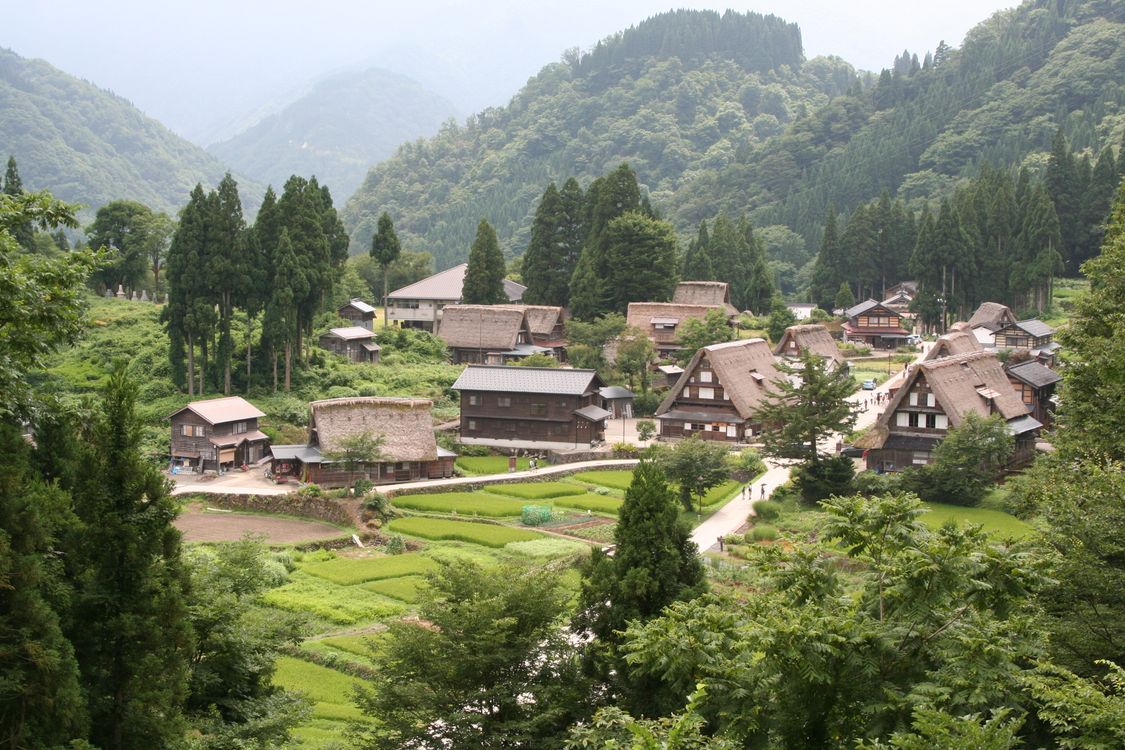
While its neighbor Shirakawa-go across the prefectural border in Gifu tends to receive more visitors, Gokayama in Toyama Prefecture offers an equally authentic gassho-zukuri (steep thatched-roof) farmhouse experience with fewer crowds and a more intimate atmosphere.
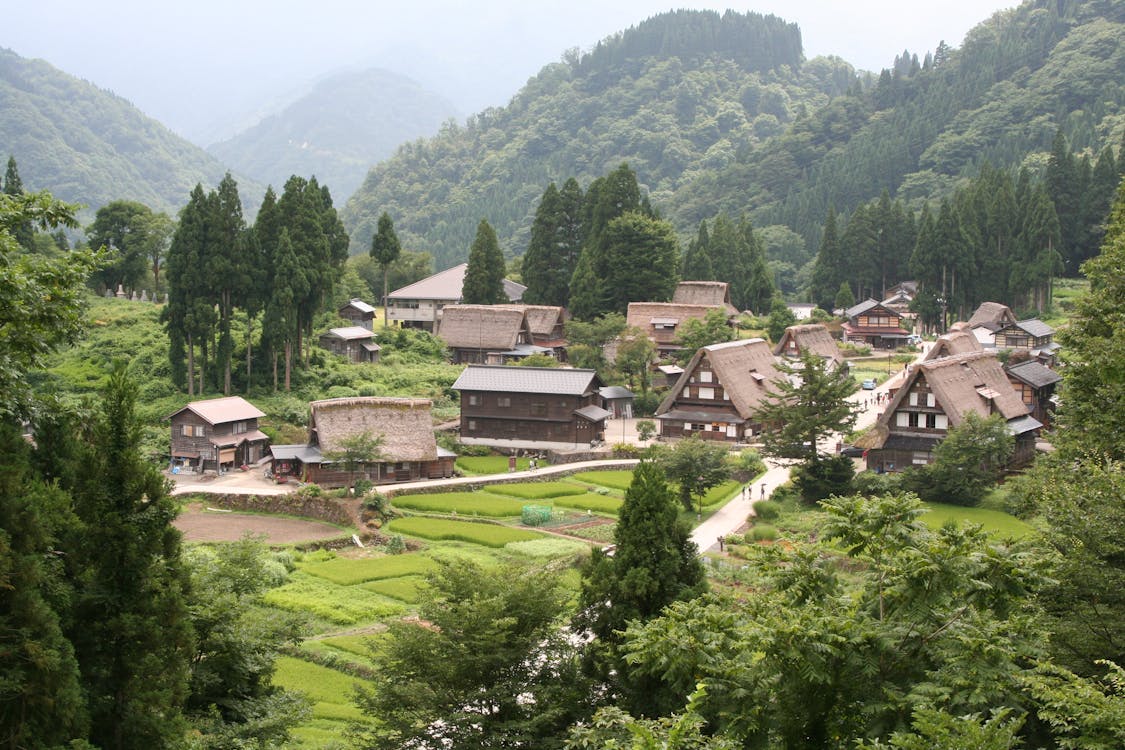
The villages of Ainokura and Suganuma are the primary settlements, both registered as UNESCO World Heritage Sites as part of the “Historic Villages of Shirakawa-go and Gokayama” designation. Ainokura in particular is considered one of the finest examples of a traditional gassho-zukuri village, with 23 farmhouses nestled in a narrow valley surrounded by mountains on all sides.
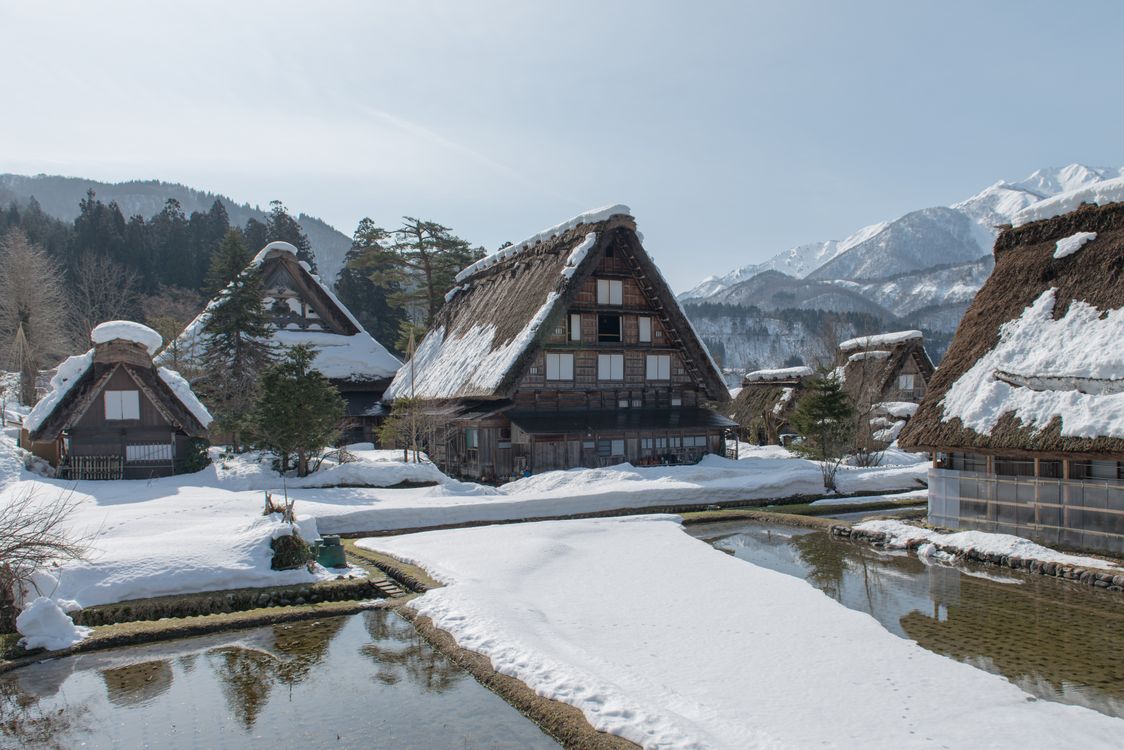
The name gassho-zukuri refers to the steep A-shaped roofs designed to shed the region’s prodigious snowfall — the angle resembles hands pressed together in prayer (gassho). Some of these structures are 300 years old and still standing, their hand-hewn timber frames and thick thatched roofs representing a remarkable vernacular architectural tradition. Staying overnight in one of the farmhouse guesthouses, where traditional meals are served in the same rooms that farmers once used to cultivate silkworms in the upper story rafters, is an unforgettable experience.
Toyama Bay: The Treasure Sea for Sushi Lovers

Toyama Bay, with its dramatic depth and nutrient-rich currents, has earned the nickname “Heaven’s Gift Kitchen” among Japanese food lovers. The bay’s unique geography — it plunges to 1,000 meters deep just off the coast — creates ideal conditions for some of the most prized seafood species in Japan.
White shrimp (shiro-ebi), found almost exclusively in Toyama Bay, are considered a local delicacy of the highest order. Tiny, translucent, and sweet, they are typically eaten as sashimi or tempura and have been designated one of Toyama Prefecture’s official fish. The firefly squid (hotaru-ika), which rise to the surface of the bay each spring in luminous masses, are another extraordinary Toyama specialty — grilled, marinated, or eaten raw with vinegar miso.
Toyama City’s Sushistore Alley (Sushi-dori) is a dedicated street of sushi restaurants where these local specialties are served alongside other bay fish of exceptional quality. Toyama-style sushi is characterized by the generous use of local seafood in combinations rarely found elsewhere in Japan.
Toyama City and Cultural Attractions
Toyama City itself offers several worthwhile attractions. The Glass Art Museum (Toyama City Glass Art Museum), designed by renowned architect Kengo Kuma, is a striking modern building housing impressive collections of contemporary glass art. The adjacent Library of Dreams shares the building and creates an architectural experience worth visiting in its own right. Toyama Castle, reconstructed in 1954 on its original site, provides a focus for the city center and houses a local history museum.
Getting to Toyama
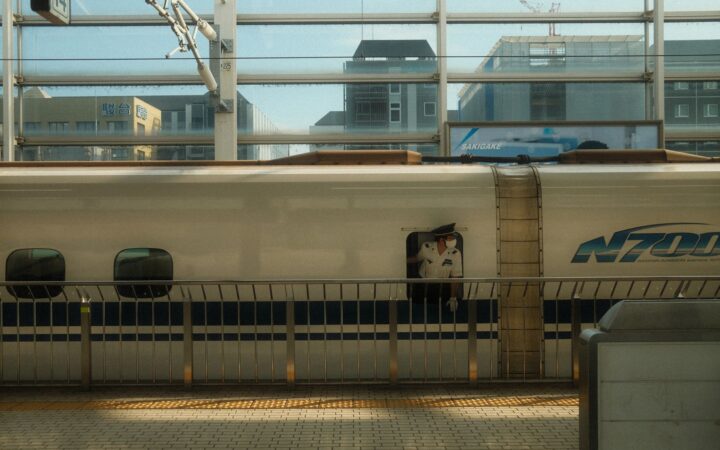
The Hokuriku Shinkansen connects Toyama directly to Tokyo in approximately 2 hours and to Kanazawa in about 20–25 minutes. The alpine route access point at Tateyama Station is 1 hour from Toyama Station by the Toyama Chitetsu Tateyama Line. Gokayama is accessible by bus from Takaoka Station in approximately 1.5 hours, or by joining organized tours from Toyama or Kanazawa.
Where to Stay in Toyama
Toyama City offers a full range of modern hotels convenient for exploring the region. For a truly memorable experience, book a room at one of the gassho-zukuri farmhouse guesthouses in Gokayama, where dinner and breakfast using local ingredients are included.
Final Thoughts
Toyama Prefecture is an alpine and maritime gem that deserves far greater recognition among international travelers to Japan. The Tateyama-Kurobe Alpine Route alone is worth the journey, but the World Heritage village of Gokayama, the extraordinary seafood of Toyama Bay, and the engineering marvel of Kurobe Dam together make Toyama one of the most rewarding prefectures in Japan.
Gokayama: Japan’s Most Remote World Heritage Village
Hidden in the deep valleys of Toyama’s Nanto City, Gokayama is among Japan’s most atmospheric and least-visited UNESCO World Heritage sites. Sharing the inscription with neighboring Shirakawa-go in Gifu, Gokayama’s remote valleys — so inaccessible that the region served as a refuge for defeated Taira clan warriors in the 12th century — preserve traditional gassho-zukuri (prayer-hands construction) farmhouses in a setting of extraordinary natural beauty. Unlike Shirakawa-go, which receives over a million visitors annually, Gokayama’s main villages of Ainokura and Suganuma receive a fraction of that number, making it possible to wander quietly among centuries-old thatched farmhouses with genuine tranquility.
Ainokura village sits on a terraced hillside surrounded by mountains, with 20 gassho-zukuri farmhouses arranged on slopes overlooking rice paddies. Several farmhouses operate as minshuku (family-run guesthouses), allowing visitors to stay overnight in working traditional farmhouses — sleeping on futons, bathing in traditional wooden tubs, and dining on locally-grown mountain vegetables and river fish prepared by the resident family. Staying overnight in Ainokura, after the day-trip visitors depart, reveals a magical evening atmosphere of wood smoke, silence, and starlight over the thatched rooftops.
Suganuma village is even smaller, with just nine farmhouses clustered together at the edge of a gorge. The Gokayama Folklore Museum here presents traditional mountain life including the tools, clothing, and social customs of communities that were largely cut off from the outside world until modern roads arrived in the 1960s. The village also maintains a working reproduction of the traditional saltpeter (potassium nitrate) production facility that provided the isolated communities with their only export product for centuries — a unique piece of industrial heritage.
Gokayama is most spectacular in winter, when heavy snowfall transforms the village into a scene of extraordinary beauty — the massive thatched roofs bear tons of snow, and the farmhouses glow warmly against blue twilight snow. The annual Gokayama Snow Lantern Festival (held in February) lights hundreds of snow lanterns throughout the villages, creating an unforgettable winter wonderland atmosphere. Summer and autumn are also beautiful, with the surrounding forest providing rich green and golden backdrops.
Tateyama Kurobe Alpine Route: Japan’s Ultimate Mountain Journey
The Tateyama Kurobe Alpine Route is widely regarded as one of Japan’s most spectacular and memorable travel experiences. This extraordinary mountain crossing connects Toyama with Nagano Prefecture via a series of cable cars, ropeways, trolley buses, and walking sections through the Northern Japanese Alps at elevations reaching 2,450 meters. The full traverse takes approximately 6–7 hours one-way and passes through dramatically varied alpine landscapes — from the lush forests of the lower slopes through subalpine meadows and across the bare high mountain ridges.
The most famous section of the route is the Yuki no Otani (Snow Canyon) at Murodo, the highest point on the route at 2,450 meters. From mid-April to mid-June, the road through this section is cleared of snow, creating walls of white reaching up to 20 meters high on either side of the walking path. Walking through these towering snow corridors, with the pale blue sky visible as a narrow strip overhead, is a genuinely surreal and unforgettable experience. The snow walls shrink progressively as the season advances — the widest walls are typically seen in late April and early May.
The route opens in mid-April and closes in late November. The complete crossing from Toyama Station to Shinano-Omachi Station on the Nagano side (or vice versa) requires multiple transport connections: from Toyama Station, take the Toyama Chiho Railway to Tateyama Station, then the Tateyama Cable Car to Bijodaira, then a highland bus to Murodo (the highest point), then the Tateyama Tunnel Trolley Bus under Tateyama to Daikanbo, then the Tateyama Ropeway to Kurobedaira, then the Kurobe Cable Car down to Kurobeko near Kurobe Dam, then the Kanden Tunnel Electric Bus to Ogizawa, and finally a bus to Shinano-Omachi. The combination ticket (Alpen Route Ticket) covering all transport sections between Toyama and Shinano-Omachi costs approximately ¥12,000–¥14,000.
For visitors with limited time, the route is also excellent as a partial day trip from Toyama. Taking the cable car and highland bus to Murodo and spending time at the Snow Canyon before returning to Toyama is highly satisfying and typically takes 5–6 hours round-trip. The mountain weather can change rapidly, so dress in layers and check forecasts before departure.
Toyama Bay: Japan’s Most Seafood-Rich Waters
Toyama Bay is remarkable in the world of sushi and seafood for the extraordinary diversity and quality of species found in its waters. The bay’s unusual geography — extremely deep water (reaching 1,000 meters) just a few kilometers offshore — creates nutrient-rich conditions that support an exceptional variety of marine life, earning Toyama Bay the designation of “a natural fish tank” by Japan’s Marine and Technology organization.
The bay is particularly famous for Toyama-wan no sushi (Toyama Bay sushi), a regional sushi style that highlights local specialties unavailable elsewhere in Japan. The most prized local seafood includes:
- Shiro-ebi (white shrimp) — delicate transparent shrimp with a sweet, complex flavor caught only in Toyama Bay. Called the “gemstone of Toyama Bay,” these tiny shrimp are served fresh as sashimi, on sushi, and as tempura.
- Hotaruika (firefly squid) — tiny bioluminescent squid that illuminate the coastal waters of Toyama Bay from March to May each year. The squid migration to spawn in shallow waters creates the famous “glowing sea” phenomenon at Namerikawa Port, where the bay surface shimmers with blue bioluminescent light. Freshly boiled or marinated hotaruika is a Toyama specialty available only in spring.
- Buri (yellowtail) caught in winter from Toyama Bay is considered the finest in Japan — the cold water and rich food supply creates yellowtail with exceptional fat content and flavor.
- Kani (snow crab) — Toyama’s winter crab season (November to March) produces premium snow crab known locally as “zuwaigani,” served in restaurants across the prefecture as sashimi, shabu-shabu (hot pot), and grilled preparations.
The best place to experience Toyama Bay sushi is at the Toyama Bay Sushi restaurants in Toyama City and along the coastal towns of Shinminato and Himi. The Shinminato Fish Market (Shinminato Uminoichi) sells fresh catch directly from fishing boats from early morning, with various prepared seafood dishes available for breakfast.
Toyama City: Glass, Gardens, and Modern Culture
Toyama City, the prefectural capital, is one of Japan’s most sustainable and livable cities, having invested heavily in a compact city concept centered on its revitalized tram network. The city’s pride is the stunning Toyama City Glass Art Museum (Toyama Garasu Bijutsukan), designed by acclaimed architect Kengo Kuma and housing a spectacular permanent collection of contemporary glass art including works by Dale Chihuly. The building itself, with its innovative interlocking wooden lattice facade blending traditional Japanese aesthetic with contemporary design, is an architectural landmark worth visiting even before viewing the art inside.
Toyama Castle Park (Toyama-jo Koen) in the city center surrounds a reconstructed castle tower set within a pleasant moat and garden. While the current tower is a 1954 reconstruction, the original castle grounds and stone walls date to the 16th century, and the surrounding park offers a peaceful green space in the heart of the city. The Toyama City Folk Crafts Village (Mingeimura) in the Kureha Hills displays traditional crafts of the region including local pharmaceutical products, woodwork, and ceramics in historic buildings relocated from around the prefecture.
Toyama has a fascinating pharmaceutical heritage — the city has been the center of Japan’s traditional medicine industry since the Edo period. Toyama’s home medicine peddlers (Toyama no kusuri uri), who traveled throughout Japan with cases of medicines sold on a “use first, pay later” system, are a famous part of Japanese cultural history. The Toyama Pharmaceutical Industry History Museum explores this remarkable tradition, and local shops still sell traditional Toyama health products including stomach medicines that have been manufactured using the same formulas for centuries.
Kurobe Gorge: Japan’s Deepest Ravine
The Kurobe Gorge in northeastern Toyama is one of Japan’s most dramatic natural landscapes. The Kurobe River has carved Japan’s deepest V-shaped gorge, flanked by peaks approaching 3,000 meters, creating towering walls of granite draped in forest. The main visitor access is via the Kurobe Gorge Railway (Kurobe Kyokoku Tetsudo), an open-air trolley train that runs 20 kilometers along the gorge from Unazuki Station to Keyakidaira Station through a series of tunnels and bridges. The train journey itself is a spectacular experience, passing waterfalls, emerald-green river pools, and dramatic rock faces at walking pace.
The railway was originally built to service the hydroelectric dams constructed deep in the gorge, and several can be viewed from the train and hiking trails. At Keyakidaira Station, the final stop, visitors can explore walking trails through the gorge’s old-growth forest and access several natural hot spring pools where the gorge’s thermal activity creates bathing opportunities in an extraordinary wilderness setting. The gorge is particularly beautiful in autumn (mid-October to early November) when the forested walls turn brilliant shades of crimson, orange, and gold. The railway operates from late April through late November.
3-Day Toyama Itinerary
Day 1: Toyama City and Seafood
Arrive at Toyama Station via Hokuriku Shinkansen (2 hours 8 minutes from Tokyo, about 23 minutes from Kanazawa). Visit the Toyama City Glass Art Museum in the morning — allow at least 90 minutes. Lunch at one of the Toyama Bay sushi restaurants near the station, sampling shiro-ebi and local specialties. Afternoon: explore Toyama Castle Park and the Folk Crafts Village. Evening: visit Shinminato Port for a sunset dinner of fresh crab or yellowtail at a waterfront restaurant.
Day 2: Tateyama Kurobe Alpine Route
Take the early morning train from Toyama Station to Tateyama Station, then ascend via cable car and bus to Murodo (2,450m). Walk the Snow Canyon in spring, or hike the alpine meadows in summer. Have lunch at the Murodo Restaurant with mountain views. Descend back to Toyama by afternoon, stopping at Bijodaira for a forest walk. Evening: relax in an onsen bath at your hotel — Toyama City’s Oonashi Onsen is a local favorite.
Day 3: Gokayama and Kurobe Gorge
Rent a car for the day (essential for Gokayama). Drive to Ainokura village (about 60 minutes from Toyama), explore the gassho-zukuri farmhouses, and have a traditional meal at one of the farmhouse restaurants. Then drive north to Unazuki Onsen (about 70 minutes) and take the Kurobe Gorge Railway into the gorge for the afternoon. Return to Unazuki for a restorative onsen soak at one of the riverside ryokan before returning to Toyama or departing for Kanazawa.
Shopping Guide: Toyama Souvenirs
Toyama’s most distinctive souvenirs center on its food specialties and traditional medicines. Shiro-ebi crackers (shiro-ebi senbei) are the most popular food souvenir — crispy rice crackers flavored with Toyama’s famous white shrimp, available at virtually every souvenir shop and train station kiosk. Hotaruika no okizuke (firefly squid marinated in soy sauce and sake) is an extraordinary preserved seafood souvenir that captures the essence of spring in Toyama Bay.
Toyama’s traditional medicines remain excellent souvenirs — packages of Hokutan and Hangontan traditional stomach medicines make unusual and authentic gifts that Japanese people across the country still use. The Toyama Glass Studio gift shop near the Glass Art Museum sells beautiful contemporary glass pieces including affordable wine glasses, bowls, and decorative items made by local artisans. Kureha cotton (a traditional fabric used for children’s clothing) and traditional wooden lacquerware from Takaoka City are high-quality craft souvenirs.
Family-Friendly Activities in Toyama
Toyama offers some exceptional family experiences. The Tateyama Kurobe Alpine Route is thrilling for older children and teenagers — the combination of cable cars, trolley buses through mountain tunnels, and the Snow Canyon creates a genuine sense of adventure. Namerikawa Hotaruika Museum on the coast explains the extraordinary bioluminescent squid phenomenon and includes aquarium tanks where firefly squid can be seen glowing — magical for children of all ages.
The Kurobe Gorge Railway is a wonderful family experience — children love the open-air trolley train winding through the dramatic gorge, and the waterfalls and suspension bridges visible from the train create memorable moments. Kureha Zoological Park in Toyama City has an excellent collection of animals and is well-maintained and family-friendly. The Toyama Prefectural Science Museum in the city center has hands-on exhibits and a planetarium accessible to children from elementary school age.
Solo Travel Tips for Toyama
Toyama is an excellent solo destination. The city’s compact tram network makes urban exploration easy without a car. Solo travelers should consider staying in Unazuki Onsen for at least one night — the gorge town has traditional ryokan where solo guests are warmly welcomed and the evening hot spring baths provide ideal relaxation after a day of mountain exploration. The Tateyama Kurobe Alpine Route can be done solo very comfortably, as the route is well-organized with clear signage and the transport connections are reliable.
For solo travelers interested in food, Toyama’s sushi restaurants typically have counter seating where solo diners are comfortable and often get to interact with the chef. The morning fish markets at Shinminato and Himi are welcoming to solo visitors. The Glass Art Museum is an excellent solo cultural experience, particularly in the evening when the building’s illuminated facade is especially photogenic.
Frequently Asked Questions About Toyama
How do I get to Toyama from Tokyo?
The Hokuriku Shinkansen connects Tokyo Station to Toyama Station in approximately 2 hours 8 minutes on the fastest Kagayaki services. The journey costs around ¥13,000–¥14,000 in unreserved seating. From Osaka or Kyoto, take the Thunderbird limited express to Tsuruga and transfer to the Hokuriku Shinkansen to Toyama, totaling roughly 2.5–3 hours. Toyama is also accessible by overnight bus from Tokyo for budget travelers.
When is the best time to see the Snow Canyon at Tateyama?
The Tateyama Kurobe Alpine Route Snow Canyon (Yuki no Otani) is accessible from the route’s opening in mid-April through late June, when the snow walls are tallest. The peak wall heights of up to 20 meters are typically seen in late April and early May. By late June, the walls have shrunk considerably though remain impressive. The route in summer (July–September) offers excellent alpine hiking and wildflower displays. Autumn (October–November) brings spectacular foliage before the route closes.
What are firefly squid and when can I see them?
Firefly squid (hotaruika) are tiny squid about 6 cm long that possess bioluminescent photophores capable of producing blue light. From March to May, millions of these squid migrate into Toyama Bay’s shallow waters to spawn, sometimes creating glowing displays visible from shore at night. The Namerikawa Hotaruika Watching Event runs from March through May, with boat tours departing at 3 AM to observe the spawning aggregations. Fresh hotaruika are served boiled or marinated at restaurants throughout Toyama during this season.
Is a rental car necessary in Toyama?
A rental car is the most convenient way to visit Gokayama (buses also run from Takaoka) and highly convenient for exploring the Kurobe area. Toyama City itself and the Tateyama Kurobe Alpine Route are accessible by public transport. If your itinerary focuses on the city, Glass Museum, and the Alpine Route, you can manage without a car. For Gokayama and more extensive rural exploration, rent a car at Toyama Station — most major rental companies have offices there.
What makes Toyama Bay sushi special?
Toyama Bay’s extraordinary depth (up to 1,000m near the coast) creates a unique marine ecosystem where cold nutrient-rich water supports an exceptional variety of seafood. The bay’s most distinctive species — white shrimp (shiro-ebi), firefly squid (hotaruika), yellowtail (buri), snow crab, and red snow crab (beni-zuwaigani) — are unavailable or significantly inferior elsewhere. Toyama Bay sushi restaurants showcase these local ingredients with minimal garnish, emphasizing the natural flavors of exceptional freshness.
Can I combine Toyama with Kanazawa?
Absolutely — Toyama and Kanazawa are just 23 minutes apart by Hokuriku Shinkansen, making them natural companions on a Hokuriku region itinerary. Kanazawa is famous for Kenrokuen garden, samurai districts, Noh theater, and exceptional seafood at Omicho Market. A typical combined itinerary spends two nights in Toyama (including the Alpine Route day trip) and two nights in Kanazawa, exploring both cities’ distinctive cultural and culinary offerings.
What is the Tonami Tulip Fair?
The Tonami Tulip Fair (Tonami Churippu Feea) held in late April and early May in Tonami City is one of Japan’s largest flower festivals. The Tonami region is Japan’s top tulip-producing area, and during the fair, hundreds of thousands of tulips in over 2,000 varieties create spectacular fields of color across the Tonami Plain. The festival includes flower art installations, tulip competitions, local food stalls, and entertainment events, attracting over 400,000 visitors across its two-week duration.
Are there good onsen in Toyama?
Yes — Toyama has several excellent hot spring areas. Unazuki Onsen in the Kurobe Gorge area is the most famous, a traditional onsen town at the gateway to the gorge with multiple ryokan offering riverside hot spring baths. Yatsuo Onsen near Toyama City offers day-use facilities in a small traditional town. Nanto Onsen near the Gokayama area is convenient for visitors to the World Heritage villages. The Tateyama area also has natural hot spring sources at Murodo on the Alpine Route.
Getting Around Toyama
Toyama City has invested significantly in its public transport network, centered on the revitalized Toyama Light Rail and Toyama City Tram system. The tram connects Toyama Station with the Glass Art Museum, Castle Park, and other central attractions efficiently and affordably (flat fare of ¥200). The Chiho Railway Tateyama Line from Dentetsu-Toyama Station runs to Tateyama for the Alpine Route. For Kurobe Gorge, the Chiho Railway Toyama-Uozu Line connects to Unazuki Onsen in about 75 minutes. Renting a car at Toyama Station is essential for Gokayama visits and convenient for exploring coastal seafood towns like Himi and Shinminato.
Where to Stay in Toyama
Toyama City offers business hotels near the station including ANA Crowne Plaza Toyama, Dormy Inn Toyama, and several budget options. For a more traditional experience, Unazuki Onsen has excellent ryokan ranging from mid-range to premium, all with onsen facilities and kaiseki cuisine. Gokayama minshuku (farmhouse guesthouses) offer a once-in-a-lifetime experience of staying in a working 500-year-old thatched farmhouse — book months in advance as capacity is very limited. The Himi coastal area has several small ryokan with exceptional seafood dinners featuring fresh-caught yellowtail and crab during winter season.
Toyama’s Craft Heritage: Takaoka Copperware and Traditional Arts
Takaoka City, located between Toyama City and the Noto Peninsula, is one of Japan’s most important craft cities. The city has produced exceptional metalwork for over 400 years — particularly bronze casting (doki) and Buddhist altar goods — and today accounts for roughly 90% of Japan’s copperware production. The traditional craft of Takaoka bronze casting (Takaoka douki) creates everything from decorative figurines and incense burners to the massive bronze Buddha statues found in temples across Japan, including replicas of famous national treasures. The Takaoka Craft Tourism program allows visitors to observe master craftsmen at work and in some cases participate in supervised casting experiences.
The city’s Zuiryuji Temple, a National Treasure Zen temple completed in 1663, is one of the finest examples of Edo-period Zen Buddhist architecture in Japan. The approach through massive temple gates and the meticulously maintained zen garden creates a contemplative atmosphere rarely found outside Kyoto. Takaoka also has an attractive historic merchant district (Kanayamachi) where traditional metalworking studios and galleries operate in well-preserved townhouses. The Takaoka Craft Market held annually in late September gathers artisans from across Toyama and Ishikawa prefectures, offering opportunities to purchase directly from makers.
Toyama’s craft traditions extend to Yatsuo’s Owara Kaze no Bon festival (September 1–3), one of Japan’s most elegantly beautiful festivals, where dancers in traditional straw hats and yukata perform slow, graceful dances through the lantern-lit streets of the mountain town of Yatsuo from dusk to dawn. The festival is so beloved that it has inspired novels, films, and countless artistic works. Accommodation in Yatsuo during the festival sells out a year in advance, though the dancing can also be enjoyed by visitors who travel from Toyama City on the night of the festival.
Beyond its established craft traditions, Toyama has developed a contemporary design scene that synthesizes traditional techniques with modern aesthetics. The Glass Art Museum’s presence has catalyzed a cluster of glass studios and design galleries in central Toyama City. Young designers trained in traditional Takaoka metalwork are creating contemporary housewares, jewelry, and decorative objects that blend 400-year-old techniques with minimal modern forms — representing one of Japan’s most exciting intersections of tradition and innovation. These contemporary craft works are available at curated shops in Toyama City and make distinctive, meaningful souvenirs that carry genuine local heritage.
Related guides
- Kanazawa Travel Guide 2026: A First-Timer’s Guide to Kenrokuen, Geisha Districts, Samurai Streets and Sea of Japan Seafood
- Eiheiji Temple Guide: Japan’s Most Sacred Zen Monastery in Fukui (Complete 2026 Guide)
- Jigokudani Snow Monkey Park: A First-Timer’s Guide to Nagano’s Bathing Monkeys and Onsen Towns
Going to Japan? Speak Japanese with confidence.
Hirameki Japanese — camera translate for menus and signs, a two-way conversation mode, and furigana + romaji on every phrase. Free to download with kana charts, conversation mode and starter words; a one-time purchase unlocks everything.
⬇ Get it on the App Store
Plan your Japan trip
Two things every first-timer should book
Some links are affiliate links. If you book through them we may earn a small commission at no extra cost to you.