Surrounded on three sides by mountains and blessed with some of Japan’s finest hot springs, Gunma Prefecture is the Kanto region’s premier destination for outdoor adventure and onsen relaxation. Within just two hours of Tokyo, travelers can soak in 1,000-year-old mountain hot springs, ski world-class slopes, hike volcanic peaks, and experience some of the most dramatic alpine scenery in all of Japan.
Often called “the place where onsen flows” by Japanese people, Gunma is home to the legendary Kusatsu Onsen — widely considered Japan’s finest hot spring resort. But there is much more to discover. Here is your complete guide to Gunma.
Top 5 Must-See Attractions in Gunma
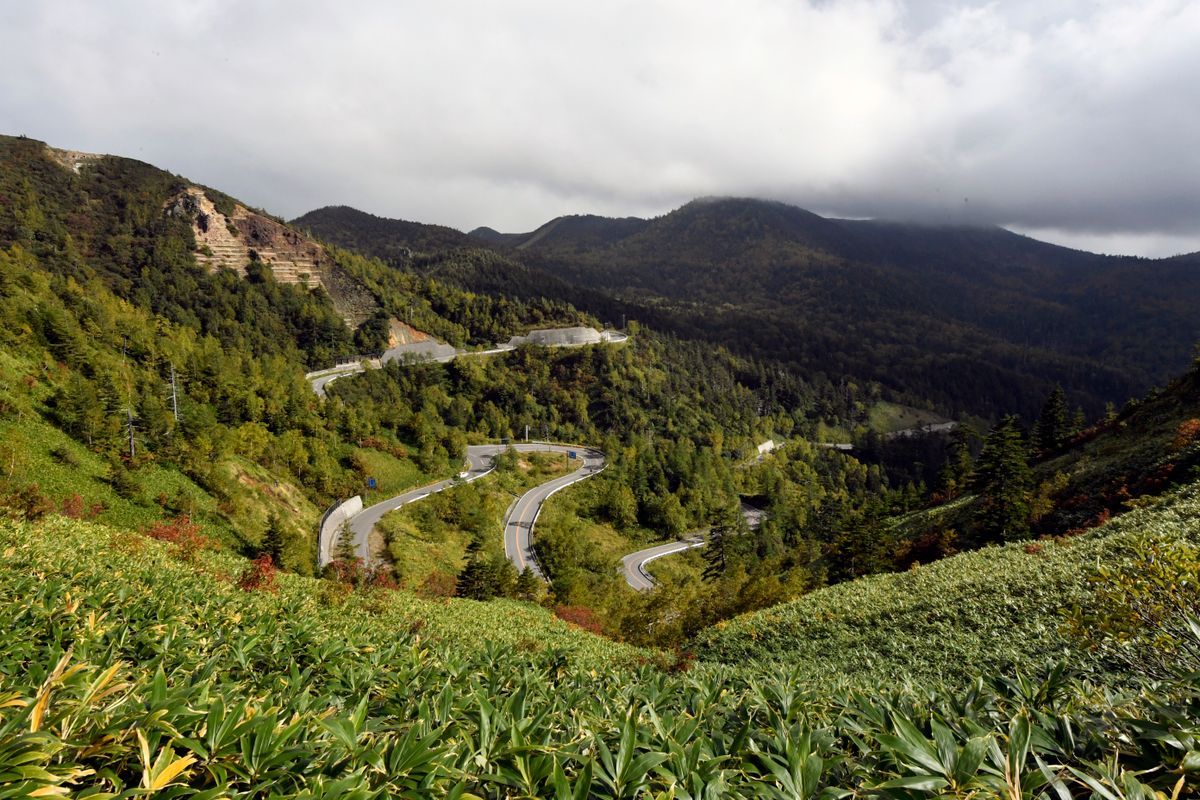
1. Kusatsu Onsen
Kusatsu Onsen is arguably the most famous and beloved hot spring town in Japan. The spring water — which flows at an extraordinary rate of 32,300 liters per minute — is so strongly acidic that it cannot be diluted with cold water. The central yubatake (“hot water field”) is Kusatsu’s iconic symbol — a cedar wood grid system spanning a large open area where the steaming, mineral-rich water flows and cools to the right temperature. At night, the illuminated yubatake is genuinely magical. The traditional yumomi ceremony, where wooden boards are used to cool the water, is performed daily at Netsu-no-Yu bath hall. Kusatsu’s waters are reputed to cure all diseases except lovesickness.
2. Ikaho Onsen
Another legendary onsen town, Ikaho is famous for its stone staircase street (365 steps) lined with hotels, souvenir shops, and bath houses. The spring water here is a distinctive reddish-brown color due to its high iron content, and the rustic atmosphere is charmingly old-fashioned. Ikaho has been a mountain resort for over 1,500 years and retains a character very different from more polished resort towns.
3. Autumn Leaves in the Gunma Mountains
The mountainous terrain of Gunma creates spectacular autumn foliage displays. The Narutaki Gorge near Oze National Park, the Yamba Dam area, and the Akagi Mountain range all turn brilliant shades of red, orange, and gold in late October and early November. These are among the finest autumn displays within easy reach of Tokyo, and the mountain roads lined with colored maples are simply stunning.
4. Oze National Park
Japan’s largest high-altitude wetland (approximately 1,400 meters elevation), Oze is a protected national park of extraordinary natural beauty. In late May and June, the vast marsh comes alive with white skunk cabbage flowers (mizubasho) and the wooden boardwalk paths allow visitors to walk through the surreal landscape of flowers, pools, and mountain views. In summer, wildflower displays continue, and in autumn the grasses turn golden. It is one of Japan’s most pristine natural environments.
5. Takasaki and the Daruma Dolls
Gunma’s major city of Takasaki is famous for its giant 41-meter white Kannon statue (Byakue Dai Kannon) visible for miles across the Kanto Plain, and for daruma dolls — the red papier-mache good luck figures associated with the city worldwide. The Daruma market (Daruma-ichi) held at Shorinzan Darumaji Temple in January is one of Japan’s most colorful New Year events.
Gunma’s Food Specialties
- Okkirikomi (Flat Noodle Stew): Gunma’s signature dish — flat, wide udon-like noodles cooked directly in a miso or soy broth with root vegetables and mountain vegetables. Hearty, warming, and deeply satisfying mountain food.
- Yakimanju: Steamed wheat buns skewered and brushed with a sweet miso sauce, then grilled over charcoal. A Gunma street food speciality particularly popular at Ikaho Onsen, with a sweet, smoky, sticky glaze that is absolutely addictive.
- Konnyaku: Gunma is Japan’s leading producer of konnyaku (konjac), the translucent, gelatinous food made from the konjac yam root. Konnyaku production here dates back centuries.
- Gunma’s Pork: The prefecture is one of Japan’s leading pork-producing regions. Shabu-shabu and tonkatsu using Gunma pork are excellent at local restaurants.
Best Time to Visit Gunma
Winter (December to March) is ideal for skiing (Kusatsu Onsen Ski Resort, Minakami, and Shiga Kogen just over the border in Nagano) and soaking in steaming onsen in the snow — one of Japan’s quintessential winter experiences. Late May to June brings mizubasho flowers to Oze. Autumn (late October to November) offers extraordinary foliage. Spring brings cherry blossoms to the valleys and cities. Kusatsu Onsen is excellent year-round.
How to Get to Gunma
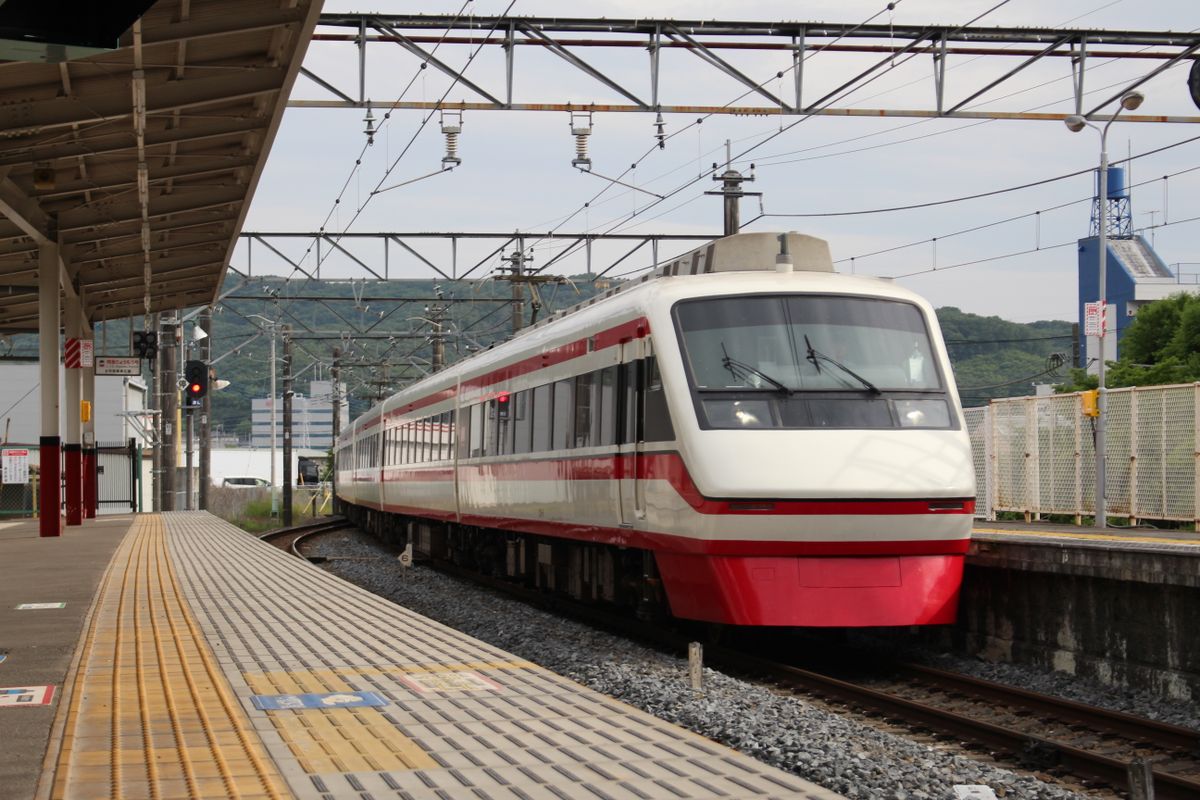
From Tokyo: The JR Joetsu Shinkansen runs from Tokyo to Takasaki in about 50 minutes, then the Agatsuma Line connects to Naganohara-Kusatsuguchi (about 2.5 hours total). Buses run from Naganohara-Kusatsuguchi station directly to Kusatsu Onsen (25 minutes). Alternatively, direct highway buses run from Tokyo’s Shinjuku and Ueno to Kusatsu Onsen in about 3 to 3.5 hours.
By Car: Gunma is easily accessible by expressway from Tokyo (about 3 hours to Kusatsu area). Driving gives you the flexibility to explore the mountain areas at your own pace.
Practical Tips: Budget and Accommodation
Kusatsu Onsen has accommodation to suit all budgets — simple minshuku from 8,000 yen per person with meals to elegant ryokan at 25,000 to 50,000 yen. There are also several public day-use baths where you can experience the famous waters for free or for a small fee (Sainokawara Rotenburo outdoor bath charges a modest entry fee, while some small communal baths are free). Ikaho Onsen similarly ranges from budget guesthouses to mid-range ryokan. Ski resort accommodation in winter can be booked as packages including lift passes.
Book your Gunma onsen experience here: Book your hotel on Agoda →
Final Thoughts on Gunma
Gunma is Tokyo’s mountain playground — a place where city stress dissolves in mineral-rich hot springs, where mountain air fills your lungs on wildflower-lined trails, and where hearty mountain food warms your body after a day on the slopes. It is accessible, affordable, and authentically Japanese in a way that few Kanto destinations can match. If you are spending time in Tokyo and want to experience Japan’s outdoor soul, Gunma is your answer.
Related guides
- Minakami Guide: White-Water Rafting, Onsen and the Wild Heart of Gunma (First-Timer’s Guide)
- Kusatsu Onsen Guide: Japan’s #1 Hot Spring Town in Gunma Prefecture
- Chichibu Travel Guide 2026: A First-Timer’s Guide to Shibazakura, a Sacred Wolf Shrine, and Tokyo’s Best Mountain Day Trip in Saitama
Going to Japan? Speak Japanese with confidence.
Hirameki Japanese — camera translate for menus and signs, a two-way conversation mode, and furigana + romaji on every phrase. Free to download with kana charts, conversation mode and starter words; a one-time purchase unlocks everything.
⬇ Get it on the App Store
Plan your Japan trip
Two things every first-timer should book
Some links are affiliate links. If you book through them we may earn a small commission at no extra cost to you.