Introduction to Wakayama Prefecture
Wakayama Prefecture, occupying the southern tip of the Kii Peninsula on the Pacific coast of Japan, is one of the country’s most spiritually significant and naturally spectacular destinations. Home to two UNESCO World Heritage Sites — the sacred mountain of Koyasan and the ancient Kumano Kodo pilgrimage network — Wakayama has been a center of Japanese spiritual life for over a thousand years. Pilgrims have walked its mountain trails and worshipped at its grand shrines since the 9th century, and today those same paths and sacred sites welcome travelers from around the world seeking experiences that go far beyond ordinary sightseeing.
Beyond its spiritual heritage, Wakayama offers extraordinary natural landscapes: dramatic coastlines where Pacific waves sculpt ancient rock formations, dense primeval forests covering the Kii mountain range, the towering cascade of Nachi Falls, and the legendary thermal springs of Shirahama. The prefecture’s culinary traditions, centered on fresh Pacific seafood, the world-famous Kishu Ume plum, and warming hot pot dishes, add another dimension to what is already one of Japan’s most rewarding travel destinations for those willing to venture beyond the obvious tourist circuits.
Top Attractions in Wakayama Prefecture
Koyasan: Japan’s Sacred Mountain
Koyasan (Mount Koya) is one of the most profoundly atmospheric places in all of Japan — a mountaintop religious settlement founded in 816 by the Buddhist monk Kukai, posthumously known as Kobo Daishi, as the headquarters of the Shingon school of Esoteric Buddhism. At an elevation of approximately 900 meters, the mountain plateau contains over 100 temples, monasteries, and sacred buildings spread across a forest-enclosed basin that feels almost impossibly remote from the modern world below.
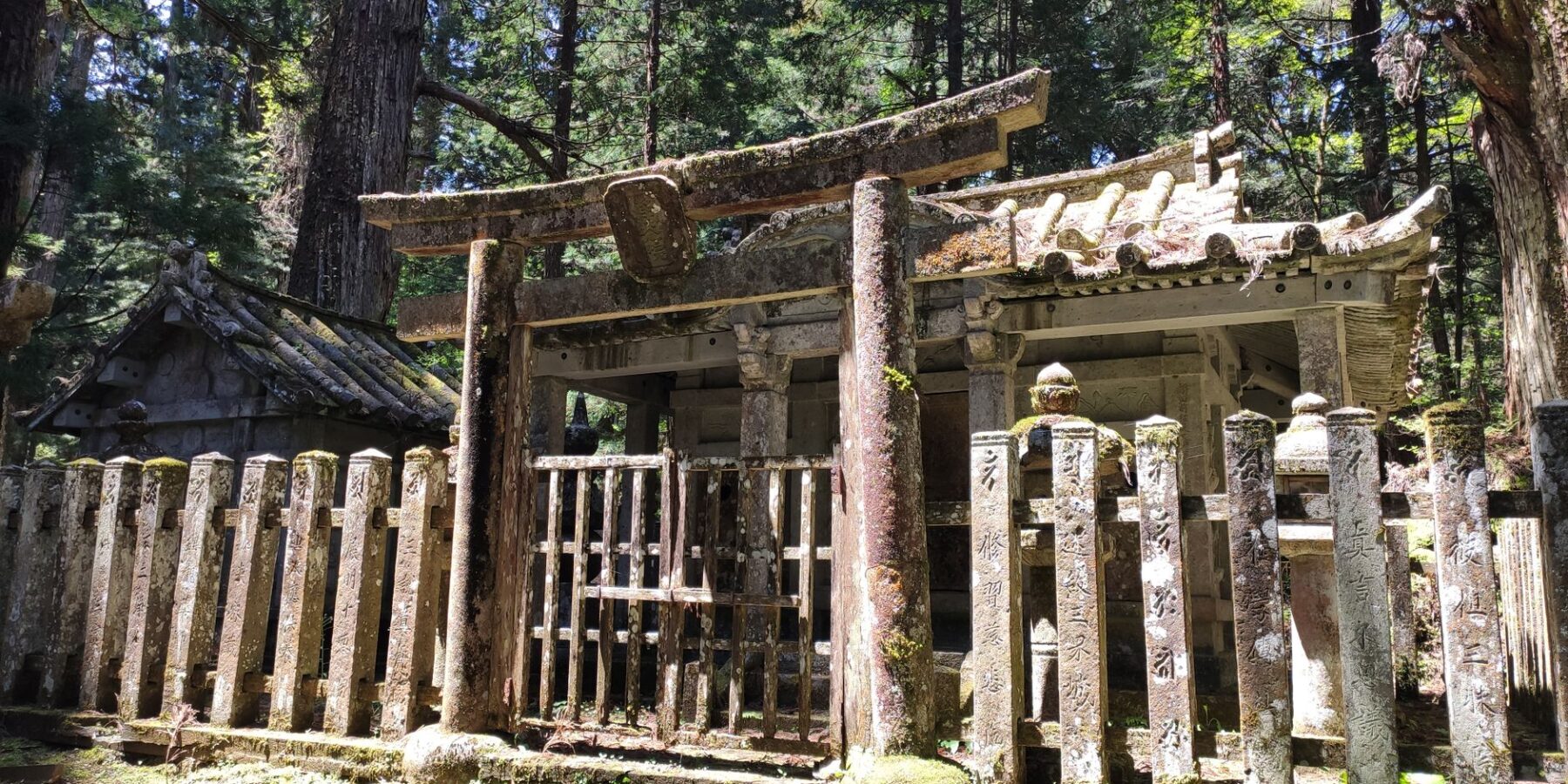
The Okunoin cemetery and mausoleum complex is the spiritual heart of Koyasan and one of the most extraordinary sites in Japan. More than 200,000 grave markers, memorial stones, and lanterns line the 2-kilometer path through an ancient cedar forest to the mausoleum of Kobo Daishi, who is believed by his followers not to have died but to be in a state of eternal meditation awaiting the coming of the future Buddha. The path is lined with the memorials of samurai lords, emperors, and ordinary people who have sought burial near the great monk for over a thousand years. Walking this path by lantern light in the evening is one of Japan’s most unforgettable experiences.
Kongobuji Temple is the administrative head of the Koyasan Shingon school and houses extraordinary fusuma sliding door paintings and the Banryutei rock garden — the largest rock garden in Japan, with 140 granite rocks arranged among white gravel to represent clouds and a pair of dragons. Staying overnight in one of Koyasan’s shukubo temple lodgings, participating in morning prayer services, and experiencing the refined vegetarian temple cuisine of shojin ryori are experiences that visitors consistently rate as transformative highlights of their Japan trip.
Kumano Kodo: The Ancient Pilgrimage Routes
The Kumano Kodo is a network of ancient pilgrimage trails connecting the imperial capitals of Nara and Kyoto to the three Grand Shrines of Kumano — Kumano Hongu Taisha, Kumano Hayatama Taisha, and Kumano Nachi Taisha — deep in the Kii Mountains. These sacred routes have been walked by pilgrims of all social classes, from retired emperors and their entourages to ordinary farmers seeking healing and spiritual merit, for over a thousand years. The routes are designated as UNESCO World Heritage Sites and, uniquely, share that designation with the Camino de Santiago in Spain as the only two pilgrimage routes in the world with this recognition.
The most popular section for modern walkers is the Nakahechi route, which passes through forests of ancient cryptomeria cedar and hinoki cypress, over mountain ridges with views of the Kii Peninsula coast, and through small communities where the traditions of welcoming pilgrims continue. Stone-paved paths, moss-covered stone markers called oji that mark significant points along the route, and the ever-present sound of mountain streams create a walking experience that feels genuinely sacred regardless of one’s spiritual background.
The three Kumano Grand Shrines at the route’s destination are among the most atmospheric and important Shinto sites in Japan. Kumano Hongu Taisha, relocated to its current site after flood damage in the 19th century, retains extraordinary power and beauty. The original site at Oyunohara, now marked only by the massive Oyunohara torii gate, at about 34 meters the largest torii in Japan — is one of the most moving historical landscapes in the country.
Nachi Falls: Japan’s Tallest Waterfall
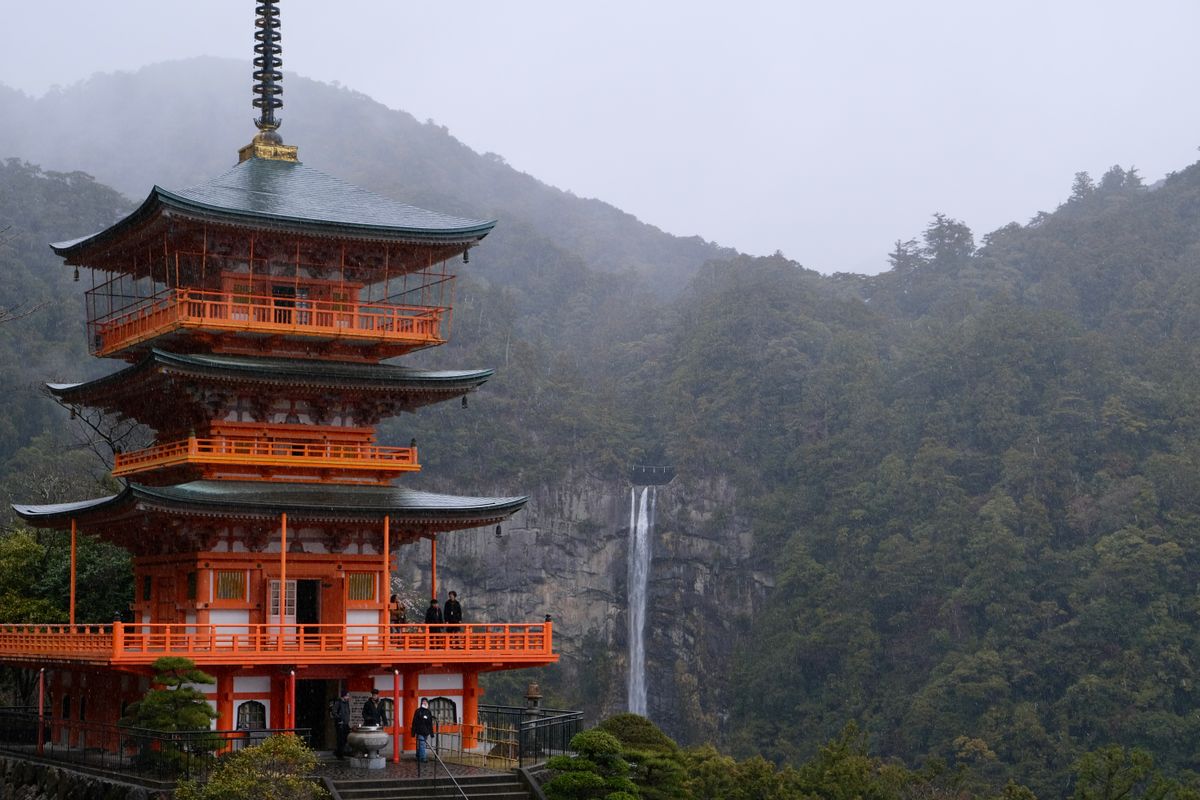
Nachi Falls is Japan’s tallest single-drop waterfall, plunging 133 meters into a sacred pool in the forest below. The falls have been worshipped as a deity since ancient times and remain an object of veneration for followers of Shinto and the syncretic Kumano belief system. The view of the falls from the approach to Kumano Nachi Taisha, with the falls and Seiganto-ji temple’s three-story pagoda framed against the surrounding forest, is one of Japan’s most iconic and reproduced landscape images.
Seiganto-ji, a Buddhist temple immediately adjacent to the Shinto shrine, dates to the 4th century and is the first temple on the Saigoku Kannon Pilgrimage, one of Japan’s most famous Buddhist pilgrimage circuits. The combination of waterfall, Shinto shrine, and Buddhist temple in a single spectacular forest setting perfectly encapsulates the syncretic nature of Japanese religious practice over the centuries. The annual Nachi Hi Matsuri fire festival in July, when white-robed shrine attendants carry enormous burning torches down the stone steps toward the falls, is one of the most dramatic religious spectacles in Japan.
Shirahama Onsen: The Pacific’s Hot Spring Paradise
Shirahama is one of Japan’s oldest and most celebrated hot spring resort towns, with records of imperial visits for therapeutic bathing dating back over 1,300 years. The town occupies a narrow peninsula jutting into the Pacific Ocean, and its combination of hot spring bathing culture, Pacific ocean views, and white sand beach — Shirara-hama, one of Japan’s most beautiful beaches — has made it a beloved destination for Japanese vacationers for centuries.
The town’s most distinctive outdoor bath is Sakino-Yu, where bathing pools cut from natural rock at the edge of the Pacific receive the spray of ocean waves and offer an extraordinary sensory experience of bathing in hot spring water literally at the meeting point of land and sea. Tsubo-yu, a single-person natural rock bath in the Yunomine Onsen area further inland, is the world’s only hot spring bathing site designated as a UNESCO World Heritage Site and has been in continuous use for over 1,800 years.
Kushimoto and Cape Shiono: Japan’s Southernmost Point
Cape Shiono-misaki at Kushimoto represents the southernmost point of the Japanese main island of Honshu, where the Kii Peninsula reaches its farthest point into the Pacific Ocean. The cape and surrounding Hashigui-iwa rock formations — a series of dragon’s-back rocks extending from the shore into the sea — create a dramatic coastal landscape that is one of Japan’s most striking geological features. The area’s position at the meeting of ocean currents supports extraordinary marine biodiversity, including coral reefs that are the northernmost in Japan.
Getting to Wakayama
Wakayama City is easily accessible from Osaka by the JR Hanwa Line in approximately 65 minutes, or by the Nankai Wakayama Line in a similar time. For Koyasan, the Nankai Koya Line from Osaka Namba to Gokurakubashi, followed by a cable car ascent, takes approximately 1.5 to 2 hours total — a surprisingly straightforward journey for such a remote and elevated destination. For the Kumano area, the JR Kisei Line runs along the coast from Osaka and Nagoya, though the journey to Shingu or Kii-Katsuura takes approximately 3 to 4 hours from Osaka and 3 hours from Nagoya.
Before heading out, make sure you have a Japan eSIM ready to navigate, translate, and share photos without worrying about connectivity. Get your Japan eSIM (Stay connected from day 1) →
Highway buses operate from Osaka and Kyoto to the Kumano area and Shirahama, providing an alternative for those without Japan Rail Passes or those who prefer more direct door-to-destination service. The Wakayama-specific Kumano Kodo World Heritage Pass covers transportation and site entry for the Kumano area and represents excellent value for visitors planning a multi-day Kumano itinerary.
Getting Around Wakayama
Wakayama is a large and geographically diverse prefecture, and getting around requires careful planning. Within Koyasan itself, the settlement is compact enough to explore on foot, and a regular local bus service connects the main sites on the mountain plateau. For the Kumano Kodo pilgrimage routes, local buses connect the major trailheads, but many of the more remote sections require either walking the approach trails themselves or arranging private transportation. Taxi services in the Kumano area can be pre-booked for transportation between trailheads if you prefer to walk the trails without retracing your steps.
A rental car is highly recommended for exploring the southern and interior parts of Wakayama, including the Kumano area, the coast around Kushimoto, and the more remote pilgrimage route sections. The roads through the Kii mountains are scenic and well-maintained, and having your own transport dramatically increases the range of places accessible. Rental cars are available in Wakayama City and at Shirahama Airport, which receives flights from Tokyo and other domestic destinations.
Where to Stay in Wakayama
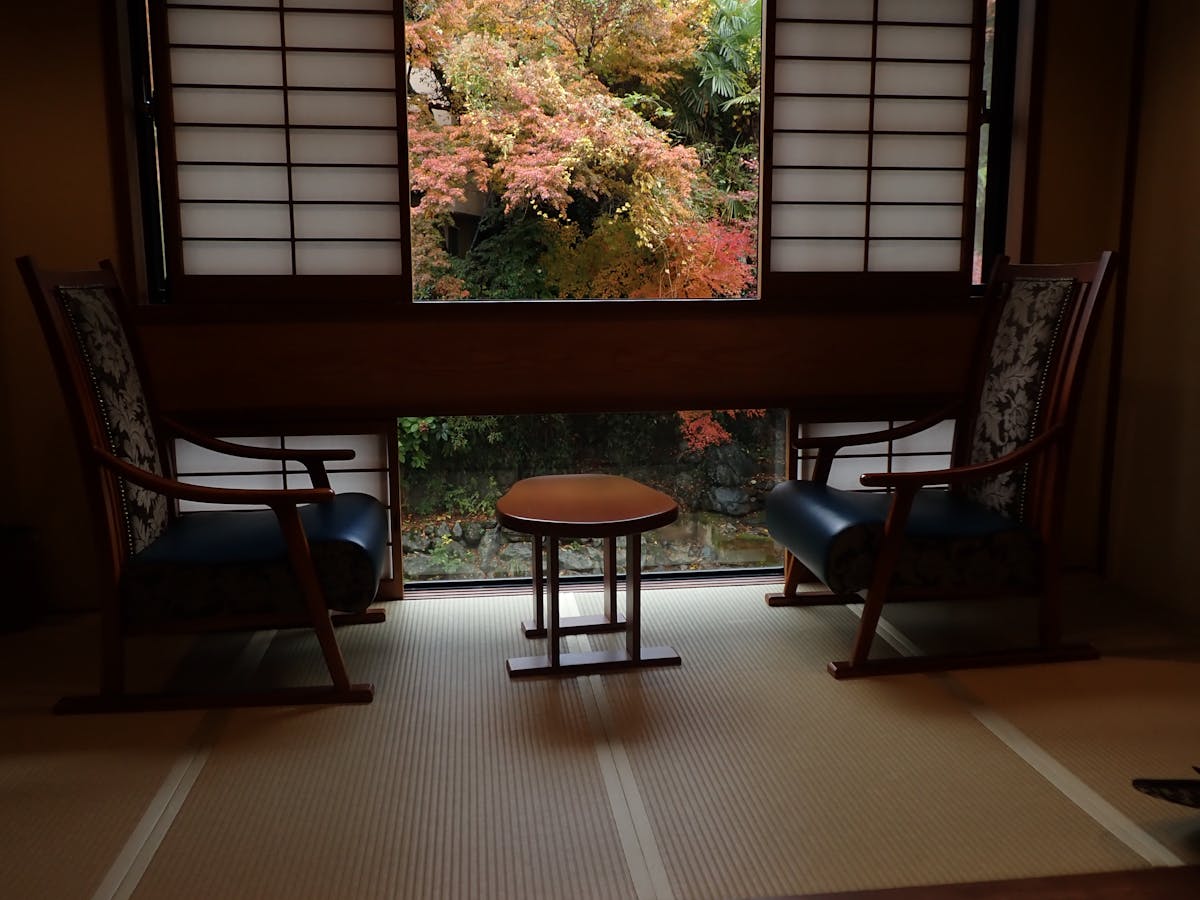
Koyasan’s shukubo temple lodging program is one of the most distinctive accommodation experiences in Japan. More than 50 temples on the mountain accept overnight guests, providing sleeping quarters in the temple buildings, participation in morning prayer services, and shojin ryori vegetarian dinners and breakfasts. The experience varies in luxury from basic to quite elegant depending on the temple, with prices typically ranging from about 10,000 to 40,000 yen per person including two meals, and rising. Booking well in advance is essential, particularly for weekends and autumn foliage season.
The Kumano area has several excellent accommodation options concentrated in the onsen towns along the route. Kawayu Onsen, where hot spring water seeps through the riverbed of the Oto River, allowing guests to dig their own outdoor baths in the river gravels in winter, is one of Japan’s most unusual and memorable onsen experiences. Yunomine Onsen, the UNESCO-designated ancient hot spring village, has a small cluster of traditional inns that immerse guests in the genuine atmosphere of a mountain pilgrimage village. Shirahama’s resort hotels offer beach and hot spring experiences in a more conventional resort format.
Food and Local Specialties in Wakayama
Wakayama’s food culture draws on the incredible bounty of the Pacific Ocean and the agricultural traditions of the Kii Peninsula. The prefecture is Japan’s leading producer of ume (Japanese plum), and Kishu Ume plums from Wakayama are used to produce umeboshi (pickled plums) considered the finest in Japan. The small town of Minabe, south of Wakayama City, processes the majority of Japan’s umeboshi and is surrounded by forests of plum trees that bloom spectacularly in February, transforming the hillsides into a sea of white and pale pink blossoms.
Wakayama ramen is a distinctive regional style — tonkotsu-soy broth with thin, straight noodles — that has developed its own devoted following among ramen enthusiasts. Fresh Pacific tuna and other deep-sea fish land at Katsuuragawa port near Nachi, making the area one of Japan’s best destinations for raw fish cuisine. Sansai ryori, mountain vegetable cuisine featuring wild-harvested ingredients from the Kii mountain forests, is served at inns and restaurants throughout the interior, particularly in the pilgrimage route areas.
Day Trips and Nearby Destinations
From Wakayama City, Osaka is easily accessible as a day trip, and the combination of Wakayama Castle, Koyasan, and the city’s fishing port culture makes Wakayama an excellent base for those exploring the broader Kansai region. The Nachi-Katsuura area connects naturally with Shingu and the Kumano Sanzan shrine complex, which together form a logical multi-day circuit through the Kumano World Heritage area. From the Kumano coast, continuing south to Kushimoto and then westward to Shirahama can be done by train or rental car, creating a coastal circuit that covers some of Japan’s most dramatic Pacific scenery.
Best Time to Visit Wakayama
Wakayama rewards visits in every season, though each offers a very different experience. Spring (March through May) is excellent for plum blossom viewing in Minabe, cherry blossoms throughout the prefecture, and comfortable walking weather on the Kumano Kodo trails. Summer (June through August) brings the Nachi Hi Matsuri fire festival and lively beach culture at Shirahama, though the heat and humidity can be intense and the rainy season in June brings significant rainfall to the already-wet Kii mountains.
Autumn (October through November) is arguably the best overall season to visit, with comfortable walking temperatures, spectacular foliage in the mountain forests, and the deeply atmospheric experience of walking pilgrim trails beneath a canopy of red and gold maple leaves. Winter on Koyasan is magical but demanding — the mountain can receive significant snowfall, and while the snow-draped temples and cemetery are extraordinarily beautiful, some paths can be icy and some temple activities reduced. The spiritual intensity of a winter Koyasan visit is unmatched, and for those prepared for the cold, it is the most transformative time to visit the sacred mountain.
Hidden Gems and Local Tips for Wakayama
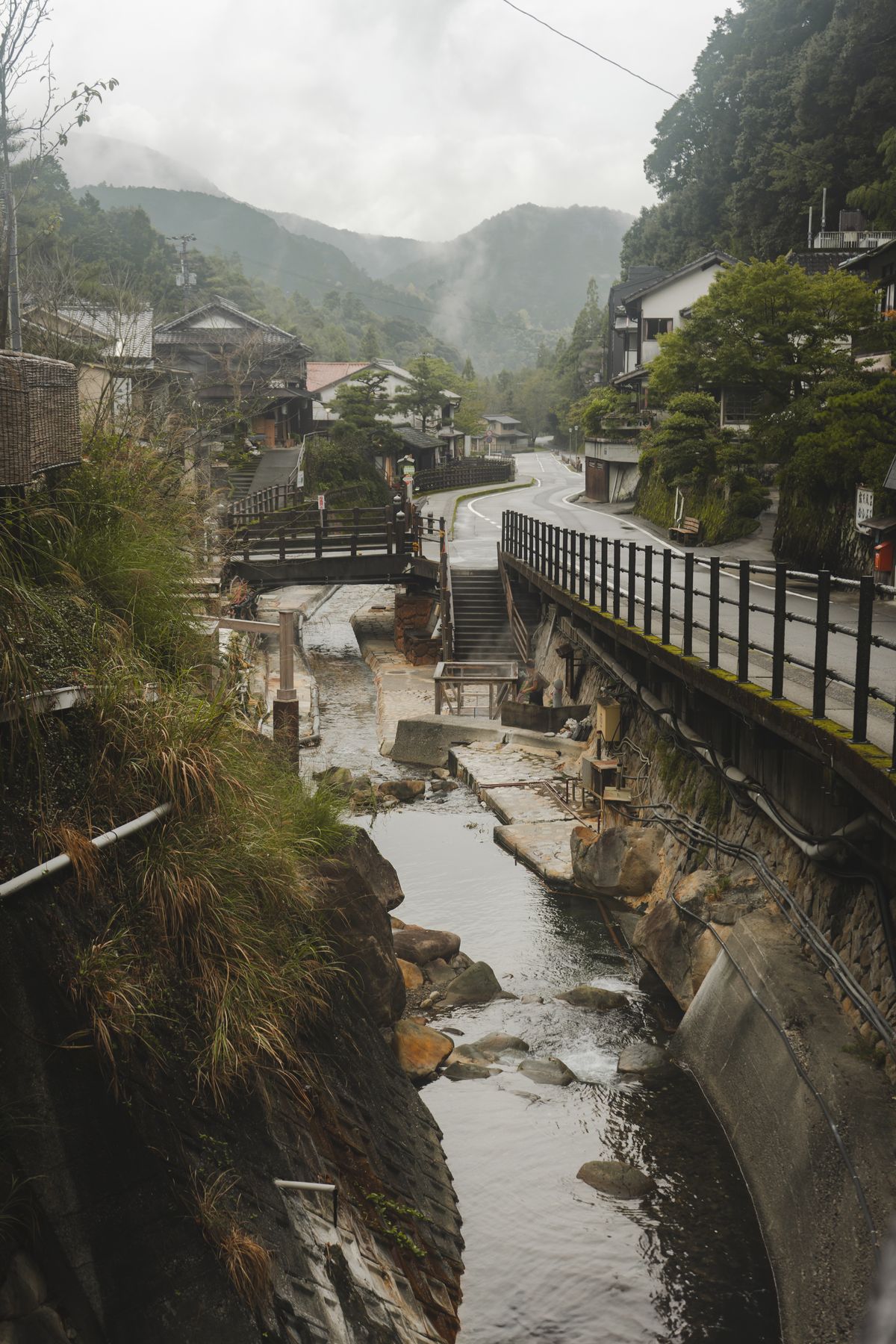
Daimonzaka, the stone-paved approach to Kumano Nachi Taisha through ancient cryptomeria cedar forest, is one of the most atmospheric walking paths in Japan but less widely known than the main pilgrimage route sections. The 267 stone steps and the towering cedars create a sense of timeless approach to sacred space that rivals anything in Japan for sheer atmospheric power. The approach is best experienced in the early morning before tour groups arrive, when the only sounds are birdsong and the creak of ancient trees.
The Dorogawa Onsen area, accessible by bus from Yoshino in Nara Prefecture and connected to the Omine mountain pilgrimage route, is one of the most remote and authentic traditional onsen villages in the Kii Peninsula area. The Nachi-Katsuura port fish market, where fresh tuna and other Pacific fish are auctioned and sold in the early morning, offers a fascinating glimpse into the working life of a Japanese Pacific fishing port. Local tip: umeshu (plum wine) from Wakayama’s ume-producing heartland in Minabe makes an outstanding local souvenir, and specialty shops in the area offer varieties unavailable elsewhere in Japan.
Practical Information for Wakayama
Wakayama Prefecture operates on Japan Standard Time (JST, UTC+9) year-round. Weather in the Kii mountains can be unpredictable and the region receives among the highest rainfall in Japan, so waterproof gear is essential for any hiking or walking activities regardless of season. The Kumano Kodo trails can be extremely slippery after rain. English signage is good at the major UNESCO Heritage sites but limited in rural and mountain areas. The Kumano Travel office in Tanabe provides excellent English-language support for pilgrimage route planning.
Budget Guide for Wakayama
Wakayama is a mid-range destination in terms of cost, with significant variation depending on where you stay and what you do. Koyasan temple lodging at roughly 17,000 to 40,000 yen per person including meals is the major expense for many visitors, but represents outstanding value for the unique experience provided. Budget travelers who stay at guesthouses near the Kumano Kodo trailheads and prepare some of their own meals can manage on 8,000 to 12,000 yen per day. Access costs are relatively low — a Nankai round-trip ticket covers the Koyasan cable car (not the JR Pass), and the Kumano Kodo trails themselves charge no entry fee, though some shrine and temple sites charge small admission fees of 300 to 500 yen.
Frequently Asked Questions About Wakayama
Is Koyasan worth visiting?
Koyasan is one of the most extraordinary places in Japan and worth visiting for almost any traveler with an interest in culture, history, spirituality, or natural beauty. The combination of the sacred mountain setting, the magnificent temples, the ancient cemetery, and the unique opportunity to stay overnight in a temple and participate in morning prayer services creates an experience that is unlike anything else available in Japan. It is one of the places that visitors most consistently describe as life-changing.
How long is the Kumano Kodo hike?
The Kumano Kodo network covers several hundred kilometers of trails across the Kii Peninsula. The most popular section, the Nakahechi route from Tanabe to the Kumano Grand Shrines, covers approximately 70 kilometers and takes 3 to 5 days of walking depending on your pace and the sections you choose. Many visitors do a shorter version of 1 to 2 days, focusing on the most scenic and spiritually significant sections between Takijiri-oji and Hongu. Day hiking on individual sections without completing the full route is entirely feasible and rewarding.
Can I walk the Kumano Kodo without a guide?
Yes, the main Kumano Kodo routes are well marked and can be walked independently. The Kumano Travel visitor center in Tanabe provides excellent route maps and planning assistance in English, and their Kumano Kodo Nakahechi Route map is the essential resource for independent walkers. Guided tours are available if you prefer company and commentary, but independent walking is entirely feasible and popular. The signposting on the main Nakahechi route is reliable and comprehensive.
What should I wear to visit Koyasan?
There is no strict dress code for visiting Koyasan as a tourist, though respectful, modest clothing is appropriate given the sacred nature of the site. For the Okunoin cemetery evening walk, comfortable walking shoes and a flashlight or phone torch are essential, as the path through the cedar forest can be dark. In winter, warm layers and waterproof outer clothing are necessary as the mountain can be significantly colder and snowier than the valley below.
What is shojin ryori?
Shojin ryori is the vegetarian temple cuisine that has been practiced in Japanese Buddhist monasteries for over 1,000 years. The cuisine excludes meat, fish, and certain pungent vegetables (onion, garlic, and leeks are traditionally prohibited), instead using seasonal vegetables, tofu, sesame, and mountain vegetables prepared with extraordinary skill and attention to flavor and presentation. A full shojin ryori meal served at a Koyasan temple lodging is a revelation in vegetarian cooking — complex, beautiful, and deeply satisfying despite the absence of ingredients that Western cooking considers essential.
How far is Wakayama from Kyoto?
Wakayama City is approximately 90 minutes from Kyoto by JR limited express. Koyasan is approximately 2 hours from Kyoto via Osaka Namba and the Nankai Koya Line. The Kumano area (Shingu, Nachi-Katsuura) is approximately 4 to 5 hours from Kyoto by limited express train along the JR Kisei Line. Highway buses provide an alternative option for the Kumano area, with services from both Kyoto and Osaka.
Is Wakayama safe to visit?
Wakayama is very safe to visit. The primary safety considerations are natural rather than human — the Kii mountains receive extremely heavy rainfall, mountain trails can be slippery and challenging in wet conditions, and some coastal areas face tsunami risk from the Nankai Trough fault system. Following established trail routes, checking weather forecasts before hiking, and being aware of local tsunami evacuation routes and signals are the main practical safety considerations. Emergency information is posted in English at major trailheads and along the Kumano Kodo routes.
What is special about Wakayama’s coastline?
Wakayama’s Pacific coastline is one of Japan’s most dramatic and diverse, ranging from the white sand beach of Shirahama to the dragon-back rock formations at Hashigui-iwa, the sacred rock formations at Nachi, and the remote coral-reef waters near Cape Shiono. The meeting of the warm Kuroshio Current with the coastline creates exceptional marine biodiversity, including Japan’s northernmost coral reefs near Kushimoto. The coastline is also historically significant for its long whaling and fishing traditions, especially around Taiji.
3-Day Wakayama Itinerary: Sacred Paths, Hot Springs, and Coastal Scenery
Day 1: Koyasan Sacred Mountain
Take the Nankai Koya Line from Osaka-Namba to Gokurakubashi, then cable car to Koyasan (Koya-san) — the UNESCO World Heritage mountain monastery town founded by the monk Kukai (Kobo Daishi) in 816 CE. The town sits in a high mountain basin at 900m elevation, entirely surrounded by cedar forest, and contains over 100 temples, including Kongobuji (the headquarters of Shingon Buddhism), the extraordinary Okunoin Cemetery (Japan’s largest, with over 200,000 stone lanterns and graves of historical figures including Oda Nobunaga and Toyotomi Hideyoshi), and the illuminated lantern hall of Toto no Gomado. Stay overnight at a shukubo (temple lodging) — a deeply memorable experience of sleeping in a Buddhist temple, attending morning prayers, and eating beautifully prepared vegetarian temple cuisine (shojin ryori).
Day 2: Kumano Kodo Pilgrimage Trail
Drive or bus south to the Kumano Kodo pilgrimage trail network — one of only two UNESCO World Heritage pilgrimage routes in the world (the other being the Camino de Santiago in Spain). Walk a section of the ancient stone-paved path through cedar and cypress forest to Kumano Hongu Taisha — a grand Shinto shrine surrounded by towering cryptomeria cedars, originally built beside the confluence of the Kumano and Otonashi Rivers. Visit the Oyunohara site (the original shrine location, now marked by the world’s largest torii gate standing 34 meters tall) before continuing to Nachi Falls — Japan’s tallest single-drop waterfall at 133 meters, paired with the striking vermilion pagoda of Seiganto-ji Temple for one of Japan’s most iconic landscape views.
Day 3: Shirahama Beach and Onsen
Head to Shirahama on the Pacific coast — a resort town famous for its bright white sand beach (one of Japan’s most beautiful), powerful hot springs emerging directly at the ocean’s edge, and dramatic coastal rock formations. Saki-no-yu Onsen is Japan’s most famous outdoor hot spring — a rocky coastal pool where the onsen water meets the Pacific Ocean waves directly, creating an extraordinary bathing experience. Sandanbeki Cliffs with their sea caves and dramatic wave-cut platforms deserve an hour’s exploration. End the day with a dinner of Wakayama ramen (a soy sauce and pork bone broth style unique to the prefecture) before returning to Osaka.
Shopping Guide: Wakayama Souvenirs
Wakayama’s culinary specialties create excellent food souvenirs. Kishu Bainiku (Kishu pickled plum) — Wakayama produces 60% of Japan’s total umeboshi (salt-pickled plum) crop, and the local specialty Nanko-ume variety is considered Japan’s finest. Gift boxes of premium umeboshi, plum wine (umeshu), and plum jam make universally appreciated souvenirs. Wakayama ramen noodle packs with the distinctive soy-pork broth powder are popular regional food gifts. Koyasan lacquerware and Buddhist craft items (prayer beads, wooden Buddha figures, incense) from temple shops in Koyasan are meaningful spiritual souvenirs. Kishu Binchotan charcoal — the finest quality white charcoal in the world, produced from ubame oak in the Kishu mountains — is used for cooking, water purification, and wellness products and makes a distinctive premium souvenir.
Family-Friendly Activities in Wakayama
Adventure World in Shirahama is Wakayama’s blockbuster family attraction — Japan’s most successful giant panda breeding program has produced over 16 giant pandas at this facility (more than any institution outside China), making it possible to see multiple pandas including cubs at various stages of development. The park combines zoo, aquarium, and amusement facilities in a large resort complex — a full day is easily spent. Wakayama Marina City theme park on a man-made island south of Wakayama City features a Portuguese-themed shopping area, roller coasters, and a large aquarium with whale shark encounters. Katsuura Fish Market (Yokota Fishing Port Morning Market) allows children to experience the excitement of a working fishing port with fresh tuna auctions in the early morning. Nachi Falls and the nearby temple path are excellent for older children interested in Japan’s natural and spiritual heritage.
Solo Travel Tips for Wakayama
Wakayama is ideal for solo travelers drawn to spiritual and natural Japan. Koyasan’s shukubo temple lodgings are structured to welcome solo guests — you dine and participate in communal morning rituals alongside other pilgrims and tourists from around the world, naturally creating connections. The Kumano Kodo pilgrimage trails are well-marked and traversable solo — a multi-day walk from Tanabe (starting point of most routes) to Hongu Taisha takes 3–5 days on the main Nakahechi route, with small inns and guesthouses (ryokan and minshuku) positioned at regular intervals. Solo hikers should register with the Kumano Travel pilgrimage organization to arrange luggage transfer services, accommodation bookings, and route guidance materials. The Kumano region’s remote beauty is perhaps best appreciated in solitude.
Frequently Asked Questions About Wakayama
How do I get to Koyasan from Osaka?
Take the Nankai Koya Line from Osaka-Namba Station to Gokurakubashi Station (about 80 minutes on the Koya Express). From Gokurakubashi, a cable car ascends to Koyasan in 5 minutes. A combined Nankai round-trip train-and-cable-car ticket costs approximately ¥2,860. The 2-day Koyasan World Heritage Ticket (¥4,210 paper, ¥3,980 digital from Namba) adds Nankai Rinkan bus travel on Koyasan and temple discount coupons. Trains run frequently throughout the day.
What is shukubo (temple lodging) like?
Shukubo are guesthouses operated by temples in Koyasan that originally served Buddhist pilgrims. Today they welcome all visitors. Rooms are traditional tatami-floored with futon bedding. Dinner (served from around 5:30 PM) is elaborate vegetarian temple cuisine (shojin ryori) — multiple small dishes of seasonal vegetables, tofu, and mountain plants prepared with sophisticated technique and beautifully presented. Morning ceremony attendance (around 6 AM) is typically included and allows visitors to observe Buddhist rituals. Rates include dinner and breakfast, typically about ¥10,000–40,000 per person.
Is the Kumano Kodo suitable for inexperienced hikers?
Yes — sections of the Kumano Kodo range from easy to challenging. The most popular section, the Nakahechi route from Takijiri-oji to Hongu Taisha, takes 3–4 days and follows well-maintained stone paths with moderate elevation changes. Individual day sections can be hiked without overnight camping — the Kumano Travel organization provides excellent English-language maps, trail condition reports, and accommodation booking assistance specifically for international pilgrims. Proper hiking footwear is essential; the ancient stone paths can be slippery in rain.
What are the best hot springs in Wakayama?
Wakayama has several exceptional hot spring destinations beyond Shirahama. Yunomine Onsen in the Kumano mountains is said to be one of Japan’s oldest hot springs, with 1,800 years of documented history — pilgrims on the Kumano Kodo have bathed here for millennia. The UNESCO-listed Tsuboyu at Yunomine is the world’s only hot spring that is a UNESCO World Heritage Site itself — a tiny stone bathing chamber in the middle of the river, so hot and mineral-rich that eggs are boiled in the spring water. Kawayu Onsen creates a natural riverside hot spring where you can dig your own bath in the riverbank, and in winter the entire river is dammed to create a massive communal outdoor bath (Sennin-buro). Ryujin Onsen deep in the Hidaka mountains is famous throughout Japan for its skin-beautifying water — one of Japan’s three most beautiful hot springs for skin quality.
Why is Wakayama famous for tuna?
Katsuura Port in Wakayama is one of Japan’s top five tuna landing ports, handling thousands of tonnes of Pacific bluefin and bigeye tuna annually. The Katsuura morning market (Yokota Fishing Port Morning Market) operates from 7 AM daily, where vendors sell freshly landed tuna at extraordinary freshness — tuna sashimi eaten within hours of landing has a flavor and texture impossible to replicate in Tokyo restaurants. The area’s maguro (tuna) kaiseki multi-course meals, featuring tuna prepared ten different ways in a single meal, are a uniquely Katsuura culinary experience.
Related guides
- Nishiki Market Travel Guide 2026: A First-Timer’s Guide to Eating Your Way Through Kyoto’s Kitchen
- Best Day Trips from Osaka 2026: Kyoto, Nara, Kobe, Hiroshima, and Beyond
- Best Day Trips from Kyoto 2026: Complete Guide to Nara, Hiroshima, Osaka and Beyond
Going to Japan? Speak Japanese with confidence.
Hirameki Japanese — camera translate for menus and signs, a two-way conversation mode, and furigana + romaji on every phrase. Free to download with kana charts, conversation mode and starter words; a one-time purchase unlocks everything.
⬇ Get it on the App Store
Plan your Japan trip
Two things every first-timer should book
Some links are affiliate links. If you book through them we may earn a small commission at no extra cost to you.