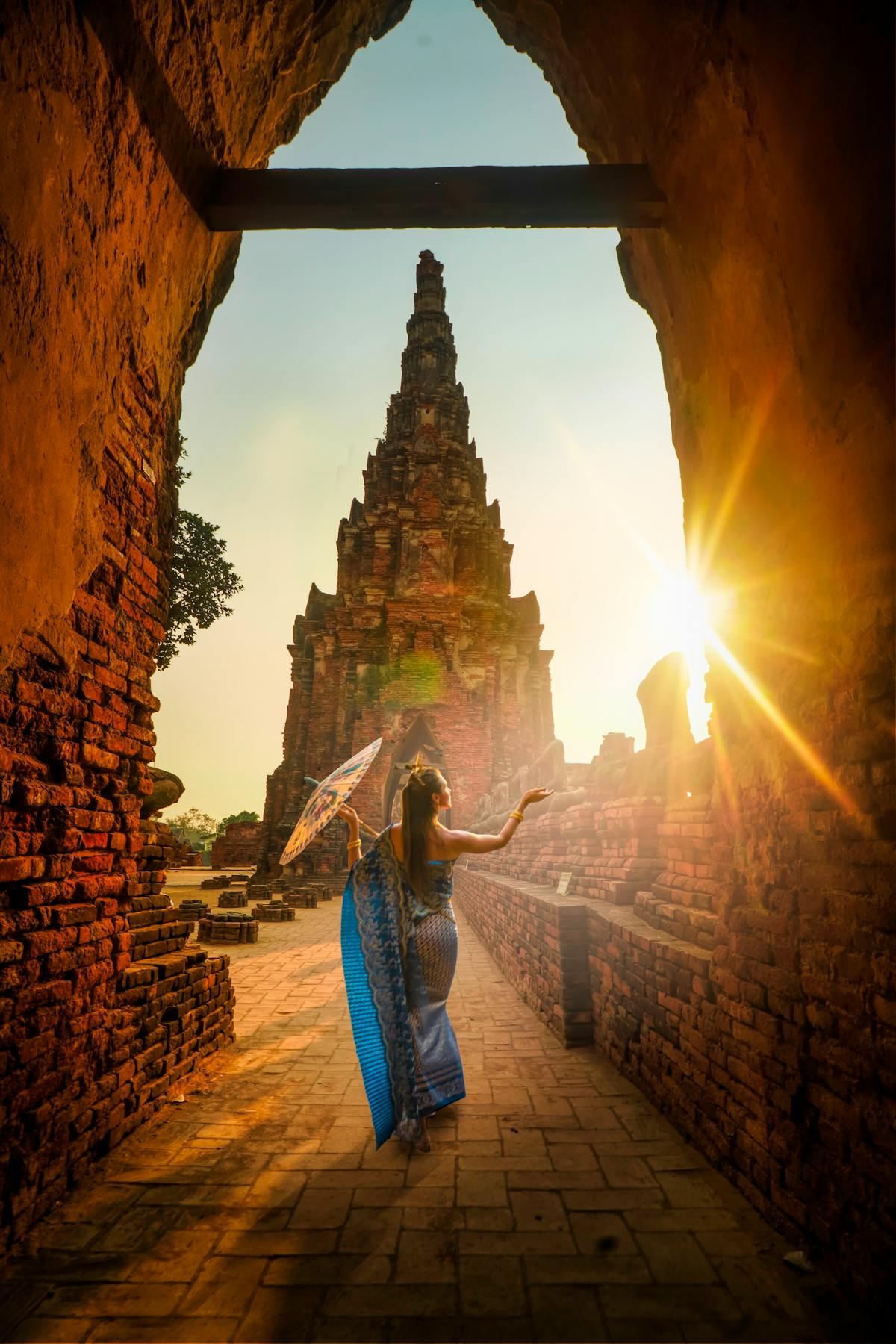
Asakusa & Ueno Guide
Tokyo’s Historic Heart and Cultural District
Introduction
Asakusa is the district where Tokyo’s past breathes most freely. Centred on the magnificent Senso-ji temple — the oldest and most visited temple in all of Japan — Asakusa preserves the atmosphere of Edo-period Tokyo in its narrow lanes, rickshaw pullers, traditional craft shops, and festivals that have continued for centuries. Neighbouring Ueno, just a short walk or subway stop away, adds a rich layer of museums, Japan’s oldest public park, and the lively Ameyoko market street.
Together, Asakusa and Ueno offer foreign visitors an immersive window into the culture, history, and craftsmanship that shaped modern Japan. The contrast with ultramodern Shinjuku or Shibuya could hardly be greater, yet both worlds coexist in the same city — a juxtaposition that makes Tokyo uniquely fascinating.
Whether you come for the temple ceremonies at dawn, the taiko drum performances at festivals, the museum collections of world-class significance, or simply to shop for genuine Japanese crafts and souvenirs, this part of Tokyo rewards slow exploration and curious wandering.
Top Attractions & Things to Do
1. Senso-ji Temple & Nakamise Shopping Street
Senso-ji is Tokyo’s most iconic religious site, founded according to legend in 628 AD when two fishermen found a golden image of the Buddhist goddess Kannon in the Sumida River. The dramatic Thunder Gate (Kaminarimon) with its enormous red paper lantern marks the entrance to Nakamise — a 250-metre covered shopping street lined with stalls selling sembei rice crackers, yukata robes, fans, lucky charms, and traditional crafts. Beyond Nakamise, the main hall of Senso-ji rises above a courtyard of incense smoke and worshippers. Entry to the temple is free and it is open at all hours, though the grounds are at their most atmospheric in the early morning before crowds arrive.
2. Ueno Park & Ueno Zoo
Ueno Park is Japan’s oldest public park, established in 1873, and remains one of Tokyo’s most beloved green spaces. It is the city’s premier cherry-blossom destination, drawing hundreds of thousands of revellers each spring for hanami (flower-viewing) picnics under its 800 cherry trees. Within the park, the Shinobazu Pond is home to lotus flowers and wild birds throughout the year. Adjacent to the park, Ueno Zoo is Japan’s oldest zoo (1882) and houses giant pandas along with over 3,000 animals across 400 species.
3. Tokyo National Museum
The Tokyo National Museum in Ueno Park is Japan’s oldest and largest museum, housing the world’s largest collection of Japanese art and artefacts. More than 110,000 objects span prehistoric Jomon pottery, samurai armour, lacquerware, Buddhist sculpture, ukiyo-e woodblock prints, and silk kimonos. The museum’s main building (Honkan) was constructed in 1938 and is itself a designated Important Cultural Property. Allow at least two to three hours to do justice to the permanent collection; temporary exhibitions often feature National Treasures that are rarely displayed publicly.
4. Sumida River Cruise & Sky Tree Views
The Sumida River runs alongside Asakusa and offers one of the most scenic ways to travel between Asakusa and Odaiba or Hamarikyu Garden. Water buses (suijo buses) operated by Tokyo Cruise depart from Asakusa Pier regularly throughout the day. The journey through central Tokyo on the water provides a completely different perspective on the city. From Asakusa you also have an excellent view of Tokyo Sky Tree — at 634 metres the tallest tower in Japan and the second tallest structure in the world — which rises dramatically from the nearby Oshiage neighbourhood.
5. Ameyoko Market Street
Ameyoko is a bustling open-air market street running beneath the JR tracks between Ueno and Okachimachi stations. Originally a black market that emerged after World War II, Ameyoko today is a vivid, noisy bazaar packed with stalls selling fresh seafood, dried goods, cheap clothing, cosmetics, and a staggering variety of snacks. The energy is unlike anywhere else in Tokyo — fishmongers shout prices, the smell of grilled meat drifts past discount shoe shops, and the crowd surges in all directions. Visit in the morning for the freshest produce and most photogenic scenes.
6. Rickshaw Rides in Asakusa
Asakusa is one of the few places in Japan where you can take a genuine rickshaw (jinrikisha) ride through historical streets. Licensed rickshaw pullers in traditional dress offer tours of various lengths through the back streets of Asakusa, past old merchants’ houses, quiet shrines, and the riverside. The experience is both memorable and surprisingly informative — pullers are happy to share the neighbourhood’s history in English. Prices start at approximately ¥3,000 for a short course for two people.
7. National Museum of Western Art
Also in Ueno Park, the National Museum of Western Art is a UNESCO World Heritage Site designed by the legendary Swiss-French architect Le Corbusier. Its permanent collection includes Rodin sculptures in the forecourt and an impressive selection of Impressionist and post-Impressionist paintings by Monet, Renoir, and Pissarro. The building itself — one of Le Corbusier’s few works in Asia — is as much the attraction as the art within. Admission is ¥500 for adults, with free entry on the second and fourth Saturday of each month.
Best Restaurants & Food Spots
Daikokuya Tempura — The most famous tempura restaurant in Asakusa, Daikokuya has been serving its signature dark-sauced tendon (tempura rice bowl) since 1887. The queues outside are legendary but move quickly. The large prawn tempura is the signature order.
Sometaro — A wonderfully atmospheric okonomiyaki (Japanese savoury pancake) restaurant where guests cook their own at the table on a built-in iron griddle. The tatami-floored rooms and antique decor feel like stepping back 50 years.
Asakusa Imahan — For a splurge, Asakusa Imahan has been serving wagyu beef sukiyaki and shabu-shabu since 1895. The marbled beef, cooked tableside in an iron pot with sweet soy broth, is an unforgettable experience.
Nakamise Sembei Shops — Do not leave Asakusa without trying freshly made sembei (grilled rice crackers) from one of the stalls along Nakamise. They are basted in soy sauce and grilled to order, and are far superior to factory-packaged versions.
Hoppy Street Izakayas — Hoppy Street (Hoppy Dori) near Senso-ji is lined with casual izakaya restaurants that have been serving cheap beer, hoppy (a beer-like malt drink), and grilled offal since the 1950s. Pull up a plastic stool and join the locals for a very affordable evening meal.
How to Get There
- Asakusa Station: Tokyo Metro Ginza Line, Tobu Skytree Line, Tsukuba Express, Toei Asakusa Line all stop here.
- Ueno Station: JR Yamanote Line, JR Keihin-Tohoku Line, Tokyo Metro Ginza and Hibiya lines.
- From Shinjuku to Asakusa: ~35 minutes by Tokyo Metro (change at Aoyama-itchome or direct Oedo Line).
- From Tokyo Station to Ueno: ~5 minutes by JR Yamanote or Keihin-Tohoku Line (¥150).
- From Narita Airport: The Narita Sky Access (Skyliner) arrives at Ueno Station in approximately 41 minutes (¥2,570).
Quick Tips
- Best time to visit: Early morning (before 8 am) for Senso-ji without crowds; spring for Ueno Park’s legendary cherry blossoms.
- Senso-ji dress code: There is no strict dress code at the temple, but respectful, comfortable clothing is appropriate.
- Asakusa souvenir shopping: The small lanes behind Nakamise (Shin-Nakamise and the side alleys) have genuine craft workshops selling pottery, lacquerware, and traditional toys at fair prices.
- Museum days: Most national museums in Ueno are closed on Mondays. Check websites for temporary exhibition schedules in advance.
- Tokyo Sky Tree: Book Sky Tree observation deck tickets online to avoid the long queues at the ticket counter.
Where to Stay near Asakusa & Ueno
Staying in Asakusa offers a traditional Tokyo experience with excellent transport links including a direct Skyliner connection to Narita Airport from Ueno.

Plan your Japan trip
Two things every first-timer should book
Some links are affiliate links. If you book through them we may earn a small commission at no extra cost to you.