While millions of travelers pass through Chiba Prefecture each year — Narita International Airport sits within its borders — remarkably few take the time to explore what this diverse and rewarding prefecture has to offer. Chiba Prefecture lies just east of Tokyo across the Edo River, its Boso Peninsula curling south between Tokyo Bay and the Pacific. Within it you will find dramatic ocean cliffs, beautiful beaches, ancient temples and pilgrimage routes, fresh seafood markets, and even one of Japan’s most visited international attractions. It is a destination that genuinely deserves more attention from travelers.
Here is your complete guide to discovering Chiba beyond Narita Airport.
Top 5 Must-See Attractions in Chiba
1. Tokyo Disney Resort (Urayasu)
Technically located in Urayasu, Chiba, Tokyo Disneyland and Tokyo DisneySea are among the most visited theme parks in the world. Tokyo DisneySea in particular is widely regarded as the finest Disney park globally — its unique Arabian Nights-meets-nautical-adventure design is unlike any Disney park elsewhere. Both parks are accessible directly from central Tokyo in about 15 minutes on the Keiyo Line from Tokyo Station. Plan well in advance and book tickets online to avoid long queues at the gate.
2. Nokogiriyama (Saw Mountain) and Nihonji Temple
On the southern Boso Peninsula overlooking Tokyo Bay, Nokogiriyama (literally “Saw Mountain” for its jagged ridgeline profile) is home to Nihonji Temple — one of Japan’s oldest Buddhist complexes, containing extraordinary large-scale rock carvings. The highlight is the enormous “Hyakushaku Kannon” — a 31-meter-tall Kannon bodhisattva figure carved directly into the cliff face. Nearby, 1,553 Buddha figures line a rocky hillside, and the Jigoku Nozoki (“Hell Lookout”) cliff provides vertiginous views straight down to Tokyo Bay. Reach the mountain by ropeway or hiking trail from Hamakanaya Station.
3. Naritasan Shinshoji Temple
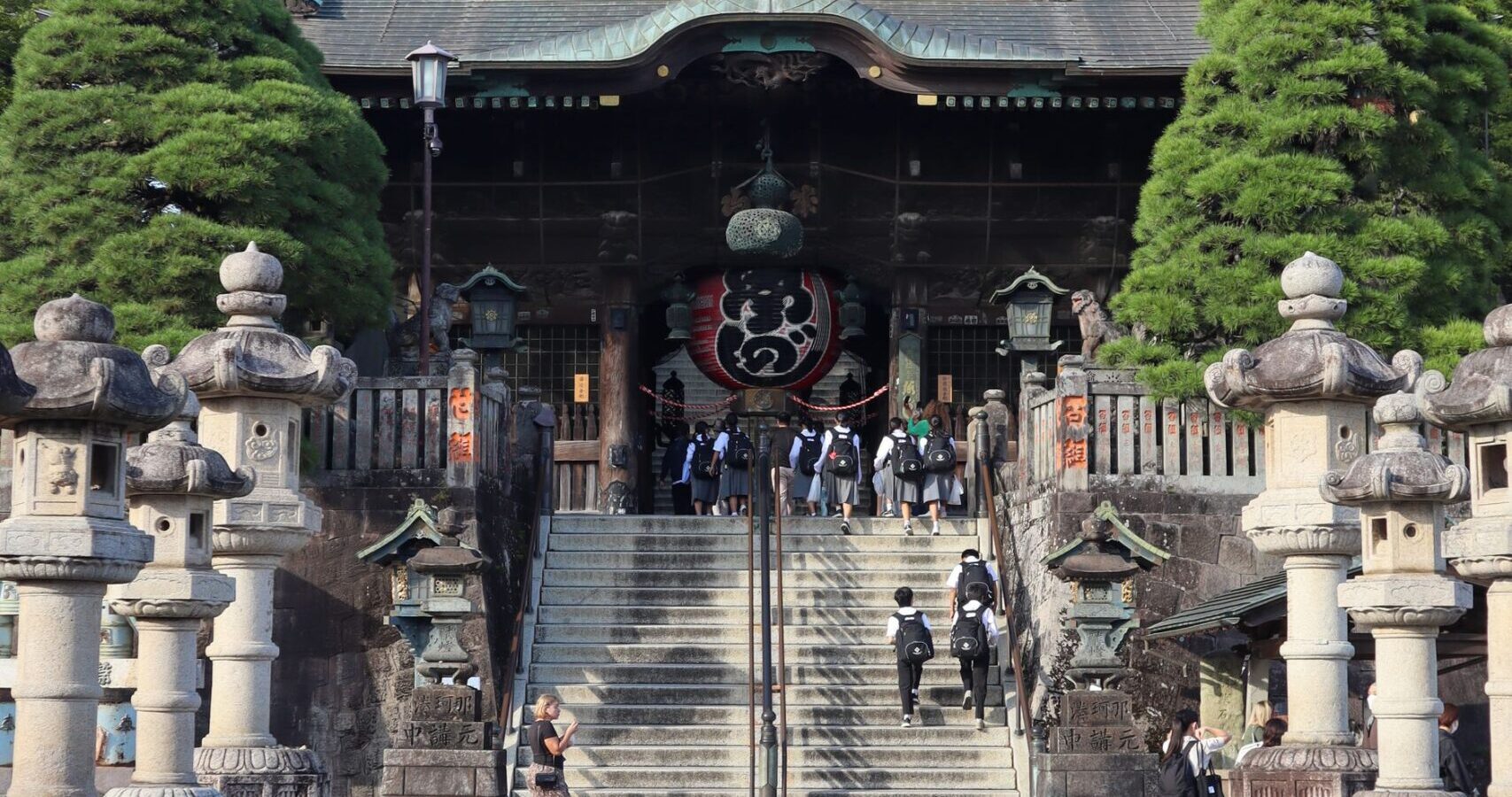
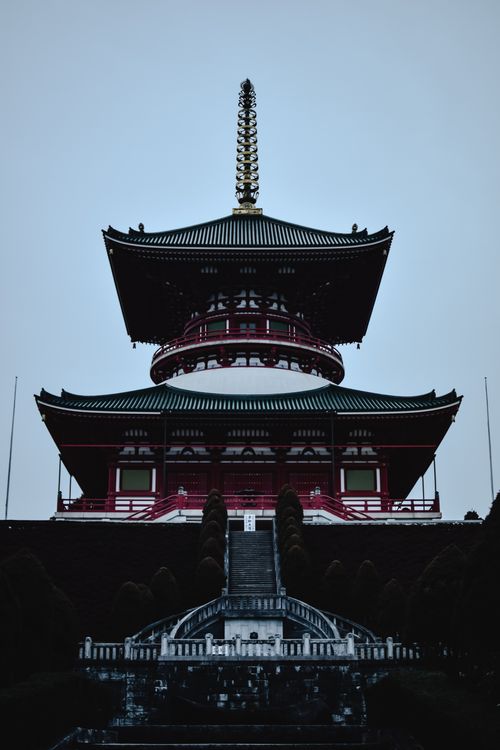
Just minutes from Narita Airport, this magnificent Buddhist temple complex is one of Japan’s most visited temples, receiving over 12 million visitors annually. The approach from Narita Station is lined with a long, atmospheric shopping street of traditional shops selling eel cuisine, narita-style pickles, and crafts. The temple itself features impressive pagodas, ornate halls, and beautiful grounds. It makes an excellent last stop before catching a flight or a worthy first destination upon arrival in Japan.
4. Kujukuri Beach
One of Japan’s longest beaches at about 66 kilometers, Kujukuri stretches along the Pacific coast of the Boso Peninsula. The wide, sandy beach is popular with surfers, sunbathers, and cyclists. The ocean here faces the open Pacific with excellent rolling waves — a major surfing destination. During summer, the beach towns come alive with seaside restaurants and summer festivals. The beach is accessible from Tokyo in about 1.5 to 2 hours by train and bus or by car.
5. Choshi City and the Inubosaki Lighthouse
At the northeastern tip of the Boso Peninsula, Choshi is one of Japan’s major fishing ports and home to some of the finest soy sauce production in the country (Yamasa soy sauce has been brewed here since 1645). The Inubosaki Lighthouse sits dramatically on a clifftop overlooking the Pacific and marks the easternmost point of the Kanto region, facing the open Pacific. The dramatic sea views with crashing Pacific waves are magnificent, particularly at sunrise.
Chiba’s Food Specialties
- Narita Unaju (Eel over Rice): The traditional approach to Naritasan temple is lined with restaurants serving freshwater eel grilled over charcoal and served over rice in lacquered boxes. Narita is one of Japan’s most famous eel destinations — the tradition dates back centuries, when pilgrims required substantial food for the journey.
- Hamaguri (Clams from Choshi): The Boso coastline, especially Kujukuri, produces outstanding hamaguri hard clams. Hamaguri clam soup, grilled clams, and clam-based sauces are local specialities well worth seeking out.
- Peanuts: Chiba produces about 80% of Japan’s peanuts. Peanut-flavored products are available throughout the prefecture — peanut miso, peanut noodles, peanut tofu (rakkasei-dofu), and flavored peanut snacks in enormous variety.
- Nori (Seaweed): Tokyo Bay’s Chiba-side waters produce high-quality nori, harvested here since the Edo period. The freshly dried sheets have exceptional flavor and aroma.
- Choshi Shoyu (Soy Sauce): The maritime climate of Choshi creates ideal conditions for brewing soy sauce. Yamasa’s original-recipe soy sauce is available for tasting at their museum, and the umami depth is remarkable.
Best Time to Visit Chiba
Cherry blossom season (late March to early April) is beautiful throughout Chiba, particularly at Naritasan Shinshoji and in the smaller castle towns. Summer (July to August) is prime beach season at Kujukuri and the Boso coast. New Year’s (January 1 to 3) is extraordinarily lively at Naritasan Shinshoji — one of Japan’s busiest New Year’s destinations. Autumn (October to November) brings pleasant temperatures and various fishing seasons peak for different seafood.
How to Get to Chiba
From Tokyo: Chiba City is just 40 minutes from Tokyo Station on the JR Sobu Line. Narita Airport is accessible from central Tokyo in 60 to 75 minutes. The Tokyo Disney Resort is 15 minutes from Tokyo Station on the Keiyo Line. Southern Boso Peninsula destinations (Nokogiriyama, Tateyama) take 1.5 to 2 hours by JR Uchibo or Sotobo Line from Tokyo.
By Car: Renting a car is highly recommended for exploring the southern Boso Peninsula, where train service is infrequent. From Tokyo, the Tokyo Bay Aqua-Line expressway crosses Tokyo Bay to the Boso Peninsula in about 30 minutes — a remarkable piece of infrastructure that includes both a bridge and an underwater tunnel.
Practical Tips: Budget and Accommodation
Chiba is generally affordable. Chiba City and Narita have numerous business hotels from 5,000 to 10,000 yen per night — and Narita in particular has excellent airport hotel options if you have an early morning flight. Beach resorts in Kujukuri are available from 8,000 to 15,000 yen for summer stays. Staying in Chiba rather than central Tokyo can save significant money while keeping you close to major attractions via efficient train connections.
Find the best hotels in Chiba and near Narita here: Book your hotel on Agoda →
Final Thoughts on Chiba

Chiba is one of Japan’s most underestimated prefectures — a destination with enough variety and depth to fill a week of independent travel, yet one that millions of visitors pass through without a second glance. From the ancient temple approach at Narita to the giant Buddha carvings of Nokogiriyama, from Tokyo DisneySea to the long, wild Pacific beaches of Kujukuri, Chiba is a place of genuine discovery. Make time for it — you will be pleasantly surprised by everything you find.
Top Attractions in Chiba Prefecture
Naritasan Shinshoji Temple
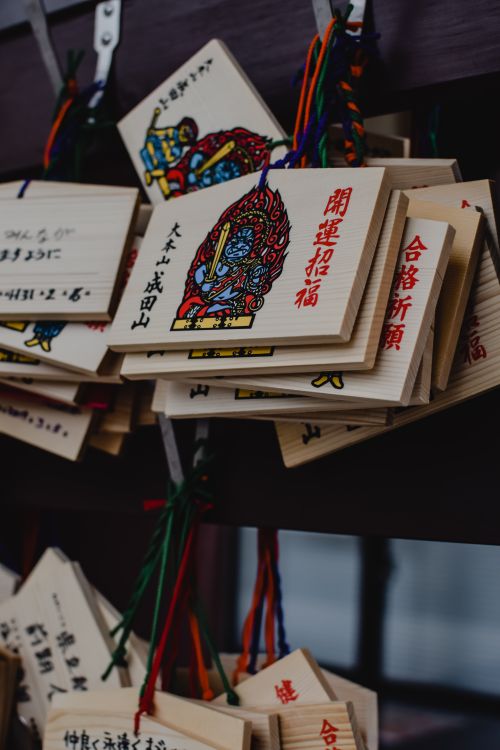
Naritasan Shinshoji Temple is one of Japan’s most visited religious sites, drawing approximately 12 million visitors annually — ranking it among Japan’s most visited temples and making it one of the country’s genuine pilgrimage centers. Founded in 940 CE following a legendary military victory attributed to the temple’s principal deity Fudo Myo-o (the Immovable Wisdom King), Naritasan has been a destination for healing, wish-fulfillment, and New Year’s blessing for over a thousand years. The sprawling 165,000-square-meter temple complex encompasses multiple halls in various architectural styles from different eras, enormous incense burners, a three-story pagoda, and serene garden areas. The approach street (Omotesando) leading from Narita Station to the temple gates is one of Japan’s finest traditional shopping streets, lined with over 150 shops selling religious goods, unagi (freshwater eel) cuisine for which Narita is particularly famous, traditional sweets, and local crafts. The temple is directly accessible from Narita Airport by shuttle bus (10 minutes) or train, making it an excellent introduction to Japanese religious culture for newly arrived international visitors.
Boso Peninsula: Beaches and Coastal Culture
The Boso Peninsula forms Chiba’s southeastern bulk, its Pacific-facing coast offering some of the Tokyo metropolitan area’s finest beaches and most dramatic coastal scenery. Kujukuri Beach is one of Japan’s longest beaches — a 66-kilometer arc of fine sand facing the open Pacific, popular with surfers, swimmers, and beachcombers throughout the warmer months. The western Uchibo coast facing Tokyo Bay is sheltered and warmer, with resort facilities and shallow swimming conditions ideal for families. Cape Inubosaki, at the Boso Peninsula’s northeastern tip, is famous for its lighthouse (one of Japan’s oldest Western-style lighthouses, built in 1874) and for Gyoko-ryo, the first Western-style building constructed in the area. The fishing towns along the Boso coast — particularly Katsuura and Choshi — operate some of Chiba’s most atmospheric early-morning fish markets, where the previous night’s catch is auctioned and sold before dawn, with restaurants adjacent serving spectacularly fresh sashimi breakfasts. The coastal Tateyama area at the peninsula’s southern tip offers snorkeling, diving, and views of the Izu Islands on clear days.
Kamogawa Sea World and Kazusa Akademia Park
Kamogawa Sea World on the Boso Peninsula’s southern Pacific coast is one of Japan’s finest marine theme parks, renowned for its killer whale performances, beluga whale interactions, and outstanding aquarium displays. Located within easy reach of Tokyo by express bus or JR Sotobo Line, it makes an excellent day trip particularly popular with families. The facility is one of very few in Japan to house killer whales, and its dolphin, sea lion, and walrus shows are among the most professional in the country. For those interested in science and nature, the Kazusa DNA Research Institute and its associated Akademia Park near Kisarazu City on the western Boso coast is Japan’s leading genomics research center and occasionally offers public educational programs.
Nokogiriyama (Saw Mountain)
Nokogiriyama (329 meters), named for its jagged saw-tooth ridgeline, offers one of the most dramatically scenic mountain experiences accessible from Tokyo — reachable by ferry across Tokyo Bay from Yokosuka in just 40 minutes. The Nihon-ji Temple complex carved into the mountain’s stone cliff faces includes a massive 31-meter seated Buddha figure hewn from the living rock (the largest stone Buddha in eastern Japan), a thousand carved Rakan (disciple) figures emerging from cliff faces along mountain trails, and a dramatic viewpoint called the Hell Peek (Jigoku Nozoki) where visitors can lean out over a sheer precipice for vertiginous views across Tokyo Bay. A ropeway connects the base to the ridgeline, but hiking the mountain trails through the stone-carved heritage adds significantly to the experience.
Chiba City and Greater Tokyo Surroundings
Chiba City, the prefectural capital, is primarily a modern commercial center serving as a bedroom community for Tokyo, but contains several worthwhile attractions including the Chiba Port Tower (observations of Tokyo Bay and Mount Fuji on clear days), the excellent Chiba City Museum of Art, and Makuhari Messe — one of Japan’s largest convention centers and home to major gaming, technology, and entertainment events throughout the year. The Tokyo Disney Resort, located in the Urayasu area of Chiba just 15 minutes from central Tokyo, draws close to 30 million visitors a year, making it one of the world’s most visited theme park complexes. Mother Farm in the Futtsu hills offers hands-on farm experiences, sheep shows, and seasonal flower events that are popular family destinations year-round.
Getting to Chiba Prefecture
From Tokyo
Chiba’s location directly east of Tokyo makes it one of the most easily accessible prefectures from the capital. The JR Sobu Line runs from Akihabara to Chiba Station in approximately 40 minutes (470 yen). The JR Sobu Rapid Line connects Tokyo Station to Chiba in about 40 minutes. For the Boso Peninsula, the JR Sotobo Line from Tokyo reaches Katsuura in approximately 90 minutes and Tateyama in about 2 hours. The JR Uchibо Line from Tokyo reaches Kimitsū and points south in similar time. Narita is connected to both Tokyo Station and Shinjuku via the Narita Express (NEX, 60 to 90 minutes) and Keisei Skyliner (41 minutes to Ueno). The Tokyo Bay Aqua-Line road tunnel and bridge connects Kawasaki (Kanagawa) to Kisarazu (Chiba) in 15 minutes by car, dramatically reducing driving times from western Tokyo.
From Osaka and Nagoya
From Osaka or Nagoya, the most practical route is Shinkansen to Tokyo Station, then connecting to JR Keiyo or Sobu Lines for Chiba City (35 to 40 minutes). For Narita directly, the Narita Express departs from Tokyo Station. Domestic flights from Osaka Itami to Narita Airport or Tokyo Haneda provide alternatives, though given the domestic flight time plus airport transit, the Shinkansen-plus-train combination is generally competitive for total journey time to most Chiba destinations.
Getting Around Chiba
Chiba’s extensive rail network covers the northern and western parts of the prefecture efficiently. JR lines radiate from Chiba Station and Tokyo, while the Keisei Line runs parallel to the JR Sobu corridor. For the Boso Peninsula, the JR Sotobo and Uchibo Lines connect the eastern and western coasts respectively, meeting at Awa-Kamogawa on the southeastern coast. A rental car is strongly recommended for exploring the Boso Peninsula’s interior, Cape Inubosaki, and the Boso Flower Line scenic coastal road. The Tokyo Bay Ferry connecting Kanaya (Boso) to Yokosuka provides a scenic and time-efficient route for visitors coming from western Tokyo or Kanagawa. The Chiba Monorail (one of the world’s longest suspended monorail systems) serves Chiba City’s inner suburbs.
Where to Stay in Chiba
Budget (5,000 to 8,000 yen/night): Business hotels near Chiba Station, Narita Station (convenient for airport arrivals), or coastal resort areas. Mid-Range (10,000 to 20,000 yen/person): Coastal resort hotels in the Katsuura, Tateyama, or Kamogawa areas offering ocean views and fresh seafood dinners. Ryokan near Cape Inubosaki provide traditional accommodation with Pacific views. Luxury (25,000 yen or more/person): High-end resort hotels in the Kamogawa and southern Boso area, several with private beach access and full kaiseki cuisine featuring Chiba’s celebrated seafood including hamaguri clams, ise ebi (spiny lobster), and abalone.
Food and Local Specialties in Chiba
Katsuura Tantanmen: Chiba’s most distinctive ramen creation, a spicy soy-sauce noodle soup topped with chili oil, onions and minced pork developed by the fishing port town of Katsuura to warm fishermen returning from cold Pacific waters — now the prefecture’s most celebrated regional dish, with dozens of restaurants throughout the Katsuura area competing for the title of best version. Unagi (Freshwater Eel) at Narita: The town of Narita has been famous for its unagi restaurants for centuries, and the Omotesando approach to Naritasan Temple is lined with restaurants serving perfectly grilled eel over rice (unadon) and in lacquer boxes (unaju) at competitive prices. Hamaguri Clams from Choshi: The coastal waters off Choshi City produce exceptional hamaguri clams used in miso soup, grilled preparations, and in dishes seasoned with Choshi’s celebrated soy sauce, brewed here since the Edo period. Nashi Pears: Chiba Prefecture is Japan’s leading nashi pear producer, growing large, crisp, sweet varieties that are among the finest fruits in Japan — available at farm stands and supermarkets throughout the prefecture from August through October. Chiba Soy Sauce: Several historic soy sauce breweries in Choshi and Noda City (including Kikkoman’s historic brewery, open to visitors) have been producing Japan’s most consumed condiment for centuries — making this a fascinating industrial heritage destination for food enthusiasts.
Best Time to Visit Chiba
Spring (March to May): Flower parks throughout Chiba including the Nokogiriyama area and Boso Flower Line are spectacular with cherry blossoms, rape flowers (nanohana), and poppies. The Chiba Flower Festival in May celebrates the prefecture’s exceptional floriculture industry. Summer (June to September): Beach season at Kujukuri, Katsuura, and western Uchibo Coast; surfing peak at Shida Beach; Kamogawa Sea World peak visitor season. Autumn (September to November): Nashi pear season, coastal fishing festivals, comfortable temperatures for Boso Peninsula road trips. Winter (December to February): Naritasan Temple’s New Year visits (Hatsumode) draw millions of visitors in the first three days of January — Japan’s largest New Year temple visit. Whale watching tours operate off the Choshi coast from January through March.
Hidden Gems and Local Tips for Chiba
Choshi Electric Railway: A tiny private railway running just 6.4 kilometers along the Choshi coast, its retro secondhand carriages serve as a charming anachronism beloved by railway enthusiasts — the onboard snack service of濡れ煎餅 (wet senbei rice crackers, Choshi’s specialty) is a delightful local touch. Boso Flower Line (Scenic Coastal Road): The coastal road along the southern tip of the peninsula around Tateyama and Minamiboso features dramatic Pacific cliff views and seasonal wildflower displays — best driven in spring when rape flowers and poppies cover the hillsides. Choshi Fishing Port Early Morning Market: One of Japan’s busiest fishing ports, Choshi’s early morning wholesale market (accessible to the public) offers extraordinary freshness and variety of Pacific seafood at prices far below restaurant levels. Yoro Valley (Yoro Keikoku): A gentle riverside gorge in inland Chiba with the rural Kominato Railway and its steam-locomotive-styled sightseeing train, autumn foliage walks, and a relaxed countryside atmosphere completely at odds with the prefecture’s coastal resort image — excellent for a quiet inland day trip.
Practical Information for Visiting Chiba
Tourist Information: Chiba Station Tourist Information Center provides English maps. Narita Airport’s arrival halls have outstanding multilingual tourist information facilities. Wi-Fi: Excellent coverage throughout greater Chiba; free Wi-Fi at Narita Airport, major stations, and hotels. Cash: Cards widely accepted in Chiba City and tourist areas; cash recommended for rural Boso Peninsula. Emergencies: Police 110, Fire and Ambulance 119. Chiba University Hospital: 043-222-7171.
Chiba Budget Guide
Budget (6,000 to 10,000 yen/day): Business hotel in Chiba City or Narita, convenience store meals and teishoku lunches, JR trains. Naritasan Temple free (grounds), Nokogiriyama ropeway 1,500 yen. Mid-Range (12,000 to 22,000 yen/day): Coastal resort hotel, unagi dinner at Narita (3,000 to 6,000 yen), Kamogawa Sea World admission (3,000 yen adults). Luxury (30,000 yen or more/day): Premium Boso Peninsula resort with ocean view rooms, kaiseki featuring Chiba spiny lobster and abalone, private beach access.
Frequently Asked Questions About Chiba
Is Tokyo Disneyland in Chiba or Tokyo?
Despite its name, Tokyo Disney Resort (comprising Tokyo Disneyland and Tokyo DisneySea) is located in Urayasu City, Chiba Prefecture — not in Tokyo. It is easily accessible from Tokyo Station via the JR Keiyo Line to Maihama Station (about 15 minutes; JR East fares rose in March 2026). Both parks are operated by Oriental Land Company under license from Disney.
How do I get from Narita Airport to central Tokyo?
The fastest option is the Keisei Skyliner (41 minutes to Ueno Station, 2,570 yen). The Narita Express (NEX) reaches Tokyo Station in approximately 60 minutes (3,070 yen). Airport limousine buses serve major Tokyo hotels directly (60 to 90 minutes, 3,200 yen). Budget option: Keisei Ltd Express (approximately 70 minutes to Ueno, 1,050 yen).
What is Katsuura Tantanmen?
Katsuura Tantanmen is Chiba’s most famous regional dish — a spicy, sesame-rich ramen developed in the Katsuura fishing port to warm fishermen. Unlike Sichuan dan dan noodles, Katsuura’s version has a lighter, more nuanced spice and a deep sesame fragrance. Over 50 restaurants in Katsuura City serve their own variation, making it an excellent destination for ramen enthusiasts.
Is Naritasan Temple worth visiting?
Absolutely, especially for visitors arriving through Narita Airport. The temple complex is impressive in scale and atmosphere, the Omotesando approach street is one of Japan’s finest traditional shopping streets, and the unagi restaurants in the area serve some of the best freshwater eel in Japan. Allow 2 to 3 hours for a proper visit including the temple grounds and a meal.
What beaches are near Tokyo in Chiba?
The closest ocean beaches to Tokyo are at Funabashi and Inage (30 to 40 minutes from central Tokyo) — urban beaches suitable for casual beach-going. For better quality swimming and surfing, Kujukuri Beach (90 minutes by express bus from Tokyo) is Japan’s longest beach with consistent Pacific surf. Katsuura and the southern Boso Coast offer cleaner waters and more dramatic coastal scenery at 90 to 120 minutes from Tokyo.
What is Nokogiriyama mountain?
Nokogiriyama (Saw Mountain, 329 meters) is a dramatic rocky peak on the western Boso Peninsula featuring a massive cliff-carved Buddha, 1,500 stone Rakan figures, and spectacular Tokyo Bay views. Accessible by Tokyo Bay Ferry from Yokosuka (40 minutes) or JR Uchibo Line to Hama-Kanaya Station. The ropeway provides easy access for those not wishing to hike.
How many days should I spend in Chiba?
Chiba is most commonly visited on day trips from Tokyo, but 2 to 3 days allows a more comprehensive experience: half-day at Naritasan Temple, a day exploring the Boso Peninsula coast (Nokogiriyama, Katsuura), and an optional day at the northern coast (Choshi fish market, lighthouse). Disney Resort visitors typically allocate 1 to 2 days per park.
What food is Chiba famous for?
Chiba’s most famous foods are: Narita unagi (freshwater eel, grilled over charcoal), Katsuura Tantanmen ramen, Choshi hamaguri clams and soy sauce, Chiba nashi pears (August to October), spiny lobster (ise ebi) from the Pacific coast, and fresh Pacific sashimi from Choshi’s morning market. Chiba’s agricultural output — including peanuts, strawberries, and lotus root — is also among Japan’s most prolific.
Is English widely spoken in Chiba?
English is excellent at Narita Airport and reasonable in Narita City and Chiba City. The Boso Peninsula’s rural coastal areas have very limited English; a translation app is recommended. Kamogawa Sea World and major tourist attractions have English signage and some English-speaking staff. The greater Chiba area’s proximity to Tokyo means international exposure is higher than most rural Japanese prefectures.
3-Day Chiba Itinerary: From Ancient Temples to Ocean Breezes
Chiba Prefecture offers a surprising range of experiences for travelers willing to look beyond its reputation as Tokyo’s airport gateway. This three-day itinerary takes you from sacred temple grounds to windswept coastlines and family-friendly theme parks.
Day 1: Sacred History and City Culture
Begin your Chiba journey at Naritasan Shinshoji Temple, one of Japan’s most visited Buddhist temples. Arrive early to experience the morning prayers and incense rituals before the crowds arrive. The sprawling temple complex includes serene gardens, pagodas, and the impressive main hall where priests perform the sacred Goma fire ritual throughout the day. Allow at least two hours to explore the grounds fully.
For lunch, stroll down Omotesando street leading to the temple, lined with traditional shops selling Narita’s local specialty — eel (unaju). The town has been serving pilgrims for centuries, and several restaurants have been operating for over 200 years. Try unaju (eel over rice) in a lacquered box for an authentic taste of Chiba’s culinary heritage.
In the afternoon, head to Choshi on the Pacific coast, where the Inubosaki Lighthouse stands at one of Japan’s most dramatic clifftop locations. The surrounding area features the Inubosaki Marine Park Aquarium and spectacular ocean views. In the evening, explore Choshi’s famous fish market for incredibly fresh seafood — the city is one of Japan’s largest fishing ports, and the sashimi here is exceptional.
Day 2: Coastal Adventure and Theme Park Magic
Start Day 2 at Tokyo Disneyland and Tokyo DisneySea in Urayasu if you’re visiting with family, or opt for the natural wonders of the Boso Peninsula if you prefer the outdoors. Both options make for a full and rewarding day.
For nature lovers, drive south along the Boso Peninsula’s eastern coast to Katsuura, famous for its morning fish market (Katsuura Asaichi) where vendors sell the day’s catch directly to the public from 6 AM. The coastal scenery along Route 128 is breathtaking, with hidden coves and dramatic rock formations. Continue to Kamogawa Sea World, where killer whale shows and dolphin performances delight visitors of all ages.
In the evening, experience Katsura Tantanmen, Chiba’s distinctive spicy ramen unique to the Katsuura area. Unlike most ramen, this version uses a sesame and chili oil base rather than pork broth, creating a warming and complex flavor that locals have cherished for generations. The dish was created to warm up the cold fishermen who worked in the ocean winds.
Day 3: Nature Scenery and Shopping
Dedicate your final day to Makuhari Messe area and Inage Seaside Park if you enjoy modern Japan’s urban-coastal blend. Alternatively, visit Maihama in the morning for shopping at the Ikspiari mall complex, which offers excellent Japanese souvenirs and local Chiba products in a relaxed atmosphere without needing a park ticket.
For a memorable final afternoon, visit Mother Farm on the hills of the Boso Peninsula — a sprawling working farm where you can interact with sheep, goats, and horses while enjoying panoramic views of Tokyo Bay. The farm also offers seasonal flower events and fresh farm-to-table meals. End your Chiba journey with a sunset view over Tokyo Bay before returning to the city.
Shopping Guide: Chiba’s Best Souvenirs and Local Products
Chiba Prefecture produces some of Japan’s most distinctive regional products. Whether you’re looking for edible souvenirs or unique crafts, the prefecture has plenty to offer.
Peanuts (Rakkasei) are Chiba’s most famous product — the prefecture produces about 80% of Japan’s peanut crop. Look for specialty peanut products at Naritasan Omotesando shops: peanut miso (peanuts fermented in miso paste), peanut brittle, peanut soft cream, and peanut-flavored sembei rice crackers. The Chiba Peanut Butter varieties sold in local shops are far superior to commercial brands.
Choshi Soy Sauce is another prized local product. The Choshi area has been producing soy sauce since the Edo period, and several breweries offer tours and sell premium aged varieties unavailable outside the prefecture. Look for Yamasa and Higeta brands for excellent quality.
At Naritasan Omotesando shopping street, you’ll find traditional craft items including lacquerware, wooden crafts, and Narita-exclusive temple goods. The Narita International Airport terminals also stock a curated selection of Chiba prefecture products in the domestic departure areas — excellent for last-minute quality souvenirs. Major malls like Mitsui Outlet Park Kisarazu offer premium Japanese brands at discount prices.
Family-Friendly Activities in Chiba
Chiba Prefecture is arguably Japan’s most family-friendly destination outside the major cities. The combination of world-class theme parks, wildlife encounters, and natural playgrounds makes it ideal for visitors traveling with children.
Tokyo Disneyland and Tokyo DisneySea in Urayasu remain Japan’s most visited attractions, drawing over 30 million visitors annually before the pandemic. DisneySea is often rated the world’s best theme park for its extraordinary theming and adult-friendly attractions. Both parks offer English-language support throughout, making navigation easy for international visitors. Purchase tickets online in advance to avoid long queues.
Kamogawa Sea World on the Pacific coast offers a full day of marine entertainment, with killer whale performances, beluga whale encounters, and a dolphin stadium. The facility also operates a beach area in summer. Mother Farm in Futtsu allows children to feed animals, ride horses, and pick seasonal vegetables and fruits — an excellent introduction to Japan’s rural culture.
For a unique educational experience, the Chiba City Science Museum features hands-on science exhibits spread across multiple floors, with a planetarium that runs English-language shows. Makuhari Seaside Park offers open lawns, cycling paths, and beach areas perfect for a relaxed family picnic. During spring, the park’s cosmos and sunflower fields create spectacular backdrops for family photos.
Solo Travel Tips for Chiba
Chiba is an excellent destination for solo travelers. The prefecture is extremely safe, with low crime rates even in rural areas. Public transportation covers most major attractions, and English signage has improved significantly at key tourist sites following the expansion of Narita Airport tourism infrastructure.
The Chiba Monorail connecting central Chiba City is a fun solo experience — it’s one of the world’s longest suspended monorail systems and offers unique aerial views of the city. For coastal exploration, renting a bicycle at stations along the Sotobo Line allows flexible independent exploration of the Pacific coastline at your own pace. Solo travelers should note that many ryokan (traditional inns) in the Boso Peninsula area welcome single guests, often offering excellent value compared to Tokyo hotels.
Frequently Asked Questions About Chiba
Is Chiba worth visiting beyond the airport?
Absolutely. While most travelers simply transit through Narita Airport, Chiba Prefecture offers remarkable diversity — from world-class theme parks and ancient Buddhist temples to dramatic Pacific coastlines and authentic fishing villages. Travelers who take even two or three days to explore will find experiences unavailable anywhere else in Japan.
How do I get from Narita Airport to central Chiba attractions?
Naritasan Shinshoji Temple is just a 10-minute walk from Narita Station, which is directly connected to the airport by the Narita Line JR train (about 15 minutes). For Tokyo Disneyland, take the Narita Express or Keisei Skyliner to central Tokyo, then transfer to the Keiyo Line to Maihama Station (total journey about 60–75 minutes). JR East’s Welcome Rail Pass covers most routes.
When is the best time to visit Chiba?
Spring (March to May) is ideal for cherry blossoms at Chiba parks and the famous nemophila flowers at Hitachi Seaside Park nearby. Summer (July to August) is beach season along the Boso Peninsula, though it can be hot and humid. Autumn (October to November) brings beautiful foliage and comfortable temperatures. Winter is mild compared to most of Japan and is an excellent time to avoid crowds at Disneyland.
What is Chiba’s most unique food?
Katsuura Tantanmen ramen is the most distinctive local dish — a sesame and chili oil-based spicy noodle soup unique to the Katsuura area. Narita’s famous eel dishes (unaju and unagi) and Choshi’s ultra-fresh sashimi are also highlights. Chiba’s peanut products are a must-try souvenir food not available in this variety anywhere else in Japan.
Can I visit Chiba as a day trip from Tokyo?
Yes, many parts of Chiba are easily accessible as day trips. Naritasan Shinshoji Temple, Makuhari Messe area, and even the northern Boso Peninsula can be reached from central Tokyo in 60–90 minutes. Tokyo Disneyland is just 15 minutes from Tokyo Station. For the southern Boso Peninsula and Katsuura, an overnight stay is recommended to fully appreciate the coastal scenery.
Is Chiba safe for solo female travelers?
Chiba is very safe for solo female travelers. As a largely suburban and rural prefecture, crime rates are extremely low. The main tourist areas around Naritasan, Makuhari, and the Boso Peninsula are well-lit, have good public transport, and are frequented by families and other travelers. Standard Japan travel precautions apply — keep valuables secure and be aware of surroundings, as you would anywhere.
Do I need to rent a car to explore Chiba?
Not necessarily, but a car significantly expands your options in the southern Boso Peninsula. The JR Sotobo and Uchibo Lines cover coastal towns, but services can be infrequent in rural areas. Naritasan, Makuhari, and Tokyo Disneyland are all easily accessible by train. If you want to explore coastal drives, hidden beaches, and roadside seafood markets at your own pace, renting a car at Chiba Station or Makuhari is highly recommended.
What are the best beaches in Chiba?
The Boso Peninsula’s Pacific coastline offers Chiba’s best beaches. Ohara Beach and Ichinomiya Beach near Chosei are popular surf spots. Katsuura and Okitsu along the Sotobo coast feature more rugged scenery. On the Tokyo Bay side, Kisarazu and Futtsu are calmer and family-friendly. Water quality at all these beaches is generally good, and summer sees festivals, fireworks displays, and beach food stalls throughout the coastal towns.
Related guides
- Naritasan Shinshoji Temple: A First-Timer’s Guide to Narita’s 1,000-Year-Old Buddhist Sanctuary
- Chichibu Travel Guide 2026: A First-Timer’s Guide to Shibazakura, a Sacred Wolf Shrine, and Tokyo’s Best Mountain Day Trip in Saitama
- Shimokitazawa Travel Guide 2026: Tokyo’s Coolest Neighbourhood for Vintage Shopping, Cafes and Live Music
Going to Japan? Speak Japanese with confidence.
Hirameki Japanese — camera translate for menus and signs, a two-way conversation mode, and furigana + romaji on every phrase. Free to download with kana charts, conversation mode and starter words; a one-time purchase unlocks everything.
⬇ Get it on the App Store
Plan your Japan trip
Two things every first-timer should book
Some links are affiliate links. If you book through them we may earn a small commission at no extra cost to you.