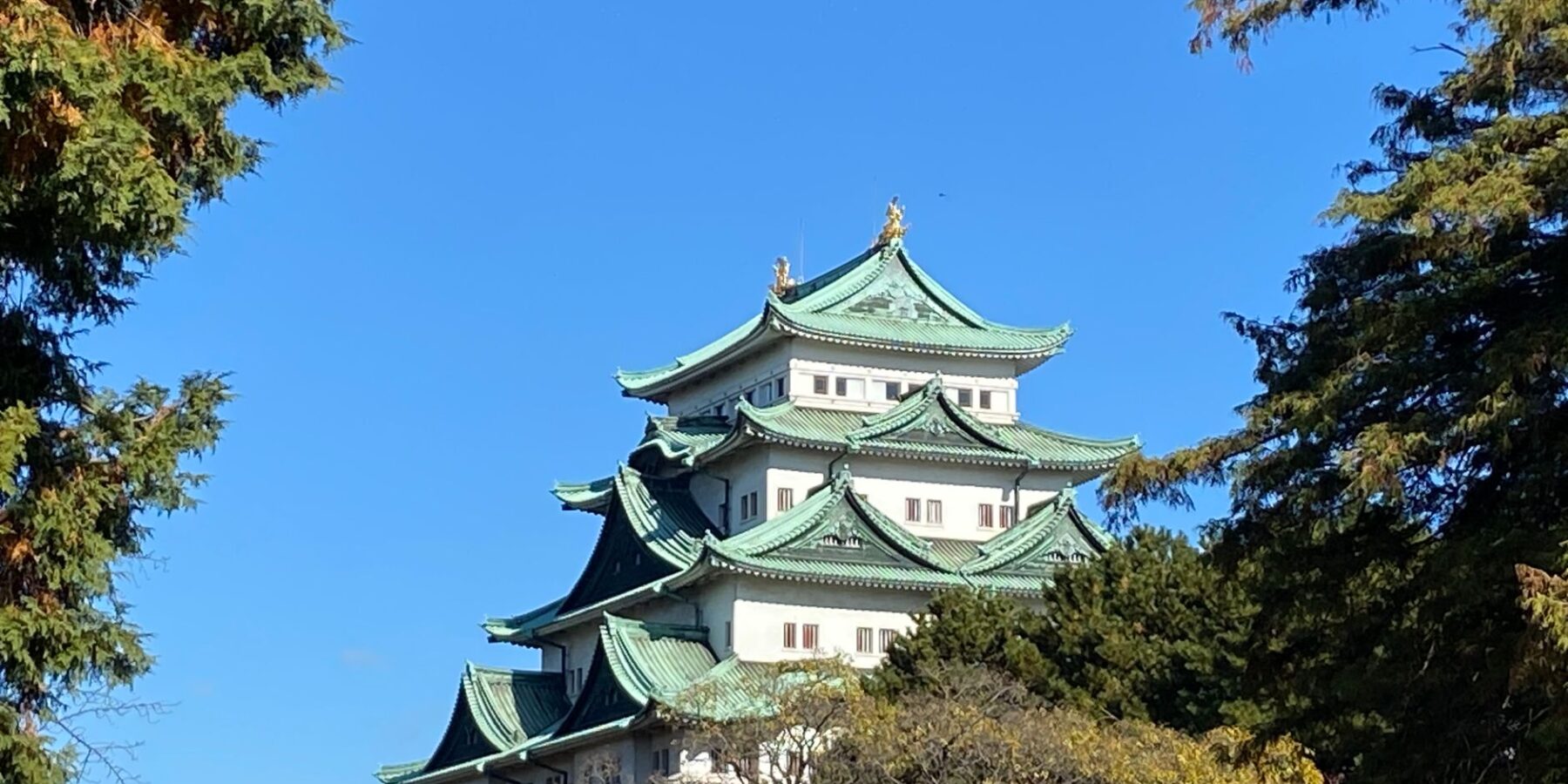
If you are looking for a Japanese city that combines deep historical roots with cutting-edge culture, modern cuisine, and genuine local flavor, Nagoya is your destination. As the capital of Aichi Prefecture and the fourth-largest city in Japan, Nagoya is often overlooked by tourists rushing between Tokyo and Osaka. That is actually good news for you: fewer crowds, authentic experiences, and a city that welcomes visitors with open arms.
From the rebuilt Nagoya Castle with its golden shachi to its own unique culinary traditions, this guide covers everything you need to know before your visit to Nagoya and Aichi Prefecture.
Top 5 Must-See Attractions in Nagoya
1. Nagoya Castle
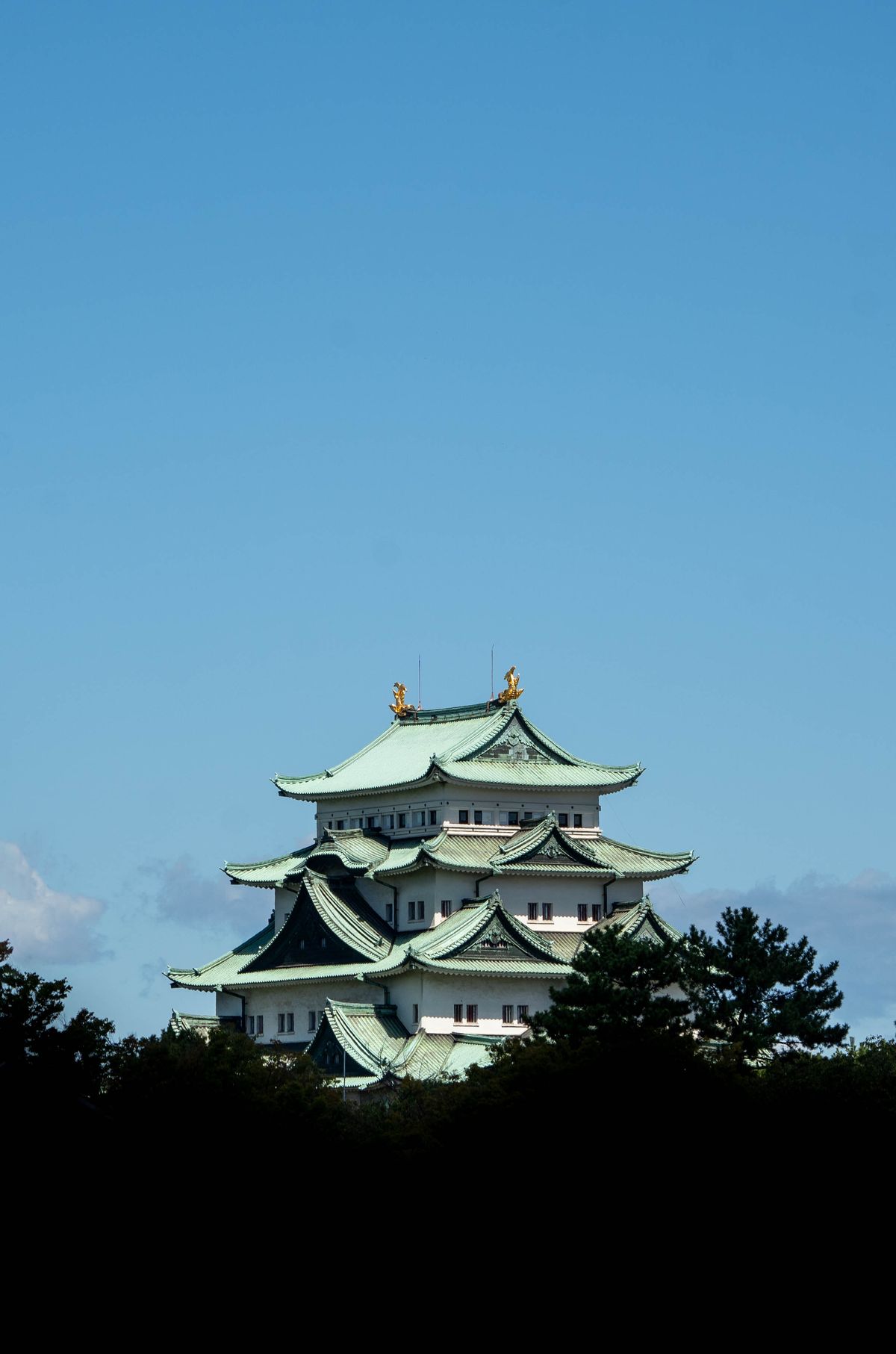
Nagoya Castle is the city’s crown jewel. Built in 1612 by Tokugawa Ieyasu, the castle features the iconic golden shachi (mythical dolphin-tigers) perched atop its roof. The reconstructed main keep has been closed to visitors since 2018 ahead of a planned wooden rebuild, but it remains an impressive sight from the grounds, while the adjacent Honmaru Palace is a painstakingly restored masterpiece of Edo-period craftsmanship, showcasing lavish painted screens and gilded sliding doors. The castle grounds are also one of the best cherry blossom viewing spots in the city each spring.
2. Atsuta Shrine
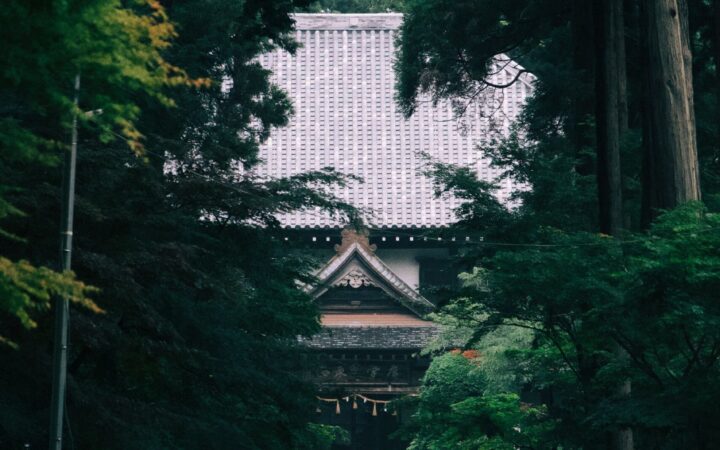
Second only to Ise Jingu in terms of spiritual significance, Atsuta Shrine is one of the most important Shinto shrines in Japan. It houses the Kusanagi-no-Tsurugi, one of the three Imperial treasures of Japan. The forested grounds feel serene and timeless — a perfect counterpoint to the urban energy outside. The ancient camphor trees, some over 1,000 years old, line the approach and create a deeply atmospheric experience.
3. Toyota Commemorative Museum of Industry and Technology
Nagoya is the birthplace of Toyota, and this world-class museum traces the transformation from textile machinery to a global automotive giant. Even if you are not a car enthusiast, the interactive exhibits, working looms, and robot demonstrations are absolutely fascinating. This is one of Japan’s best industrial museums, very hands-on and family-friendly.
4. Noritake Garden
The former factory site of the famous Noritake porcelain company has been transformed into a beautiful garden and cultural complex. You can watch craftspeople hand-paint ceramics, browse the extensive craft museum, and try your hand at porcelain painting in the workshop. The red-brick buildings create a charming, European-influenced atmosphere that is unique in Japan.
5. Osu Kannon and Osu Shopping Street
Start at the vibrant Osu Kannon temple, then dive into the covered shopping arcade that stretches for blocks in every direction. This is Nagoya’s most exciting neighborhood — a mix of vintage clothing, electronics shops, street food stalls, cosplay stores, and traditional crafts. The area has tremendous energy and is particularly popular on weekends.
Nagoya’s Food Specialties (Nagoya-Meshi)
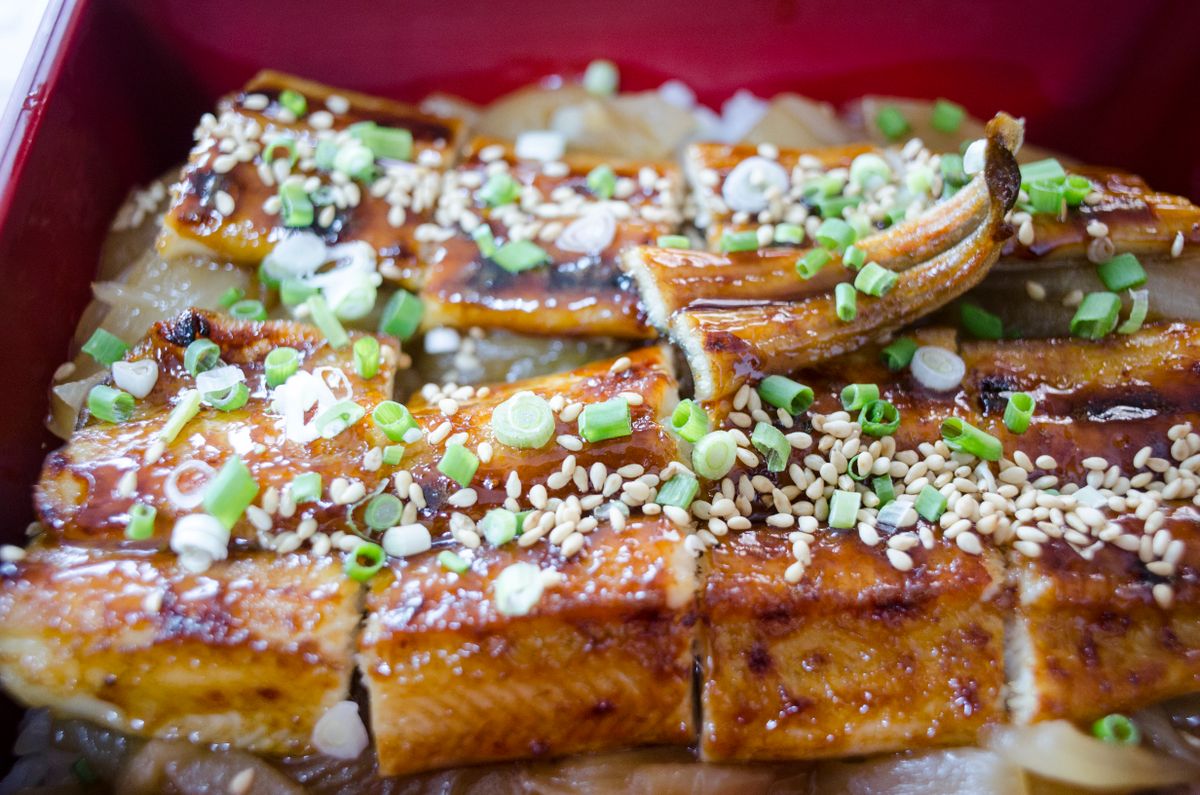
Nagoya has its own distinct cuisine called Nagoya-meshi, and food lovers will be delighted by how different it is from Tokyo or Osaka.
- Miso Katsu: Deep-fried pork cutlet topped with a rich, dark hatcho miso sauce. This is perhaps the most iconic Nagoya dish. Try it at Yabaton, the legendary chain that has been serving it since 1947.
- Hitsumabushi: Grilled eel served over rice in a lacquered wooden box, eaten in three ways: plain, with condiments, and as a dashi soup.
- Tebasaki: Nagoya-style chicken wings, seasoned with a sweet-salty soy-based sauce and cooked until gloriously crispy.
- Kishimen: Flat, wide udon noodles served in a light dashi broth. A Nagoya staple available at most traditional restaurants.
- Morning Service (Moriningu): Nagoya’s famous coffee shop culture means ordering a morning coffee often gets you toast and a boiled egg for free.
Best Time to Visit Nagoya
Nagoya is enjoyable year-round, but the best times to visit are spring (March to May) and autumn (October to November). Spring brings spectacular cherry blossoms to Nagoya Castle and Tsuruma Park. Autumn offers beautiful foliage across the city. Summer can be intensely hot and humid, while winter is relatively mild by Japanese standards.
How to Get to Nagoya
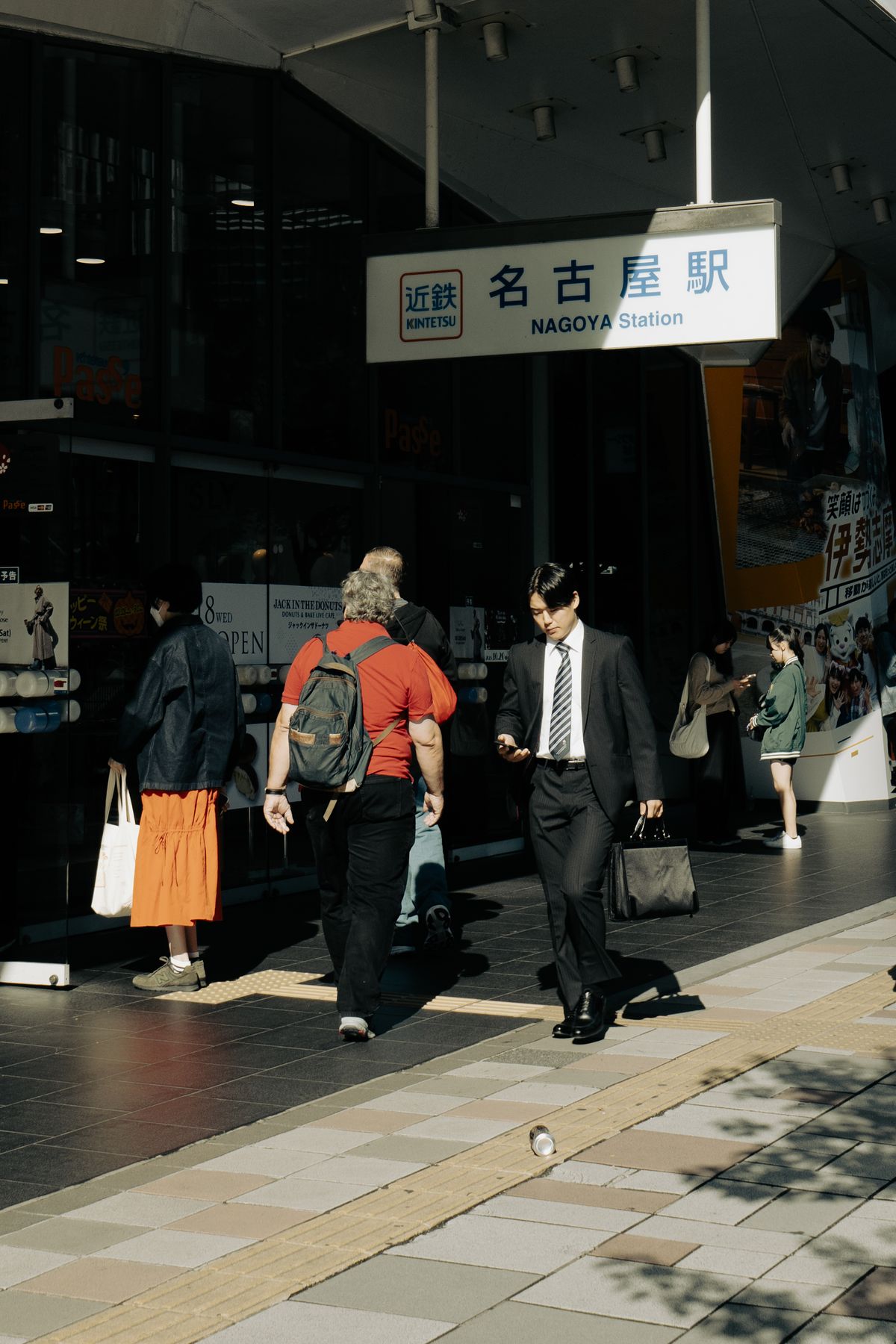
From Tokyo: The Tokaido Shinkansen runs frequently between Tokyo and Nagoya. The fastest Nozomi trains take about 1 hour 40 minutes. JR Pass holders can take the Hikari (about 2 hours) at no extra cost, or ride the Nozomi by adding a one-way NOZOMI MIZUHO Ticket (¥4,180).
From Osaka: Shinkansen from Shin-Osaka to Nagoya takes only about 50 minutes on the Nozomi, making Nagoya an ideal day trip from Osaka.
Practical Tips: Budget and Accommodation
Nagoya is generally more affordable than Tokyo or Kyoto. A comfortable mid-range hotel in the city center typically costs 8,000 to 15,000 yen per night. Budget guesthouses are available from 3,000 to 6,000 yen. For meals, an excellent Nagoya-meshi lunch costs 1,000 to 2,000 yen. The subway covers all major tourist spots and a one-day pass (760 yen) offers great value.
Ready to plan your Nagoya trip? Find the best hotel deals here: Book your hotel on Agoda →
Final Thoughts on Nagoya
Nagoya rewards travelers who take the time to explore it. It is a city that is proudly itself — with its own food, its own history, and its own character. Whether you are a history buff, a foodie, or simply someone who wants to experience a real Japanese city without tourist crowds, Nagoya delivers on every level.
Related guides
- Nagoya Castle Guide: Golden Dolphins, the Reborn Hommaru Palace and Aichi’s Iconic Fortress
- Inuyama Castle Guide: Japan’s Oldest Original Castle Keep and the Charming Castle Town of Aichi
- Kanazawa Travel Guide 2026: A First-Timer’s Guide to Kenrokuen, Geisha Districts, Samurai Streets and Sea of Japan Seafood
Going to Japan? Speak Japanese with confidence.
Hirameki Japanese — camera translate for menus and signs, a two-way conversation mode, and furigana + romaji on every phrase. Free to download with kana charts, conversation mode and starter words; a one-time purchase unlocks everything.
⬇ Get it on the App Store
Plan your Japan trip
Two things every first-timer should book
Some links are affiliate links. If you book through them we may earn a small commission at no extra cost to you.