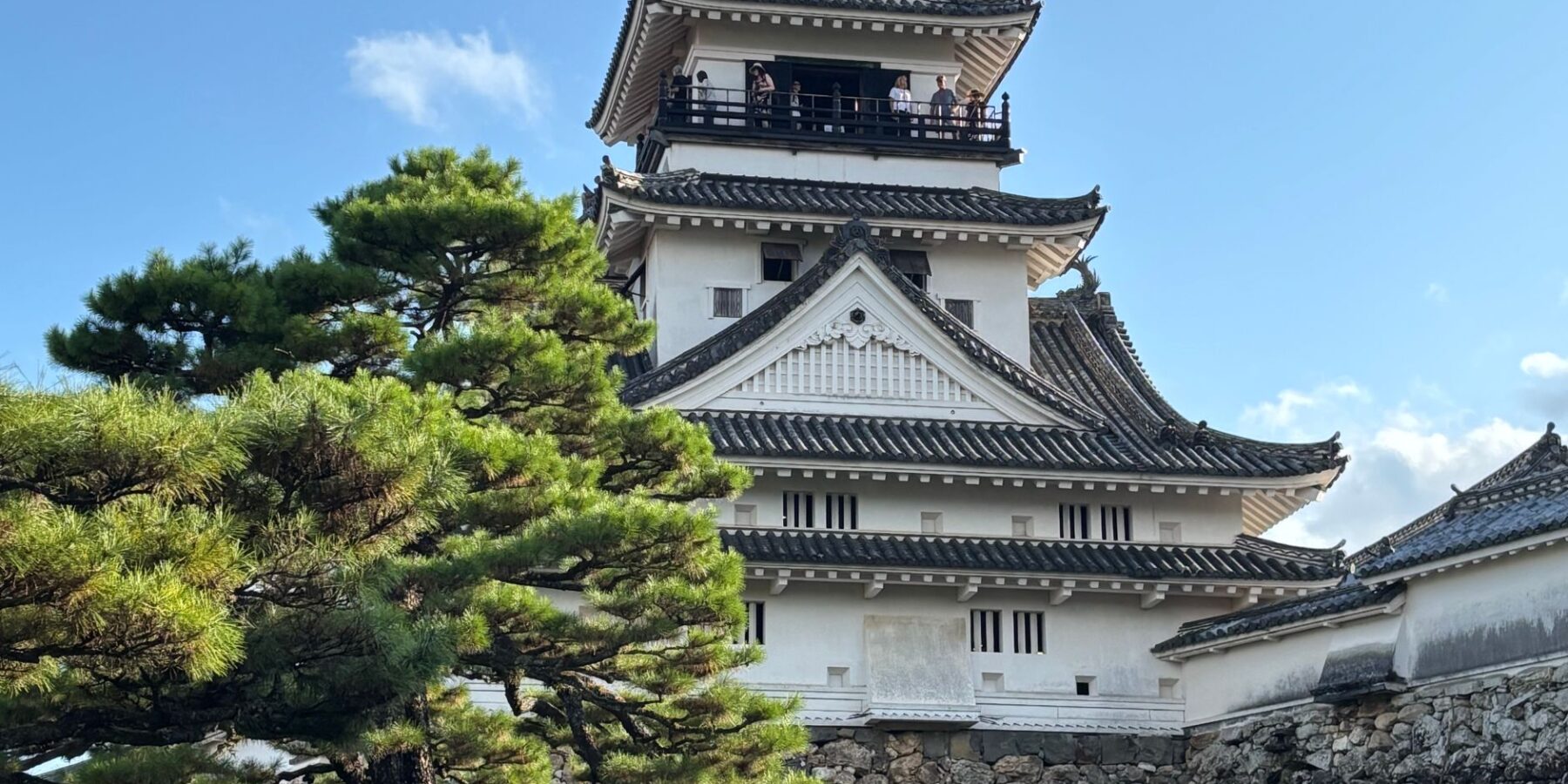
Introduction to Kochi Prefecture
Kochi Prefecture occupies the Pacific-facing southern coast of Shikoku island, a land of extraordinary natural abundance where the warm Kuroshio Current, abundant rainfall, and pristine mountain river systems create an environment of remarkable ecological richness. Known as the Tosa region in its feudal history, Kochi has always had a distinctive character — more open, more spirited, and more enthusiastically connected to the ocean and natural world than the more urbanized regions of Japan’s main island. It is a prefecture that makes visitors feel genuinely welcome and genuinely surprised by the quality and diversity of what it offers.
Kochi’s cultural identity is inseparably linked to two things: the bonito tataki (seared skipjack tuna) that is the prefecture’s culinary signature, and the figure of Sakamoto Ryoma, the visionary revolutionary who played a central role in ending the Tokugawa shogunate and whose birthplace in Kochi City has become one of the region’s most important historical pilgrimage sites. Add Kochi Castle — one of Japan’s twelve surviving original castles — the Shimanto River (Japan’s last truly clear-running major river), the Niyodo River’s surreal blue water, and the spectacular Yosakoi festival, and Kochi emerges as one of Shikoku’s most compelling destinations.
Top Attractions in Kochi Prefecture
Kochi Castle: The Last Complete Original Castle
Kochi Castle is one of Japan’s twelve surviving original castles and the only one where both the original main keep and the original honmaru palace (honmaru goten) survive intact — a completeness that gives it a special significance among castle enthusiasts. Built in the early Edo period and completed in its current form in 1753 after a fire destroyed the original structures, the castle sits atop a rocky hill in the center of Kochi City and dominates the city’s skyline with the authority of a genuine feudal stronghold.
The castle is accessible by a steep stone staircase or by a more gradual path through cherry-blossom-lined approaches that are spectacular in spring. The castle grounds serve as Kochi City’s most beloved cherry blossom viewing site, with the illuminated castle tower reflected in the moat on clear spring nights creating one of Kochi’s most photographed images. The castle’s museum displays artifacts related to the Yamauchi clan who ruled Tosa domain throughout the Edo period, and the view from the upper tower over Kochi City to the Pacific Ocean and the Shikoku mountains is exceptional.
Katsurahama Beach and the Ryoma Memorial
Katsurahama is Kochi’s most famous beach, a crescent of dark sand at the base of pine-clad cliffs overlooking the Pacific, associated in Japanese popular culture with the Tosa tradition of dogfighting (Tosa Inu dog fighting, a Kochi-origin tradition that survives in regulated form) and with the iconic statue of Sakamoto Ryoma that gazes out to sea from the clifftop. The beach itself is more often admired than swum at, as rip currents make it unsuitable for casual swimming, but the setting is dramatic and the view of the Pacific horizon from the clifftop is outstanding.
The Sakamoto Ryoma Memorial Museum adjacent to Katsurahama is an excellent modern museum dedicated to the life and legacy of Japan’s most beloved revolutionary hero. Ryoma’s story — a young lower-ranked samurai who transcended his class origins, travelled Japan forging alliances between rival domains, masterminded the alliance that ended the shogunate, and was assassinated at 31 before he could see the new Japan he had helped create — is one of the great romantic narratives of Japanese history. The museum’s interactive displays and extensive collection of Ryoma-related artifacts make it one of Kochi’s most worthwhile indoor attractions.
Shimanto River: Japan’s Last Unspoiled Major River
The Shimanto River, flowing 196 kilometers from its source in the mountains of Kochi Prefecture to its mouth on the Pacific near Nakamura, is celebrated as Japan’s last major river without a main dam and the cleanest long river in Japan. The river’s extraordinary water clarity — visible far below the surface even in the deeper pools — and the extraordinary natural landscapes through which it passes have made it a symbol of Japan’s remaining natural heritage and a major draw for those seeking authentic contact with unspoiled Japanese nature.
The most distinctive features of the Shimanto River valley are the chinkabashi — low concrete bridges built without handrails and designed to be submerged during floods rather than to resist them, allowing them to survive centuries of heavy seasonal flooding that would destroy conventional bridge structures. These simple, humble bridges have become iconic images of the Shimanto valley and deeply moving symbols of the human ingenuity adapted to living with nature rather than against it. Kayaking, camping, fishing, and cycling along the river valley are all excellent ways to experience this extraordinary natural corridor.
Niyodo River: Japan’s Bluest Water
The Niyodo River is famous throughout Japan for the extraordinary color of its water — a translucent, electric blue-green that seems almost artificially colored and has made it one of the most shared photography subjects in the country. The color is the result of the river’s exceptional clarity (very low particulate content) combined with the blue wavelengths of light that penetrate and reflect from the white limestone river bed. Certain pools along the river, particularly near Niyodo Town, display colors of such intensity that they look like jewels embedded in the forest floor.
The Niyodo River valley is accessible by bus from Kochi City, and a day trip focusing on the most intensely colored river sections around Niyodogawa Town, such as Yasui Gorge and Nakatsu Gorge, is one of Kochi’s most rewarding nature excursions. The combined experience of the Shimanto and Niyodo rivers — two very different expressions of Kochi’s extraordinary river culture and natural heritage — represents a compelling reason to spend several days in the prefecture.
Yosakoi Festival: Kochi’s Summer Explosion
The Yosakoi Festival, held in Kochi City in August each year, is one of Japan’s most energetic and spectacular summer festivals — a mass dance event featuring approximately 20,000 dancers in elaborate costumes performing choreographed routines through the city’s streets and squares to a driving fusion of traditional Japanese music and contemporary beats. The festival has spawned hundreds of regional Yosakoi events across Japan and even internationally, but the original Kochi event retains a vitality and authenticity that imitators struggle to match.
Unlike many Japanese traditional festivals, Yosakoi is participatory and community-focused rather than purely spectatorial. Teams (chiimu) of dancers range from neighborhood groups of elderly residents to professional-level corporate and school teams that spend the entire year rehearsing their routines. The Naruko wooden clappers that each dancer carries, producing a percussive rhythm that adds to the overall sonic experience, are one of Yosakoi’s most distinctive elements and make popular souvenirs for festival visitors.
Getting to Kochi
Kochi is served by Kochi Ryoma Airport, which receives flights from Tokyo Haneda and Narita, Osaka Itami (approximately 45 minutes), and several other domestic destinations. Kochi is also accessible by limited express from Takamatsu in a little over 2 hours, or directly from Okayama on the Nanpu limited express in about 2 hours 30 minutes. The Shimanto Tosa Kuroshio Pass covers rail travel in the Kochi and Kochi-Shimanto area and represents good value for visitors planning multi-day exploration of the prefecture.
Before heading out, make sure you have a Japan eSIM ready to navigate, translate, and share photos without worrying about connectivity. Get your Japan eSIM (Stay connected from day 1) →
Highway buses connect Kochi to Osaka, Kyoto, Tokyo, and other major cities, with overnight services available that combine transport and accommodation. The bus from Osaka to Kochi takes approximately 3 hours 30 minutes. For visitors without time constraints, a slow journey through Shikoku’s mountain landscape by local train from Matsuyama or Tokushima is an atmospheric and rewarding way to arrive in Kochi.
Getting Around Kochi
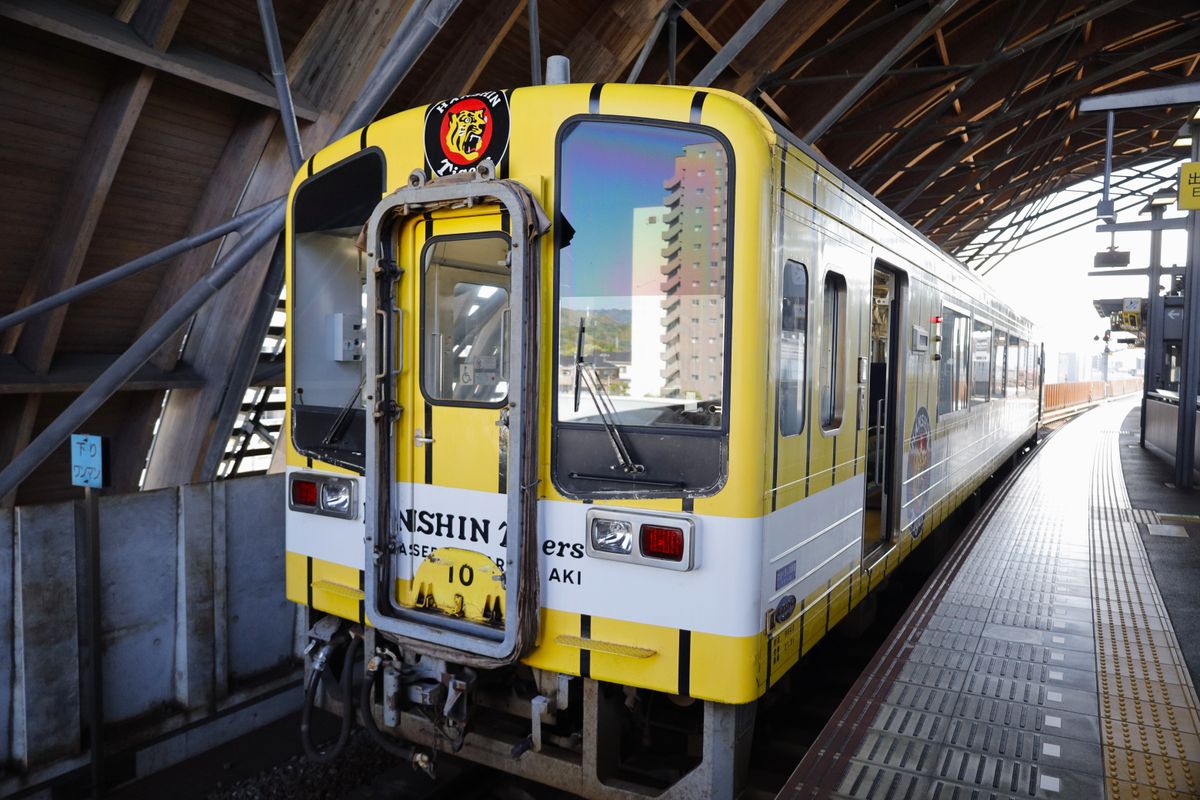
Kochi City’s tram network provides convenient transportation between the main city attractions including Kochi Castle, the downtown Hirome Market, and Harimayabashi. For the Shimanto River valley, Ashizuri limited express trains on the JR Dosan Line and Tosa Kuroshio Railway reach Nakamura from Kochi in approximately 1 hour 45 minutes, though the local station network in the valley is limited and a rental car provides far better access to the river’s highlights. For the Niyodo River, buses from Kochi City run to Niyodo Town with moderate frequency.
Cycling is increasingly popular as a way to explore Kochi’s natural landscapes, and the Shimanto River cycling route in particular has developed excellent infrastructure with riverside paths, rental stations, and cycling-friendly accommodation. The My Yu bus pass covers the main coastal tourist attractions accessible from Kochi City by public bus and represents good value for non-driving visitors.
Where to Stay in Kochi
Kochi City has a range of accommodation from budget guesthouses near the tram network to mid-range business hotels and traditional ryokan. The Hirome Market area downtown is a lively hub for evening dining and drinking in the Tosa tradition, and staying nearby allows full participation in Kochi’s distinctive going-out culture. For the Shimanto River area, Nakamura has several guesthouses and smaller ryokan catering to river tourists and cyclists. Rustic river-camping sites along the Shimanto are available for those who want the most immersive river experience.
Food and Local Specialties in Kochi
Kochi’s food culture is one of the most distinctive and celebrated in Japan, centered on the katsuo (bonito/skipjack tuna) that the Kuroshio Current brings in enormous quantities to the Pacific coast throughout the year. Katsuo no tataki — thick slices of bonito seared quickly over burning rice straw, then chilled and served with ponzu citrus sauce, grated ginger, and green onions — is Japan’s most iconic regional dish and is prepared better in Kochi than anywhere else in the world. The key is freshness: Kochi’s fishermen land bonito the same morning it appears on restaurant plates, and the difference from elsewhere is immediately obvious.
The preparation method using burning rice straw (wara-yaki) is specific to Kochi and produces a smokier, more aromatic sear than gas flame alternatives. Several restaurants in Kochi City prepare tataki to order in front of diners using small wara furnaces, producing extraordinary bursts of flame and the intoxicating smell of straw smoke and fresh fish. The Hirome Market in Kochi City is the best place to sample tataki and other Tosa cuisine in an informal, festive atmosphere — arrive hungry and order multiple preparations from different vendors.
Kochi’s drinking culture is as legendary as its eating culture. The Tosa tradition of bekuhai (a drinking game using cups that cannot be set down until they are emptied) reflects the prefecture’s reputation for enthusiastic conviviality. Local sake breweries produce outstanding junmai varieties using Shimanto River water, and the yuzu citrus grown in the Shimanto valley produces a yuzu sake and yuzu-flavored shochu that make distinctive souvenirs of the Kochi visit.
Day Trips and Nearby Destinations
From Kochi, the dramatic Cape Muroto at the eastern tip of the Tosa Bay is accessible by bus or car, offering extraordinary Pacific coastal scenery and the Muroto Geopark’s remarkable geological formations where oceanic crust has been thrust up by tectonic forces to create landscapes found nowhere else in Japan. Cape Ashizuri at the western tip of the Tosa coast is the southernmost point of Shikoku and one of Japan’s most dramatic clifftop lighthouse settings, looking out over the Pacific with views to the horizon in three directions. The Tosa Kuroshio Railway connects Kochi to the gateway for both capes.
Best Time to Visit Kochi
Kochi’s Pacific climate brings warm, sunny weather from May through October, with the summer months ideal for river activities on the Shimanto and Niyodo rivers and beach visits along the dramatic Tosa coast. The Yosakoi Festival in August is the year’s cultural highlight and attracts visitors from across Japan. Spring is outstanding for cherry blossoms at Kochi Castle and for comfortable walking weather. Autumn brings excellent foliage to the Shimanto valley and the perfect temperatures for extended river cycling. Winter is mild by Japanese standards, though the mountain interior can see significant rainfall.
Hidden Gems and Local Tips for Kochi
The Yanase Cedar Forest (Yanase Sugi no Mori) near Umaji Village in eastern Kochi is one of Japan’s most impressive cedar groves — vast trees of extraordinary age and girth that dwarf visitors and create a cathedral-like interior beneath their canopy. The forest road through this ancient woodland is one of Shikoku’s most atmospheric driving routes. The Tatsukushi Marine Park on the Ashizuri Peninsula coast features extraordinary underwater rock formations visible through glass-bottomed boats, and the park’s unusual geology — mushroom-shaped rocks and arches carved by the Pacific — makes it one of Japan’s most distinctive coastal sightseeing experiences.
Local tip: Kochi’s Sunday Market (Nichiyo-ichi) along the approach road to Kochi Castle is one of Japan’s oldest and largest regular street markets, operating every Sunday since 1690. Fresh produce, traditional crafts, antiques, plants, and local food items from across the prefecture fill the 1.3-kilometer street in a market experience that has remained essentially unchanged for over 300 years. The market opens at dawn and begins winding down by early afternoon, so an early start is rewarded with the best selection and the most animated atmosphere.
Practical Information for Kochi
Kochi Prefecture operates on Japan Standard Time (JST, UTC+9). The prefecture’s Pacific climate means rainfall can be significant at any time of year, and the typhoon season (roughly July through October, peaking August–September) can bring extreme rainfall events to the region. Pack waterproof clothing for any hiking or outdoor activities. English signage is available at major tourist sites in Kochi City, and the city’s tourist information center at Kochi Station provides English-language assistance and maps. Rural areas and the Shimanto River valley have limited English resources, and a translation app is invaluable for restaurant and accommodation navigation.
Budget Guide for Kochi
Kochi is one of Japan’s more affordable prefectures for travel. Kochi Castle entry costs 420 yen, and the Sakamoto Ryoma Memorial Museum is 700 yen. Budget travelers staying in guesthouses and eating at the Hirome Market can manage on 7,000 to 10,000 yen per day. Mid-range travelers should budget 15,000 to 22,000 yen per day including comfortable accommodation and restaurant meals. A proper katsuo tataki meal at a good Kochi City restaurant costs 1,500 to 3,000 yen per person. River activities on the Shimanto vary in cost — kayak rental is typically 3,000 to 5,000 yen per day.
Frequently Asked Questions About Kochi
What is Kochi most famous for?
Kochi is most famous for katsuo no tataki (seared bonito), one of Japan’s most beloved regional dishes; the Shimanto River, celebrated as Japan’s last unspoiled major river; the Yosakoi Festival, one of Japan’s most energetic summer celebrations; Kochi Castle, one of Japan’s twelve surviving original castles; and the historical figure of Sakamoto Ryoma, the revolutionary hero of the Meiji Restoration whose birthplace and memorial museum are in Kochi City.
How do I get the best katsuo tataki experience?
The best katsuo tataki experience is obtained at restaurants or stalls in Kochi City that prepare it to order using the wara-yaki (rice straw burning) method. The Hirome Market is the most accessible and atmospheric venue, where you can watch the preparation process and sample from multiple vendors. The key is freshness — ask your accommodation for the current local recommendation for the best tataki, as the freshness of the fish varies by season and supplier. Morning visits to the Katsurahama or waterfront fish markets are another way to see the freshest catch before it appears on restaurant plates at lunch.
Is the Shimanto River good for kayaking?
Yes, the Shimanto River is excellent for kayaking and is one of Japan’s premier river kayaking destinations. The river’s gentle flow in most sections makes it suitable for beginners, while the more dynamic sections near the headwaters provide challenge for experienced paddlers. Several kayak rental and tour operators in the Nakamura area and along the river offer equipment, guided tours, and multi-day river journeys with riverside camping. The best kayaking conditions are from May through October, avoiding the typhoon season if possible.
What is the Yosakoi Festival?
The Yosakoi Festival is Kochi’s signature summer event, held in August each year, in which approximately 20,000 dancers from across Japan perform energetic team routines through the city’s streets. The festival originated in 1954 as a community morale-boosting event and has grown into one of Japan’s most spectacular and participatory summer festivals. Teams compete for prizes based on their choreography, costumes, and overall performance, and the level of competitive preparation is extraordinary. The festival’s distinctive sound — a driving mix of traditional Tosa music, modern beats, and the percussive click of naruko wooden clappers — is immediately recognizable and deeply infectious.
Who was Sakamoto Ryoma?
Sakamoto Ryoma (1836-1867) was a samurai from the Tosa domain who became one of the most important figures in Japanese history, playing a central role in organizing the Satsuma-Choshu Alliance that overthrew the Tokugawa shogunate and opened the way for the Meiji Restoration of 1868. A visionary pragmatist who transcended the rigid class system of his era, Ryoma envisioned a Japan that could engage with the modern world on equal terms. He was assassinated in Kyoto at 31, two months before the shogunate’s final collapse. His romantic life story, untimely death, and lasting historical legacy make him one of the most beloved figures in Japanese popular culture, and his image adorns countless Kochi souvenirs.
What makes the Niyodo River so blue?
The Niyodo River’s extraordinary blue-green color results from the combination of exceptionally pure, clear water with very low levels of suspended particles, and the limestone rock that forms the river bed. The limestone reflects blue-green wavelengths of light particularly effectively, and in the deep pools where sunlight penetrates fully to the river bed, the effect is of water that appears to be lit from within. The river’s remarkable purity is maintained by the relatively undeveloped watershed that feeds it, making it a natural wonder that depends on continued protection of the surrounding Kochi mountain landscape.
Is Kochi worth visiting on a Shikoku trip?
Absolutely. Kochi is one of Shikoku’s most rewarding prefectures for international visitors, offering a unique combination of natural wonders, historical depth, and outstanding regional cuisine. Its position on the Pacific coast gives it a distinct character from the Seto Inland Sea-facing prefectures of Ehime, Kagawa, and Tokushima, and the Shimanto River, Niyodo River, Kochi Castle, and katsuo tataki experience together create a compelling destination in their own right. Budget at least three days in Kochi on any Shikoku itinerary.
Can I do the Shikoku 88-temple pilgrimage through Kochi?
Yes, the Shikoku 88-temple Ohenro pilgrimage passes through Kochi Prefecture, which contains temples 24 through 39 along the route. Kochi’s section is known as the Dojo of Ascetic Training (Shugyono Dojo), reflecting the challenging terrain and remote locations of many of the Kochi temples. Temple 24, Hotsumisaki-ji at Cape Muroto, and Temple 38, Kongofuku-ji at Cape Ashizuri, are among the most dramatically situated temples on the entire pilgrimage circuit. Walking between Kochi temples requires stamina and navigation skill but rewards with spectacular coastal and mountain scenery unavailable to those traveling by car.
3-Day Kochi Itinerary: Samurai, Whales, and Japan’s Last Wild River
Day 1: Kochi Castle and Sunday Market
Arrive at Kochi Station via the Nanpu limited express from Okayama (2h30m). Kochi Castle is Japan’s only castle where both the tower and palace building (honmaru goten) survive in original condition — its hilltop position offers views of the city and surrounding mountains. Adjacent to the castle, the famous Sunday Market (Nichiyo-ichi) has operated for over 300 years and stretches 1.3 km with vendors selling fresh vegetables, seafood, plants, and local crafts. Evening: experience Sawachi cuisine — Kochi’s tradition of elaborate sharing plates featuring katsuo tataki (seared bonito), freshwater ayu, and mountain vegetables, enjoyed with dry Tosa sake in the company of the prefecture’s legendarily enthusiastic drinking culture.
Day 2: Cape Muroto and Bonito Fishing Culture
Drive east to Cape Muroto — where the monk Kukai meditated in a sea cave and achieved enlightenment before founding Shingon Buddhism. The cape’s dramatic uplifted coastline, spiritual atmosphere, and nutrient-rich Kuroshio Current waters create one of Japan’s most powerful natural settings. Whale watching cruises from Muroto Port (spring–autumn) encounter sperm whales and dolphins in waters renowned for their abundance. Lunch: katsuo no tataki — Kochi’s signature dish of freshly caught bonito seared over burning rice straw, sliced with garlic, and served with ponzu. In Kochi, this dish reaches a peak of freshness and flavor impossible elsewhere in Japan.
Day 3: Shimanto River
Drive west to the Shimanto River — Japan’s last undammed river and one of its cleanest, flowing 196 km through pristine mountains. Canoe tours through forested gorges and past the traditional chinka submersible bridges (built just below flood level — they disappear in floods but remain intact) create extraordinary river experiences. Summer ayu (sweetfish) fishing, traditional eel and river-prawn catches, and the extraordinary biodiversity of Japan’s finest wild river make the Shimanto a highlight of any Kochi visit.
Shopping Guide: Kochi Souvenirs
Kochi’s unique food culture creates outstanding souvenir options. Katsuobushi (dried bonito flakes) of exceptional quality — used as the foundation of Japanese dashi broth — are Kochi’s most important food export. Tosa sake in the distinctive dry karakuchi style (look for Tsukasa Botan and Suigei brands) reflects the prefecture’s legendary drinking culture. Tosa washi handmade paper from the Ino area is one of Japan’s finest papermaking traditions, used for official documents and fine art. Kochi coral jewelry from Tosa Bay — Japan’s primary coral zone — ranges from affordable pieces to collector-grade red coral. Yuzu citrus products from the Umaji village cooperative — yuzu juice, yuzu ponzu, yuzu jam — are Kochi exclusives of exceptional quality popular nationwide.
Family-Friendly Activities in Kochi
Kochi Prefectural Makino Botanical Garden is one of Japan’s finest, dedicated to botanist Tomitaro Makino who discovered 1,500+ plant species. Children enjoy the tropical plant glasshouses and outdoor nature trails. Whale watching cruises from Cape Muroto provide extraordinary wildlife encounters — Kochi’s boats approach sperm whales within 50m in ideal conditions, creating genuinely exciting experiences for children. Sunday Market at Kochi Castle — 300+ years of trading tradition — is excellent for children who enjoy browsing fresh produce and local specialties. Shimanto River canoeing on calm lower sections is suitable for children 8+ with experienced guides.
Solo Travel Tips for Kochi
Kochi rewards adventurous solo travelers. The Shikoku 88 Temple Pilgrimage includes 16 temples in Kochi along dramatic Tosa coast and mountains — a uniquely Japanese form of spiritual solo travel with pilgrim lodgings (zenkonyado) at regular intervals. Kochi city’s celebrated drinking culture — izakayas packed with friendly locals and traditional drinking games like Dojon — creates natural opportunities for social interaction for solo visitors. Yosakoi Festival (August) features energetic dance teams practicing openly throughout the city — excellent solo spectator culture.
Frequently Asked Questions About Kochi
What is katsuo no tataki and why is it special in Kochi?
Katsuo no tataki is Pacific bonito seared briefly over burning rice straw, then sliced and served with garlic, ginger, and ponzu. The dish’s quality depends entirely on freshness — in Kochi, bonito is landed and prepared within hours of catching, creating a silky raw interior with smoky seared exterior impossible to replicate elsewhere. It is genuinely Kochi’s greatest culinary contribution to Japan and should be the first meal any visitor orders upon arrival.
How do I get to Kochi?
By train: Nanpu limited express from Okayama to Kochi (2h30m). JR Dosan Line connects Kochi with Takamatsu (2h). By air: Kochi Ryoma Airport has connections from Tokyo Haneda and Narita, Osaka Itami (about 45 min), Fukuoka, and Nagoya (Komaki and Chubu). The Shikoku Rail Pass covers unlimited JR travel throughout Shikoku including all Kochi routes.
Is whale watching reliable in Kochi?
Kochi’s Cape Muroto whale watching has one of Japan’s highest success rates — the Kuroshio Current brings warm, nutrient-rich water supporting a resident sperm whale population year-round (peak season: April–October). Tour operators report sperm whale sightings on over 80% of departures during peak season. Dolphins (bottlenose, spinner, spotted) are seen on virtually every trip. Operator websites post current sighting reports — check before booking for the most current conditions.
Getting Around Kochi and Practical Information
The Tosa Electric Railway tram serves central Kochi City connecting the castle area, Harimaya Bridge, and Kochi Station. The Tosa Kuroshio Railway Gomen-Nahari Line runs east to Aki and Nahari (with a bus connection to Cape Muroto), and the JR Dosan Line runs west toward the Shimanto River. Renting a car at Kochi Station is strongly recommended for visiting Cape Muroto, the Shimanto River, and rural areas — public bus services cover main roads but with limited frequency. The Shikoku Rail Pass covers all JR services within Kochi Prefecture. The Nanpu limited express connects Kochi with Okayama (for the Shinkansen) in about 2h30m.
Money: Cash is essential at traditional markets, smaller restaurants, and rural onsen facilities. ATMs at 7-Eleven and Japan Post offices accept international cards throughout the prefecture. Major hotels and department stores accept credit cards. Language: English signage is available at major attractions. Staff at tourist information centers near major stations typically speak basic English. Translation apps work well for everyday communication. Tourist Information: Each prefecture’s main train station has a tourist information desk stocking English maps and event schedules.
Kochi’s Wild Nature and Outdoor Adventures
Kochi Prefecture has the highest proportion of forest cover in Japan — about 84% of the prefecture is forested, and vast sections of the Shikoku Mountains remain genuinely wild. The Iya Valley (located in neighboring Tokushima Prefecture) penetrates deep into these mountains along a dramatic gorge carved by the Yoshino River, where traditional vine bridges (kazurabashi) — woven from kiwi vine and replaced every 3 years — still cross the gorge in the tradition maintained for over 800 years. Muroto Geopark on the cape documents the extraordinary geological processes of the Nankai Trough — Japan’s most seismically active offshore zone — through exposed rock formations that reveal ancient ocean floor sediments now dramatically thrust above sea level. The area is also home to Japan’s most accessible manta ray diving and snorkeling — the warm Kuroshio Current brings manta rays to predictable cleaning stations near Muroto from spring through autumn, creating world-class marine wildlife encounters within snorkeling distance of shore.
The Niyodo River in central Kochi is ranked by water quality researchers as Japan’s clearest river — its turquoise blue-green color (niyodo blue) is so distinctive that it has become famous on social media. Kayaking, swimming, and simply sitting beside the extraordinary clarity of the Niyodo’s pools is one of Kochi’s most memorable experiences. The river rises in Ehime Prefecture near Mt. Ishizuchi before flowing through Kochi, and the communities along it have maintained exceptional environmental standards to preserve the water quality. Cape Ashizuri at Shikoku’s southernmost point — where the Kuroshio Current sweeps past in dramatic swells — is home to Temple 38 of the Shikoku Pilgrimage and one of Japan’s most emotionally powerful coastal landscapes, where pilgrims have completed their journeys for over 1,000 years.
Related guides
- Tomonoura Travel Guide 2026: A First-Timer’s Guide to Japan’s Best-Preserved Edo-Era Port Town in Hiroshima
- Shimanami Kaido Cycling Guide 2026: How to Ride Japan’s Island-Hopping Bike Route Across the Seto Inland Sea
- Miyajima Travel Guide 2026: A First-Timer’s Guide to the Floating Torii, Itsukushima Shrine, Mount Misen and Hiroshima’s Sacred Island
Going to Japan? Speak Japanese with confidence.
Hirameki Japanese — camera translate for menus and signs, a two-way conversation mode, and furigana + romaji on every phrase. Free to download with kana charts, conversation mode and starter words; a one-time purchase unlocks everything.
⬇ Get it on the App Store
Plan your Japan trip
Two things every first-timer should book
Some links are affiliate links. If you book through them we may earn a small commission at no extra cost to you.