In this guide
- Why Osaka works so well as a base
- Day trips at a glance
- Kyoto
- Nara
- Himeji Castle
- Kobe
- Kobe and Himeji in one day
- Arima Onsen
- Uji
- Koyasan
- Further afield: Hiroshima, Okayama, Ise and more
- Which pass, if any?
- Sample plans for 3 and 5 days
- JR or private railway?
- Day trips by season
- Day trips with children
- Accessibility notes
- Practical tips
- What about the Expo site?
- Frequently asked questions
- Plan the rest of your trip
Why Osaka works so well as a base
Osaka sits in the middle of a dense rail network run by several companies, and each one has its own terminal in the city. That is the key to planning day trips from here: pick the station that serves the line you need.
- Osaka / Umeda: JR lines to Kyoto, Kobe and Himeji; Hankyu to Kyoto and Kobe; Hanshin to Kobe and through to Himeji.
- Namba: Kintetsu to Nara and Ise; Nankai to Koyasan and Wakayama.
- Shin-Osaka: the shinkansen to Himeji, Okayama, Hiroshima and Tokyo.
- Yodoyabashi and Kyobashi: Keihan to central Kyoto and Uji.
- Tennoji: JR to Nara and Wakayama, and the Haruka airport express.
Because the companies compete, you often have a choice between a faster JR train and a cheaper private line. Both are easy to use with an IC card such as ICOCA or Suica. If you are still choosing a neighborhood, our guide to where to stay in Osaka explains which areas sit closest to which lines, and you can compare hotels on Agoda.
Day trips at a glance
Times and IC-card fares are for a weekday morning search in October 2026; fares on these routes were the same with paper tickets wherever we checked.
| Destination | Best route from Osaka | Time | One-way fare | Best for |
|---|---|---|---|---|
| Kyoto | JR Special Rapid, Osaka to Kyoto | 29 min | ¥580 | Temples, gardens, Gion |
| Kyoto (Kawaramachi) | Hankyu limited express from Osaka-umeda | 43 min | ¥410 | Downtown Kyoto and Gion |
| Nara | Kintetsu rapid express from Osaka-Namba | 37 min | ¥680 | Todaiji, deer, Kasuga Taisha |
| Kobe | JR Special Rapid, Osaka to Sannomiya | 21 min | ¥420 | Harbor, Kitano, Kobe beef |
| Himeji | JR Special Rapid, Osaka to Himeji | 1 h 3 min | ¥1,460 | Japan’s finest original castle |
| Arima Onsen | JR to Sannomiya, then Arima Express bus | about 1 h | about ¥1,020 | Hot springs |
| Uji | JR from Osaka (via Kyoto) | about 1 h 7 min | ¥960 | Byodoin, matcha, Nintendo Museum |
| Koyasan | Nankai limited express + cable car | about 1 h 50 min | about ¥2,530 | Temples; better overnight |
| Hiroshima | Shinkansen Nozomi from Shin-Osaka | about 1 h 25 min | ¥9,890 (non-reserved) | Peace Park, Miyajima |
Kyoto
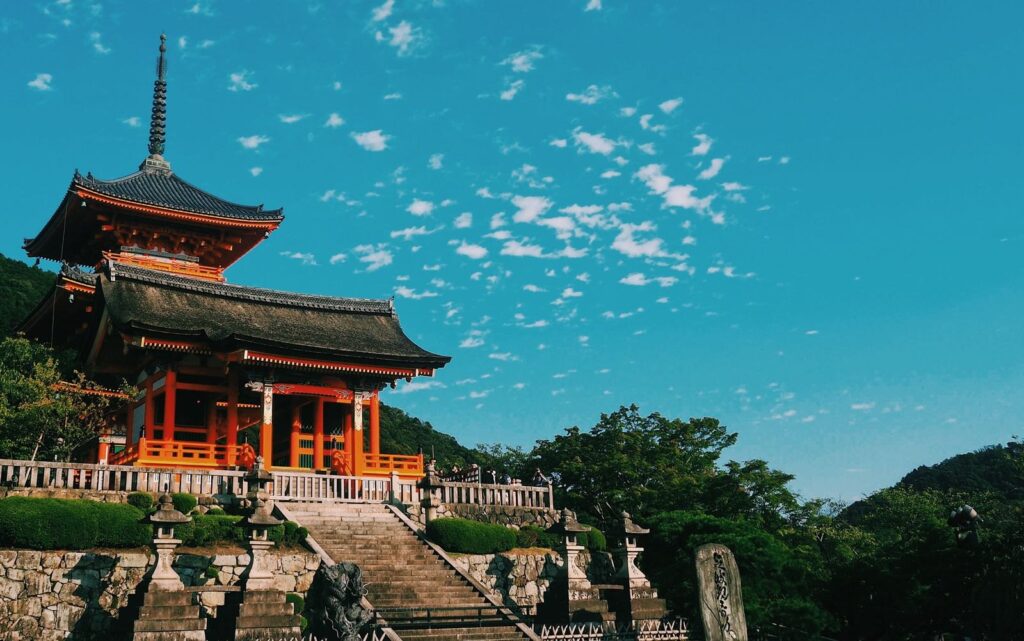
Kyoto is the obvious first day trip, and the three routes from Osaka each suit a different part of the city:
| Route | Time | Fare | Arrives at |
|---|---|---|---|
| JR Special Rapid, Osaka to Kyoto | 29 min | ¥580 | Kyoto Station: buses, subway, Fushimi Inari by JR |
| Hankyu limited express, Osaka-umeda to Kyoto-kawaramachi | 43 min | ¥410 | Downtown: Nishiki Market, Gion, Kiyomizu-dera on foot |
| Keihan, Yodoyabashi to Gion-Shijo | 50 min | ¥490 | Gion; Keihan also stops near Fushimi Inari |
JR limited expresses save no real time on this short hop: the Haruka takes 32 minutes for ¥1,340 with a non-reserved seat. For a first day in Kyoto, a classic loop is Fushimi Inari early in the morning, then Kiyomizu-dera, the lanes of Higashiyama and Gion in the afternoon. Arashiyama, on the west side, deserves a day of its own; see our Arashiyama guide. For planning inside Kyoto, read our Kyoto temples guide and Gion guide.
Two tips. First, Kyoto’s buses get crowded; walking and the subway are often faster between nearby sights. Second, if you plan to stay a night or two in Kyoto instead, our Kyoto where-to-stay guide compares the areas.
Nara
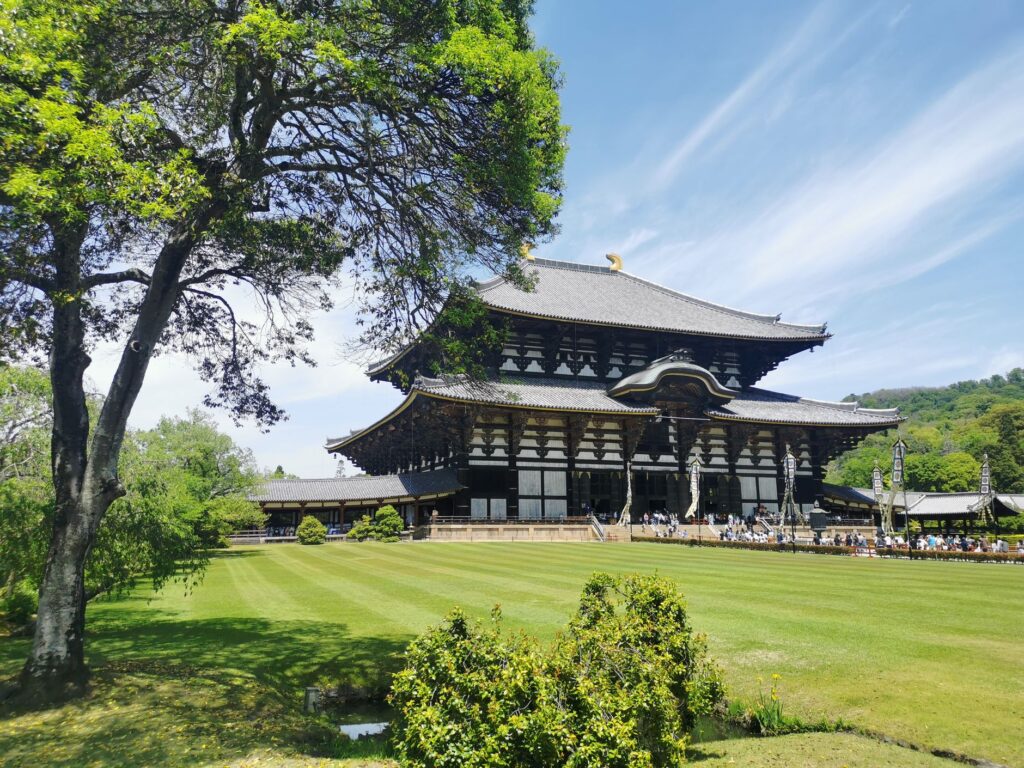
Nara was Japan’s capital in the 8th century, and its great temples and shrines sit in and around Nara Park, a short walk from the station.
Getting there
- Kintetsu from Osaka-Namba: rapid express to Kintetsu-Nara, 37 minutes, ¥680. A limited express saves only a few minutes and costs ¥1,300 with the seat fee. Kintetsu-Nara is right next to Nara Park.
- JR from Osaka: Yamatoji Rapid, 50 minutes, ¥840. From Tennoji it is 33 minutes, ¥510, via Horyuji. JR Nara Station is about 20 minutes’ walk from the park.
Todaiji and Kasuga Taisha
- Todaiji: about 20 minutes’ walk from Kintetsu-Nara. The Great Buddha Hall (Daibutsuden) is open April to October 7:30–17:30 and November to March 8:00–17:00. Admission is ¥800 (junior high and up) for each of the Daibutsuden, Hokke-do, Kaidan-do and the Todaiji Museum, or ¥1,200 for the Daibutsuden and museum together. Older guides quote ¥500 or ¥600, which is out of date. Payment is cash only.
- Kasuga Taisha: the precinct and the main worship hall are free. The special worship area of the main sanctuary, the Manyo Botanical Garden and the treasure hall cost ¥700 each. It is about 25 minutes’ walk from Kintetsu-Nara, or 11–15 minutes by bus.
The deer
Nara’s deer are wild animals and a national Natural Monument; Nara Prefecture counted 1,687 of them in its July 2026 survey. Feed them only shika senbei, the special deer crackers sold in the park; sweets, bread or leftovers can make them ill. The prefecture warns that deer can charge, butt, bite and kick, especially bucks during the autumn rut and does protecting fawns in spring. Hand over crackers promptly, keep bags and maps out of reach, and don’t let children approach alone. There are no bins in the park, so take rubbish with you.
A simple half-day plan
Take a Kintetsu rapid express from Namba around 8:30 and you are at Kintetsu-Nara a little after 9:00. Walk east through Nara Park to Todaiji (about 20 minutes, longer if the deer slow you down), then continue to Kasuga Taisha by bus or on foot through the forest. Allow about three to four hours in total before heading back to Osaka for lunch, or continue to Uji or Kyoto in the afternoon. Remember cash for Todaiji.
Our Nara day trip guide has a full route through the park.
Himeji Castle
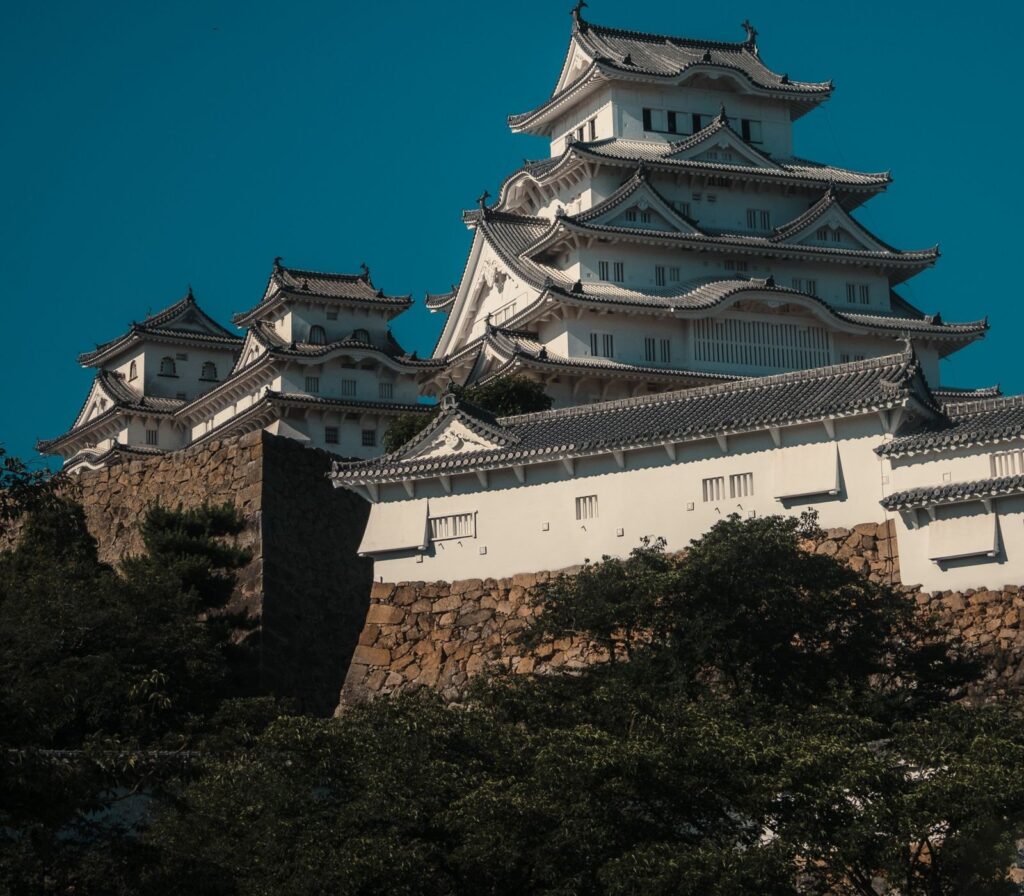
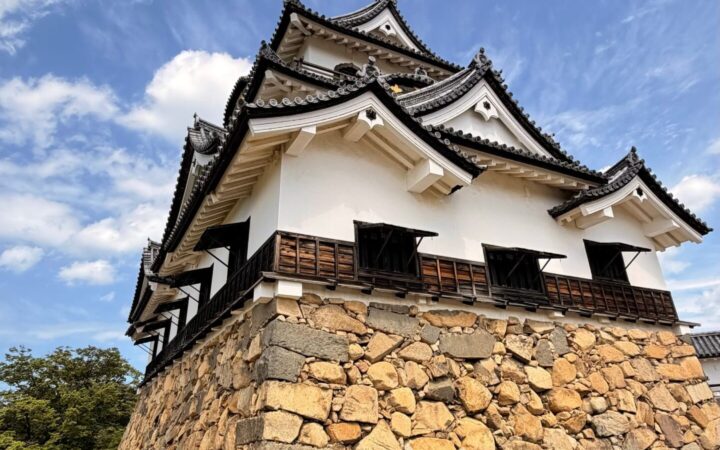
Himeji Castle is the most impressive original castle in Japan and a UNESCO World Heritage Site, and it is an easy day trip from Osaka. Plan around three 2026 changes: a higher fee for visitors, repair scaffolding on part of the site, and timed digital tickets.
Admission from March 1, 2026
- ¥2,500 for anyone aged 18 or over who is not a Himeji City resident; residents pay ¥1,000. The old adult fee was ¥1,000, so every overseas visitor now pays ¥2,500.
- Under 18: free for everyone, up to the first March 31 after the 18th birthday. Staff may ask for proof of age.
- Castle and Kokoen garden combo: ¥2,600, only ¥100 more than the castle alone. Kokoen alone is ¥400.
- Payment: cash, major credit cards, IC cards such as ICOCA and Suica, and several QR payment apps are accepted at the gate.
- Free day: the castle is free for everyone on December 11, 2026, when no tickets are sold.
Hours, tickets and what to expect
- Open 9:00–17:00, last entry 16:00; closed only December 29 and 30.
- Digital tickets are sold on the official Shirasagi Ticket site (in English) for a date and a 30-minute arrival slot. They speed up the gate but give no priority inside. Same-day tickets can sell out, so the city advises buying ahead.
- The city says a visit usually takes 90 to 120 minutes.
- Shoes come off inside the keep and the long corridor, and a free shoe bag is handed out near the Hishi Gate.
- There is no air conditioning, elevator or escalator, and the wooden stairs are steep. Wheelchair users cannot enter the buildings. Bring a drink with a lid in hot weather.
- Repair scaffolding covers some gates and turrets from early July 2026 to about late July 2027. Some paths are narrower and some views, and the night lighting, may be affected.
- The castle is lit from sunset to midnight, with short light shows at 20:00 and 21:00.
Getting there
| Route | Time | Fare |
|---|---|---|
| JR Special Rapid, Osaka to Himeji (direct) | 1 h 3 min | ¥1,460 |
| Shinkansen, Shin-Osaka to Himeji | 28–35 min | ¥3,220 non-reserved |
| Hanshin–Sanyo through limited express, Osaka-Umeda to Sanyo Himeji | 1 h 39 min | ¥1,350 |
The JR Special Rapid is the best value: barely slower than the shinkansen door to door from central Osaka, for less than half the price. From Himeji Station, the castle is about 20 minutes’ walk straight up the main avenue. There are few lockers at the castle gate, so the city asks visitors to leave luggage at JR Himeji Station lockers or a luggage desk near the station. Himeji’s tourism office lists two desks: MONZEN (9:00–18:00, ¥1,000 per item) and Clean Market (9:00–18:00, ¥800, cash only), both with limited space and irregular closing days.
Kobe
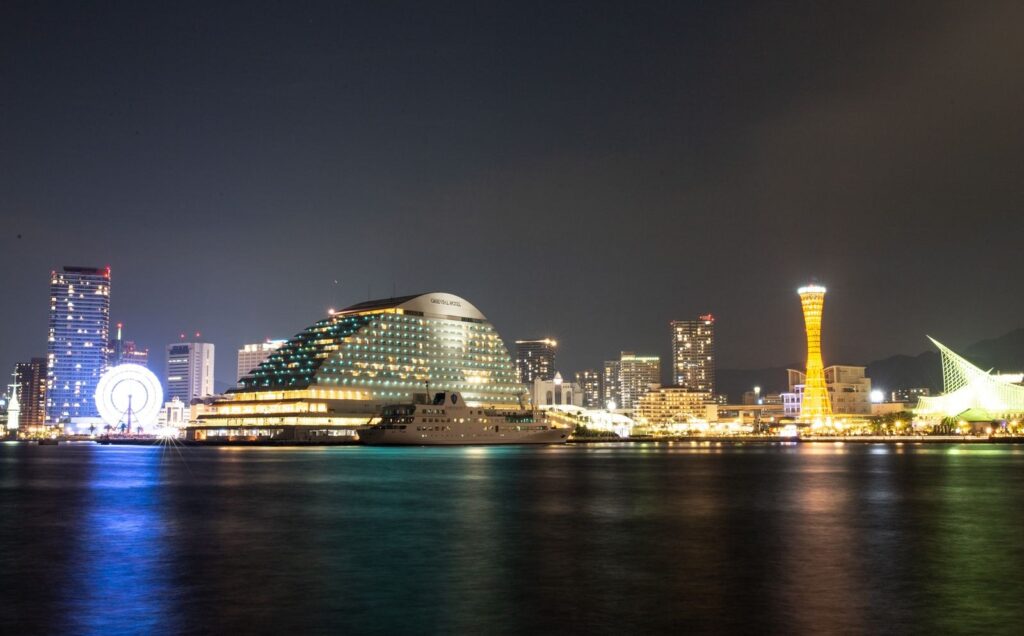
Kobe is a port city squeezed between the mountains and the sea, with a cosmopolitan history, a lively harbor and the most famous beef in Japan. It is close enough for a half day.
Getting there
- JR Special Rapid, Osaka to Sannomiya: 21 minutes, ¥420.
- Hankyu limited express, Osaka-umeda to Kobe-sannomiya: 28 minutes, ¥330.
- Hanshin limited express, Osaka-Umeda to Kobe-Sannomiya: 32 minutes, ¥330.
- Shinkansen, Shin-Osaka to Shin-Kobe: 12 minutes, ¥1,530. The JR Special Rapid from Shin-Osaka to Sannomiya takes 27 minutes for ¥580, so the shinkansen rarely makes sense.
Kitano Ijinkan: the old foreign quarter
On the slopes about 15 minutes’ walk from Sannomiya or Shin-Kobe, Kitano has Western-style houses built for merchants and diplomats after the port opened in 1868. The best known is the Weathercock House, built around 1909 for a German trader, which reopened in July 2025 after earthquake-proofing (¥500; high school students and under free; closed on the third Tuesday). A two-house ticket with the nearby Moegi no Yakata, a former US consul-general’s residence, costs ¥800 from April 2026. A group of eight private houses, including the Uroko House, sells a seven-house premium pass for ¥3,300.
Harborland, Meriken Park and the Port Tower
- Kobe Port Tower reopened in April 2024 after earthquake-proofing and added an open-air rooftop deck. Observation floors plus the rooftop cost ¥1,200 (child ¥500), observation floors only ¥1,000; open 9:00–23:00, last entry 22:30. The rooftop is reached by stairs and closes in rain.
- Meriken Park has the BE KOBE monument and the Earthquake Memorial Park, which keeps 60 meters of quay broken in the 1995 Great Hanshin earthquake.
- Harborland, about five minutes’ walk from JR Kobe Station, has the umie shopping complex and the Mosaic Ferris wheel.
Nankinmachi (Chinatown)
Kobe’s Chinatown in Motomachi is one of Japan’s three big Chinatowns, with Yokohama and Nagasaki, founded by Chinese settlers after the port opened. It is best for snacking as you walk. The shopkeepers’ association asks visitors to return street-food rubbish to the shop where they bought it.
Into the mountains: Nunobiki and Mount Rokko
- Nunobiki Herb Gardens and Ropeway: the base station is about five minutes’ walk from Shin-Kobe, and the ride to the top takes about ten minutes. From April 2026 a return ticket including garden entry costs ¥2,500 (one way ¥1,900). The ropeway closes for inspection from January 23 to February 19, 2027.
- Mount Rokko: from Osaka-umeda take Hankyu to Rokko, city bus 16 to the Rokko Cable station, then the cable car: about 1 hour 10 minutes, ¥1,360. The Rokko Cable costs ¥800 one way or ¥1,550 return, runs about every 20 minutes, and reopened on April 11, 2026 after works.
Kobe beef: how to know it is real
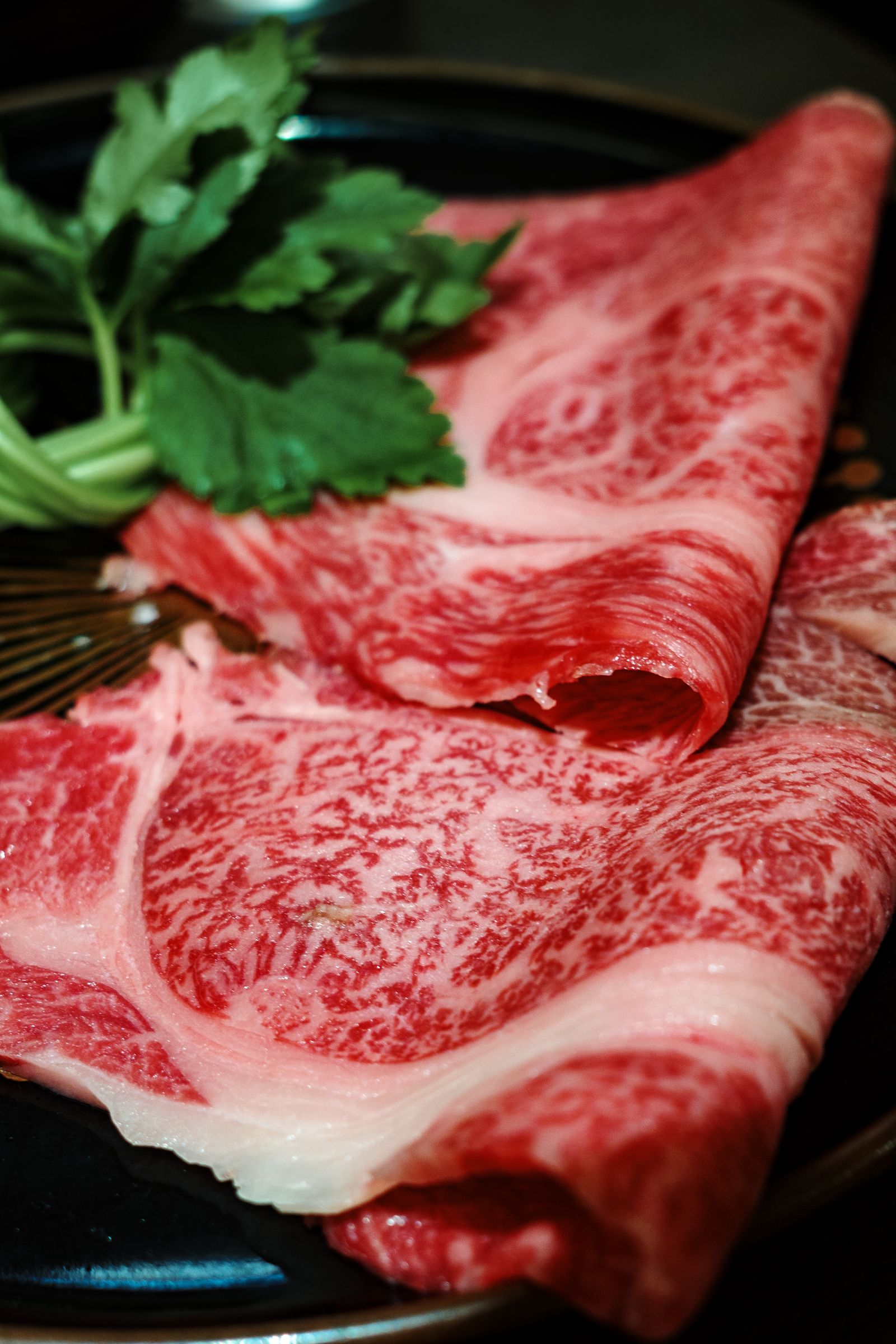
According to the Kobe Beef Marketing and Distribution Promotion Association, Kobe beef must come from Tajima cattle of Hyogo bloodlines, raised by registered Hyogo farmers and processed in Hyogo, and must meet strict grading rules, including marbling of BMS No. 6 or higher. Only 6,820 head were certified in the 2024 fiscal year. Genuine sellers display a membership certificate and a bronze cattle statue, and the association publishes an official restaurant guide. “Wagyu” on a menu is not the same thing. Our wagyu and Kobe beef guide explains the grades and how to order.
If you plan to see many sights, the KOBE Tourism Smart Passport (2026 edition) covers about 30 attractions for ¥2,500 a day (Basic) or about 50 for ¥4,500 (Premium), sold as a QR e-ticket.
Kobe and Himeji in one day
Kobe and Himeji sit on the same JR line west of Osaka, so they combine well into one long day:
- Morning: take an early JR Special Rapid from Osaka to Himeji (1 hour 3 minutes, ¥1,460). Arrive for the 9:00 opening, with a digital ticket bought in advance.
- Late morning: two hours in the castle, then Kokoen garden next door if you bought the ¥2,600 combo.
- Lunch: near Himeji Station, then head back east on the JR line towards Osaka and get off at Sannomiya in Kobe.
- Afternoon: Kitano’s foreign houses, or Nankinmachi for snacks.
- Evening: the harbor at dusk, the Port Tower rooftop, and a Kobe beef dinner at a certified restaurant, then 21 minutes back to Osaka by JR.
If you prefer private railways, the Hanshin–Sanyo Seaside QR one-day ticket (¥2,350) covers Hanshin trains from Osaka through Kobe to Sanyo Himeji.
Arima Onsen
Arima, behind Mount Rokko, is one of Japan’s oldest hot-spring towns and the easiest real onsen trip from Osaka.
Getting there
- From Sannomiya by rail: subway and Kobe Electric Railway, changing at Arima-guchi, 28 minutes, ¥720.
- From Sannomiya by bus: the Arima Express bus takes about 30 minutes, ¥780.
- From Osaka: JR Special Rapid to Sannomiya and the bus, about 1 hour 3 minutes and ¥1,020 in total; or the Hankyu Kanko highway bus from Osaka Umeda (about one hour, ¥1,400) or Shin-Osaka (¥1,250). Highway bus seats are reserved, so buy before boarding.
The two public baths
| Bath | Water | Adult | Hours | Closed |
|---|---|---|---|---|
| Kin-no-yu (gold) | Iron-rich, reddish-brown | ¥800 (weekdays ¥650) | 8:00–22:00, last entry 21:30 | 2nd and 4th Tuesday, Jan 1 |
| Gin-no-yu (silver) | Carbonated and radium spring | ¥700 (weekdays ¥550) | 9:00–21:00, last entry 20:30 | 1st and 3rd Tuesday, Jan 1 |
A ticket for both baths costs ¥1,200 (adults only). Soap and shampoo are provided and towels are sold; entry may be limited when busy. Kin-no-yu reopened in March 2026 after renovation. Next to it, the free Taiko no Ashiyu foot bath keeps Kin-no-yu’s hours. Our Arima Onsen guide covers ryokan stays and onsen etiquette.
Uji
Uji, between Kyoto and Nara, is famous for green tea and for Byodoin, the temple on Japan’s ¥10 coin. It also has the Nintendo Museum.
Getting there
- JR from Osaka: about 1 hour 7 minutes, ¥960, changing in Kyoto. From JR Kyoto it is 17 minutes on the Miyakoji Rapid, ¥240.
- Keihan from Yodoyabashi: change at Chushojima for Keihan Uji, about 56–68 minutes, ¥490.
Byodoin
- Garden and Hoshokan museum: adult ¥700. Garden 8:45–17:30, museum 9:00–17:00, open every day.
- The interior of the Phoenix Hall costs ¥300 extra, with timed tickets sold from 9:10 at a desk inside the garden and tours every 20 minutes. From October 16, 2026 each tour takes 35 people instead of 50, so buy the interior ticket first. Talks are in Japanese, with printed guides in English and other languages.
- There is no night viewing in autumn 2026.
Nintendo Museum
The Nintendo Museum is five minutes’ walk from Kintetsu Ogura Station. Tickets (adult ¥3,300) are sold only by drawing, for a set date and time, with entries opening three months ahead and a free Nintendo Account required. Non-Japanese visitors must show a passport at entry, and names must match. It is closed on Tuesdays. Without a ticket from the drawing, don’t plan a trip around it.
Koyasan
Koyasan, the mountain monastery town of Shingon Buddhism, is possible as a day trip but far better with a night in a temple lodging.
- Nankai from Namba to Gokurakubashi: limited express Koya, 1 hour 31 minutes, ¥2,030 with the seat fee; express, about 1 hour 40 minutes, ¥930. Nankai’s limited-express fees rose in April 2026.
- GRAN Tenku: a sightseeing limited express launched in April 2026, about 1 hour 30 minutes, ¥3,130; no service on Wednesdays and the second and fourth Thursdays.
- Koyasan Cable Car: about five minutes to Koyasan Station, ¥500, then the Nankai Rinkan bus to Okunoin-mae, 28 minutes, ¥610.
- Bears: the Koya Town Tourism Association reported bear sightings in the town on October 19, 2026. Follow local notices, especially on forest paths and at dusk.
Door to door from Namba it is close to two hours each way, which leaves little time on the mountain. See our Koyasan guide for temple stays and the Okunoin cemetery.
Further afield: Hiroshima, Okayama, Ise and more
- Hiroshima and Miyajima: the Nozomi from Shin-Osaka takes about 1 hour 25 minutes, ¥9,890 non-reserved. The Peace Memorial Museum costs ¥200. Miyajima charges a ¥100 visitor tax per person, collected with the ferry fare. It is a long but popular day trip; see our Hiroshima and Miyajima guide.
- Okayama and Kurashiki: the Nozomi reaches Okayama in 44–49 minutes, ¥5,610 non-reserved; Kurashiki is 16–18 minutes further by JR, ¥330. Korakuen garden costs ¥500 (or ¥800 with Okayama Castle), and Kurashiki’s Ohara Museum of Art ¥2,000. See our Kurashiki guide and Okayama guide.
- Ise Jingu: a direct Kintetsu limited express from Osaka-Namba to Iseshi takes 1 hour 44 minutes, ¥3,510. The premium Shimakaze train runs daily except Tuesdays (¥4,350 to Iseshi). See our Ise Jingu guide.
- Wakayama Castle: JR limited express Kuroshio about 1 hour (¥3,230 reserved) or Nankai limited express Southern from Namba, 59 minutes. The castle tower costs ¥410. See our Wakayama guide.
- Kinosaki Onsen: the limited express Kounotori takes 2 hours 42 minutes (¥6,340 reserved), so it works much better as an overnight trip. See our Kinosaki Onsen guide.
- Takarazuka: Hankyu from Osaka-umeda, 35 minutes, ¥290, for the Takarazuka Revue theater district. The Osamu Tezuka Manga Museum is closed from December 1, 2026 to March 4, 2027.
Which pass, if any?
Day trips from Osaka are short and cheap, so many passes don’t pay off. Check the numbers before you buy:
| Pass | Price (adult) | Covers | Worth it for |
|---|---|---|---|
| WEST QR Kansai Area Pass (phone) | 1 day ¥2,700 to 4 days ¥6,700 | JR West rapid and local trains in the area, Haruka non-reserved; no shinkansen | Several JR trips on consecutive days. Sold only by travel agencies outside Japan. Check whether Himeji is covered. |
| Kansai Wide Area Pass | 5 days ¥12,000 (check current price) | JR West incl. Shin-Osaka–Okayama shinkansen and limited expresses such as Haruka, Kuroshio and Kounotori | Okayama, Kinosaki, Shirahama or Takamatsu within five days |
| Kansai-Hiroshima Area Pass | 5 days ¥17,000 (check current price) | As above plus the shinkansen to Hiroshima and the JR Miyajima ferry | Adding Hiroshima to a Kansai trip |
| Hankyu-Hanshin One-Day Pass | ¥1,600 | All Hankyu, Hanshin and Kobe Kosoku lines (digital) | Kobe plus Rokko or Takarazuka in one day |
| Hanshin–Sanyo Seaside QR One-Day Ticket | ¥2,350 | Hanshin from Osaka to Sanyo Himeji | Kobe and Himeji on private lines |
| Kintetsu Rail Pass | 1 day ¥1,900, 2 days ¥3,700 | Kintetsu in the Osaka–Nara–Kyoto area (foreign visitors, digital) | Nara plus other Kintetsu rides; a Namba–Nara round trip alone is ¥1,360 |
| KANSAI RAILWAY PASS LITE | 2 days ¥5,200, 3 days ¥6,500 | Private railways and subways, no JR | Several private-line trips on consecutive days |
| Osaka Amazing Pass | 1 day ¥3,500, 2 days ¥5,000 | Transport inside Osaka City plus about 40 sights | Sightseeing in Osaka itself, not day trips |
The paper JR Kansai Area Pass stopped selling on September 30, 2026; passes already bought stay valid. Phone passes need data and a working phone at the gate, because screenshots and printouts are not accepted. If you are traveling on to Tokyo and around Japan, our guide to whether the JR Pass is worth it does the national math.
Sample plans for 3 and 5 days
Three days of day trips
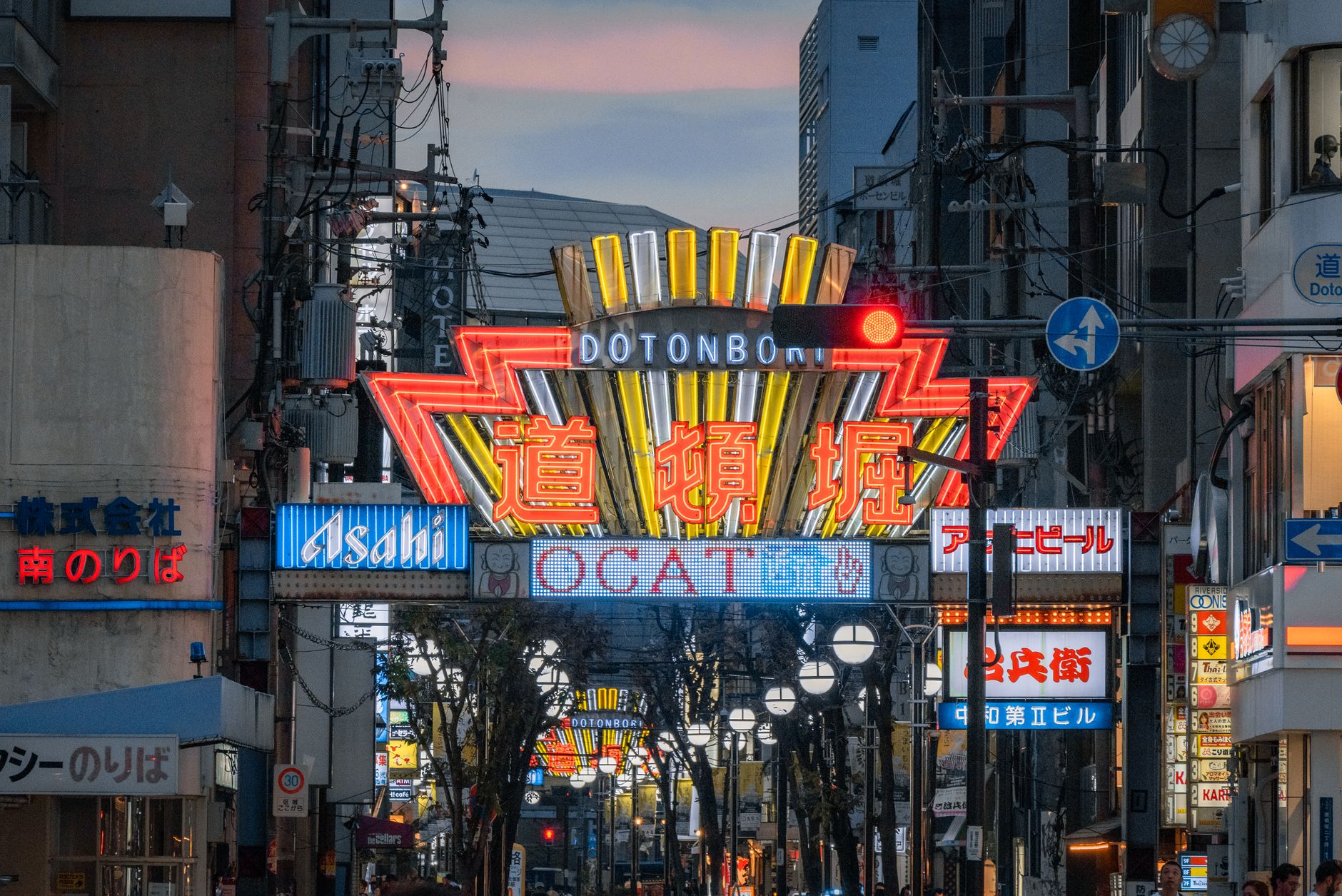
- Day 1, Kyoto: Fushimi Inari early, Kiyomizu-dera and Gion; back to Osaka for dinner in Dotonbori.
- Day 2, Nara: Kintetsu from Namba, Todaiji, Nara Park and Kasuga Taisha; afternoon in Osaka.
- Day 3, Himeji and Kobe: the one-day plan above.
Five days
- Days 1–2: Kyoto twice: the east side one day, Arashiyama the next.
- Day 3: Nara, with Uji on the way back if you start early.
- Day 4: Himeji and Kobe.
- Day 5: Arima Onsen, or Hiroshima and Miyajima for a long day.
Leave at least one day for Osaka itself: our Osaka Castle guide, Osaka food guide and Dotonbori guide fill it easily. Guided day tours to Kyoto and Nara are also available on Klook if you prefer not to navigate.
JR or private railway?
For most destinations in this guide you can choose between JR and a private railway. A few rules of thumb:
- JR is usually faster; private lines are usually cheaper. Osaka to Kyoto is 29 minutes and ¥580 by JR, or 43 minutes and ¥410 by Hankyu.
- Private lines often arrive more centrally. Hankyu stops in downtown Kyoto at Kawaramachi, Keihan at Gion-Shijo, and Kintetsu right beside Nara Park, while JR Kyoto and JR Nara stations are further from the main sights.
- Rail passes decide it for you. A JR pass covers only JR, and private-railway passes cover only their own lines.
- Station names differ between companies. JR’s Osaka Station sits beside Hankyu and Hanshin’s Osaka-umeda; JR Sannomiya beside Hankyu and Hanshin’s Kobe-sannomiya. Changing companies means leaving one set of gates and walking to another.
- One IC card works on all of them, so you can mix and match: Hankyu to Kyoto in the morning and JR back in the evening, for example.
Day trips by season
- Spring: cherry blossoms make Kyoto, Nara and Himeji Castle spectacular, and very busy. Go on weekdays and arrive at opening time. In Nara, does are protective of newborn fawns in spring, so keep your distance.
- Summer: Kansai is hot and humid. Plan indoor or evening activities for the afternoon, such as Kobe’s harbor after dark. Himeji Castle has no air conditioning, so visit early with a drink.
- Autumn: autumn leaves in Kyoto and Nara draw big crowds from mid-November. The deer rut makes Nara’s bucks more aggressive, and Byodoin has no night viewing in autumn 2026.
- Winter: the best time for Arima’s hot springs. Himeji Castle closes only on December 29 and 30, but many sights and restaurants shorten hours over New Year. The Nunobiki Ropeway in Kobe closes for inspection from January 23 to February 19, 2027.
For month-by-month weather and crowds across Japan, see our guide to the best time to visit Japan.
Day trips with children
- Himeji Castle is free for under-18s, which makes it one of the best-value family sights in Japan now that the adult fee is ¥2,500. The steep wooden stairs inside the keep need care with small children.
- Nara’s deer are a highlight for children, but the prefecture warns not to let children approach them alone; crackers make deer pushy.
- Kobe works well with children: the Port Tower (child ¥500 with the rooftop), the Ferris wheel at Harborland, and the Nunobiki Ropeway (child return ¥1,250).
- The Nintendo Museum requires children aged 11 and under to come with an adult ticket holder, and tickets are by drawing only.
- Short hops are easiest. Kobe (21 minutes) and Kyoto (29 minutes) are the least tiring trips with young children.
Accessibility notes
Some of the big sights are hard going. Himeji Castle’s buildings have steep stairs and no elevators, and wheelchair users cannot enter them; the grounds and outer areas are still worth seeing. Himeji gives free entry to disability certificate holders with one carer, and to wheelchair users with up to three carers. Kobe Port Tower’s rooftop deck is reached by stairs and has no wheelchair access. If you have mobility needs, check each sight’s official page before you go.
Practical tips
- Start early. Kyoto, Nara and Himeji are busiest from late morning. Arriving at opening time makes a big difference, especially at Fushimi Inari and Himeji Castle.
- Use an IC card. ICOCA, Suica and similar cards work on all these trains and many buses, and fares were the same as paper tickets on the routes we checked. See our IC card guide.
- Carry cash. Todaiji takes cash only, and some small shops and stalls do too.
- Avoid rush hour. Trains into and out of Osaka are packed on weekday mornings and evenings. Leave after 9:00 or come back before 17:00 if you can.
- Leave luggage behind. Day trips are easier without bags. Use station lockers, your hotel, or a storage service such as Radical Storage in Osaka.
- Watch the last trains. Most routes in this guide run until late evening, but rural buses (Koyasan, Arima) finish earlier. Check the return times before you go.
- Stay connected. Maps and timetables are easiest with data; an Airalo eSIM installs before you fly.
What about the Expo site?
Expo 2025 Osaka, Kansai ran from April 13 to October 13, 2025 on the artificial island of Yumeshima and recorded 29.02 million visits in total. As of October 2026 there is no official visitor information for the former site, and Osaka City is still choosing developers for most of the land. An integrated resort with a casino (MGM Osaka) is under construction next door, with an official opening target of around autumn 2030. For now, Yumeshima is not a day-trip destination.
Frequently asked questions
What is the best day trip from Osaka? For a first visit, Kyoto. Nara is the best half day, and Himeji Castle is the best single sight. Kobe is the easiest evening trip.
How much does Himeji Castle cost in 2026? ¥2,500 for visitors aged 18 and over who are not Himeji residents, from March 1, 2026. Under 18 is free. The castle and Kokoen garden together cost ¥2,600.
Can I do Kobe and Himeji in one day from Osaka? Yes. They are on the same JR line: go to Himeji first (about an hour), then stop in Kobe on the way back for the afternoon and evening.
Is the Kansai Area Pass still available? The paper pass stopped selling on September 30, 2026. The phone version, the WEST QR Kansai Area Pass, is sold only through travel agencies outside Japan, for 1 to 4 days.
Is a pass worth it for Osaka day trips? Often not. A Namba–Nara round trip is ¥1,360 and an Osaka–Kyoto round trip by JR ¥1,160, so pay-as-you-go with an IC card is usually cheaper unless you travel a lot on consecutive days.
How do I get from Osaka to Nara? Kintetsu from Osaka-Namba is quickest: 37 minutes, ¥680, arriving next to Nara Park. JR from Osaka takes 50 minutes, ¥840.
Can I visit Koyasan as a day trip? Yes, but it is close to two hours each way. A night in a temple lodging is much more rewarding.
Can I visit the Expo 2025 site? As of October 2026 there is no official visitor information for the former site, which is being redeveloped.
Kyoto or Nara, if I only have one day? Kyoto has far more to see, but Nara is compact: its main sights fit into half a day, and the deer make it memorable. With two days, do both.
How long do I need at Himeji Castle? The city says 90 to 120 minutes for the castle. Add 30 to 60 minutes for Kokoen garden and the walk from the station each way, so plan on half a day.
Is Kobe worth a day trip from Osaka? Yes, especially in the afternoon and evening. It is only 21 minutes away, and the harbor at night, the old foreign houses and a Kobe beef dinner make a good contrast with Osaka.
Do I need cash on day trips? Some places, including Todaiji in Nara, take cash only. Carry some yen alongside your cards and IC card.
Plan the rest of your trip
- Where to stay in Osaka
- Best day trips from Kyoto
- Nara day trip guide
- Arima Onsen guide
- Koyasan guide
- Hiroshima and Miyajima guide
- Is the JR Pass worth it?
Sources: Himeji City (castle fees, March 2026; digital tickets; repair works, July 2026); himejicastle.jp; Shirasagi Ticket; Todaiji; Kasuga Taisha; Nara Prefecture (deer, September 2026); Kobe Port Tower; Kobe Kitano Ijinkan and Weathercock House; Nankinmachi Shopping Street Association; Kobe Nunobiki Herb Gardens; Kobe Rokko Railway (2025–2026 releases); Kobe Beef Marketing and Distribution Promotion Association; feel KOBE; Arima Kin-no-yu and Gin-no-yu; Hankyu Kanko Bus; Byodoin (September and October 2026 notices); Nintendo Museum; Koya Town Tourism Association (October 2026); Hiroshima Peace Memorial Museum; Hatsukaichi City; Korakuen; Ohara Museum of Art; Kintetsu; Wakayama Castle; Takarazuka City; JR West (pass pages); Hanshin (Autumn and Winter 2026 tickets); SURUTTO KANSAI; Osaka Amazing Pass; Expo 2025 data; Osaka Prefecture and Osaka City (IR, Yumeshima). Times and fares from route searches on October 22, 2026 for a weekday morning. Prices change; please check before you travel, and let us know if you spot something out of date.
Going to Japan? Speak Japanese with confidence.
Hirameki Japanese — camera translate for menus and signs, a two-way conversation mode, and furigana + romaji on every phrase. Free to download with kana charts, conversation mode and starter words; a one-time purchase unlocks everything.

Plan your Japan trip
Two things every first-timer should book
Some links are affiliate links. If you book through them we may earn a small commission at no extra cost to you.