Introduction to Fukui Prefecture

Fukui Prefecture, tucked along the Sea of Japan coast between Kyoto and Ishikawa in the Hokuriku region, consistently surprises visitors with the depth and variety of its offerings. Ancient Zen temples, dramatic sea cliffs, a world-class natural history museum, and some of the finest crab in Japan make Fukui a destination that delivers experiences ranging from the profoundly spiritual to the deliciously indulgent. Despite being one of Japan’s smaller and less-visited prefectures, Fukui punches well above its weight in terms of cultural heritage, natural beauty, and culinary excellence.
The Hokuriku Shinkansen extension that opened in March 2024, connecting Fukui directly to Kanazawa and Tokyo, has brought this long-overlooked prefecture into much easier reach. Where visitors once had to navigate slower limited express trains, the shinkansen has slashed travel times dramatically, opening Fukui up to a new generation of travelers. Fukui retains a sense of everyday Japanese life that can be refreshingly genuine, and this guide covers everything you need to plan a memorable trip.
Top Attractions in Fukui Prefecture
Eiheiji Temple: The Living Zen Monastery
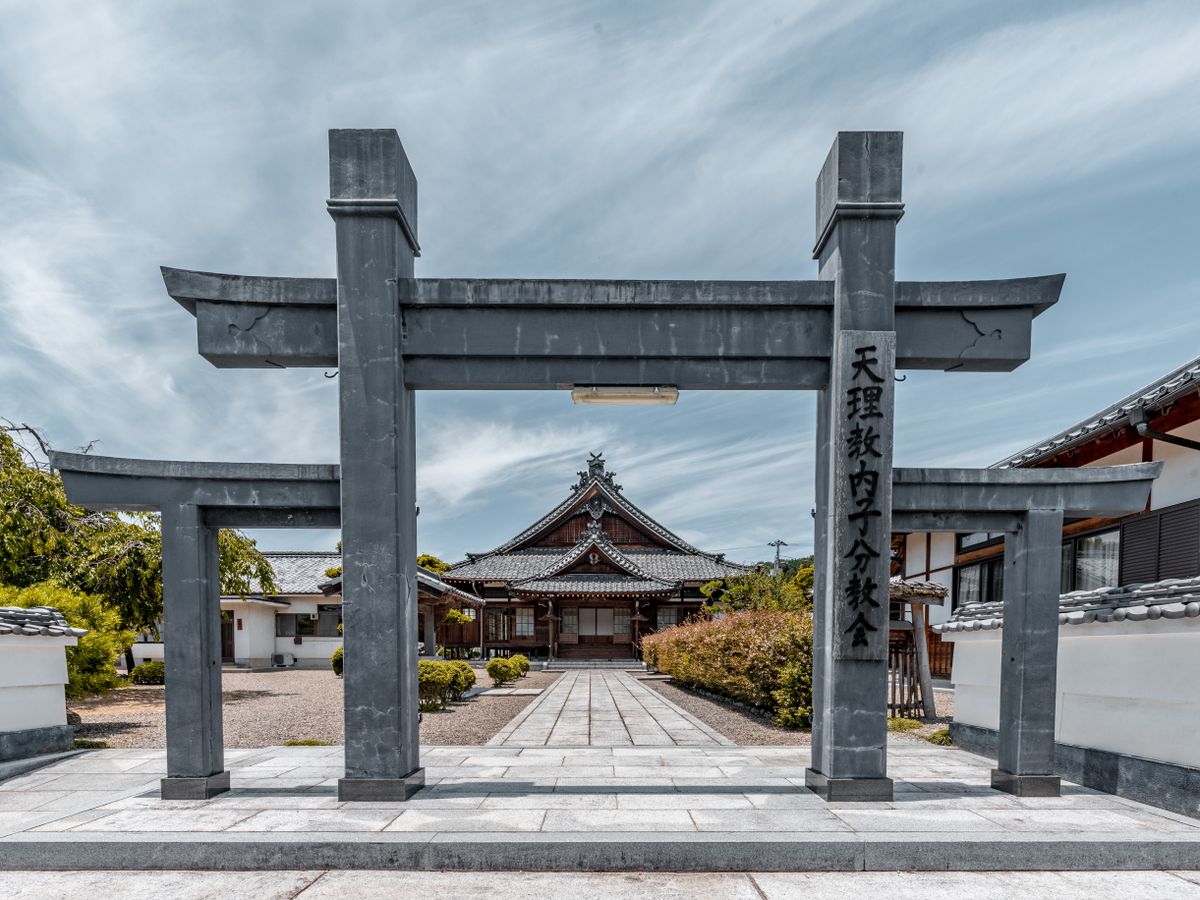
Eiheiji Temple, founded in 1244 by the Zen Master Dogen, is one of the two head temples of the Soto school of Zen Buddhism and one of the most important religious sites in Japan. Unlike many historic temples that function primarily as tourist attractions, Eiheiji remains an active monastery where approximately 150 young monks undergo rigorous Zen training at any given time. The contrast between the ancient surroundings and the very real, very demanding life of the monks in residence gives Eiheiji a spiritual weight that is immediately palpable to visitors from any background.
The complex comprises more than 70 buildings connected by covered wooden corridors winding through an ancient cedar forest. Moss-covered stone steps, the sound of chanting reverberating through wooden halls, and the sight of monks moving swiftly and silently about their duties create an atmosphere unlike anything else in Japan. Seven key halls including the Sanmon gate, Buddha Hall, Dharma Hall, and the monks living quarters form the heart of the complex, each connected by the famous kairo covered walkways that protect monks and visitors alike from the elements year-round.
The temple is most atmospheric in the early morning hours, when mist drifts through the cedar forest and the sound of the monks dawn chanting carries through the complex. Several accommodations near the temple allow visitors to participate in meditation sessions and the full monastic schedule. An overnight stay at one of the traditional inns within walking distance of the temple is one of the most memorable experiences Fukui has to offer. The temple is open daily, with entry fees around 500 yen for adults.
Tojinbo Cliffs: Dramatic Sea Columns
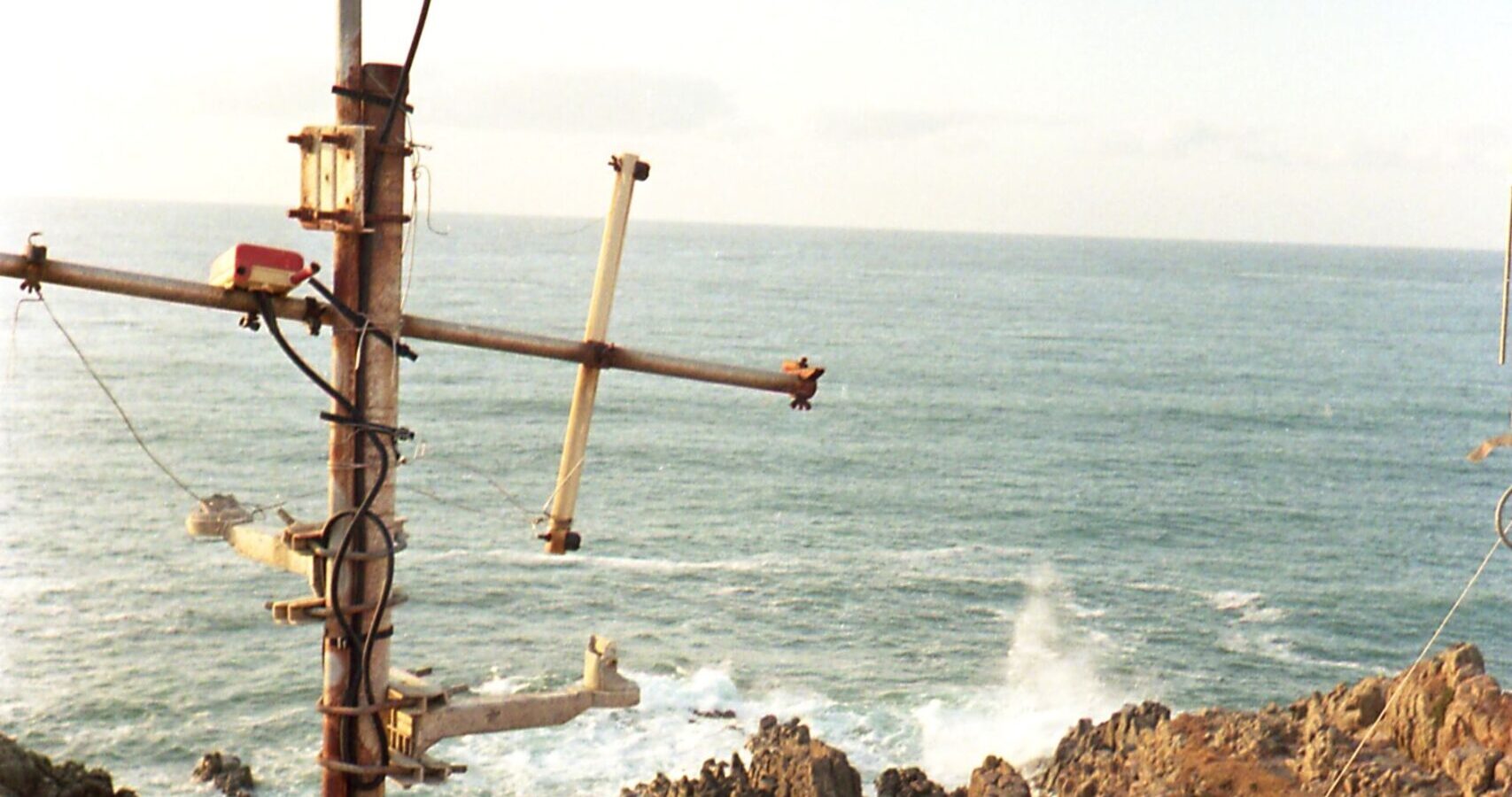
Tojinbo is one of the most dramatic stretches of coastline in Japan, where the Sea of Japan has carved columns of volcanic rock into extraordinary formations over millions of years. The cliffs stretch for approximately one kilometer along the coast and rise up to 25 meters above the crashing waves below. On stormy days the scene has an almost elemental power that draws visitors back repeatedly throughout their lives.
The columnar rock formations at Tojinbo are designated as Japan’s first National Natural Monument of this geological type. The columns were formed from andesite lava approximately 12 to 13 million years ago. Cruise boat tours operate from the small harbor at the base of the cliffs, offering views from the sea that reveal additional formations and provide a completely different perspective on the geological scale of the site. The sunset over the Sea of Japan from the clifftops is spectacular and transforms the rock formations into shades of amber and copper.
Fukui Prefectural Dinosaur Museum
Japan’s finest natural history museum, the Fukui Prefectural Dinosaur Museum, is widely considered one of the three great dinosaur museums in the world alongside those in Canada and China. Fukui holds this extraordinary distinction because the prefecture sits above one of the world’s richest deposits of Cretaceous-era fossils. Ongoing excavations in the Katsuyama area have yielded numerous dinosaur species completely new to science, several of which have been named after the prefecture itself.
The collection includes more than 40 complete dinosaur skeletons, life-size animatronic dinosaurs, hands-on fossil excavation experiences, and fossil preparation laboratories where visitors can watch actual scientists at work. A significant expansion completed in 2023 added new exhibition space and interactive elements. Allow at least three to four hours to do the museum justice. The museum captivates adults and children equally, making it ideal for mixed-age travel groups.
Maruoka Castle: Japan’s Oldest Surviving Tower
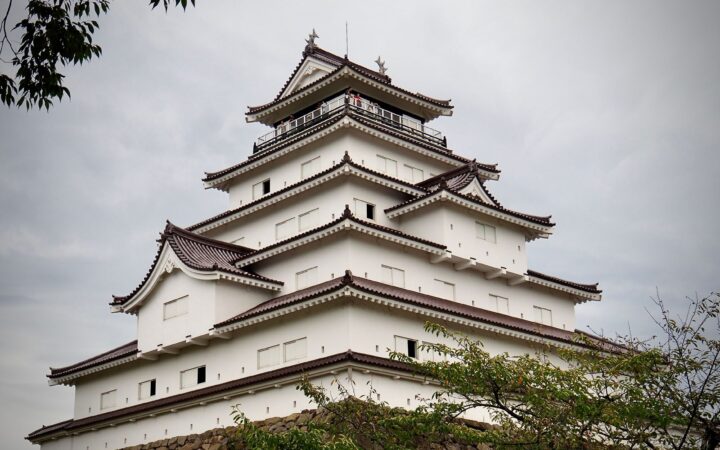
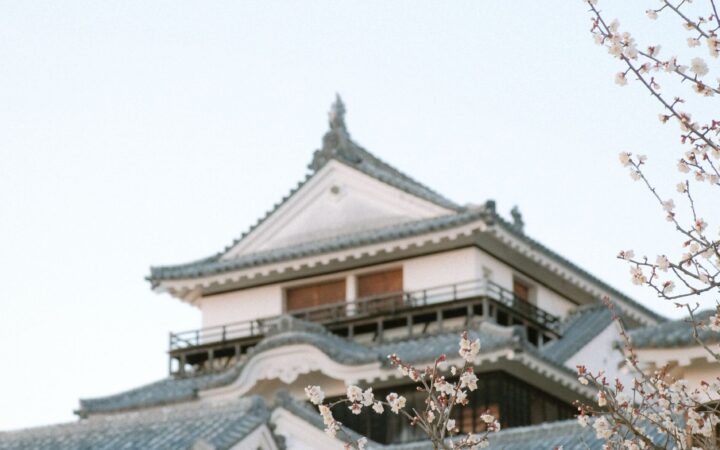
Maruoka Castle, completed in 1576 during the Sengoku period, is one of Japan’s twelve surviving original castles and features what is believed to be Japan’s oldest existing castle tower. The castle’s architecture reflects the early Edo period style before castle design became more elaborate and ornate, and its relative simplicity is what makes it so striking. The weathered wooden interior and the steep, almost ladder-like staircases feel genuinely ancient.
The castle grounds are particularly beautiful in spring, when approximately 400 cherry trees bloom around the hilltop fortification, creating one of Fukui’s most celebrated hanami viewing sites. The castle is designated as a National Important Cultural Property. The view from the top of the tower extends across the Fukui plain toward the mountains and, on clear days, to the Sea of Japan coast in the distance.
Mikata Five Lakes
The Mikata Five Lakes form one of Fukui’s most serene and beautiful natural landscapes, a cluster of interconnected lakes of varying depths and salinity levels, each with its own distinct color and character. The variation in salinity, from freshwater to nearly full seawater, creates a remarkable color gradient visible from the hillside Rainbow Line observation area above the lakes. The area is designated as a Ramsar Wetland of international importance, supporting a rich variety of bird life and aquatic species. The lakes are best visited in autumn when the surrounding forests turn vivid shades of red and gold.
Getting to Fukui
The opening of the Hokuriku Shinkansen extension to Fukui in March 2024 transformed access to the prefecture. From Tokyo, the journey to Fukui Station takes approximately 2 hours and 40 minutes, making it very easy to include Fukui in a broader Japan itinerary. From Kanazawa, the shinkansen reaches Fukui in around 20 minutes, making it very easy to combine the two destinations on a longer Hokuriku itinerary. From Kyoto the journey takes approximately 1 hour 45 minutes via Tsuruga.
Before heading out, make sure you have a Japan eSIM ready to navigate, translate, and share photos without worrying about connectivity. Get your Japan eSIM (Stay connected from day 1) →
The Japan Rail Pass covers the shinkansen services to Fukui, making it an economical choice for visitors planning a broader Japan itinerary. For those arriving by air, Kansai International Airport and Chubu Centrair International Airport both connect to Fukui by rail. Fukui Airport has no scheduled passenger flights; the nearest commercial airport is Komatsu in neighboring Ishikawa, though most international visitors arrive by train.
Getting Around Fukui
Within Fukui Prefecture, local transportation requires a combination of trains and buses, supplemented by taxis or rental cars for more remote destinations. Fukui Station serves as the main transportation hub. The Eiheiji Liner bus runs directly from Fukui Station to Eiheiji Temple and is the most convenient way to reach the monastery without a car. For the Dinosaur Museum, a dedicated shuttle bus operates from Katsuyama Station, accessible from Fukui on the Echizen Railway.
For Tojinbo and the Maruoka Castle area, local buses run from Fukui Station, though service frequency can be limited outside peak tourist seasons. Renting a bicycle is an excellent option for exploring the Tojinbo coastline and the nearby Maruoka area, as the terrain is relatively flat along the coastal plain. For the Mikata Five Lakes and the Wakasa Bay area to the south, a rental car is strongly recommended as public transportation options are very limited.
Where to Stay in Fukui
Fukui City offers the widest range of accommodation options and is the most practical base for exploring the prefecture by public transport. Several business hotels cluster around Fukui Station, including properties from chains like Dormy Inn, APA Hotel, and Route Inn, offering comfortable, well-priced rooms. For a more distinctive experience, Awara Onsen, a traditional hot spring resort town about 20 minutes north of Fukui City by train, offers a range of ryokan where guests sleep on futon, wear yukata robes, and enjoy multi-course kaiseki dinners.
Several of the better ryokan at Awara Onsen specialize in Echizen crab kaiseki during the winter season, making them highly sought-after from November through March. Booking well in advance is essential for winter crab season. For a truly immersive experience, shukubo temple lodging at or near Eiheiji Temple allows visitors to participate in the monastery daily schedule, including pre-dawn meditation and vegetarian Buddhist cuisine known as shojin ryori. This is a deeply memorable way to experience Eiheiji that goes far beyond a standard day visit.
Food and Local Specialties in Fukui
Fukui food culture is one of its greatest treasures. From November through March, the prefecture enters its most celebrated culinary season, centered on the Echizen crab, the male Zuwai crab or snow crab caught in the waters off the Fukui coast and widely considered by food experts to be the finest crab in Japan. Echizen crab has been presented as a gift to the Imperial household since the Edo period. Certified Echizen crabs bear a distinctive yellow tag attached by registered fishing vessels as a guarantee of authenticity.
A full kaiseki crab meal at one of the traditional ryokan along the Fukui coast represents one of Japan’s great seasonal dining experiences. Budget 15,000 to 30,000 yen or more per person for a full-course experience at a reputable ryokan. Beyond crab season, oroshi soba, buckwheat noodles served with grated daikon radish, is the prefecture signature everyday dish. Sauce katsu-don, a pork cutlet rice bowl dressed in a sweet sauce, is another beloved local comfort food. Echizen sake breweries produce clean, dry nihonshu that pairs naturally with the local seafood.
Day Trips and Nearby Destinations
Kanazawa, with its famous Kenroku-en garden, the Higashi Chaya geisha district, and the 21st Century Museum of Contemporary Art, is just 20 minutes away by shinkansen, arguably the easiest and most rewarding day trip from Fukui. To the south, the Wakasa Bay coastline offers rugged scenery, small fishing villages, and beautiful natural landscapes. The area around Obama City has a long history as a supplier of seafood to the imperial capital of Kyoto along the ancient Mackerel Road.
For those interested in traditional crafts, the Echizen area is famous for handmade washi paper, a nationally designated Traditional Craft of Japan. The Echizen Washi Village allows visitors to observe the paper-making process and try making paper themselves. The Takefu Knife Village produces high-quality kitchen knives exported worldwide that make excellent and practical souvenirs. Ichijodani Asakura Family Historic Ruins, just outside Fukui City, preserve the buried remains of an entire late-medieval Japanese castle town, one of the most evocative historical sites in Japan.
Best Time to Visit Fukui
Fukui is rewarding to visit at any time of year. Winter from November through March is the season of Echizen crab and is particularly magical despite the cold and occasional heavy snowfall. Snow-covered temple roofs, steaming hot spring baths, and crab kaiseki dinners are a combination that many repeat visitors to Japan rate as among the most memorable experiences the country offers.
Spring from late March through early May is spectacular, with cherry blossoms at Maruoka Castle and throughout the prefecture. The forests around Eiheiji take on a fresh green color that is extraordinarily beautiful. Autumn from late September through November brings spectacular foliage, with maple and ginkgo trees creating a patchwork of gold and crimson against the dark cedar backdrop around Eiheiji. Timing a visit for early to mid-November captures both autumn colors and the first crab of the season simultaneously, making it the most rewarding single period to visit.
Hidden Gems and Local Tips for Fukui
Ichijodani Asakura Family Historic Ruins preserves the remains of a castle town completely destroyed in 1573 and then buried, creating an extraordinary archaeological site where an entire late-medieval Japanese city is being systematically excavated. The site includes reconstructed buildings, artifacts on display in an adjoining museum, and the eerie atmosphere of a civilization preserved by sudden and total destruction. This is one of the most evocative historical sites in Japan that most international visitors have never heard of.
The Takefu Knife Village in Echizen is one of Japan’s most important centers of traditional blade-making. Visitors can tour the workshops, watch master bladesmiths at work, and purchase knives directly from the makers at prices significantly lower than retail. The small family-run restaurants in the villages near Eiheiji serve shojin ryori Buddhist vegetarian cuisine at very reasonable prices, offering a wonderful opportunity to experience this refined culinary tradition without the expense of a full ryokan stay. Awara Onsen traditional covered shopping arcade and morning foot-bath areas near the station are enjoyed almost exclusively by domestic Japanese visitors and provide a genuinely authentic window into everyday Japanese resort life.
Practical Information for Fukui
Fukui Prefecture operates on Japan Standard Time (JST, UTC+9) year-round. The prefecture climate is influenced by the Sea of Japan, bringing heavy snowfall in winter and relatively cool, humid summers. Pack warm, waterproof clothing for winter visits and light layers for summer. English signage at major tourist sites is generally good, particularly at Eiheiji Temple and the Dinosaur Museum. In smaller towns and at local restaurants, menus and signs are often Japanese only, so a translation app is invaluable for navigating menus and local transportation timetables.
Most major convenience stores accept international credit cards, and ATMs at Japan Post offices and 7-Eleven stores reliably accept foreign cards. The Fukui Prefecture Tourism Federation operates an information center at Fukui Station with English-speaking staff and free maps and brochures covering all major attractions. Wi-Fi is available at the station and at most larger accommodation properties. Local SIM cards and pocket Wi-Fi rental are available at major airports for those needing continuous connectivity.
Budget Guide for Fukui
Fukui is generally slightly less expensive than Japan major tourist destinations. Budget travelers staying in business hotels and eating at local restaurants and convenience stores can manage on approximately 8,000 to 12,000 yen per day including accommodation. Mid-range travelers should budget 15,000 to 25,000 yen per day, which allows for comfortable hotel accommodation, meals at good local restaurants, and all major attraction entry fees. Luxury travelers opting for the full ryokan and crab kaiseki experience should budget considerably more.
A crab kaiseki dinner plus overnight ryokan stay typically costs 30,000 to 60,000 yen per person including dinner and breakfast. Attraction entry fees are reasonable: Eiheiji Temple costs approximately 500 yen, the Dinosaur Museum 1,000 yen for adults, and Maruoka Castle 450 yen. Tojinbo is free to visit, with optional boat tours around 1,500 yen. The Echizen Railway day pass offers good value for exploring the Katsuyama and central prefecture area efficiently.
Frequently Asked Questions About Fukui
Is Fukui worth visiting?
Absolutely. Fukui is one of Japan’s most underrated destinations, offering a genuine off-the-beaten-path experience combined with world-class attractions like Eiheiji Temple, the Dinosaur Museum, and the dramatic Tojinbo coastline. The Echizen crab experience alone is worth the trip for food enthusiasts. The opening of the Hokuriku Shinkansen has made Fukui more accessible than ever, and the relative lack of crowds compared to Kyoto or Tokyo makes for a more relaxed and authentic experience of traditional Japan.
How many days do you need in Fukui?
Two to three days is the ideal length of stay to cover the main attractions comfortably. Day one at Eiheiji Temple and the Fukui City area, day two at the Dinosaur Museum and Katsuyama, and day three exploring Tojinbo, Maruoka Castle, and the Awara Onsen area. The prefecture pairs naturally with Kanazawa for a combined four to five day Hokuriku itinerary that makes excellent use of the shinkansen connection between the two cities.
When is the best time to visit for Echizen crab?
The Echizen crab season runs from November 6 through March 20. December and January are considered the peak months for flavor and availability. Booking a ryokan with crab kaiseki during December or January requires advance reservation of at least one to two months, and more for popular properties. The opening of the season in early November is a celebrated event, with the first catch commanding very high prices at auction before settling into more accessible pricing as the season progresses.
What is the best way to get from Tokyo to Fukui?
The Hokuriku Shinkansen from Tokyo or Ueno Station to Fukui is the best option, with the journey taking approximately 2 hours and 40 minutes on the fastest Kagayaki services. The Japan Rail Pass covers this route, making it economical for pass holders. Overnight bus services from Tokyo to Fukui also operate at lower cost for budget travelers, with the journey taking around 6 to 7 hours overnight.
Do I need to speak Japanese to visit Fukui?
No, you do not need to speak Japanese to enjoy a visit to Fukui. The major attractions have English-language materials and signage, and hotel staff at larger properties typically speak functional English. A translation app is useful for navigating local restaurants and transportation timetables. Fukui residents are universally welcoming and patient with foreign visitors.
Can I visit Eiheiji Temple without joining a religious ceremony?
Yes. Eiheiji Temple is open to general visitors during regular hours, and you can walk through the complex, observe the architectural heritage, and experience the atmosphere of an active monastery without participating in any religious ceremonies. Visitors are asked to maintain respectful silence in certain areas and follow the designated visitor routes. Meditation sessions and more immersive temple programs are available separately for those who wish to participate more deeply.
Is the Fukui Dinosaur Museum suitable for adults without children?
Very much so. While the museum is certainly popular with families, it is a serious scientific institution with world-class paleontological collections and ongoing research programs. Adults with an interest in natural history, geology, or evolutionary biology will find the museum genuinely fascinating. The fossil preparation laboratories and the scientific depth of the exhibits go well beyond what typical children museums offer. Many visitors without children rate it among the highlights of their entire Japan trip.
What traditional crafts is Fukui known for?
Fukui is particularly known for Echizen washi handmade paper, which has been produced in the region for over 1,500 years and is a nationally designated Traditional Craft of Japan. The prefecture is also famous for Echizen lacquerware, Echizen ceramics, and the high-quality kitchen knives produced in the Takefu knife-making district. Visiting the Echizen Washi Village or the Takefu Knife Village provides an opportunity to see traditional craftspeople at work and purchase genuine handmade goods directly from the makers.
Are there good hiking opportunities in Fukui?
Yes, Fukui offers excellent hiking, particularly in the mountains that form the inland spine of the prefecture. The trails around Eiheiji Temple through the ancient cedar forest are accessible for all fitness levels and are particularly beautiful in autumn and early spring. More challenging hikes are available in the mountains of the Oku-Echizen area, where traditional villages and unspoiled natural landscapes reward those willing to venture off the main tourist circuit.
3-Day Fukui Itinerary: From Zen Temples to Dinosaur Fossils
Day 1: Fukui City and Castle Country
Arrive at Fukui Station via the Hokuriku Shinkansen (from Tokyo, or from Osaka with a Thunderbird-to-shinkansen transfer at Tsuruga). Start at the Fukui Castle ruins in the city center — the remaining stone walls and broad moat surrounded by cherry trees (spectacular in late March) make for a peaceful introduction to Fukui’s samurai heritage. The Fukui Prefectural History Museum adjacent to the park provides excellent context for the region’s history as the Echizen clan heartland. Take a Keifuku bus from Fukui Station to Maruoka in the afternoon — the town’s compact original castle tower (one of Japan’s 12 surviving original towers) offers panoramic views from its steep interior stairs. Return to Fukui for dinner: try oroshi soba (cold buckwheat noodles with grated daikon radish) or sauce katsu-don, the local specialty of breaded pork cutlet over rice with a sweetened Worcestershire sauce.
Day 2: Eiheiji Temple and Washi Paper Crafts
Take an early bus from Fukui Station to Eiheiji Temple (Eihei-ji) — Japan’s most important Soto Zen monastery, founded by the monk Dogen in 1244. The sprawling complex of 70 interconnected buildings on a forested mountainside generates a profound atmosphere of stillness and spiritual discipline. Morning prayers and ritual cleaning by resident monks create an atmosphere unlike any other Japanese temple. The temple’s covered wooden corridors wind uphill through ancient cedar trees, connecting halls used for meditation, meals, and study. Day visitors are welcome 8:30–16:30 (last entry 16:00); overnight sanzen stays are currently suspended. Afternoon: drive or bus to the Echizen Washi Paper Museum and Village in Imadate, where craftsmen have made Japanese paper from the clear mountain waters of the Okamoto River for over 1,500 years. Hands-on papermaking workshops (about ¥1,500) allow visitors to create a personalized sheet of authentic handmade paper. Stay overnight at an Awara Onsen ryokan.
Day 3: Tojinbo Cliffs and Fukui Coast
Drive north to Tojinbo for the prefecture’s most dramatic coastal scenery. These 12-million-year-old andesite columns rise 25 meters directly from the Sea of Japan — a geological wonder comparable to Ireland’s Giant’s Causeway. The 1-km coastal path along the cliff edge offers spectacular views, and boat cruises (March to November, about 30 minutes, ¥1,300) provide the best perspective on the columns from the water. In season (November–March), the nearby seafood restaurants serve fresh echizen-gani (male snow crab) — one of Japan’s finest winter delicacies. Stop at Mikuni Port on the way back for fresh seafood at the harbor market. Return to Fukui or continue north to Kanazawa (approximately 20 minutes by Shinkansen) for onward travel.
Shopping Guide: Fukui’s Best Souvenirs
Fukui’s craft traditions produce some of Japan’s most distinctive and high-quality souvenirs. Echizen Washi handmade paper is the most culturally significant — decorative sheets, notebooks, cards, and stationery crafted from the traditional process are available at the Paper Cultural Museum shop and at craft shops in Fukui City. Echizen lacquerware (Echizen-nuri), produced in the Sabae and Echizen areas, features elegant understated designs in traditional deep red and black — cups, bowls, and trays make excellent long-lasting gifts.
Eyeglass frames from Sabae are a surprising but excellent souvenir — the city produces 96% of Japan’s domestic eyeglass frames, and designer outlet shops sell premium Japanese-made frames at significant discounts. The Sabae Eyeglass Museum (Megane Museum) stocks hundreds of frame styles from local manufacturers. For food souvenirs, Echizen soba dried noodles, local sake from Awara region breweries, sauce katsu-don sauce, and crab-flavored crackers and sembei represent Fukui’s distinct culinary identity.
Family-Friendly Activities in Fukui
Fukui’s Prefectural Dinosaur Museum in Katsuyama is the prefecture’s blockbuster family attraction. As one of the world’s three largest dinosaur museums (alongside those in the USA and China), it houses over 40 complete skeletons, impressive life-size moving dinosaur models, and a stunning glass-and-steel building designed to reflect the geological landscape. The museum operates guided fossil excavation experiences at actual dig sites in the adjacent Katsuyama Dinosaur Forest, where Fukui dinosaur species (Fukuiraptor, Fukuisaurus, and Fukuititan) have been discovered, all of them species known only from Fukui. The experience of digging for real fossils under expert guidance is genuinely exciting for children and adults alike (advance reservation essential).
Echizen Matsushima Aquarium on the Sea of Japan coast features dolphin performances, beluga whale encounters, and a strong emphasis on local marine species — children appreciate seeing the types of fish they might encounter while snorkeling in the area. The Tojinbo Marine Cruise boats provide an excellent family adventure, navigating close to the dramatic andesite columns while guides explain the geological history. In winter, some ryokan in Awara Onsen offer special family packages with crab feasts that children find both delicious and memorable.
Solo Travel Tips for Fukui
Fukui is one of Japan’s least-visited prefectures despite its remarkable attractions, making it ideal for solo travelers seeking authentic experiences without crowds. A rental car (available at Fukui Station) unlocks the prefecture fully — the craft villages of Echizen, the coastal Tojinbo cliffs, and the mountain monastery of Eiheiji are spread across the countryside and best explored at your own pace. Solo travelers interested in contemplative practice should contact Eiheiji Temple directly to arrange a sanzen stay — sleeping in monks’ quarters, participating in 4 AM zazen meditation, eating communal vegetarian meals in total silence, and cleaning the temple corridors alongside resident monks creates one of Japan’s most profound cultural experiences.
Fukui’s low tourism numbers mean restaurant staff and locals are genuinely curious about international visitors — spontaneous conversations and extraordinary hospitality are common. The city’s izakayas (Japanese gastropubs) around Fukui Station are excellent solo evening destinations, with counter seating, friendly atmosphere, and exceptional local food and sake pairings. Awara Onsen’s single-traveler ryokan options offer excellent value compared to tourist-heavy destinations.
Frequently Asked Questions About Fukui
How do I get to Fukui from Tokyo or Osaka?
From Tokyo: the Hokuriku Shinkansen (extended to Fukui in March 2024) connects Tokyo Station to Fukui Station in approximately 2 hours 40 minutes on the fastest Kagayaki services. From Osaka: take the Thunderbird limited express to Tsuruga and transfer to the Hokuriku Shinkansen for Fukui; the trip takes roughly 1 hour 45 minutes. From Kanazawa: the Hokuriku Shinkansen takes just 20 minutes, making Fukui an excellent addition to any Kanazawa itinerary.
What makes Eiheiji Temple special?
Eiheiji is the headquarters of Soto Zen Buddhism — one of Japan’s two main Zen sects — and has been an active training monastery continuously since 1244. Unlike many Japanese temples that are primarily tourist destinations, Eiheiji remains a living monastic community where roughly 200 monks are in active training at any time. The complex of 70 buildings on a forested mountainside connected by covered corridors creates an extraordinary atmosphere of ancient spiritual discipline. Day visitors can observe (but not disturb) the monks’ activities and explore freely throughout the grounds.
Is Fukui’s Dinosaur Museum worth visiting?
Absolutely — the Fukui Prefectural Dinosaur Museum is genuinely world-class. The building design, exhibition layout, and breadth of specimens rival or exceed more famous natural history museums. The discovery of multiple unique dinosaur species (Fukuiraptor, Fukuisaurus, Fukuititan) in Katsuyama gives the museum a scientific authenticity that adds genuine excitement to the dinosaur displays. The hands-on fossil dig experience at the actual excavation sites is rare and genuinely educational. Recommended for all visitors, not just families with children.
When is echizen crab season?
The official echizen-gani (male snow crab) season runs from November 6 to March 20. The finest specimens are available in December and January. Tagged gold-label echizen-gani command premium prices but represent exceptional quality. Restaurants throughout Fukui serve the crab in multiple preparations — simply boiled (the purist approach), as sashimi, in hot pot, and as crab miso. Reservations at quality restaurants are essential during peak season (December–January) as the crab is in high demand nationwide.
What is Echizen Washi paper?
Echizen Washi is handmade Japanese paper produced in the Imadate area of Echizen City for over 1,500 years. It is considered Japan’s finest quality washi and is used for traditional arts (calligraphy, woodblock printing, and gold leaf pressing), official government documents, and high-end stationery. The paper is made from kozo (paper mulberry), gampi, and mitsumata plants, with the clear mountain water of the Okamoto River providing mineral qualities that give Echizen Washi its characteristic whiteness and durability. Visitors can try the full process at the Paper Cultural Museum workshops.
Related guides
- Kanazawa Travel Guide 2026: A First-Timer’s Guide to Kenrokuen, Geisha Districts, Samurai Streets and Sea of Japan Seafood
- Eiheiji Temple Guide: Japan’s Most Sacred Zen Monastery in Fukui (Complete 2026 Guide)
- Jigokudani Snow Monkey Park: A First-Timer’s Guide to Nagano’s Bathing Monkeys and Onsen Towns
Going to Japan? Speak Japanese with confidence.
Hirameki Japanese — camera translate for menus and signs, a two-way conversation mode, and furigana + romaji on every phrase. Free to download with kana charts, conversation mode and starter words; a one-time purchase unlocks everything.
⬇ Get it on the App Store
Plan your Japan trip
Two things every first-timer should book
Some links are affiliate links. If you book through them we may earn a small commission at no extra cost to you.