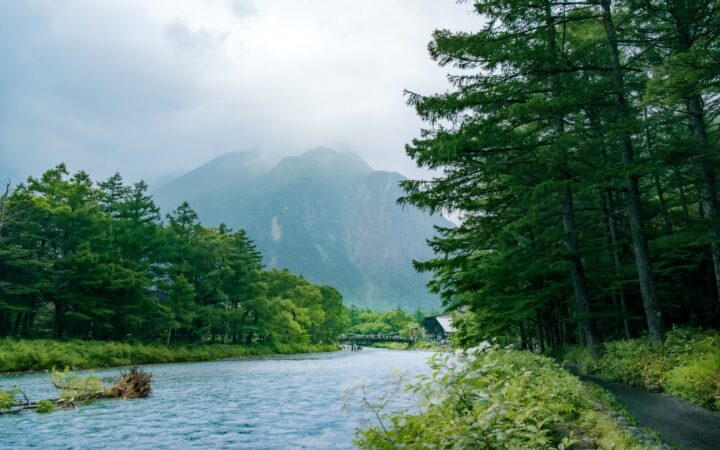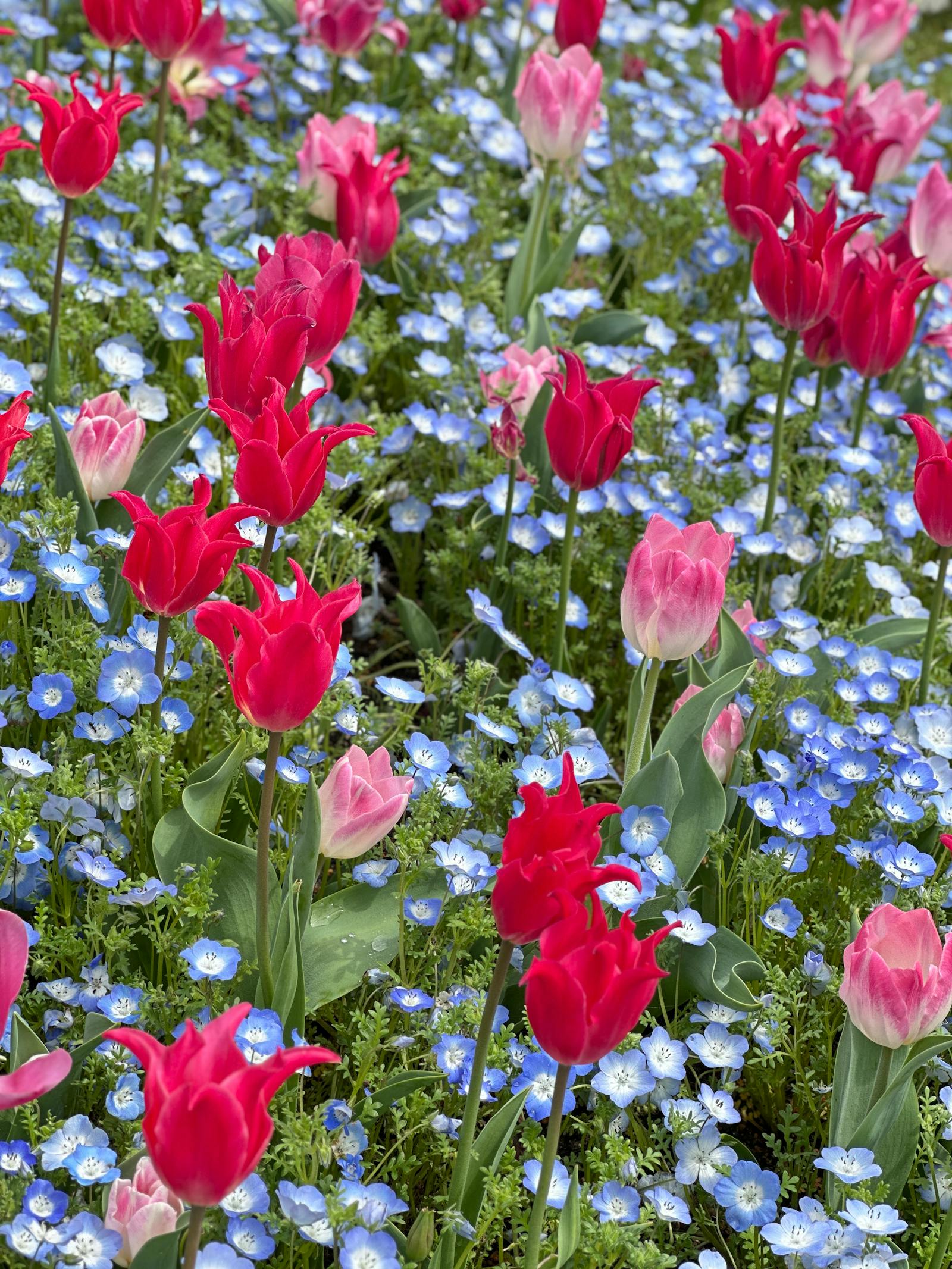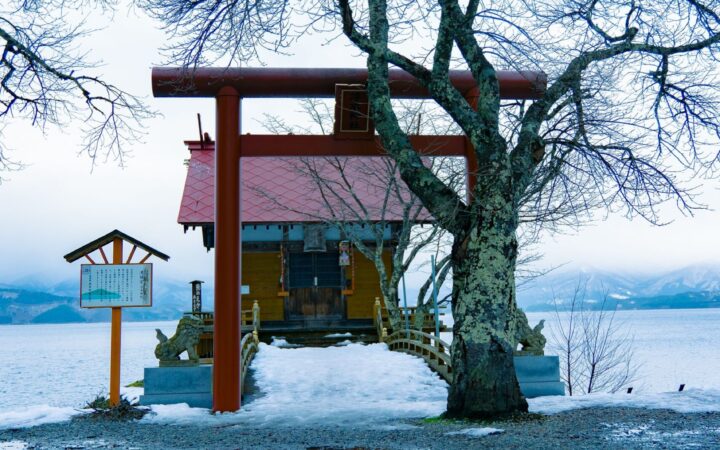
Hokkaido, Japan’s northernmost and second-largest island, is a destination that defies expectations at every turn. While most visitors associate Japan with cherry blossoms, ancient temples, and neon-lit cities, Hokkaido offers something entirely different: vast wilderness, dramatic volcanic landscapes, world-class skiing, and a food culture so distinctive it has earned its own international reputation. Whether you come in winter to ski Niseko’s legendary powder snow, in summer to walk through Furano’s famous lavender fields, or in autumn when the forests blaze with color, Hokkaido rewards every traveler who makes the journey north.
This comprehensive guide covers everything you need to plan your Hokkaido adventure, from the sophisticated capital Sapporo to the romantic canal district of Otaru, from the wild national parks of Shiretoko to the dairy farms of Biei. We include practical pricing in both Japanese yen and US dollars, transportation details, seasonal tips, and honest advice for first-time visitors.
Why Visit Hokkaido? Japan’s Wild North
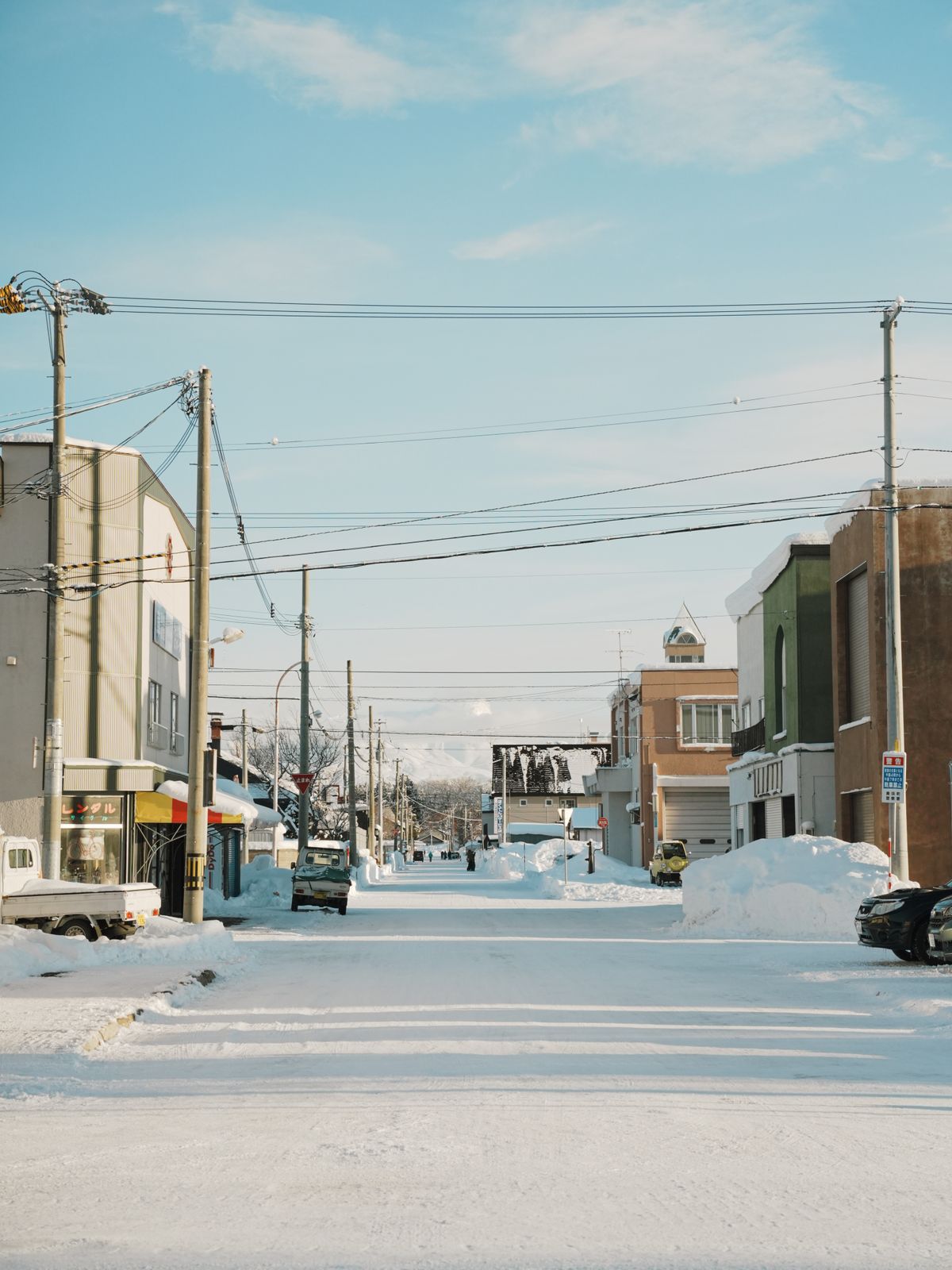
Hokkaido occupies roughly 22% of Japan’s total land area but is home to only 5% of the population, which explains its extraordinary feeling of space. Unlike the densely packed cities of Honshu, Hokkaido’s cities are laid out on a grid system with wide boulevards, and vast stretches of farmland, forest, and mountains separate its urban centers. The island was only formally settled by the Japanese government in the late 19th century, giving it a frontier character quite unlike the rest of the country.
The indigenous Ainu people have inhabited Hokkaido for thousands of years, and their culture — centered on nature worship, distinctive crafts, and a unique language — is finally receiving official recognition after decades of suppression. The Upopoy National Ainu Museum, which opened in Shiraoi in 2020, is the country’s first national museum dedicated to Ainu culture and is well worth a visit.
Food is another major draw. Hokkaido is Japan’s agricultural heartland, producing more than half of Japan’s raw milk, most of its potatoes and wheat, and a large share of its seafood. Sapporo’s miso ramen is considered one of the three great regional ramen styles, and the city’s soup curry has become a nationwide phenomenon. Fresh sea urchin (uni), crab, salmon, and scallops from Hokkaido’s cold waters are prized throughout Japan.
Hokkaido at a Glance
- Capital: Sapporo (population ~1.97 million)
- Area: 83,424 km² (about the size of Austria)
- Best seasons: February (snow festivals), June–August (lavender, hiking), October (autumn foliage), December–March (skiing)
- Main airports: New Chitose Airport (CTS) for Sapporo; Asahikawa Airport; Hakodate Airport
- Language: Japanese (English signage limited outside major cities)
Sapporo: The Sophisticated Capital
Sapporo is one of Japan’s most livable cities and a genuinely enjoyable destination in its own right. Founded in 1869 as the administrative capital of Hokkaido, it was designed from scratch on a North American-style grid system and hosted the 1972 Winter Olympics. Today it is a city of about two million people with excellent food, a vibrant craft beer scene, sophisticated shopping, and easy access to nearby ski resorts and hot spring towns.
Top Sights in Sapporo
Odori Park runs through the center of the city for 1.5 kilometers and serves as Sapporo’s living room. In winter it becomes the main venue for the Sapporo Snow Festival (early February); in summer it hosts beer gardens and outdoor concerts. Admission is free at all times.
Sapporo Beer Museum is one of Japan’s best-known beer museums and tells the story of Japan’s oldest beer brand, founded in 1876. The original brick brewery buildings are worth seeing even if you are not a beer enthusiast. Since its July 2026 renovation, admission is ¥1,000 for adults (~$6.70); paid tastings in the tasting hall start from around ¥400–¥450 per glass. Address: Kita 7-jo Higashi 9-chome, Higashi-ku.
Hokkaido Shrine (Hokkaido Jingu) sits within a large forested park and is the most important Shinto shrine on the island. The walk through the woods to reach the main hall is peaceful even on busy days. Free admission; open daily from dawn to dusk.
Moerenuma Park, designed by sculptor Isamu Noguchi before his death in 1988, is one of the most remarkable urban parks in Japan. The entire park — covering 189 hectares — is a sculptural work, with gentle hills, glass pyramids, and fountains forming a unified artistic environment. Admission is free; the glass pyramid (Hidamari) charges ¥250 (~$1.70) to enter.
Mount Moiwa Ropeway takes you to the summit (531m) for panoramic views over Sapporo and, on clear days, as far as the sea. Ropeway round-trip: ¥2,100 (~$14) for adults. The summit has a small observatory and a restaurant.
Sapporo Ramen Yokocho
Sapporo’s most famous food street is Susukino Ramen Alley (Ramen Yokocho), a narrow lane in the entertainment district lined with about 17 small ramen shops, each serving their own interpretation of Sapporo’s miso ramen. The original alley opened in 1951. Most bowls cost ¥900–¥1,500 (~$6–$10). Be prepared to wait during peak hours (lunch 11:30–13:30 and dinner 19:00–22:00). Many shops only accept cash.
How to Get to Sapporo
New Chitose Airport (CTS) is the main gateway to Hokkaido, located about 45 minutes from downtown Sapporo by airport express train (¥1,150 / ~$7.80). Flights connect to Tokyo (Haneda and Narita), Osaka, Nagoya, and many other Japanese cities. From Tokyo, flights take about 1.5 hours and cost ¥8,000–¥30,000 (~$54–$200) depending on how far in advance you book. The Hokuto limited express from Hakodate also connects to Sapporo in about 3.5 hours (¥9,440 / ~$64).
Within Sapporo, the subway system (three lines) covers most tourist destinations. A one-day pass costs ¥830 (~$5.60) and is excellent value if you plan to use it more than twice.
Where to Stay in Sapporo
Budget travelers can find clean guesthouses and capsule hotels from ¥3,000–¥6,000 per night (~$20–$40). Mid-range hotels in the central Susukino or Odori areas run ¥8,000–¥18,000 (~$54–$120). Luxury options like the JR Tower Hotel Nikko Sapporo offer rooms from ¥25,000 (~$170) with views over the city. Booking well in advance is essential during the Snow Festival (late January to mid-February) when the city fills to capacity.
Book your Sapporo hotel on Agoda →
Otaru: Canal Town and Glasswork City
Otaru, just 40 minutes from Sapporo by train (¥750 / ~$5), is one of Hokkaido’s most atmospheric towns. It grew wealthy in the late 19th and early 20th centuries as a major herring fishing port and trading hub, leaving behind a legacy of elegant stone warehouses, a picturesque canal, and a remarkably well-preserved historic center. Today those warehouses house glass studios, music box shops, cafes, and seafood restaurants, making Otaru an almost irresistible day trip — though the town is peaceful enough to justify an overnight stay.
The Otaru Canal is the town’s signature sight: a 1.3-kilometer waterway built in 1923, lined with stone warehouses and illuminated by gas-style lanterns at night. The canal district is particularly beautiful in winter when snow covers the buildings and ice forms along the edges. A winter illumination event (Otaru Snow Light Path Festival, held in February) draws visitors from across Japan.
Kitaichi Glass is the most famous of Otaru’s glass studios, operating out of a converted warehouse with 13 showrooms displaying thousands of glass items — from elegant wine glasses to quirky souvenirs. Glass blowing demonstrations are available. Open daily 8:45–18:00 (longer hours in summer).
Otaru’s Sushiya-dori (Sushi Street) is a short lane near the station lined with sushi restaurants where the fish comes directly from Hokkaido’s waters. Lunch sushi sets run ¥1,500–¥4,000 (~$10–$27); omakase dinners start around ¥8,000 (~$54). The quality is genuinely exceptional, and prices are significantly lower than equivalent Tokyo restaurants.
Furano and Biei: Lavender Fields and Rolling Hills
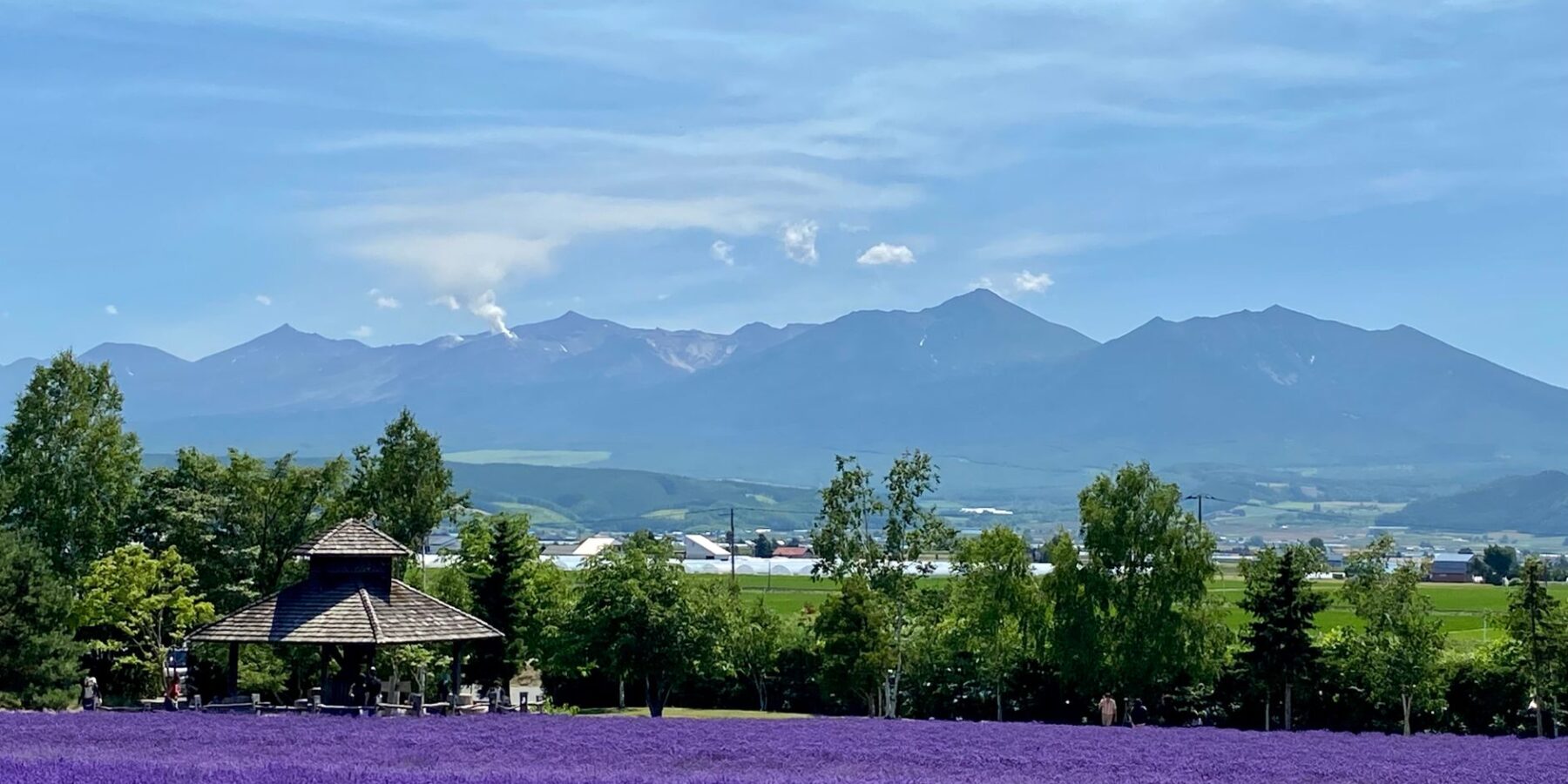
The Furano-Biei area in central Hokkaido is one of the most photographed landscapes in Japan. In July, the fields of Farm Tomita near Nakafurano bloom with rows of purple lavender that stretch toward the mountains, attracting visitors from around the world. Biei, a short drive or bus ride away, is famous for its patchwork hills — gently rolling farmland planted with wheat, sunflowers, potato, and other crops that create a quilt of colors and textures, especially beautiful in morning light.
Farm Tomita (富田ファーム) is the most famous lavender farm in Japan, and entry is free. The main lavender season runs from late June to mid-August, with peak bloom usually around the second week of July. The farm sells lavender-flavored ice cream (¥450 / ~$3), essential oils, and dried flowers. Access: take the JR Furano Line to Lavender Farm Station (seasonal stop, July–August only) or Nakafurano Station, then walk or take a taxi.
Biei’s Blue Pond (Aoiike) is a naturally occurring pond with striking turquoise-blue water caused by minerals in the water. The submerged dead trees create an otherworldly composition. Free to visit; parking costs ¥200 (~$1.35). Most beautiful in morning light; reach by rental car or taxi from Biei Station. Also stunning in winter when the pond freezes and the blue color shows through the ice.
The Biei Patchwork Road and Panoramic Road are cycling or driving routes through the rolling hills around Biei town. Rental bicycles are available at Biei Station for about ¥1,000–¥2,500 per day (~$7–$17). The hills are gentle by European standards but can feel demanding in summer heat; e-bikes are available at some rental shops.
Getting from Sapporo to Furano and Biei
The JR Furano Line connects Asahikawa to Furano via Biei. From Sapporo, take the limited express to Asahikawa (1.5 hours, ¥4,690 / ~$32) then the Furano Line local train. Summer tourist trains (the “Lavender Express”) run directly between Sapporo and Furano on certain days. A rental car provides far more flexibility for exploring Biei’s rural roads; car rental from Sapporo or Asahikawa starts at about ¥6,000–¥10,000 per day (~$40–$67).
Niseko: World-Class Skiing and Year-Round Adventure
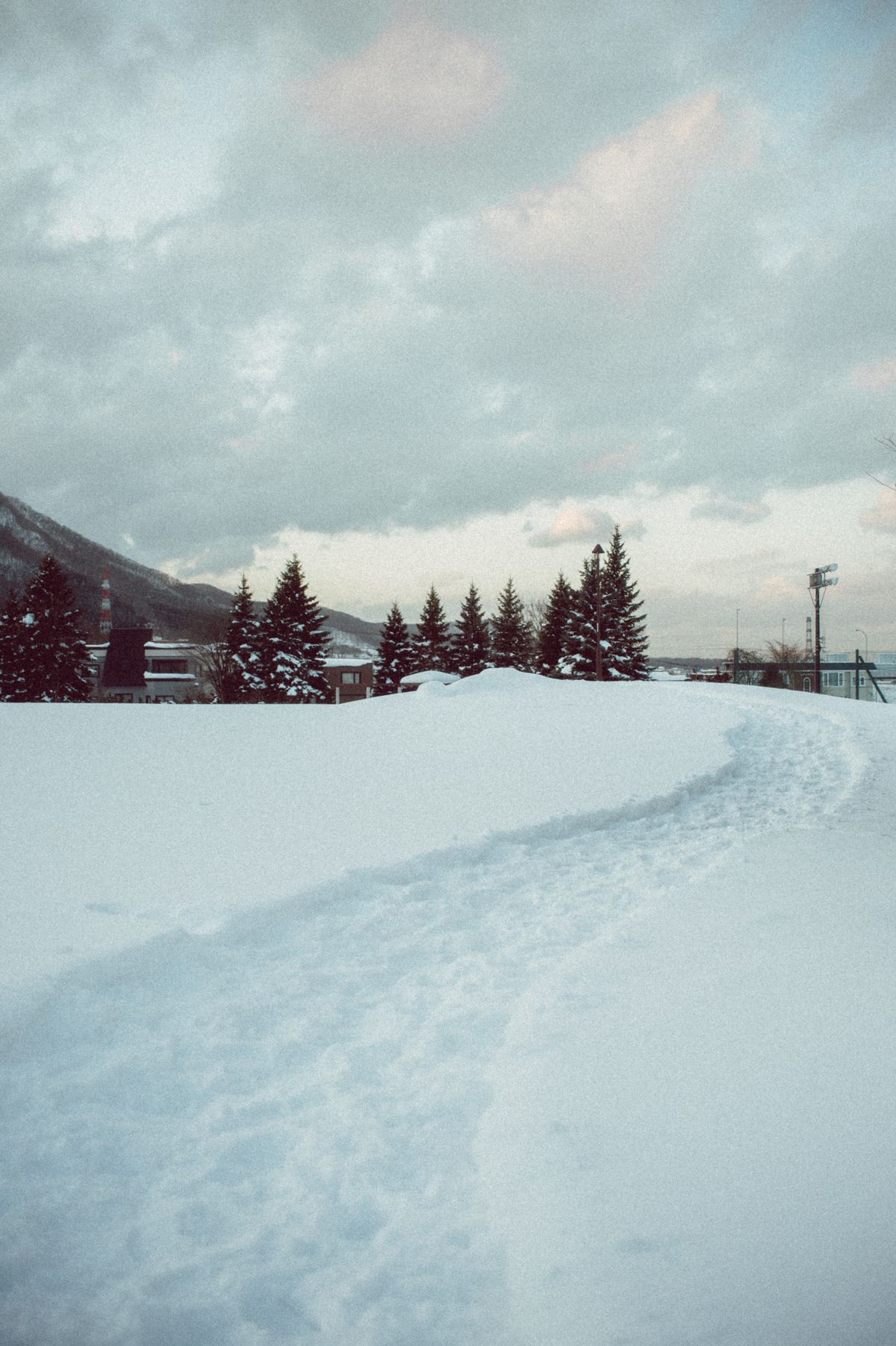
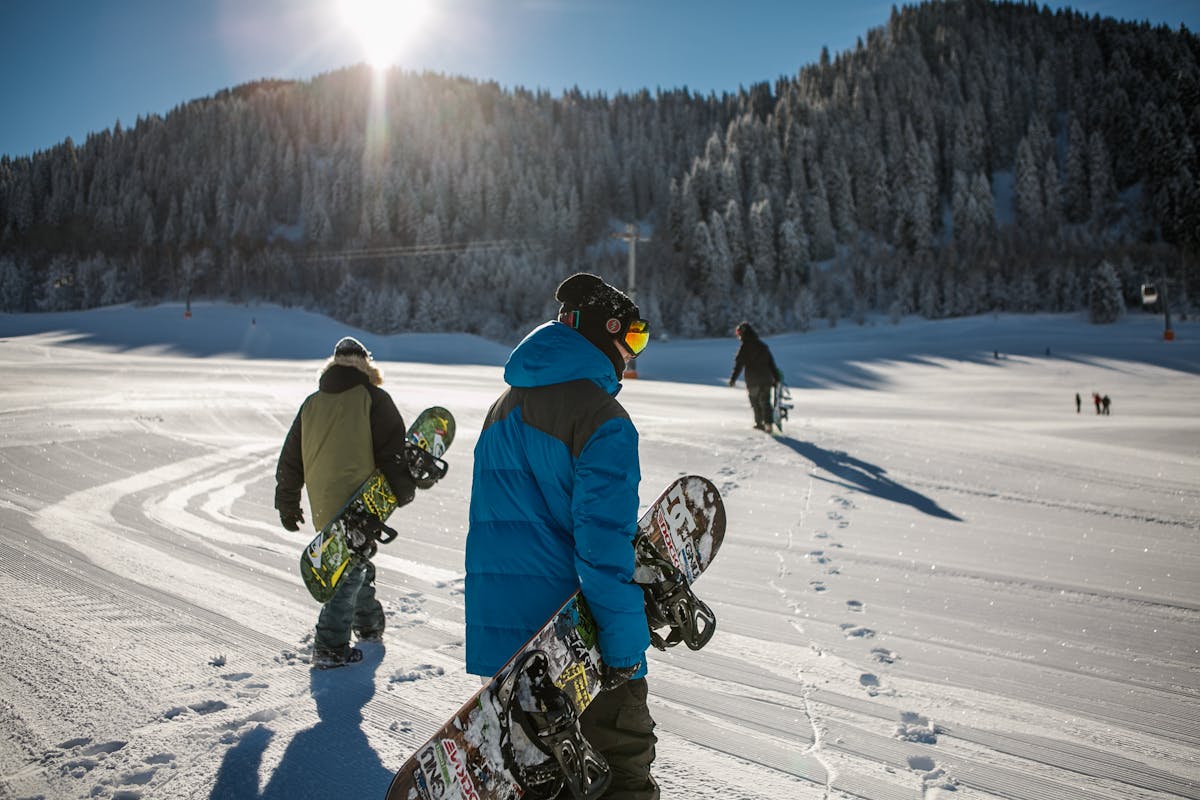
Niseko has become one of the most talked-about ski destinations in the world, and the reputation is entirely deserved. The resort area receives an average of 15 meters of snowfall per year, and the cold dry climate produces the light, powdery snow that skiers dream about. The mountain complex — comprising four interconnected resorts (Grand Hirafu, Hanazono, Niseko Village, and Annupuri) — offers 888 hectares of ski terrain suitable for all levels, plus extensive backcountry access.
The international ski crowd, particularly Australians and Hong Kongers, discovered Niseko in the early 2000s, and the area has since undergone massive investment. Grand Hirafu village now has luxury hotels, Michelin-starred restaurants, and après-ski bars that stay open until 3am. This has pushed prices up significantly: accommodation in peak ski season (late December to February) can rival or exceed European resort prices.
Niseko Ski Practicalities
Lift passes: A one-day all-mountain pass covering all four Niseko United resorts costs ¥10,000–¥12,000 (~$67–$80) in peak season. Multi-day passes offer better value: a 5-day pass is approximately ¥40,000 (~$270). Book online in advance as peak days sell out.
Ski rental: Full sets (skis/boots/poles or snowboard/boots) cost ¥6,000–¥12,000 per day (~$40–$80) depending on the shop and equipment level. Several shops offer online reservation with discounts.
Accommodation: Budget options (guesthouses, dormitories) start around ¥5,000 per person per night (~$34). Mid-range hotels run ¥15,000–¥40,000 (~$100–$270). Luxury hotels and ski-in/ski-out lodges can cost ¥80,000+ (~$540+) per night during peak Christmas/New Year periods. The shoulder periods (early December before Christmas, and March) offer better value.
Getting to Niseko: Take the JR Hakodate Line from Sapporo to Niseko Station (2.5 hours, ¥2,520 / ~$17) or to Kutchan Station (2 hours, ¥2,640 / ~$18); ski resort shuttles run from both stations. Many visitors use limousine bus services directly from New Chitose Airport (about 3 hours, ¥3,500–¥4,500 / ~$24–$30). These should be booked in advance during ski season.
Niseko in Summer
Niseko transforms in summer into an adventure sports hub. The Shiribetsu River is a popular destination for white-water rafting (from ¥5,000 / ~$34 per person). Cycling the roads around Mount Yotei — the beautiful volcano that dominates the Niseko skyline — is a popular activity, and the mountain itself can be climbed in about 8–10 hours round trip (no fee, no reservation required). Summer accommodation prices drop dramatically, making it an excellent time to visit for hiking and cycling enthusiasts on a budget.
Hokkaido’s National Parks: Shiretoko, Daisetsuzan, and Beyond
Hokkaido is home to some of Japan’s most spectacular wilderness, and the island’s national parks deserve serious attention from nature lovers. Three parks stand out as unmissable:
Shiretoko National Park is a UNESCO World Heritage Site on the Shiretoko Peninsula in northeastern Hokkaido. The name means “end of the earth” in Ainu, and it feels like it: a remote, largely roadless wilderness of volcanic peaks, cascading waterfalls, dense forests, and coastline where brown bears fish for salmon and sperm whales can be spotted offshore. Access requires effort — Shiretoko is about 4 hours from Kushiro by car — but the experience is unforgettable. Sightseeing boats (¥3,000–¥8,000 / ~$20–$54) offer the best way to see the dramatic sea cliffs and spot wildlife.
Daisetsuzan National Park, the largest national park in Japan, covers an area of 2,267 km² in central Hokkaido. The park encompasses the highest mountains in Hokkaido, alpine marshes, hot spring villages, and some of the best hiking on the island. The Sounkyo Gorge within the park is particularly famous for its autumn foliage (late September to mid-October) and its pair of waterfalls: Ryusei no Taki (Shooting Star Falls) and Ginga no Taki (Milky Way Falls). Entry to the park itself is free; the Sounkyo Ropeway costs ¥1,940 round trip (~$13).
Akan Mashu National Park in eastern Hokkaido encompasses three remarkable caldera lakes: Lake Akan, Lake Mashu (reputedly the clearest lake in the world), and Lake Kussharo, Japan’s largest caldera lake where hot springs seep through the sand on the shore. The town of Akan Onsen on the shores of Lake Akan has a significant Ainu population and a cultural performance venue where traditional Ainu music and dance is performed nightly (¥1,500–¥2,000 / ~$10–$14).
Practical Tips for Visiting Hokkaido
Getting a Japan eSIM before you arrive is particularly important in Hokkaido, where you will be moving between cities and rural areas and need reliable maps and translation apps. Network coverage is generally good in cities but can be patchy in national parks.
Get your Japan eSIM (Stay connected from day 1) →
Getting around Hokkaido: The JR Hokkaido rail network connects major cities and some tourist areas, but many of the best destinations require a car. Renting a car from New Chitose Airport or Sapporo gives you the freedom to explore at your own pace. Note that Hokkaido roads can be dangerous in winter: snow tires or chains are effectively mandatory on snowy roads, roughly November to April, and rental cars are equipped with them, but driving in heavy snowfall requires experience. Foreign licenses need a 1949 Geneva IDP, or an official Japanese translation for some countries.
Seasonal timing:
- January–March: Snow season. Sapporo Snow Festival (early February), skiing at Niseko and other resorts, drift ice at Abashiri
- April–May: Slow tourist season with cherry blossoms arriving later than Honshu (usually late April to early May in Sapporo)
- June–August: Peak summer season; lavender in Furano (July), hiking in national parks, cycling in Biei
- September–October: Best hiking weather; spectacular autumn foliage in the national parks, starting at higher elevations in September
- November–December: Pre-ski season; early snowfall possible in November; fewer tourists
Budget planning for Hokkaido:
- Budget travel: ¥6,000–¥10,000 per day (~$40–$67) — hostels, convenience store meals, free attractions
- Mid-range: ¥15,000–¥30,000 per day (~$100–$200) — business hotels, restaurant meals, some paid attractions
- Luxury: ¥50,000+ per day (~$340+) — ryokan with meals, fine dining, private tours
Airport transfers: If you are arriving at New Chitose Airport, the fastest and most convenient way to central Sapporo is the Rapid Airport train (¥1,230, about 33–37 minutes). Taxis cost about ¥15,000–¥20,000 (~$100–$135) and take 50–70 minutes depending on traffic. For hotel transfers or groups, a shared shuttle service is an excellent option.
Book airport transfer on Kiwitaxi →
Food and drink tips: Hokkaido is Japan’s finest food region, and it would be a shame to eat badly here. Seek out: miso ramen in Sapporo, fresh sea urchin and crab in Hakodate or Otaru, Hokkaido dairy products (milk, cheese, butter, soft cream ice cream), soup curry (a Sapporo specialty), and jingisukan (Mongolian-style lamb barbecue, a Hokkaido signature). Convenience stores in Hokkaido often stock superior dairy products and local specialties compared to those in the rest of Japan.
Frequently Asked Questions About Hokkaido
How many days do I need in Hokkaido?
Allow a minimum of 5 days to cover Sapporo, Otaru, and one other area such as Furano or Niseko. A 7–10 day visit allows you to add Biei, a national park, and explore at a relaxed pace. If you are primarily visiting for skiing, plan 4–5 days minimum at the resort.
Is Hokkaido worth visiting in winter?
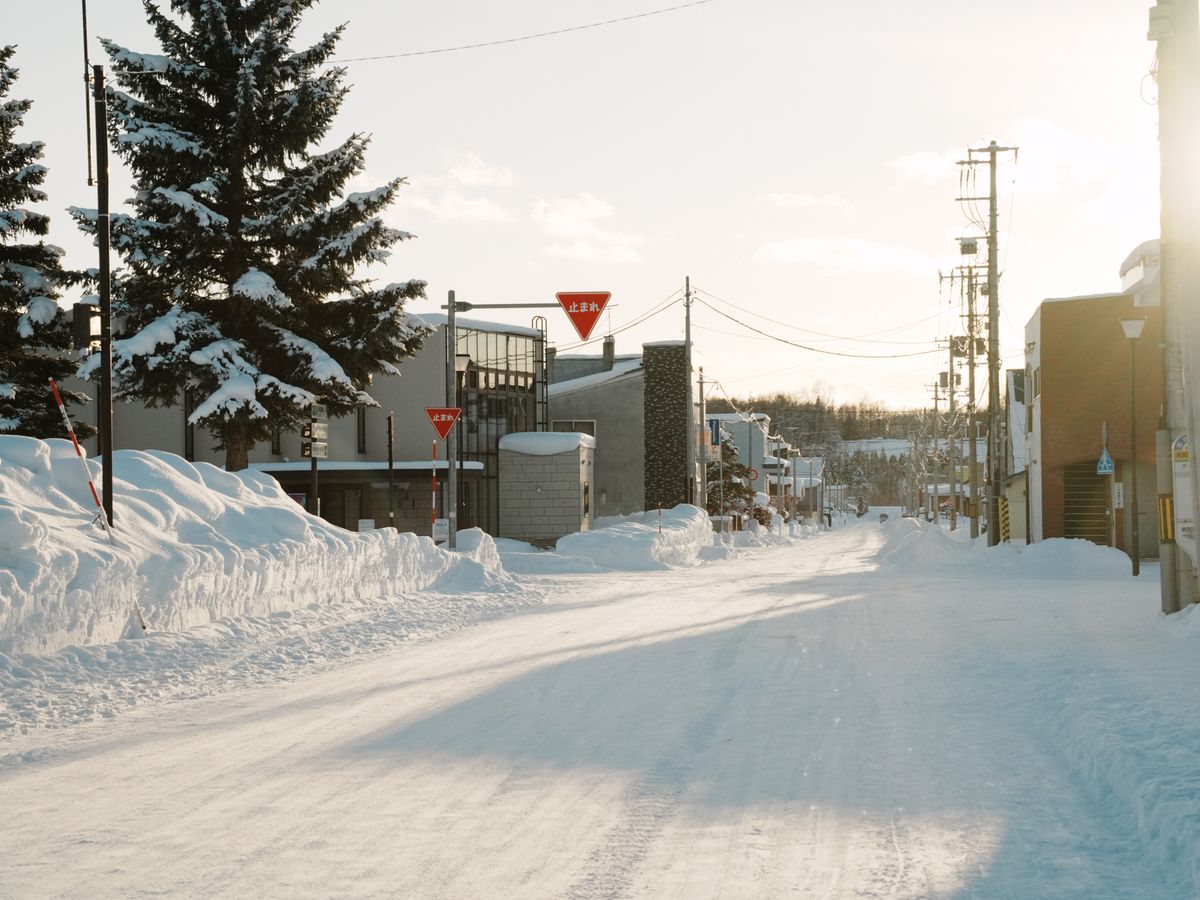
Absolutely. Winter is arguably Hokkaido’s best season for many travelers. The Sapporo Snow Festival (held for about a week in early February) is one of Japan’s most spectacular events, the skiing at Niseko is world-class, and seeing the drift ice at Abashiri is a uniquely memorable experience. Just come prepared for very cold temperatures (Sapporo averages about -3°C in January, with nightly lows around -6°C, mountain areas are much colder).
Do I need a car in Hokkaido?
For visiting national parks and rural areas like Biei, a car is strongly recommended and greatly enhances your experience. For a Sapporo-Otaru-Niseko trip, you can manage with trains and shuttle buses, though a car still adds convenience. In winter, ensure you are comfortable driving in snow conditions — the roads are generally well-maintained but snowfall can be heavy.
Is English widely spoken in Hokkaido?
English is reasonably common in major tourist areas, hotels, and Niseko (which has a large international community). In rural areas and smaller towns, Japanese is essentially the only language, though translation apps handle most situations. Having a pocket WiFi or eSIM for instant translation is very helpful.
What is the best way to get from Tokyo to Hokkaido?
Flying is by far the most practical option. The flight from Tokyo (Haneda or Narita) to Sapporo (New Chitose) takes about 1.5 hours. Budget airlines like Peach and Jetstar offer fares from ¥5,000–¥10,000 (~$34–$67) when booked well in advance; full-service airlines run ¥15,000–¥30,000+ (~$100–$200). The Hokkaido Shinkansen opened in 2016 and currently reaches Shin-Hakodate-Hokuto (about 4 hours from Tokyo), but the full extension to Sapporo is now expected around the end of fiscal 2038.
What is the Hokkaido Rail Pass and is it worth it?
The Hokkaido Rail Pass covers all JR Hokkaido lines, including limited expresses but not the Hokkaido Shinkansen, in ordinary class for 5, 7, or 10 consecutive days. Prices are ¥22,000/¥28,000/¥37,000 for 5/7/10 days bought in advance, or ¥23,000/¥29,000/¥38,000 at a JR Hokkaido station. It is worth the money if you plan to travel between multiple cities by train, but less valuable if you will be renting a car or staying in one area.
When do the lavender fields bloom in Furano?
The main lavender season at Farm Tomita and other Furano farms runs from late June through mid-August. Peak bloom is typically around the second week of July, when the fields are at their most colorful and the aroma is most intense. Visiting earlier or later in the season means less crowding, though some fields may not yet be (or may have finished) flowering.
Related guides
- Tomonoura Travel Guide 2026: A First-Timer’s Guide to Japan’s Best-Preserved Edo-Era Port Town in Hiroshima
- Chichibu Travel Guide 2026: A First-Timer’s Guide to Shibazakura, a Sacred Wolf Shrine, and Tokyo’s Best Mountain Day Trip in Saitama
- Kirishima Travel Guide 2026: A First-Timer’s Guide to Sacred Shrines, Volcanic Trails, and Kyushu’s Best Onsen in Kagoshima
Going to Japan? Speak Japanese with confidence.
Hirameki Japanese — camera translate for menus and signs, a two-way conversation mode, and furigana + romaji on every phrase. Free to download with kana charts, conversation mode and starter words; a one-time purchase unlocks everything.

Plan your Japan trip
Two things every first-timer should book
Some links are affiliate links. If you book through them we may earn a small commission at no extra cost to you.