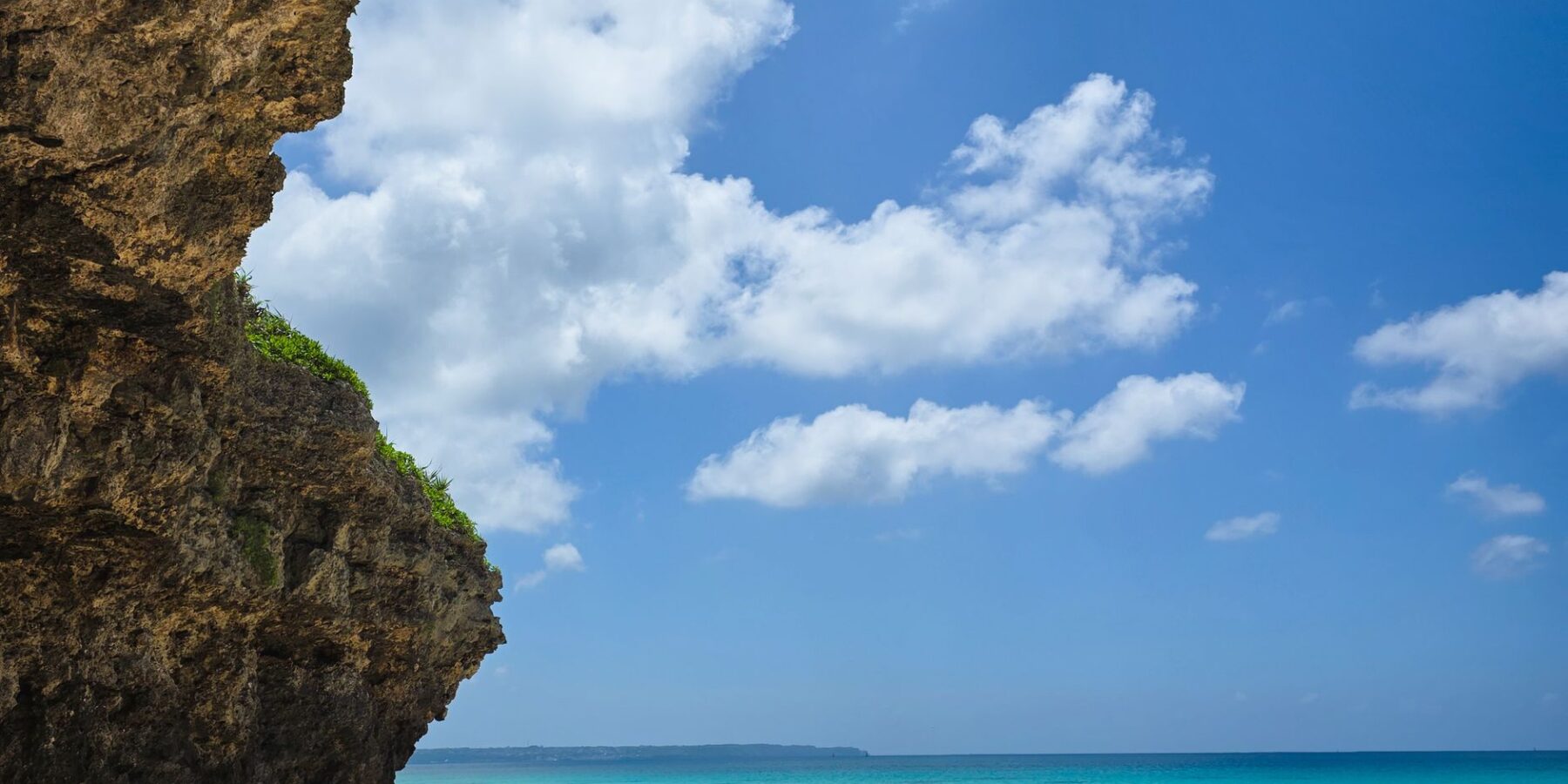
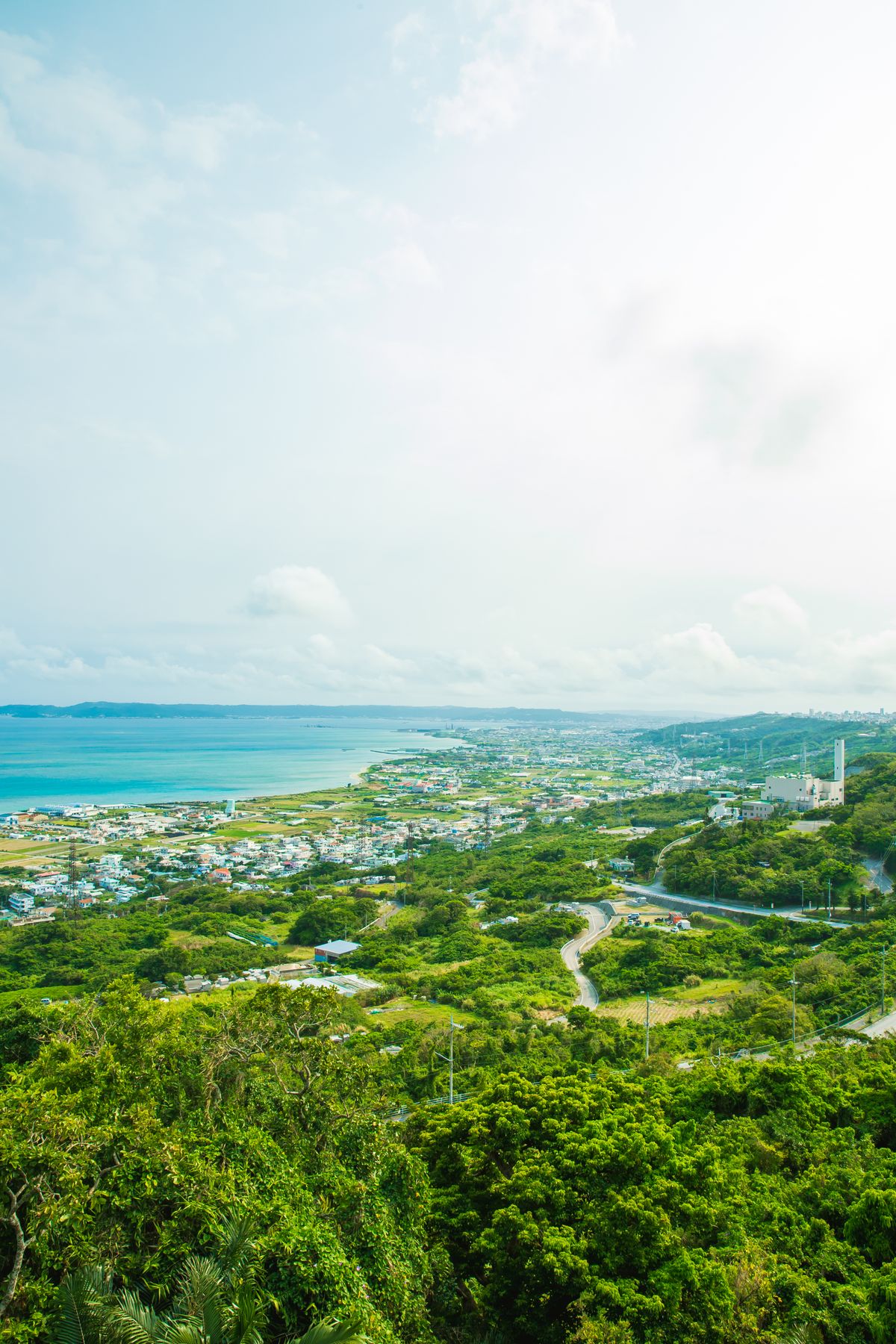
Okinawa is Japan, but a Japan unlike anywhere else. This subtropical archipelago stretching over 1,000 kilometers from the southwestern tip of Kyushu toward Taiwan comprises over 150 islands, many of them still wild, unhurried, and fringed by coral reefs that rival Southeast Asian destinations for color and clarity. The main Okinawa island (Okinawa-honto) offers history, culture, and beaches; but the real revelation for travelers willing to venture further is the island chain to the southwest: the Yaeyama Islands, including Ishigaki and Iriomote, which offer some of the finest snorkeling, kayaking, and jungle hiking in Japan.
Okinawa’s culture is distinct from mainland Japan in ways that go beyond geography. The Ryukyu Kingdom ruled these islands independently until annexation by Japan in 1879, and the influences of China, Southeast Asia, and indigenous Ryukyuan culture are evident in everything from the architecture and music to the cuisine and religious practices. Okinawa was long famous for one of the world’s highest concentrations of people living past 100 — a fact attributed to diet, social bonds, and a concept called “ikigai” (purpose in life) that has made Okinawa a global reference point for longevity research.
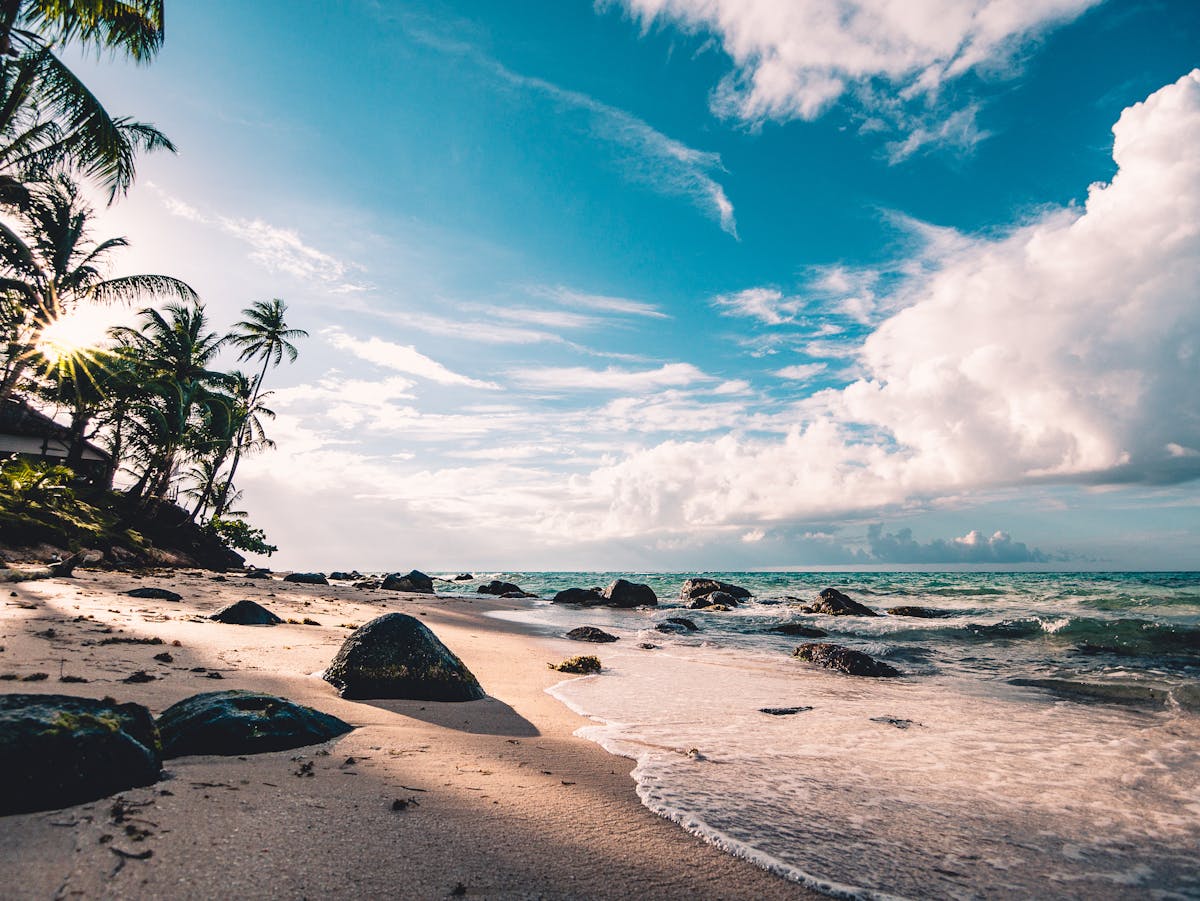
Okinawa Main Island (Okinawa-honto): History and Heritage
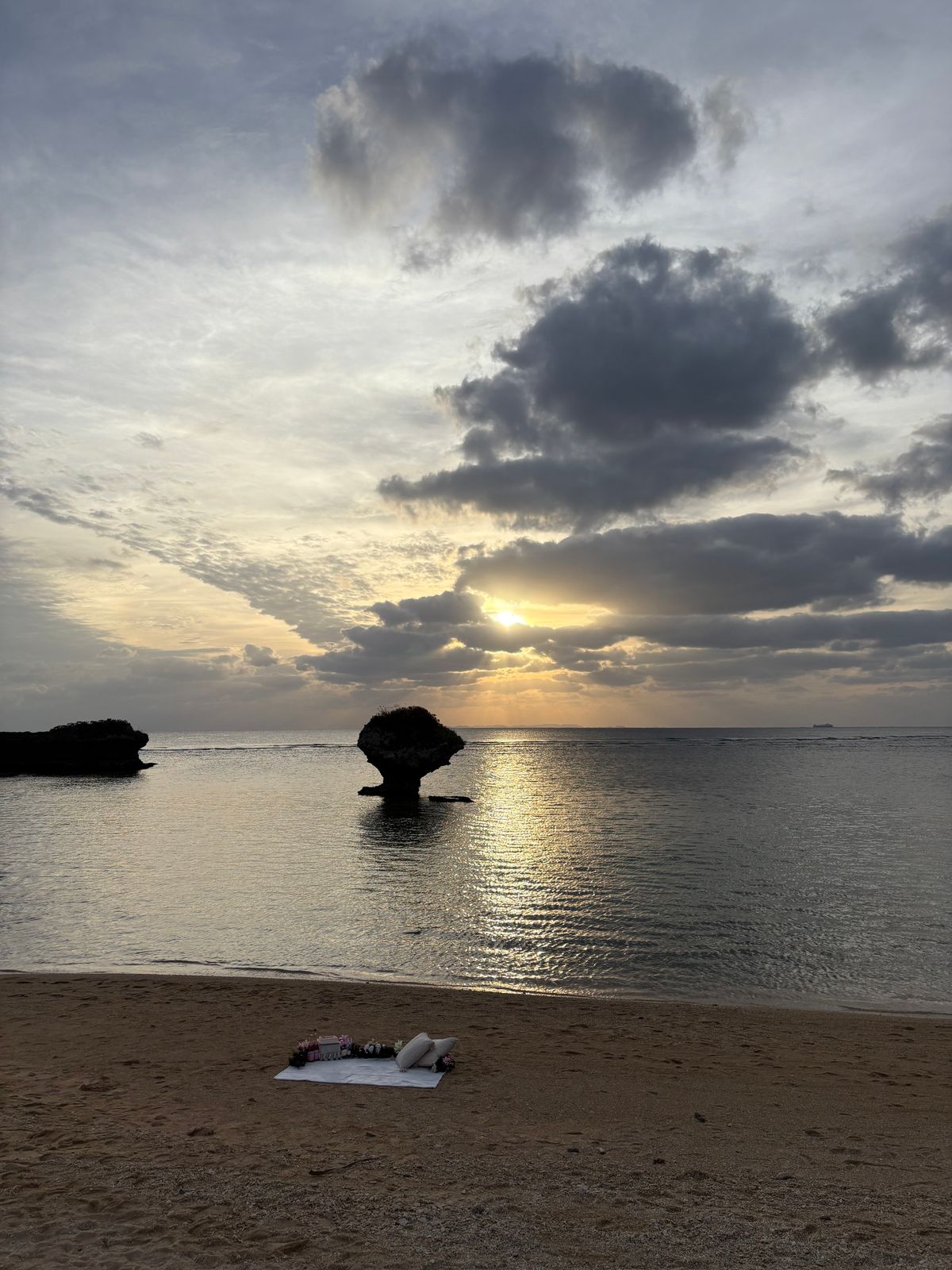
The main island of Okinawa is home to Naha, the prefectural capital, and most of the region’s historical and cultural attractions. Despite heavy development along the coasts — the mid-island area around American military bases has a distinctly un-Japanese feel with its American-style diners and English-language signage — the island preserves remarkable historical sites and a vibrant local culture.
Shuri Castle and Ryukyu Heritage
Shuri Castle (Shurijo), the UNESCO World Heritage palace of the Ryukyu Kingdom, dominates the hills above Naha. The distinctive castle architecture reflects the fusion of Japanese and Chinese styles that characterized Ryukyuan culture, with bright vermillion-painted woodwork and Chinese-influenced roof ornaments. The main hall (Seiden), tragically destroyed by fire in October 2019, has now been rebuilt — visitors can go inside from November 23, 2026, with a timed advance ticket. The grounds, secondary structures, and surrounding UNESCO World Heritage sites remain accessible. Admission: ¥800 (~$5.40) for adults.
Okinawa’s nine Gusuku (castle) sites and related properties form the core of the Ryukyu Kingdom World Heritage designation. Nakijin Castle in the north of the island is particularly recommended: its dramatic stone walls wind across a hilltop overlooking the East China Sea, and the site is far less crowded than Shuri. Free entry to the outer grounds; ¥600 (~$4) for the inner preserve. Katsuren Castle, rising above a narrow isthmus connecting to a small island, and Nakagusuku Castle, with its remarkably intact stone walls and views across the island, are also worthwhile.
Kokusai-dori (International Street) in Naha is the main tourist shopping street, lined with souvenir shops, restaurants, bars, and live music venues. A walk from one end to the other (1.6 kilometers) gives a good introduction to Okinawan commercial culture. Side streets — especially the maze of covered arcades around Makishi Public Market — offer more authentic local shopping and eating.
Okinawan Beaches on the Main Island
The main island’s best beaches are concentrated in the central and northern regions. Manza Beach on the west coast (about 1.5 hours from Naha by car) is a beautiful crescent of white sand with good snorkeling; the adjacent Manza Beach Hotel rents snorkeling gear for ¥2,000 (~$13.50). Kanucha Beach on the east coast near Nago is a quieter option with turquoise water.
For the finest beaches on the main island, consider the Kerama Islands — a small island group about 30 kilometers west of Naha accessible by high-speed ferry (35 minutes from Tomari Port, ¥1,760 / ~$11.90). The Keramas have spectacular coral reefs that can be snorkeled directly from the shore, clear water with 40+ meter visibility, and a relaxed pace that feels a world away from Naha. Zamami Island has the most facilities; Tokashiki is largest; Aka is smallest and most pristine.
Ishigaki Island: Gateway to the Yaeyama Islands
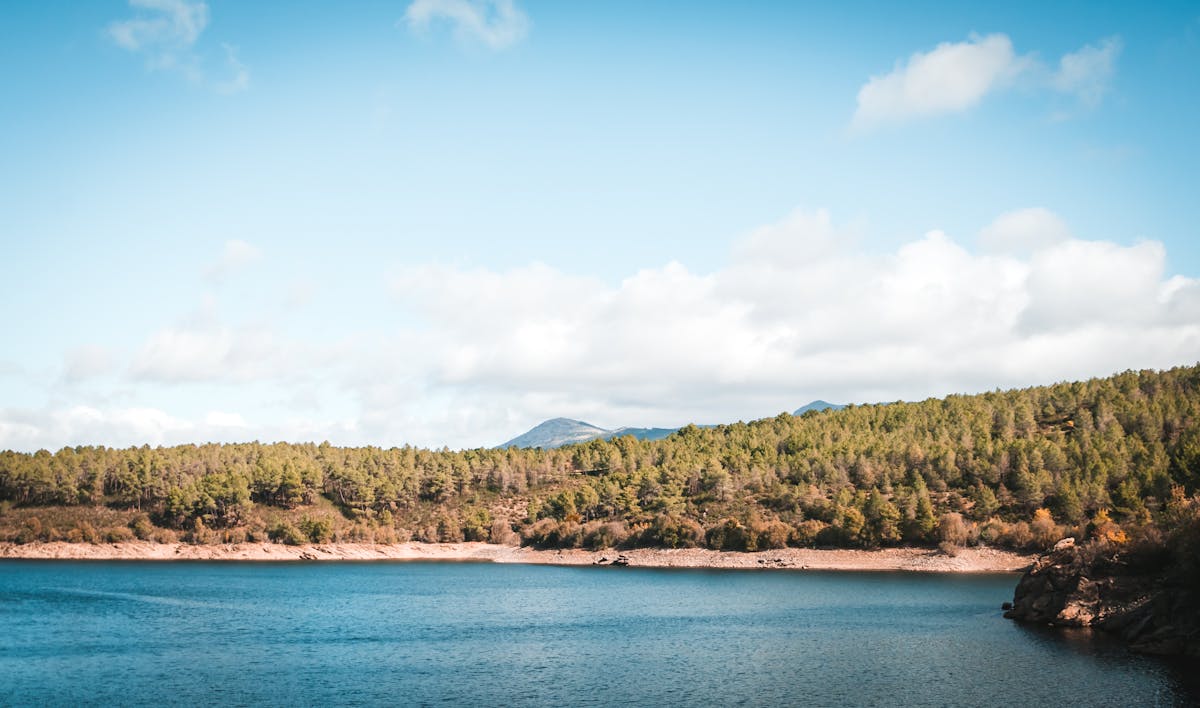
Ishigaki Island, approximately 420 kilometers southwest of Okinawa main island and closer to Taiwan than to Tokyo, is the hub of the Yaeyama archipelago and one of Japan’s finest beach and marine destinations. The island itself has excellent beaches, a genuine small-city atmosphere in Ishigaki town, and serves as the launch point for day trips to the extraordinary islands of Taketomi, Iriomote, and Kohama.
Getting to Ishigaki
Fly directly from Naha (about 55 minutes; ¥8,000–¥18,000 / ~$54–$122 depending on airline and advance booking) or from Tokyo Haneda (about 3.5 hours; ¥20,000–¥45,000 / ~$135–$305). New Ishigaki Airport opened in 2013 with expanded capacity; ANA, JAL, Skymark, and Peach all operate routes. Booking flights to Ishigaki 2–3 months in advance is strongly recommended, especially for July–August and holiday periods.
Ishigaki’s Beaches and Marine Activities
Kabira Bay is Ishigaki’s most famous sight: a broad, sheltered bay with small wooded islets rising from startlingly blue water. Swimming is prohibited in Kabira Bay to protect the pearl oyster cultivation beds, but glass-bottomed boat tours (¥1,070 / ~$7.20, 30 minutes) allow you to observe the coral and marine life from above. The view from the beach itself, framed by pandanus palms, is Okinawa’s most iconic.
Yonehara Beach on the northern coast is one of the best snorkeling beaches in Japan, with healthy coral gardens visible just meters from shore. Free entry; rental snorkel gear available at the adjacent camping site for ¥500 (~$3.40). Go at low tide for the best coral visibility. Sunset Beach on the western coast lives up to its name with consistently beautiful sunsets over the East China Sea.
Manta Ray Snorkeling at Manta Scramble, a channel off Kabira-Ishizaki on Ishigaki’s northwest coast, is a unique Ishigaki experience. From June to October (peak: July–October), large numbers of manta rays gather in the tidal current at this site. Snorkel tours from Ishigaki port cost ¥6,000–¥9,000 per person (~$40–$60) for a half-day trip including two or three sites. Encounter rates for mantas during peak season exceed 90%.
Book your Ishigaki hotel on Agoda →
Taketomi Island: A Living Museum of Ryukyu Culture
Taketomi Island, a 10-minute ferry from Ishigaki (¥670 / ~$4.50 one-way), is one of the most perfectly preserved traditional villages in Okinawa. The tiny island (the population is only about 350) has maintained its traditional character through strict building regulations: all structures must follow traditional Ryukyuan village design, with low coral-stone walls, red-tiled roofs, and shiisa (lion-dog guardian statues) on every rooftop. The village lanes are paved with white coral sand and bordered by flowering tropical plants.
The island’s main beach, Kondoi Beach, has beautifully clear water and, unusually for Okinawa, star-shaped sand — technically the exoskeletons of tiny single-celled organisms (foraminifera) that give the sand its distinctive starfish-like shape. Star Sand Beach (Kaiji Beach) is another spot where star sand collects; collect some in a small bottle as a unique souvenir (taking large amounts is discouraged).
The famous water buffalo cart tours through Taketomi’s village lanes are an Okinawa institution. The patient water buffalo pull tourists at a leisurely walking pace while the guide plays traditional Okinawan music on a sanshin (three-stringed instrument). Tours last about 20 minutes and cost ¥1,200 (~$8). It sounds touristy, but the combination of the village atmosphere, the music, and the gentle pace makes for a genuinely pleasant experience.
Iriomote Island: Japan’s Last Jungle
Iriomote, Okinawa Prefecture’s second-largest island, is one of the least developed islands in Japan. Over 90% of its surface is covered by subtropical rainforest traversed by mangrove-lined rivers, and it is home to the critically endangered Iriomote cat (Prionailurus bengalensis iriomotensis), a small wildcat found nowhere else on earth. The island has a permanent population of only about 2,400 people, and development is carefully restricted.
Iriomote is reached by ferry from Ishigaki (about 40 minutes to Uehara Port in the north, ¥2,690 / ~$18.20 one-way, or about 35 minutes to Ohara Port in the south, ¥1,690 / ~$11.40). The north of the island is more popular for activities; the south has fewer facilities but even more unspoiled scenery.
Top Activities on Iriomote
Urauchi River Kayaking and Trekking is the most popular activity on Iriomote. The Urauchi River is Okinawa’s longest river, flowing through dense mangrove forest. Boat tours run up the river (¥1,500 / ~$10 round trip for the boat portion), and from the landing point a jungle trail of about 2 hours leads to two spectacular waterfalls: Mariyudu Falls and Kampire Falls. The forest is genuinely wild — you may encounter wild boar, exotic birds, and dozens of species of fern and orchid. Waterproof sandals or hiking shoes are essential; the trails involve river crossings.
Sea kayaking and snorkeling around Iriomote’s coast reveals spectacular coral gardens, sea turtles (extremely common in Iriomote waters), and, in season, manta rays. Most tour companies on the island offer half-day or full-day guided sea kayaking tours with snorkeling stops (¥7,000–¥12,000 / ~$47–$81 per person). Pinaisara Falls, Okinawa’s highest waterfall, can be reached by a kayaking and trekking combination tour — one of the most memorable outdoor experiences in southern Japan.
Nakama River Mangroves near Ohara Port offer a shorter and more accessible mangrove kayaking experience (about 1 hour, ¥2,500–¥3,500 / ~$17–$24 per person). This is a good option if you have limited time or are visiting with children.
Miyako Island: Pristine Beaches and Flat Cycling Country
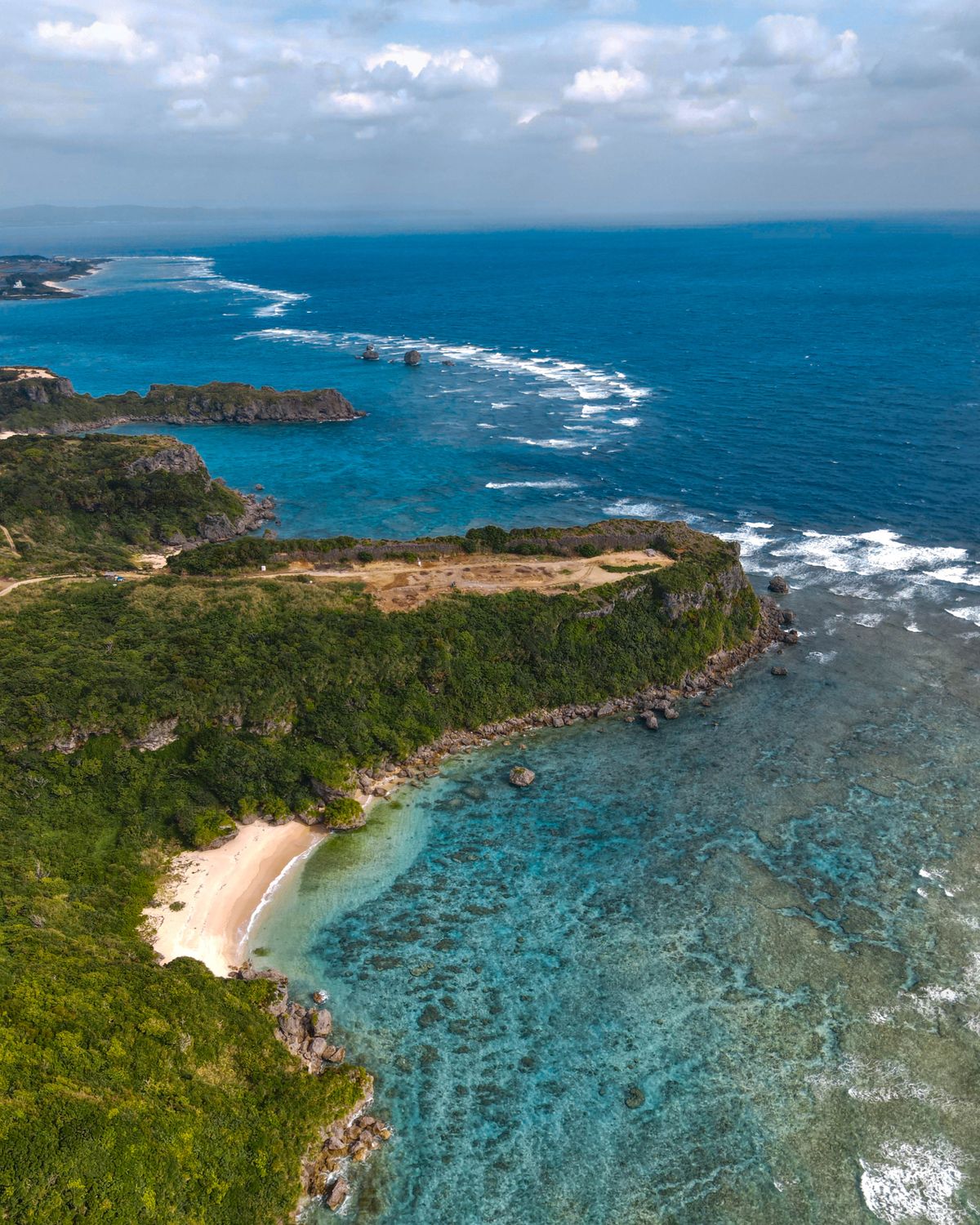
Miyako Island, roughly midway between Okinawa main island and Ishigaki, is famous among beach connoisseurs for having some of the finest stretches of white sand in Japan — and arguably in Asia. Unlike Ishigaki, Miyako is relatively flat, making it ideal for bicycle touring around the coast. The island’s reef system is also outstanding, particularly for experienced freedivers and snorkelers.
Yonaha Maehama Beach on the western coast is consistently rated among Japan’s most beautiful beaches: 7 kilometers of powder-white sand sloping gradually into turquoise water so clear that you can see the bottom at 3–4 meters depth. The beach is largely natural, though a resort hotel sits at one end. Free entry; toilets, showers and activity rentals are available.
Sunayama Beach, a smaller beach accessible down a sandy path through pine forest, is famous for a natural rock arch in the sea through which the sunset can be framed. Popular for photography; free access.
Getting to Miyako: Fly from Naha (about 45 minutes; ¥8,000–¥15,000 / ~$54–$101) or from Ishigaki by air (about 30 minutes; there is no passenger ferry). A rental car or bicycle is essential for exploring the island; Miyakojima’s flat terrain makes cycling genuinely practical for shorter distances.

Okinawan Culture and Food
Okinawan cuisine reflects the islands’ unique history and subtropical location. Key foods to try:
- Champuru: The signature Okinawan stir-fry, combining tofu, vegetables, egg, and a protein (often Spam — a legacy of American military presence). Goya champuru uses the bitter melon that Okinawa grows in abundance. ¥700–¥1,200 (~$4.70–$8) at local restaurants.
- Okinawa soba: Thick wheat noodles (not buckwheat, despite the name) in a pork and bonito broth, topped with braised pork belly (sanmainiku) or pork spare ribs (soki) and fish cake. ¥600–¥1,000 (~$4–$6.70) at local shops.
- Rafute: Slow-braised pork belly in awamori (Okinawan rice spirit) and soy sauce — Okinawa’s version of kakuni, tender and deeply flavored.
- Awamori: Okinawa’s indigenous distilled spirit, made from long-grain Thai rice using a black koji mold unique to the region. Aged versions (koshu) can be complex and smooth. A glass at an izakaya costs ¥500–¥1,500 (~$3.40–$10).
- Sea grapes (umi-budo): A unique Okinawan seaweed that bursts with a pleasant brininess when eaten. Available as a side dish or salad topping at most Okinawan restaurants (¥500–¥800 / ~$3.40–$5.40).
Traditional Okinawan music and arts: The sanshin (三線), a three-stringed instrument resembling a banjo with a snakeskin body, is the foundation of Okinawan folk music and quite unlike anything in mainland Japan. Live sanshin music is performed at many Okinawan restaurants in the evenings and at cultural centers in Naha. The Ryukyu Buyo (traditional dance) incorporates slow, graceful movements influenced by both Japanese and Chinese court dance traditions.
Practical Tips for Okinawa Island Hopping
Getting to Okinawa: Naha Airport is the main gateway, with direct flights from Tokyo (about 2.5 hours; ¥15,000–¥45,000 / ~$100–$305), Osaka (about 2 hours), and many other Japanese cities. Budget carriers Peach and Jetstar offer the lowest fares when booked well in advance. Naha can also be reached by ferry from Kagoshima (approximately 25 hours) or Osaka (approximately 45 hours), but these are primarily cargo/long-distance options.
Inter-island travel: Fast ferries and small aircraft connect the main island and outer islands. For Kerama Islands: ferry from Tomari Port, Naha (35 minutes). For Miyako: fly from Naha (45 minutes). For Ishigaki: fly from Naha (55 minutes) or from Miyako (30 minutes). For Taketomi and Iriomote: ferry from Ishigaki port (10–40 minutes).
Best time to visit:
- March–May: Excellent swimming weather (water 22–25°C), the January–February cherry blossoms are already over, lower crowds than summer
- June–August: Peak beach season, warm water (28–30°C), manta rays at Ishigaki; July–August is extremely crowded and expensive, book far in advance
- September–October: Typhoon risk (Okinawa is regularly in typhoon paths), but between typhoons the weather is good
- November–February: Cooler (20°C in January), ideal for cultural sightseeing, whale watching (humpback whales from December to March), fewer tourists
What to know about typhoons: Okinawa experiences more typhoons than anywhere else in Japan, with about 7–8 typhoons passing near the islands each year, though direct hits on the main island are rare. If a typhoon is forecast during your visit, flights and ferries will be cancelled — build flexibility into your itinerary. Travel insurance that covers typhoon-related cancellations is strongly recommended for Okinawa trips.
Renting a car is essential for exploring Okinawa main island and Ishigaki. On smaller islands like Taketomi and Iriomote, bicycles or scooters are more practical. International driving permits are required.
Get your Japan eSIM (Stay connected from day 1) →
Frequently Asked Questions About Okinawa
Is Okinawa worth visiting for non-beach activities?
Absolutely. Okinawa offers unique history (the site of the largest ground battle on Japanese soil during WWII, with the Himeyuri Peace Museum and Peace Memorial Park providing moving context), a completely distinct culture from mainland Japan (Ryukyu Kingdom heritage, unique music, language, and food), active wildlife experiences (whale watching, sea turtles on Iriomote), and some of Japan’s most interesting rural villages. Beach lovers and non-beach lovers alike find Okinawa rewarding.
How many days do I need for Okinawa?
Three to four days covers the main island highlights including Naha, Shuri Castle, northern beaches, and a day trip to Kerama. Adding Miyako or Ishigaki requires at least 2–3 additional days per island. A comprehensive Okinawa island hopping trip covering main island, Miyako, Ishigaki, Taketomi, and Iriomote realistically requires 10–14 days.
What is the water temperature in Okinawa?
Okinawa’s warm Kuroshio Current keeps water temperatures comfortable year-round. July–September: 28–30°C (perfect for snorkeling in a swimsuit). April–June and October: 24–27°C (comfortable with a thin wetsuit or rash guard). January–March: 20–22°C (wetsuit recommended for extended snorkeling). The coral is healthiest April–October, making spring and early autumn the prime snorkeling season.
Do I need a wetsuit for snorkeling in Okinawa?
In summer (June–September), a rash guard for sun protection is sufficient. For spring and autumn, a thin 3mm wetsuit makes extended snorkeling more comfortable. In winter, a 5mm wetsuit is recommended. Most snorkeling tour operators provide wetsuits as part of the tour package. If renting independently, wetsuits are available at most beach resort shops for about ¥500–¥1,500 per day (~$3.40–$10).
Is Okinawa a good destination for families with children?
Okinawa is an excellent family destination. Okinawa Churaumi Aquarium (one of the world’s largest, with whale sharks and manta rays; admission ¥2,180 / ~$14.70) on the main island is a highlight for children. Taketomi’s water buffalo carts and Iriomote’s mangrove kayaking are suitable for families with children over about 6 years old. The beaches on both the main island and Kerama Islands have calm, shallow water suitable for young swimmers.
Can I see sea turtles in Okinawa?
Yes, sea turtles are remarkably common in Okinawa, particularly around Iriomote Island and the Kerama Islands. Green sea turtles and hawksbill turtles nest on Okinawa’s beaches from May to September, and snorkelers regularly encounter turtles feeding on the reef. Most snorkeling tour operators around Ishigaki and Iriomote advertise sea turtle encounters. Do not touch, chase, or disturb sea turtles — they are protected, and responsible tour operators will enforce this.
What is the best island for first-time visitors to Okinawa?
The main island (Okinawa-honto) is best for first-timers who want history, culture, and beaches without complex inter-island logistics. Ishigaki is the best choice for those prioritizing beaches, snorkeling, and island hopping. The Kerama Islands (a day trip from Naha) offer a perfect introduction to Okinawa’s marine environment without the expense and complexity of flying to the outer islands.
Related Okinawa Travel Guides
Explore more of Okinawa with these related guides: Naha, Shuri Castle and Kokusai Street, Ishigaki Island, Okinawa’s remote paradise, and the Okinawa food guide and Ryukyu longevity diet.
Going to Japan? Speak Japanese with confidence.
Hirameki Japanese — camera translate for menus and signs, a two-way conversation mode, and furigana + romaji on every phrase. Free to download with kana charts, conversation mode and starter words; a one-time purchase unlocks everything.

Plan your Japan trip
Two things every first-timer should book
Some links are affiliate links. If you book through them we may earn a small commission at no extra cost to you.