Top Attractions in Akita Prefecture
Akita Prefecture rewards visitors with a remarkable blend of natural wonders, ancient culture, and year-round festivals. From the mystical shores of Japan’s deepest lake to the dramatic sea cliffs of the Oga Peninsula, each destination tells a unique story about this proud Tohoku region.
Lake Tazawa (Tazawako)
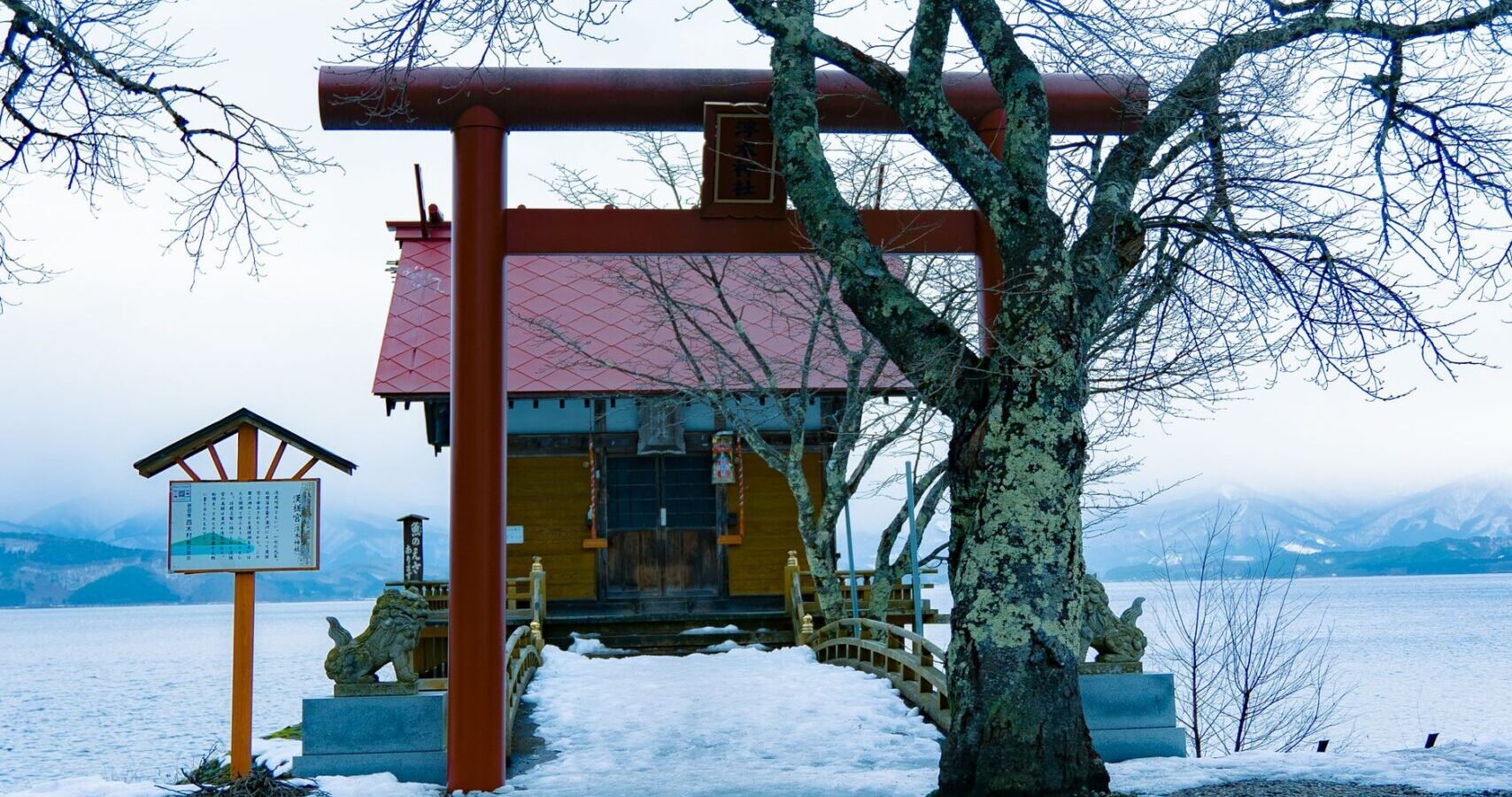
Lake Tazawa is Japan’s deepest lake, plunging to an extraordinary depth of 423 meters. Set against a backdrop of forested hills, its striking cobalt-blue waters never freeze, even in the depths of Akita’s harsh winter. The lake holds legendary significance: according to local folklore, the beautiful princess Tatsuko was transformed into a dragon who now dwells in its depths, forever preserved by the enchanted waters. The lakeside is dotted with resorts and onsen facilities, and the nearby Tazawako Ski Resort draws winter sports enthusiasts. In warmer months, cycling around the 20-kilometer perimeter is a popular activity. The golden statue of Princess Tatsuko stands sentinel on the western shore, making for an iconic photo opportunity. Rowboats and pedal boats are available for rent, allowing visitors to appreciate the almost impossibly clear blue water up close. The lake’s altitude of 249 meters above sea level also means refreshing summer temperatures that offer relief from lowland heat.
Oga Peninsula and Namahage Culture
Jutting dramatically into the Sea of Japan, the Oga Peninsula is famed for its rugged sea cliffs, unique geological formations called the Godzilla Rocks, and the terrifying yet beloved Namahage demon figures. On New Year’s Eve, young men dressed in enormous straw capes and fearsome demon masks visit every household, shouting warnings against laziness and bad behaviour to children and adults alike. This Namahage tradition, registered as UNESCO Intangible Cultural Heritage, can be witnessed year-round at the Oga Shinzan Folklore Museum and the Namahage Museum nearby. The Godzilla Rocks (Shiosezaki Cape), naturally eroded sea stacks rising from the ocean, are a spectacular sight, especially at sunset when the silhouettes resemble the famous movie monster. The peninsula’s coastline offers some of Akita’s finest seafood, with fresh crab, flounder, and abalone featured prominently in local restaurants.
Kakunodate Samurai District
Often called the “Little Kyoto of Tohoku,” Kakunodate is one of Japan’s best-preserved samurai towns, where centuries-old bukeyashiki (warrior residences) still line the Uchimachi district’s broad avenues. Six of these historic samurai homes are open to the public, offering a genuine glimpse into feudal-era life. The town’s 400-year history is beautifully maintained, and the main street’s ancient weeping cherry trees — imported from Kyoto three centuries ago — transform the district into a pink wonderland every spring. The Aoyagi Samurai Manor Museum houses an extraordinary collection of antiques, lacquerware, and samurai artifacts spanning multiple generations. Kakunodate is also the birthplace of kabazaiku, a distinctive craft using cherry bark veneer to create elegant boxes, tea caddies, and decorative items — a perfect souvenir unique to this region. The town is easily walkable and the traditional townscape feels remarkably authentic even in the 21st century.
Nyuto Onsen Village
Deep in the mountains near Lake Tazawa, Nyuto Onsen is one of Japan’s most celebrated hot spring retreats. Seven distinct ryokan, each with its own unique mineral-rich waters, are scattered along a mountain stream in a valley accessible only by a winding mountain road. The milky-white waters of Tsuru-no-yu, the oldest and most famous inn dating from the 17th century, flow from multiple outdoor baths surrounded by snow in winter — a scene that has appeared in countless Japanese travel magazines. Each of the seven facilities has different water chemistry: some rust-colored with iron, others milky with sulfur, and some crystal clear with bicarbonate minerals. A shared passport-style bath ticket (Yuめぐり) allows visitors to hop between all seven establishments, sampling waters ranging from relaxing to invigorating. The ryokan accommodations here are rustic and deeply traditional, with multi-course kaiseki dinners featuring Akita specialties like kiritanpo (pounded rice skewers) and sansai (mountain vegetables).
Akita City and the Kanto Festival
Akita City, the prefectural capital, comes alive each August during the spectacular Kanto Festival, one of the Three Great Festivals of Tohoku. Young performers balance enormous bamboo poles hung with dozens of paper lanterns, with the largest poles weighing up to 50 kilograms, on their foreheads, hips, and shoulders, creating a breathtaking river of golden light along the main boulevard. The skill required takes years to master and the nightly performances draw enormous crowds from across Japan. The city also contains Senshu Park (Kubota Castle ruins), home to beautiful cherry blossoms and swan-filled ponds, along with the excellent Akita Museum of Art, which houses a permanent collection of works by the renowned painter Fujita Tsuguharu, including his giant mural ‘Events of Akita’.
Getting to Akita
Akita is well connected to major Japanese cities despite its remote northern location, with options ranging from the ultra-fast Shinkansen to domestic flights.
Before heading out, make sure you have a Japan eSIM ready to navigate, translate, and share photos without worrying about connectivity. Get your Japan eSIM (Stay connected from day 1) →
From Tokyo
The fastest and most convenient route is the Akita Shinkansen (Komachi), which runs directly from Tokyo Station to Akita Station in approximately 3 hours 50 minutes. The train travels through Sendai, Morioka, and the scenic Tazawako area, passing by Lake Tazawa itself. Fares went up with JR East’s March 14, 2026 increase (about 7.1% on average), so check current prices before booking; Japan Rail Pass holders can ride for free, making this the most economical option for pass holders. Akita Airport receives multiple daily flights from Tokyo’s Haneda Airport operated by ANA and JAL, with flight time around 65 minutes. The airport is connected to Akita Station by airport limousine bus (35–40 minutes, ¥1,200). Highway buses also operate overnight from Shinjuku (Tokyo) to Akita, taking around 8–9 hours and costing roughly ¥5,000–¥8,000, a budget-friendly alternative for those with flexible schedules.
From Osaka and Nagoya
From Osaka, the most practical route involves taking the Tokaido Shinkansen to Tokyo, then transferring to the Akita Shinkansen — total journey time around 6 hours. Alternatively, flights from Osaka Itami to Akita Airport take approximately 75–100 minutes, with both ANA and JAL operating direct services. From Nagoya, a similar transfer via Tokyo is recommended for Shinkansen travel. Direct flights from Nagoya’s Chubu Centrair Airport to Akita are limited, so flying via Tokyo Haneda is generally the fastest option. Budget travelers from western Japan may consider highway bus services, though these typically require an overnight journey of 10–12 hours.
Getting Around Akita
Akita’s main attractions are spread across a large prefecture, and while public transport exists, a rental car offers the greatest flexibility for exploring the countryside and mountain areas.
Within Akita City, the Loop 100 bus (¥100 flat fare) connects major downtown sights including Senshu Park, the Station, and various museums, running approximately every 30 minutes. Beyond the downtown area, the city relies on local buses and JR trains. For reaching Lake Tazawa, the Akita Shinkansen stops at Tazawako Station, from which local buses run to the lakeside (about 15 minutes). Kakunodate is also on the Shinkansen line, just 12 minutes from Tazawako Station. The Oga Peninsula is best reached by the JR Oga Line from Akita Station (about 1 hour to Oga Station), though bus services to the Godzilla Rocks and Namahage Museum are infrequent. Nyuto Onsen is accessible by bus from Tazawako Station (about 47 minutes, ¥950), with the Ugo Kotsu Nyuto Line running daily all year. Renting a car at Akita Station or Tazawako Station is strongly recommended for anyone wishing to explore the peninsula or mountain onsen at their own pace.
Where to Stay in Akita
Akita offers accommodation ranging from world-class traditional ryokan to modern business hotels, catering to every budget and travel style.
Budget Options
Akita City has several business hotels near the station offering clean, comfortable rooms from ¥5,000–¥8,000 per night. The Dormy Inn Akita and APA Hotel Akita-Ekimae are popular choices offering breakfast options at reasonable prices. Guesthouses and simple minshuku (family-run lodges) can be found in rural areas around Lake Tazawa and Kakunodate for ¥4,000–¥7,000 per person including meals.
Mid-Range Options
Kakunodate has several charming traditional inns (ryokan) where you can experience authentic Japanese hospitality with multi-course dinners for ¥12,000–¥20,000 per person. The Tazawako area offers modern resort hotels on the lakefront with mountain views, hot spring baths, and Japanese or Western-style rooms at ¥10,000–¥18,000 per person.
Luxury Options
For an unforgettable luxury experience, staying at one of the Nyuto Onsen ryokan — particularly Tsuru-no-yu or Kuroyu Onsen — is a once-in-a-lifetime experience. These rustic yet elegant retreats offer beautifully prepared kaiseki cuisine, private onsen, and an atmosphere of timeless Japanese tranquility, typically ¥25,000–¥45,000 per person with two meals included.
Food and Local Specialties in Akita
Akita’s cuisine is deeply rooted in mountain and coastal traditions, producing some of Japan’s most distinctive and beloved regional dishes. The prefecture’s cold climate and abundant natural resources — cedar forests, mountain streams, and the Sea of Japan — have shaped a culinary culture that rewards the adventurous eater.
Kiritanpo
Akita’s most iconic dish, kiritanpo is made from freshly pounded Akita Komachi rice formed around cedar skewers and then toasted over charcoal until golden. The skewers are typically eaten as-is with miso paste, or cut into rounds and simmered in a rich chicken and burdock root hot pot (kiritanpo nabe) — the definitive Akita winter comfort food. Many restaurants in Akita City and Kakunodate specialize in this dish.
Hinai-Jidori Chicken
Akita’s Hinai-jidori is one of Japan’s Three Great Chickens, bred for centuries in the Hinai region. The bird’s rich, deeply flavored meat makes for exceptional yakitori, chicken hot pot, and oyakodon (chicken and egg rice bowl). Many izakayas (Japanese pubs) in Akita City feature this prized bird prominently on their menus.
Shottsuru and Akita’s Unique Fermented Foods
Shottsuru is Akita’s distinctive fish sauce, fermented from hatahata (sailfin sandfish) and salt over a period of years. Similar to Southeast Asian fish sauce but with a more delicate flavor, it is used to season nabe hot pots (shottsuru nabe) and various local dishes. Hatahata themselves — the small, roe-laden fish that spawn in the rough winter seas off Akita — are also eaten grilled, simmered, and pickled. Akita sake, brewed with the prefecture’s exceptionally pure mountain spring water and Akita Komachi rice, is regarded as some of the finest nihonshu (Japanese rice wine) in the country.
Imoni and Sansai
Imoni (taro potato stew) is a beloved autumn tradition across the Tohoku region, with Akita’s version typically featuring soy sauce-seasoned broth with beef or pork, taro, konnyaku, and leeks. Mountain vegetables (sansai) — including fiddlehead ferns, mountain asparagus, and wild mushrooms — are prized spring and autumn delicacies, foraged from Akita’s abundant forests and served tempura-style or in delicate dashi broth.
Day Trips and Nearby Attractions
Akita’s location in northern Tohoku places it within comfortable reach of several outstanding destinations that complement a visit to the prefecture itself.
Towada-Hachimantai National Park straddles the border between Akita and Aomori prefectures, offering the spectacular Oirase Stream gorge, crystal-clear Lake Towada, and the high-altitude volcanic Hachimantai plateau. The park is magnificent in all seasons, but autumn foliage (typically October–November) is particularly breathtaking. From Tazawako Station, the Hachimantai area can be reached by bus or rental car in about 90 minutes. The historic town of Kakunodate also serves as an excellent base for day trips to Lake Tazawa and Nyuto Onsen, which are both within 30 minutes. Those staying in Akita City can make a worthwhile day trip to the Oga Peninsula (approximately 60–75 minutes by car or limited train service), combining a visit to the Namahage Museum with a seafood lunch at a peninsula fishing village restaurant.
Best Time to Visit Akita
Akita is a year-round destination, but each season offers a dramatically different experience shaped by its position in one of Japan’s snowiest regions.
Spring (April–May) brings Akita’s most celebrated spectacle: the cherry blossoms of Kakunodate. The ancient weeping cherry trees of the samurai district bloom in late April, and Senshu Park’s cherry trees in Akita City are also magnificent. The Kanto Festival city comes alive with preparatory events. Summer (June–August) sees the Akita Kanto Festival (early August), one of Tohoku’s most dramatic summer celebrations. Lake Tazawa and Oga Peninsula are ideal for outdoor activities in the mild temperatures. Autumn (September–November) transforms the mountains around Lake Tazawa and Nyuto Onsen into a riot of red, orange, and gold — arguably the most photogenic time of year. Winter (December–March) brings deep snow that makes Nyuto Onsen’s outdoor baths particularly magical, and the Namahage Festival takes place on New Year’s Eve. Skiing at Tazawako Ski Resort runs from December through March.
Hidden Gems and Local Tips for Akita
Beyond the well-known highlights, Akita rewards curious travelers willing to venture off the standard tourist circuit.
Moriyoshi-zan Mountain in the Kitaakita area offers superb alpine hiking through beech forests with relatively few tourists compared to more famous Tohoku peaks. The summit panorama on a clear day encompasses the Sea of Japan and distant mountain ranges. Manzakura (10,000 cherry trees) at Kakunodate’s Hinokinai riverbank extends for two kilometers alongside the river — arrive early morning to enjoy the blossoms without the crowds that gather by midday. Masuda Sake Brewery in Akita City offers free tours and tasting sessions showcasing Akita’s renowned sake-brewing tradition; book in advance. Gojome Asa-ichi (Gojome Morning Market), held on every date ending in 0, 2, 5 and 7, is one of northern Akita’s most authentic rural markets, where local farmers sell fresh produce, pickled vegetables, and handmade crafts. Anmon no Taki waterfall near the Shirakami-Sanchi UNESCO World Heritage Area is a series of three tiered falls accessible by a short forest walk — far less visited than the famous Oirase Stream despite being equally beautiful.
Practical Information for Visiting Akita
Being prepared with practical knowledge will help you make the most of your Akita visit.
Tourist Information: The Akita City Tourist Information Center is located inside Akita Station’s east exit (open daily 9:00–19:00) and provides free English maps, transport guidance, and accommodation assistance. Kakunodate has a smaller tourist office near the train station. Wi-Fi: Free Wi-Fi is available at Akita Station, major hotels, and some convenience stores. Pocket Wi-Fi rental is recommended for rural areas around the Oga Peninsula and mountain onsen. Cash: Carry cash in Akita, as many small shops, rural eateries, small ryokan and baths are still cash-only, though IC cards work at convenience stores. ATMs at 7-Eleven, Japan Post, and Seven Bank accept international cards. Language: English is limited outside of Akita Station and major hotels; having a translation app downloaded offline is highly recommended. Emergency Contacts: Police 110, Fire/Ambulance 119, JNTO English-language tourist helpline: 050-3816-2787 (available 24 hours). Manners: Onsen etiquette requires thorough pre-bath washing, no swimwear in traditional baths, and no photography inside bathing areas. Quiet and respectful behavior is expected at temple and shrine sites.
Akita Budget Guide
Understanding typical costs will help you plan your Akita trip according to your financial comfort level.
Budget Traveler (¥7,000–¥12,000/day): Stay in business hotels or guesthouses near Akita Station, eat at convenience stores, teishoku (set meal) restaurants, and ramen shops. Use JR trains and buses for transport. Entry fees to museums and parks typically run ¥300–¥800. A one-day Oga Peninsula bus pass costs around ¥1,500. Mid-Range Traveler (¥15,000–¥30,000/day): Stay in a comfortable city hotel or a traditional inn in Kakunodate, dine at local specialty restaurants featuring kiritanpo or Hinai chicken, and rent a car for a day to explore the peninsula or mountain areas (approximately ¥5,000–¥7,000/day for a compact car). Luxury Traveler (¥40,000–¥80,000+/day): Experience a multi-night stay at a Nyuto Onsen ryokan including full-board kaiseki cuisine, private onsen, and personalized service. Private car transfers, premium sake tasting experiences, and exclusive cultural demonstrations are available on request through luxury ryokan concierge services.
Frequently Asked Questions About Akita
How do I get to Akita from Tokyo?
The most convenient option is the Akita Shinkansen (Komachi train) from Tokyo Station, taking approximately 3 hours 50 minutes. Flights from Haneda Airport to Akita Airport take about 65 minutes. Highway buses take 8–9 hours overnight but are the most budget-friendly option at around ¥5,000–¥8,000.
Is Akita worth visiting in winter?
Absolutely. Akita’s winter transforms the landscape into a magical snowscape. The outdoor onsen at Nyuto Onsen are at their most atmospheric when surrounded by heavy snowfall, and the Tazawako Ski Resort offers excellent skiing. The Namahage Sedo Festival in February features the famous demon ritual in its traditional mountain shrine setting.
What is Namahage?
Namahage are fearsome demon-like figures in straw capes and horrifying masks who visit homes on New Year’s Eve on the Oga Peninsula, warning inhabitants — especially children — against laziness and bad behavior. The tradition has been registered as UNESCO Intangible Cultural Heritage. You can experience it year-round at the Oga Shinzan Folklore Museum and Namahage Museum.
What is the best area to stay in Akita?
It depends on your priorities. Akita City is best for transport access and nightlife. Kakunodate is ideal for those focused on traditional culture and sakura. The Tazawako/Nyuto Onsen area is best for nature lovers and hot spring enthusiasts. Most visitors base themselves in one area and take day trips to others.
Do I need a car to explore Akita?
A car is not strictly necessary if you stick to Akita City, Kakunodate, and Lake Tazawa (all on the Shinkansen line). However, for the Oga Peninsula, Nyuto Onsen, and more remote mountain areas, a rental car makes travel significantly easier and more efficient. Car rental is available at Akita Station and Tazawako Station.
When is the cherry blossom season in Akita?
Akita’s cherry blossoms typically bloom in late April to early May, later than Tokyo due to the colder northern climate. Kakunodate’s weeping cherry trees in the samurai district and the rows of trees along the Hinokinai River are among the most spectacular in all of Japan. Senshu Park in Akita City is also excellent for hanami (flower viewing) picnics.
What food should I try in Akita?
Must-try Akita dishes include kiritanpo (rice skewers in hot pot), Hinai-jidori chicken (one of Japan’s Three Great Chickens), shottsuru nabe (fish sauce hot pot), hatahata (sailfin sandfish), fresh sansai mountain vegetables, and Akita sake brewed from Komachi rice and pure mountain water. Most of these are available at specialty restaurants throughout the prefecture.
How many days should I spend in Akita?
A minimum of 2–3 days allows you to cover the main highlights: Akita City, Kakunodate, and Lake Tazawa. For a more complete experience including Nyuto Onsen, the Oga Peninsula, and some hiking, plan for 4–5 days. Akita also combines naturally with neighboring Aomori and Iwate for a comprehensive Tohoku road trip of 7–10 days.
Is English widely spoken in Akita?
English is limited outside major tourist facilities and Akita Station. Large hotels and popular attractions like the Namahage Museum have English-speaking staff and materials. Downloading Google Translate or a Japanese offline dictionary before your trip is strongly recommended. Translation apps with camera function are particularly useful for reading menus and signs.
Akita’s Cultural Heritage and Traditions
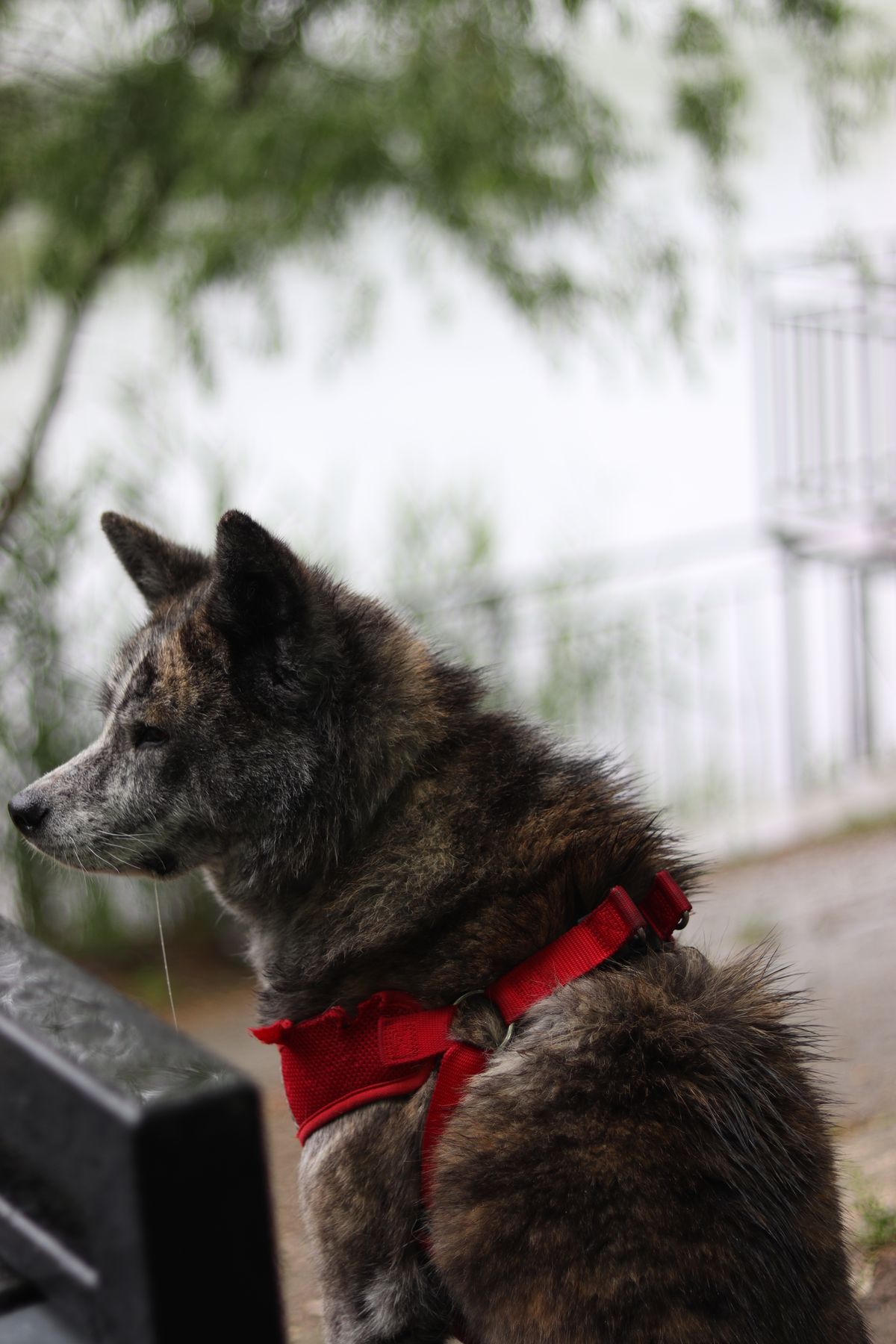
Akita Prefecture is home to a remarkably rich tapestry of cultural heritage that stretches back over a thousand years. The region’s relative isolation during Japan’s feudal period — hemmed in by the Ou Mountains to the east and the Japan Sea to the west — allowed unique traditions, crafts, and customs to develop and survive intact into the modern era. Understanding this cultural depth transforms a visit to Akita from a simple sightseeing trip into a genuinely enriching encounter with living Japanese tradition.
Kabazaiku: The Art of Cherry Bark Craft
One of Akita’s most distinctive traditional crafts, kabazaiku uses the shimmering outer bark of wild mountain cherry trees to create elegant decorative and functional objects. The craft originated in Kakunodate during the late Edo period, when samurai families — prohibited by their lord from engaging in commerce but struggling financially — were encouraged to produce this beautiful craft for income. Skilled artisans peel the cherry bark in thin sheets, then laminate and lacquer multiple layers over wooden forms to create tea caddies, jewelry boxes, trays, and even full tea sets. The resulting objects have a distinctive reddish-brown lustre with natural wood-grain patterns that are utterly unique. Several kabazaiku workshops in Kakunodate offer craft experiences where visitors can try their hand at simple pieces under expert guidance — an excellent hands-on cultural activity lasting 1–2 hours and costing approximately ¥2,000–¥4,000.
Akita Bijin: The Beauty of Akita Women
Akita women have long been celebrated in Japanese culture for their fair complexion and classic beauty, with the term “Akita bijin” (Akita beauty) becoming a nationwide expression for feminine elegance. Various theories explain this phenomenon: some attribute the pale skin to the cold, cloudy climate and limited sun exposure during long winters; others point to the high-quality local water and traditional diet rich in rice, fermented foods, and fresh seafood. The concept has inspired art, literature, and even sake brand names, and remains a source of gentle regional pride. The Akita Museum of Art’s famous large-scale mural by Tsuguharu Fujita is partially inspired by this ideal of Akita beauty.
Akita Kanto Festival in Depth
The Akita Kanto Festival, held annually from August 3–6, is classified as one of Japan’s Three Great Tohoku Festivals alongside Sendai’s Tanabata and Aomori’s Nebuta. The word “kanto” refers to the enormous pole — assembled from several bamboo segments and reaching up to 12 meters tall — from which 46 paper lanterns hang in a formation meant to resemble a rice plant heavy with grain. The festival originated as a Bon lantern ceremony to honor ancestors and pray for a bountiful harvest, and the lanterns represent the hopes of the community. The evening performances along Chuo-dori Street in Akita City are genuinely spine-tingling: dozens of performers simultaneously balance their glowing kanto on outstretched palms, foreheads, lower backs, and shoulders, swaying them in choreographed patterns as drums and traditional flutes play. The festival draws approximately 1.3 million visitors annually and tickets for premium viewing areas sell out quickly — advance booking through the official festival website is essential.
Outdoor Activities and Nature in Akita
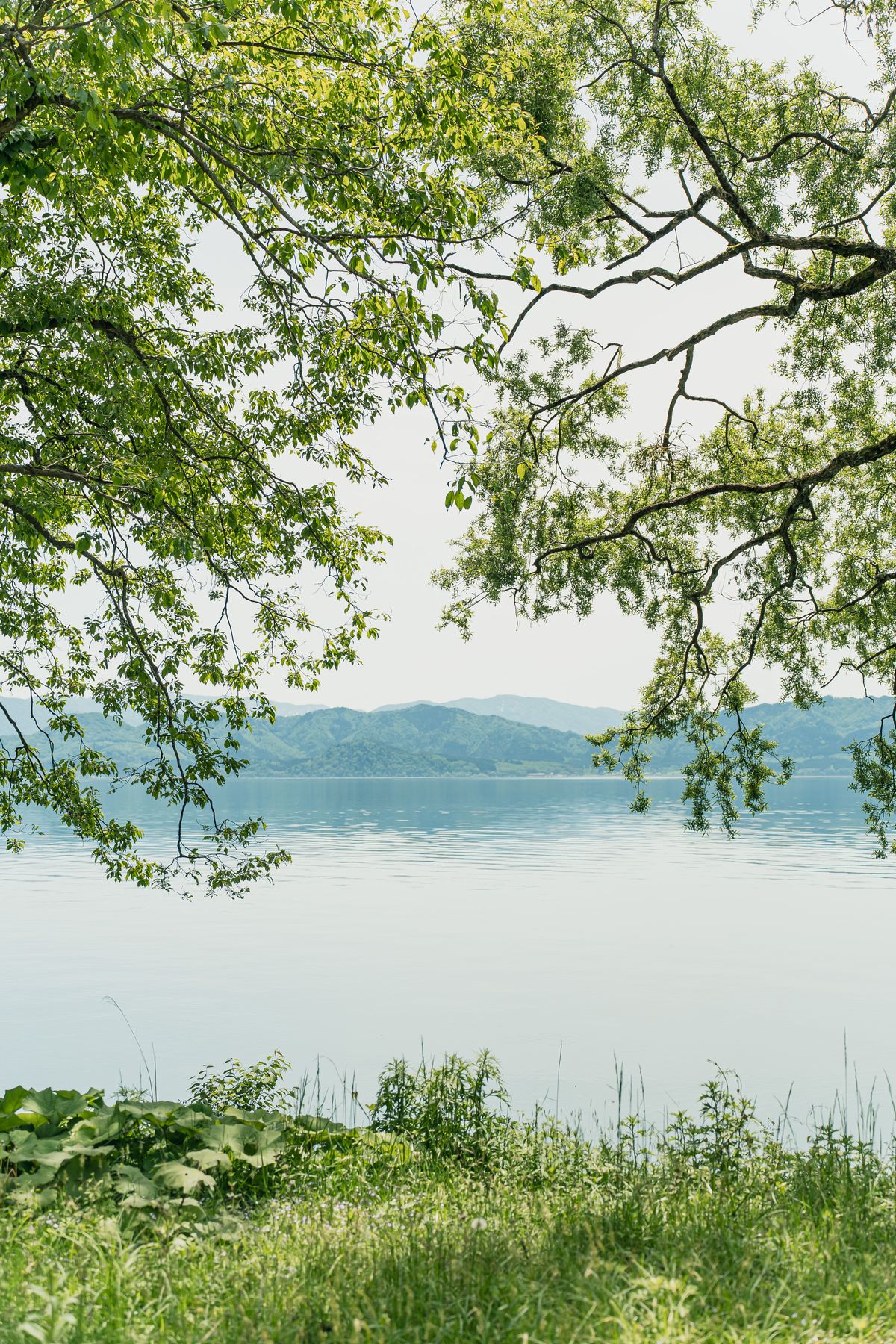
Akita’s dramatic natural landscape — spanning volcanic highlands, pristine lakes, ancient beech forests, and a rugged coastline — makes it one of Tohoku’s premier destinations for outdoor enthusiasts. The prefecture’s relatively low visitor numbers compared to more famous Japanese destinations means that these natural wonders can often be enjoyed in near-solitude, a rarity in modern Japan.
Shirakami-Sanchi UNESCO World Heritage Forest
Straddling the border between Akita and Aomori prefectures, the Shirakami-Sanchi is one of the world’s largest remaining primeval beech forests, designated a UNESCO World Heritage Site in 1993. The forest covers 130,000 hectares of rugged mountain terrain largely untouched by human activity, providing habitat for rare wildlife including the Japanese black bear, golden eagle, and Japanese serow. Several well-marked hiking trails penetrate the outer zones of the protected area, with the Anmon Falls trail being the most accessible and spectacular — a three-waterfall cascade through ancient beech trees. The best time to hike is from June through October; winter brings heavy snow that closes most trails. The falls, on the Aomori side of Shirakami-Sanchi, are best reached by car, with only limited seasonal buses from the Aomori side.
Tazawako Ski Resort
Located on the slopes above Lake Tazawa, the Tazawako Ski Resort offers some of the best skiing in northern Honshu, with reliable deep powder snow from December through March. The resort has 14 runs catering to all ability levels, with a maximum vertical drop of 800 meters. Night skiing is available on selected evenings, allowing visitors to combine daytime skiing with evening soaks in the nearby Nyuto Onsen hot springs for the ultimate winter experience. The ski season typically overlaps with the best outdoor onsen weather, making this area particularly popular with Japanese winter travelers. Equipment rental and English-language ski lessons are available at the resort base.
Cycling and Water Sports at Lake Tazawa
During warmer months, Lake Tazawa transforms into an outdoor recreation hub. Cycling around the lake’s 20-kilometer perimeter on a dedicated lakeside path takes 1–2 hours at a leisurely pace and provides constantly changing views of the cobalt-blue water against forested hills and, on clear days, distant snow-capped peaks. Bicycle rental is available near Tazawako Station and at the lakeside for approximately ¥1,500–¥2,500 per day. Rowing boats and pedal boats can be rented from the lake’s eastern shore facilities, and kayaking tours are also offered seasonally by local outdoor operators. The lake’s unusual depth means it never develops algae blooms, maintaining remarkable clarity and color throughout the season.
Shopping in Akita: What to Buy
Akita produces some of Japan’s most distinctive regional products, making it an excellent destination for souvenir shopping. The best items to look for include kabazaiku cherry bark craftwork (Kakunodate), bottles of premium Akita sake from breweries such as Takashimizu, Kariho, or Kariho Junmai Daiginjo, cedar woodwork products including traditional wooden kokeshi dolls with Akita’s distinctive slender style, and hatahata (sailfin sandfish) processed products including fish sauce and salted fish. Akita Komachi rice — widely regarded as Japan’s finest — can be purchased in vacuum-packed bags convenient for travel, while kiritanpo sets for making the famous hot pot at home are sold at department stores and souvenir shops throughout the prefecture. The Akita Station area has numerous souvenir shops, and the Kakunodate Denshokan (Traditional Industry Center) is the best one-stop shop for authentic local crafts. Markets and roadside stations (michi-no-eki) scattered across the prefecture offer excellent local produce and homemade pickled foods at reasonable prices.
Akita Sake: Japan’s Finest Rice Wine
Akita is one of Japan’s premier sake-producing regions, blessed with the perfect combination of premium Akita Komachi rice, pristine mountain spring water, and cold winter temperatures ideal for slow fermentation. The prefecture has over 40 active breweries producing sake ranging from crisp, dry junmai (pure rice sake) to rich, complex junmai daiginjo (premium-grade sake). Akita sake is generally characterized by an elegant, clean style with subtle fruity aromas and exceptional smoothness, often described as “tanrei” (light and clear). Many Akita breweries offer public tours and tasting sessions, particularly during the January “Kanshakai” open-brewery season when freshly pressed sake is available directly from the source. The Akita Sake Brewery Landscape — a concentrated zone of historic breweries in the city — is a wonderful self-guided walking tour, especially beautiful in winter when the sugi-dama (cedar balls) hung at brewery entrances signal new sake production. Popular breweries for visitors include Takashimizu Brewery in Akita City (free tours daily except Sundays), and the Masuda Sake Brewery, which has been producing sake since 1689.
Akita Itinerary Suggestions
Whether you have a long weekend or a full week, here are suggested itineraries to help you make the most of Akita Prefecture.
2-Day Weekend Itinerary
Day 1: Arrive in Akita City by Shinkansen. Morning: explore Senshu Park and the Akita Museum of Art. Afternoon: take the train to Kakunodate (30 minutes) and walk the samurai district, visit one of the open historic homes, browse kabazaiku craft shops. Evening: return to Akita City for dinner featuring Hinai chicken at a local izakaya. Day 2: Take the Shinkansen to Tazawako Station. Morning: cycle around Lake Tazawa and visit the Princess Tatsuko statue. Afternoon: bus to Nyuto Onsen for a rejuvenating soak in the milky mineral waters. Evening: stay overnight at an onsen ryokan (or return to Akita City).
4-Day Comprehensive Itinerary
Day 1: Akita City — Senshu Park, Kanto Festival Museum, sake brewery tour, evening at local restaurant. Day 2: Oga Peninsula by rental car — Godzilla Rocks, Nyudozaki Lighthouse, Namahage Museum, fresh seafood lunch, return via coastal road. Day 3: Kakunodate by Shinkansen — samurai district, kabazaiku workshop experience, riverside cherry trees, late afternoon to Lake Tazawa. Day 4: Lake Tazawa area — morning kayak or cycling, afternoon at Nyuto Onsen with full-body soak in multiple baths, return to Akita City for evening departure.
Transportation Tips and Practical Travel Advice for Akita
Navigating Akita Prefecture efficiently requires some advance planning, particularly for those hoping to explore beyond the main Shinkansen corridor. Here is a comprehensive breakdown of the most important transportation and practical considerations for first-time visitors to Akita.
The JR Pass offers excellent value for travelers arriving from Tokyo, as both the Akita Shinkansen and all local JR lines within the prefecture are fully covered. For those not holding a JR Pass, purchasing advance “Hayabusa” Shinkansen tickets online via the JR East website can yield savings of up to 30% compared to counter prices. The Akita Sightseeing Bus operates seasonal routes covering the Oga Peninsula and Tazawako area during summer and autumn, providing a convenient alternative to car rental for those without a Japanese driver’s license. Taxis are available throughout the prefecture but are expensive for longer distances; a taxi from Oga Station to the Namahage Museum, for example, costs approximately ¥2,000–¥3,000 one-way. For those driving, note that mountain roads to Nyuto Onsen may be closed or require tire chains during heavy winter snowfall; always check the prefecture’s road condition hotline before setting out in winter months.
Regarding money and payments: while Akita City and major tourist sites increasingly accept credit cards and IC cards (Suica, Pasmo), rural areas, local restaurants, and traditional craft shops are predominantly cash-only. Withdraw sufficient yen at ATMs in Akita City or at 7-Eleven convenience stores (which accept international cards) before heading into the countryside. The Suica IC card works on all JR trains within the prefecture and on city buses, eliminating the need to purchase individual tickets for each journey. For medical emergencies, Akita University Hospital in the city center is the main regional medical facility with some English-language capability. The AMDA International Medical Information Center (03-5285-8088) provides multilingual medical interpretation over the phone. Post offices (open Mon–Fri 9:00–17:00 in rural areas, longer hours in Akita City) handle currency exchange in addition to standard postal services and have ATMs accepting international cards. Akita’s climate demands appropriate preparation: summers are warm but short, spring and autumn are mild and beautiful, and winters are genuinely harsh with heavy snowfall — pack waterproof boots, thermal layers, and a good-quality down jacket for any winter visit to the prefecture.
Why Akita Deserves a Place on Every Japan Itinerary
In a country where tourism can sometimes feel overcrowded and commercialized, Akita Prefecture stands apart as a destination of genuine authenticity. Its landscapes are among the most dramatic in Japan; its cultural traditions — from the Namahage’s terrifying midnight visits to the soaring kanto festival poles — are alive and vigorously maintained; and its hospitality, particularly in the mountain onsen villages, embodies the true spirit of Japanese omotenashi. The food and drink are world-class by any measure: Akita Komachi rice, Hinai chicken, artisanal sake, and the singular pleasure of kiritanpo nabe on a snowy evening place the prefecture firmly in the front rank of Japanese culinary destinations. For travelers seeking an alternative to the well-trodden Golden Route, Akita offers everything that makes Japan special — extraordinary nature, living history, superb cuisine, and remarkable craftsmanship — without the crowds. It is, in the truest sense, a hidden gem that rewards the curious traveler who ventures off the beaten path.
Related guides
- Nyuto Onsen Guide: Akita’s Remote Mountain Hot Spring Paradise in the Heart of Tohoku
- Aomori Nebuta Festival Guide 2026: A First-Timer’s Guide to Japan’s Giant Glowing Floats and How to Dance in the Parade
- Ouchijuku Travel Guide 2026: A First-Timer’s Guide to Fukushima’s Edo-Era Thatched Post Town
Going to Japan? Speak Japanese with confidence.
Hirameki Japanese — camera translate for menus and signs, a two-way conversation mode, and furigana + romaji on every phrase. Free to download with kana charts, conversation mode and starter words; a one-time purchase unlocks everything.
⬇ Get it on the App Store
Plan your Japan trip
Two things every first-timer should book
Some links are affiliate links. If you book through them we may earn a small commission at no extra cost to you.