Introduction to Mie Prefecture
Mie Prefecture, stretching along the Pacific coast of central Japan on the Kii Peninsula, is one of the country’s most spiritually significant destinations. Home to Ise Jingu, the most sacred Shinto shrine complex in Japan and the spiritual home of the Japanese nation, Mie has been a destination for pilgrims and worshippers for over two millennia. The journey to Ise, traditionally called Okage Mairi, was one of the most popular pilgrimages in Edo-period Japan, undertaken by millions of ordinary people seeking blessings and adventure in an era before mass tourism.
Beyond its spiritual heritage, Mie offers extraordinary natural and culinary experiences. The Shima Peninsula’s ria coastline of jagged inlets, the pearl cultivation industry pioneered by Mikimoto Kokichi, the celebrated Matsusaka beef, fresh Pacific seafood from Toba and Ise Bay, and the remarkable natural beauty of the Kii mountain forests all contribute to a prefecture that rewards extended exploration. This guide covers the full range of Mie’s attractions, from the grand shrines to the hidden coastline coves and mountain trails that most visitors never discover.
Top Attractions in Mie Prefecture
Ise Jingu: Japan’s Most Sacred Shrine
Ise Jingu, commonly referred to simply as Ise or Ise Shrine, is not a single shrine but a complex of over 125 individual shrines centered on two principal sanctuaries — the Naiku (Inner Shrine) dedicated to Amaterasu Omikami, the sun goddess and progenitor of the Imperial family, and the Geku (Outer Shrine) dedicated to Toyouke no Omikami, the deity of food, clothing, and housing. Together these two grand shrines and their numerous auxiliary shrines form the most sacred site in Shinto, the indigenous religion of Japan, and the spiritual center of Japanese national identity.
The most remarkable aspect of Ise Jingu is the Shikinen Sengu, the practice of completely rebuilding the main shrine buildings on adjacent sites every 20 years using traditional carpentry techniques unchanged for over 1,300 years. The old buildings are ritually dismantled and their timbers distributed to shrines throughout Japan, while new buildings of identical design are constructed using hinoki cypress harvested from sacred forests. This practice means that the shrine buildings are simultaneously ancient in design and perpetually new in construction, embodying a uniquely Japanese understanding of the relationship between permanence and renewal.
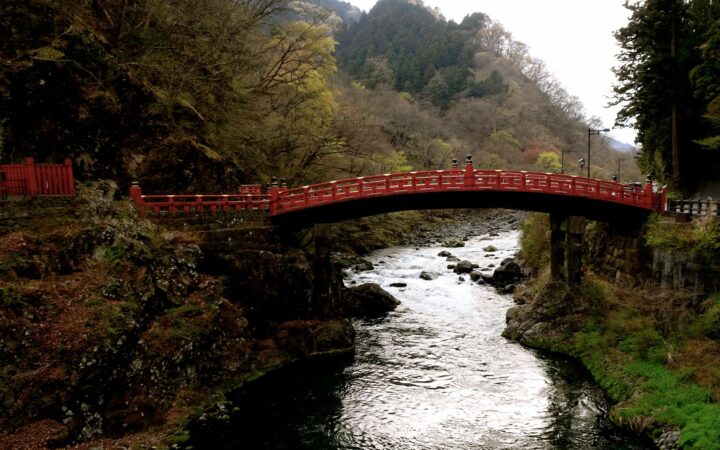
The Naiku is set within a forest of towering ancient cryptomeria cedars along the sacred Isuzu River, approached by a broad, unpaved path of white gravel that conveys both the solemnity and the natural beauty of the site. Visitors cross the sacred Uji Bridge to enter the shrine grounds, purify their hands in the river water, and approach the main sanctuary — though the inner sanctuary itself is screened from public view by wooden fences, maintaining the mystery and sanctity that has surrounded this site for 2,000 years.
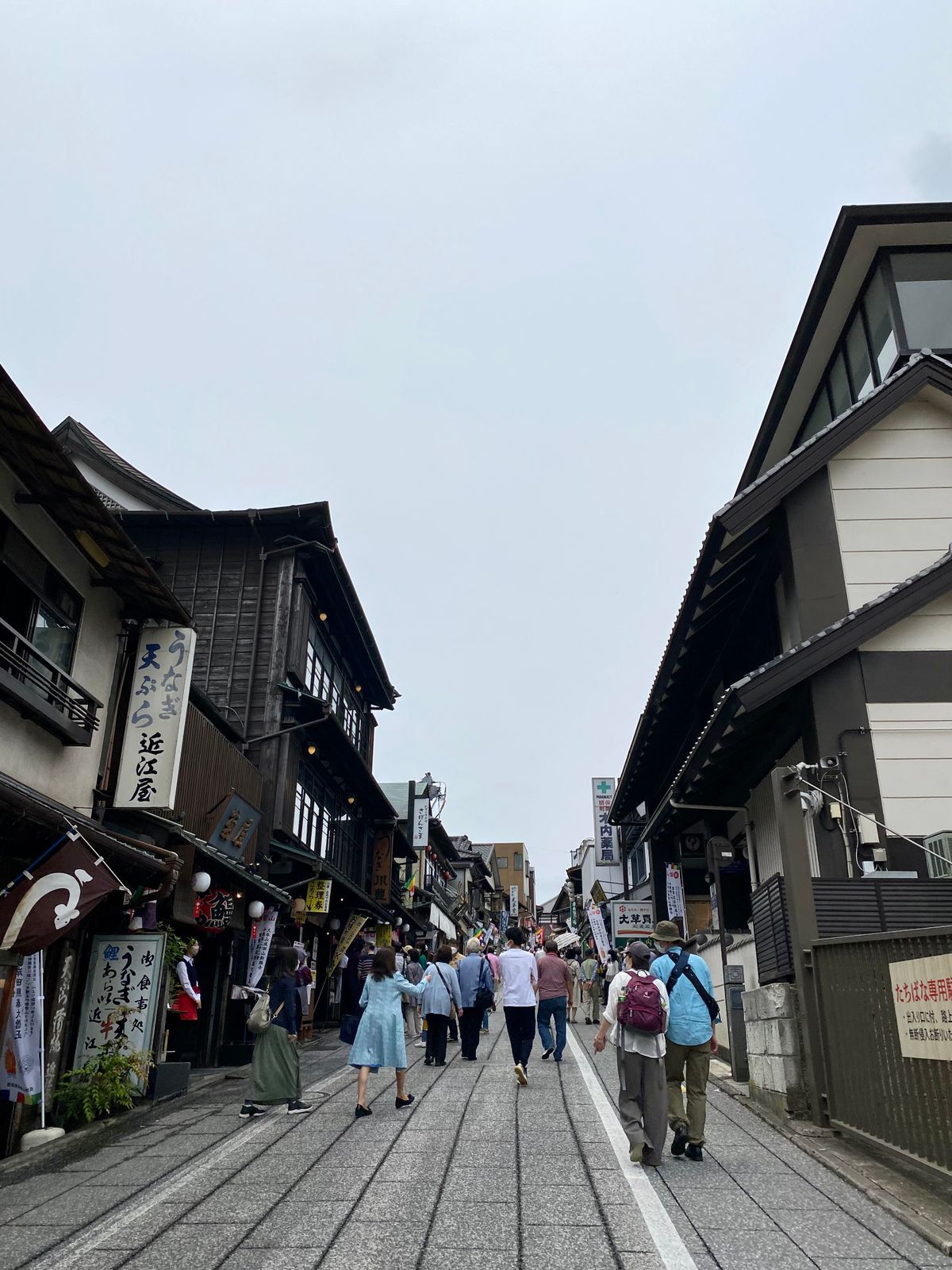
Oharaimachi and Okage Yokocho, the traditional townscape and festival market district immediately outside the Naiku approach, recreate the atmosphere of an Edo-period pilgrimage town with considerable success. Traditional shops selling Ise specialties including the famous akafuku mochi sweet rice cakes, grilled lobster skewers, and local sake line the cobblestone street, and the entire area buzzes with visitors of all ages engaged in the pleasurably festive atmosphere of a traditional pilgrimage market.
Meoto Iwa: The Married Rocks
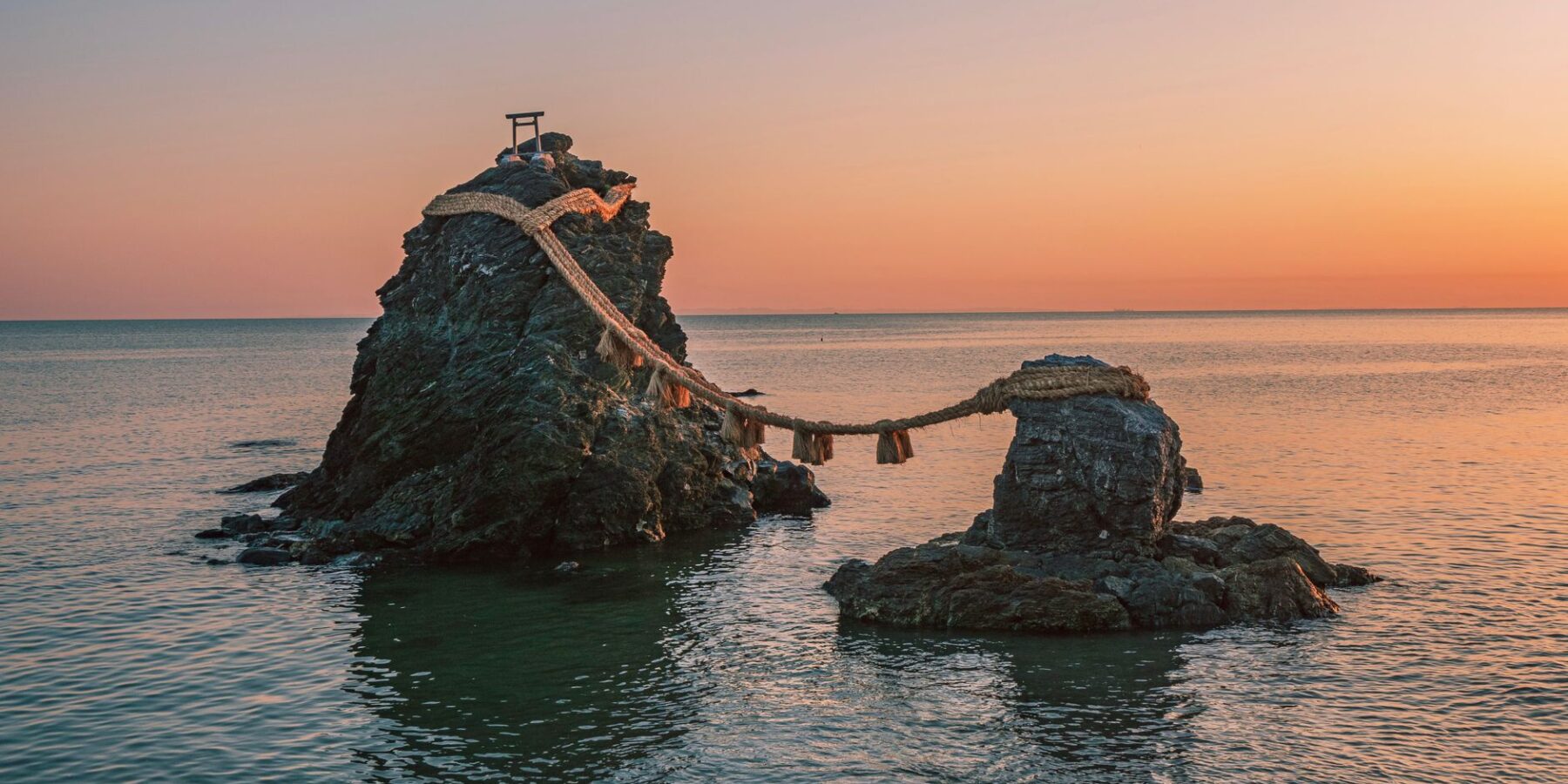
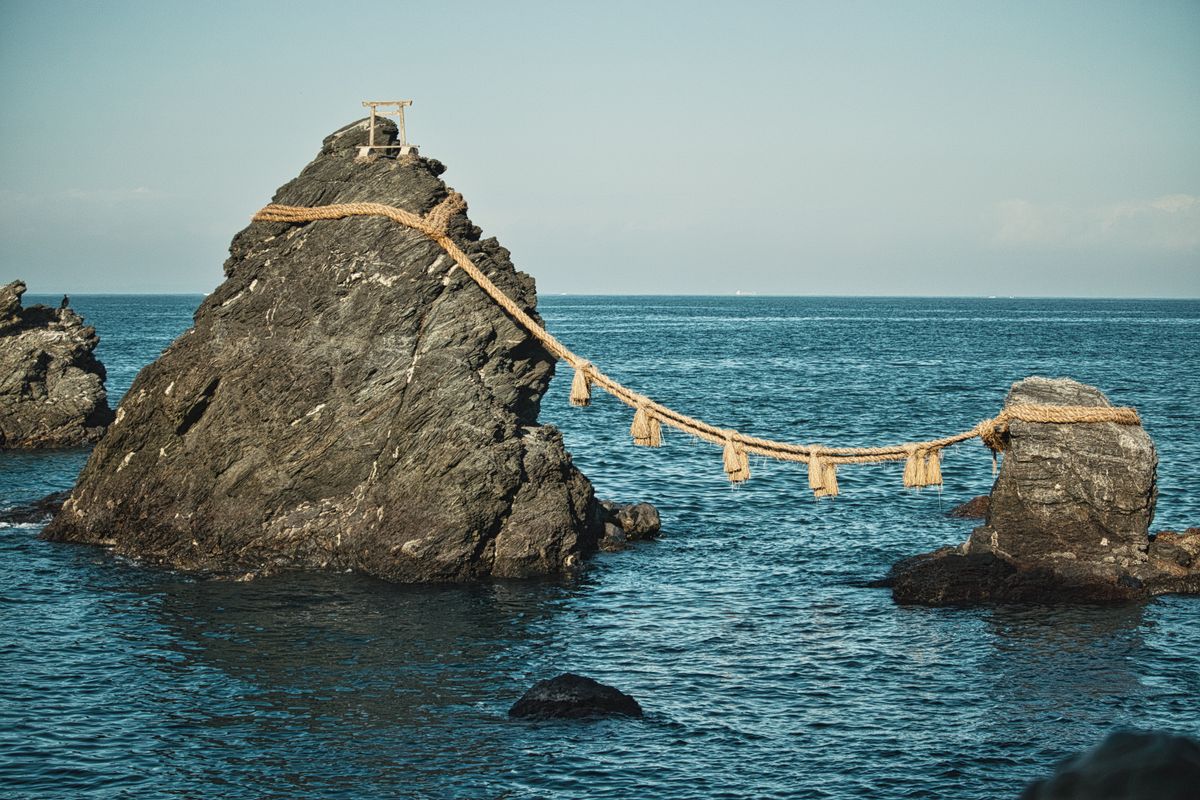
Meoto Iwa, the Wedded Rocks at Futami-ga-ura beach near Futamigaura, are among Japan’s most iconic coastal images. Two rocks of different sizes — the larger male rock (Izanagi) standing 9 meters high and the smaller female rock (Izanami) at 4 meters — are bound together by a large shimenawa sacred rope renewed three times a year in a Shinto purification ceremony. The rocks are dedicated to the creator deities of Japanese mythology and are venerated as a symbol of marriage, harmony, and the union of complementary forces.
The best time to visit Meoto Iwa is at dawn during the summer months, when the rising sun appears framed between the two rocks and, on exceptionally rare days of perfect atmospheric clarity, Mount Fuji has been photographed on the very distant horizon to the northeast (an extraordinary phenomenon not reliably experienced by most visitors). This sunrise view is one of Japan’s most celebrated seasonal images and draws devoted early-risers from across the country. The nearby Okitama Shrine, accessible by stepping stones at low tide, adds another layer of coastal Shinto sacred landscape to the visit.
Toba and the Ama Divers
Toba, on the Shima Peninsula south of Ise, is famous for two related traditions: the cultivation of cultured pearls pioneered by Mikimoto Kokichi in the late 19th century, and the ancient tradition of ama women divers who free-dive for abalone, sea urchin, and other shellfish without breathing apparatus. The ama tradition is one of the oldest in Japan, with records of women divers in the Ise Bay area dating back over 2,000 years, and the practice continues today as a living tradition and a major tourist attraction.
Mikimoto Pearl Island in Toba Bay is a museum and demonstration facility dedicated to the history of pearl cultivation, where visitors can watch ama divers demonstrate their diving techniques in a large tank and learn about the remarkable process by which a microscopic irritant is transformed over several years into a lustrous gem. Mikimoto’s achievement in producing the world’s first cultured pearl in 1893 revolutionized the global jewelry industry and made Mie Prefecture synonymous with pearl production worldwide.
Matsusaka: Home of Japan’s Most Prestigious Beef
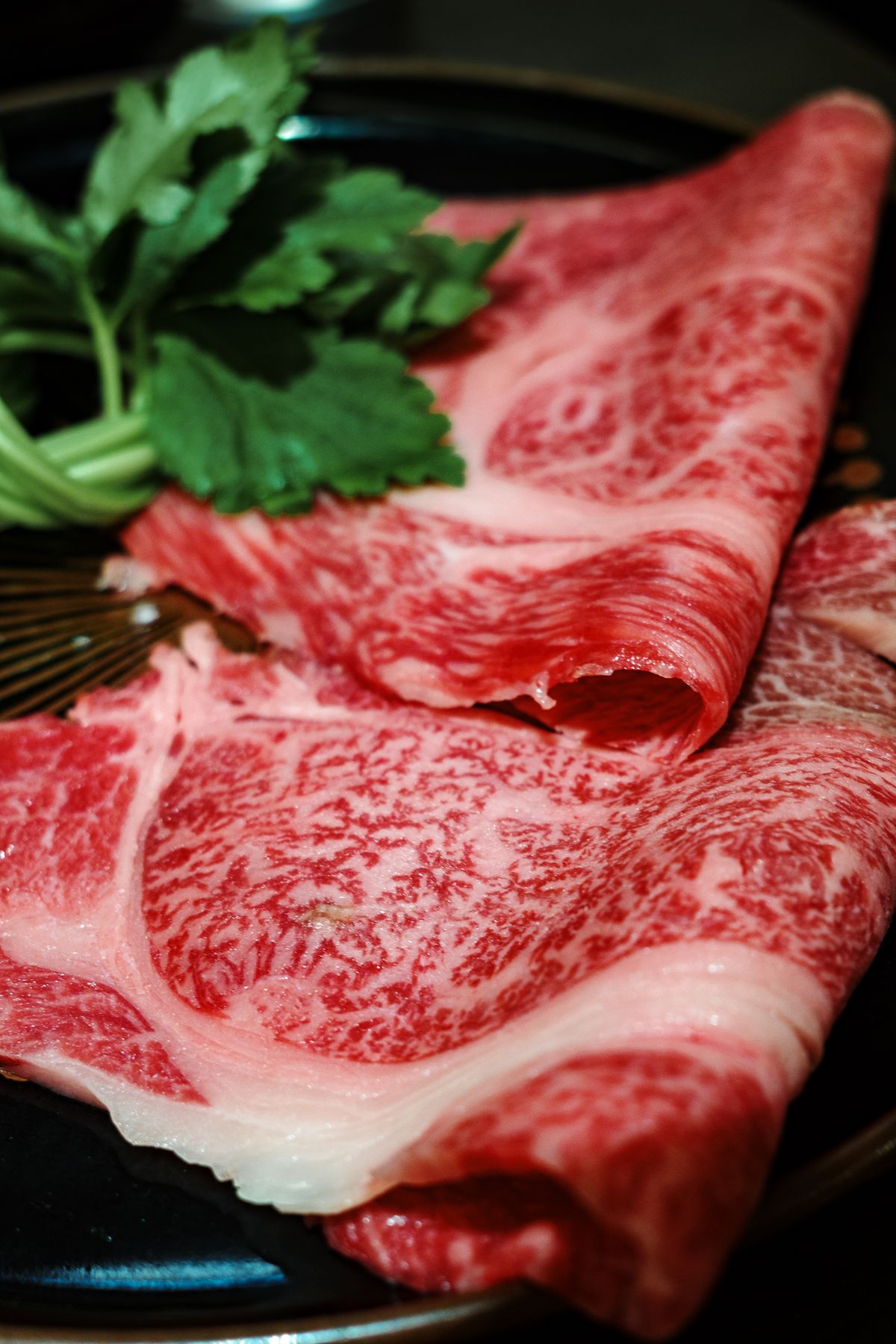
Matsusaka City is famous throughout Japan as the home of Matsusaka beef, widely considered to be the most prestigious wagyu beef in the country. Matsusaka beef comes exclusively from female Japanese Black cattle raised in a strictly defined area around Matsusaka City according to traditional methods that include feeding the cattle high-quality grain, providing them with beer to stimulate appetite, and brushing their hides with shochu to improve circulation and coat quality. The result is beef with exceptionally fine marbling, a distinctive sweetness, and a tenderness that is literally unparalleled.
Eating Matsusaka beef in Matsusaka City — whether as sukiyaki, shabu-shabu, teppanyaki, or the local specialty of grilled miso-marinated beef on rice — is a culinary experience that serious food travelers should not miss. The city’s main shopping street, Matsusaka Meat Street, contains numerous restaurants and butcher shops specializing in the product. Budget 5,000 yen or more per person for a proper restaurant Matsusaka beef meal; the quality justifies the expense entirely.
Ago Bay and the Shima National Park
Ago Bay, at the southern tip of the Shima Peninsula, is one of Japan’s most beautiful coastal landscapes — a complex ria coastline of deeply indented inlets, forested islands, and pearl cultivation rafts that create a distinctive patchwork of blue sea, green forest, and floating white platforms. The bay is the heart of Japan’s pearl cultivation industry, and the view from the hilltop Yokoyama Observation Deck over the entire bay is one of Mie’s most spectacular panoramas.
Getting to Mie
Ise and the Shima Peninsula are most easily reached from Nagoya and Osaka. From Nagoya, the Kintetsu Nagoya Line connects to Ise-shi Station in approximately 1 hour 30 minutes by limited express — the fastest and most convenient option. From Osaka Uehommachi or Osaka Namba, Kintetsu limited express services reach Ise-shi in approximately 1 hour 40 minutes. JR services from Nagoya via the JR Tokai Sangu Line reach Ise-shi in approximately 2 hours and are covered by the Japan Rail Pass.
Before heading out, make sure you have a Japan eSIM ready to navigate, translate, and share photos without worrying about connectivity. Get your Japan eSIM (Stay connected from day 1) →
The Kintetsu Ise-Shima Pass (2-day or 5-day versions) covers unlimited travel on Kintetsu lines throughout Mie, including to Kashikojima at the southern tip of the Shima Peninsula, and represents excellent value for visitors planning a thorough exploration of the region. Highway buses connect major cities to Ise and Toba and provide a lower-cost alternative for those without rail passes.
Getting Around Mie
Within the Ise-Shima area, Kintetsu and JR trains connect the main stations at Ise-shi, Toba, Shima-Isobe, and Kashikojima efficiently. The Ise-Shima Skyline road offers a scenic drive across the mountains of the Shima Peninsula with panoramic views of the surrounding bays and inlets. Local buses connect train stations to specific attractions, though the frequency is limited in some areas. The Volunteer Ise-Shima Guided Tour program connects arriving travelers with English-speaking volunteer guides at Ise Station.
For northern and central Mie — including Matsusaka and the interior mountain areas — a rental car is strongly recommended. The mountainous terrain of the Kii Peninsula’s interior, with its extraordinary cedar forests, waterfalls, and remote hot spring villages, is essentially inaccessible without private transportation. Car rental is available at Ise-shi Station and at the major hotels in the area.
Where to Stay in Mie
Ise City offers the most convenient base for shrine visits, with several business hotels and mid-range accommodation near Ise-shi and Ujiyamada stations. Traditional ryokan accommodations cluster in the Futamigaura area, offering ocean views and access to the Meoto Iwa rocks at dawn. Toba has a range of resort hotels along the bay, several with outstanding seafood kaiseki cuisine featuring the extraordinary shellfish and fish of Ise Bay.
For the most luxurious experience, the Shima Peninsula’s resort hotels offer exceptional accommodation with panoramic Ago Bay views. The Shima Kanko Hotel, a historic bayfront property overlooking Ago Bay with extraordinary views and cuisine, is one of Japan’s most famous resort hotels and worth considering for a special occasion stay. At the other end of the spectrum, guesthouses near the Ise Jingu offer budget-friendly accommodation in atmospheric surroundings within walking distance of the shrines.
Food and Local Specialties in Mie
Mie Prefecture’s food culture is exceptional in both range and quality. Ise ebi (Ise lobster) is Japan’s most prized crustacean, found in the waters of Ise and Ago bays and used in sashimi, grilled preparations, and miso soup. The season runs from October through April, and tasting Ise lobster at a traditional inn along the Shima Peninsula coast is one of Japan’s outstanding regional dining experiences.
Akafuku mochi, the signature sweet of Ise, is a small rice cake topped with red bean paste and has been sold in the Oharaimachi district near the Naiku for over 300 years. The sweet is made fresh daily and intended to be eaten immediately, reflecting the Shinto emphasis on freshness and purity. Tekone sushi, a local style of sushi featuring marinated tuna on vinegared rice, is a traditional fisherman’s meal that has become one of Mie’s signature regional dishes. Matsusaka beef, of course, is the ultimate Mie culinary experience, and visiting the city specifically for a beef meal is entirely justified.
Day Trips and Nearby Destinations
From Ise, the Shima National Park and the southern Kii Peninsula are natural extensions of any Mie itinerary. The connection to the Kumano World Heritage area in Wakayama is possible by continuing south along the JR Kisei Line to Shingu and the Kumano Grand Shrines. From Matsusaka, the Iitaka area in the mountainous interior offers spectacular cedar forest hiking and the experience of a rural Mie that most visitors never see. Nagoya is less than two hours away by Kintetsu limited express and connects Mie easily to the Central Japan circuit including Takayama and Kanazawa.
Best Time to Visit Mie
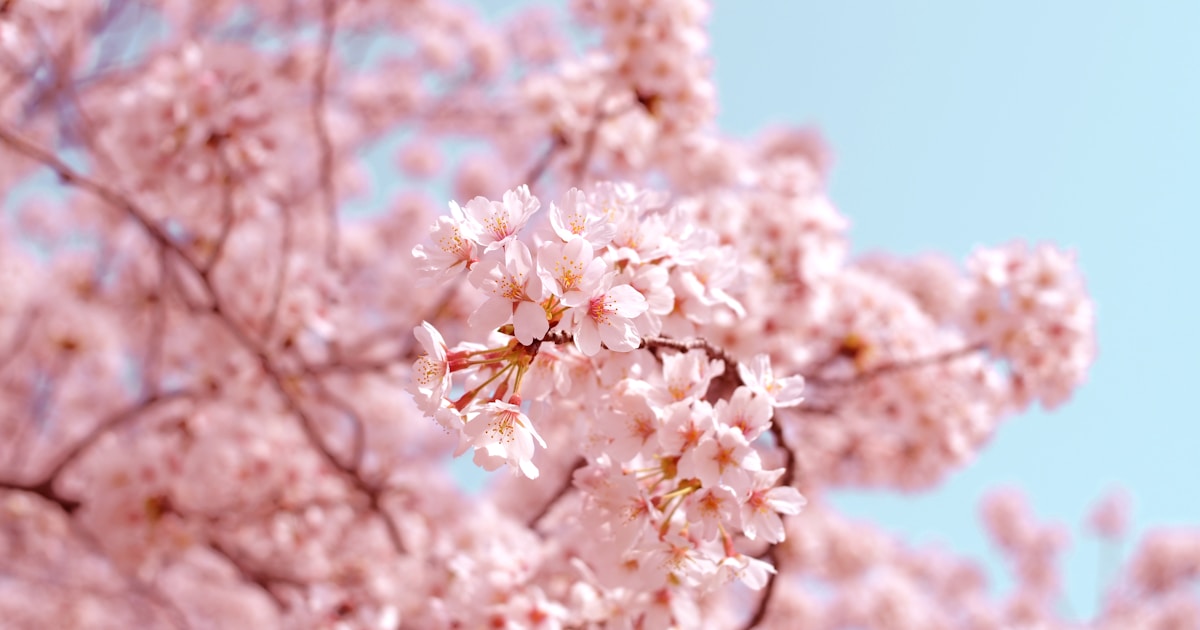
Mie Prefecture is a year-round destination, but different seasons offer very different highlights. Spring is excellent for cherry blossoms throughout the prefecture and for walking the forested approach paths at Ise Jingu when fresh greenery softens the ancient cedars. Summer brings festivals and fireworks and active ama diving along the Toba coast, while Ise lobster season opens in October. Autumn delivers spectacular foliage in the mountainous interior and ideal conditions for walking the Kumano Kodo trails in the southern part of the prefecture.
Winter at Ise Jingu has a particular gravity and solemnity — the reduced crowds, the cool mist through the sacred cedar groves, and the festival calendar of New Year observances draw millions of Japanese visitors for hatsumode (first shrine visit of the new year) while international visitors find the site unusually peaceful. The Ise lobster season runs through winter into spring, and winter kaiseki dinners at Shima Peninsula ryokan featuring lobster, Matsusaka beef, and seasonal seafood are among Japan’s finest dining experiences.
Hidden Gems and Local Tips for Mie
The 125 auxiliary shrines of the Ise Jingu complex receive a tiny fraction of the visitors who crowd the Naiku and Geku, yet many are extraordinarily atmospheric and architecturally significant in their own right. Takihara-no-miya Shrine, a 90-minute drive from Ise in the mountains of the interior, is the oldest of Ise’s 14 betsugu (separate shrines) and set in a cedar forest of almost supernatural beauty and stillness. This is the kind of place where the true spiritual essence of Ise Jingu can be experienced without the crowds of the main shrines.
The Odai-ga-hara plateau in the Yoshino-Kumano National Park, accessible from Mie, receives more annual rainfall than almost anywhere else in Japan and supports a primeval beech and maple forest of extraordinary beauty, particularly in autumn when the foliage turns. Local tip: the Ise area craft sake breweries near Futami produce outstanding nihonshu using rice and water from the Isuzu River watershed, and small-batch labels available only locally make exceptional and distinctive souvenirs from this sacred region.
Practical Information for Mie
Mie Prefecture operates on Japan Standard Time (JST, UTC+9). The Ise Jingu shrines are open daily from early morning to late afternoon, with seasonal variation in opening and closing times. Both the Naiku and Geku are free to enter — there is no admission fee for the main shrine precincts, which is unusual for Japan’s major religious sites. English-language materials and signage are excellent at the main shrines and in the Oharaimachi tourist district. The Ise City Tourist Information Center at Ise-shi Station provides English-language assistance and maps.
Budget Guide for Mie
Mie is a mid-range to premium destination depending on how you engage with its culinary offerings. The good news is that Ise Jingu itself is free to visit, and the Meoto Iwa rocks require no admission fee. Budget travelers staying in simple guesthouses and eating at local restaurants can manage on 8,000 to 12,000 yen per day. Mid-range travelers should budget 18,000 to 28,000 yen per day, including comfortable accommodation with meals at a ryokan. A single Matsusaka beef meal at a reputable restaurant will cost 5,000 to 15,000 yen per person depending on the cut and preparation chosen.
Frequently Asked Questions About Mie
Why is Ise Jingu so important?
Ise Jingu is the most sacred site in Shinto, the indigenous religion of Japan, and is dedicated to Amaterasu Omikami, the sun goddess from whom the Japanese imperial family traces its divine lineage. The shrine has been central to Japanese religious and political identity for over 2,000 years and receives approximately eight million visitors annually. The practice of rebuilding the shrine buildings every 20 years using unchanged traditional methods makes it a living embodiment of Japan’s relationship with tradition, renewal, and sacred continuity.
What is the difference between the Naiku and Geku?
The Geku (Outer Shrine) is dedicated to Toyouke no Omikami, the deity of food, clothing, and housing, and is located in Ise City. The Naiku (Inner Shrine) is dedicated to Amaterasu Omikami, the sun goddess, and is located approximately 6 kilometers from the Geku in a forest along the Isuzu River. Traditional pilgrimage etiquette requires visiting the Geku first before proceeding to the Naiku. Most visitors today focus on the Naiku due to its greater fame, but visiting both provides a more complete understanding of the shrine complex.
Is Matsusaka beef worth the price?
For those who eat beef, Matsusaka beef is absolutely worth the price. It is widely considered the finest wagyu beef in Japan by serious food critics and chefs, and its exceptional marbling, sweetness, and tenderness represent the absolute pinnacle of beef production. A proper restaurant meal featuring Matsusaka beef in the city where it is raised is a culinary experience that justifies a special trip. Prices are high — typically 5,000 to 20,000 yen per person depending on the cut and restaurant — but the quality is unmatched.
What are ama divers?
Ama are traditional Japanese female free-divers who have practiced their craft in the waters of the Shima Peninsula and Ise Bay for over 2,000 years. Using no breathing apparatus, they dive to depths of up to 20 meters to collect abalone, sea urchin, turban shells, and other shellfish. The tradition is matrilineal and passed from mother to daughter, and the ama of Mie are particularly famous — they supplied the oysters that Mikimoto Kokichi used to develop cultured pearls in the 1890s. Today the tradition continues as both a working practice and a cultural heritage attraction in Toba and surrounding areas.
How long should I spend at Ise Jingu?
A thorough visit to both the Naiku and Geku, including the Oharaimachi and Okage Yokocho shopping and food areas near the Naiku, takes approximately 4 to 5 hours. If you want to also visit some of the auxiliary shrines and walk more of the sacred forest trails, allow a full day. The Naiku is best visited early in the morning before the tour groups arrive, when the sacred atmosphere of the cedar forest is most potent. Starting at the Geku as soon as it opens and then proceeding to the Naiku is the ideal approach for a full-day visit.
Can I take photographs at Ise Jingu?
Photography is permitted throughout most of Ise Jingu’s grounds and approach paths, and the cedar forests, sacred bridges, and shrine gates make for excellent photographs. However, photography of the main sanctuary buildings themselves is restricted — at the Naiku, photography is not permitted beyond a certain point near the main sanctuary, which is screened from public view in any case. Photography restrictions are clearly signed, and following them respectfully is important given the sacred nature of the site.
What is the best season to visit Ise Jingu?
Ise Jingu is magnificent in every season. Spring brings fresh greenery to the sacred cedars and cherry blossoms along the Isuzu River. Summer is the festival season, with the ancient Kagura sacred dance performances at their most frequent. Autumn transforms the maple trees along the Isuzu River into brilliant gold and red, creating extraordinary reflections in the sacred water. Winter provides the most solemn and atmospheric experience, with bare trees and possible morning mist creating an atmosphere of profound quietude. New Year is the most crowded period, with millions visiting for hatsumode.
Is Ise accessible from Tokyo as a day trip?
A day trip from Tokyo to Ise is technically possible by shinkansen to Nagoya and then Kintetsu limited express to Ise-shi, but the total journey time of approximately 3 hours each way leaves limited time at the destination and makes for an exhausting day. Strongly recommended instead is an overnight stay in Ise or on the Shima Peninsula, which allows a far more relaxed and complete experience of both the shrine complex and the broader attractions of Mie Prefecture. An Ise trip pairs naturally with Nagoya as a base, or as part of a Kansai circuit via Osaka or Kyoto.
3-Day Mie Itinerary: Ise Grand Shrine, Seafood, and Hidden Peninsulas
Day 1: Ise Grand Shrine and Okage Yokocho
Take the Limited Express Kintetsu from Osaka-Namba to Ujiyamada Station (about 1 hour 45 minutes). Begin at Ise Jingu — Japan’s most sacred Shinto shrine complex and the spiritual heart of Japanese culture. The 125-shrine complex is divided into the Outer Shrine (Geku, dedicated to the food deity Toyouke-Omikami) and Inner Shrine (Naiku, dedicated to the sun goddess Amaterasu-Omikami). Visit Geku first (traditional order), then Naiku — the approach through ancient cedar forest along the Isuzu River creates an atmosphere of profound spiritual calm. Photography of the innermost buildings is prohibited, preserving their sacred character. After the shrines, spend time in Okage Yokocho — a beautifully restored Edo-period street leading to the Inner Shrine’s approach, filled with traditional food shops, craft stores, and restaurants. Try akafuku mochi (soft rice cake topped with sweet red bean paste, a 300-year-old Ise specialty) and ise udon (thick, soft udon in a rich dark soy broth) for an authentic Ise food experience.
Day 2: Toba and the Mikimoto Pearl Island
Take the local train to Toba on the Toba Bay coast. Visit Mikimoto Pearl Island — the birthplace of cultured pearls, where Mikimoto Kokichi perfected the technique in 1893, revolutionizing the global pearl industry. The island museum traces the full history of pearl cultivation with extraordinary examples of pearl art, and regular demonstrations by ama women divers (female breath-hold divers in traditional white cotton diving suits) show the traditional technique of harvesting shellfish and pearls by free diving without breathing equipment — a tradition maintained in Mie for over 2,000 years. Lunch: try Ise lobster (ise-ebi) or abalone (awabi) — both are specialties of the rocky Ago Bay coastline. Afternoon: take a sightseeing boat through the extraordinary Ago Bay ria coast — hundreds of small islands covered in pearl cultivation rafts create one of Japan’s most distinctive coastal landscapes.
Day 3: Kumano Coast and Ninja Museum
Drive southwest along the Kumano coastline to Oni-ga-jo (Demon’s Castle) — extraordinary weathered rock formations of wave-cut tuff that create a maze of corridors, caves, and viewpoints along the rugged Pacific coast. Continue to Shishiiwa (Lion Rock) at Kinan for more dramatic coastal rock scenery. If time allows, detour inland to Iga City, historically the most important center of ninja culture in Japan. The Iga-ryu Ninja Museum features authentic ninja tools, weapons, and a traditional hidden-room ninja residence, with live demonstration performances that appeal to all ages. Return via the Kintetsu Osaka Line from Iga.
Shopping Guide: Mie Souvenirs
Mie’s souvenirs center on its remarkable seafood, pearl, and craft heritage. Mikimoto pearls range from affordable fashion jewelry to collector-grade strands — the Mikimoto flagship store on Pearl Island and in Toba City offers the full range with certificates of authenticity. Akafuku mochi from Ise is Japan’s most famous regional confection, best bought fresh at the main store in Oharaimachi — the company makes it fresh daily with a short shelf life, making it a genuine Ise-exclusive souvenir. Ise udon noodle packs (dried), local soy sauce from traditional Mie breweries, and dried abalone (awabi) and dried Ise lobster products make distinctive food gifts. For crafts, Ise cloth (Ise-momen cotton fabric) in traditional patterns and Iga pottery (Iga-yaki, a rugged, fire-influenced stoneware) from the ninja hometown of Iga are excellent artisan souvenirs.
Family-Friendly Activities in Mie
Toba Aquarium is one of Japan’s finest and most comprehensive aquariums, housing the world’s only captive dugong alongside walruses, manatees, sea otters, and a remarkable variety of marine species including rare deep-sea creatures. The aquarium’s 12 “zones” include a spectacular 600-tonne open ocean tank and a mangrove ecosystem display. Children spend 3–4 hours easily exploring all sections. Ninja experience activities in Iga City are enormously popular with children — the Iga Ueno Ninja Festival (held in late April and early May) features hundreds of participants in ninja costume with demonstrations, ninja tool-throwing competitions, and children’s activities. Ise Shrine’s Okage Yokocho shopping street with its traditional sweets, mochi making demonstrations, and historical atmosphere is excellent for families. The Ago Bay pearl farm tours — viewing actual cultured pearl cultivation rafts and learning how pearls develop — are educational and memorable for older children.
Solo Travel Tips for Mie
Mie is outstanding for solo travelers drawn to Japan’s spiritual, culinary, and craft dimensions. Ise Jingu’s predawn atmosphere (the outer shrine opens at 5 AM in summer) rewards early-rising solo visitors with an extraordinary sense of stillness and spiritual presence before the crowds arrive. The ama culture of Mie’s coast — where female breath-hold divers still practice their ancient trade — is accessible to solo visitors through the Toba Sea-Folk Museum and dedicated ama huts (amagoya) in Shima Peninsula where divers serve fresh seafood they’ve caught that morning. Solo day trips from Osaka, Nagoya, or Kyoto are all feasible, with excellent Kintetsu express train connections. A rental car from Toba or Ise unlocks the peninsula’s hidden coves, small fishing villages, and rural ama communities most effectively.
Frequently Asked Questions About Mie
Do I need to be Shinto to visit Ise Jingu?
No — Ise Jingu welcomes all visitors regardless of religious background. The shrines are open to anyone who approaches respectfully. Simple etiquette applies: bow at torii gates, follow the path on the left (traditionally), do not enter roped-off sacred areas, and avoid loud behavior near the inner sanctuaries. Photography is welcomed throughout most of the approach and grounds; the innermost buildings (behind fence gates) cannot be photographed. The spiritual atmosphere is accessible and meaningful to visitors of all backgrounds.
How do I get to Ise from Osaka or Nagoya?
From Osaka: the Kintetsu Limited Express from Osaka-Namba to Ujiyamada Station takes approximately 90 minutes (¥3,870 with limited express surcharge). From Nagoya: the Kintetsu Express from Nagoya to Ujiyamada takes about 90 minutes (¥2,860). JR service is also available from Nagoya but slower. The Kintetsu Ise-Shima Pass (¥5,000 for 3 days) covers unlimited travel on Kintetsu lines throughout Mie including Toba and Kashikojima — excellent value for a multi-day visit.
What is the ama diving tradition?
Ama (sea women) are female breath-hold divers who have practiced along Mie’s coastline for over 2,000 years. Diving to depths of 5–20 meters without breathing equipment, they harvest abalone, sea urchin, turban shells, and pearls from the rocky seafloor. The tradition is matrilineal — skills passed from mothers to daughters — and an estimated 1,000 active ama divers remain in Mie today, though the number has declined significantly from peak periods. The Toba Sea-Folk Museum documents this extraordinary tradition comprehensively, and the ama huts (amagoya) at Goza and Osatsu allow visitors to meet working divers and taste freshly grilled seafood.
Is Ise better than Kyoto for shrine experiences?
Different rather than better — Ise Jingu offers Japan’s most spiritually significant Shinto experience in a natural forest setting very different from Kyoto’s elaborate temple culture. Ise’s cedar forest approach, the sound of the Isuzu River, and the deliberately simple architecture of the Inner Shrine (which is deliberately rebuilt in identical form every 20 years — the next rebuilding is in 2033) create a profoundly different and arguably more emotionally powerful experience than Kyoto’s ornate temples and shrines. Many Japan devotees consider a visit to Ise Jingu essential for understanding the spiritual roots of Japanese culture in ways that Kyoto alone cannot convey.
Mie Prefecture stands apart from Japan’s famous tourist trail as a destination of exceptional depth — where Japan’s most sacred spiritual site, one of its oldest culinary traditions, extraordinary pearl heritage, and a living ancient diving culture coexist within a single prefecture of remarkable natural beauty. For travelers willing to look beyond Kyoto and Tokyo, Mie delivers experiences of genuine emotional power and cultural authenticity that reward every visit.
Related guides
- Nishiki Market Travel Guide 2026: A First-Timer’s Guide to Eating Your Way Through Kyoto’s Kitchen
- Best Day Trips from Osaka 2026: Kyoto, Nara, Kobe, Hiroshima, and Beyond
- Best Day Trips from Kyoto 2026: Complete Guide to Nara, Hiroshima, Osaka and Beyond
Going to Japan? Speak Japanese with confidence.
Hirameki Japanese — camera translate for menus and signs, a two-way conversation mode, and furigana + romaji on every phrase. Free to download with kana charts, conversation mode and starter words; a one-time purchase unlocks everything.
⬇ Get it on the App Store
Plan your Japan trip
Two things every first-timer should book
Some links are affiliate links. If you book through them we may earn a small commission at no extra cost to you.