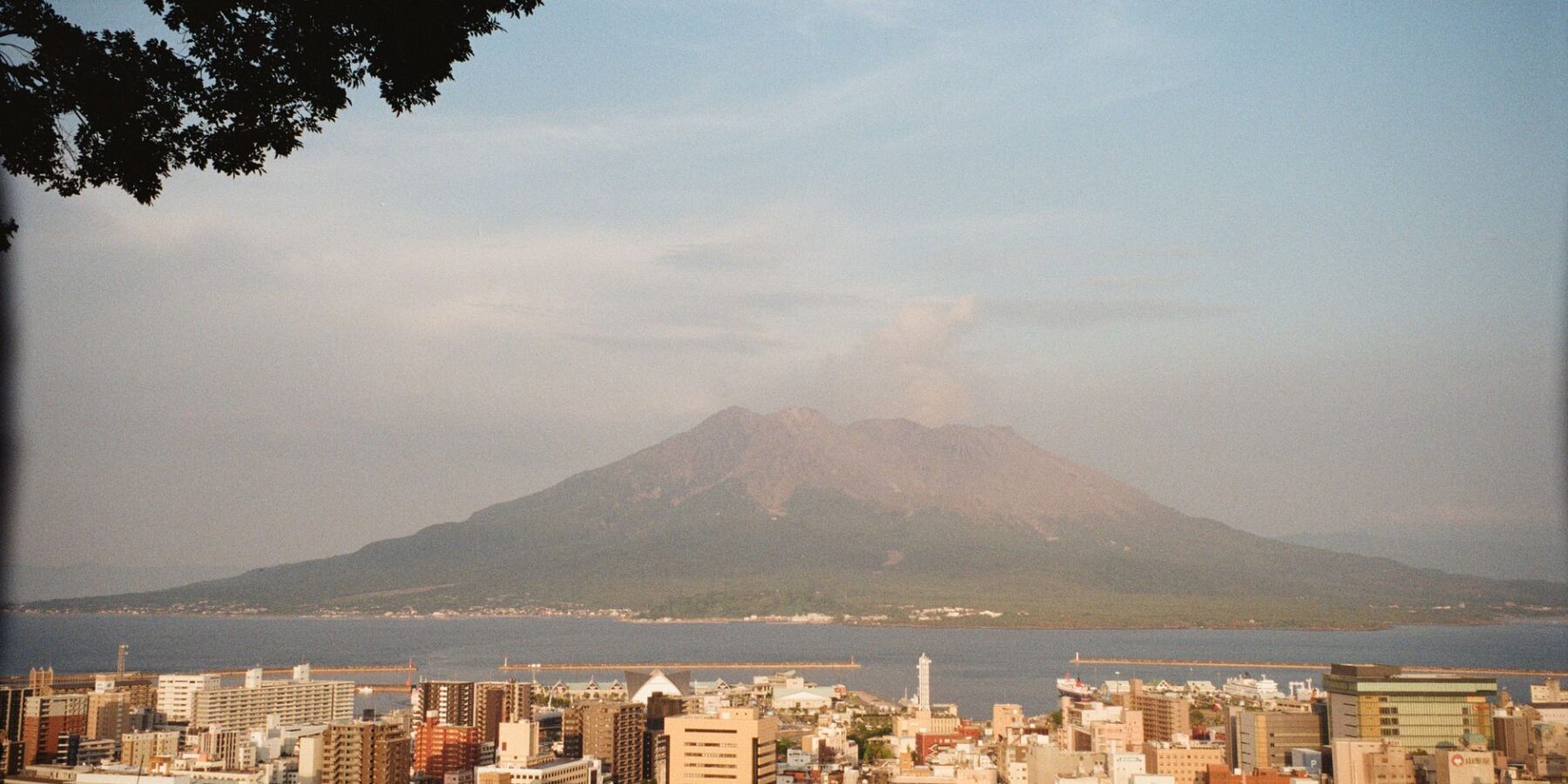
At the southwestern tip of Japan’s Kyushu island, Kagoshima stands apart from every other Japanese city. It is the only prefectural capital with an active volcano as its front yard — Sakurajima, one of the world’s most continuously active volcanoes, rises 1,117 meters from Kagoshima Bay just a 15-minute ferry ride from downtown. The city is regularly dusted with volcanic ash, and its residents check eruption forecasts as routinely as the weather. Yet Kagoshima is also one of Japan’s most historically significant cities, the home of the Shimazu clan that ruled this southern domain for seven centuries and shaped modern Japan through the Meiji Restoration.
Beyond the volcano and the samurai history, Kagoshima offers Japan’s most famous sand baths at Ibusuki, the extraordinary island of Yakushima with its ancient cedar forests (a UNESCO World Heritage Site), excellent local cuisine including Kurobuta black pork and Shochu spirits, and a warm subtropical climate that makes it pleasant to visit year-round.

Sakurajima: Living Beside an Active Volcano
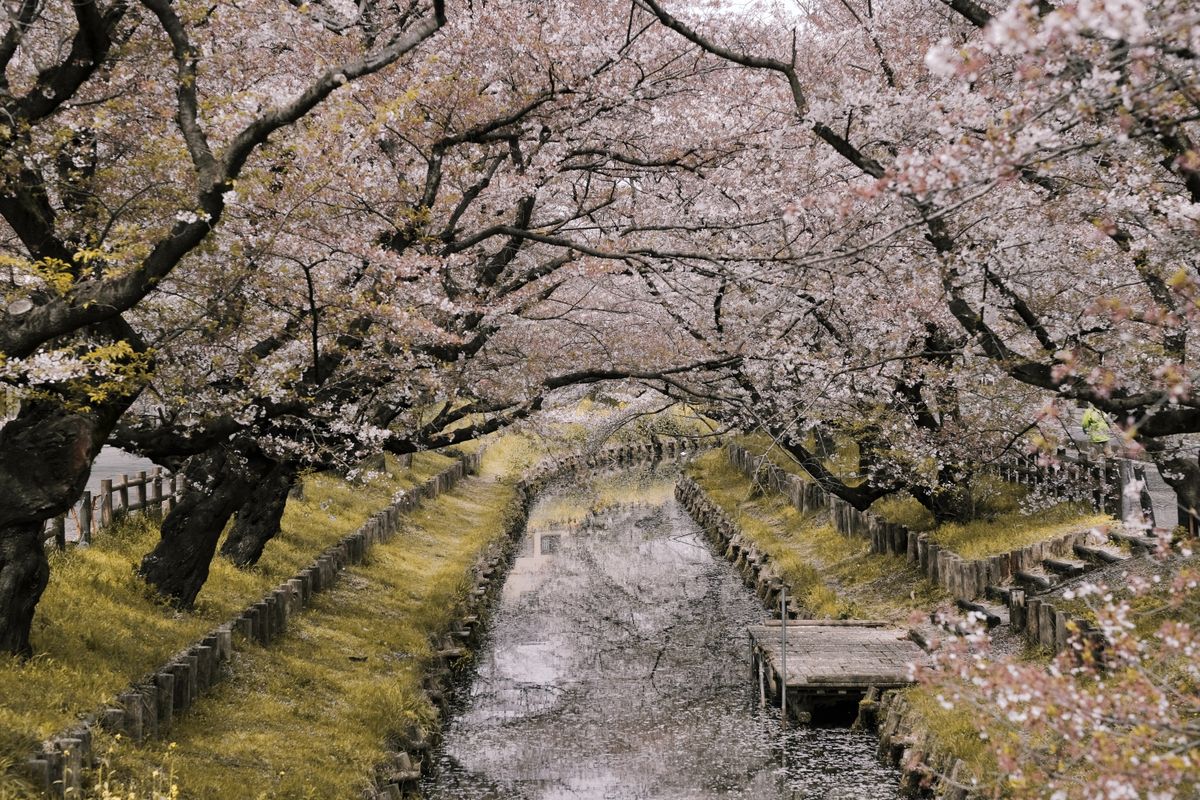
Sakurajima is not just a backdrop — it is the defining feature of Kagoshima life. The volcano erupts hundreds of times per year (though most eruptions are small), and on a clear day the column of ash rising from its twin peaks is one of the most dramatic sights in Japan. Kagoshima residents keep car roofs covered and carry umbrellas not for rain but for volcanic ash (called “hai” locally; residents collect it in special yellow ash bags for municipal pickup).
For visitors, Sakurajima is completely safe to visit under normal conditions. The island was connected to the Osumi Peninsula by a lava flow in 1914, but the ferry remains the standard route from Kagoshima city center. The ferry runs 24 hours a day (every 10–15 minutes during daytime) and takes just 15 minutes. The fare is remarkably cheap at only ¥200 (~$1.35) per person.
What to Do on Sakurajima
Yunohira Observatory is the highest point accessible by road (373m) and offers dramatic views of the volcano’s active Minami-dake crater and across the bay to Kagoshima city. Free admission; reach by rental bicycle or bus from the ferry terminal. The Arimura Lava Observatory at the southern end of the island provides closer views of the 1914 lava field that buried an entire village — the impressive scale of the destruction is still visible today.
Nagisa Lava Trail is a 3-kilometer walking path along the coastline through otherworldly black lava formations. The trail leads to a small foot bath (ash foot onsen) where you can soak tired feet in volcanic hot spring water for free.
The world’s largest daikon radish is grown in Sakurajima’s volcanic soil and typically weighs 10 to 20kg (the record is over 30kg) — they are sold at roadside stalls and are a popular souvenir among Japanese visitors. Free to view; purchase optional.
Cycling around the island takes 2–3 hours at a leisurely pace (the circuit is about 36 kilometers). Rental bicycles are available at the ferry terminal for ¥500–¥1,500 per day (~$3.40–$10). E-bikes are also available for ¥3,000 per day (~$20), which is strongly recommended given the hilly terrain.
Sakurajima Safety Information
The Japanese Meteorological Agency maintains a constant eruption alert for Sakurajima. Alert levels range from 1 (no restriction) to 5 (evacuation). The level is almost always at 2 or 3, meaning visitors should not approach within 2–3 kilometers of the active crater, which affects only the highest hiking trails. All tourist areas including the observatories are within the safe zone at alert levels 2–3. Check the current alert level at the ferry terminal or at the Sakurajima Visitor Center before your visit.
Kagoshima City: Samurai History and Modern Charm
Kagoshima city is sometimes called the “Naples of the Eastern World” — an old comparison to the Italian city overlooking Vesuvius — and the parallel holds: a laid-back southern character, excellent food, and a dramatic volcanic backdrop. The city of about 600,000 is compact, easy to navigate, and home to several important historical and cultural sites.
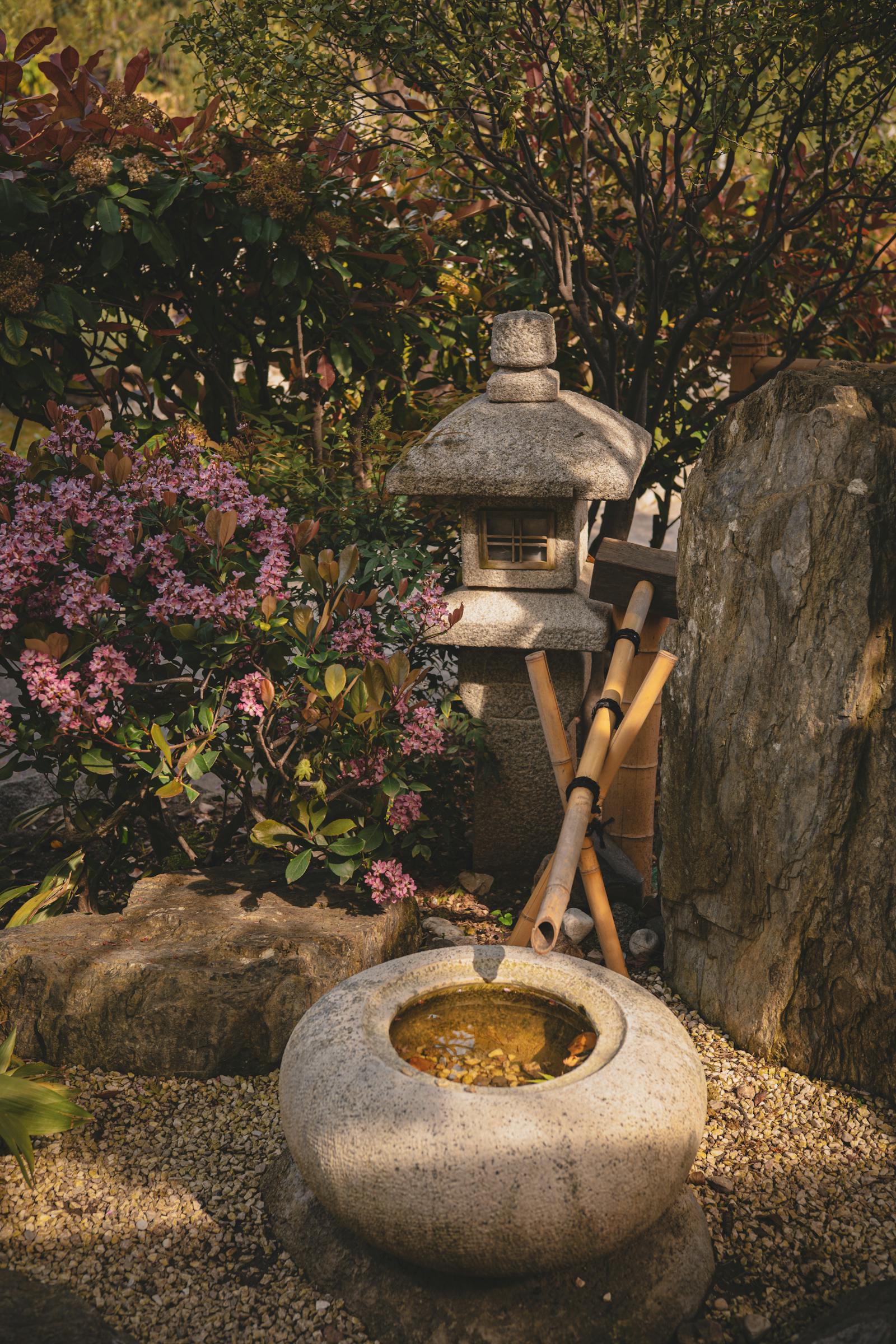
Sengan-en (Iso Garden) is an extraordinary landscape garden created by the Shimazu clan in 1658, with Sakurajima deliberately framed as a “borrowed scenery” backdrop — surely the most spectacular garden view in Japan. The garden covers 50,000 square meters and includes a historic villa, traditional craftwork workshops, and a small museum. Admission: ¥1,500 (~$10) for the garden, or ¥2,000 (~$13.50) including the villa. Open daily 8:30–17:30. A 15-minute bus ride from Kagoshima Chuo Station.
Shoko Shuseikan Museum, adjacent to Sengan-en, tells the story of the Shimazu clan’s remarkable 19th-century modernization program — importing Western technology decades before the Meiji government did so nationally. The museum is housed in the stone machine factory of the Shuseikan industrial complex, built in 1865. Admission is included in the Sengan-en ticket.
Reimeikan (Kagoshima Prefectural Museum of Culture) occupies the former site of Tsurumaru Castle and provides excellent context for understanding Kagoshima’s complex history — from the Shimazu clan’s unusual autonomy within the feudal system to the Satsuma domain’s pivotal role in the Meiji Restoration and subsequent modern Japanese history. Admission: ¥300 (~$2). Closed Mondays.
Terukuni Shrine is dedicated to the 28th Shimazu lord Nariakira, who is credited with transforming Satsuma into one of the most powerful domains in pre-Meiji Japan. The shrine sits in a small forested enclave in the center of the city and is free to visit.
Kagoshima Cuisine: Kurobuta, Shochu, and More
Kagoshima’s food scene is genuinely excellent and often overlooked by travelers rushing through. Kurobuta black pork (Berkshire pork) is the local specialty, raised on sweet potatoes in Kagoshima’s farms and known for exceptional marbling and flavor. You will find it in tonkatsu (breaded cutlet, ¥1,200–¥2,500 / ~$8–$17), shabu-shabu, and ramen. Black pork ramen (¥900–¥1,400 / ~$6–$9.50) is the local variation worth trying.
Shochu (芋焼酎) distilled from sweet potatoes is Kagoshima’s signature spirit, and the prefecture produces hundreds of varieties ranging from mild and floral to earthy and robust. Izakayas throughout the city serve extensive shochu menus; a glass costs ¥400–¥800 (~$2.70–$5.40). Several distilleries offer free tours and tastings.
Kagoshima ramen is distinct from other regional styles: the broth is rich pork-based (tonkotsu) but lighter than Fukuoka’s version, typically served with thin straight noodles and topped with sesame and wood ear mushrooms. A bowl costs ¥800–¥1,400 (~$5.40–$9.50) at local shops.
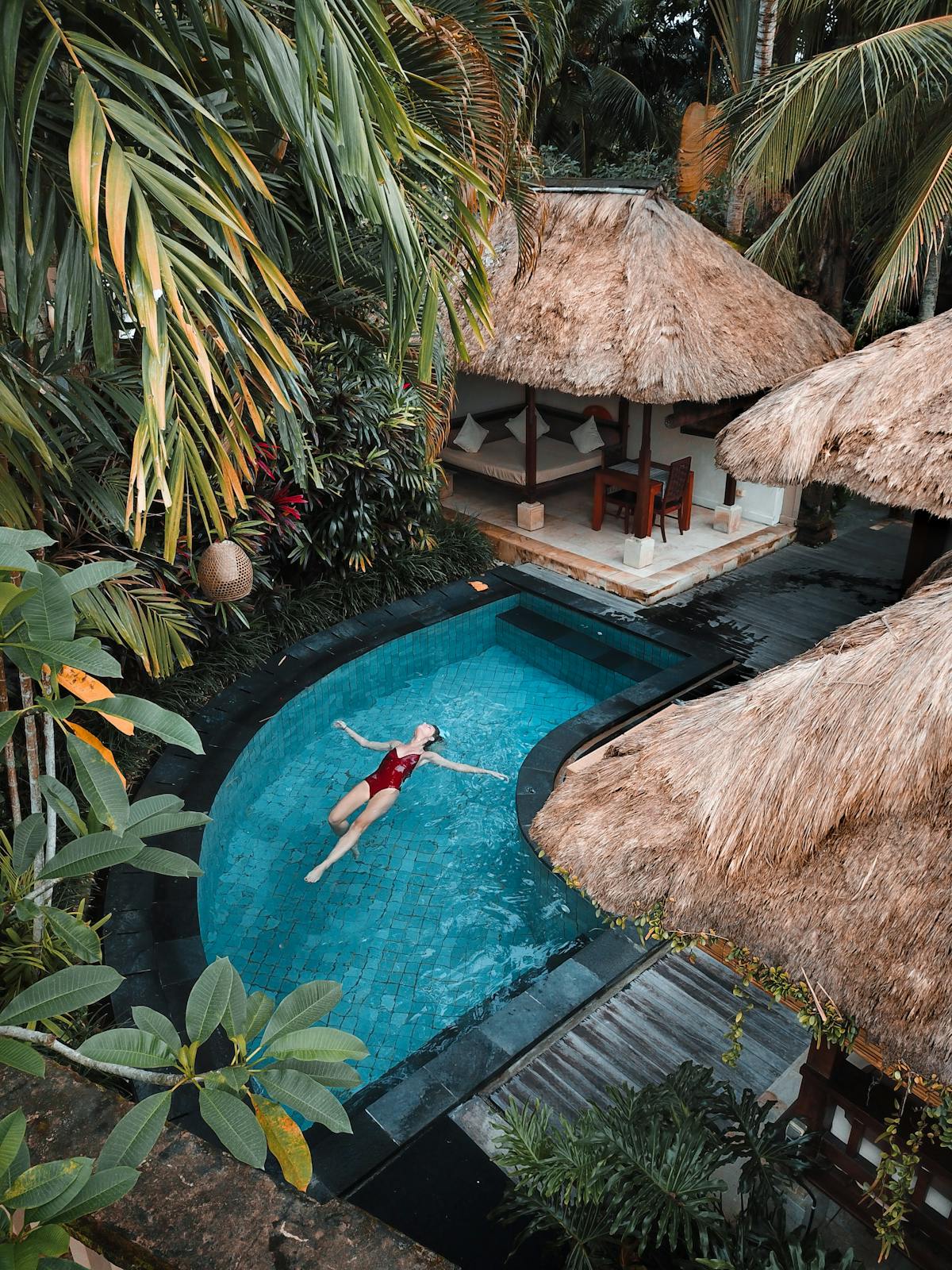
Ibusuki: Japan’s Famous Sand Baths
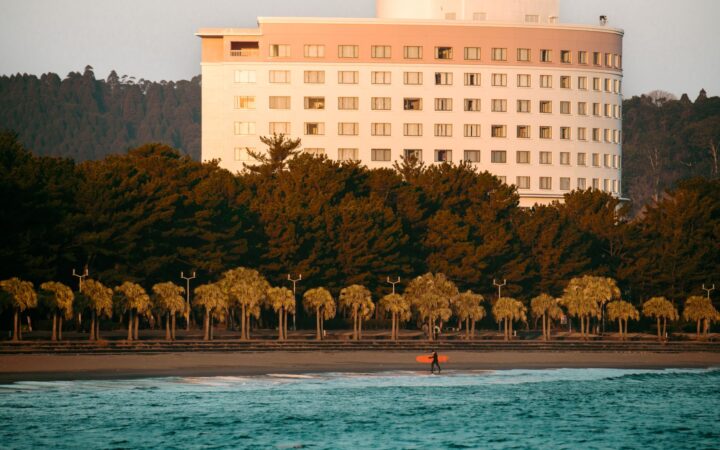
Ibusuki, about 50 kilometers south of Kagoshima city, is famous throughout Japan for its unique sand baths (sunamushi onsen). The geothermal heat from volcanic activity warms the black sand on the beach to a natural temperature of about 50–55°C, and visitors are buried up to their necks in the warm sand by attendants — a deeply relaxing and slightly bizarre experience that has been practiced here for over 300 years.
Saraku (Sunamushi Kaikan) is the most famous public sand bath facility, right on Surigahama beach. The bathing process takes about 10–15 minutes buried in the sand, followed by a rinse in the adjacent hot spring baths. Cost: ¥1,600 (~$11) including rental yukata (cotton robe) and towel. Open daily 9:00–17:30 (last entry 17:00). The covered outdoor bath area means you can enjoy the experience even in rain.
Getting to Ibusuki: Take the JR Ibusuki Makurazaki Line from Kagoshima Chuo Station (about 1 hour, ¥1,020 / ~$7). The “Ibusuki no Tamatebako” scenic train runs on weekends and holidays (reservation required, ¥250 / ~$1.70 surcharge) through beautiful coastal scenery.
Yakushima: Ancient Cedar Forests and Wilderness
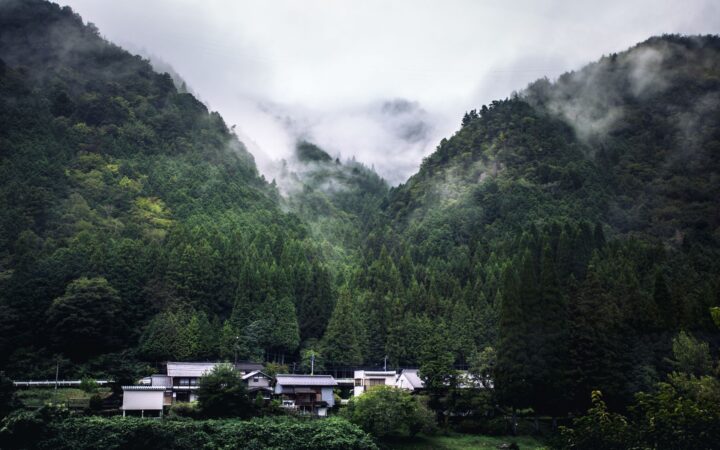
Yakushima, an island about 60 kilometers off the southern tip of Kyushu (roughly 130 kilometers from Kagoshima city), is one of Japan’s most extraordinary natural environments and a UNESCO World Heritage Site since 1993. The island’s mountainous interior receives extraordinary rainfall (up to 8,000mm per year in some areas) that sustains ancient cedar forests where some trees are estimated to be over 7,000 years old. The landscape — mossy forests, tumbling rivers, and jagged granite peaks — reportedly inspired the setting of Studio Ghibli’s “Princess Mononoke.”
Jomonsugi, the most famous ancient cedar, is estimated to be 2,170–7,200 years old and requires a challenging full-day hike (approximately 10 hours round trip, 22 kilometers) to reach. The trail starts at Arakawa Trailhead (accessible by bus from Yakushima’s main ports during hiking season). No special fee beyond the bus, but the trail is well-maintained and a very popular destination — start early (before 6:00am) to avoid crowds. The best hiking season is March to November; the island is extremely wet, so waterproof gear is essential year-round.
Shiratani Unsuikyo Ravine is a shorter alternative (2–4 hours) that covers similar fairy-tale moss-forest terrain and is more accessible for casual hikers. Admission: ¥500 (~$3.40). The ravine is most magical in light mist or after rain.
Getting to Yakushima: Toppy/Rocket high-speed jetfoil from Kagoshima Port to Miyanoura (about 2 hours direct), or the slower, cheaper Ferry Yakushima 2 (about 4 hours). Flights from Kagoshima Airport take about 35 minutes (¥13,000–¥18,000 / ~$88–$120 one-way). A minimum of 2–3 nights on the island is recommended to do the hiking justice.
Book your Yakushima or Kagoshima hotel on Agoda →
Practical Tips for Visiting Kagoshima
Getting to Kagoshima: Kagoshima Chuo Station is the southern terminus of the Kyushu Shinkansen, connecting directly to Fukuoka (Hakata) in about 1 hour 20 minutes (¥10,440 / ~$70), and to Osaka in about 4 hours (¥24,160 / ~$163). From Tokyo, the total shinkansen journey is about 7 hours (¥44,000+ / ~$300). Flying from Tokyo to Kagoshima Airport takes about 1.5 hours (¥15,000–¥35,000 / ~$100–$235). Kagoshima Airport is about 40 minutes from Kagoshima-chuo Station by non-stop limousine bus (¥1,500 / ~$10).
Getting around Kagoshima: The city tram (streetcar) is the most convenient way to travel within the city center (flat fare ¥170 / ~$1.15). A one-day pass costs ¥600 (~$4). The city also operates a “Kagoshima City View Bus” tourist loop bus (¥190 per ride, or ¥600 for a one-day pass) connecting major attractions including Sengan-en, the Ferry Terminal, and the city center.
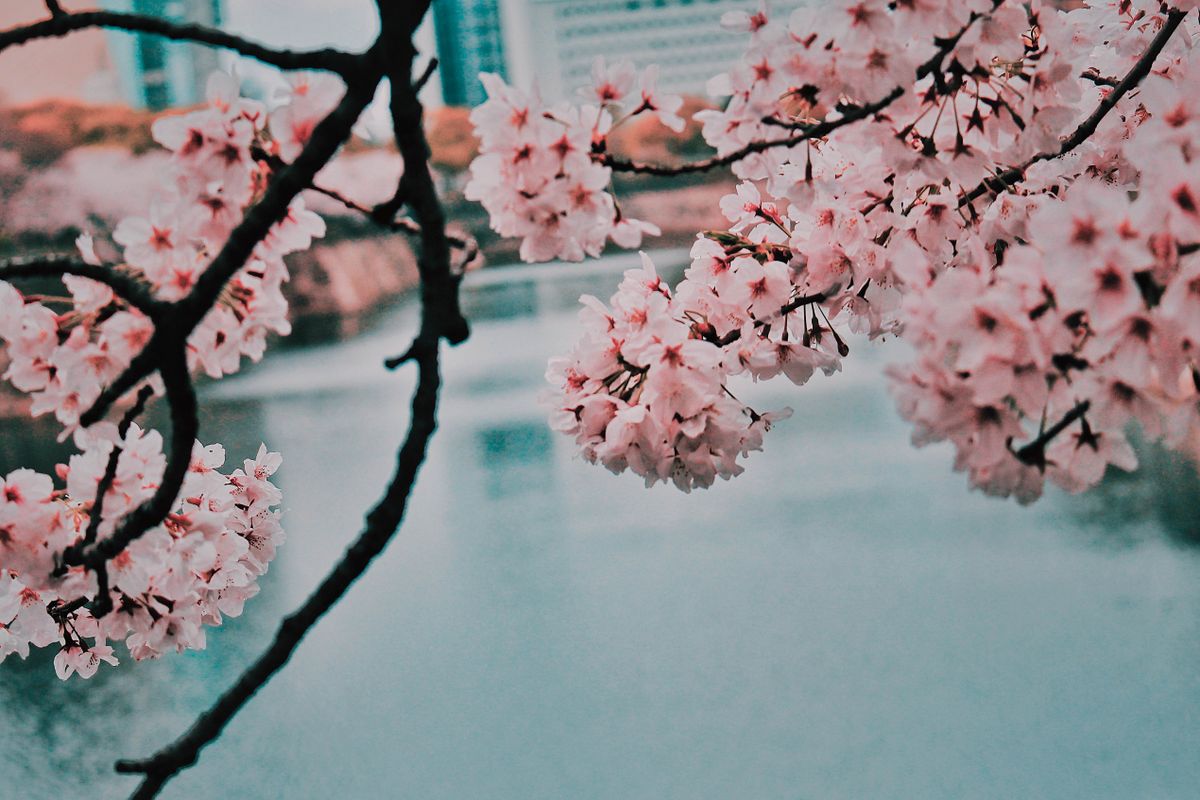
Best time to visit: Kagoshima’s subtropical climate makes it pleasant year-round. Spring (March–May) is perhaps the best time: mild temperatures, cherry blossoms around late March, at about the same time as Tokyo, and before the rainy season begins in June. Typhoon season (July–October) can bring heavy rain and high winds; Kagoshima is frequently in the path of typhoons, so check forecasts carefully during this period. Winters are mild (10–15°C in January) compared to the rest of Japan.
Volcanic ash considerations: If Sakurajima is erupting during your visit, ash may fall on the city. Carry a small face mask (available at convenience stores and drugstores for ¥100–¥300 / ~$0.70–$2) and keep car windows closed. Most ash falls are light and not harmful, but eye and throat irritation is possible.
Stay connected: An eSIM is useful throughout Kagoshima city and the main tourist areas, though coverage can be limited in Yakushima’s mountain interior.
Get your Japan eSIM (Stay connected from day 1) →
Frequently Asked Questions About Kagoshima
Is it safe to visit Kagoshima with Sakurajima erupting?
Yes, under normal alert levels (1–3), Kagoshima city and the tourist areas of Sakurajima island are completely safe. The active craters are restricted from visitors but the observatories and coastal areas are well within the safe zone. The Japan Meteorological Agency monitors the volcano 24 hours a day and updates alert levels accordingly. Kagoshima’s residents have lived peacefully alongside this volcano for centuries.
How long should I spend in Kagoshima?
Two to three days covers Kagoshima city and Sakurajima comfortably. Add one or two days for Ibusuki. Yakushima requires 2–3 additional nights (the hiking alone justifies this). If you want to do everything, plan for 5–7 days in the Kagoshima area.
What is the best way to get from Fukuoka to Kagoshima?
The Kyushu Shinkansen from Hakata Station in Fukuoka to Kagoshima Chuo takes about 1 hour 20 minutes by the fastest Mizuho service. The fare is ¥10,440 (~$70) for a regular reserved seat. The Japan Rail Pass covers this journey on the Sakura; to ride the Mizuho, pass holders add a one-way NOZOMI MIZUHO Ticket (¥5,150 Hakata–Kagoshima-Chuo). Buses also run the route (about 4 hours, around ¥4,000 / ~$27) but the shinkansen is far more practical.
Can I visit Yakushima as a day trip from Kagoshima?
Technically yes, but it is not recommended. The ferry alone takes 1 hour 45 minutes each way, leaving very little time on the island, and Yakushima’s best experiences (ancient cedar forests) require all-day hikes. Plan for at least 2 nights on the island — ideally 3 if you want to hike to Jomonsugi and also explore Shiratani Unsuikyo.
What is Kurobuta pork and where can I try it in Kagoshima?
Kurobuta (黒豚) is the Japanese name for Berkshire pork, a heritage breed raised in Kagoshima on a diet that traditionally included sweet potatoes. The result is meat with exceptional marbling, a sweet flavor, and tender texture. Try it as tonkatsu (breaded cutlet) at specialist restaurants in Kagoshima city; good options are concentrated near Tenmonkan shopping arcade. Budget ¥1,500–¥3,000 (~$10–$20) for a proper tonkatsu set meal.
Is a Japan Rail Pass useful for Kagoshima?
Yes, particularly if you are combining Kagoshima with other Kyushu destinations or coming from Osaka or further. The Kyushu Shinkansen is covered by the national JR Pass (the Mizuho needs an extra NOZOMI MIZUHO Ticket) and by the Kyushu Rail Pass. However, the ferry to Sakurajima and island transport are not covered by the JR Pass, though JR local trains, including the line to Ibusuki, are. Factor these costs into your planning.
Related Kyushu Travel Guides
Discover more of Kyushu with these related guides: Sakurajima, Japan’s most active volcano, Mount Aso’s volcanic caldera in Kumamoto, Kurokawa Onsen’s riverside hot springs, the Nagasaki Peace Park, and Aoshima Island and the Nichinan Coast in Miyazaki.
Going to Japan? Speak Japanese with confidence.
Hirameki Japanese — camera translate for menus and signs, a two-way conversation mode, and furigana + romaji on every phrase. Free to download with kana charts, conversation mode and starter words; a one-time purchase unlocks everything.

Plan your Japan trip
Two things every first-timer should book
Some links are affiliate links. If you book through them we may earn a small commission at no extra cost to you.