Introduction to Shiga Prefecture
Shiga Prefecture occupies a special place in Japan’s geography and history, wrapped around Lake Biwa, the country’s largest and oldest lake. Located in the heart of the Kinki region, Shiga sits between Kyoto and the mountains of central Japan, making it simultaneously one of Japan’s most historically rich and most naturally beautiful prefectures. Despite being just minutes from Kyoto by train, Shiga remains surprisingly underexplored by international visitors, offering an authentic Japan experience with a fraction of the crowds found at more famous neighboring destinations.
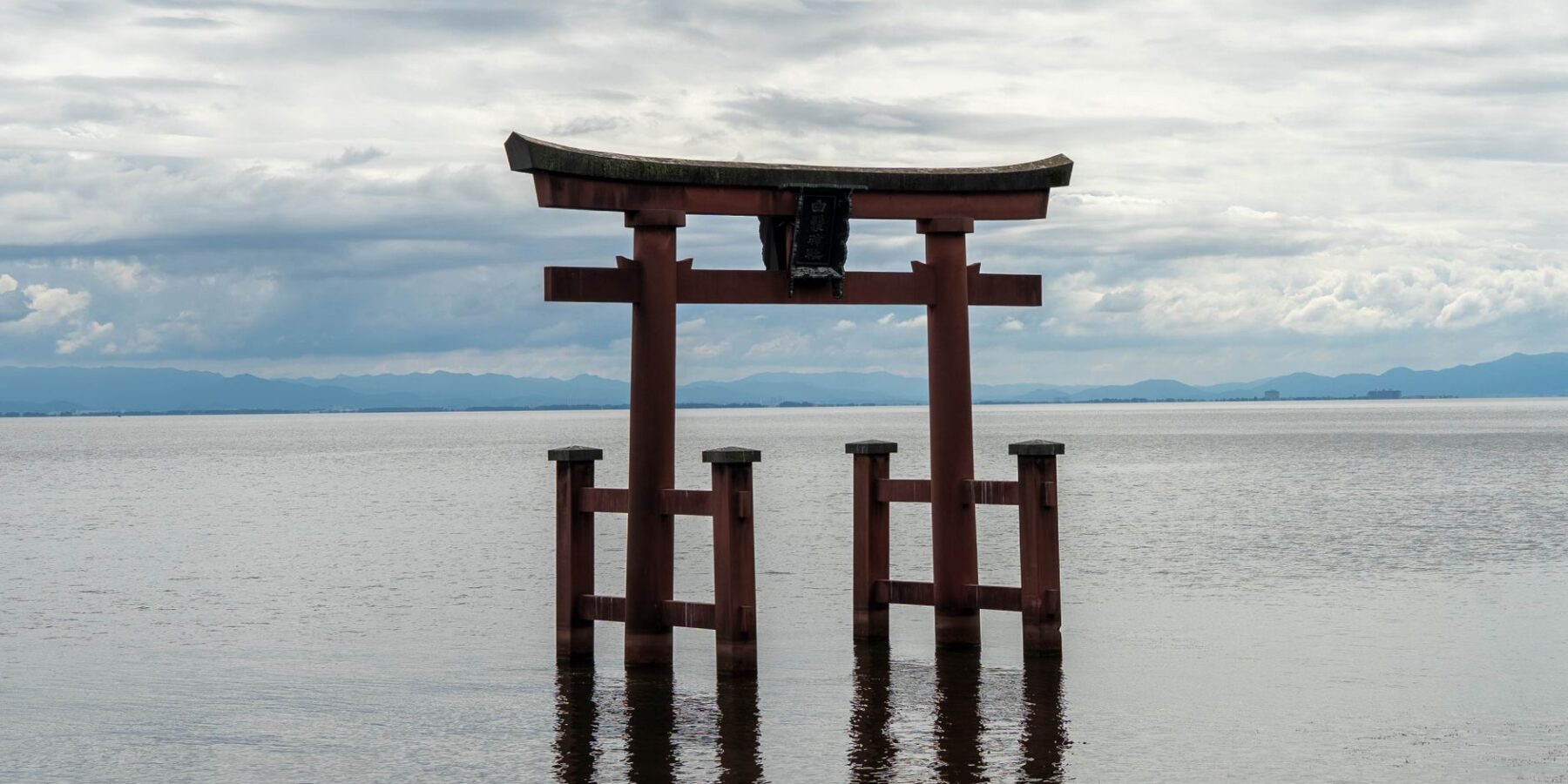
Lake Biwa dominates Shiga’s landscape, personality, and culture in every way. Ancient shrines perch on its shores, feudal castles rise above its waters, and fishing communities have sustained themselves from its depths for thousands of years. Beyond the lake, Shiga contains extraordinary cultural heritage: Enryakuji temple complex on Mount Hiei, the deep historical importance of the Omi region, and castle towns that preserve Edo-period architecture in remarkable condition. This comprehensive guide covers everything you need to plan an outstanding visit to Shiga Prefecture.
Top Attractions in Shiga Prefecture
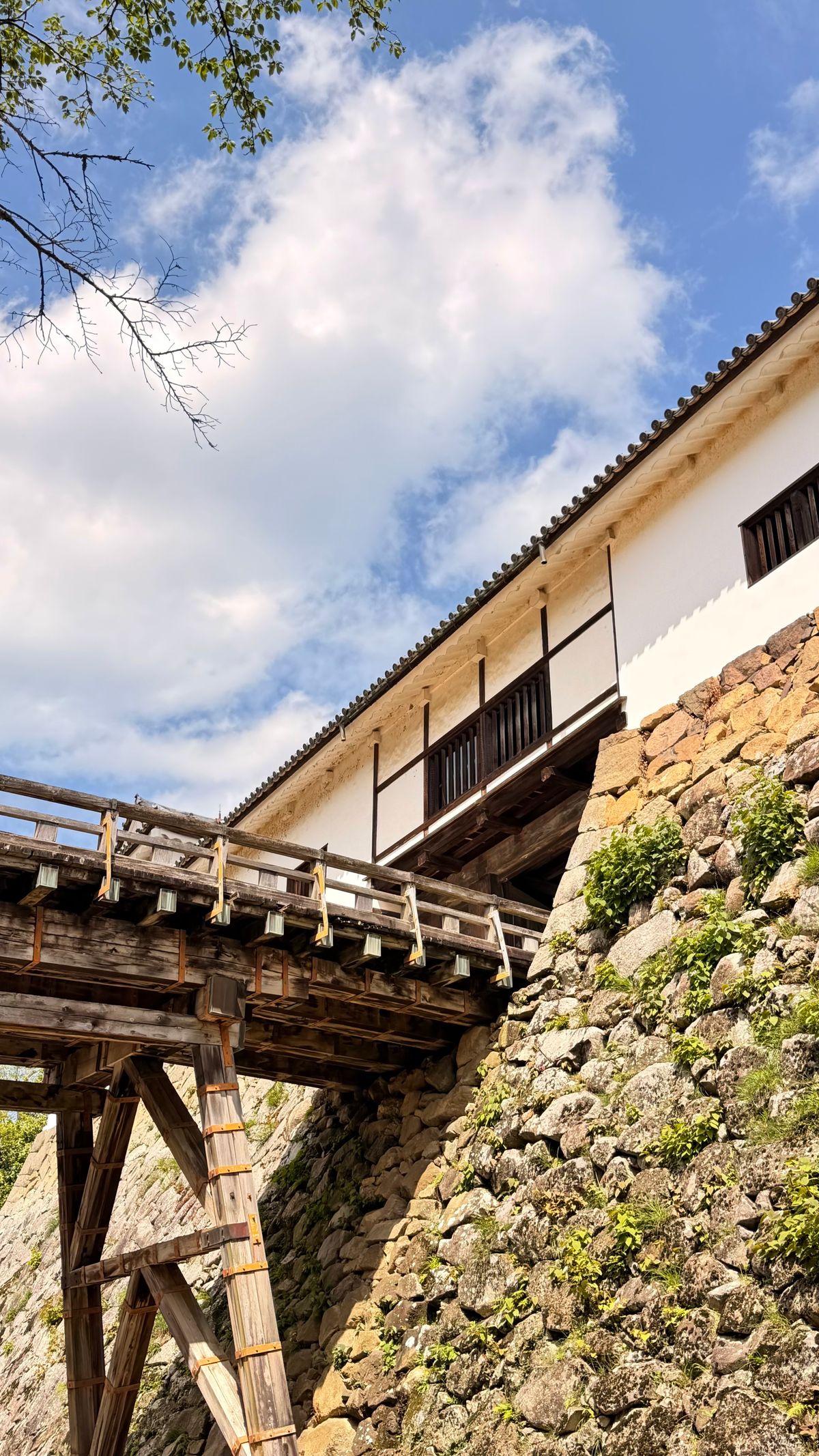
Lake Biwa: Japan’s Ancient Inland Sea
Lake Biwa is the largest lake in Japan, covering approximately 670 square kilometers and accounting for more than one-sixth of Shiga’s total area. It is also one of the world’s oldest lakes, having formed approximately 4 million years ago — a geological antiquity that has allowed the evolution of numerous endemic species found nowhere else on Earth. The lake is the primary water source for approximately 15 million people in the Kinki region, and its cultural and ecological significance is impossible to overstate.
For visitors, Lake Biwa offers a remarkably varied set of experiences. Cruise ships operate regular tours from Otsu and Hikone, providing views of the lake’s extraordinary scale and the mountains that rise from its shores. The eastern and western shores offer very different characters: the western side is more developed and easily accessible from Kyoto, while the eastern shore retains a more rural, traditional atmosphere with paddy fields, small fishing villages, and historic castle towns. Kayaking, windsurfing, and cycling along the lake’s perimeter are popular with both Japanese and international visitors.
The Lake Biwa Canal, a remarkable feat of Meiji-era engineering completed in 1890, carries water from the lake to Kyoto and passes through a series of tunnels and aqueducts that are now popular sightseeing attractions in their own right. The canal towpath through Okazaki in eastern Kyoto is lined with cherry trees and is one of the most beautiful spring strolling routes in the entire Kansai region.
Hikone Castle: A National Treasure
Hikone Castle is one of Japan’s most celebrated original castles and one of only five castles designated as a National Treasure — the highest level of cultural preservation recognition in Japan. Built in the early 17th century by the Ii clan, who ruled the Hikone domain for 16 generations, the castle has survived intact for over 400 years in a state of extraordinary preservation. The three-story castle tower, with its elegant rooflines and whitewashed walls, is widely regarded as one of the most beautiful castle towers in Japan.
The castle grounds include extensive gardens, defensive walls, moats, and several subsidiary buildings that together create a comprehensive picture of feudal Japanese military architecture. The Genkyuen garden, a traditional daimyo garden adjacent to the castle, reflects the lake’s waters and the surrounding mountains in a composition of refined beauty. Cherry blossom season at Hikone Castle is spectacular, with hundreds of trees transforming the castle grounds into a scene of extraordinary pink-and-white beauty that attracts visitors from across Japan.
The castle town of Hikone, particularly the preserved merchant district around the castle’s eastern approaches, retains much of its Edo-period character. Walking the old streets, browsing craft shops, and eating at traditional restaurants serving Omi beef — one of Japan’s three great wagyu beef varieties — is an excellent complement to the castle visit itself. Budget approximately half a day for the castle and its immediate surroundings.
Enryakuji Temple on Mount Hiei
Enryakuji Temple, perched on the summit and slopes of Mount Hiei at the border between Shiga and Kyoto prefectures, is one of the most historically important Buddhist temple complexes in Japan. Founded in 788 by the monk Saicho, Enryakuji became the head temple of the Tendai school of Buddhism and for centuries served as the training ground for monks who went on to found many of Japan’s most significant Buddhist schools, including Zen, Pure Land, and Nichiren Buddhism. The temple complex is designated as a UNESCO World Heritage Site as part of the Historic Monuments of Ancient Kyoto.
The complex spreads across three distinct areas on the mountain — the Todo (eastern pagoda), Saito (western pagoda), and Yokawa areas — connected by forest paths through ancient cryptomeria cedar groves. The Konpon Chudo (Main Hall) has burned and been rebuilt multiple times over the centuries but contains the Fumetsu no Ho-to, the eternal flame that has burned continuously since the temple’s founding over 1,200 years ago. A cable car from the Shiga side and the Eizan Electric Railway from the Kyoto side both provide access to the mountaintop.
Omihachiman: Venice of Japan
Omihachiman is one of Shiga’s most charming historic towns, built on the eastern shore of Lake Biwa and historically connected to the lake by a network of canals that earned it the nickname the Venice of Japan. The town flourished during the Edo period as a center of merchant activity, with Omi merchants (Omi shonin) becoming among the most successful and widely traveled business people in all of Japan. Their legacy is visible throughout the town in the form of magnificent merchant houses, storehouses, and canal-side architecture.
The Hachiman-bori canal district is the heart of the historic town, where traditional whitewashed storehouses reflect in the calm canal waters and willow trees trail their branches toward the surface. Boat tours through the canals offer the best views of the historic architecture and provide a wonderfully peaceful way to experience the town. Mount Hachiman rises behind the town, accessible by ropeway, and offers panoramic views over the lake and the surrounding landscape.
Nagahama and the Hikibune Float Festival
Nagahama, a castle town on the northern shore of Lake Biwa, is famous for its Nagahama Hikiyama Festival, designated as a UNESCO Intangible Cultural Heritage. The festival, held every April, features elaborately decorated floats (hikiyama) on which children perform kabuki theater — a tradition that has continued for over 350 years. The floats themselves are extraordinary works of craftsmanship, decorated with intricate wood carvings and textile work, and housed in storehouses around the city that can be visited year-round.
Getting to Shiga
Shiga Prefecture is exceptionally well connected to Kyoto and Osaka by rail and is often visited as a day trip from either city. From Kyoto, the JR Biwako Line connects to Otsu in just 9 minutes and to Hikone in approximately 50 minutes. From Osaka, the journey to Otsu takes around 30 minutes and to Hikone about 75 minutes. The Shinkansen serves Maibara, in the northern part of the prefecture, connecting Shiga to Tokyo in approximately 2 hours and 20 minutes.
Before heading out, make sure you have a Japan eSIM ready to navigate, translate, and share photos without worrying about connectivity. Get your Japan eSIM (Stay connected from day 1) →
The Japan Rail Pass covers JR local, rapid and Hikari/Kodama services through Shiga (Nozomi needs an extra fee), making the prefecture economical for pass holders. For those combining Shiga with other Kansai destinations, the Keihan and Ohmi Railway private lines also offer connections to parts of the prefecture. The excellent train coverage means that for most visitors, a car is not necessary to reach the main attractions, though having one dramatically expands access to the quieter rural areas of the prefecture.
Getting Around Shiga
Within Shiga, the JR Biwako Line runs along the eastern shore of Lake Biwa, connecting Otsu, Kusatsu, Omihachiman, Hikone, and Nagahama in a continuous rail corridor that makes it straightforward to visit multiple towns in a single day. Local buses connect the train stations to specific attractions, and taxis are available at all major stations. For the Enryakuji temple complex, cable cars operate from both the Shiga and Kyoto sides of Mount Hiei.
Cycling is an excellent way to explore Shiga, particularly around the lake shore and between the castle towns of the eastern shore. The Biwako Cycling Road is a 235-kilometer route that circumnavigates the entire lake, and shorter sections can be ridden as standalone day routes. Bicycle rental is available at major train stations and at several rental shops around the lake. The terrain is relatively flat along most of the lake shore, making it accessible to cyclists of all abilities.
Where to Stay in Shiga
Otsu is the most convenient base for visitors using Shiga as a gateway between Kyoto and other destinations, with a range of business hotels and mid-range accommodation near the station. Hikone offers a more atmospheric base for those wishing to be close to the castle and the historic town, with several ryokan and Western-style hotels in the town center. Nagahama has a small but charming selection of accommodation, including traditional inns that allow guests to experience the historic merchant town atmosphere at its most immersive.
For an extraordinary accommodation experience, several traditional ryokan along the shores of Lake Biwa offer rooms with direct lake views, open-air hot spring baths overlooking the water, and evening kaiseki dinners featuring Omi beef, freshwater fish from the lake, and seasonal vegetables from the surrounding countryside. These lakeside ryokan represent some of the best value traditional Japanese inn experiences in the entire Kansai region, offering comparable quality to Kyoto ryokan at significantly lower prices.
Food and Local Specialties in Shiga
Shiga’s culinary identity is shaped by Lake Biwa and the rich agricultural lands of the Omi plain. Omi beef is one of Japan’s three great wagyu beef varieties alongside Kobe and Matsusaka, prized for its exceptional marbling, flavor, and tenderness. Omi beef has been raised in Shiga for over 400 years and was historically sent as tribute to the Edo shogunate — a tradition that reflects the extraordinary quality of the product. Several restaurants in Hikone and Otsu specialize in Omi beef kaiseki courses and teppanyaki preparations.
Funazushi is Shiga’s most distinctive and polarizing culinary specialty — a form of narezushi (aged fermented sushi) made with crucian carp from Lake Biwa that is fermented for one to three years to produce an intensely flavored product. This ancient preservation technique predates the pressed and nigiri sushi styles that are familiar today and represents one of the oldest forms of sushi in Japan. It is an acquired taste that adventurous food explorers will find fascinating. Omi chanko nabe, a hearty hot pot using local ingredients, is another winter staple worth seeking out.
Day Trips and Nearby Destinations
Shiga’s proximity to Kyoto makes it an ideal complement to a Kyoto itinerary, and many visitors choose to spend one or two nights in Shiga between explorations of both cities. From Hikone, Nagoya is about 40 minutes away via a short JR hop to Maibara and the shinkansen from there, making a Hikone-Nagoya combination viable for those on a central Japan circuit. The Miho Museum, located in the mountains of southern Shiga, is one of Japan’s most architecturally remarkable museums — designed by I.M. Pei and accessible only by a tunnel through the mountain, it houses a world-class collection of ancient art from Egypt, Greece, Rome, and Asia.
The Shigaraki area in southern Shiga is famous for traditional pottery production, with Shigaraki ware being one of Japan’s six ancient kiln traditions. The area’s distinctive tea-colored ceramics decorated with natural ash glazes have been produced here for over 1,200 years, and numerous galleries and working kilns are open to visitors. The cheerful ceramic tanuki (raccoon dog) statues found throughout Shigaraki, a local good-luck symbol, have become popular photo subjects.
Best Time to Visit Shiga
Spring (late March through early May) is the most popular time to visit Shiga, when cherry blossoms transform Hikone Castle and the lake shore into scenes of extraordinary beauty. The Nagahama Hikiyama Festival in April is a major draw for visitors interested in traditional performing arts. Summer offers water activities on Lake Biwa and festivals throughout the prefecture, though the heat and humidity can be intense in July and August. Autumn brings spectacular foliage to the mountains around the lake, particularly to Mount Hiei and the approaches to Enryakuji, making October and November another excellent time to visit.
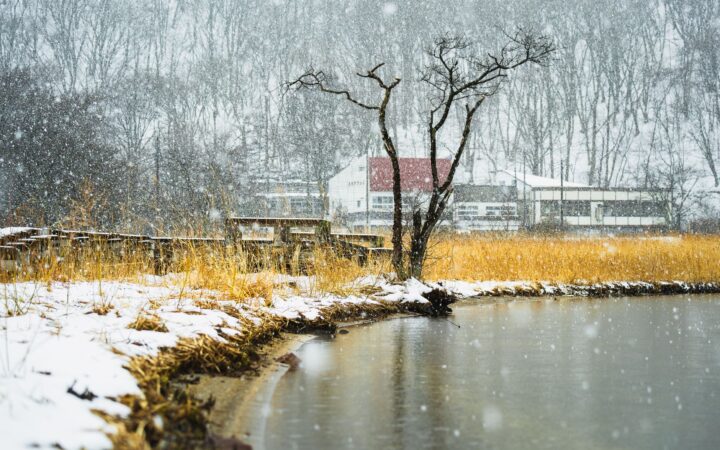
Winter is the quietest season in Shiga, but it offers its own rewards. Snow-dusted Hikone Castle is extraordinarily beautiful, and the lake views from Mount Hiei on clear winter days extend to the distant mountains in an expanse of white and grey that is unforgettable. Winter is also the season for hot pot cuisine featuring Omi beef and lake fish, making evenings in a lakeside ryokan particularly appealing.
Hidden Gems and Local Tips for Shiga
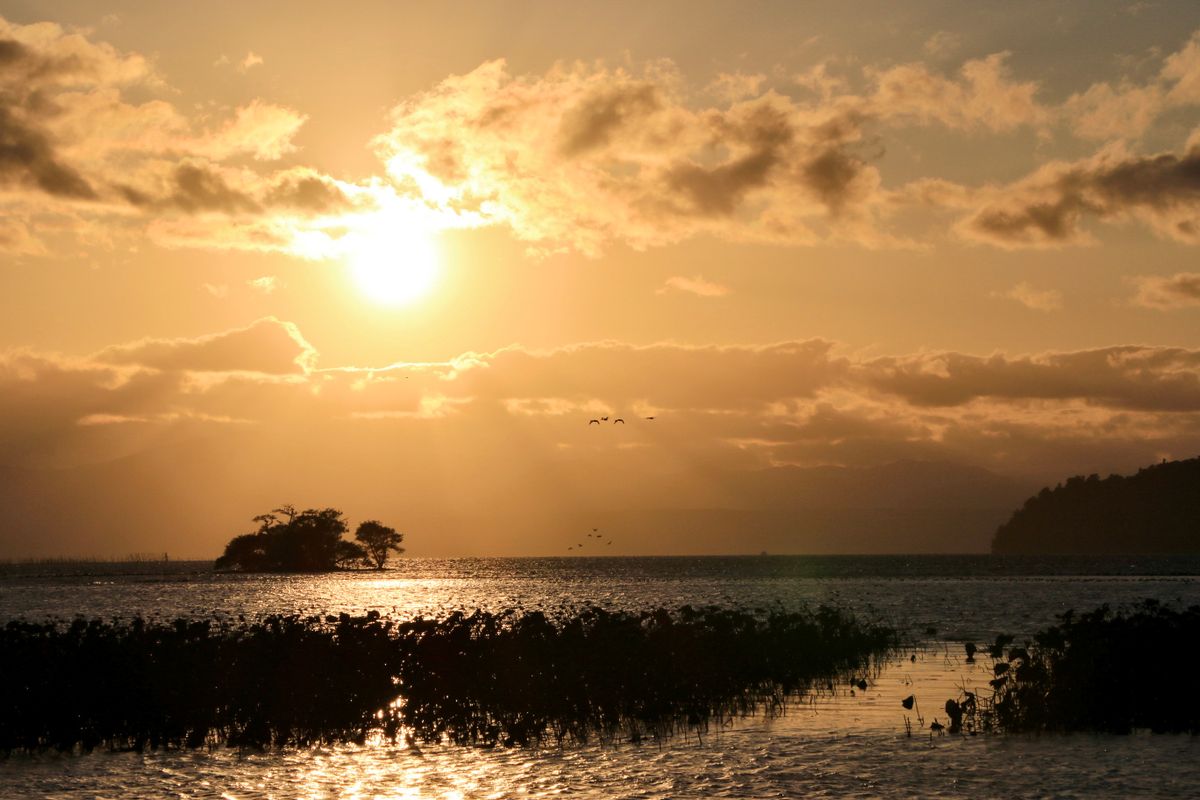
Azuchi Castle Ruins, on a peninsula jutting into the eastern shore of Lake Biwa, are among the most historically significant and least visited castle ruins in Japan. Azuchi was the great castle of Oda Nobunaga, the warlord who came closest to unifying Japan in the 16th century before his assassination in 1582. The castle burned immediately after Nobunaga’s death and was never rebuilt, leaving only the stone foundation walls climbing through forested hillside to the hilltop where the magnificent seven-story castle once stood. The scale of the remaining stonework conveys the ambition and power of Nobunaga’s project in a way that no museum exhibit can match.
Chikubushima Island, accessible by ferry from Nagahama or Hikone, is revered as one of Japan’s three great Benzaiten sites and home to two extraordinary religious sites: Tsukubusuma Shrine and Hogon-ji Temple. The island is so sacred that historically visitors were required to crawl on hands and knees from the landing dock to the shrine. Today the island receives relatively few international visitors despite its extraordinary history and beauty, making it one of Shiga’s most rewarding secret destinations. Local tip: Omihachiman’s bakeries and coffee shops serve outstanding pan (bread) and pastries in a tradition that traces back to a local Omi merchant who introduced Western baking to the area in the Meiji period.
Practical Information for Shiga
Shiga Prefecture operates on Japan Standard Time (JST, UTC+9) year-round. English signage is good at the major tourist sites including Hikone Castle, Enryakuji, and the main lakeside attractions, but smaller towns and rural areas rely more heavily on Japanese-only signage. A translation app is recommended for navigating local restaurants and rural transportation. International credit cards are accepted at most larger establishments, and ATMs at convenience stores and post offices accept foreign cards reliably.
The Shiga Prefecture Tourism Association operates visitor information centers at Hikone and Otsu stations. Biwako Visitors Bureau also maintains comprehensive English-language materials covering the entire lake region. The prefecture is very safe and visitor-friendly, and cycling rentals at train stations are well organized with clear route maps in both Japanese and English. Wi-Fi is available at most accommodation properties and at major tourist sites.
Budget Guide for Shiga
Shiga is generally more affordable than Kyoto for comparable accommodation quality, making it an attractive base for budget-conscious visitors exploring the Kansai region. Budget travelers can manage on approximately 7,000 to 10,000 yen per day including accommodation in a business hotel or hostel. Mid-range travelers should budget 15,000 to 22,000 yen per day, which allows for comfortable accommodation, good restaurant meals featuring local specialties, and all major attraction entry fees.
Hikone Castle entry costs approximately 800 yen for adults, including the Genkyuen garden. Enryakuji charges around 1,000 yen for access to the main temple area. Lake Biwa cruise tickets vary depending on the route, typically ranging from 1,500 to 3,000 yen. The Miho Museum charges 1,000 yen for standard admission. For Omi beef, budget 3,000 yen or more per person for a restaurant meal featuring this premium ingredient. Lakeside ryokan with full board including kaiseki dinner typically cost 20,000 to 40,000 yen per person.
Frequently Asked Questions About Shiga
Is Shiga worth visiting as a standalone destination?
Absolutely. While Shiga is often visited as a day trip from Kyoto, it richly rewards a longer stay. Hikone Castle alone is among the finest castle experiences in all of Japan, and the combination of Lake Biwa, Enryakuji, the historic merchant towns, and Omi beef cuisine creates a destination with genuine depth. Visitors who invest two to three days in Shiga consistently rate it as one of the highlights of their Japan trip.
How far is Shiga from Kyoto?
Shiga is immediately adjacent to Kyoto and extraordinarily easy to reach. Otsu, the prefectural capital, is just 9 minutes from Kyoto Station by the JR Biwako Line. Hikone is approximately 50 minutes from Kyoto by the same line. Enryakuji Temple on Mount Hiei straddles the prefectural border and is accessible from both the Kyoto and Shiga sides. In practice, Shiga functions as a natural extension of any Kyoto itinerary.
What is special about Lake Biwa?
Lake Biwa is one of the world’s oldest lakes, approximately 4 million years old, and its extraordinary age has allowed the evolution of numerous species found nowhere else on Earth. It is Japan’s largest lake, providing water for approximately 15 million people in the Kansai region. Culturally, it has shaped the entire history of the surrounding region, from ancient shrine traditions to the merchant culture of the Edo period. Ecologically, recreationally, and historically, Lake Biwa is a remarkable and irreplaceable natural feature.
What is Omi beef and how does it compare to Kobe beef?
Omi beef is one of Japan’s three great wagyu beef varieties alongside Kobe and Matsusaka. It is produced from Japanese Black cattle raised in Shiga Prefecture and is characterized by exceptionally fine marbling, a delicate sweetness, and a melt-in-the-mouth texture. Omi beef has been raised in the region for over 400 years — longer than Kobe beef — and was historically supplied to the Edo shogunate as a luxury product. Connoisseurs often argue that Omi beef is more nuanced in flavor than Kobe beef, though both are world-class products.
Can I do a day trip to Shiga from Kyoto?
Yes, Shiga is ideal for day trips from Kyoto. The most common day trip itinerary is Otsu and Hikone: visit Hikone Castle in the morning, explore the castle town and have an Omi beef lunch, then return to Kyoto in the late afternoon. Alternatively, a half-day trip to Enryakuji on Mount Hiei is easily combined with afternoon activities in Kyoto. For those wanting a more relaxed pace, an overnight stay in Shiga allows for a more thorough exploration of the prefecture.
What is funazushi and should I try it?
Funazushi is a form of fermented sushi made with crucian carp from Lake Biwa that has been fermented for one to three years. It is one of Japan’s oldest food traditions and is considered the ancestor of modern sushi. The flavor is intensely pungent and sour, making it an acquired taste that challenges even adventurous eaters. However, it is a unique and historically significant food experience that curious visitors should try at least once. Small amounts are typically served as an appetizer or accompaniment at traditional restaurants in Shiga.
Is Hikone Castle better than Himeji Castle?
This is a matter of personal taste, but Hikone Castle and Himeji Castle offer very different experiences. Himeji is larger, more dramatic in its hilltop scale, and better known internationally. Hikone is more intimate, surrounded by beautiful gardens, and embedded in a charming castle town that Himeji lacks. Both are original castle structures designated as National Treasures. Many visitors who see both prefer Hikone for the overall experience of castle, gardens, town, and lake views combined. Both are worth visiting if your itinerary allows.
What is the best way to see Lake Biwa?
The best ways to experience Lake Biwa depend on your interests. For scenery, the lake cruise ships from Otsu and Hikone offer excellent views and a relaxing pace. For active exploration, cycling sections of the Biwako Cycling Road along the lake shore is outstanding, particularly in spring and autumn. For immersion, staying at a lakeside ryokan and watching the lake change with the light from morning through evening is the most rewarding experience. Combining all three over two or three days gives the fullest appreciation of this extraordinary lake.
3-Day Shiga Itinerary: Lake Biwa, Ancient Temples, and Historic Towns
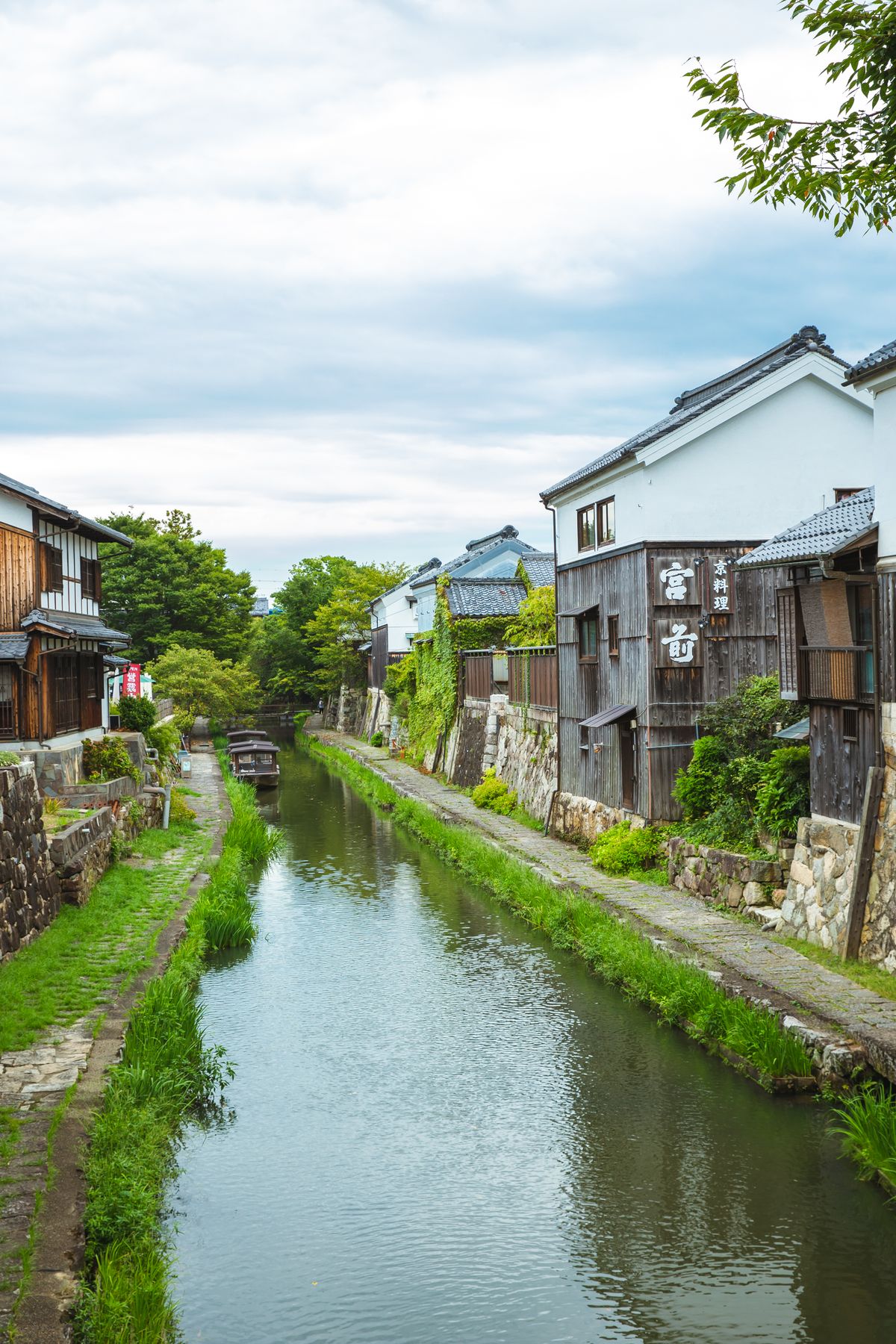
Day 1: Hikone Castle and Omi-gyu Beef
Arrive at Hikone via JR Biwako Line from Kyoto (45 min). Hikone Castle is one of Japan’s five National Treasure castles — the authentic three-story tower unchanged since 1622 offers commanding lake views. The surrounding Genkyuen garden is a classic strolling garden with a central pond. Afternoon: take a sightseeing boat on Lake Biwa for views of castle and the distant mountains. Evening: savor Omi-gyu wagyu beef — one of Japan’s oldest and most revered cattle-raising traditions, producing exceptionally marbled beef with a delicate flavor profile.
Day 2: Omihachiman Canal District
Explore Omihachiman’s Hachiman-bori canal district — willow-lined stone canals flanked by white-walled merchant houses from Japan’s great Omi trading families. Rent a wooden punt boat (yakatabune) for a 20-minute canal cruise (¥1,500). Climb Mt. Hachiman by cable car for panoramic lake views. Visit the extraordinary William Merrell Vories Memorial Museum — an American architect who settled in Omihachiman and designed over 1,600 buildings across Japan while running a pharmacy business and founding schools. His story is one of Meiji-era Japan’s most remarkable.
Day 3: Enryakuji Temple and Ukimido
Take the cable car up Mt. Hiei to Enryakuji Temple — headquarters of Tendai Buddhism, founded 788 CE, with a sacred flame burning continuously for over 1,200 years. The mountain complex spans three sections connected by forest paths, offering serene hiking between ancient halls. Descend to the lake shore to photograph the iconic Ukimido Floating Hall at Katata — a small Buddhist pavilion rising from the lake surface on stilts, most magical in winter morning mist.
Shopping Guide: Shiga Souvenirs
Shiga produces some of Japan’s most culturally significant regional products. Shigaraki-yaki pottery from the ancient Shigaraki kilns — one of Japan’s six original medieval kiln traditions — ranges from the famous tanuki raccoon-dog figures to contemporary fine tableware prized by ceramics collectors worldwide. Funa-zushi (fermented crucian carp, Japan’s oldest sushi) is available at specialty shops near Hikone — an extraordinary taste of culinary history. Omi-gyu beef gift sets (processed products, gift vouchers, or dried beef) make premium food souvenirs. Local sake from breweries in Nagahama, Moriyama, and Hikone reflect the area’s pure mountain water and rice-growing tradition. Omi hemp linen textiles (Omi-jofu) — traditional cloth woven in the Higashiomi area for over 1,300 years — are used in high-quality bags, placemats, and clothing sold at specialty craft shops.
Family-Friendly Activities in Shiga
Lake Biwa Museum (Biwako Hakubutsukan) in Kusatsu combines natural history and aquarium exhibits focused on the lake’s more than 60 endemic species — children find the giant endemic catfish and rare oumi-namazu fascinating. Nagahama Railway Station (Japan’s oldest surviving station building, 1882) and the adjacent Kurokabe Square district of converted merchant houses with cafes, glass art studios, and craft shops provide excellent family exploration. Summer brings swimming at uncrowded lake beaches on the eastern shore. Biwako Valley ski area on the western mountains offers winter family skiing, reached by ropeway from the lakeside near JR Shiga Station. Minakuchi Castle ruins park in Koka has wide green grounds excellent for children’s free play between historical discovery.
Solo Travel Tips for Shiga
Shiga’s proximity to Kyoto makes it perfect for solo day trips — Hikone is just 45 minutes, Otsu is 10 minutes, and Nagahama is 60 minutes from Kyoto Station. The Biwako Cycling Road — a dedicated cycling path circling the entire lake (240 km) — is one of Japan’s finest long-distance solo cycling routes, completable in 2–3 days with bicycle rental available at multiple stations. Solo travelers appreciate Hikone’s relatively uncrowded atmosphere compared to Nara or Kyoto. Enryakuji Temple accepts solo visitors for zazen meditation sessions, and the mountain forest atmosphere is conducive to reflective solo exploration. Small guesthouses and business hotels in Hikone, Nagahama, and Otsu cater well to solo travelers at reasonable prices.
Frequently Asked Questions About Shiga
How do I get to Shiga from Kyoto or Osaka?
Shiga is extremely accessible. From Kyoto Station: JR Biwako Line to Otsu (10 min), Kusatsu (20 min), Hikone (45 min), or Nagahama (60 min). From Osaka: JR Biwako Line from Osaka Station to Hikone takes about 80 minutes. The JR Kosei Line from Kyoto connects the western shore towns of Katata, Omi-Takashima, and Makino. All routes use standard JR ticketing; Japan Rail Pass holders travel free throughout.
Is Hikone Castle better than Himeji Castle?
Both are National Treasure castles and among Japan’s finest, but they offer different experiences. Himeji Castle is larger, more dramatic from a distance, and more internationally famous. Hikone Castle is smaller, more intimate, and offers the added dimension of Lake Biwa scenery. Hikone’s surrounding grounds (Genkyuen garden, castle museum) are arguably superior. For travelers who have already seen Himeji, Hikone provides a distinctly different and equally rewarding original castle experience worth seeking out.
What are the best viewpoints of Lake Biwa?
The panoramic view from Mt. Hiei (accessible by the Sakamoto Cable from Sakamoto or the Eizan Cable and Ropeway from the Kyoto side) shows the entire lake basin dramatically. Biwako Valley Gondola (western shore) offers another excellent panoramic perspective. From the lake itself, the Biwako Sightseeing Cruise from Otsu Port provides leisurely water-level views. Karasaki Shrine’s ancient pine tree (Karasaki no Matsu) on the western shore — one of Japan’s most famous trees, its massive branches spreading 70 meters over the lake — is one of Shiga’s most atmospheric lakeside spots.
What is Omi-gyu beef and how does it compare to Kobe beef?
Omi-gyu (Omi beef) is Japan’s oldest branded wagyu, with a documented history of cattle raising in the Shiga area extending back over 400 years — predating even Kobe beef’s fame. The cattle are raised along the shores of Lake Biwa on high-quality local feed and pure water, producing beef with exceptional marbling, a delicate fat that melts at body temperature, and a subtle sweetness distinct from Kobe’s richer profile. Shiga residents argue (with some justification) that Omi-gyu is Japan’s finest beef — it was historically presented as gifts to the Shogunate and Emperor. Whether it surpasses Kobe beef is a matter of taste, but Omi-gyu is unquestionably in the same rarefied category. Try it at specialist wagyu restaurants in Hikone or Moriyama, where it is served as shabu-shabu, sukiyaki, or teppanyaki at a fraction of the price charged in Tokyo or Kyoto restaurants serving the same grade of beef.
Is Shiga worth visiting as a standalone destination?
Absolutely. While many travelers visit Shiga purely as a day trip from Kyoto, the prefecture rewards a dedicated 2–3 day visit. Hikone Castle, Omihachiman’s canal district, Enryakuji Temple, Nagahama’s historic quarter, and the extraordinary Shigaraki pottery village each deserve several hours. The combination of Japan’s largest lake as a constant dramatic backdrop, one of Japan’s finest original castle experiences, and exceptional wagyu beef and traditional craft culture makes Shiga a complete destination in its own right — not merely an appendage to Kyoto tourism.
Related guides
- Nishiki Market Travel Guide 2026: A First-Timer’s Guide to Eating Your Way Through Kyoto’s Kitchen
- Best Day Trips from Osaka 2026: Kyoto, Nara, Kobe, Hiroshima, and Beyond
- Best Day Trips from Kyoto 2026: Complete Guide to Nara, Hiroshima, Osaka and Beyond
Going to Japan? Speak Japanese with confidence.
Hirameki Japanese — camera translate for menus and signs, a two-way conversation mode, and furigana + romaji on every phrase. Free to download with kana charts, conversation mode and starter words; a one-time purchase unlocks everything.
⬇ Get it on the App Store
Plan your Japan trip
Two things every first-timer should book
Some links are affiliate links. If you book through them we may earn a small commission at no extra cost to you.