Why Visit Aomori? Japan’s Hidden Northern Treasure
Aomori Prefecture sits at the very tip of Honshu, Japan’s main island, stretching northward until the land gives way to the Tsugaru Strait and, beyond it, Hokkaido. For many international visitors, Aomori remains a genuine hidden gem — a place where shimmering lake water reflects volcanic peaks, dense forest streams tumble through ancient beech woodland, and the summer nights explode with the thundering drums and blazing floats of one of Japan’s greatest festivals.
If you’ve already done Kyoto, Tokyo, and Osaka, or if you’re simply looking for a Japan experience that feels less crowded and more authentically connected to the land and its seasons, Aomori is your answer. This northern prefecture rewards slow travel: the kind where you linger over a bowl of hot miso ramen as snow falls outside, hike a gorge that has barely changed in a thousand years, and bite into an apple that tastes like no apple you’ve ever eaten before.
This comprehensive guide covers everything a first-time visitor needs to know about visiting Aomori — from getting there by shinkansen, to the best festivals, natural wonders, and local food experiences that make this prefecture one of Japan’s most underrated destinations.
Before you go, make sure you’re connected from the moment you land. Get your Japan eSIM (Stay connected from day 1) →
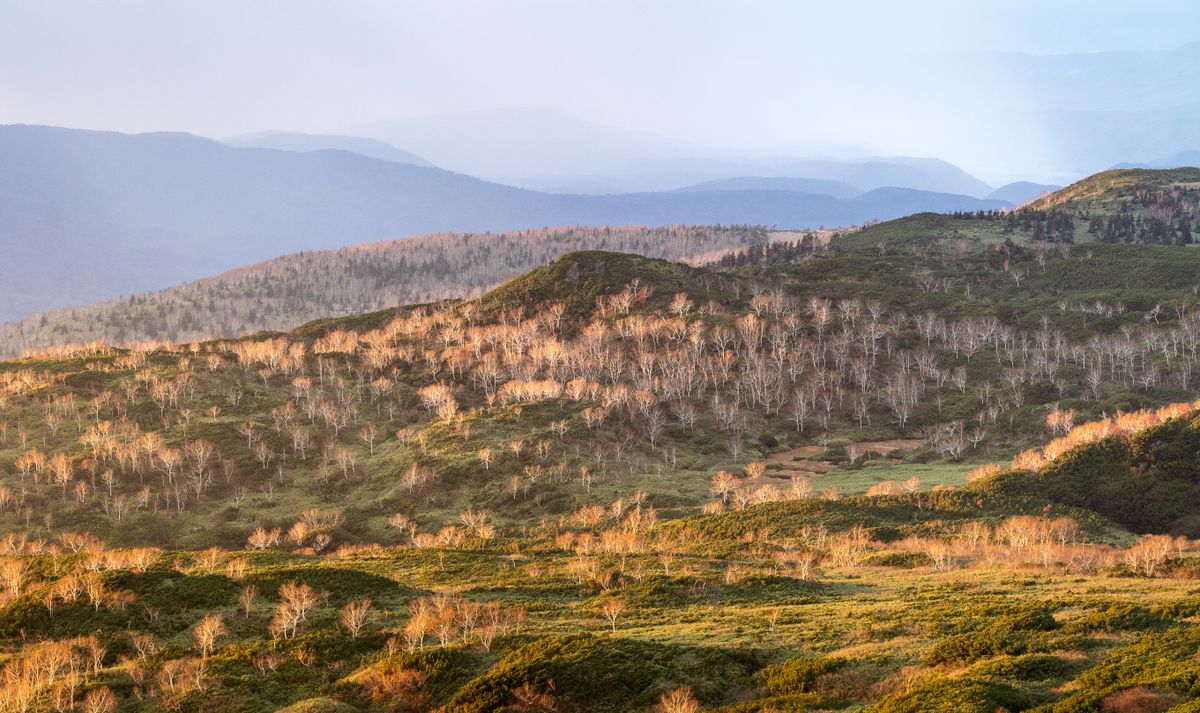
Best Time to Visit Aomori
Aomori is one of those rare destinations that genuinely rewards visitors in every season. Each month brings a completely different face to the prefecture, and choosing when to visit depends entirely on what kind of experience you’re after.
Spring (April–May): Cherry Blossoms at Hirosaki
Hirosaki Castle in western Aomori is widely considered to offer Japan’s most spectacular cherry blossom viewing. The castle grounds hold over 2,600 cherry trees, including some that are more than 100 years old. When the petals fall and drift across the moat, the effect is genuinely magical. The Hirosaki Cherry Blossom Festival runs for about three weeks or more from mid-April to May 5 (start dates vary by year). Crowds are significant but manageable compared to Kyoto, and the combination of a classic Japanese castle, golden turrets, and a carpet of pink and white petals is simply breathtaking. April temperatures range from about 10°C to 18°C (50–65°F), ideal for walking.
Summer (July–August): The Nebuta Festival
If you can only visit Aomori once, try to come during the Nebuta Festival. Held from August 2 to 7 in Aomori City, it is one of the three great festivals (Tohoku Sandai Matsuri) of the Tohoku region and draws over two million visitors each year. Giant illuminated floats — some standing five meters high and seven meters wide — depict samurai warriors, mythological creatures, and scenes from Japanese history. Dancers called haneto leap wildly around the floats while taiko drum groups pound out hypnotic rhythms that you can feel in your chest. The atmosphere is electric, joyful, and unlike anything else in Japan.
Other summer highlights include hiking season at Lake Towada, cycling along the Oirase Gorge trail, and fresh seafood straight off the fishing boats in Hachinohe.
Autumn (September–November): Oirase Gorge in Full Color
Autumn is many visitors’ favorite time in Aomori. The Oirase Gorge, a 14-kilometer stream-side trail east of Lake Towada, transforms into one of Japan’s most photographed natural scenes. Crimson maples and golden ginkgos reflect in the rushing water. The forest canopy is so dense that even on overcast days, the colors seem to glow from within. Peak foliage in Oirase usually falls between mid-October and early November — get there on a weekday if you can, as weekends attract significant crowds.
Winter (December–March): Snow Country Experiences
Aomori City consistently records some of the deepest snowfall of any city in the world, with average annual snowfall of around six meters. If you’ve dreamed of wandering through a town buried in snow, streets lit by lanterns, and warming up with hot sake and slow-simmered hotpot, Aomori in winter is extraordinary. The Hachinohe Enburi Festival in February features traditional shamanistic dance performed against a backdrop of pristine snow — it’s hypnotic and deeply moving.
Getting to Aomori
By Shinkansen from Tokyo
The Hayabusa shinkansen connects Tokyo Station to Shin-Aomori Station (the main bullet train terminus) in about 3 hours on the fastest trains. The fare is ¥17,670 (regular season, after JR East’s March 2026 fare rise) for a reserved seat. This is the most comfortable and scenic route, with glimpses of mountains and the Pacific coast along the way.
If you have a Japan Rail Pass, this route is fully covered — the Hayabusa runs on JR tracks and the JR Pass covers reserved seats in standard class (Green Car seats need the Green version of the pass). A 7-day Ordinary JR Pass (¥50,000 on the official JR Pass website, ¥53,000 through overseas agencies) costs more than a Tokyo–Aomori round trip (about ¥35,000), so it only pays off if you add other long JR journeys within the week.
From Shin-Aomori Station, local JR trains and buses connect to Aomori City center in about 10 minutes, to Hirosaki in about 40 minutes, and to Hachinohe in about 30 minutes.
By Airplane
Aomori Airport receives domestic flights from Tokyo (Haneda), Osaka (Itami), Nagoya, and Sapporo. JAL and ANA operate the main routes. A Tokyo–Aomori flight takes about 1 hour 10 minutes. Fares vary widely — booking 2–3 months ahead can secure tickets from around ¥8,000 to ¥15,000 ($53–$100 USD) each way. The airport is about 35 minutes from central Aomori City by shuttle bus.
By Overnight Bus
For budget travelers, overnight express buses run from Tokyo (multiple pickup points) to Aomori City in approximately 9 hours. Fares range from ¥5,000 to ¥9,000 ($33–$60 USD). This is a practical option for those prioritizing cost over time, and modern overnight buses are comfortable with reclining seats and sometimes individual curtains.
Once in Japan, book your accommodation easily: Book your hotel on Agoda (Best prices guaranteed) →
Top Attractions in Aomori
1. The Nebuta Festival — Japan’s Most Spectacular Summer Festival
The Aomori Nebuta Festival is one of Japan’s most extraordinary events, and experiencing it even once will leave a lasting impression. The festival runs from August 2 to 7, with the main evening parades (nebuta nagashi) starting around 7 PM each night. On the final evening (August 7), the parade ends at the port, and a spectacular fireworks display lights up the harbor.
The nebuta (floats) are enormous wire-framed lanterns covered in washi paper, painted by skilled artisans and lit from within. Each float depicts a warrior, demon, or deity figure in vivid, dramatic poses. The largest floats take months to construct and can weigh several tonnes. They’re pulled through the streets by teams of rope handlers while groups of haneto dancers — wearing traditional outfits with bells around their waists — leap and chant around them.
Joining the parade as a haneto dancer is genuinely possible for visitors. Costume rental shops near the parade route charge approximately ¥2,500 to ¥4,000 ($16–$27 USD) for the full costume. There’s no registration required — once costumed, head to a group’s waiting area before the parade starts and join in there. It’s one of the best participatory festival experiences in all of Japan.
Reserved chair and sajiki seats along the parade route cost ¥4,000 per person and are sold via a June lottery and general sales. Free viewing areas exist along the entire route but get crowded from around 5 PM onward.
2. Oirase Gorge — One of Japan’s Most Beautiful Natural Trails
Running for 14 kilometers through the northeastern corner of Towada-Hachimantai National Park, the Oirase Gorge is a river valley of extraordinary beauty. The Oirase River tumbles over mossy boulders, splits around forested islands, and drops in fourteen named waterfalls, the largest of which, Choshi Otaki, falls about seven meters in a 20-meter-wide curtain of white water.
The main walking trail runs parallel to the river on a well-maintained path through beech, oak, and maple forest. Many visitors walk the roughly 9-kilometer section between Ishigedo and Nenokuchi — a stretch that takes about three to four hours at a comfortable pace. The path is accessible to most fitness levels, with the trail largely flat and well-signposted.
To truly experience Oirase, go in early morning when the light filters through the tree canopy and before the tourist buses arrive. Autumn (mid-October to early November) is peak season — the foliage is world-class, though the path gets crowded. In spring (May), the fresh green leaves are equally stunning, and the trail is far less busy.
Getting there: Take the JR bus from Aomori City or Aomori Station to Lake Towada (about 2 hours, ¥1,900 / $13 USD). Buses stop along the gorge route, allowing hop-on/hop-off travel.
3. Hirosaki Castle and Park
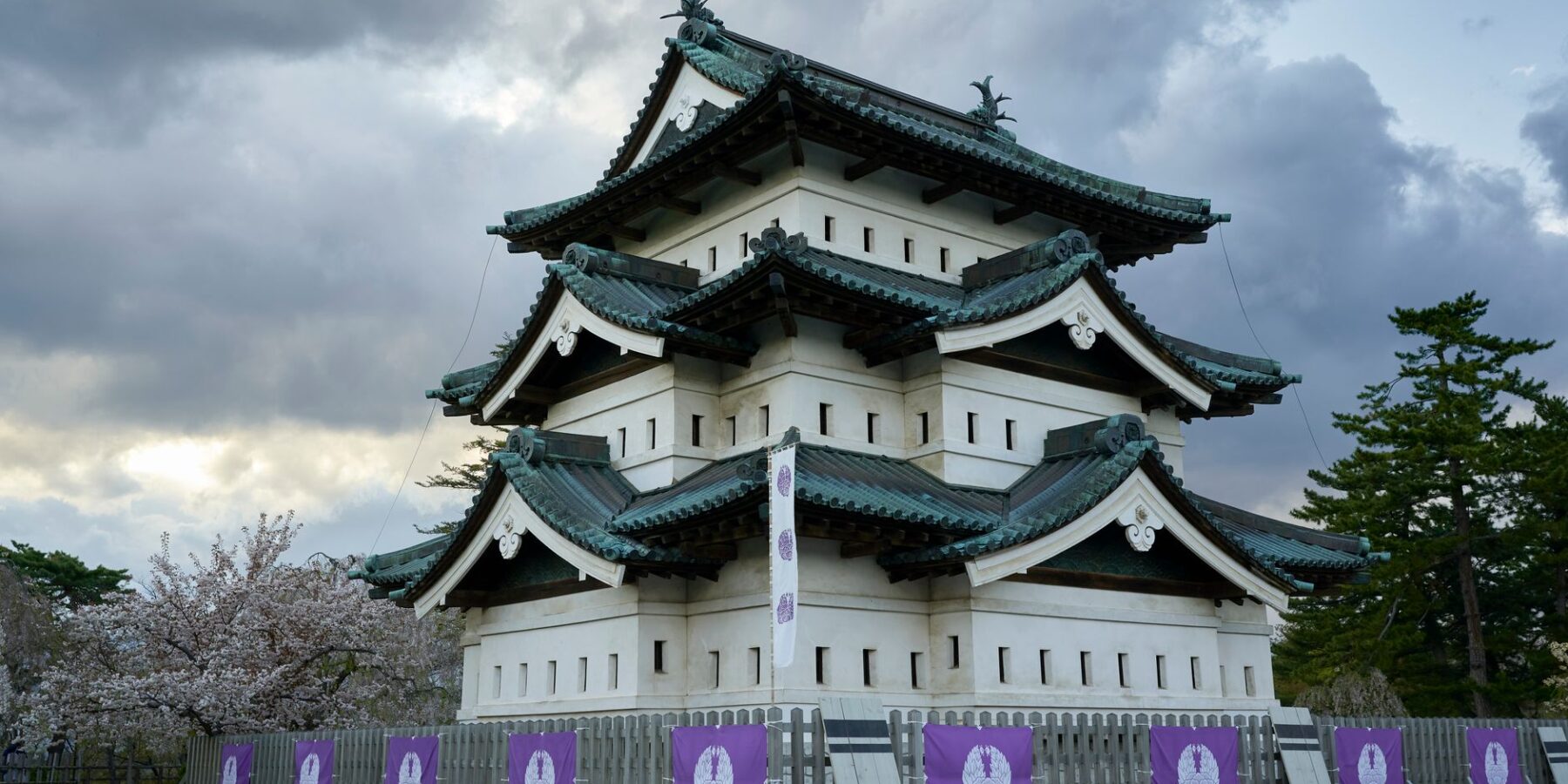
Hirosaki Castle, in the city of Hirosaki in western Aomori, is one of only twelve original castles remaining in Japan — meaning its keep survives from the feudal era rather than being a modern concrete rebuild. The current three-story tower was completed in 1811, replacing a five-story keep that burned after a lightning strike in 1627, and it sits within a large park crossed by moats, stone walls, and the ruins of larger fortifications.
In spring, the park is home to 2,600 cherry trees whose blossoms reflect in the moat in an iconic scene. In autumn, the same moat reflects red and gold foliage. In winter, the park hosts a snow lantern festival. At any time of year, the castle grounds are spacious, peaceful, and historically rich.
The castle tower interior functions as a small museum covering Hirosaki’s history under the Tsugaru clan, which ruled this area from the early Edo period. Admission to the park is free; the castle tower interior costs ¥320 ($2 USD) for adults. The surrounding Hirosaki city is also worth exploring — it has a strong legacy of Meiji-era Western architecture and some of Japan’s best apple orchards.
4. Lake Towada — Sacred Caldera Lake
Lake Towada is one of Japan’s most beautiful lakes, a caldera formed by volcanic eruptions over the last 55,000 years. It sits at 400 meters elevation in Aomori’s mountainous interior, ringed by forests that catch fire with color every autumn. The lake water is famously clear — visibility extends to several meters — and the surrounding national park trails offer hiking from gentle lakeside walks to challenging overnight mountain routes.
The main visitor area, Yasumiya on the lake’s southern shore, has boat rental, kayak tours, and the famous bronze statue “Otome no Zo” (Maidens’ Statues) by sculptor Kotaro Takamura, depicting two young women facing each other. The piece is considered one of Japan’s finest public sculptures.
A popular route combines a bus trip through the Oirase Gorge (see above) with a boat cruise on the lake — the full circuit makes for a perfect day trip from Aomori City. Rental rowboats on the lake cost approximately ¥1,200 ($8 USD) per hour.
5. Sannai-Maruyama Site — Ancient Japan in Aomori
The Sannai-Maruyama archaeological site on the outskirts of Aomori City is one of the most important prehistoric sites in Japan — a UNESCO World Heritage Site since 2021. The settlement dates from the Jomon period (roughly 5,900 to 4,200 years ago) and was occupied continuously for approximately 1,700 years, making it an extraordinary window into ancient Japanese culture.
The site museum holds thousands of artifacts — pottery, jade ornaments, clay figurines, and woven baskets — that reveal a sophisticated society living in substantial semi-permanent structures. The reconstructed buildings include a massive six-pillared structure standing 14.7 meters high, the purpose of which is still debated by archaeologists. Admission to the site and museum is ¥400 ($3 USD) for adults.
Best Day Trips from Aomori
Hachinohe — Seafood Capital of Tohoku
Located in southeastern Aomori Prefecture, Hachinohe is one of Japan’s great fishing ports. The Minato Morning Market (Minato Asaichi) near the port is one of the country’s largest and most authentic morning markets, running from 3 AM to 2 PM. Locals and wholesalers crowd among stalls of fresh fish, dried seafood, vegetables, and fruit. It’s a fascinating, fragrant, and slightly overwhelming experience — go hungry.
Hachinohe is also home to the extraordinary Enburi Festival in February, where performers in tall, colorful eboshi hats shaped like horses’ heads perform ritual rice-planting dances in the snow. It’s one of the most visually striking winter festivals in Japan.
Getting there from Aomori City by shinkansen takes about 30 minutes (JR East fares rose in March 2026, so check the current price).
Tsugaru Peninsula — Japan’s Wild Northwest
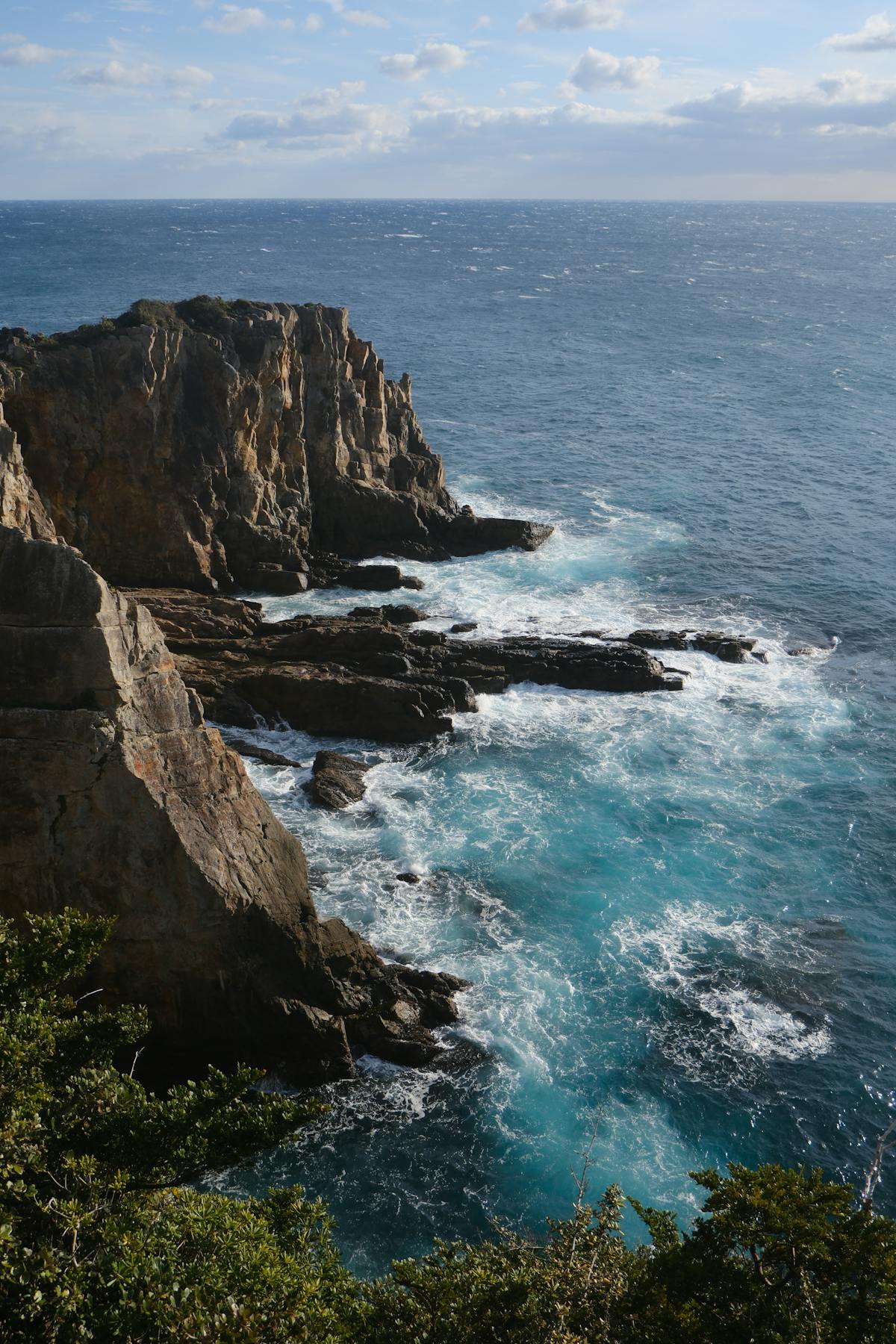
The Tsugaru Peninsula forms the western arm of Aomori, jutting north toward Hokkaido across the Tsugaru Strait. It’s one of the least-visited corners of Japan despite its remarkable scenery. The Tappizaki Cape on the northern tip offers dramatic coastal views across to Hokkaido (on clear days). Over on the Shimokita Peninsula’s western coast, Hotokegaura features bizarre pillar-shaped rock formations standing in and around the sea, genuinely otherworldly.
Osorezan (Mt. Osore) — Japan’s Eeriest Sacred Mountain
Mount Osore on the Shimokita Peninsula is one of Japan’s three great sacred mountains for communicating with the dead. The active volcanic crater has created a landscape of yellow sulfur vents, toxic blue-green lakes, and sparse, bleached dead trees. Osorezan Bodaiji temple sits within this alien landscape, and twice yearly (July and October) the Itako Festival brings blind female shamans to the mountain to channel the spirits of the deceased on behalf of grieving families. Even outside festival season, the mountain’s strange beauty and spiritual atmosphere make it one of the most memorable sites in northern Japan.
Where to Stay in Aomori
Aomori City has a good range of accommodation from budget business hotels to comfortable mid-range choices. For the best experience, consider staying at a local ryokan (traditional inn) where possible — Aomori has several excellent options, particularly near Hirosaki and in the Tsugaru region.
Aomori City
Most chain business hotels cluster around Aomori Station. For mid-range visitors, the Richmond Hotel and Dormy Inn chains consistently offer clean, well-appointed rooms for ¥8,000–¥14,000 ($53–$93 USD) per night. Budget travelers can find reasonable options from ¥5,500 ($36 USD) per night. Breakfast is often excellent at Japanese business hotels — a buffet of grilled fish, pickles, rice, and miso soup will fuel a full day of exploration.
During the Nebuta Festival (August 2–7), accommodation across Aomori City books out months in advance. Book as early as possible, and consider staying in Hirosaki or Hachinohe and commuting into the city for the evening parades.
Hirosaki
Hirosaki has a growing number of guesthouses and boutique accommodations in addition to standard hotels. The cherry blossom season (late April to early May) is extremely busy — book 3–6 months ahead. Outside peak season, the city is easy and affordable to stay in, with many accommodation options within walking distance of the castle grounds.
Around Lake Towada
Several ryokan sit on the shores of Lake Towada, offering traditional tatami rooms, multi-course kaiseki dinners featuring local mountain vegetables and freshwater fish, and open-air baths with lake views. Rates at these ryokan typically run ¥15,000–¥35,000 ($100–$230 USD) per person with dinner and breakfast included. The experience of waking up beside the lake in a yukata (cotton robe), breakfast delivered to your room, is quintessentially Japanese and deeply restorative.
Book your hotel on Agoda (Best prices guaranteed) →
Aomori Food Guide: What to Eat
Aomori’s food culture is deeply connected to the sea, the forest, and the orchards. The prefecture’s position at Japan’s northern tip means seafood of extraordinary freshness and quality, and the inland areas produce some of Japan’s finest agricultural products.
Aomori Apples
Aomori produces approximately 60% of Japan’s apple crop, and the apples here are genuinely exceptional — crisp, sweet, and fragrant in ways that make supermarket apples elsewhere seem like a different fruit. The main varieties include Fuji, Tsugaru, Jonagold, and Mutsu. Apple picking tours are popular from September through November at farms across the Tsugaru Plain. A bag of premium Aomori apples from a roadside farm makes one of the region’s best souvenirs.
Local apple-based products to try include apple juice (fresh-pressed), apple vinegar (used in dressings and health drinks), apple wine, apple jam, and apple pie from Hirosaki’s numerous bakeries and cafes. The Hirosaki Apple Park is a wonderful place to try multiple varieties and observe traditional cultivation methods.
Seafood from Hachinohe and Mutsu Bay
Aomori’s coastline faces both the Pacific and the Sea of Japan, giving it access to an extraordinary range of seafood. The most prized local specialties include:
- Hotate (scallops): Mutsu Bay is one of Japan’s premier scallop-farming regions. Local scallops are large, sweet, and incredibly tender. Try them grilled over charcoal with a touch of butter and soy sauce, or raw as sashimi.
- Ikura (salmon roe): Fresh salmon roe from Aomori’s rivers is a seasonal delicacy in autumn. The orange pearls burst with a clean, oceanic flavor completely different from the processed roe found elsewhere.
- Karei (flatfish): The flatfish from the northern seas are particularly prized for their clean, delicate flavor.
- Sea urchin (uni): The cold northern waters produce some of Japan’s richest sea urchin. The texture and sweetness are unmatched.
Hachinohe Senbei Jiru
Senbei Jiru (rice cracker soup) is a unique local dish specific to the Hachinohe area. Flat, circular rice crackers (nanbu senbei) are simmered in a rich chicken or seafood broth with vegetables until they soften to a chewy, dumpling-like texture. The dish is warming, filling, and unlike anything else in Japanese cuisine — comfort food at its most unique.
Kenoshiru Miso Soup
Kenoshiru is Aomori’s distinctive winter miso soup, traditionally made by combining many different root vegetables (daikon, carrot, taro, burdock), tofu, and konnyaku in a thick, warming broth. It is traditionally eaten on the evening before the Koshogatsu (Little New Year) festival in January. Many local restaurants serve it during the winter months as a warming starter.
Where to Eat in Aomori City
The area around Aomori Station has numerous izakayas, ramen shops, and seafood restaurants. The fish market area near the port (particularly the Aomori Gyosai Center) offers some of the freshest seafood in Japan at very reasonable prices. Many market stalls grill fresh seafood to order on the spot — a scallop grilled over charcoal for ¥300 ($2 USD) while you watch the sea traffic is one of life’s simple pleasures.
A budget meal at a local ramen shop or noodle restaurant costs ¥700–¥1,200 ($5–$8 USD). A mid-range seafood dinner at a sit-down restaurant will run ¥2,500–¥5,000 ($16–$33 USD) per person. A full kaiseki dinner at a ryokan represents the high end, at ¥8,000–¥20,000 ($53–$130 USD) per person.
Getting Around Aomori Prefecture
Aomori Prefecture is large and spread out, and while public transport covers all the main destinations, having a clear plan will save considerable time and frustration.
JR Trains
JR trains connect Aomori City to Hirosaki (40 minutes, ¥680 / $5 USD), Shin-Aomori (10 minutes, ¥200 / $1.30 USD), and Hachinohe (30 minutes by shinkansen, ¥3,370 / $22 USD). The Tsugaru Line runs up the eastern side of the Tsugaru Peninsula to Mimmaya, while the scenic Gono Line follows the western coast. JR Pass holders can use all these routes.
Buses
Intercity buses are essential for reaching Oirase Gorge, Lake Towada, and other natural destinations not served by train. The main Aomori–Towada–Morioka bus route (JR Bus Tohoku) runs several times daily and offers an efficient way to combine Oirase Gorge and Lake Towada in a single day.
Rental Car
For flexibility, especially to reach the Tsugaru and Shimokita peninsulas, renting a car is strongly recommended. All major rental companies (Toyota Rent-a-Car, Nippon Rent-a-Car, Times Car Rental) have offices at Aomori Station and the airport. Roads are well-maintained and most roads are clear for driving from May through October. An international driving permit is required for non-Japanese license holders.
Practical Tips for Visiting Aomori
- Language: English signage and English-speaking staff are less common in Aomori than in Tokyo or Kyoto. Download Google Translate with Japanese offline support before arriving. Most train station information boards have English translations for platform and schedule information.
- Cash: Aomori’s smaller towns and restaurants operate primarily on cash. Keep ¥10,000–¥20,000 ($66–$132 USD) available in cash at all times. Convenience store ATMs (7-Eleven, FamilyMart) accept international cards reliably.
- Festival accommodation: During the Nebuta Festival (August 2–7), all accommodation in Aomori City sells out many months in advance. Plan and book as early as possible.
- Layering for weather: Even in summer, Aomori evenings can be cool, particularly in the mountains. Pack a light fleece or jacket even for warm-weather visits.
- Snow gear in winter: From December through March, carry waterproof boots and warm layers. The city sidewalks can be extremely icy.
- Connectivity: Mobile coverage is good in cities but can be patchy in deep forest areas like Oirase. Download offline maps of the areas you plan to visit.
Stay connected throughout your Aomori adventure: Get your Japan eSIM (Stay connected from day 1) →
Getting from the Airport or Train Station
Aomori Airport is connected to Aomori City center by shuttle bus (about 35 minutes, ¥980 for adults, IC cards accepted). Taxis are available but cost far more (around ¥5,200 just to Shin-Aomori Station) than the bus. For a more comfortable private transfer from the airport to your accommodation, consider a shared ride service: Book airport transfer on Kiwitaxi →
How Many Days Do You Need in Aomori?
Aomori Prefecture warrants a minimum of three days and ideally four to five for a thorough visit. A suggested itinerary:
Day 1: Arrive in Aomori City, explore the fish market, visit the Sannai-Maruyama Site, walk along the waterfront in the evening.
Day 2: Full-day trip to Hirosaki — the castle, the old samurai district, and the apple farms in the surrounding countryside.
Day 3: Oirase Gorge walk and Lake Towada boat cruise. Return to Aomori for dinner.
Day 4 (optional): Day trip to Hachinohe for the morning market and seafood lunch, or venture to the Tsugaru Peninsula for coastal scenery and the stunning Choshikei Gorge.
Day 5 (optional): For adventurous visitors, the Shimokita Peninsula and Mt. Osore offer an unforgettable and genuinely eerie experience.
Best Time to Visit Aomori
Aomori is a year-round destination, but the season you choose will dramatically shape your experience. Each of the four seasons offers something completely different, and understanding these differences is key to planning the ideal trip.
Summer (July–August): Festival Season at Its Peak
Summer is when Aomori truly comes alive. The Aomori Nebuta Matsuri, held from August 2 to 7 each year, is the event that defines the prefecture for most visitors. Hotels book out months in advance, train tickets sell fast, and the streets overflow with energy for the entire week. Beyond Nebuta, summer is the best time to hike in Towada-Hachimantai National Park and paddle on Lake Towada, when trails are fully open and the weather is warm and manageable. Temperatures in Aomori City during August average around 24°C (75°F), making it one of the cooler summer getaways in Japan compared to sweltering Tokyo or Osaka.
Autumn (September–November): Foliage and Apples
September through November is arguably the most beautiful time to visit. The mountainous interior turns brilliant shades of red, orange and yellow from mid-October onward, with Oirase Gorge reaching peak colour around late October to early November. The walking path along the Oirase Stream, flanked by blazing maple and beech trees, is one of the most photographed autumn scenes in all of Japan. October is also apple harvest season — you can visit orchards around Hirosaki and Tsugaru, pick apples fresh off the tree, and sample the region’s world-class apple juice and cider.
Winter (December–March): Snow, Lanterns and Ski Culture
Aomori receives some of the heaviest snowfall of any city in the world, regularly recording over 2 metres of accumulated snow by mid-winter. Rather than a deterrent, this is a draw. The Hirosaki Castle Snow Lantern Festival in February transforms the castle grounds into a magical scene of illuminated snow sculptures and lanterns. Skiing and snowboarding at Hakkoda and Aomori Spring resorts attract powder enthusiasts from across Japan and internationally. Winter travel does require extra preparation — warm layers, waterproof boots, and flexibility with schedules — but the rewards are unique and memorable.
Spring (April–May): Cherry Blossoms at Hirosaki
Cherry blossom season in Aomori peaks slightly later than in central Japan, typically from late April to early May. Hirosaki Castle Park is consistently ranked among the top three cherry blossom spots in the entire country. With over 2,600 cherry trees, including some rare weeping varieties over 100 years old, the park during hanami season is spectacular. The Hirosaki Cherry Blossom Festival runs for around two weeks in late April to early May, drawing enormous crowds but delivering an experience that fully justifies the effort to get there.
Aomori for Different Types of Traveller
Aomori does not fit a single traveller profile. Its geography, culture and calendar offer something genuinely compelling for nearly every style of visitor.
For History and Culture Enthusiasts
The Sannai-Maruyama Site offers a rare window into Japan’s Jomon period, predating rice agriculture and the arrival of continental Asian influences. The reconstructed pit dwellings, communal buildings and artefact museum make it one of the most accessible and informative prehistoric sites in the country. Hirosaki Castle, with its long feudal history and well-preserved tower, is the cultural centrepiece of the Tsugaru region. The Aomori Museum of Art, designed by architect Jun Aoki, holds Yoshitomo Nara’s iconic ‘Aomori Dog’ sculpture and is one of the finest regional museums in Japan.
For Outdoor Adventurers
Towada-Hachimantai National Park covers an enormous area straddling Aomori and Akita prefectures. The caldera lake at Lake Towada, formed by volcanic activity over 200,000 years ago, reaches depths of 326 metres and is one of the clearest lakes in Japan. Hiking trails range from gentle lakeside walks to multi-day ridge routes. The Hakkoda Mountains, accessible by ropeway or on foot, offer excellent alpine trekking in summer and top-quality backcountry skiing in winter. Cyclists and kayakers also find ample routes throughout the prefecture, particularly along the rugged Shimokita Peninsula.
For Spiritual Travellers
Mt. Osore (Osorezan) on the Shimokita Peninsula is one of Japan’s three sacred mountains and one of the most visited sites for those seeking a connection to Buddhist traditions surrounding death and the afterlife. The active volcanic landscape — sulphurous steam vents, coloured mineral pools and a desolate shoreline — creates an otherworldly atmosphere that is unlike anywhere else in Japan. The Itako spirit mediums who gather here during the Taisai festival in late July attract pilgrims seeking to communicate with deceased loved ones, a practice that has continued here for centuries.
Frequently Asked Questions About Visiting Aomori
Q: Is Aomori worth visiting if I only have a short time in Japan?
Yes, absolutely — if you have 3 or more days and are coming during a season that interests you (especially cherry blossom season or the Nebuta Festival), Aomori is one of the most rewarding destinations in Japan. It offers a genuine contrast to the more tourist-heavy cities further south: less crowded, more affordable, and deeply connected to traditional rural Japanese culture. If you’re doing a 2-week Japan trip, adding 3 days in Tohoku including Aomori is highly recommended.
Q: What is the best way to get to Aomori from Tokyo?
The fastest and most comfortable option is the Hayabusa shinkansen from Tokyo Station, which reaches Shin-Aomori in about 3 hours 10 minutes. The fare is approximately ¥17,470 ($115 USD) each way for a reserved seat, or covered by the JR Pass. Budget travelers can take an overnight bus from Tokyo for around ¥5,000–¥9,000 ($33–$60 USD).
Q: When exactly does the Nebuta Festival take place?
The Aomori Nebuta Festival runs from August 2 to 7 every year. Evening parades (nebuta nagashi) take place on the nights of August 2–6, starting at 7 PM on August 2–3 and 6:45 PM on August 4–6, and continuing until about 9 PM. The final day (August 7) features a daytime parade from 1 PM, followed at night by harbor fireworks and a marine parade of prize-winning floats. This schedule has remained consistent for many years, though it’s always worth confirming specific times on the official festival website closer to your visit.
Q: Is Aomori safe for solo travelers, including women?
Yes, Aomori is extremely safe for solo travelers of all backgrounds. Japan consistently ranks among the world’s safest countries for tourists. The region is welcoming and, because it sees fewer foreign visitors than other parts of Japan, locals are often genuinely curious and friendly toward international travelers. Practical caution in unfamiliar cities at night is always sensible, but Aomori poses no unusual safety concerns.
Q: What is Aomori famous for?
Aomori Prefecture is famous for several things: its apples (it produces the majority of Japan’s apple crop), the Nebuta Festival (one of Japan’s most spectacular summer festivals), the Oirase Gorge (a renowned autumn foliage destination), Hirosaki Castle (one of Japan’s original, unrestored castles), and the extraordinarily preserved Jomon-period archaeological site at Sannai-Maruyama. The prefecture is also known for its exceptional seafood, particularly scallops from Mutsu Bay.
Q: How expensive is it to visit Aomori?
Aomori is significantly less expensive than Tokyo, Kyoto, or Osaka. A comfortable mid-range budget of ¥10,000–¥15,000 ($66–$100 USD) per day covers accommodation in a decent business hotel, three meals at local restaurants, and entrance fees to major attractions. Budget travelers can manage comfortably on ¥6,000–¥8,000 ($40–$53 USD) per day. During the Nebuta Festival, accommodation prices approximately double across the city — factor this into your festival travel budget.
Q: Can I do Oirase Gorge as a day trip from Tokyo?
Technically yes, though it makes for a very long day. The shinkansen to Shin-Aomori takes about 3 hours 10 minutes, followed by a bus to the gorge. If you take the first shinkansen from Tokyo (around 6–7 AM), you could arrive at the gorge by 11 AM and have about 4–5 hours of hiking before catching a late bus back. Staying overnight in Aomori or at a lakeside ryokan is strongly recommended to make the most of the experience.
Q: What souvenirs should I buy in Aomori?
The most beloved Aomori souvenirs include: premium apple products (dried apples, apple juice, apple candy), Tsugaru lacquerware (extraordinary black and red lacquered items with complex tortoiseshell-like patterns), Tsugaru-biyori glass ware, Nebuta Festival replicas and fans, local sake (Aomori has excellent sake breweries, particularly around Hirosaki), and fresh or preserved seafood products such as dried scallops and ikura (salmon roe).
Related guides
- Aomori Nebuta Festival Guide 2026: A First-Timer’s Guide to Japan’s Giant Glowing Floats and How to Dance in the Parade
- Oirase Gorge Complete Guide: Aomori’s Stunning Autumn Forest Stream Walk
- Hirosaki Castle Guide: Japan’s Most Beautiful Cherry Blossom Spot in Aomori
Going to Japan? Speak Japanese with confidence.
Hirameki Japanese — camera translate for menus and signs, a two-way conversation mode, and furigana + romaji on every phrase. Free to download with kana charts, conversation mode and starter words; a one-time purchase unlocks everything.

Plan your Japan trip
Two things every first-timer should book
Some links are affiliate links. If you book through them we may earn a small commission at no extra cost to you.