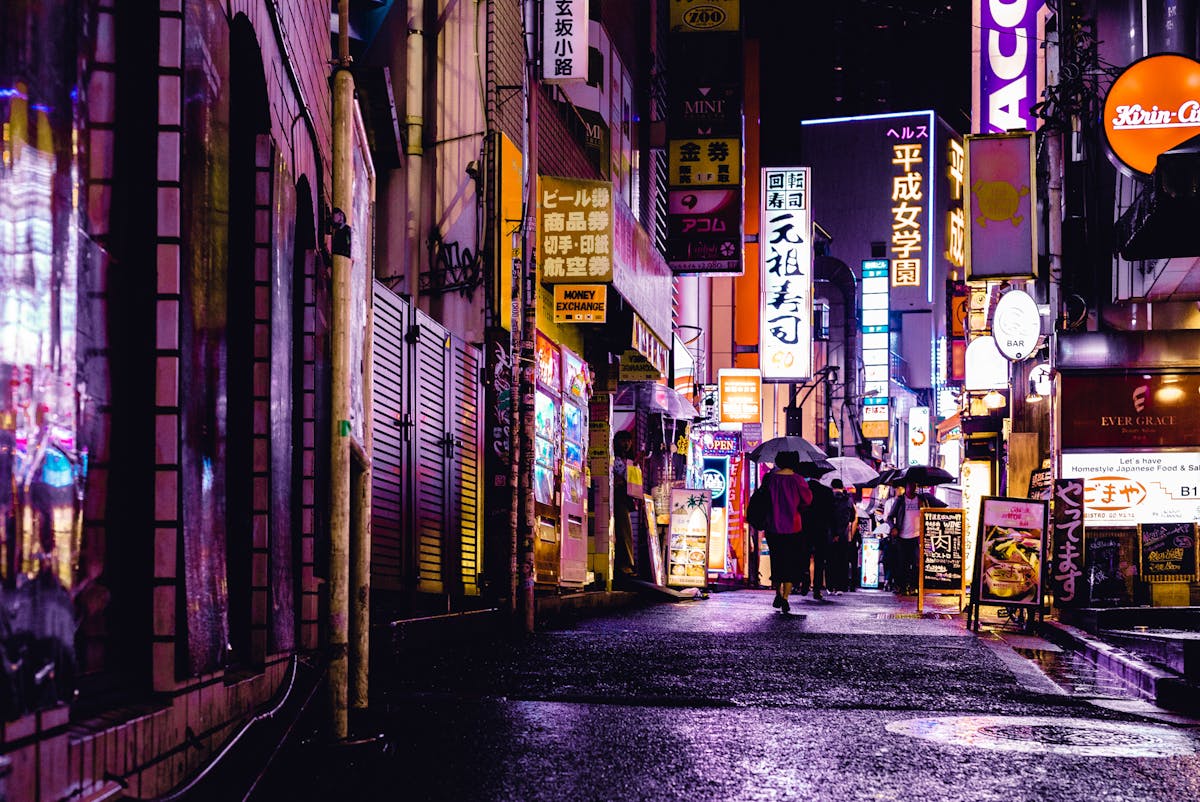
Akihabara Guide
Tokyo’s Electric Town for Anime, Manga & Tech
Introduction
Akihabara — affectionately known as Akiba — is Tokyo’s temple to electronics, anime, manga, and gaming culture, and there is nowhere else quite like it anywhere in the world. What began as a black-market electronics district after World War II has evolved into a multi-storey pilgrimage site for technology enthusiasts and fans of Japanese pop culture, attracting millions of visitors annually from every corner of the globe.
The district’s main street, Chuo-dori, is a sensory spectacle: multi-floor electronics megastores stack components and gadgets from basement to rooftop, neon signs advertise manga cafes and arcades, maid cafe staff in frilly aprons hand out flyers on street corners, and the sound of video game soundtracks spills from open doorways. Akihabara is loud, colourful, and utterly unique.
Whether you are a hardcore anime collector hunting for a specific limited-edition figure, a tech enthusiast in search of the latest gadgets, or simply a curious traveller wanting to experience one of Tokyo’s most distinctive subcultures, Akihabara rewards every kind of visitor.
Top Attractions & Things to Do
1. Yodobashi Camera Akihabara
Yodobashi Camera in Akihabara is one of the largest electronics retail complexes in Japan — a multi-building complex spread across nine floors of the main building alone, plus additional specialist wings. Every category of electronics is represented: cameras, computers, smartphones, home appliances, musical instruments, gaming hardware, and an enormous toy and hobby section. Staff speak multiple languages and the store offers tax-free purchases for foreign visitors spending over ¥5,000. It is a genuine wonder of consumer electronics retail.
2. Akihabara Maid Cafes
Maid cafes are a distinctly Akihabara phenomenon: cafes staffed by young women dressed in Victorian maid costumes who greet customers as “master” or “mistress” and perform songs and games alongside serving food and drinks. The experience is cheerful, theatrical, and very Japanese. Popular chains include @home cafe and Maidreamin, both of which have English-speaking staff and menus. Cover charges are typically ¥600–¥1,000 with food and drink on top — a novelty experience worth trying at least once.
3. Akihabara Anime & Manga Shops
For anime and manga enthusiasts, Akihabara’s specialist retailers are extraordinary. Kotobukiya stocks an enormous range of model kits, artbooks, and figures from current and classic series. Animate is a multi-floor chain store covering manga, light novels, drama CDs, and character merchandise. Radio Kaikan, the historic multi-tenant building near Akihabara Station, houses dozens of small specialist shops selling vintage figures, retro games, and rare collector items. Mandarake and Surugaya offer both new and second-hand manga and anime goods at competitive prices.
4. Super Potato Retro Games
Super Potato is a legendary retro game shop spread across three floors near Akihabara Station. The basement is a working arcade filled with classic cabinets from the 1980s and 90s. The upper floors are stacked with Famicom, Super Famicom, Mega Drive, and PC Engine cartridges, consoles, and peripherals in various conditions and at various price points. For gaming history enthusiasts, browsing Super Potato is an experience that money cannot easily replicate outside Japan.
5. Akihabara Arcades
Game arcades (game centres) remain a thriving part of Akihabara’s entertainment landscape. Taito Station and Club Sega are the most prominent multi-floor arcades, offering the full spectrum of Japanese arcade culture: crane (UFO catcher) machines stacked with prize figures, rhythm games like Taiko no Tatsujin and Dance Dance Revolution, fighting game stations, and photo booth (purikura) machines. Many top-tier players compete daily at the fighting game floors — watching a skilled player is itself a spectacle.
6. Akihabara Radio Center & Electronics Parts Market
Beneath the JR tracks next to Akihabara Station, Radio Center is a fascinating relic of Akihabara’s original identity as an electronics components market. Small vendor stalls sell resistors, capacitors, transistors, microcontrollers, LED arrays, oscilloscopes, and every conceivable electronic component at wholesale prices. Electronics hobbyists and engineers come here from across Japan to source parts unavailable anywhere else. It remains the most distinctive and authentic expression of Akihabara’s original character.
7. Kanda Myojin Shrine
A short walk from the main Akihabara district, Kanda Myojin is a 1,300-year-old Shinto shrine that has become a beloved landmark for anime and gaming fans — it is considered the guardian shrine of IT and technology industries, and many game companies and tech firms make official visits here. The shrine sells unique ema (wish plaques) decorated with anime-style illustrations, and its grounds host the lively Kanda Festival every two years in May — one of Tokyo’s three great festivals.
Best Restaurants & Food Spots
Niku no Mansei — A Kanda institution since 1903, Niku no Mansei specialises in beef — sukiyaki, steak, and beef cutlets served across multiple floors. The ground floor deli counter sells high-quality minced beef products and is perfect for a quick bite.
Tsukishima Monja (Akihabara branch) — Monjayaki (a runny, pan-cooked savoury batter dish) is a Tokyo specialty, and this restaurant does an excellent version alongside okonomiyaki, all cooked at table-side iron griddles.
Kanda Yabu Soba — One of Tokyo’s most celebrated soba restaurants, established in 1880 and rebuilt in the same traditional style after the 1923 earthquake. The hand-cut seiro soba noodles served cold with dipping broth are exceptional in their simplicity.
Curry no Mise Bondi — A neighbourhood institution serving hearty Japanese curry with generous toppings at extremely affordable prices. The katsu curry (with tonkatsu pork cutlet) is the most popular option and is filling enough for the most demanding appetite.
Ramen Street, Yodobashi Akiba — The restaurant floor in Yodobashi Camera’s Akihabara complex has a dedicated ramen zone with several well-regarded regional ramen specialists — a convenient option when shopping runs longer than planned.
How to Get There
- Akihabara Station: JR Yamanote Line, JR Keihin-Tohoku Line, Tsukuba Express all stop here.
- Suehirocho Station: Tokyo Metro Ginza Line — one stop from Ueno.
- From Tokyo Station to Akihabara: ~3 minutes by JR Keihin-Tohoku Line (¥150).
- From Ueno to Akihabara: ~3 minutes by JR Yamanote or Keihin-Tohoku Line (¥150).
- From Shinjuku to Akihabara: ~20 minutes by JR Chuo-Sobu Line direct (¥210).
Quick Tips
- Best time to visit: Weekday afternoons for fewer crowds; Sundays in summer when Chuo-dori becomes a pedestrian-only street (car-free zone) from noon to 6 pm.
- Tax-free shopping: Carry your passport — most major shops offer an 8–10% tax exemption on purchases over ¥5,000 for tourists. Keep receipts and documents until you leave Japan.
- Bargaining: Fixed pricing is the norm in Japan; bargaining is not customary. The best deals are found in second-hand shops like Surugaya or Mandarake.
- Carry cash: Many smaller shops and stalls are cash-only. ATMs in 7-Eleven and Japan Post offices nearby accept foreign cards.
- Photography in shops: Always ask permission before photographing merchandise inside stores — some prohibit it for copyright reasons.
Where to Stay near Akihabara
Staying near Akihabara puts you within easy reach of Ueno, Asakusa, and central Tokyo, with direct train connections to both airports.

Plan your Japan trip
Two things every first-timer should book
Some links are affiliate links. If you book through them we may earn a small commission at no extra cost to you.