Matsumoto sits in a high basin surrounded by the Japanese Alps, at an elevation of about 600 meters above sea level, and on a clear day the view of the snow-capped Northern Alps rising behind the city’s black castle is one of the most breathtaking urban panoramas in Japan. The city of around 240,000 people combines a genuine historic center with a sophisticated arts and music culture — Matsumoto hosts the prestigious Seiji Ozawa Matsumoto Festival (formerly the Saito Kinen Festival) every summer, attracting world-class classical musicians — and serves as the natural gateway to some of Japan’s finest mountain landscapes.
Within easy reach of Matsumoto are Kamikochi, the glacially carved highland valley that is Japan’s most beloved alpine destination; Shirakawa-go and Gokayama, UNESCO World Heritage villages of snow-country farmhouses; and Norikura, a volcanic plateau accessible by Japan’s highest road. This guide covers everything you need to plan your visit to Matsumoto and the surrounding Japanese Alps.
Matsumoto Castle: Japan’s Oldest Original Keep
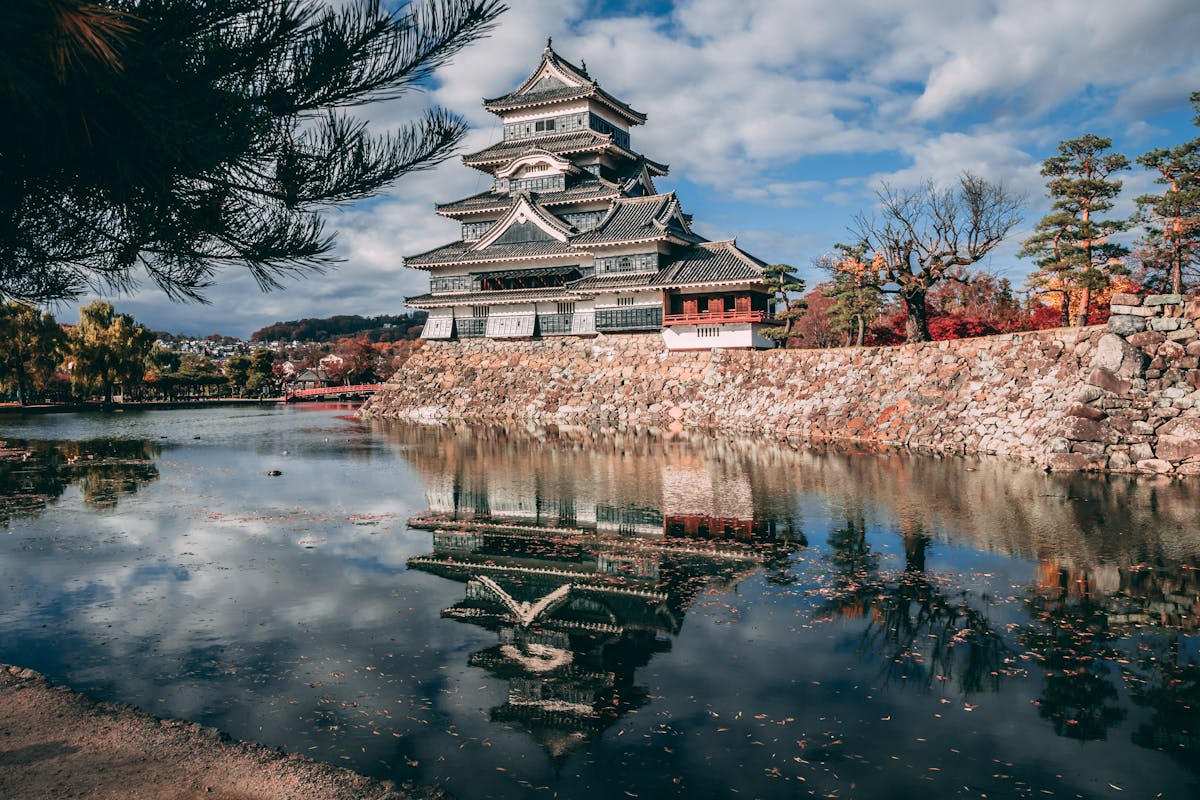
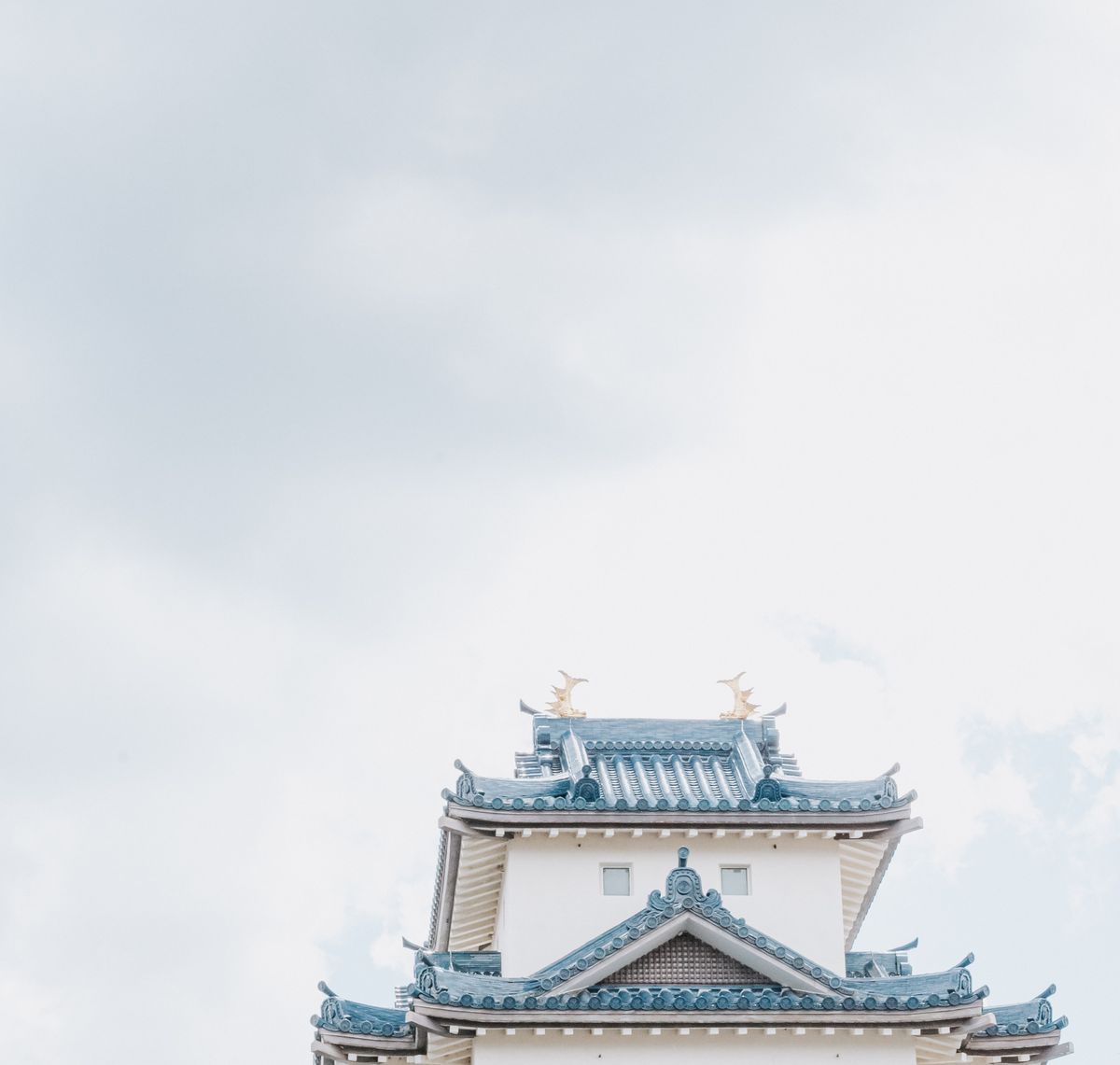
Matsumoto Castle has one of Japan’s oldest surviving original keeps and the oldest five-tiered one — meaning it has never been destroyed and rebuilt, unlike Osaka Castle and Nagoya Castle which are 20th-century concrete reconstructions. The castle’s distinctive black-and-white color scheme (which earned it the nickname “Crow Castle”) dates from the late 16th century, when the main keep was built by the Ogasawara and later Ishikawa clans between 1592 and 1614. Alongside Himeji, Hikone, Inuyama and Matsue castles, it is one of only five castles in Japan designated a National Treasure.
The castle interior is steep and original — climbing to the sixth floor via original ladders rather than modern staircases gives you a genuine sense of the building’s military function. The castle is also surrounded by a water-filled moat that reflects perfectly in calm conditions, making it one of Japan’s most photographed castle views, especially spectacular when cherry blossoms bloom along the moat in early to mid-April.
Visiting details: Admission is ¥700 (~$4.70) for adults, ¥300 (~$2) for children. Open daily 8:30–17:00 (entry until 16:30). The castle grounds (moat and gardens) are free to enter from dawn to dusk. A combined ticket with the Japan Ukiyo-e Museum costs ¥1,100 (~$7.40) and represents good value if you plan to visit both. The castle is a pleasant 10-minute walk from Matsumoto Station through the old town center (Nakamachi district).
Best times to photograph the castle: Early morning before crowds arrive (castle opens at 8:30), and during cherry blossom season (usually late April). The winter view with snow on the mountains behind is exceptional but requires cold-weather preparation.
Matsumoto City: Arts, Wasabi, and the Old Town
Nakamachi and Nawate districts form the historic commercial center of Matsumoto. Nakamachi is lined with traditional kurazukuri (black-and-white warehouse-style buildings) housing craft shops, sake breweries, cafes, and restaurants. Nawate Street runs along the Metoba River and is famous for its frog motif — the local frog preservation society has made frogs the neighborhood mascot, and frog figurines, sweets, and souvenirs appear everywhere. Both are pleasant for a gentle 30-minute stroll.
The Japan Ukiyo-e Museum holds one of the world’s largest private collections of ukiyo-e woodblock prints — over 100,000 works by masters including Hokusai, Hiroshige, and Utamaro. Only a small rotating selection is displayed at any time, but the quality is exceptional. Admission: ¥1,000 (~$6.70). Closed Mondays.
Matsumoto Performing Arts Centre (Matsumoto Bunka Kaikan) hosts the Saito Kinen Festival each August, one of Asia’s most respected classical music festivals. Tickets for performances sell out months in advance; check the festival website if you plan to visit in August.
Daio Wasabi Farm, about 30 minutes from central Matsumoto, is the largest wasabi farm in Japan, fed by crystal-clear mountain spring water. The farm’s water channels and wasabi paddies are genuinely beautiful, and the free walking path through the farm allows you to observe the cultivation process. A wide range of wasabi products is sold in the farm shop: wasabi ice cream (¥350 / ~$2.40), wasabi soba, wasabi beer, and fresh wasabi root. Free entry; open daily 9:00–17:30.
Kamikochi: Japan’s Most Spectacular Alpine Valley
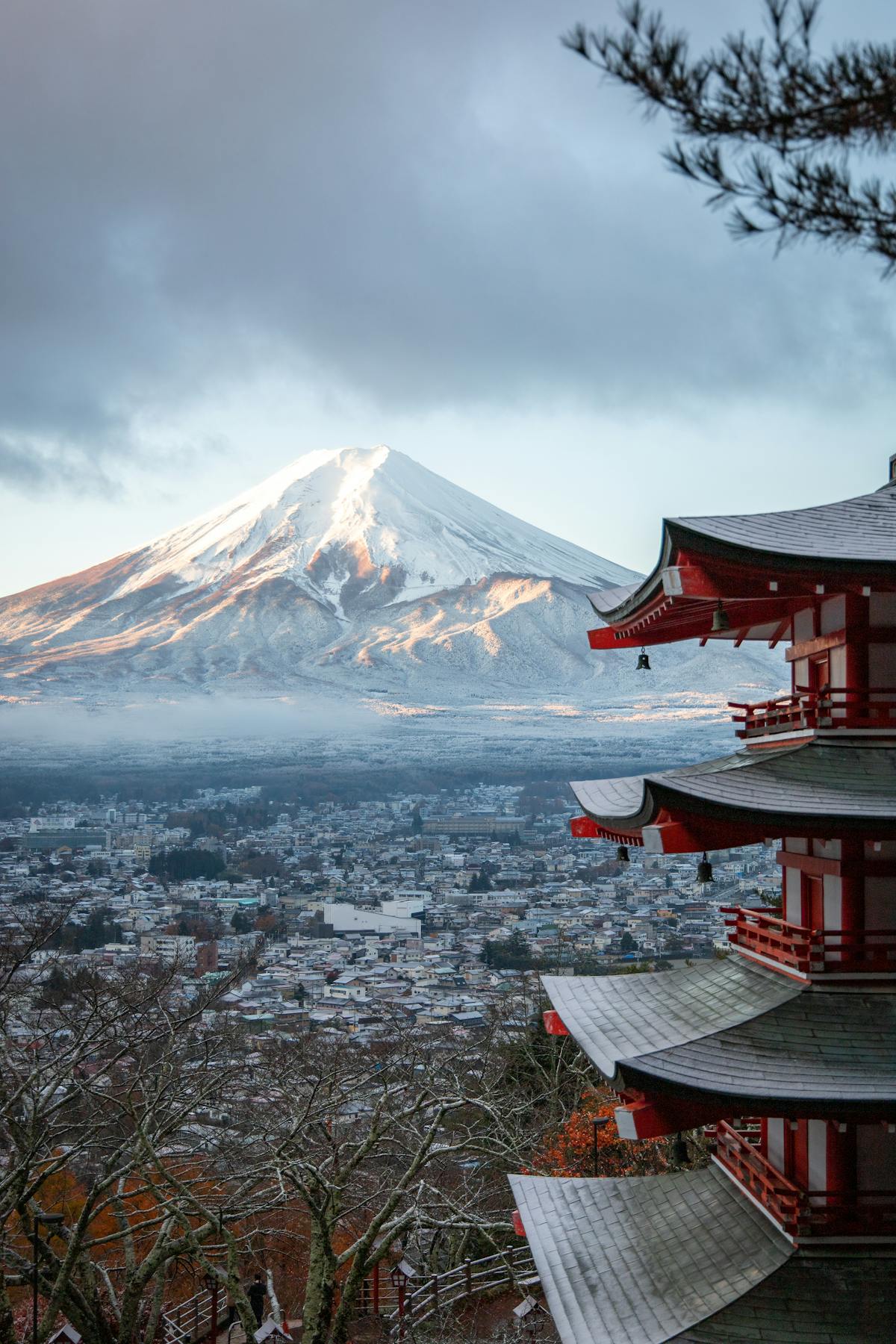
Kamikochi is the most celebrated natural destination in the Japanese Alps and one of the most beautiful highland valleys in Asia. At 1,500 meters above sea level, the valley was carved by glaciers and now contains the crystal-clear Azusa River flowing through meadows ringed by 3,000-meter peaks including Yakedake (an active volcano) and the jagged ridge of Oku-Hodaka-dake. Kamikochi opens on April 17 each year after being completely closed through winter, and closes again on November 15.
Key sights in Kamikochi:
- Kappa-bashi Bridge: The iconic wooden suspension bridge over the Azusa River, with the perfect mountain backdrop that appears in countless photographs of Kamikochi. Free; open 24 hours.
- Taisho Pond: A reflective pond formed in 1915 when a mudflow from Yakedake’s eruption dammed the Azusa River, with dead silver birch trees standing in the water and perfect mountain reflections on calm mornings. About an hour’s walk from Kappa-bashi; free.
- Myojin Pond: A series of serene ponds about 1 hour’s walk upstream from Kappa-bashi, surrounded by forest and fed by underground springs. The adjacent Hotaka Shrine charges adults ¥500 (~$3.40) for the inner pond area.
- Yokoo: The gateway to serious alpine climbing routes, about 3 hours’ walk from Kappa-bashi through forest and meadow.
Getting to Kamikochi: Private cars are prohibited in Kamikochi. From Matsumoto, take the Matsumoto Electric Railway (Alpico Line) to Shin-Shimashima (30 minutes, ¥680 / ~$4.60), then a bus to Kamikochi (about 1 hour, ¥2,750 / ~$18.50 one-way). Alternatively, direct buses run from Matsumoto Bus Terminal (Alpico Bus, about 1.5 hours, ¥2,750). From Nagano or Tokyo, direct buses also run in peak season. A combination bus-train pass (Kamikochi Line Ticket) offers a discount at around ¥4,100 round trip from Matsumoto (~$27.70).
Accommodation in Kamikochi: Five inns and hotels operate inside the valley, ranging from basic mountain lodges to the historic Kamikochi Imperial Hotel (established 1933, famous for its alpine setting; rooms from ¥35,000 / ~$235). Advance booking (months ahead for weekends and golden week) is essential. Staying overnight allows you to enjoy the valley at dawn and dusk, when the light is most beautiful and day-trippers have departed.
Book your Kamikochi or Matsumoto hotel on Agoda →
Shirakawa-go and Gokayama: UNESCO Mountain Villages
Shirakawa-go (in Gifu Prefecture) and Gokayama (in Toyama Prefecture), together designated a UNESCO World Heritage Site in 1995, preserve some of Japan’s most distinctive traditional architecture: gassho-zukuri farmhouses with steep thatched roofs designed to shed the enormous snowfalls of this mountain region (up to 2 meters of snow per year). The steep-pitched roofs — the name gassho-zukuri means “hands in prayer” — could support the weight of several meters of snow while the insulated attic space was used for silkworm cultivation.
Ogimachi village in Shirakawa-go is the largest and most visited of the surviving settlements, with about 100 gassho-zukuri farmhouses in various states of preservation and several open to the public as museums. The Wada House (¥300 / ~$2) is the largest surviving gassho-zukuri residence; the Kanda House (¥400 / ~$2.70) offers particularly good interior exhibits about traditional life. The village lookout (Shiroyama Viewpoint) provides the classic aerial photograph of the village nestled in the valley — a 10-minute walk from the village center, free.
Shirakawa-go is at its most magical in winter, when deep snow covers the thatched roofs and the village looks like a fairy tale. Special illumination events on select February weekends (when floodlights dramatically highlight the snow-covered farmhouses at night) are extremely popular — busloads of Japanese tourists attend, and buses sell out weeks in advance.
Getting to Shirakawa-go: From Kanazawa by bus (about 1 hour 15 minutes, ¥1,850 / ~$12.50 one-way). From Takayama by bus (about 50 minutes, ¥2,600 / ~$17.60 one-way). From Matsumoto, the most practical route is by car via Route 158 and Takayama, then the Tokai-Hokuriku Expressway (about 2.5–3 hours); direct buses are limited. A rental car is the most flexible option for combining Shirakawa-go with the surrounding region.
Norikura and Azumino: More Alpine Experiences
Norikura Plateau is a volcanic highland south of Kamikochi, reached by Japan’s highest bus road (the Norikura Skyline, reaching 2,716 meters). From the terminal, a 1-hour hike leads to the summit of Norikura-dake (3,026m), which offers extraordinary panoramas across the Japanese Alps. The road is open from late July to late October; buses run from Matsumoto Bus Terminal (about 2 hours, ¥2,900 / ~$19.60 one-way).
Azumino, north of Matsumoto in the Azumi Valley, is a tranquil area of rice paddies, cycling paths, and wasabi farms (the aforementioned Daio Farm is here). The area is particularly beautiful in early summer when the paddies are flooded and reflect the surrounding mountains.
Practical Tips for Visiting Matsumoto and the Japanese Alps
Getting to Matsumoto: From Tokyo (Shinjuku) by the JR Azusa limited express (2.5 hours; fares rose with JR East’s March 2026 revision); this is one of the most pleasant long-distance train journeys in Japan, running through the Chuo Highlands. From Nagoya by the JR Shinano limited express (about 2 hours, ¥5,610 / ~$38). From Nagano by JR limited express (about 50 minutes; check current fares after JR East’s 2026 increase). From Osaka or Kyoto, the most practical option is the JR Shinano via Nagoya.
Getting around Matsumoto: The city center is compact and walkable — most major sights are within 20 minutes’ walk of Matsumoto Station. For Daio Wasabi Farm and surrounding areas, the JR Oito Line to Hotaka Station provides some access, but a bicycle is more practical for exploring Azumino. Rental bicycles are available near Matsumoto Station from ¥700 per day (~$4.70).
Seasonal advice:
- Late April: Cherry blossoms at Matsumoto Castle — one of Japan’s finest castle blossom views
- May–June: Fresh green season in Kamikochi, wasabi in full production in Azumino
- July–August: Peak hiking season, Saito Kinen Festival in Matsumoto city
- October: Spectacular autumn foliage in Kamikochi and throughout the Alps
- December–March: Winter at Shirakawa-go, skiing at nearby Shiga Kogen and Hakuba resorts
Budget guide:
- Budget: ¥7,000–¥12,000 per day (~$47–$81) — hostels/guesthouses, convenience store/ramen meals, free sights
- Mid-range: ¥18,000–¥35,000 per day (~$120–$235) — business hotel, restaurant meals, Kamikochi bus
- Luxury: ¥50,000+ per day (~$340+) — mountain lodge in Kamikochi, kaiseki dinner in the Alps
Get your Japan eSIM (Stay connected from day 1) →
Frequently Asked Questions About Matsumoto and the Japanese Alps
How many days should I spend in Matsumoto?
Two days covers Matsumoto city (castle, old town, Daio Wasabi Farm) and a day trip to Kamikochi. Three to four days allows you to add Shirakawa-go and a full hiking day in Kamikochi or on Norikura. If you plan serious mountain hiking, allow a week or more.
Can I hike in the Japanese Alps without experience?
Kamikochi’s valley floor trails (Kappa-bashi to Taisho Pond or Myojin Pond) are suitable for all fitness levels with no hiking experience. The trail to Norikura summit requires only moderate fitness. Serious alpine routes (Yari-ga-take, Hotaka-dake, etc.) require full hiking equipment, experience, and planning. Mountain weather changes rapidly — always check the forecast before any mountain activity.
Is Shirakawa-go worth visiting in summer?
Yes, though the snow-covered winter view is more iconic. Summer offers lush green vegetation surrounding the farmhouses, comfortable temperatures, and the opportunity to stay overnight in a working gassho-zukuri farmhouse (several families open their homes to guests, a unique experience). Summer visitor numbers are also lower than winter illumination events.
What is the difference between Matsumoto and Nagano?
Matsumoto and Nagano are two distinct cities in Nagano Prefecture. Matsumoto (population ~240,000) is the cultural and commercial center of the prefecture, famous for its castle and access to Kamikochi. Nagano city (population ~370,000) hosted the 1998 Winter Olympics and is the starting point for visiting Zenko-ji temple and the Shiga Kogen ski resort. Many visitors combine both on a longer Nagano Prefecture trip.
Can I visit Shirakawa-go from Matsumoto in one day?
It is possible by car (about 2 hours each way via Takayama) but makes for a long day. A more practical itinerary is Matsumoto to Takayama (about 2.5 hours by bus or car), overnight in Takayama, then Shirakawa-go as a day trip from Takayama (50 minutes by bus). This allows proper time at each destination without rushed driving.
When does Kamikochi open and close?
Kamikochi officially opens on April 17 and closes on November 15 each year. Outside these dates, the road is closed entirely. The best periods for visiting are late May for fresh spring greenery, late October for spectacular autumn foliage (peak around October 10–20), and mid-summer for clear mountain views and active hiking.
Related guides
- Kanazawa Travel Guide 2026: A First-Timer’s Guide to Kenrokuen, Geisha Districts, Samurai Streets and Sea of Japan Seafood
- Eiheiji Temple Guide: Japan’s Most Sacred Zen Monastery in Fukui (Complete 2026 Guide)
- Jigokudani Snow Monkey Park: A First-Timer’s Guide to Nagano’s Bathing Monkeys and Onsen Towns
Going to Japan? Speak Japanese with confidence.
Hirameki Japanese — camera translate for menus and signs, a two-way conversation mode, and furigana + romaji on every phrase. Free to download with kana charts, conversation mode and starter words; a one-time purchase unlocks everything.

Plan your Japan trip
Two things every first-timer should book
Some links are affiliate links. If you book through them we may earn a small commission at no extra cost to you.