Tottori Sand Dunes Travel Guide: Japan’s Only Desert Landscape
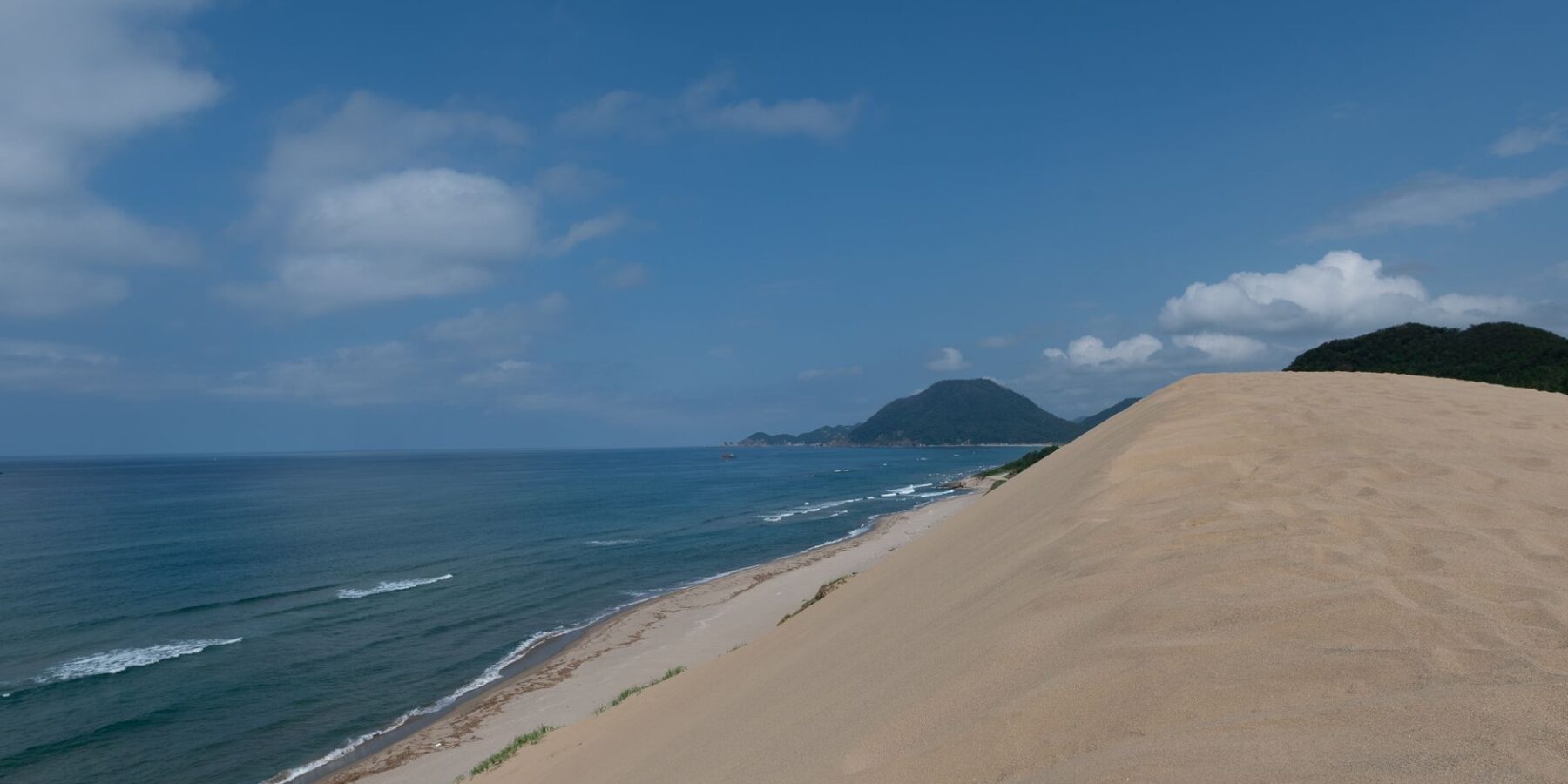
Japan surprises visitors with the sheer variety of its landscapes, but nothing prepares most travelers for the Tottori Sand Dunes — a 16-kilometer stretch of wind-sculpted sand dunes rising up to 90 meters above the Sea of Japan coast, the largest coastal dune system in East Asia and the closest thing to a desert that Japan possesses. In a country of forested mountains, temple gardens, and bustling cities, the Tottori Dunes create a dramatic landscape of pure natural geometry: sweeping curves of pale sand, razor-sharp ridge lines against the sky, wind patterns etched in intricate ripples across the dune surfaces.
The dunes lie within San’in Kaigan National Park and attract over 2 million visitors annually — more than most of Japan’s most famous attractions. Yet Tottori Prefecture, located on Japan’s Sea of Japan coast (the “San’in” or “Mountain Shade” region), remains one of Japan’s least-visited prefectures by international tourists. Beyond the famous dunes, Tottori offers remarkable historic sites, excellent seafood, the surreal Mizuki Shigeru Road dedicated to manga monster culture, and the stunning San’in Geopark coastline. This guide covers everything you need for a rewarding visit.
The Tottori Sand Dunes: Understanding Japan’s Desert
Formation and Geography
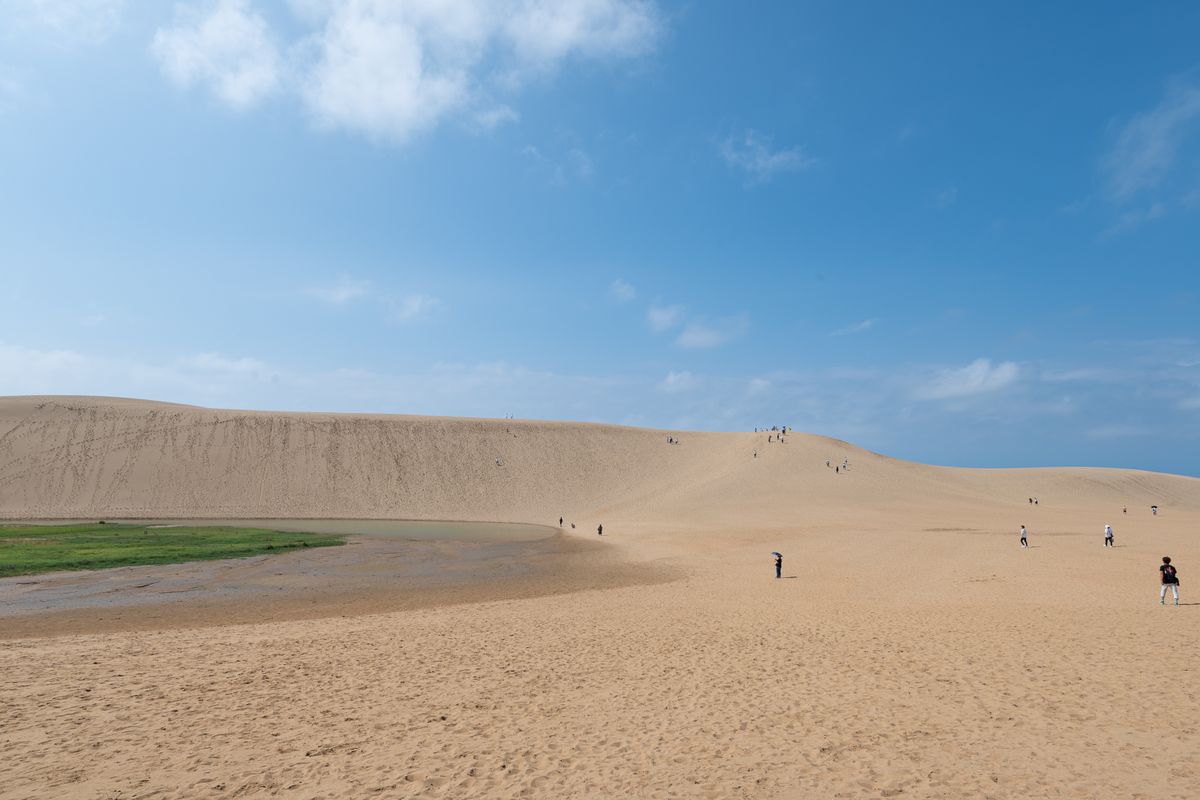
The Tottori Sand Dunes were not formed by the same processes that create true desert dunes — they are coastal dunes, formed over approximately 100,000 years by the accumulation of sand eroded from the Chugoku Mountains and carried to the Sea of Japan by the Sendai River, then deposited along the coast and sculpted by the prevailing sea winds into their current dramatic form. The dune field covers approximately 16 kilometers in length and 2.4 kilometers in width, with the tallest dune reaching 90 meters above the surrounding landscape.
The dunes are dynamic — their shape changes constantly as wind moves sand from windward slopes to leeward slopes, creating the sinuous ridge lines and rippled surfaces that photographers prize. Strong seasonal winds (particularly in winter and early spring) create the most dramatic formations. Rain temporarily darkens the sand and softens the ridges; after rain followed by wind, the surface is covered in intricate ripple patterns of extraordinary delicacy. No two visits to the dunes produce the same visual experience.
The dune ecosystem also supports surprising biodiversity. The “oasis” (a small freshwater pond that forms seasonally in a dune hollow) appears and disappears with the water table, attracting migratory birds. Plant communities adapted to the harsh conditions — sea rocket, beach morning glory, and various coastal grasses — create stabilized areas within the overall shifting dune landscape. The interplay of bare sand and vegetated areas creates varied textures visible from the observation deck above the main dune area.
How to Explore the Dunes
The dune area is accessed from the Tottori Sand Dunes Visitor Center, located at the dune’s eastern end. From the visitor center, a short path leads to the main observation deck offering views across the full extent of the dunes toward the Sea of Japan. From the observation deck, visitors can descend into the dune field itself on foot — no paths or markers, just open sand in every direction. The freedom to wander at will across the dune ridges and hollows, with the sound of wind and the absence of any urban reference point, creates a genuinely disorienting and liberating experience.
A paragliding school operates from the main dune area, offering tandem paragliding flights over the dune landscape for approximately ¥15,000-20,000 ($101-135 USD) per flight. Sandboarding (descending the steep dune faces on a board, similar to snowboarding) is available through rental operators near the visitor center for approximately ¥1,000-2,000 ($6.70-13.50 USD) including equipment. Camel riding — a uniquely incongruous attraction — is available near the dune entrance at approximately ¥1,000 ($6.70 USD) for a short circuit. Horseback riding is also available.
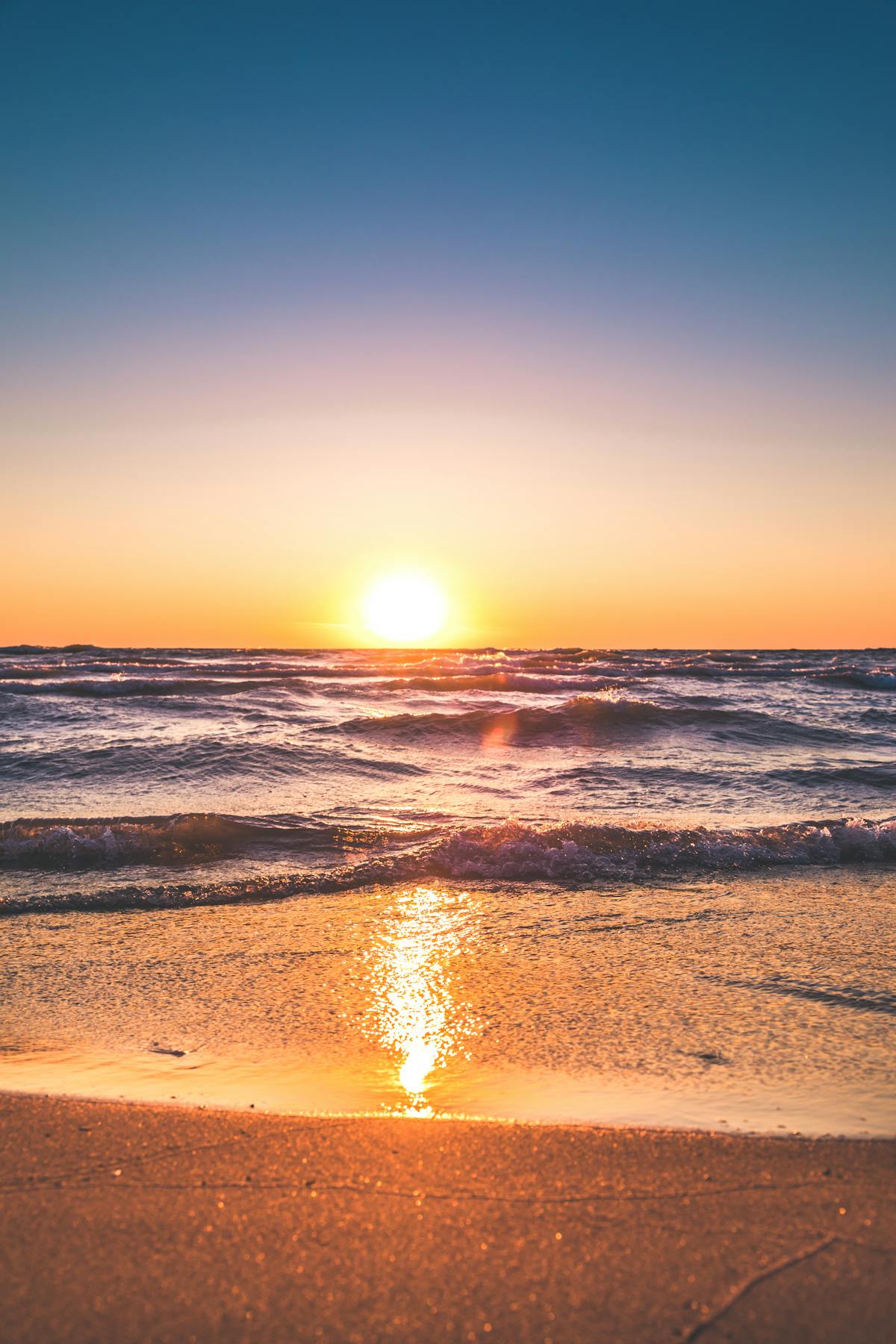
Photography at the dunes is exceptional during the “golden hour” — the hour after sunrise and before sunset when the low-angle light creates dramatic shadows in the dune ripples and along the ridge lines. Dawn visits (before the dune is disturbed by footprints from day visitors) and dusk visits (when the last light turns the sand gold and orange) produce the most striking images. The dune area is open 24 hours, so night photography of the dunes under moonlight or stars is possible for adventurous photographers.
Entry to the dune area itself is free. The Dune Center visitor center charges no admission. Parking costs approximately ¥300-500 ($2-3.35 USD). The only costs at the dunes themselves are for optional activities (sandboarding, camel riding, paragliding).
Sand Art Museum: Where Art Meets the Dunes
Adjacent to the sand dunes is the Tottori Sand Museum (Suna no Bijutsukan) — a unique indoor exhibition space that hosts enormous sand sculptures created by internationally renowned sand artists. The museum opened in 2006 and has since developed into one of Japan’s most unusual and compelling artistic attractions. Each year the museum presents a new themed exhibition (past themes have included Silk Road civilizations, World Heritage Sites, and national artists) with sand sculptures of extraordinary scale and detail — some reaching 7-8 meters in height, carved from specially prepared sand blocks using only water and sand without any adhesives or internal structure.
The transient nature of sand sculpture — all works are eventually demolished to prepare for the next year’s exhibition — gives the Sand Museum a poetic quality that resonates with the Buddhist concept of impermanence (mujyo) and creates urgency in the viewing experience: these works cannot be seen again once the exhibition closes. Admission: ¥600 (approximately $4 USD) for adults, ¥300 ($2 USD) for children. The exhibition is open year-round (closed briefly between exhibitions in early winter for reconstruction). Current exhibition dates and themes are posted on the museum’s website.
Tottori City: Castle, Museums, and Manga
Tottori Castle Ruins
Tottori Castle (Tottori-jo), known as Kite Castle for its hilltop position on Mt. Kyusho above the city, was one of the most strategically important castles in the San’in region during the Sengoku (Warring States) period. The castle is famous in Japanese history for the “Siege of Tottori” (1581), in which the warlord Toyotomi Hideyoshi blockaded the castle for about four months, cutting off all food supplies. The defenders eventually surrendered in a state of extreme starvation — the siege became one of the most tragic episodes of the Sengoku period. The castle’s main keep no longer stands, but the extensive stone walls and turret foundations, set in a forest on the hilltop reached by a 20-minute hike, are impressive and afford views over the city and dunes below. Admission: free.
Tottori Prefectural Museum
The Tottori Prefectural Museum houses permanent collections covering the natural history of the dune formation, archaeological artifacts from prehistoric and historic periods, and artworks by regional artists. The natural history section on dune formation is particularly informative for understanding what you’ve seen at the dunes. Admission: ¥200 (approximately $1.35 USD) for the permanent collection. Special exhibitions are charged separately.
Conan Town and Detective Tourism
Tottori Prefecture is the birthplace of Gosho Aoyama, the manga artist who created Detective Conan (Case Closed), Japan’s longest-running detective manga and one of anime’s most globally recognized franchises. The town of Hokuei in central Tottori has fully embraced this heritage, creating “Conan Town” with a bronze statue of the protagonist at the town center, the Gosho Aoyama Manga Factory museum (displaying original artwork, interactive exhibits, and comprehensive merchandise for fans), and Conan-themed shops, manhole covers, and street art throughout the town. The museum attracts fans from across Japan and internationally and is one of Tottori’s major tourist attractions. Admission: ¥700 (approximately $4.70 USD) for adults.
Mizuki Shigeru Road: Yokai Monster Culture
In Sakaiminato city, at the western end of Tottori Prefecture bordering Shimane Prefecture, the Mizuki Shigeru Road has transformed an ordinary shopping street into one of Japan’s most beloved pop culture attractions. Mizuki Shigeru (1922-2015) was Japan’s most celebrated manga artist of supernatural horror — his “GeGeGe no Kitaro” manga series introduced generations of Japanese children to yokai (supernatural monsters) from Japanese folklore, reimagined through his distinctive grotesque-and-charming visual style.
The 800-meter shopping street is lined with 177 bronze statues of yokai characters from Mizuki’s universe — each figure rendered in gleaming detail, from the familiar Kitaro himself to obscure regional monsters from Japanese folk tradition that Mizuki spent his career documenting and popularizing. The Mizuki Shigeru Memorial Museum at the end of the road provides comprehensive background on the artist’s life, his wartime experiences (he lost his left arm in combat in Papua New Guinea during World War II), and the cultural significance of yokai in Japanese tradition. The museum is one of Tottori’s finest cultural institutions. Admission: ¥700 (approximately $4.70 USD).
The street and museum together constitute one of Japan’s most interesting contemporary pop culture heritage sites — a combination of folkloric tradition, wartime history, and manga artistry that rewards visitors who engage with it seriously rather than treating it as mere novelty. The yokai culture that Mizuki documented and popularized has experienced a global renaissance through video games, anime, and contemporary art, making the memorial museum newly relevant to international pop culture audiences.
San’in Geopark: Dramatic Coastal Scenery
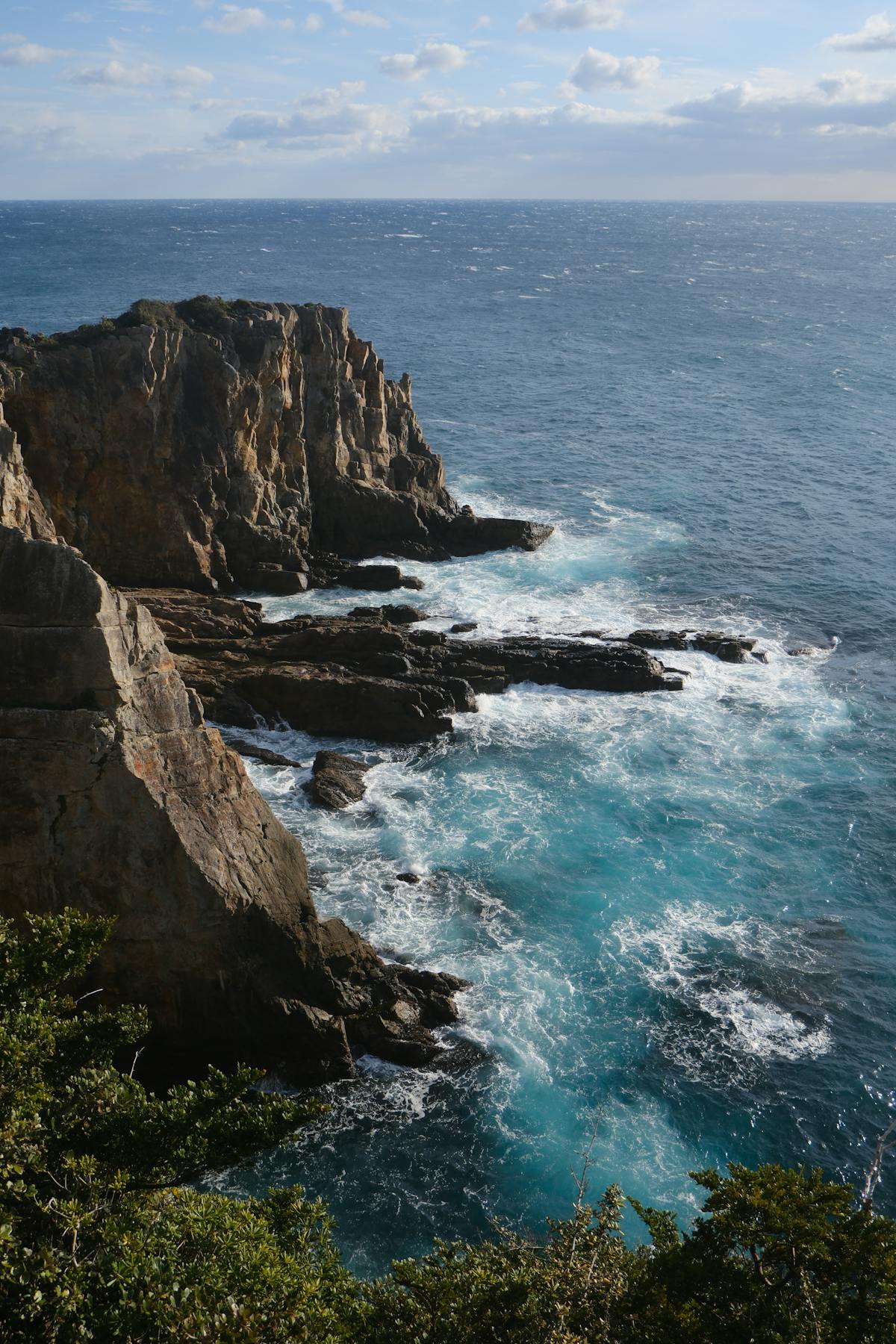
The San’in Kaigan Geopark was certified as a Global Geopark in 2010, recognizing the scientific and scenic value of its geological diversity. The geopark stretches from Kyoto Prefecture through Hyogo to Tottori, encompassing a 110-kilometer stretch of dramatically varied coastal geology: volcanic sea stacks, basalt columns, sea caves, sand beaches, and ancient rock formations that document millions of years of geological activity.
In Tottori, the Uradome Coast east of the city is the geopark’s most accessible and scenic section. Boat tours from Uradome harbor (approximately ¥1,200 / $8 USD per person) navigate sea caves carved by wave action into the granite cliffs, with guide commentary on the geological features. The transparency of the water in the cave interiors creates extraordinary plays of reflected light that professional photographers seek out specifically. Some sea caves are large enough for small boats to enter completely, creating the impression of floating inside a blue-lit natural cathedral.
The Kaike Onsen hot spring resort, located in Yonago in western Tottori Prefecture near the Shimane border, adds an easy bathing dimension to any San’in Geopark exploration. The onsen waters at Kaike are sodium chloride springs — naturally salty, warm, and deeply relaxing. Several large hotels and a public bathhouse (¥400 / $2.70 USD for adults) serve the area.
Tottori’s Food Culture: Crab, Seafood, and Pear
Despite being Japan’s least populous prefecture, Tottori has a food culture of genuine distinction anchored by exceptional seafood from the Sea of Japan and agricultural products from the fertile valleys between the mountains and the coast.
Matsuba Crab: The King of the Sea of Japan
Tottori’s most celebrated food product is Matsuba Crab (matsuba-gani) — the male snow crab caught in the cold waters of the Sea of Japan off the Tottori coast during the November-to-March season. Matsuba crabs are distinguished from generic snow crab by the specific fishing waters and the rigorous grading system applied to the catch. The most prized specimens — large males with full, undamaged claws and dense meat — command prices of ¥20,000-50,000 ($135-337 USD) per crab at specialty restaurants and seafood markets. Even modest-grade Matsuba crabs are exceptional in flavor, with a sweetness and richness that distinguishes fresh local crab from anything available outside the region.
The crab season opening in November is a major annual event in Tottori, with the first catch of the season fetching ceremonial auction prices. During the season, crab-focused kaiseki meals at Tottori ryokan are among the most memorable dining experiences in the San’in region. A full crab dinner at a specialty restaurant costs ¥10,000-30,000 ($67-202 USD) per person depending on the quality and quantity of crab.
Tottori Pears (Nijisseiki Nashi)
Tottori Prefecture is Japan’s top producer of Nijisseiki pears, and the Nijisseiki variety (a round, sweet, crisp pear discovered in Chiba in 1888 and grown in Tottori since 1904) — is considered Japan’s finest. The pear harvest in late August and September draws visitors from across Japan to pick pears directly from orchards in the hills surrounding Tottori city. The fruit is extraordinarily juicy and sweet, with a clean, light flavor that makes Japan’s nashi pears very different from Western pear varieties. Fresh-pressed pear juice, pear jam, pear candy, and pear-flavored sweets are available throughout the prefecture as gifts and souvenirs.
Curry That’s Famous for Being Controversial
In a peculiar piece of Japan’s regional food culture, Tottori is famous for being Japan’s greatest per-capita consumer of curry (both curry powder and curry roux products). While this data point is disputed, it has been claimed multiple times by national surveys and has become part of Tottori’s regional food identity — the prefecture’s tourist board has embraced it enthusiastically, with “Tottori curry rice” appearing on souvenir packaging and restaurant menus as a regional branding concept. Whether or not the statistics hold up, the locally developed curry blends using Tottori ingredients (Matsuba crab curry, pear-infused curry, wagyu curry) are genuinely excellent and worth seeking out.
Explore the San’in region with an expert guide: Book Japan tours and activities on Klook →
Getting to Tottori
By Train
Tottori is connected to the JR network by the San’in Main Line (running along the coast) and the Chizu Express Line connecting to Okayama on the Sanyo Shinkansen. From Osaka or Kyoto, the most efficient route is by JR Super Hakuto limited express to Tottori Station, taking approximately 2.5-3 hours (¥5,500-6,500 / $37-44 USD). From Tokyo, the most practical route involves bullet train to Okayama (approximately 3.5 hours) followed by the Super Inaba limited express via the Chizu Express line to Tottori (approximately 1 hour 50 minutes) — total approximately 5 hours. JR Pass holders can ride Hikari shinkansen trains at no extra cost, but Nozomi trains require an extra Nozomi-Mizuho fee.
By Highway Bus
Highway buses connect Tottori with Osaka (approximately 2 hours 30 minutes, ¥3,000-4,500 / $20-30 USD), Tokyo (approximately 9 hours overnight, ¥5,000-8,000 / $33.70-54 USD), and other major cities. The bus from Osaka is particularly economical and time-competitive with the train, especially when booked in advance through discount highway bus operators. Night buses from Tokyo allow comfortable overnight travel arriving in Tottori in the morning.
By Air
Tottori Airport has limited service, with ANA operating flights to Tokyo Haneda (approximately 1 hour 10 minutes). Flight prices vary from ¥15,000-35,000 ($101-236 USD) depending on advance purchase and season. The airport is located 10 minutes from Tottori city by bus. For most visitors from Osaka or western Japan, surface transportation is more convenient. From Tokyo, flying saves time but the bus from the airport adds to the overall journey.
Stay connected throughout Tottori and San’in: Get your Japan eSIM (Stay connected from day 1) →
Getting Around Tottori
Within Tottori city, local buses connect the station, city center, and the sand dunes (approximately 25 minutes from Tottori Station, ¥370 / $2.50 USD). Buses run frequently during daylight hours. A taxi from Tottori Station to the dunes costs approximately ¥1,500-2,000 ($10-13.50 USD). For those with time and inclination, cycling the 5 kilometers from the city center to the dunes is pleasant and scenic.
For exploring the San’in coast, Conan Town (Hokuei), Mizuki Shigeru Road (Sakaiminato), and other regional attractions, renting a car provides by far the best flexibility and efficiency. The San’in coast has limited public transport between towns, and many of the most scenic geopark locations are not accessible by bus. Rental car offices are available at Tottori Station (Toyota Rent a Car, Nippon Rent-A-Car, and others). Rates from approximately ¥5,000-8,000 ($33.70-54 USD) per day for a compact car.
Best Time to Visit Tottori
Spring (March-May): The dunes are at their most beautifully patterned in spring, when strong winds create sharp ridge lines and the absence of summer heat makes extended exploration comfortable. The Sea of Japan coastal scenery is clear. Pollen season (March-April) can be problematic for hay fever sufferers due to cedar and cypress pollen from the surrounding forests.
Summer (June-August): The dunes can be intensely hot in summer (surface temperature exceeds 60°C / 140°F on direct sun days), and visitors are advised to start dune exploration before 9 AM and after 4 PM. The ocean provides swimming opportunities at beaches along the coast. The Tottori Hanakairo Flower Park near Mt. Daisen in western Tottori displays enormous summer flower fields. Sunsets over the Sea of Japan in summer are spectacular.
Autumn (September-November): The crab season opening in November is the culinary highlight of the year. Autumn is excellent for the dunes — temperatures are comfortable, the wind patterns are active, and autumn light creates dramatic dune photography. The Uradome Coast boat tours run reliably in the calm autumn seas.
Winter (December-February): The San’in region receives heavy winter snow typical of the Sea of Japan coast, a phenomenon called “Japan Sea Effect Snow” where cold Siberian air picks up moisture over the relatively warm sea, rises and precipitates heavily over the coastal mountains. Snow on the sand dunes creates extraordinary photographic opportunities — a genuinely rare sight of desert dunes in winter white. The Matsuba crab season is at its peak. Winter cold (temperatures 0-8°C / 32-46°F) is manageable with proper clothing.
Where to Stay in Tottori
Most accommodation in Tottori concentrates in two areas: Tottori city (business hotels and guesthouses convenient for the dunes and city attractions) and Kaike Onsen (hot spring ryokan and resort hotels west of the city). Budget business hotels near Tottori Station cost approximately ¥6,000-10,000 ($40-67 USD) per night. Kaike Onsen ryokan with hot spring baths and crab dinners in season run approximately ¥15,000-40,000 ($101-270 USD) per person including meals.
For a sand dunes proximity experience, a handful of small hotels and guesthouses are located near the dune entrance — convenient for sunrise and sunset photography when the light transforms the dune landscape. For those visiting in crab season, booking a Kaike Onsen ryokan with crab dinner reservation is the most complete San’in experience.
Book your Tottori accommodation: Book your hotel on Agoda (Best prices guaranteed) →
Frequently Asked Questions About Tottori
Are the Tottori Sand Dunes really a desert?
Technically, no — the Tottori Dunes are coastal dunes formed by river sediment and wind action along the Sea of Japan coast, not true desert formed by extreme arid conditions. However, the visual and physical experience of the dunes — the open expanse of sand, the absence of vegetation on the main dune bodies, the intense heat radiating from sand surfaces on summer days — creates an experience that visitors consistently describe as “desert-like” in a way that no other Japanese landscape does. The dunes receive rain and are within a few kilometers of the ocean, making them fundamentally different from the Sahara or Gobi — but experientially, they are Japan’s closest equivalent.
How long do I need at the dunes?
Most visitors spend 1.5-3 hours at the dunes themselves, including time at the observation deck and a walk into the dune field. Add the Sand Art Museum (45-60 minutes) for a total of 2.5-4 hours for the dune area. A full day in Tottori adds the castle ruins, the city museum, and the Uradome Coast boat tour for a comprehensive experience. A second day allows for the Hokuei Conan Town and Sakaiminato Mizuki Shigeru Road — both located along the San’in coast and combinable in a single day by car.
Can I swim in the sea near the dunes?
Yes — beaches directly adjacent to the dune area have swimming areas in summer (July-August). The sea here is the Sea of Japan, which is calmer and warmer than Japan’s Pacific coast but still has currents to be aware of. Lifeguards are present at designated swimming beaches during the summer season. The combination of dune exploration and sea swimming in the same area makes the Tottori dune coast particularly attractive for families in summer.
Is Tottori a good destination for manga fans?
Tottori is exceptional for manga fans, particularly fans of two specific franchises. The Gosho Aoyama Manga Factory in Hokuei (Detective Conan) and the Mizuki Shigeru Memorial Museum and Yokai Road in Sakaiminato (GeGeGe no Kitaro and yokai culture) are both world-class fan destinations with comprehensive exhibits, original artwork, and extensive merchandise. Neither is easily accessible without a rental car or specific purpose-directed travel, but serious fans of either franchise will find the journey deeply rewarding. Combining both in a single day by rental car from Tottori city is feasible.
How does Tottori compare to other off-the-beaten-path Japan destinations?
Tottori occupies a unique position among Japan’s off-the-beaten-path destinations because its primary attraction (the dunes) is genuinely unlike anything else in the country, while its secondary attractions span a remarkable range: geopark coastal scenery, pop culture heritage, hot springs, and world-class seafood. Compared to Shimane Prefecture (its neighbor, famous for Izumo Taisha shrine) or Yamaguchi Prefecture (famous for Tsuwano and Akiyoshidai karst plateau), Tottori has a more varied tourism offering that rewards visitors with diverse interests. The prefecture’s small size makes comprehensive exploration feasible in 2-3 days.
Find your ideal Tottori accommodation: Find luxury hotels and ryokan on Agoda →
Tottori’s Neighboring Shimane Prefecture: Extending the San’in Journey
Tottori Prefecture borders Shimane Prefecture to the west, and the two together constitute the San’in region — Japan’s longest stretch of largely unspoiled Sea of Japan coastline. Many travelers visiting Tottori extend their journey into Shimane to experience two of Japan’s most extraordinary cultural sites.
Izumo Taisha: Japan’s most important Shinto shrine after Ise (and some would argue more important), Izumo Taisha is dedicated to Okuninushi no Mikoto, the deity of relationships and marriage. The shrine is famous across Japan as the place where the gods of the entire country convene in the tenth lunar month, usually November (the tenth month, called “Kannazuki” or “Month Without Gods” throughout Japan, but “Kamiari-zuki” or “Month of Gods” specifically in Izumo) to arrange marriages and relationships for the coming year. As a result, couples and singles from across Japan make pilgrimages to Izumo specifically to pray for relationship blessings. The main shrine hall (accessible to the outer courtyard; the inner sanctum is restricted) is surrounded by a remarkable ensemble of ancient buildings and the distinctive “shimenawa” (sacred rope) hanging at the main hall — the largest in Japan at 13.5 meters long and 5 tons in weight. Accessible from Tottori by car (approximately 2 hours) or by train (JR San’in Line, approximately 2.5-3 hours).
Matsue Castle: Located 45 minutes east of Izumo Taisha by train, Matsue Castle is one of Japan’s 12 remaining original wooden castle keeps — a five-story black-lacquered fortress reflected in the surrounding moat, one of Japan’s most beautiful castle silhouettes. The interior displays samurai armor, weapons, and domestic implements from the castle’s occupation period. Around the castle, Matsue’s preserved samurai district (Shiomi Nawate) and the Lafcadio Hearn Memorial Museum (Hearn was the Greek-Irish writer who settled in Matsue in 1890, married a samurai’s daughter, adopted Japanese citizenship as “Koizumi Yakumo,” and wrote the most influential early English-language accounts of Japanese culture) constitute one of the San’in region’s richest cultural clusters. Admission to Matsue Castle: ¥1,200 for adults (approximately $7.60 USD); elementary and junior high school students enter free.
Tottori’s Sake and Local Drinks
Despite its small size, Tottori has a distinguished sake production tradition rooted in the excellent soft water flowing from the Chugoku Mountains. Several small-scale breweries in Tottori city and the surrounding area produce sake with a delicate, clean flavor profile typical of soft-water brewing regions. The Chugoku Jozo brewery (established 1917) near Tottori Station offers tours and tastings of their Takaisami and Fukucho labels. Local craft beer has also emerged in recent years — the Tottori Dune Craft Beer company produces several styles brewed with local water and ingredients from the prefecture’s farms.
The local pear (Nijisseiki nashi) has inspired a remarkable variety of beverages: pear juice (fresh-pressed and bottled), pear cider, pear wine, and pear-flavored beer. These are available at the airport, Tottori Station souvenir shops, and local supermarkets. The fresh-pressed pear juice available at farm-gate shops during the September harvest season is incomparably fresh and sweet.
Practical Tips for the Tottori Sand Dunes
What to Bring and Wear
Footwear: sandals or old sneakers that you don’t mind getting full of sand. Barefoot walking on the dunes is pleasant but hot in summer — bring footwear for the scorching direct-sun surfaces. Sunscreen (SPF 50+) and a hat are essential in all seasons — the reflected light from white sand is intense even on overcast days. Sunglasses protect against both UV and windblown sand during breezy conditions. Water: bring more than you think you need. There are vending machines at the dune entrance but none inside the dune field itself. Light layers are advisable in spring and autumn when sea breezes can be cold despite sunny skies. Long-sleeve shirts protect against sunburn on the exposed dune ridges.
Photography Tips
The best dune photography times are one hour after sunrise and one hour before sunset, when the low-angle light creates dramatic shadow patterns in the rippled sand. Arrive at the dunes before sunrise (the area is always open) for undisturbed pristine sand before other visitors leave footprints. Polarizing filters dramatically improve the blue of the sea visible behind the dunes in clear weather. After rain followed by wind, the fresh ripple patterns on the dune surface are at their most intricate — a pattern that disappears within hours of high visitor traffic. The Tottori Sand Museum (Sand Art) allows interior photography of the giant sculptures, which create extraordinary images due to the scale of the works relative to human visitors.
Dune Safety and Regulations
There are no barriers or formal paths inside the dune field — visitors navigate freely. The main hazards are: sunburn and heat exhaustion in summer (addressed with proper sun protection and hydration), getting sand in eyes during high-wind periods (addressed with sunglasses), and minor ankle twists on uneven sand surfaces (wear ankle-supporting footwear for dune ridge walking). No motorized vehicles are permitted on the dune surface. Collecting sand is technically prohibited to preserve the dune ecosystem. Camping on the dunes is not permitted. Dogs on leash are allowed in the dune area.
Book airport or station transfer in Tottori: Book airport transfer on Kiwitaxi →
Tottori Budget Guide
Transportation to Tottori: From Osaka by Super Hakuto limited express ¥5,500-6,500 ($37-44 USD) one way. From Tokyo by shinkansen to Okayama + Chizu Express approximately ¥18,000-22,000 ($121-148 USD) one way. Highway bus from Osaka ¥3,000-4,500 ($20-30 USD). Night bus from Tokyo ¥5,000-8,000 ($33.70-54 USD).
Local transportation: Bus from Tottori Station to dunes ¥370 ($2.50 USD). Day pass for Tottori city buses approximately ¥800 ($5.40 USD). Rental car from station approximately ¥5,000-8,000 ($33.70-54 USD) per day plus fuel and tolls.
Attractions: Sand dunes entry — free. Sand Art Museum ¥600 ($4 USD). Tottori Castle ruins — free. Gosho Aoyama Manga Factory ¥700 ($4.70 USD). Mizuki Shigeru Museum ¥700 ($4.70 USD). Uradome Coast boat tour ¥1,200 ($8 USD). Sandboarding rental ¥1,000-2,000 ($6.70-13.50 USD). Camel riding ¥1,000 ($6.70 USD).
Accommodation: Budget business hotel near Tottori Station ¥6,000-10,000 ($40-67 USD) per room. Kaike Onsen ryokan with dinner and breakfast ¥15,000-30,000 ($101-202 USD) per person. In crab season, premium crab dinner ryokan packages ¥25,000-50,000+ ($169-337+ USD) per person.
Food outside accommodation: Local restaurant lunch ¥800-1,500 ($5.40-10 USD). Seafood dinner ¥2,000-5,000 ($13.50-33.70 USD). Premium crab restaurant dinner ¥10,000-30,000 ($67-202 USD) per person.
Estimated 2-day budget per person: Budget traveler using buses, free attractions, and business hotel: approximately ¥15,000-25,000 ($101-168 USD). Mid-range traveler with rental car, Sand Art Museum, boat tour, and comfortable hotel: approximately ¥25,000-40,000 ($168-270 USD). Premium experience with Kaike Onsen ryokan and crab dinner (in season): approximately ¥40,000-70,000 ($270-472 USD) per person.
These budget figures reflect typical travel costs during regular season. Crab season (November-March) significantly increases food costs if you prioritize Matsuba crab experiences. Golden Week (late April-early May) and Obon (mid-August) see higher accommodation prices and larger crowds at the dunes. Visiting on weekdays during the shoulder season of March-April or September-October offers the best combination of comfortable dune conditions, manageable crowds, and competitive accommodation prices. Consider booking a Kaike Onsen ryokan midweek for up to 20% lower rates compared to weekend pricing.
Book your Tottori accommodation with great deals: Book your hotel on Agoda (Best prices guaranteed) →
Language, Safety, and Visitor Resources
Tottori Prefecture is welcoming to international visitors but has less English-language infrastructure than major tourism hubs like Tokyo or Kyoto. The Tottori Sand Dunes visitor center and the Sand Art Museum have English signage and some English-speaking staff. The main train stations (Tottori and Yonago) have English-language tourist information desks during business hours. Download Google Maps offline for the San’in coast before arrival, as mobile signal can be intermittent in rural areas between towns. The Tottori Prefecture tourism website (www.toririn.com) publishes English-language guides and seasonal event information.
Safety in Tottori is excellent by any international standard. The prefecture has Japan’s very low crime rates with no particular hazards for tourists beyond standard Japan travel awareness. Natural hazards at the dunes include heat exhaustion in summer, windblown sand, and rare instances of rip currents in the adjacent beach swimming areas (follow lifeguard instructions). Jellyfish occasionally affect Sea of Japan beaches in late summer. Mountain areas between Tottori and neighboring prefectures can experience heavy snow and road closures in winter — check road conditions before driving mountain passes between December and March.
Tottori offers a Japan that surprises even experienced travelers — a landscape that seems to belong to another country, a pop culture heritage of genuine depth, seafood of extraordinary quality, and a pace of life that reflects the unhurried character of Japan’s least-populated prefecture. For travelers who have seen Tokyo, Kyoto, and Osaka and want to discover a genuinely different face of Japan, Tottori’s sand dunes and San’in coast offer exactly the kind of unexpected revelation that makes Japan endlessly rewarding to explore.
Related guides
- Tomonoura Travel Guide 2026: A First-Timer’s Guide to Japan’s Best-Preserved Edo-Era Port Town in Hiroshima
- Shimanami Kaido Cycling Guide 2026: How to Ride Japan’s Island-Hopping Bike Route Across the Seto Inland Sea
- Miyajima Travel Guide 2026: A First-Timer’s Guide to the Floating Torii, Itsukushima Shrine, Mount Misen and Hiroshima’s Sacred Island
Going to Japan? Speak Japanese with confidence.
Hirameki Japanese — camera translate for menus and signs, a two-way conversation mode, and furigana + romaji on every phrase. Free to download with kana charts, conversation mode and starter words; a one-time purchase unlocks everything.

Plan your Japan trip
Two things every first-timer should book
Some links are affiliate links. If you book through them we may earn a small commission at no extra cost to you.