Sendai, the largest city in the Tohoku region of northern Japan, is a destination that rewards the curious traveler with an extraordinary blend of samurai history, vibrant festivals, stunning natural scenery, and exceptional local cuisine. Known as the City of Trees for its broad zelkova-lined boulevards, Sendai offers an authentically Japanese urban experience far removed from the tourist crowds of Tokyo or Kyoto. Whether you are drawn by the legendary warlord Date Masamune, the iconic Tanabata festival, or the breathtaking views of Matsushima Bay, Sendai serves as the perfect gateway into the soul of Tohoku. The name Sendai derives from the ancient Senboku County and locals take pride in calling it the star city of the entire Tohoku region, a title that feels entirely deserved.
Despite being the regional capital with a population of over one million, Sendai maintains a relaxed and welcoming atmosphere that sets it apart from Japan mega-cities. The city rebuilt itself magnificently after the devastating 2011 Tohoku earthquake and tsunami, and today stands as a powerful testament to Japanese resilience and community spirit. For international travelers Sendai represents one of Japan finest value destinations: fewer crowds, lower prices, and an authenticity increasingly difficult to find elsewhere in modern Japan. Travelers who venture here often remark that they feel they are discovering the real Japan, a Japan not packaged and polished for mass tourism but genuinely lived in and loved by its people on a daily basis.
This comprehensive guide covers everything you need for a memorable visit: the rich samurai history and major cultural landmarks, legendary festivals drawing millions of visitors annually, the exceptional food scene that has made the city a culinary pilgrimage destination for food lovers throughout Japan, the surrounding natural attractions including world-famous Matsushima Bay, day-trip possibilities to some of Japan most remarkable heritage sites, practical transport and accommodation advice across all budget levels, and detailed answers to the most common questions from first-time international visitors planning their Tohoku journey. Whether you have two days or two weeks to spend in Sendai and the surrounding region, this guide will provide everything you need to plan a deeply rewarding and well-organized experience in one of Japan’s most underrated and genuinely spectacular destinations.
Get your Japan eSIM (Stay connected from day 1) →
The Legacy of Date Masamune: Sendai’s Samurai Soul
No visit to Sendai is complete without understanding the city’s deep connection to Date Masamune (1567-1636), one of Japan most celebrated feudal lords. Known as the One-Eyed Dragon due to losing his right eye to smallpox in childhood, Date Masamune was a brilliant military strategist and visionary leader who transformed Sendai from a modest rural settlement into a thriving castle town. His ambition was legendary, reportedly so great that he once claimed had he been born twenty years earlier he would have conquered all of Japan. Contemporary sources describe him as equally feared and admired, a complex figure who combined extreme military ruthlessness with genuine artistic refinement and cultural sophistication far beyond expectations for a provincial warlord of the era.
Date Masamune founded Sendai in 1601, establishing the city on a strategically situated plateau above the Hirose River. He oversaw the construction of Aoba Castle and developed surrounding urban infrastructure including roads, waterways, and commercial districts, creating a city that would flourish for over two centuries under the Date clan’s rule. Beyond his military achievements Masamune was a genuine patron of the arts, skilled in poetry, cooking, and tea ceremony, known for wearing unusually flamboyant clothing by samurai standards. He dispatched a diplomatic mission to Europe in 1613, an extraordinary act of international outreach, seeking to establish direct trade relations with Spain and the Vatican through the Keicho Embassy led by samurai Tsunenaga Hasekura. Though the mission failed commercially it demonstrated remarkable global ambition and placed Sendai in an unexpected chapter of early modern world history.
Today you can encounter Date Masamune’s legacy throughout Sendai at multiple historically significant sites. The most iconic image is the magnificent equestrian statue atop Aoba Hill where the warlord surveys his city wearing the characteristic crescent moon helmet that became his enduring symbol. Aoba Castle now a beautiful public park offers panoramic views of Sendai and the surrounding Tohoku landscape. The castle’s remaining stone walls and the adjacent Aoba Castle Museum bring samurai history to life through detailed exhibits, original armor and weapons, and interactive displays including an impressive diorama showing the castle at the height of Date clan power.
The Date family mausoleum complex Zuihoden is another essential visit. Hidden in a beautifully forested hillside south of central Sendai, this ornate complex features extraordinary Momoyama-period lacquerwork and gilded decorations of exceptional craftsmanship. The original structure was destroyed during World War II bombing in 1945 but meticulously reconstructed in 1979. Archaeologists discovered partial remains of Date Masamune himself along with personal items including his sword and tobacco pipe. The complex contains mausoleums of three Date lords: Masamune, his son Tadamune, and grandson Tsunamune. Entry costs 550 yen approximately 3.70 USD.
Osaki Hachimangu Shrine commissioned by Masamune in 1604 and designated a National Treasure of Japan is one of the finest surviving early Edo-period Shinto shrine structures anywhere. Its extraordinary lacquerwork, gilded metal ornaments, and intricate Momoyama-style wood carvings are comparable to the more famous Toshogu Shrine at Nikko but visited by far fewer tourists, creating a more intimate and contemplative experience. The dramatic Dontosai fire festival held here January 14 each year where thousands of participants march through cold winter streets is one of Sendai’s most memorable traditional events.
Tanabata Festival: Japan’s Most Spectacular Paper Craft Celebration
Sendai is home to one of Tohoku’s three great festivals, the Tanabata Matsuri or Star Festival, held annually August 6 to 8. This extraordinary celebration transforms the city’s central shopping arcades into an overwhelming explosion of color and artistry, with enormous handmade bamboo decorations called kazari hanging from every available surface. The decorations, some stretching up to 10 meters in length, are crafted from traditional washi paper in seven distinct styles each carrying specific symbolic meaning relating to the ancient Tanabata legend. Creating decorations for a single participating business can require months of skilled work, and intense competition for recognition prizes drives standards of craftsmanship and creativity ever higher.
The Tanabata legend tells the bittersweet story of two celestial lovers: Orihime the weaver princess represented by the star Vega and Hikoboshi the cowherd represented by Altair, who are separated by the Milky Way and permitted to meet only once a year. The festival has been observed and celebrated with great affection in Japan for well over 1,000 years, making it one of the oldest continuously observed seasonal traditions in the entire country. Seven distinct types of traditional kazari decorations each represent a specific wish or aspiration: tanzaku short paper strips for poetry and writing improvement, kamigoromo paper kimono for needlework skill, orizuru paper cranes for longevity and health, kinchaku money pouches for prosperity, kuzukago trash bags symbolizing cleanliness and thrift, toami fishing nets for good fortune, and fukinagashi streamers representing the weaver’s threads. During the festival millions of visitors pack the three main covered shopping streets: Ichibancho, Clis Road, and Marble Road. Evening fireworks on August 5 draw enormous crowds to the riverside parks. Book accommodation months in advance as all Sendai hotels fill completely during this extraordinarily popular annual celebration.
The Sendai Pageant of Starlight in December when approximately 600,000 LED lights illuminate the zelkova trees along Jozenji-dori Boulevard for three weeks from early December through Christmas Day is another unmissable seasonal event. This free illumination event has become one of Japan most beloved winter light displays creating a magical atmosphere in the City of Trees and drawing enormous weekend crowds from throughout the Tohoku region.
Matsushima: Japan’s Most Scenic Bay
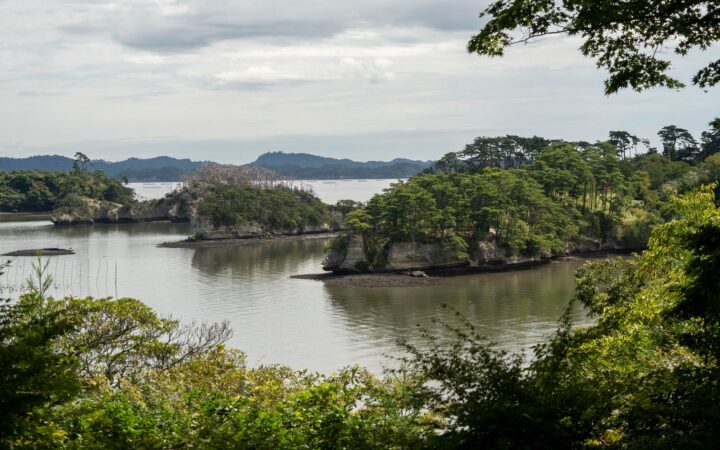
Just 30 minutes from Sendai by train, Matsushima Bay is consistently ranked as one of Japan’s three most scenic views alongside Miyajima in Hiroshima Prefecture and Amanohashidate in Kyoto Prefecture. The bay contains approximately 260 small pine-covered islands of beautifully varied shapes and sizes, their twisted and weathered silhouettes creating a landscape of extraordinary natural beauty that has inspired Japanese poets and artists for centuries. The quality of light on Matsushima changes dramatically throughout the day from misty silver at dawn to golden orange at sunset, and every season brings its own distinctive character to the seascape. Winter morning mists create a particularly ethereal atmosphere while summer light produces vivid contrasts between dark evergreen pines and deep blue water.
The great haiku master Matsuo Basho visited Matsushima in 1689 during his famous northern journey documented in his masterpiece The Narrow Road to the Deep North. According to tradition Basho was so overwhelmed by the scenery that he found himself unable to compose a haiku adequate to capture the experience. Many first-time visitors today find the bay genuinely breathtaking especially when morning mist hovers over the calm water creating an otherworldly atmosphere that seems to belong to a different and more poetic era of Japanese history.
Standard 50-minute sightseeing cruises costing 1,500 yen approximately 10 USD depart regularly from Matsushima Pier and sail among the islands passing close to their distinctive pine-draped formations. For a free experience the Fukuurabashi Bridge, a 252-meter red-painted footbridge, connects the main town to the forested island of Fukuurajima for walking exploration with excellent bay views from elevated paths. Zuiganji Temple founded 828 CE and renovated by Date Masamune in the early 17th century is one of Tohoku’s finest Zen temples. The dramatic approach passes through ancient cedar forest with carved cave sanctuaries where monks meditated over centuries. The main hall features extraordinary golden folding screens and Momoyama-period ceiling paintings. Entry costs 700 yen approximately 4.70 USD. The Kanrantei teahouse offers matcha tea service with bay views alongside local specialty confections.
For a complete Matsushima day trip experience, combine the boat cruise and temple visit with a seafood lunch at the Uoichiba fish market in nearby Shiogama where the freshest local catches are served at the market stalls. The Shiogama Shrine perched on a hillside above the fishing port is another worthy addition, and the short train journey between Shiogama and Matsushima-Kaigan stations is itself scenic with glimpses of Matsushima Bay along the way.
Sendai’s Food Scene: Gyutan, Seafood and Regional Specialties
Sendai has a thoroughly well-deserved reputation as one of Japan’s premier food cities featuring a rich distinctive local cuisine celebrating the exceptional agricultural resources and outstanding seafood of the Tohoku region. The city’s most famous dish is gyutan or grilled beef tongue, so closely associated with Sendai that it has become the city’s gastronomic calling card throughout Japan. Gyutan’s origins in Sendai date to 1948 when a creative chef named Sano Keishiro discovered that beef tongue, properly salted aged overnight and grilled over charcoal, was extraordinarily flavorful and tender. The dish gradually spread throughout the city and today Sendai-style gyutan is recognized across Japan as a celebrated regional specialty worthy of dedicated culinary pilgrimage.
The best gyutan experience is found on Gyutan Street on the third floor of Sendai Station where renowned restaurants including Tasuke, Rikyu, and Kisuke compete side by side. A gyutan teishoku set meal with grilled tongue slices, barley rice called mugi-meshi, oxtail soup, and pickles costs 1,800 to 3,500 yen approximately 12 to 23 USD. The ideal gyutan is slightly charred on the exterior with a tender juicy interior full of complex beefy flavor. Experienced gyutan eaters request atsu-giri thick cut for a particularly hearty and satisfying portion.
Beyond gyutan Sendai’s seafood scene deserves equal attention. The city’s proximity to the cold nutrient-rich Sanriku coast produces outstanding oysters in season October to March, prized sea urchin from nearby Shiogama, salmon, mackerel, and fresh squid. The Sendai Asaichi morning market near the station opens from 5 AM with vendors often preparing small portions for on-the-spot tasting. Zunda mochi, rice cakes covered in sweet edamame paste creating a bright green confection, is the quintessential Tohoku sweet at 300 to 500 yen per serving. Sendai miso with its deep umami character and longer aging period is another essential regional product available in department store food halls. The Kokubuncho entertainment district hosts dozens of izakayas serving local Tohoku sake alongside regional small plates in convivial evening atmospheres welcoming to solo travelers and groups alike.
For a complete Sendai food experience devote time to exploring the excellent basement food halls of the city’s main department stores including Fujisaki and S-PAL Sendai adjacent to the station east exit. These curated food spaces offer the full range of Sendai and Tohoku regional specialties, all beautifully packaged for gift-giving purposes, alongside fresh food stalls where you can sample local flavors before committing to a purchase. The standing sushi bars around Kokubuncho are another highly recommended evening stop for experiencing the freshness and quality of Sanriku coast seafood in an informal and budget-friendly setting.
Getting There and Around Sendai
By Shinkansen (Bullet Train)
The Tohoku Shinkansen connects Sendai to Tokyo in approximately 1 hour 37 to 40 minutes on the fastest Hayabusa services, with one-way fares reflecting JR East’s fare increase of March 14, 2026, so check current prices before booking. JR Pass holders travel free of additional charge making this the automatic first choice. From Osaka change at Tokyo for approximately 4 to 4.5 hours total. The JR Senzan Line from Sendai reaches Yamagata city in about 1 hour 10 minutes, and frequent highway buses take about an hour providing convenient access to Yamadera and other regional highlights. Advance reserved seat booking is recommended for busy travel periods to guarantee a comfortable journey on preferred departure times.
Book Japan tours and activities on Klook →
By Air
Sendai Airport code SDJ is approximately 25 minutes from central Sendai by dedicated airport access rail line costing 680 yen, or 672 yen with an IC card. Domestic routes connect to Osaka, Nagoya, Fukuoka, and Sapporo. International routes serve Seoul, Taipei, Kaohsiung, and Hong Kong; the Bangkok route is currently suspended. Flying makes most practical sense for travelers departing from western Japan cities where the shinkansen journey via Tokyo would be lengthy and expensive.
By Highway Bus
Overnight highway buses connect Sendai to Tokyo in 5 to 6 hours costing 3,700 to 7,000 yen approximately 25 to 47 USD depending on seat type and service. This is the most economical transport option for budget-conscious travelers willing to trade time for significant savings. Premium flat-reclining seats on some services make the overnight journey considerably more comfortable.
Book airport transfer on Kiwitaxi →
Getting Around Within Sendai
Sendai has two convenient subway lines covering the main tourist areas. The Loople Sendai sightseeing bus day pass at 620 yen approximately 4.15 USD provides the most convenient access to all major attractions with buses running every 20 to 30 minutes. Suica, Pasmo, and all national IC cards work seamlessly on all Sendai subway lines and city buses.
Best Time to Visit Sendai
Spring (March to May): Cherry blossom season arrives late March to mid-April and is spectacular at Nishi Koen, Hirose River, and Aoba Castle grounds. May brings warm dry weather ideal for sightseeing with comfortable temperatures and minimal rainfall.
Summer (June to August): Hot and humid but electrifying during the Tanabata festival in early August. Book accommodation six months ahead as all hotels fill completely. July and early August can be uncomfortably hot but the festival atmosphere is unparalleled.
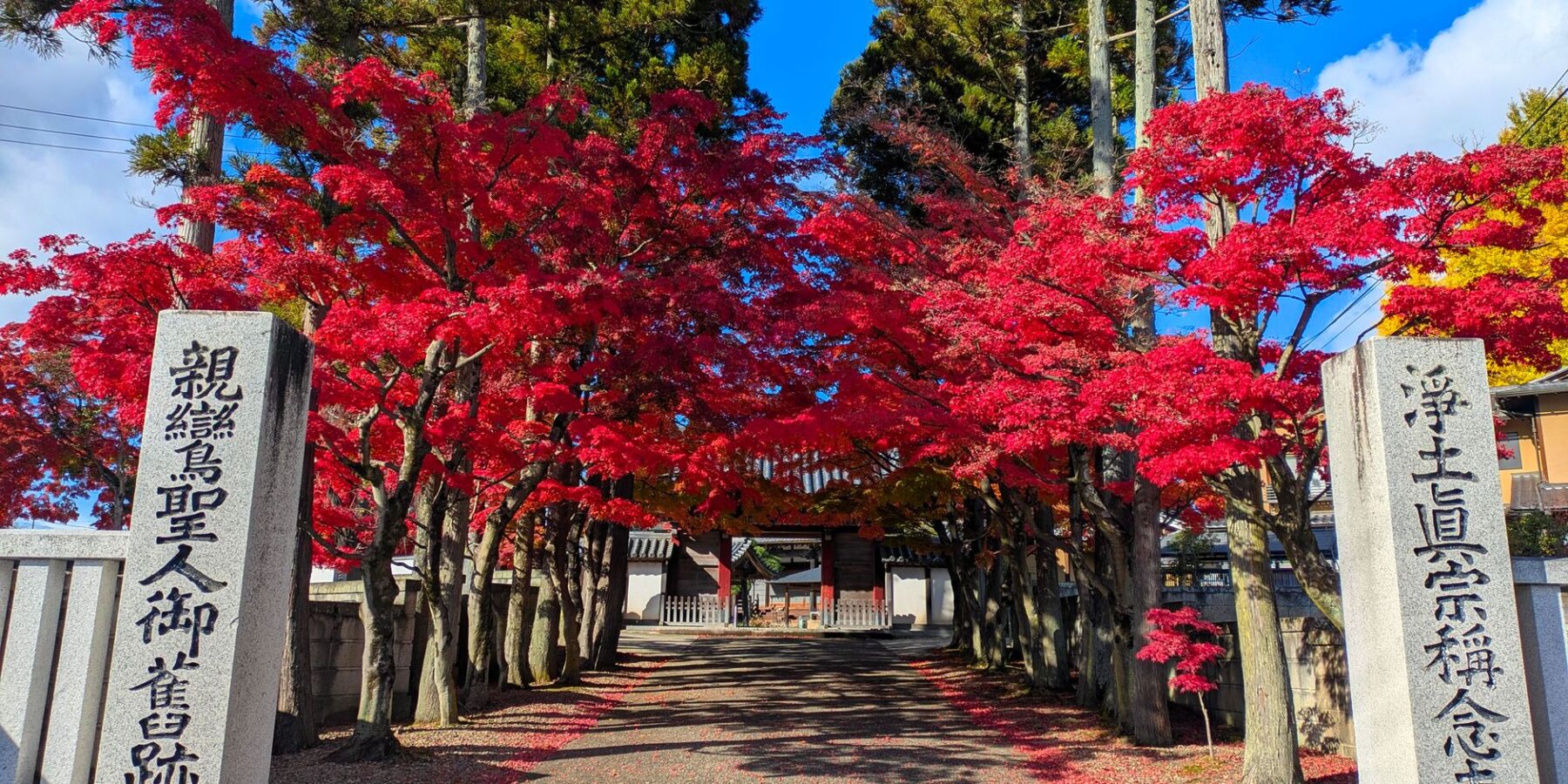
Autumn (September to November): Many residents’ preferred season. The Jozenji Street Jazz Festival in September is one of Japan’s finest outdoor music events. Spectacular foliage from late October transforms parks and mountains into vivid reds and oranges with manageable tourist crowds.
Winter (December to February): Cold with occasional snow but offers the magical Pageant of Starlight illuminations in December and dramatic Dontosai fire festival in January. Accommodation prices drop significantly making it excellent value for cold-weather visitors.
Where to Stay in Sendai
Budget accommodation under 8,000 yen approximately 54 USD per night includes APA Hotel and Toyoko Inn chains near the station plus hostels with beds from 3,000 yen or 20 USD. Mid-range from 8,000 to 20,000 yen or 54 to 133 USD offers the best value with the Courtyard by Marriott Sendai, JR East Hotel Metropolitan, and Sendai Excel Hotel Tokyu being excellent choices with convenient central locations and quality facilities. Many mid-range Japanese hotels include substantial breakfasts making them outstanding overall value. Luxury above 20,000 yen or 133 USD includes the Westin Sendai with spectacular high-floor panoramic city views and Hotel Monterey Sendai with elegant European-inspired design.
Book your hotel on Agoda (Best prices guaranteed) →
Find luxury hotels and ryokan on Agoda →
Day Trips from Sendai
Matsushima is just 30 minutes by JR Senseki Line for 410 yen and pairs perfectly with central Sendai sightseeing for a complete full day. Yamadera, the dramatic mountain temple Risshakuji in Yamagata Prefecture, is approximately 60 to 75 minutes direct by JR Senzan Line and rewards with transcendent views after climbing 1,015 stone steps. Hiraizumi is a UNESCO World Heritage Site about 90 minutes north by JR Tohoku Line (or faster via shinkansen to Ichinoseki), preserving extraordinary 12th-century Buddhist treasures including the gold-leafed Konjikido hall at Chuson-ji Temple. Zao Onsen is famous for spectacular snow monsters in winter and a vivid sulfurous crater lake in summer, reached via the JR Senzan Line or highway bus to Yamagata then a 40-minute bus. Akiu Onsen, one of Tohoku’s finest hot spring resorts in a forested river valley, is just 30 minutes by bus from central Sendai for a relaxing half-day escape.
Sendai’s Arts and Cultural Scene
Beyond historical sites and festivals, Sendai has developed into one of Japan’s most vibrant regional cultural centers. The city is home to the Sendai Philharmonic Orchestra, one of Japan’s finest regional orchestras performing regular concerts throughout the year. The Sendai Mediatheque, designed by globally celebrated architect Toyo Ito and completed in 2001, is an internationally renowned landmark building functioning simultaneously as art gallery, library, film archive, and community space. Its transparent light-filled interior supported by organic skeletal structural columns is worth visiting as an architectural experience in itself. Tohoku University, consistently ranked among Japan’s leading research institutions, gives Sendai a youthful intellectual energy and campus vitality that distinguishes it from other Japanese regional capitals of similar size.
The Kokubuncho entertainment district is Sendai’s most extensive nightlife area, packed with izakayas serving local Tohoku sake, craft beverage bars showcasing regional breweries including Ichinokura and Urakasumi, live music venues, and restaurants that come alive after dark. Sake brewery tours with advance booking provide fascinating insights into Tohoku’s centuries-old brewing tradition. The Sendai area is also celebrated for traditional artisan crafts including kokeshi wooden dolls, Miyagi lacquerware, Sendai tansu cedar furniture, and delicate textile works all available in specialist shops throughout the city center.
Practical Tips for Visiting Sendai
- Loople Sendai Bus: Day pass 620 yen approximately 4.15 USD covers all major sights with buses every 20 to 30 minutes. The single most useful transport advice for first-time visitors.
- IC Cards: Suica, Pasmo, and all national IC cards work on all Sendai subway lines and city buses. Top up at any station machine using the English menu option.
- Tourist Information: English-speaking staff at Sendai Station second-floor tourist center east exit provide free maps and accommodation recommendations.
- Cash: Many local restaurants remain cash-only. ATMs at 7-Eleven and Japan Post accept international cards.
- Perfect combination day: Morning train to Matsushima for boat cruise and Zuiganji Temple, afternoon return to Sendai for Aoba Castle visit, evening gyutan dinner in Kokubuncho district.
- Internet connectivity: Get your Japan eSIM (Stay connected from day 1) →
Exploring Further: Naruko Onsen and the Tohoku Interior
For travelers with more time and curiosity, Sendai serves as an excellent launching pad for a deeper exploration of the Tohoku interior, one of Japan’s most compelling and least internationally visited areas. The historic hot spring resort of Naruko Onsen, approximately 90 minutes from Sendai by train, is famous throughout Japan for two things: its production of traditional kokeshi wooden dolls, which originated as souvenirs for Edo-period visitors to the resort, and its extraordinary variety of spring water chemistry, with eight distinct types of spring water found within a small area, more variety than any other single hot spring district in Japan. Spending a night in a traditional ryokan inn at Naruko, soaking in different spring types and dining on a multi-course kaiseki dinner prepared from seasonal Tohoku ingredients, is one of the finest and most quintessentially Japanese experiences available within easy reach of Sendai. Expect to pay 15,000 to 30,000 yen or approximately 100 to 200 USD per person for a ryokan dinner-and-breakfast package at Naruko’s better establishments. The Naruko Gorge in autumn foliage season, typically from mid to late October, is among the most breathtaking seasonal landscape experiences in the entire Tohoku region.
The 2011 earthquake and tsunami caused devastating destruction along the Sanriku coast northeast of Sendai, and many formerly quiet fishing communities have been rebuilt with remarkable determination and community spirit in the years since. Several areas now offer thoughtfully curated earthquake memorial museums and coastal walking trails that provide profound insights into both the disaster itself and the region’s ongoing recovery. The Ishinomaki Minamihama Tsunami Recovery Memorial Park and the Kesennuma City Memorial Museum both offer carefully designed and emotionally powerful presentations of events and aftermath, and both are accessible from Sendai by a combination of train and bus services. These sites require emotional preparation but provide a form of respectful engagement with recent Japanese history that many visitors find deeply meaningful and impossible to find elsewhere.
The Tohoku region is also renowned throughout Japan for the quality of its sake brewing tradition. The combination of cold mountain temperatures, exceptionally clean snowmelt water, and generations of skilled artisan brewers working with premium locally grown rice has produced some of Japan’s finest and most celebrated nihonshu, as sake is properly called. Sake breweries in Sendai’s Miyagi Prefecture, including the historic Ichinokura brewery in Matsuyama and the beloved Urakasumi brewery in Shiogama, offer guided tours and organized tasting sessions that provide a fascinating and sensory window into this uniquely Japanese craft tradition. Brewery tours typically need to be booked in advance as group sizes are limited, but the experience of watching master brewers at work and tasting sake directly from the production barrels is entirely unlike purchasing the finished product from a department store shelf. The Tohoku region’s sake is characterized by its clean crisp profiles and remarkable food compatibility, qualities that reflect both the exceptional water quality and the local brewing philosophy of restraint and precision over boldness.
Travelers with a particular interest in Japan’s traditional crafts should investigate the Shiroishi Washi Paper Village located approximately 40 minutes south of Sendai by express train. This traditional papermaking community has been producing washi paper for over 700 years using techniques virtually unchanged since the Edo period. Visitors can participate in hands-on washi papermaking workshops producing their own sheets using the same materials and methods that have been used for centuries. The combination of Shiroishi’s washi tradition with the nearby Shiroishi Castle, whose keep was faithfully rebuilt in traditional wood in 1995, makes for a rewarding and education-rich half-day excursion from Sendai that goes well beyond the typical tourist experience and connects visitors to the deep craft heritage of the Tohoku region.
Frequently Asked Questions About Sendai
How many days do I need to visit Sendai properly?
Two full days is the practical minimum for Sendai’s main sights plus a Matsushima day trip. Three days allows a more leisurely pace with a second excursion to Yamadera or Hiraizumi. For travelers using Sendai as a Tohoku regional hub, four to five days is ideal for multiple highlights. During the Tanabata festival in early August plan at minimum three days as the festival atmosphere deserves dedicated unhurried time to fully appreciate and absorb.
Is Sendai worth visiting without the Tanabata festival?
Absolutely yes. Sendai has more than sufficient year-round attractions to justify a dedicated visit in any season. Aoba Castle, Zuihoden mausoleum, Osaki Hachimangu Shrine, world-famous Matsushima Bay, the exceptional local food scene centered on gyutan and zunda mochi, and excellent day-trip access to remarkable sites including Yamadera, Hiraizumi, and Akiu Onsen all ensure rewarding visits regardless of timing. Many experienced Japan travelers prefer visiting outside festival season to avoid enormous crowds and significantly inflated accommodation prices.
What is the most efficient way to travel from Tokyo to Sendai?
The Tohoku Shinkansen bullet train is by far the most practical option, with journey times of approximately 1 hour 37 minutes on the fastest Hayabusa services. JR Pass holders travel free of additional charge, making this the automatic first choice. Without a pass, expect to pay the standard fare, which rose with JR East’s March 14, 2026 increase, so check current prices. Highway buses take 5 to 6 hours but cost significantly less at 3,700 to 7,000 yen or 25 to 47 USD, a practical option for budget-conscious travelers.
What are the most distinctive souvenirs from Sendai?
Top Sendai souvenirs include vacuum-packed gyutan products for home cooking, fresh or frozen zunda mochi, Sendai miso in beautiful department store packaging, handmade kokeshi wooden dolls ranging from 2,000 yen to 50,000 yen or considerably more, and Tanabata-themed items available year-round. The S-PAL Sendai basement food hall adjacent to the station east exit offers the most comprehensive and well-presented selection of regional edible specialties in beautiful gift packaging ideal for gifting.
Is Sendai safe for solo travelers and families with children?
Sendai is extremely safe by any international standard as is virtually all of Japan. Solo female travelers consistently report feeling completely comfortable throughout the city at all hours. For families the Sendai City Museum, Matsushima Bay boat cruises and island walks, and the Sendai Umino-Mori Aquarium make excellent child-friendly attractions. The Sendai Children’s Cultural Center offers entertaining hands-on science exhibits specifically designed for younger visitors.
Can I visit Sendai as a day trip from Tokyo?
While technically feasible as the shinkansen journey is short enough, visiting Sendai as a day trip from Tokyo makes poor use of both time and money. A return shinkansen ticket is costly, all the more so since JR East’s March 2026 fare rise, and after travel time you have perhaps five to six hours actually in Sendai. An overnight stay costing from 6,000 yen or 40 USD per person dramatically transforms the experience with ample time for Matsushima, a proper gyutan dinner, and morning sightseeing. At minimum plan for one full night in Sendai.
How does Sendai compare to other Tohoku cities for regional exploration?
Sendai is by far the largest and best-connected city in Tohoku, making it the natural hub for regional exploration with the widest range of accommodation, restaurants, transport connections, and English-language support. Smaller charming cities including Morioka famous for wanko soba noodles, Kakunodate with its preserved samurai district, Aomori famous for the spectacular Nebuta festival, and Hirosaki with its extraordinary cherry blossom castle park are all rewarding destinations generally best approached as excursions from Sendai rather than standalone bases for most international travelers making their first Tohoku journey.
Does Sendai have good accessibility for visitors with mobility challenges?
Sendai rates relatively well for accessibility by Japanese standards. The station and central shopping arcades are well-accessible with elevators and smooth pavements. The Loople Sendai sightseeing bus has fold-out ramps for wheelchair users. Most major museums have elevators and accessible facilities. Some temple approaches involve uneven stone paths. Matsushima’s main waterfront is largely accessible. All subway stations have elevators and tactile paving. Overall accessibility compares favorably to other Japanese regional cities of similar population size.
What is the best way to experience traditional Japanese onsen culture near Sendai?
The Akiu Onsen resort just 30 minutes by bus from central Sendai is the most convenient option for experiencing traditional hot spring bathing in an authentic ryokan setting. Akiu’s several ryokan inns offer day-visit onsen bathing as well as full overnight accommodation packages with kaiseki dinner and breakfast. For a more immersive and extensive hot spring experience, the Naruko Onsen resort approximately 90 minutes by train offers eight distinct types of spring water and a rich kokeshi doll craft tradition making it an ideal overnight excursion from Sendai. Zao Onsen in neighboring Yamagata Prefecture is famous for its large public bath facilities and strong sulfurous waters that turn the bathwater a distinctive milky white, offering a dramatically different aesthetic from the clearer springs at Akiu and Naruko. All three destinations provide genuinely excellent introductions to the Japanese onsen bathing tradition in settings that retain authentic rural character without the commercial development that affects some of Japan’s most famous hot spring resorts.
Are there good options for vegetarian and vegan visitors in Sendai?
Like most Japanese regional cities, Sendai can require some navigation for visitors with strict dietary restrictions, but options have improved considerably in recent years. The city’s Buddhist temple circuit occasionally offers shojin ryori or Buddhist vegetarian cuisine by advance arrangement, and several restaurants near the university districts cater to the younger population with more varied dietary preferences. International cuisine restaurants clustered around the Kokubuncho district offer reliable vegetarian and vegan options. The excellent Sendai Morning Market also offers excellent fresh produce and prepared vegetable dishes. As in all Japan, communication about dietary needs is easier with a written note in Japanese explaining your restrictions, which the Tourist Information Center staff at Sendai Station can help prepare.
Related guides
- Tomonoura Travel Guide 2026: A First-Timer’s Guide to Japan’s Best-Preserved Edo-Era Port Town in Hiroshima
- Chichibu Travel Guide 2026: A First-Timer’s Guide to Shibazakura, a Sacred Wolf Shrine, and Tokyo’s Best Mountain Day Trip in Saitama
- Kirishima Travel Guide 2026: A First-Timer’s Guide to Sacred Shrines, Volcanic Trails, and Kyushu’s Best Onsen in Kagoshima
Going to Japan? Speak Japanese with confidence.
Hirameki Japanese — camera translate for menus and signs, a two-way conversation mode, and furigana + romaji on every phrase. Free to download with kana charts, conversation mode and starter words; a one-time purchase unlocks everything.

Plan your Japan trip
Two things every first-timer should book
Some links are affiliate links. If you book through them we may earn a small commission at no extra cost to you.