Introduction to Saitama Prefecture

Saitama Prefecture, directly north of Tokyo, is often overlooked by international travelers who see it merely as a bedroom community for the capital. This perception misses an extraordinary amount. Saitama is home to one of Japan’s finest preserved Edo-period castle towns, a dramatic mountain region with deep spiritual significance, a bustling modern city with excellent museums, and some of the most convenient countryside day trips available from Tokyo.
Whether you are seeking history, nature, cultural experiences, or simply a change of pace from the intensity of the capital, Saitama delivers with surprising depth and variety.
Kawagoe: Little Edo in the Suburbs
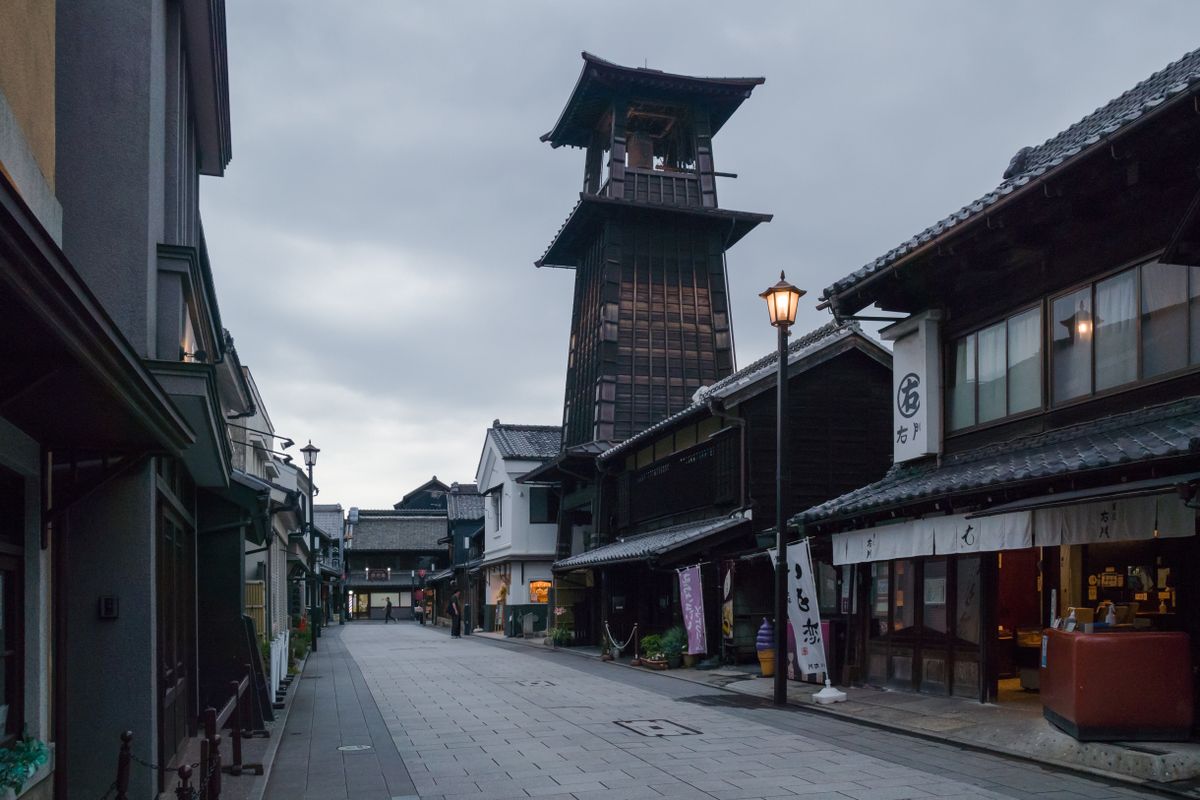
Kawagoe, just 30 minutes from Ikebukuro by express train, is Saitama’s crown jewel and one of the most rewarding day trips from Tokyo. Nicknamed “Ko-Edo” (Little Edo), the city earned this title for its remarkable preservation of Edo-period architecture, particularly along the famous Kurazukuri Street.
The kurazukuri (storehouse-style) buildings lining this street were constructed from clay and tile as a fire-resistant response to a devastating blaze that swept the city in 1893. Today, more than 30 of these distinctive black-walled buildings survive, housing shops selling traditional sweets, crafts, and local specialties. The overall streetscape is one of the most atmospheric in Japan, particularly on weekday mornings before the tour groups arrive.
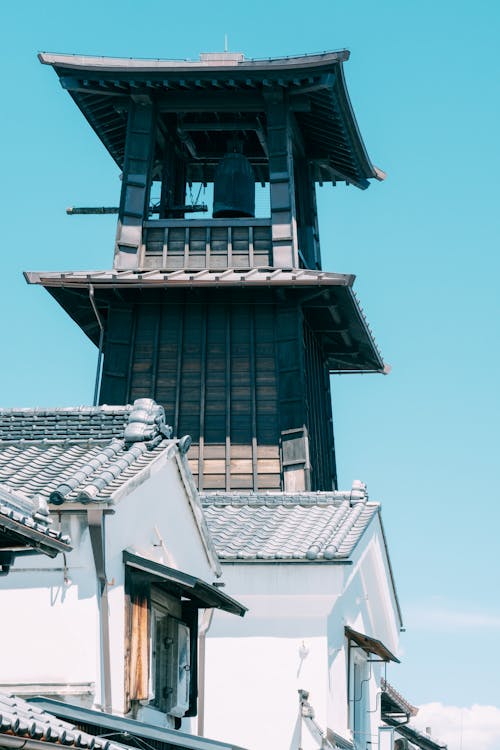
The centerpiece of Kawagoe’s historic district is the Toki no Kane (Bell Tower), a 16-meter wooden tower that has marked the hours since the early Edo period. The current structure dates from 1893 and still rings four times daily. Nearby, Kitain Temple preserves rooms moved from Edo Castle’s palace, including the room where shogun Tokugawa Iemitsu was said to be born.
Kawagoe is particularly famous for its sweet potato (satsuma-imo) culture. The city has been associated with sweet potato cultivation since the Edo period, and today dozens of shops sell everything from traditional dried sweet potatoes to sweet potato soft serve, sweet potato chips, and sweet potato sake. The dedicated Candy Street (Kashiya Yokocho) offers an older, nostalgic atmosphere with dozens of small traditional sweet shops.
Chichibu: Mountains, Temples, and Night Festival
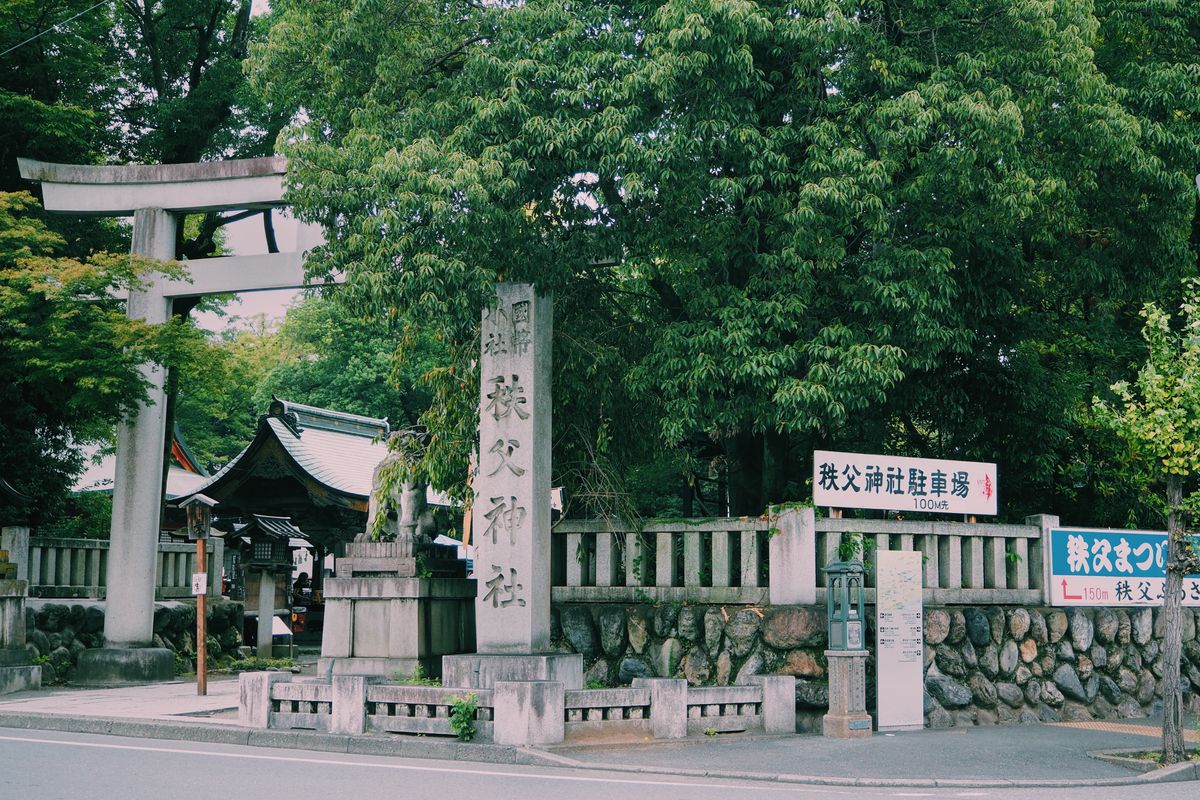
Heading west from the plains into the mountains, Chichibu is a world apart from the urban sprawl of greater Tokyo. Set in a basin ringed by mountains, Chichibu is a center of pilgrimage, outdoor adventure, and traditional craftsmanship.
The Chichibu 34 Temple Pilgrimage (Chichibu Fudasho) is one of Japan’s most celebrated pilgrimage routes, linking 34 temples dedicated to the Kannon bodhisattva across the Chichibu region. Pilgrims have walked this route in white robes since the medieval period, and the circuit remains active today, taking about a week to complete on foot.
The Chichibu Night Festival, held each December 2-3, is one of the three great float festivals of Japan and a UNESCO Intangible Cultural Heritage. Enormous floats adorned with elaborate decorations and illuminated by hundreds of paper lanterns are hauled through the streets by hundreds of participants to the accompaniment of traditional music, culminating in a spectacular fireworks display. The festival draws enormous crowds and should be experienced early in the evening to find the best viewpoints.
The natural environment around Chichibu is outstanding. The Mitsumine Shrine, perched dramatically in the mountains above the city and reached by bus from Mitsumineguchi or Seibu-Chichibu Station, is one of the most atmospheric mountain shrines in the Kanto region. The Nagatoro area offers river rafting through dramatic rock formations, while the surrounding mountains provide excellent hiking.
Omiya: Museums and Shrines
Omiya, now administratively part of Saitama City, is the prefecture’s largest urban center and offers several worthwhile attractions. The vast Hikawa Shrine precinct, one of the largest in the Kanto region, dates back over 2,400 years according to tradition and is the parent shrine of more than 280 Hikawa shrines throughout Japan. A 2-kilometer approach lined with towering cedar trees leads to the main shrine buildings.
Railway enthusiasts will find the Railway Museum (Tetsudo Hakubutsukan) unmissable — one of the finest rail museums in Japan, featuring dozens of historic locomotives and carriages from across Japanese railway history, plus immersive simulators and displays covering every aspect of the nation’s extraordinary rail culture.
The Bonsai Village (Omiya Bonsai Village) is a unique attraction unlike anything found elsewhere in Japan. This quiet neighborhood is home to six professional bonsai nurseries that have been cultivating these miniature trees for generations, along with the Omiya Bonsai Art Museum, one of the world’s first public museums dedicated to bonsai.
Kumagaya: Gateway to the North
Kumagaya, known as Japan’s hottest city due to record-breaking summer temperatures, also has significant historical connections. The city was the headquarters of a major Shinkansen maintenance depot and is a gateway to the northern Saitama countryside. The annual Kumagaya Uchiwa Festival in July is one of the region’s major summer events, featuring traditional dance, music, and decorative fans.
Getting to Saitama from Tokyo
Saitama’s greatest advantage is its proximity to Tokyo. Kawagoe is 30 minutes from Ikebukuro on the Tobu Tojo Line or Seibu Shinjuku Line. Omiya is just 25 minutes from Shinjuku on the JR Shonan-Shinjuku Line. Chichibu is accessible in about 80 minutes from Ikebukuro on the Seibu Ikebukuro Line to Seibu-Chichibu Station. All of these can be done as day trips from Tokyo, making Saitama one of the most accessible excursion destinations in Japan.
Where to Stay in Saitama
Most visitors to Saitama base themselves in Tokyo and make day trips. However, staying overnight in Kawagoe allows you to experience the historic district in the quiet morning hours before day-trippers arrive, and Chichibu offers ryokan accommodations in a mountain setting that makes for a peaceful overnight escape from the city.
Final Thoughts
Saitama Prefecture rewards those willing to look beyond its reputation as a Tokyo suburb. From the living museum of Kawagoe’s Little Edo to the sacred mountain temples of Chichibu, from the world’s only bonsai museum to one of Japan’s three great float festivals, Saitama offers a genuine diversity of exceptional experiences just a train ride from the capital.
Kawagoe: The Little Edo of the Kanto Region
Kawagoe, located just 30 minutes from Ikebukuro by express train, is one of the Kanto region’s best-preserved historic towns and Saitama’s most famous tourist destination. Often called “Koedo” (Little Edo), Kawagoe retains the merchant townscape of the Edo period through its distinctive black-walled clay storehouses (kura-zukuri), narrow shopping streets, and atmospheric temples and shrines.
The centerpiece of any Kawagoe visit is Kurazukuri Street (Ichiban-gai), a preserved strip of traditional merchant warehouses, most built in the late 19th and early 20th centuries. These thick-walled clay storehouses went up after a devastating fire in 1893, designed to protect valuable goods. Today they house cafes, craft shops, and restaurants, creating one of Japan’s most charming historic shopping streets. The street is busiest on weekends, when vendors sell traditional sweets, sweet potatoes (imo), and local handicrafts from market stalls.
The iconic Toki no Kane (Bell of Time) tower has stood at the edge of the warehouse district since the Edo period. Originally used to announce the time to townspeople, the bell still rings four times a day (6 AM, noon, 3 PM, and 6 PM), a sound recognized as one of Japan’s “100 Sounds of the Soundscape.” Climbing the narrow streets around the bell tower offers excellent views of the warehouse district and surrounding rooftops.
Kashiya Yokocho (Candy Alley) is a nostalgic lane packed with tiny shops selling traditional Japanese sweets and snacks that have barely changed since the Meiji era. For just 10–30 yen, you can sample old-fashioned candy, dried squid, rice crackers, and novelty sweets. Children and adults alike love wandering this alley, filling small bags with colorful candies. The area around Kashiya Yokocho also has several traditional toy and craft shops worth browsing.
Chichibu: Sacred Mountains and Seasonal Wonders
Deep in the western reaches of Saitama, Chichibu is a mountain city surrounded by dramatic peaks and dotted with ancient religious sites. Despite being within 90 minutes of central Tokyo, Chichibu feels worlds away from the urban bustle — a place of mist-shrouded valleys, thundering waterfalls, and centuries-old pilgrimage traditions.
Mitsumine Shrine (Mitsumine Jinja) sits at 1,100 meters elevation in the Chichibu mountains, accessible by bus from Chichibu City. The shrine is dedicated to wolf deities and is famous throughout Japan as a powerful spiritual site — wolf talismans (okami no o-mamori) are said to protect against evil and bring good fortune. The approach through ancient cedar forests and dramatic torii gates creates an intensely spiritual atmosphere that draws pilgrims and tourists year-round. In winter, the surrounding mountains frequently frost into a crystalline landscape that feels almost otherworldly.
Nagatoro is Chichibu’s most popular outdoor destination, centered on the Arakawa River gorge where dramatic rock formations called Iwadatami (tatami rock) stretch along the riverbank for over a kilometer. The main attractions are the Nagatoro Line Kudari boat ride and river rafting through the gorge — traditional wooden boats called donburi-bune navigate the rapids guided by boatmen with long poles, a tradition dating back to the Edo period. The surrounding hiking trails offer excellent views of the gorge from above.
The Chichibu Night Festival (Chichibu Yomatsuri), held on December 2–3 each year, is one of Japan’s three great float festivals and has been designated an Important Intangible Folk Cultural Property. Giant illuminated floats called yatai are pulled through the narrow streets by hundreds of participants in traditional dress, accompanied by musicians playing traditional instruments. The festival culminates in a spectacular fireworks display launched from the hills above the city — over 100,000 visitors come for this event, so advance accommodation booking is essential.
Omiya and the Sacred Hikawa Shrine
Omiya, now part of Saitama City, was historically one of the most important religious centers in the Kanto region, centered on Musashi Ichinomiya Hikawa Shrine. Founded over 2,400 years ago according to legend, Hikawa Shrine is dedicated to Susanoo-no-Mikoto, the Shinto god of storms, and is considered the head shrine of all 280+ Hikawa shrines across Japan. The magnificent 2-kilometer-long cedar avenue (sando) leading to the main shrine gates is one of the grandest approach paths in all of Japan, especially beautiful in early morning mist.
Adjacent to the shrine is Omiya Park, famous for one of the Kanto region’s most spectacular cherry blossom displays in late March to early April. The park contains around 1,000 cherry trees of various species, creating a layered blooming period that extends the sakura season by nearly two weeks. The combination of cherry blossoms and the shrine’s vermilion architecture creates extraordinarily photogenic scenes that draw professional photographers from across Japan.
Omiya is also home to the Railway Museum (Tetsudo Hakubutsukan), Japan’s largest and most comprehensive railway museum. Housing over 30 historical trains spanning the history of Japanese rail, including vintage steam locomotives, early electric trains, and famous Shinkansen models, the museum is a paradise for train enthusiasts of any age. Interactive simulators allow visitors to “drive” various train types, and the rooftop observation deck overlooks the active Shinkansen lines running past the museum.
Gyoda: The Floating Castle and Buried History
Oshi Castle (Oshi-jo) in Gyoda City, also known as Ukishiro (“Floating Castle”), is one of Saitama’s most atmospheric historical sites. The castle was built on a small island surrounded by marshland, making it nearly impregnable — it famously withstood a siege by Toyotomi Hideyoshi’s forces in 1590 through ingenious water defense strategies. Today, the reconstructed castle tower stands in the center of Gyoda Water Castle Park, surrounded by a reflecting moat that creates the illusion of the castle floating on water, particularly stunning in early morning light.
Gyoda is also known for an extraordinary curiosity: it is home to the Sakitama Kofun Group, designated a national Special Historic Site. The Sakitama Ancient Burial Mound Park contains nine large keyhole-shaped burial mounds dating from the 4th to 7th centuries, where powerful regional chieftains were interred. The adjacent Sakitama History Museum displays remarkable artifacts discovered in these tombs, including gold jewelry, iron swords with ancient inscriptions, and bronze mirrors — extraordinary windows into Japan’s protohistoric period.
3-Day Saitama Itinerary
Day 1: Kawagoe Historic Town
Take the Tobu Tojo Line express from Ikebukuro to Kawagoe (30 minutes) and begin with a morning walk through Kurazukuri Street before the crowds arrive. Visit Kita-in Temple’s preserved Edo Period buildings and 540 stone Rakan statues, then explore Kashiya Yokocho for traditional sweets. Lunch at one of Kawagoe’s famous sweet potato restaurants — the local variety is naturally sweet and used in everything from tempura to ice cream. Afternoon: explore Hikawa Shrine (different from Omiya’s), then end the day with a sunset stroll along the warehouse district as lanterns illuminate the clay walls.
Day 2: Chichibu Mountains
Take the Seibu Chichibu Line from Ikebukuro (about 80 minutes) to Seibu-Chichibu Station. Start at Nagatoro for a morning river rafting experience through the dramatic rock gorge. Have lunch at a local soba restaurant — Chichibu soba made from locally grown buckwheat is exceptional. After lunch, take a bus to Mitsumine Shrine and spend the afternoon wandering through the forest approach in the mountain air. Return to Chichibu City for dinner featuring local Chichibu whisky (the Venture Whisky Ichiro’s Malt distillery is based here) and wild boar (shishi) hot pot, a local specialty.
Day 3: Omiya and the Railway Museum
Spend the morning at Musashi Ichinomiya Hikawa Shrine, walking the full 2-km cedar avenue approach and exploring the serene shrine complex. Have lunch at one of the restaurants surrounding Omiya Park. Afternoon: visit the Railway Museum for 2–3 hours (book simulator experiences in advance online). End your Saitama trip with a final stroll through Omiya’s covered shopping arcades for any last-minute regional souvenirs before returning to Tokyo.
Shopping Guide: Saitama Souvenirs
Kawagoe offers the best shopping in Saitama. The sweet potato products (imo products) sold throughout the warehouse district are famous — look for imo yokan (sweet potato jelly), imo manju (sweet potato dumplings), and artisanal sweet potato chips as distinctive souvenirs. Kawagoe sembei (rice crackers) and traditional Musakoji candy from Kashiya Yokocho make excellent edible gifts.
From Chichibu, Chichibu textile (Chichibu meisen silk fabric) is a traditional craft product used in kimono and accessories — modern artisans have revived this tradition in contemporary designs. Chichibu whisky (Ichiro’s Malt) is a premium souvenir for whisky lovers and is difficult to find outside Japan. Saitama City Souvenir Shop near Saitama-Shintoshin Station stocks a comprehensive selection of products from across the prefecture.
Family-Friendly Activities in Saitama
Saitama is extremely well-suited to family travel. The Railway Museum in Omiya is arguably the prefecture’s top family attraction — children are mesmerized by the scale models, vintage trains, and driving simulators. The kids’ driving zone allows children to operate a miniature electric train on a small track, a genuinely unique experience.
Tobu Zoo in Miyashiro Town is one of the Kanto region’s better zoos, featuring a wide variety of animals including white tigers, giraffes, and a popular petting area. Further north in Kinugawa, Tochigi, Tobu World Square features 1/25 scale replicas of world heritage sites from around the globe, excellent for sparking children’s curiosity about world cultures.
In Kawagoe, children love exploring Kashiya Yokocho candy alley and the city’s many craft workshops offering hands-on activities — making traditional candy, hand-painting pottery, and creating simple lacquerware items. Saitama Super Arena frequently hosts family-friendly events and concerts throughout the year. The Chichibu area offers kayaking, hiking, and nature experience programs suitable for older children and teenagers.
Solo Travel Tips for Saitama
Saitama is an excellent destination for solo travelers exploring beyond Tokyo’s tourist trail. The prefecture is extremely safe and the train network is excellent — virtually all major attractions are accessible without a car. For solo exploration, the Chichibu 34 Temple Pilgrimage is a legendary hiking route connecting 34 Buddhist temples across the Chichibu mountains, taking 3–7 days to complete the full circuit. Many solo pilgrims walk sections of this ancient route, staying in simple temple lodgings along the way.
Kawagoe’s cafes and restaurants in the warehouse district are solo-traveler friendly, with counter seating common. The city is compact enough to cover on foot in a day. For accommodation, Omiya has a range of business hotels at reasonable prices, making it a good base for exploring the prefecture. Chichibu has excellent ryokan options where solo guests receive personal attention and can enjoy communal hot spring baths in peaceful mountain settings.
Frequently Asked Questions About Saitama
Is Saitama worth visiting as a tourist destination?
Absolutely. While Saitama lacks the fame of Kyoto or Nikko, it offers exceptional value and variety — historic Kawagoe, sacred mountain Chichibu, ancient Hikawa Shrine, and the world-class Railway Museum. Best of all, it’s easily accessible from Tokyo without the crowds that overwhelm more famous destinations.
How do I get to Kawagoe from Tokyo?
The easiest route is the Tobu Tojo Line express from Ikebukuro to Kawagoe Station (about 30 minutes, roughly ¥480). The Seibu Shinjuku Line also runs from Seibu-Shinjuku Station to Hon-Kawagoe Station (about 45 minutes). JR also offers service via the Saikyo Line to Kawagoe, though this is slower. All routes cost around ¥500–600 from central Tokyo.
What is the best season to visit Saitama?
Spring (late March to April) is spectacular for cherry blossoms at Omiya Park and Kawagoe’s various temple grounds. Autumn (October to November) brings brilliant foliage in the Chichibu mountains. The Chichibu Night Festival in early December is worth planning a special trip around. Summer weekends can be hot and humid, but Chichibu’s mountain air remains relatively cool even in August.
Can I do Kawagoe and Chichibu in one day?
Technically possible but not recommended — both destinations deserve at least half a day each, and rushing between them reduces the experience. If limited to one day, choose Kawagoe for a comprehensive historic town experience, or Chichibu if you prefer nature and mountain scenery. Consider a two-day trip to Saitama to do justice to both areas.
What is Kawagoe famous for?
Kawagoe is famous for its “Little Edo” atmosphere — the remarkably preserved Edo-period merchant town with clay storehouses (kura-zukuri), the historic Toki no Kane bell tower, Kashiya Yokocho candy alley, and a lively traditional sweet potato food culture. It’s one of the best-preserved historic towns in the Tokyo metropolitan area.
What food is Saitama known for?
Kawagoe is famous for sweet potato (imo) products — imo yokan, imo manju, and imo flavored ice cream. Chichibu is known for wild boar hot pot (shishi nabe), high-quality buckwheat soba, and Ichiro’s Malt whisky. Gyoda is known for its local ‘furai’ crepe-like pancakes and ‘zeri-fry’ fritters. Omiya has excellent ramen shops near the station.
Is the Chichibu Night Festival worth seeing?
The Chichibu Night Festival (December 2–3) is one of Japan’s most dramatic festivals and absolutely worth planning a trip around. The illuminated floats, traditional music, and mountain fireworks create a magical atmosphere unlike any other festival in Japan. Book accommodation months in advance as the area fills completely during the festival period.
Are there good hot springs near Chichibu?
Yes — the Chichibu area has several quality hot spring facilities. Hana-no-Yu in Chichibu City is a popular day-use onsen with multiple baths and rotemburo (outdoor baths). Nagatoro Onsen near the river gorge offers riverside bath experiences. Several ryokan in the area also welcome day visitors to their onsen facilities, typically for around ¥800–1,500.
Getting Around Saitama
Saitama’s public transportation network is excellent, with multiple train lines connecting the prefecture to central Tokyo and linking major destinations within Saitama itself. The JR Keihin-Tohoku Line and JR Saikyo Line provide frequent service to Saitama City (Omiya, Urawa) from Shinjuku and Ikebukuro. The Tobu Tojo Line is the fastest route to Kawagoe, while the Seibu Chichibu Line serves Chichibu City and the Chichibu Railway continues to Nagatoro.
For those planning to visit multiple Saitama destinations in a day, the Chichibu Railway connects Kumagaya (on the Shinkansen Joetsu Line) with Chichibu and Mitsumineguchi, offering a scenic mountain railway experience. IC cards (Suica, Pasmo) work on all major rail lines within Saitama. Taxis are available at major stations but are generally unnecessary given the comprehensive train coverage. Renting a bicycle at Kawagoe or Chichibu stations is an excellent way to explore these destinations at your own pace.
Where to Stay in Saitama
Most visitors base themselves in Tokyo and make day trips to Saitama, but staying overnight allows a deeper experience — especially for Chichibu, where the mountain atmosphere is most magical in the early morning and evening.
Omiya area has the widest selection of accommodation, from budget business hotels (Toyoko Inn, Dormy Inn) to mid-range options like the JR East Hotel Mets Omiya. The area around Omiya Station is lively with restaurants and convenience stores, making it a practical base. Kawagoe has a growing selection of boutique hotels and guesthouses in renovated historic buildings — staying within the warehouse district area allows you to experience the town before and after the day-trip crowds depart.
In Chichibu, traditional ryokan offer the most atmospheric lodging — many have private hot spring baths and serve multi-course kaiseki meals featuring local mountain vegetables, river fish, and wild game. Nagatoro Onsen Ryokan along the river gorge is particularly recommended, with rooms overlooking the Arakawa River and excellent access to outdoor activities. Book well in advance for autumn foliage and winter festival periods.
Day Trips from Saitama
Saitama’s central location in the Kanto region makes it an excellent hub for day trips. Nikko in Tochigi Prefecture (world heritage shrines and mountain scenery) is about 60–90 minutes by train from Omiya. Gunma Prefecture’s Kusatsu Onsen (one of Japan’s top hot spring resorts) is accessible within 2 hours. Narita in Chiba (famous temple and traditional street) is about 60 minutes by train from Omiya via Chiba. Central Tokyo is just 20–30 minutes from most parts of Saitama, with excellent connections for museum visits, shopping, and dining.
Within Saitama itself, combining destinations is easy — Kawagoe and Omiya can be visited in the same day (about 30 minutes apart by train), and a morning in Nagatoro can be followed by an afternoon at Mitsumine Shrine (connected by bus). The Sakitama Ancient Mound Park in Gyoda pairs well with Kawagoe into a full-day Saitama cultural immersion.
Saitama’s Hidden Gems
Beyond the well-known attractions, Saitama has several lesser-known treasures that reward curious travelers. Musashi-Kyuryo National Government Park near Shinrin-koen Station offers thousands of flowering trees across all seasons — cherry blossoms, irises, and dahlias create spectacular color throughout the year. Saitama Museum of Modern Art (MOMAS) in Kita-Urawa houses an impressive collection of 20th-century Japanese and Western art in a striking contemporary building, often overlooked by travelers focused on historical sites.
The Venture Whisky Ichiro’s Malt distillery in Chichibu has become one of Japan’s most talked-about whisky producers, with products winning international awards. Distillery tours (advance reservation required) offer a fascinating look at Japanese whisky production using both traditional Scottish methods and innovative Japanese techniques. The single malt whiskies produced here are collector’s items worldwide, with some expressions selling out within minutes of release.
Washinomiya Shrine in Kuki City is one of the Kanto region’s oldest shrines and has gained an unexpected second life as a major destination for fans of anime — it was the model for the shrine in the beloved series “Lucky Star,” and the shrine now celebrates this connection with special events and merchandise. The shrine itself is worth visiting for its ancient atmosphere quite apart from the pop culture connection.
Practical Information for Visiting Saitama
Best time to visit: Year-round, with spring (cherry blossoms) and autumn (foliage) being peak seasons. The Chichibu Night Festival (December 2–3) is a special winter highlight. Summer can be very hot in the flatlands around Saitama City, though Chichibu’s mountains offer relief.
Language: English signage is present at major tourist sites including Kawagoe warehouse district, Railway Museum, and Chichibu. Staff at major attractions often speak basic English. Translation apps work well for restaurants and smaller shops.
Money: Cash is still king at traditional shops in Kawagoe and rural Chichibu. ATMs at 7-Eleven and Japan Post offices accept international cards. Credit cards are accepted at hotels, chain restaurants, and larger shops throughout the prefecture.
Emergency services: Dial 110 for police, 119 for ambulance and fire throughout Japan. Major hospitals in Omiya and Saitama City have English-language support lines. The Saitama Tourist Information Center at Omiya Station provides English-language maps, event schedules, and accommodation assistance.
Saitama’s Sports and Entertainment Culture
Saitama punches well above its weight in Japanese sports culture. Saitama Super Arena, one of Asia’s largest indoor arenas with a capacity of over 36,000, hosts major international concerts, K-pop events, and world-class sporting events including boxing world championship matches and professional wrestling tournaments. If you’re visiting Japan during a major event, checking the Super Arena’s schedule is well worthwhile — tickets are often available to international visitors through Lawson or 7-Eleven ticketing terminals.
The prefecture is home to Urawa Red Diamonds, one of J.League’s most successful and passionate football clubs. Urawa Reds matches at Saitama Stadium 2002 (capacity 63,700 — the largest football stadium in Japan) are among the most electrically atmospheric sporting events in the country. The Reds’ ultra-loyal supporter culture, with coordinated chanting, flag waving, and spectacular tifos, makes attending a match an unforgettable experience even for casual football fans. Match tickets can be purchased online through the official club website.
Omiya Ardija, the other major football club based in Omiya, offers a more relaxed matchday atmosphere at the smaller NACK5 Stadium. Saitama Broncos basketball and various other professional teams add to the prefecture’s rich sporting calendar throughout the year. Saitama also boasts extensive cycling infrastructure, with several designated cycling routes connecting parks and river paths — bicycle rental is available at multiple stations for visitors who want to explore on two wheels.
Saitama’s Food Scene Beyond the Classics
While sweet potatoes and Chichibu specialties dominate the tourist food narrative, Saitama has a thriving everyday food culture worth exploring. Musashino Udon (thick wheat noodles served in a rich dipping broth) is the traditional everyday noodle of the Musashino Plateau that covers much of Saitama — thicker and chewier than regular udon, it’s a uniquely satisfying meal that few tourists try. Look for small family-run udon restaurants (udon-ya) in residential neighborhoods throughout Saitama City and surrounding towns.
Gyoda zeri-fry (fried patties of okara and vegetables) is a local specialty with its own distinct style — simpler and more focused on the natural chicken flavor than the more elaborate preparations found in Tokyo. The areas around Gyoda and Kumagaya have excellent yakitori restaurants that draw customers from across the prefecture. Kumagaya ramen featuring a soy-sauce base with thick noodles is another locally distinct style worth trying in Kumagaya City, which holds festivals celebrating this local noodle variant.
For those with a sweet tooth, Kawagoe’s craft confectionery scene has expanded significantly in recent years. Traditional candy makers alongside contemporary patisseries and craft chocolate shops create a fascinating culinary contrast in the historic warehouse district. Several shops specialize in Kawagoe’s signature sweet potato desserts — sweet potato mont blanc, imo parfait, and imo-flavored soft serve ice cream — making the town a paradise for dessert lovers at any time of year.
Related guides
- Chichibu Travel Guide 2026: A First-Timer’s Guide to Shibazakura, a Sacred Wolf Shrine, and Tokyo’s Best Mountain Day Trip in Saitama
- Shimokitazawa Travel Guide 2026: Tokyo’s Coolest Neighbourhood for Vintage Shopping, Cafes and Live Music
- Tokyo Disneyland vs DisneySea: Which Park Should You Visit? (Complete 2026 Guide)
Going to Japan? Speak Japanese with confidence.
Hirameki Japanese — camera translate for menus and signs, a two-way conversation mode, and furigana + romaji on every phrase. Free to download with kana charts, conversation mode and starter words; a one-time purchase unlocks everything.
⬇ Get it on the App Store
Plan your Japan trip
Two things every first-timer should book
Some links are affiliate links. If you book through them we may earn a small commission at no extra cost to you.