Introduction to Saga Prefecture
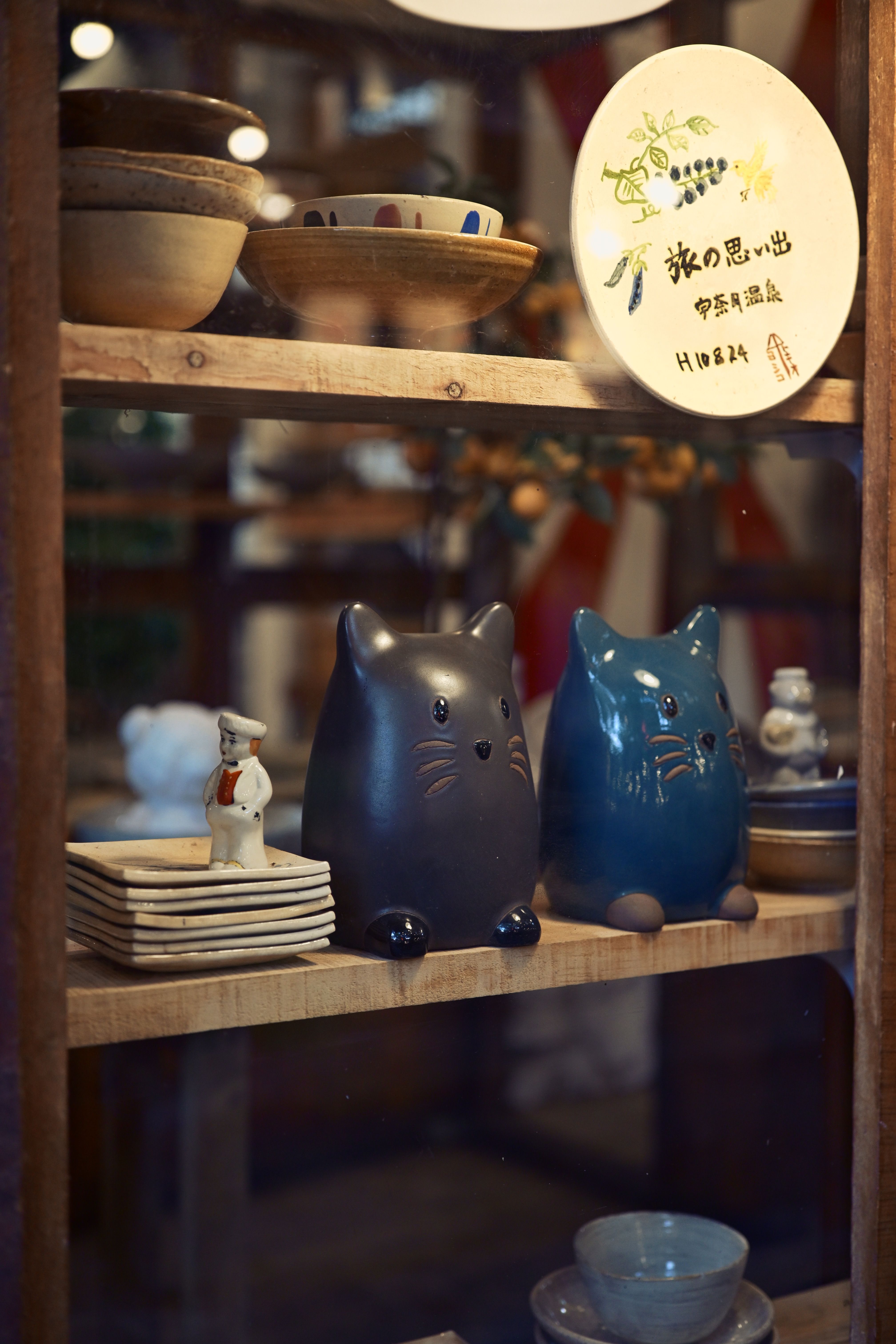
Saga Prefecture, nestled in the northwestern corner of Kyushu island, is one of Japan’s most rewarding yet underrated destinations. Bordered by Fukuoka to the north and east, Nagasaki to the west, and the Ariake Sea to the south, Saga packs an extraordinary range of experiences into its compact geography. This is the birthplace of Japanese porcelain, a land of ancient prehistory, dramatic castles overlooking the sea, world-class hot springs, and some of Japan’s finest beef and freshest seafood. Travelers who venture beyond Fukuoka to explore Saga are consistently rewarded with genuine cultural depth, remarkable craftsmanship, and a warmth of hospitality that characterizes rural Kyushu at its best. Whether you are a history enthusiast tracing the origins of Japanese civilization at Yoshinogari, a ceramics collector hunting for masterpieces in Arita’s kiln-lined streets, or simply a food lover eager for live squid sashimi at Yobuko’s legendary morning market, Saga delivers experiences of lasting memory.
Top Attractions in Saga Prefecture
Yoshinogari Historical Park
The Yoshinogari Historical Park is Japan’s largest and most significant Yayoi-period archaeological site, offering a rare window into Japanese civilization from roughly 300 BCE to 300 CE. The park reconstructs an entire ancient village complete with watchtowers, elevated storehouses, ceremonial buildings, and residential dwellings surrounded by multiple defensive moats — a scale of ancient fortification that astonished archaeologists when excavations began in 1986. Costumed guides demonstrate ancient crafts, cooking methods, and ritual practices, bringing the prehistoric settlement vividly to life. The site’s central king’s grave mound, discovered to contain elaborate bronze artifacts and human remains, suggests Yoshinogari was the seat of significant political and religious power during Japan’s proto-historical period. The park is a superb full-day destination for history lovers and families alike, with excellent on-site museums providing context in English and Japanese. Admission is 460 yen for adults and the park is open daily except the last Monday of December to the first Tuesday of January.
Arita: The Birthplace of Japanese Porcelain
The small town of Arita holds an outsized place in the history of world ceramics. Around 1616, Korean potter Yi Sam-pyeong discovered deposits of kaolin clay suitable for producing true porcelain — the first in Japan. Over the following centuries, Arita’s distinctive blue-and-white and later polychrome Imari ware became prized across Asia and Europe, exported by the Dutch East India Company and collected by European royalty. Today, Arita remains a living ceramic culture with over 100 kilns and workshops producing everything from everyday tableware to museum-quality art pieces. The Arita Ceramic Museum, the historic kiln sites, and the annual Arita Toki Matsuri (Ceramic Fair) held over Golden Week are essential visits. Walking between the well-preserved merchant townhouses of Arita’s Uchiyama district, lined with ceramic-fronted shops, gives a tangible sense of this extraordinary artistic heritage that has influenced porcelain production across the world.
Karatsu Castle and the Karatsu Kunchi Festival
Perched dramatically on a hill overlooking Karatsu Bay, Karatsu Castle is one of Kyushu’s most picturesque fortresses. Built in 1608, the reconstructed castle’s five-story donjon commands panoramic views across the bay, the famous Niji-no-Matsubara pine forest — one of Japan’s Three Great Pine Forests — and the distant islands of the Korea Strait. Karatsu is also celebrated for its own ceramic tradition: Karatsu-yaki, a rustic, earthy style of pottery prized for tea ceremony utensils by Japan’s most discerning tea masters. The annual Karatsu Kunchi Festival (November 2 to 4) features enormous elaborate floats shaped like lions, sea creatures, and legendary figures, paraded through the town’s streets in a display of community craftsmanship dating back over 400 years. It is one of Kyushu’s most spectacular autumn festivals and is designated an Important Intangible Folk Cultural Property of Japan.
Yobuko Morning Market and Fresh Squid
The small fishing town of Yobuko is famous throughout Japan for one thing above all: extraordinary fresh squid (ika). The Yobuko Morning Market, operating from 7:30am daily along a 200-meter covered arcade, has been running for over a century and remains one of Japan’s most atmospheric traditional markets. Dozens of stalls sell freshly caught seafood, local vegetables, and regional products. The real draw is the town’s restaurants, where live squid brought directly from the bay is served as ikizukuri (live sashimi), its transparent flesh glistening on the plate while the body is simultaneously tempura-fried alongside it. The combination of morning market atmosphere, fresh sea air, and incomparably fresh seafood lunch makes Yobuko an essential Saga experience. The town is approximately 30 minutes from Karatsu by bus.
Ureshino Onsen
Ureshino is Saga’s premier hot spring resort, celebrated for silky-smooth bicarbonate-rich waters said to be exceptionally beneficial for the skin — earning the local nickname bijin-no-yu (beauty hot spring). The waters are remarkably soft and slightly alkaline, leaving skin feeling refreshed and silky after even a short soak. The town has been a hot spring destination since the Nara period in the 8th century CE and today offers accommodations ranging from large resort hotels to intimate traditional ryokan. Ureshino is also famous for its green tea production, and the local specialty of chagayu (rice porridge brewed with green tea) is a delicate and nutritious breakfast dish served at most ryokan. The scenic Ureshino River runs through the center of town, and surrounding hillsides produce exceptional sencha green tea that can be purchased directly from local producers or enjoyed in tea ceremony experiences offered throughout the area.
Getting to Saga Prefecture
From Tokyo
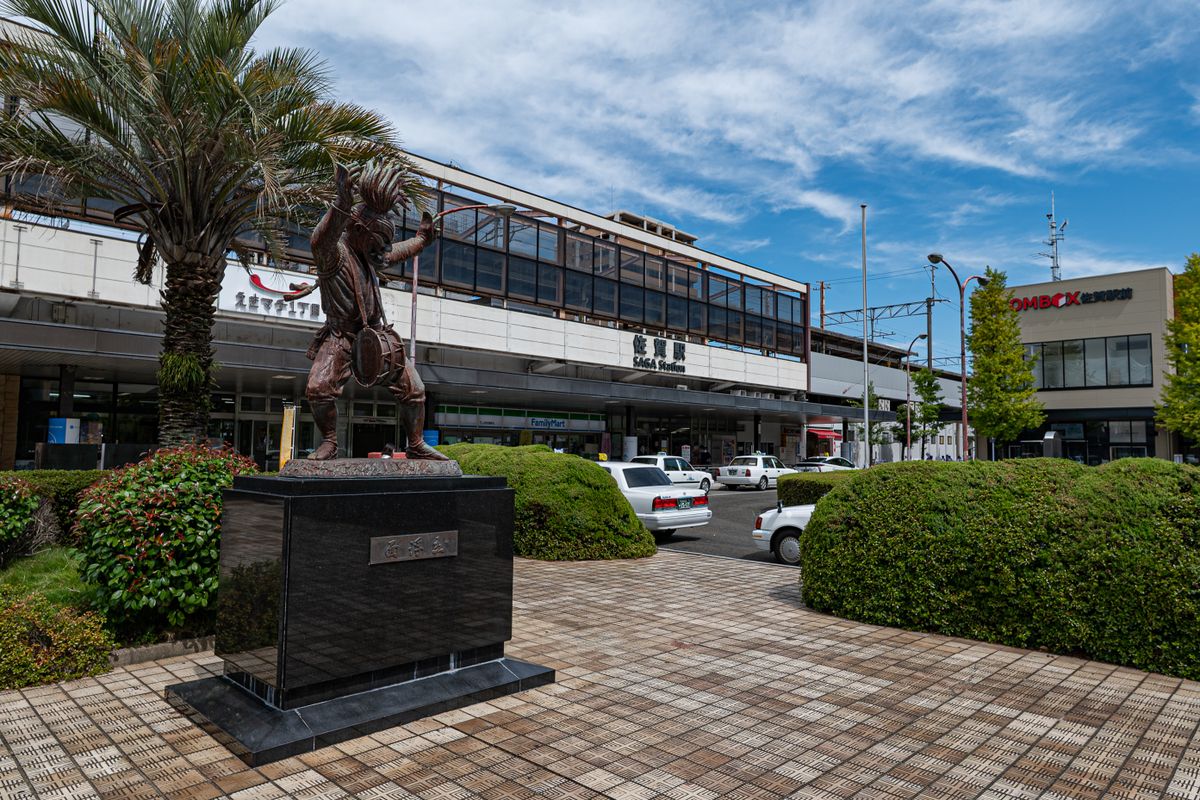
The fastest route from Tokyo to Saga is by Shinkansen: take the Tokaido/Sanyo Shinkansen to Hakata (Fukuoka) Station — approximately 5 hours on the Nozomi — then transfer to a JR limited express (Relay Kamome or Midori) to Saga Station, adding roughly 35 to 40 minutes. Total journey time is approximately 5.5 to 6 hours, costing around 22,000 to 25,000 yen one-way. Japan Rail Pass holders can ride the Hakata to Saga limited express, and the Nishi Kyushu Shinkansen (Takeo-Onsen to Nagasaki) is also covered by the standard JR Pass. Flying from Tokyo Haneda or Narita to Fukuoka Airport (approximately 1.5 to 2 hours) followed by bus or train to Saga City (about 60 minutes) is another efficient option, particularly when budget airfares are available from LCC carriers such as Jetstar or Peach Aviation.
Before heading out, make sure you have a Japan eSIM ready to navigate, translate, and share photos without worrying about connectivity. Get your Japan eSIM (Stay connected from day 1) →
From Osaka and Fukuoka
From Osaka, the Shinkansen to Hakata then Kamome to Saga takes approximately 3 hours total. From Fukuoka (Hakata), Saga is about 35 to 40 minutes by JR limited express (Relay Kamome or Midori) or about an hour by local train. Highway buses also operate from Fukuoka’s Hakata Bus Terminal to Saga City (approximately 1 hour, 900 to 1,200 yen) — an economical alternative to the Shinkansen for this short hop. Nagoya travelers should take the Shinkansen to Hakata (approximately 3 hours on the Nozomi) then transfer to Saga, for a total journey of around 3.5 hours.
Getting Around Saga
Saga Prefecture is spread across a relatively compact area, but public transport connections between key sights can be limited outside the main JR corridors, making a rental car the most practical option for comprehensive exploration. JR trains connect Saga City to Karatsu (about 50 to 60 minutes on the Karatsu Line) and buses from Karatsu reach Yobuko in 30 minutes. Arita is on the JR Sasebo Line, accessible from Saga Station with one transfer at Hizen-Yamaguchi (total about 50 to 60 minutes). Yoshinogari Park has its own JR station (Yoshinogari-Koen) on the Nagasaki Line, just 20 minutes from Saga Station. A rental car from Saga Station provides the flexibility to combine Karatsu, Yobuko, and the ceramic towns of Arita and Imari in a single day — highly recommended for efficient sightseeing. The Saga Sightseeing Loop Bus operates seasonally connecting major attractions for those without a car.
Where to Stay in Saga
Saga offers accommodation options to suit every budget and travel style, from practical business hotels to some of Kyushu’s finest traditional ryokan experiences.
Budget: Business hotels in Saga City near the station (5,000 to 8,000 yen per night) provide convenient access to transport links. The Dormy Inn Saga and several APA Hotels offer clean, modern rooms with communal baths. Mid-Range: Karatsu has excellent mid-range ryokan and resort hotels taking advantage of its seaside location, typically 10,000 to 18,000 yen per person with dinner and breakfast included. Luxury: Ureshino Onsen’s premium ryokan — including Wataya Bessou and Kaiseki Ryori Waranaya — offer exceptional multi-course kaiseki dinners, private onsen baths, and immaculate traditional rooms for 25,000 to 50,000 yen per person including two meals. Staying overnight in Ureshino is the definitive Saga luxury experience, ideal for a special occasion or honeymoon. Takeo Onsen provides a more modest but equally charming alternative for those seeking a hot spring stay on a mid-range budget.
Food and Local Specialties in Saga
Saga’s culinary identity is shaped by its dual heritage of mountain and coastal cuisine. The prefecture’s extensive rice paddies produce some of Kyushu’s finest rice, while its long coastlines on both the Ariake Sea and the Genkai Sea yield exceptional seafood of completely different characters. Saga’s food culture rewards adventurous eaters and comfort food lovers in equal measure, with a range of distinctive dishes that you simply cannot find anywhere else in Japan.
Yobuko Squid (Ika): Fresh squid served as ikizukuri or tempura is Saga’s most famous delicacy. The squid caught in the waters around Yobuko and the Genkai islands are said to be exceptionally sweet and tender due to the cold, clear currents. Most restaurants in Yobuko serve set menus (2,000 to 4,000 yen) featuring multiple squid preparations alongside rice, miso soup, and side dishes. Arriving before 11am is strongly recommended. Saga Wagyu Beef: Saga Prefecture produces some of Japan’s finest Wagyu beef, having won the top prize at Japan’s national wagyu competition multiple times. The richly marbled meat is served as sukiyaki, shabu-shabu, teppanyaki, and premium steak at restaurants throughout the prefecture. A Saga wagyu steak lunch set typically costs 3,000 to 6,000 yen; full omakase dinner experiences run 10,000 to 20,000 yen per person. Ureshino Green Tea and Chagayu: Ureshino’s premium gyokuro and sencha teas are delicate, sweet, and richly aromatic. The local specialty chagayu (rice porridge brewed with green tea) is a nutritious and delicate dish served at most ryokan breakfasts in the area. Ariake Sea Specialties: The shallow, nutrient-rich tidal flats of Ariake Sea produce unique marine creatures including mutsugore (mudskipper fish), high-quality nori seaweed, and various shellfish that are found nowhere else in Japan.
Day Trips and Nearby Attractions from Saga
Saga’s central location in northwest Kyushu makes it an excellent base for day trips to neighboring prefectures and attractions. Nagasaki (approximately 1 hour by Shinkansen from Saga) offers the Peace Memorial Park, Dejima Dutch trading post, and stunning harbor views from Mount Inasa. Fukuoka (about 35 to 40 minutes by JR limited express) provides access to Canal City, Ohori Park, the Fukuoka Castle ruins, and outstanding Hakata ramen. Imari (40 minutes from Saga by train) is another historic ceramic town with elegant merchant townhouses and porcelain museums that complement Arita wonderfully. Takeo Onsen, between Saga City and Ureshino, is a compact hot spring town with a picturesque ornate gate, a Meiji-era public bathhouse (Moto-yu) still in use today, and a charming shopping street — excellent for a half-day visit combined with either Ureshino or Arita.
Best Time to Visit Saga
Spring (March to May) is one of the best times to visit, with mild temperatures, cherry blossoms at Karatsu Castle in late March to early April, and the Arita Ceramic Fair during Golden Week attracting enthusiasts from across Japan. Summer (June to August) is hot and humid but enlivened by local festivals and firefly viewing along Ureshino’s rivers in June. Autumn (September to November) brings comfortable temperatures, beautiful foliage around Ureshino, and the spectacular Karatsu Kunchi Festival in early November — one of the best reasons to visit Saga. Winter (December to February) is the quietest season but offers excellent fugu (blowfish) cuisine, premium crab, and the most atmospheric onsen experience when hot spring steam rises through cold winter air.
Hidden Gems and Local Tips for Saga
Hizen Hamashuku is a beautifully preserved sake-brewing town on the historic Nagasaki Kaido trading route, with whitewashed walls and traditional townhouses largely unchanged since the Edo period — far fewer tourists visit than comparable towns, making for a wonderfully peaceful atmosphere. Mifuneyama Rakuen garden in Takeo features a dramatic hillside garden carved into a sheer rock face, particularly spectacular during azalea season (April to May) when tens of thousands of blooms cascade across the stone in an extraordinary display of natural and horticultural beauty. Genkai Islands, accessible by ferry from Karatsu, offer pristine beaches, excellent diving in clear waters, and a quiet fishing village atmosphere rarely experienced by international tourists. Saga Prefectural Museum in Saga City offers free admission and an excellent overview of the prefecture’s history from prehistoric times through the feudal Nabeshima Domain era, with English-language materials available — an underappreciated resource for contextualizing everything you’ll see elsewhere in Saga.
Practical Information for Visiting Saga
Tourist Information: Saga City Tourist Information Center is located inside Saga Station (open 9:00 to 18:00 daily). English-language maps and brochures for major attractions are available. Karatsu and Arita also have small tourist information offices near their respective train stations. Wi-Fi: Free Wi-Fi at Saga Station and major hotels; a pocket Wi-Fi device is recommended for rural areas including Yobuko and the ceramic towns. Cash: Still widely needed at small shops, stalls, rural eateries and small ryokan; withdraw yen in Saga City or Fukuoka before heading to rural destinations. Language: English is very limited in rural Saga; translation apps downloaded for offline use are essential. Emergencies: Police 110, Fire and Ambulance 119. Saga Prefectural Hospital: 0952-24-2171. JNTO English tourist helpline: 050-3816-2787 (available 24 hours). Onsen Etiquette: Wash thoroughly before entering communal baths; most traditional onsen prohibit tattoos; no photography inside bathing areas.
Saga Budget Guide
Budget Traveler (6,000 to 10,000 yen per day): Business hotel in Saga City, convenience store meals and affordable teishoku lunch sets (700 to 1,200 yen), JR trains and buses for transport. Yoshinogari admission 460 yen, Karatsu Castle 500 yen. A squid lunch at Yobuko can be enjoyed for around 2,000 to 2,500 yen with a basic set menu. Mid-Range Traveler (15,000 to 25,000 yen per day): Comfortable hotel or modest ryokan, meals at local specialty restaurants — squid in Yobuko, wagyu beef lunch sets 2,000 to 4,000 yen — plus one rental car day for ceramic town touring (approximately 5,000 to 7,000 yen). Luxury Traveler (35,000 to 70,000 yen or more per day): Premium Ureshino ryokan with full kaiseki board, Saga wagyu teppanyaki dinner, private onsen access, and personalized cultural experiences. Arita porcelain purchases can significantly increase souvenir budgets — museum-quality pieces range from 10,000 to several hundred thousand yen.
Frequently Asked Questions About Saga
How do I get to Saga from Tokyo?
Take the Tokaido/Sanyo Shinkansen to Hakata (Fukuoka), then transfer to a JR limited express to Saga Station. Total journey time is approximately 5.5 to 6 hours. Flying to Fukuoka Airport then taking a bus to Saga City (about 1 hour) is a good alternative, especially with budget airfares on LCC carriers.
Is Saga suitable for a day trip from Fukuoka?
Yes, Saga is one of the easiest day trips from Fukuoka, as the JR limited express takes only about 35 to 40 minutes. A day allows comfortable visits to Yoshinogari Historical Park or the Arita ceramic district. However, given Saga’s many spread-out attractions, an overnight stay — especially in Ureshino Onsen — is highly recommended for a fuller experience.
What is Arita-yaki porcelain and where can I buy it?
Arita-yaki is Japan’s oldest and most celebrated porcelain tradition, first produced around 1616. It ranges from elegant blue-and-white pieces to elaborate polychrome enamel works. The best places to purchase authentic pieces are the kiln shops in Arita’s Uchiyama historic district, the Arita Porcelain Park, and during the annual Arita Toki Ichi fair held during Golden Week in late April to early May.
What is the famous squid dish at Yobuko?
Yobuko is famous for ikizukuri — live squid sashimi served while still extraordinarily fresh, with the body simultaneously tempura-fried alongside it. The squid here are prized for exceptional sweetness and tenderness due to the clear, cold local waters. Several restaurants along the Yobuko waterfront specialize in this dish; arrive before noon to ensure availability.
What are the best hot springs in Saga?
Ureshino Onsen is Saga’s premier hot spring destination, famous for its skin-softening bicarbonate waters called beauty hot springs. Takeo Onsen is a smaller, charming alternative with a historic Meiji-era public bathhouse and a striking vermilion Romon gate designed by Tatsuno Kingo. Both offer day-use public baths as well as full ryokan accommodation experiences.
How many days should I spend in Saga?
Two to three days allows you to cover the main highlights: Yoshinogari Historical Park, Karatsu Castle and Yobuko morning market, one night in Ureshino Onsen, and a morning in Arita. For a complete experience including Imari, Takeo Onsen, and a Genkai Islands ferry trip, plan for four to five days.
When is the Karatsu Kunchi Festival?
The Karatsu Kunchi Festival takes place annually from November 2 to 4. It features 14 massive hikiyama floats — elaborate lacquered constructions representing lions, sea bream, samurai helmets, and mythological creatures — paraded through the streets with great communal energy. It is one of Kyushu’s most spectacular autumn festivals and draws visitors from across Japan.
Do I need a car to explore Saga?
A rental car is strongly recommended for exploring beyond the main JR train corridor. While Yoshinogari, Karatsu, and Arita are accessible by train, reaching Yobuko or combining multiple ceramic towns in a single day is significantly easier with a car. Car rental is available at Saga Station, Karatsu Station, and Fukuoka Airport.
Is English widely spoken in Saga?
English is very limited outside major tourist facilities such as Yoshinogari Park, Karatsu Castle, and Arita’s main shops. Saga Station’s tourist information office has English-speaking staff. Downloading Google Translate with a Japanese offline pack and camera translation function is strongly recommended before arriving in Saga.
Saga’s Rich History and Cultural Background
Saga Prefecture’s history stretches back thousands of years to the prehistoric Yayoi culture, but its most dramatic chapter came during the feudal era when the powerful Nabeshima clan ruled the region for over 270 years. The Nabeshima domain was one of the most influential in Kyushu, producing skilled administrators, gifted ceramicists, and fierce warriors. The clan’s legacy permeates Saga today: from the distinctive Nabeshima style of porcelain — characterized by elegant symmetrical designs on white backgrounds — to the castle architecture and governance philosophy that shaped the prefecture’s distinctive character.
Saga also played a crucial role in Japan’s modernization during the Meiji period (1868–1912). The Saga Domain was among the earliest to embrace Western technology and sent talented young men abroad to study engineering, medicine, and military science. Many of Meiji Japan’s most influential reformers came from Saga, earning the prefecture the nickname “the cradle of Meiji modernization.” The statesman Okuma Shigenobu — founder of Waseda University and twice Prime Minister of Japan — was born in Saga City in 1838, and his former residence is open to the public today. This intellectual heritage gives Saga a quiet but genuine confidence that manifests in the quality of its craftsmanship, cuisine, and cultural institutions.
Saga’s Ceramics Culture in Depth
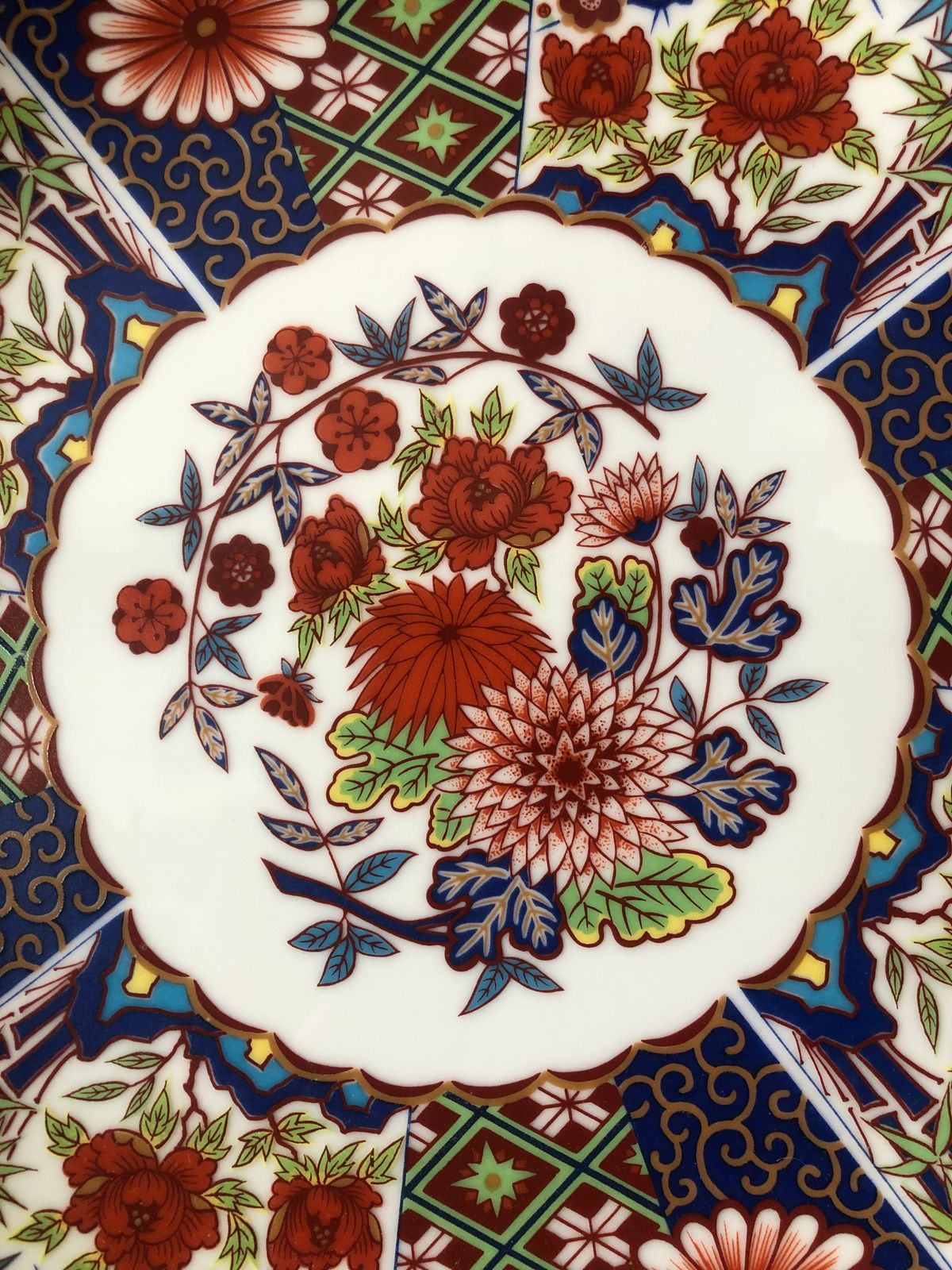
No single cultural contribution has defined Saga Prefecture’s international reputation more than its extraordinary ceramic heritage. The story of Saga porcelain is inseparable from the story of Japan’s contact with Korea, China, and Europe — a global narrative played out in the kilns of a small Kyushu mountain town.
The Three Great Ceramic Styles of Saga
Arita-yaki (also called Imari-yaki after the port from which it was shipped) represents the pinnacle of Japanese porcelain achievement. The discovery of true kaolin clay by Yi Sam-pyeong in the early 17th century enabled Japanese potters to produce white, translucent porcelain for the first time. The subsequent development of cobalt blue underglaze painting (sometsuke), followed by brilliant overglaze enamels in red, green, gold, and other colors (kinrande and kakiemon styles), created pieces of breathtaking beauty that commanded premium prices across Europe. The Meissen factory in Germany, Delft in the Netherlands, and Sevres in France all studied and attempted to replicate Arita ware. Today, visitors can trace this entire history at the superb Kyushu Ceramic Museum in Arita, which displays thousands of pieces spanning four centuries of production.
Karatsu-yaki represents an entirely different aesthetic tradition — deeply influenced by Korean folk pottery, it prizes rustic simplicity, irregular forms, and natural glazes over Arita’s refined symmetry. Tea masters throughout Japanese history have valued Karatsu ware for its unpretentious beauty, with the saying “first Ido, second Raku, third Karatsu” (referring to Korean, Kyoto, and Saga ceramics) reflecting the elite status of Karatsu tea bowls in Japan’s tea ceremony world. Contemporary Karatsu potters continue this tradition with great skill, and visiting a working Karatsu kiln is a memorable experience available through several studios around Karatsu City. Imari-yaki, produced in and around Imari City, developed its own distinctive bold and colorful style — often featuring vivid red, blue, and gold designs — that differs subtly but meaningfully from classic Arita ware. The Imari Okawachiyama district, where secret kilns produced exclusive porcelain for the Nabeshima lords, is a beautifully preserved historic area with a dozen active kilns still operating today.
Outdoor Activities and Nature in Saga
While Saga is primarily known for its cultural and culinary attractions, the prefecture offers worthwhile outdoor experiences for nature-oriented travelers, particularly along its coastlines and in its gentle hill country.
The Niji-no-Matsubara (Rainbow Pine Forest) near Karatsu stretches for four kilometers along a crescent-shaped beach, its ancient pine trees — planted under a feudal lord’s order to protect farmland from sea winds — creating an atmospheric green canopy above golden sand. Cycling through the pine forest at dawn or dusk, with the sound of waves nearby, is one of Saga’s most peaceful experiences. The Genkai Quasi-National Park encompasses both coastline and islands, with walking trails along sea cliffs offering dramatic views of the Korea Strait and distant islands on clear days. The islands themselves (Kakara, Takashima, Madara, and others) are reached by ferry from Karatsu and offer snorkeling, kayaking, and beachcombing in largely undisturbed waters. Inland, the Sefuri Mountains straddling the Fukuoka-Saga border provide pleasant day hiking with forested trails and clear mountain streams, easily accessible from Saga City by car. The 1,054-meter summit of Sefuri-san rewards hikers with views across the Chikushi plain toward Hakata Bay on clear days.
Shopping in Saga: What to Buy
Saga’s most prized souvenirs are naturally connected to its two great traditions of ceramics and tea. In Arita, the main shopping streets are lined with kiln showrooms selling pieces ranging from elegant everyday tableware (a beautiful Arita coffee cup can be found for 1,000 to 3,000 yen) to collector-grade hand-painted vases costing tens of thousands of yen. The annual Arita Toki Ichi fair (Golden Week) offers the widest selection at the best prices, with hundreds of vendors from across the Arita area selling directly. In Karatsu, individual potters sell from their studio-front shops, and purchasing directly from an artist gives the piece additional personal and historical significance. Ureshino green tea in elegant canisters makes an excellent light souvenir, as does the area’s distinctive tea-flavored confectionery. Saga wagyu beef processed products — such as vacuum-packed sukiyaki sets — are increasingly available at Saga Station’s souvenir shops and can be carried home if properly chilled. For non-food souvenirs, hand-painted Arita porcelain chopstick rests, sake cups, and small decorative plates are ideal gifts that travel well and represent Saga’s finest artistic traditions.
Saga Itinerary Suggestions
2-Day Weekend Itinerary
Day 1: Arrive in Saga Station. Morning: visit Yoshinogari Historical Park (take the JR Nagasaki Line, 20 minutes). Afternoon: return to Saga City, explore the city center and Okuma Shigenobu Memorial Museum. Evening: dinner featuring Saga wagyu beef at a local teppanyaki restaurant. Day 2: Take the JR Karatsu Line to Karatsu (about 1 hour). Morning: visit Karatsu Castle and the Niji-no-Matsubara pine forest. Midday: bus to Yobuko (30 minutes) for a live squid lunch at a harborside restaurant. Afternoon: browse Karatsu-yaki pottery studios. Return to Saga Station for departure.
4-Day Comprehensive Itinerary
Day 1: Yoshinogari Historical Park and Saga City exploration. Evening wagyu dinner. Day 2: Rent a car and drive to Arita (50 minutes). Morning: Kyushu Ceramic Museum and Uchiyama shopping district. Afternoon: drive to Imari’s Okawachiyama kilns district (20 minutes). Evening: check into Ureshino Onsen ryokan (30 minutes from Imari). Day 3: Morning: soak in Ureshino’s beauty hot springs. Midday: tea ceremony experience and chagayu breakfast. Afternoon: Takeo Onsen’s historic gate and public bath. Evening: return to Saga City or continue to Karatsu for seaside accommodation. Day 4: Karatsu Castle in the morning, Yobuko morning market and squid lunch, Niji-no-Matsubara pine forest cycling in the afternoon. Return to Saga Station for departure.
Why Saga Deserves a Place on Your Japan Itinerary
In a country where popular destinations can feel overcrowded and commercialized, Saga Prefecture stands apart as an authentic, deeply layered destination that rewards travelers who take the time to explore it. Its ceramics tradition represents a living connection to four centuries of artistic excellence that has influenced porcelain production around the world. Its prehistoric heritage at Yoshinogari brings Japanese history alive in ways that no other site in the country quite matches. Its hot springs at Ureshino are among Kyushu’s finest, and its seafood — from the live squid of Yobuko to the delicate shellfish of Ariake Sea — represents Japanese coastal cuisine at its most distinctive and memorable. Saga’s warmth of welcome, relative absence of tourist crowds, and genuine sense of cultural pride make it one of Japan’s most satisfying destinations for the traveler seeking something beyond the well-worn Golden Route. A visit to Saga is not simply a detour from the standard itinerary — it is a journey into the heart of what makes rural Japan so endlessly fascinating and so deeply worthwhile.
Transportation Tips for Saga
Planning your transport in advance is particularly important in Saga, as some areas have infrequent public transport. The Saga-ken Bus (Saga prefectural bus) network covers most major destinations but with schedules that can be sparse outside peak hours — always check timetables on the Saga Bus website or at tourist information offices before setting out. The Showa Bus company operates the most frequent services in the Karatsu and Yobuko area. For visitors holding a JR Pass, trains are the most efficient option for Yoshinogari, Karatsu, and Arita; however, note that some local branch line trains run only hourly or less frequently. IC cards (Suica, Nimoca) are accepted on JR trains and major bus routes throughout Saga. Taxis are available at all major stations but are expensive for longer rural journeys; negotiate a flat rate for day-hire if using a taxi extensively. Ride-sharing apps like Uber are not widely available in rural Saga. For those driving, the Nagasaki Expressway and National Route 34 provide efficient access to most destinations within the prefecture, and parking at major attractions is generally free or very inexpensive (200 to 500 yen per day at most sites). International driving permits are required for visitors wishing to rent a car in Japan.
Saga’s Festivals and Annual Events
Beyond the headline Karatsu Kunchi Festival, Saga’s calendar is filled with local celebrations that reveal the prefecture’s living cultural traditions. The Arita Toki Ichi (Ceramic Fair, late April to early May during Golden Week) transforms Arita into a giant outdoor market where hundreds of vendors sell directly from kilns at significantly reduced prices — an unmissable event for anyone interested in Japanese porcelain. The Saga International Balloon Fiesta (held in late October or early November at Kase River Kasei Park in Saga City) is one of Asia’s largest hot-air balloon competitions, attracting over 100 balloons from around the world and drawing hundreds of thousands of spectators over its five-day duration. The colorful spectacle of dozens of enormous balloons rising above the Saga plains at dawn is genuinely breathtaking and completely free to watch. The Imari Ton-ten-ton Festival in October is a dramatic ‘fighting festival’ in which two portable shrines clash and grapple, often ending in the Imari River. Yoshinogari Historical Festival events held throughout the year feature costumed reenactments of ancient Yayoi-period rituals, giving visitors a vivid sense of how Japan’s earliest organized societies lived and worshipped. Checking Saga Prefecture’s official tourism calendar before your visit is highly recommended, as smaller local matsuri (festivals) occur throughout the year in villages and towns across the prefecture, offering authentic glimpses of community life that few foreign travelers ever experience.
Accessibility and Travel Tips for Saga
Saga Prefecture is generally accessible for travelers with mobility considerations in its main urban areas and major tourist sites. Yoshinogari Historical Park has paved pathways throughout most of the site, with a shuttle service available for visitors who have difficulty walking long distances. Karatsu Castle is connected to the base by elevator, making the top-floor viewpoint accessible without climbing the full staircase. Ureshino Onsen’s main ryokan are increasingly offering barrier-free rooms with accessible bathing facilities — contact individual properties in advance to confirm specific accessibility provisions. Saga Station has full elevator access to all platforms and accessible restrooms. Rural areas and historic districts like Karatsu’s castle town can be uneven underfoot due to traditional stone paving, so comfortable non-slip footwear is recommended for all visitors regardless of mobility level. For travelers with dietary requirements, Saga’s cuisine relies heavily on seafood and meat, so vegetarian and vegan travelers should research restaurant options carefully in advance; major hotels and some tourist-oriented restaurants can accommodate dietary requests with advance notice. Halal dining options are extremely limited in Saga — visitors with strict halal requirements should plan self-catering options or bring suitable provisions, particularly for rural areas. Saga City’s international community is small but growing, and the prefectural government has made efforts in recent years to improve English and multilingual signage at major attractions and transit points, though English support remains limited compared to Fukuoka or Nagasaki.
Saga Prefecture rewards every traveler who takes the time to venture beyond Fukuoka and discover this remarkable corner of Kyushu — a destination where history, craft, nature, and exceptional cuisine come together in an experience that is uniquely and memorably Japanese.
Related guides
- Kirishima Travel Guide 2026: A First-Timer’s Guide to Sacred Shrines, Volcanic Trails, and Kyushu’s Best Onsen in Kagoshima
- Takachiho Gorge Travel Guide 2026: Rowboats, the Sea of Clouds, and Japan’s Sacred Myths in Miyazaki
- Aoshima Island and the Nichinan Coast: A First-Timer’s Guide to Miyazaki’s Subtropical Shrines and Devil’s Washboard
Going to Japan? Speak Japanese with confidence.
Hirameki Japanese — camera translate for menus and signs, a two-way conversation mode, and furigana + romaji on every phrase. Free to download with kana charts, conversation mode and starter words; a one-time purchase unlocks everything.
⬇ Get it on the App Store
Plan your Japan trip
Two things every first-timer should book
Some links are affiliate links. If you book through them we may earn a small commission at no extra cost to you.