Every August, the northern city of Aomori erupts into one of Japan’s loudest, brightest, and most joyful spectacles: the Aomori Nebuta Festival (青森ねぶた祭). For six nights, enormous illuminated paper floats — some as tall as a two-story building and wide as a road — are pushed through the streets while thousands of costumed dancers leap and chant, taiko drums thunder, and flutes wail into the summer night. It is not a quiet, contemplative festival. It is a full-body, full-volume celebration, and it draws millions of visitors to the far north of Honshu each year.
What makes Nebuta special for a first-time visitor to Japan is that you do not just watch — you can join. Anyone, including foreign tourists, can dress in the traditional haneto dancer’s costume and jump straight into the parade. Few festivals anywhere in the world invite outsiders so warmly into the heart of the action. Combine that with the sheer artistry of the floats, the energy of the crowds, and a region full of apples, scallops, hot springs, and dramatic scenery, and you have one of the best reasons to travel beyond Tokyo and Kyoto.
This guide tells you everything a first-timer needs to know: what the festival is and where it comes from, the dates (August 2 to 7 every year) and nightly schedule, how to get to Aomori, where to watch (and how to get a good seat), how to become a haneto dancer yourself, where to stay and eat, and how to combine Nebuta with the rest of beautiful Aomori Prefecture. Let’s dive in.
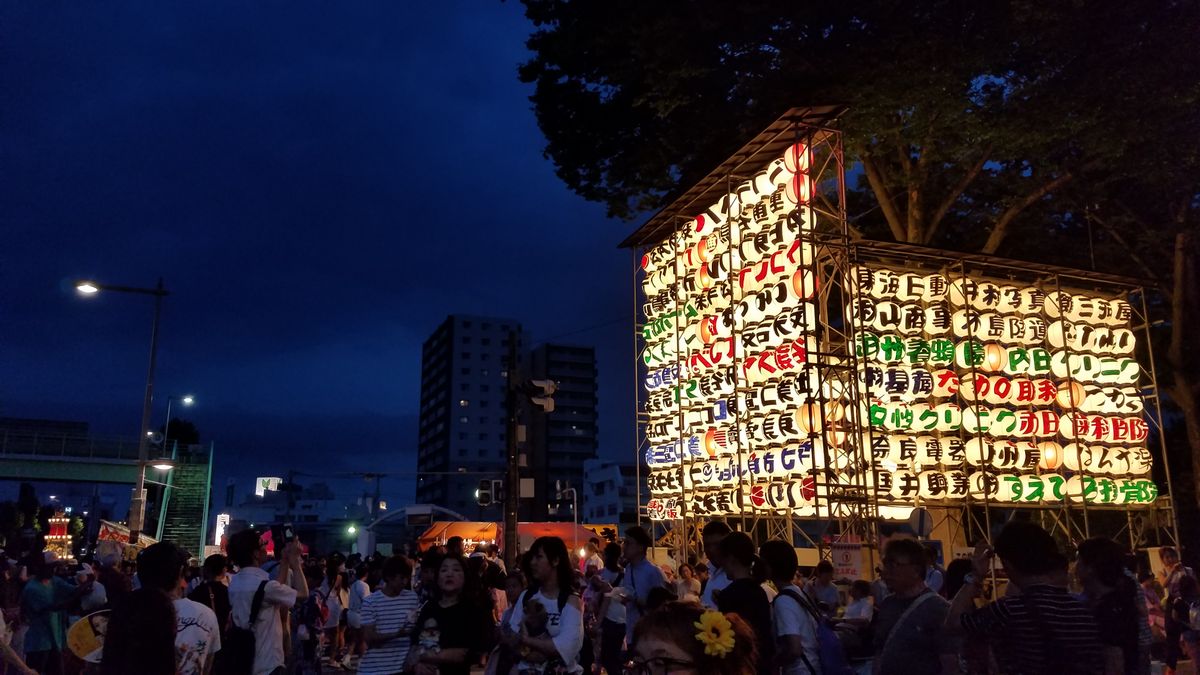
What Is the Aomori Nebuta Festival?
The Aomori Nebuta Festival is a summer matsuri (festival) held in Aomori City, the capital of Aomori Prefecture at the northern tip of Japan’s main island of Honshu. It is one of the three great festivals of the Tohoku region — alongside Sendai’s Tanabata and Akita’s Kanto — and is recognized as an Important Intangible Folk Cultural Property of Japan. It regularly attracts well over two million spectators across its run, making it one of the most heavily attended festivals in the entire country.
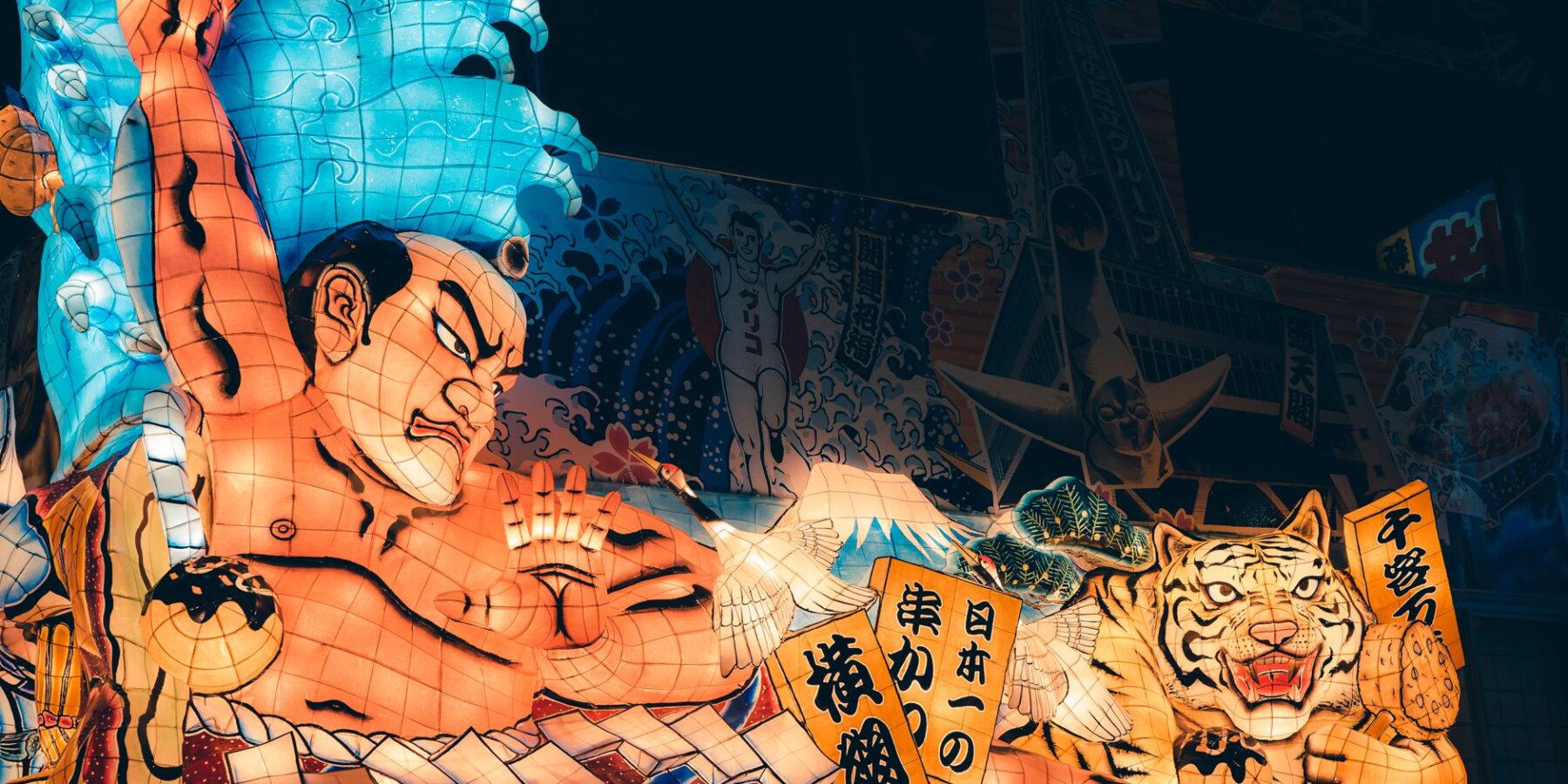
The stars of the show are the nebuta themselves: huge, three-dimensional floats built from a wire-and-wood frame covered in painted washi paper and lit from the inside by hundreds of light bulbs. The floats depict fierce warriors, gods, mythical creatures, and figures from history and kabuki, frozen in dramatic, muscular poses. Up to around 22 of these large floats parade each evening, each one created over the course of a year by a dedicated team led by a master craftsman known as a nebuta-shi.
Surrounding each float is its own ensemble: a team pushing and spinning the giant structure, a band of taiko drummers and flute and cymbal players providing the relentless “Rassera! Rassera!” rhythm, and a swirling crowd of haneto — dancers in distinctive flower-trimmed costumes who jump and chant their way down the route. The combined effect of light, color, sound, and motion is genuinely overwhelming in the best possible way.
The History and Meaning of Nebuta
The exact origins of Nebuta are debated, which is part of its mystique. The most widely told explanation links it to Tanabata and an old custom called nemuri-nagashi — literally “sleep washing away.” In the heat of midsummer, farmers and townspeople would float lanterns and effigies down rivers or out to sea to drive away the drowsiness and bad spirits that interfered with the crucial harvest work. Over centuries, these floating lanterns are believed to have grown larger and more elaborate, eventually becoming the towering illuminated floats we see today. The word “nebuta” itself is thought to derive from nemutai, meaning “sleepy.”
Whatever its precise beginnings, the festival has been documented in Aomori for well over two centuries and has steadily evolved. In the modern era the floats became larger, brighter, and more artistically ambitious, and electric lighting transformed them into the glowing giants of today. The figures depicted are often drawn from Japanese and Chinese legend, kabuki theater, and historical warriors — subjects chosen for their drama and their fearsome, energetic poses.
For the people of Aomori, Nebuta is far more than a tourist attraction. It is a point of deep civic pride and identity, a project that occupies craftsmen, neighborhood associations, schools, and companies throughout the year. Understanding this context — that you are witnessing a living tradition that the whole city pours itself into — adds enormous meaning to the experience. If you enjoy festivals as a window into local culture, our destinations guide can help you find other regional celebrations to build a trip around.
How a Nebuta Float Is Made
Part of what makes Nebuta so awe-inspiring is realizing that each float is a year-long labor of skill and devotion. The artists who design and build them, the nebuta-shi, are revered figures in Aomori, and only a small number reach the top rank. Building a single large float is a months-long project involving a whole team and a surprising range of crafts.
The process begins with a concept — usually a dramatic scene from legend, history, or kabuki — which the nebuta-shi sketches in detail. From there, a skeleton is built: traditionally from wood, and today largely from bent wire, painstakingly shaped into the muscular bodies, fierce faces, swirling robes, and creatures of the design. Hundreds of light bulbs (and increasingly LEDs) are wired inside the frame so the finished float will glow from within.
Next comes the paper. Sheets of strong washi paper are glued over the entire frame, a delicate stage that gives the float its skin. The artists then apply rou (melted wax) to draw outlines and create areas that will let light shine through more brightly, before painting the surface with vivid dyes — deep reds, blues, golds, and blacks. The waxing and dyeing is what gives a lit nebuta its distinctive luminous, almost stained-glass quality. Finally the float is mounted on its wheeled base, balanced, and tested.
During the festival, a panel awards prizes to the finest floats, and the competition is fierce; winning is a tremendous honor for the team and the nebuta-shi. The prize-winning floats are the ones paraded in daylight on August 7 and carried onto the bay for the marine finale. Knowing how much artistry and effort each glowing giant represents transforms the way you watch the parade — every spin reveals another angle of a year’s work.
The Three Great Festivals of Tohoku
Aomori Nebuta does not happen in isolation. It is one of the three great festivals of the Tohoku region, all held in early August within a few days of one another, which makes it possible — with careful planning and shinkansen reservations — to experience more than one on a single trip north.
- Aomori Nebuta Festival (Aug 2–7): The giant illuminated warrior floats and leaping haneto dancers described in this guide.
- Akita Kanto Festival (Aug 3–6): In Akita City, performers balance towering bamboo poles hung with dozens of paper lanterns — on their palms, foreheads, shoulders, and hips — in a jaw-dropping display of balance.
- Sendai Tanabata Festival (Aug 6–8): In Sendai, the shopping arcades are draped with thousands of huge, colorful streamers and paper decorations in a gentler, daytime-friendly celebration of the star festival.
Each has a completely different character — Nebuta is about light and motion, Kanto about balance and tension, Tanabata about color and craft. Dedicated festival-goers sometimes string all three together in a “Tohoku festival tour.” If that appeals, plan transport and lodging very early, as the whole region is busy in this window.
When Is the Aomori Nebuta Festival? Dates and Schedule (August 2–7 Every Year)
The Aomori Nebuta Festival is held on the same dates every year: August 2 to August 7. This consistency makes it easy to plan around, unlike festivals that move with the lunar calendar. Each day has its own character, and knowing the rhythm helps you choose which night (or nights) to attend.
- August 2–3 (Evening): Children’s nebuta and smaller floats parade earlier, followed by the large floats. A gentler introduction with slightly smaller crowds.
- August 4–6 (Evening): The main event. About 20 large floats parade through the streets from 6:45 p.m., accompanied by full teams of haneto dancers and musicians. These are the biggest, most energetic nights.
- August 7 (Daytime): The floats parade in daylight from around 1:00 p.m., which is the best chance to appreciate the painted detail up close. That evening, from 7:15 p.m., about four large floats, including prize winners, are carried out into Aomori Bay for a marine parade, accompanied by a spectacular fireworks display over the water — a breathtaking finale.
The evening parades start at 7:00 p.m. on August 2–3 and 6:45 p.m. on August 4–6, ending around 9:00 p.m. Always confirm the exact times for the current year before you go, as start times and routes can be adjusted. If your schedule allows, attending two nights — one main evening parade and the August 7 daytime-plus-fireworks finale — gives you the most complete experience.
How to Get to Aomori
Aomori sits at the northern end of Honshu, but it is far more accessible than many travelers expect thanks to the shinkansen.
By Shinkansen
The Tohoku Shinkansen connects Tokyo directly to Shin-Aomori Station in about 3 hours on the fastest Hayabusa trains (a regular-season reserved seat costs ¥17,670 one way after JR East’s March 2026 fare rise). From Shin-Aomori, a local train reaches central Aomori Station in about 6 minutes. The same line continues north under the sea to Hokkaido, so Nebuta pairs naturally with a wider northern itinerary. If you are covering long distances, our shinkansen guide explains tickets, reservations, and whether a rail pass is worthwhile — reservations are essential during the festival, when trains fill up.
By Air
Aomori Airport has flights from Tokyo (Haneda), Osaka (Itami), Nagoya, Sapporo, and other cities, with the Tokyo flight taking about 1 hour 20 minutes. An airport bus connects to central Aomori in about 35 minutes. Flying can save time if you are coming from western Japan.
Getting Around During the Festival
Central Aomori is compact and the festival route is walkable from Aomori Station and most downtown hotels. During the festival, expect road closures, heavy foot traffic, and packed public transport in the evenings. If you are arriving with luggage or traveling as a group from the airport or station, a pre-booked door-to-door transfer such as Kiwitaxi airport transfers can spare you the crush of festival-night crowds and taxi queues.
Stay Connected
With huge crowds, road closures, and last-minute schedule notes, having mobile data is invaluable for maps, transport updates, and translation. A prepaid Japan & Global eSIM is the simplest way to stay online — set it up before you fly and it works the moment you land at the airport or step off the shinkansen.
What to Expect Each Night
If you have never been to a large Japanese matsuri, the scale of Nebuta can be startling. Here is roughly how an evening unfolds and what to look for.
As dusk gathers, the floats — which have been waiting along side streets — switch on their internal lights and the parade begins. Each nebuta is enormous: typically around 9 meters wide, 7 meters deep, and 5 meters tall, weighing several tons, mounted on a wheeled base and pushed by a team of strong volunteers. At intersections and in front of viewing stands, the teams perform dramatic spins, rotating the entire glowing structure so the crowd can take in the figure from every angle. The painted faces — fierce gods, scowling warriors, coiling dragons — seem to come alive in the moving light.
Around and ahead of each float swirl the haneto dancers, often hundreds per team, in white-and-pink costumes hung with little bells. They do not perform a complicated choreography; instead they hop rhythmically on alternating feet while shouting the festival’s signature chant, “Rassera! Rassera!” The bells they shed as they jump are collected by spectators as lucky charms. Behind them, the hayashi musicians drive everything forward with taiko drums, bamboo flutes, and hand cymbals, producing a hypnotic, thumping pulse you feel in your chest.
The combination is sensory and immersive. Smoke from food stalls drifts through the warm night air, children wave glow sticks, and the whole downtown becomes a river of light and sound for two hours. Come hungry, come early for a good spot, and be ready to be swept up in the energy.
It is worth knowing the cast of characters you’ll see around each float so you can appreciate the teamwork. At the front walks the float’s banner and lantern bearers, announcing which neighborhood, company, or organization built it. Then come the float and its pushers, who not only move several tons of structure but spin it on cue with remarkable precision. The haneto fill the space around it, and the musicians bring up the rear, setting the tempo everyone moves to. Each group is essentially a small community that has trained and prepared together for months, and that shared pride is palpable. When you understand that every float passing by represents a whole neighborhood’s year of effort, the parade stops being a show and starts feeling like an invitation into the life of the city.
Become a Haneto Dancer: Anyone Can Join
Here is the best-kept secret of Nebuta, and the thing that makes it so special for visitors: you can join the parade as a haneto dancer, no registration or membership required. You simply need to wear the official haneto costume. As long as you are properly dressed, you are welcome to jump into the dancing crowd around the floats and become part of the festival yourself.
The costume — a colorful yukata-style outfit with a distinctive flower-decorated hat (hanagasa), sash, and bells — can be rented or bought in Aomori. Rental shops, department stores, and hotels around the city offer costume sets, typically for around ¥4,000–5,000 (about US$28–35) to rent for the evening, sometimes including help getting dressed. The official rule is strict but simple: you must wear the correct, complete costume to participate. You do not need to know any special steps — just hop on alternating feet and shout “Rassera!” with everyone else.
Joining as a haneto is exhilarating and surprisingly emotional. You go from spectator to participant, surrounded by locals of all ages who are delighted to dance alongside visitors. It is one of the most genuine cultural experiences available to a traveler in Japan. If you plan to do it, sort out your costume earlier in the day, because rental shops get busy. For broader cultural etiquette and tips on respectful participation, our Japan travel tips for first-timers is a helpful companion read.
Best Viewing Spots and Paid Seating
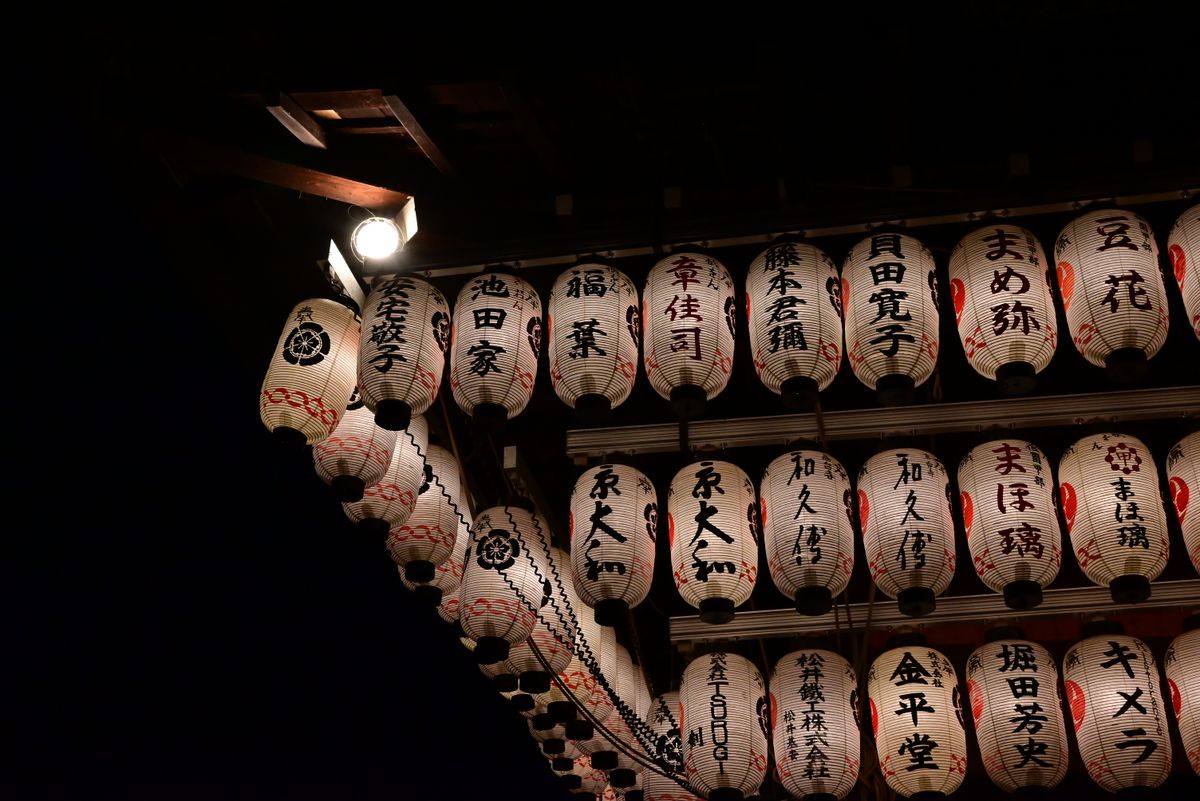
The parade follows a roughly rectangular route through central Aomori, near Aomori Station and the main downtown avenues. You have two main options for watching.
Free standing/sitting areas: Most of the route is free to watch from, but the best spots fill up early — serious spectators stake out a place along the curb in the late afternoon. Arrive a couple of hours before the 7:10 p.m. start for a front-row position, and bring a small mat or newspaper to sit on. Corners, where the floats spin, offer the most dramatic views but are also the most crowded.
Paid reserved seating: The festival sells paid grandstand seats along parts of the route, which guarantee you a clear, comfortable view without hours of waiting. Both chair seats and sajiki floor seats are available, with separate group sales; individual reserved seats cost ¥4,000 per person (¥9,500 for the August 7 day-plus-fireworks set). These are sold via a June lottery, then general sales through Ticket Pia/7-Eleven, Lawson Ticket and Pomitto, and can sell out, so book early if you want a guaranteed spot. For families, anyone with limited mobility, or travelers who would rather not stand for hours, paid seating is well worth the cost.
Wherever you watch, note that the August 7 daytime parade is the easiest time to photograph the floats clearly, and the evening fireworks-and-marine-parade finale is best viewed from the bay area near the port.
Where to Stay for Nebuta
Accommodation is the single biggest logistical challenge of attending Nebuta. Aomori is not a huge city, and its hotels sell out months in advance for the August 2–7 dates, often at premium prices. The number one rule is simple: book as early as you possibly can.
Staying in central Aomori, within walking distance of the route, is the most convenient option — you can return to your room to rest, change into your haneto costume, and avoid late-night transport. To compare what is still available across central Aomori and nearby areas, Agoda has broad coverage of both city hotels and regional inns and is a good place to start your search.
If central Aomori is fully booked or beyond your budget, consider these alternatives, all connected to the city by train: Hirosaki (about 45 minutes away, a lovely castle town), Hachinohe, or even staying near Shin-Aomori and commuting in. Booking a hotel package or guided festival tour can also remove a lot of the stress — operators like Klook bundle tours and experiences in Japan and may offer convenient festival-season options that include transport and reserved access. Whatever you choose, lock it in early; this is not a festival to wing.
What to Eat in Aomori
Aomori Prefecture is a food lover’s region, blessed with cold seas, fertile orchards, and a strong local food culture. Between parades, treat yourself to these specialties:
- Apples (ringo): Aomori grows around 60 percent of all apples in Japan, and they are exceptional. Look for fresh apples, apple pie, apple juice, apple cider, and apple soft-serve ice cream all over the city.
- Scallops (hotate): The cold waters of Mutsu Bay produce huge, sweet scallops, served grilled in the shell, as sashimi, or in rice bowls.
- Nokkedon: At the Aomori Gyosai Center market, you buy tickets and build your own custom seafood rice bowl, choosing toppings from dozens of fresh options. A fun, interactive breakfast or lunch.
- Miso curry milk ramen: A rich, comforting Aomori original combining miso, curry, milk, and a pat of butter — far better than it sounds and perfect after a cool evening.
- Senbei-jiru: A warming local soup with wheat crackers (senbei) simmered in broth, especially associated with the Hachinohe area.
- Festival street food: Yakisoba, takoyaki, grilled corn, shaved ice (kakigori), candied fruit, and more line the festival route — come hungry.
Many of these are best enjoyed at the markets and downtown restaurants, which can be busy during the festival, so eat early or be patient. For a deeper look at regional Japanese cooking and how to order with confidence, see our guide to Japanese food experiences.
Nebuta Museum Wa Rasse: See the Floats Year-Round
Cannot make it in August, or want to understand the floats up close before the parade? The Nebuta Museum Wa Rasse, right beside Aomori Station, displays several of the previous year’s prize-winning full-size floats year-round. Inside, you can walk around the towering nebuta, see the intricate paper-and-wire construction up close, learn about the master craftsmen who build them, and even try the taiko drums and haneto chant in interactive areas. Admission is around ¥620 (about US$4.30) for adults. It is an excellent stop in any season and a perfect primer if you are attending the festival, helping you appreciate just how much skill goes into each float.
Things to Do Around Aomori
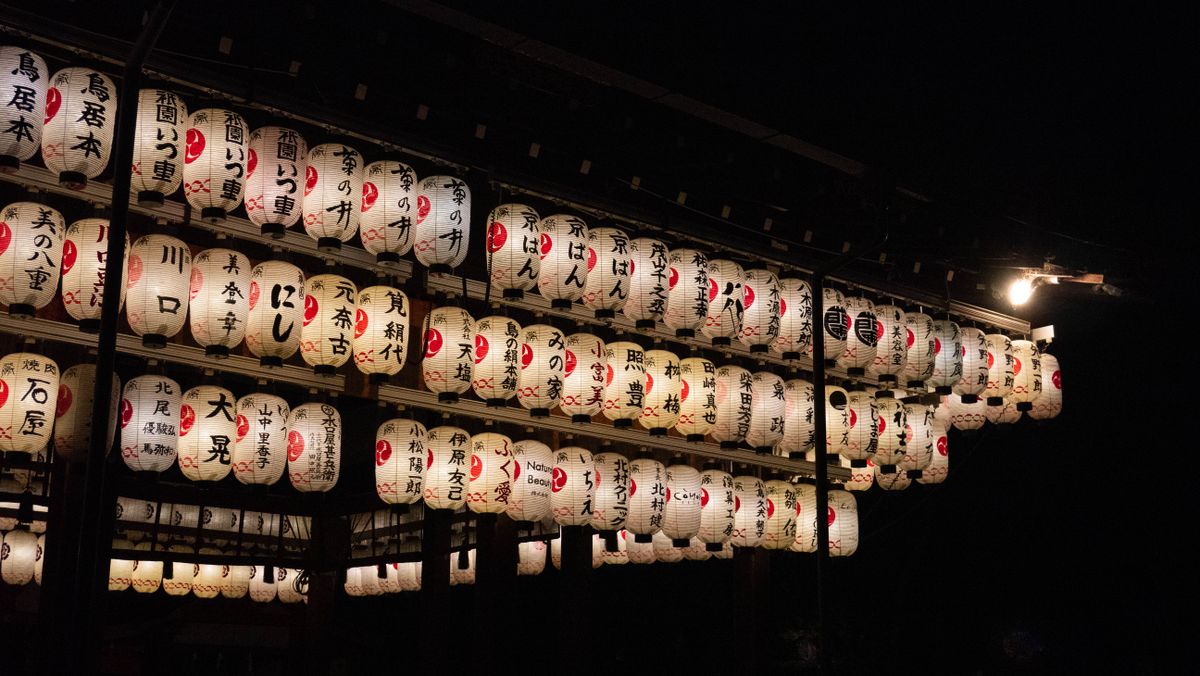
Aomori Prefecture rewards a longer stay, and many of its best attractions are within easy reach of the city. If you build a few extra days around the festival, consider these:
- Hirosaki Castle and Park: About 45 minutes away, home to a small original castle keep and one of Japan’s most famous cherry-blossom parks (spectacular in late April, lovely year-round).
- Oirase Gorge: A gorgeous stream-side walking trail through mossy forest and waterfalls, at its best in summer greenery and autumn color.
- Lake Towada: A serene crater lake straddling the Aomori–Akita border, ideal for boat rides and lakeside walks.
- Hakkoda Mountains: Scenic peaks with hiking, ropeway views, and remote hot springs such as Sukayu Onsen and its famous large cypress bath.
- Aomori Bay Bridge and ASPAM: The waterfront landmarks of the city itself, good for a stroll and bay views.
- Sannai-Maruyama: A vast, fascinating prehistoric Jomon-era archaeological site, now a UNESCO World Heritage listing, just outside the city.
Because Aomori is also the gateway to Hokkaido via the undersea shinkansen tunnel, ambitious travelers can even tack on Hakodate to the north. For more ideas on routing northern Japan efficiently, browse our full destinations list.
A Suggested Three-Day Aomori Itinerary
To make the most of a festival trip, give yourself at least a couple of full days in the region rather than dashing in and out for a single parade. Here is one balanced plan that mixes the festival with Aomori’s natural and cultural highlights.
Day 1 — Arrival and first parade. Arrive in Aomori by shinkansen or plane in the early afternoon and check into your hotel. Visit the Nebuta Museum Wa Rasse beside the station to see the floats up close and understand the craft before the evening. Grab an early dinner of grilled scallops or miso curry milk ramen, then stake out a spot (or take your reserved seat) for the evening parade. If you’ve rented a haneto costume, jump in and dance.
Day 2 — Day trip into nature. Spend the day exploring beyond the city. Option A: head to Hirosaki to tour the castle and park and wander the old samurai and temple districts. Option B: venture to Oirase Gorge for a stream-side forest walk, continuing to serene Lake Towada. Return to Aomori in the late afternoon, rest, and enjoy a second night of the festival — the parades feel different each evening, and a second viewing lets you relax and soak it in.
Day 3 — The grand finale. Use the morning for the Aomori Gyosai Center to build your own nokkedon seafood bowl, or visit the Sannai-Maruyama Jomon site. Catch the August 7 daytime parade for the best photographs of the floats in full detail. In the evening, head to the bay for the marine parade, when prize-winning floats glide across the water beneath a fireworks display — the unforgettable close to the festival. Depart the next morning, or continue north toward Hokkaido.
Adjust the pace to your interests, but the core principle holds: pair at least one evening parade with the August 7 finale, and leave time for the region’s wider attractions. For help routing the rest of your trip, our destinations hub is a good planning tool.
Practical Tips for Visiting the Aomori Nebuta Festival
- Book accommodation months ahead. This is the single most important tip. Aomori’s hotels fill up far in advance for August 2–7, and prices rise. Reserve as early as possible, or stay in Hirosaki and commute.
- Reserve shinkansen seats early. Trains to Aomori are heavily booked during the festival; secure reserved seats well ahead rather than relying on unreserved cars.
- Arrive early for a good free spot — ideally two hours before the 7:10 p.m. start — or buy paid grandstand seating in advance.
- Sort your haneto costume during the day. If you want to dance, rent the full costume earlier on, as shops get busy before the parade.
- Dress for warm, humid evenings with light clothing, but bring a thin layer for after dark; northern nights can cool down.
- Carry cash. Food stalls, costume rentals, and small shops are often cash-only, and ATMs get busy.
- Stay hydrated and watch the heat. August is hot; drink water and take breaks, especially if you are dancing.
- Mind the crowds and your belongings. Keep valuables secure and agree on a meeting point with your group in case you get separated in the throng.
- Don’t miss August 7. The daytime parade is best for photos and the evening marine parade with fireworks is the unforgettable finale.
- Respect the teams and route. Follow staff instructions, don’t block the floats, and pack out your trash — public bins are scarce.
Frequently Asked Questions
When is the Aomori Nebuta Festival held?
It takes place on the same dates every year, August 2 through August 7. Evening parades run roughly 7:10 p.m. to 9:00 p.m. on August 2–6, while August 7 features a daytime parade from about 1:00 p.m. followed by an evening marine parade of floats on Aomori Bay with fireworks. Always confirm exact times for the current year before you go.
Can tourists participate as haneto dancers?
Yes. Anyone, including foreign visitors, can join the parade as a haneto dancer with no registration required — the only rule is that you must wear the complete, official haneto costume. You can rent the costume in Aomori for roughly ¥4,000–5,000. No special dance skill is needed; you simply hop on alternating feet and chant “Rassera!” with the crowd.
Do I need to buy tickets to watch?
No — much of the parade route is free to watch from, though the best free spots fill up hours early. For a guaranteed, comfortable view you can buy paid reserved grandstand seats in advance; these sell out for the busiest nights (August 5–7), so book ahead if you want one.
How far in advance should I book a hotel?
As early as you can — ideally several months ahead. Aomori has limited accommodation, and hotels sell out and raise prices for the festival dates. If the city is full, stay in nearby Hirosaki or Hachinohe and travel in by train, or look into a tour package that bundles lodging.
How do I get to Aomori from Tokyo?
The fastest way is the Tohoku Shinkansen, which reaches Shin-Aomori Station in about 3 hours; a local train then takes about 6 minutes to central Aomori. Alternatively, flights from Tokyo’s Haneda Airport take about 1 hour 20 minutes, plus a 35-minute airport bus. Reserve shinkansen seats or flights well in advance for festival dates.
Is the festival suitable for families with children?
Very much so. The floats and dancers delight kids, August 2–3 feature children’s nebuta, and the atmosphere is festive and welcoming. For families, paid seating is worth considering to avoid long waits and tight crowds, and it is wise to set a meeting point in case anyone gets separated.
What if I can’t visit in August?
You can still experience Nebuta year-round at the Nebuta Museum Wa Rasse beside Aomori Station, where prize-winning full-size floats are displayed and you can learn about their construction and try the drums and chant. It is a great stop in any season.
What should I wear and bring?
Wear light, breathable clothing for hot, humid August evenings, with a thin layer for after dark. Bring cash, a fully charged phone with data, a small mat to sit on if watching from a free area, water to stay hydrated, and a bag for your trash. Comfortable shoes are a must, since you’ll be walking and standing a lot.
How crowded does it get, and how early should I arrive?
Very crowded — the festival draws over two million spectators across its run, with the August 5–7 nights the busiest. For a good free viewing spot, arrive around two hours before the 7:10 p.m. start, or earlier at popular corners where the floats spin. Buying reserved grandstand seating removes the waiting entirely. Downtown streets, trains, and restaurants are all busy in the evenings, so build extra time into your plans and keep your group together.
Can I photograph the floats, and when is the best time?
Yes, photography is welcome. Evening parades capture the dramatic glow of the lit floats, though crowds and movement make clear shots harder. For sharp, detailed photos of the artwork, the August 7 daytime parade is ideal because you can see every painted line without the dark and the lights. The marine parade with fireworks on the evening of August 7 offers a completely different, very photogenic spectacle over the water.
Is it rude for a foreigner to dance as a haneto?
Not at all — quite the opposite. The festival explicitly welcomes anyone in the proper costume to join the haneto, and locals are genuinely delighted to see visitors take part. The only real etiquette is to wear the complete, correct costume, follow the flow of the dancers, keep clear of the float-pushing teams, and dance with good spirit. It is considered one of the most inclusive participatory festivals in Japan.
What is the weather like in Aomori in early August?
Early August is summer, so expect warm, humid days with highs often around the upper 20s Celsius (low 80s Fahrenheit) and muggy evenings. Aomori is a little cooler than Tokyo, and nights can feel pleasant or slightly cool after dark, so a thin layer is handy. Sudden summer showers are possible, so a compact umbrella or rain jacket is worth packing.
Final Thoughts
The Aomori Nebuta Festival is one of those rare travel experiences that lives up to every bit of its reputation. The towering, glowing floats are works of art; the drums and chants are impossible to resist; and the open invitation to dance as a haneto means you can step out of the role of observer and become part of a centuries-old tradition. Add in the apples and scallops, the surrounding mountains and lakes, and the warm pride of the local people, and a trip to Aomori in early August becomes far more than a festival visit — it becomes a highlight of any journey through Japan. Plan ahead, book early, bring your energy, and consider renting that costume. When the floats spin and the whole street erupts with “Rassera! Rassera!”, you’ll understand exactly why millions make the journey north every summer.
🗾 Planning your trip? Get our free 7-Day Japan Itinerary (PDF)
Day-by-day Tokyo → Kyoto → Osaka plan with real prices and essential phrases — sent straight to your inbox.

Plan your Japan trip
Two things every first-timer should book
Some links are affiliate links. If you book through them we may earn a small commission at no extra cost to you.