Japanese food is widely regarded as one of the world’s great culinary traditions, and with good reason: Japan has more Michelin-starred restaurants than any other country on earth, a food culture that balances centuries of refined technique with a deep respect for seasonal ingredients, and an extraordinary diversity of regional flavors that takes many visitors completely by surprise. This guide covers the essential Japanese food experiences every visitor must try — from iconic street food and ramen to elaborate multi-course kaiseki dining and the unmissable rituals of a sushi counter in Tokyo.
A note from Jack, editor of Japan Real Guide:
Food is the reason I keep returning to Japan. I have eaten well in many countries, but Japan has a consistency and breadth that I find unmatched — the reliability that a random bowl of ramen in a random small town will be genuinely good, not just acceptable; that the standing sushi counter at a train station will use fish that would be noteworthy at a speciality restaurant elsewhere.
The experiences in this guide are ones I return to specifically rather than simply recommend because they exist. Some require advance planning (kaiseki, omakase sushi). Many do not — the onsen tamago at a mountain resort, the mochi-making demonstration at a rural market, the izakaya where you are the only foreigner and have to point at the menu.
One consistent piece of advice: say yes to things you cannot identify. Japan’s food culture rewards curiosity far more than caution.
Why Japanese Food Culture Is Unique
Japanese cuisine (washoku) was inscribed on UNESCO’s Intangible Cultural Heritage list in 2013, recognized for its emphasis on natural flavors, balance, and seasonal awareness. But what truly sets Japanese food culture apart from other great cuisines is its breadth: a single trip to Japan can take you from a standing ramen shop where a perfect bowl costs ¥800 ($5 USD) to a 22-course kaiseki dinner where the chef has been perfecting his craft for four decades. Both experiences are genuinely excellent; neither invalidates the other.
Japanese chefs are known for their dedication to a single discipline — sushi chefs who spend 10 years mastering rice before touching fish; ramen masters who perfect a single broth recipe over decades; tofu artisans who source their water from specific mountain springs. This specialization produces food of extraordinary quality and depth even at very accessible price points.
Understanding a few core principles of Japanese food culture will enrich your experience:
- Shun (旬) — Seasonality: Japanese cuisine is profoundly seasonal. The menu at even a modest restaurant changes monthly; what is excellent in October (matsutake mushrooms, sanma fish) is completely different from what shines in April (bamboo shoots, cherry blossom-infused desserts).
- Umami (旨味): Japan gave the world the concept of umami — the fifth taste, distinct from sweet, sour, bitter, and salty. Found in dashi (stock made from kombu and bonito), soy sauce, miso, and aged ingredients, umami is the deep savory foundation of most Japanese cooking.
- Mottainai (もったいない) — No Waste: Japanese cooking uses every part of every ingredient. Fish bones become stock; vegetable scraps flavor broths; entire tuna including the fatty otoro belly cut are prized. Nothing is wasted.
Must-Try Japanese Food Experiences
1. Sushi at a Traditional Edo-mae Counter
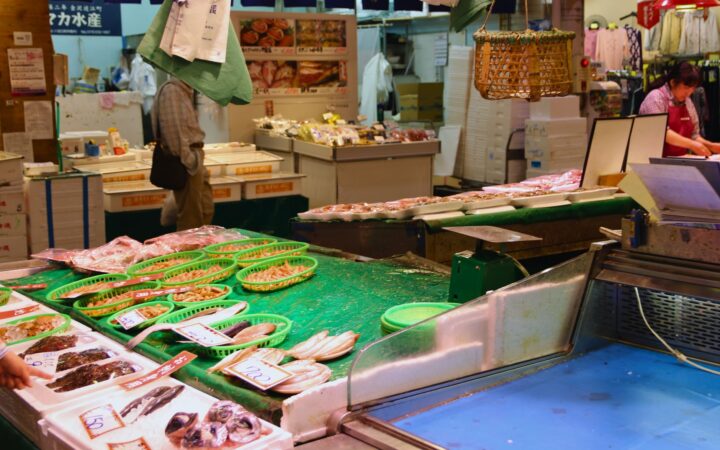
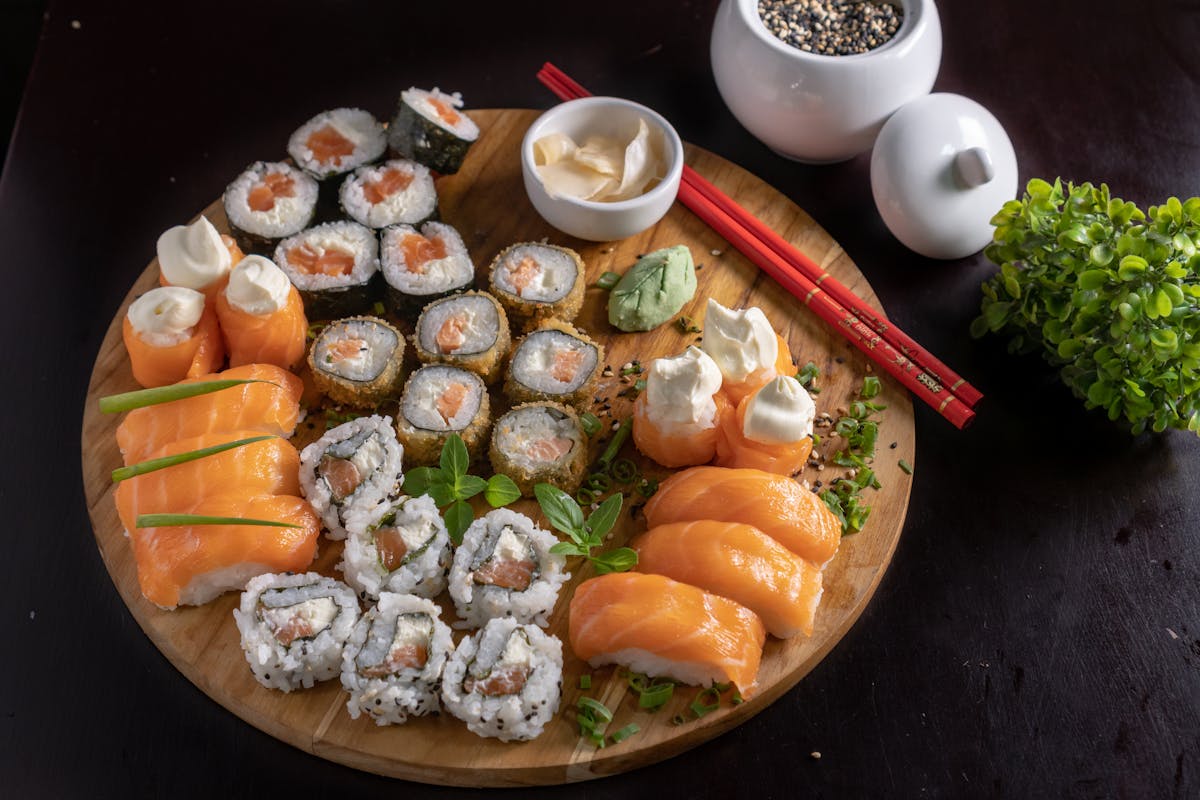
The pinnacle of Japanese sushi is omakase (“I leave it to you”) dining at a traditional counter, where the chef selects the day’s best fish and presents each piece personally. Edo-mae sushi — the Tokyo style originating in the Edo period — uses vinegared rice seasoned specifically to complement each topping, and fish that has often been aged, cured, or marinated to intensify its flavor.
You don’t need to spend a fortune. Tokyo’s Tsukiji Outer Market and the backstreets of Ginza have excellent lunch sushi from ¥2,000–¥5,000 ($13–$32 USD). A proper omakase dinner at a respected counter in Tokyo costs ¥20,000–¥50,000 ($130–$325 USD) per person and is worth planning around at least once.
Essential sushi etiquette: It’s acceptable to eat nigiri with your fingers (in fact, many chefs prefer it). Add soy sauce sparingly — dip the fish, not the rice. Eat each piece immediately after the chef presents it. Ginger (gari) is a palate cleanser between pieces, not a condiment to eat alongside the sushi.
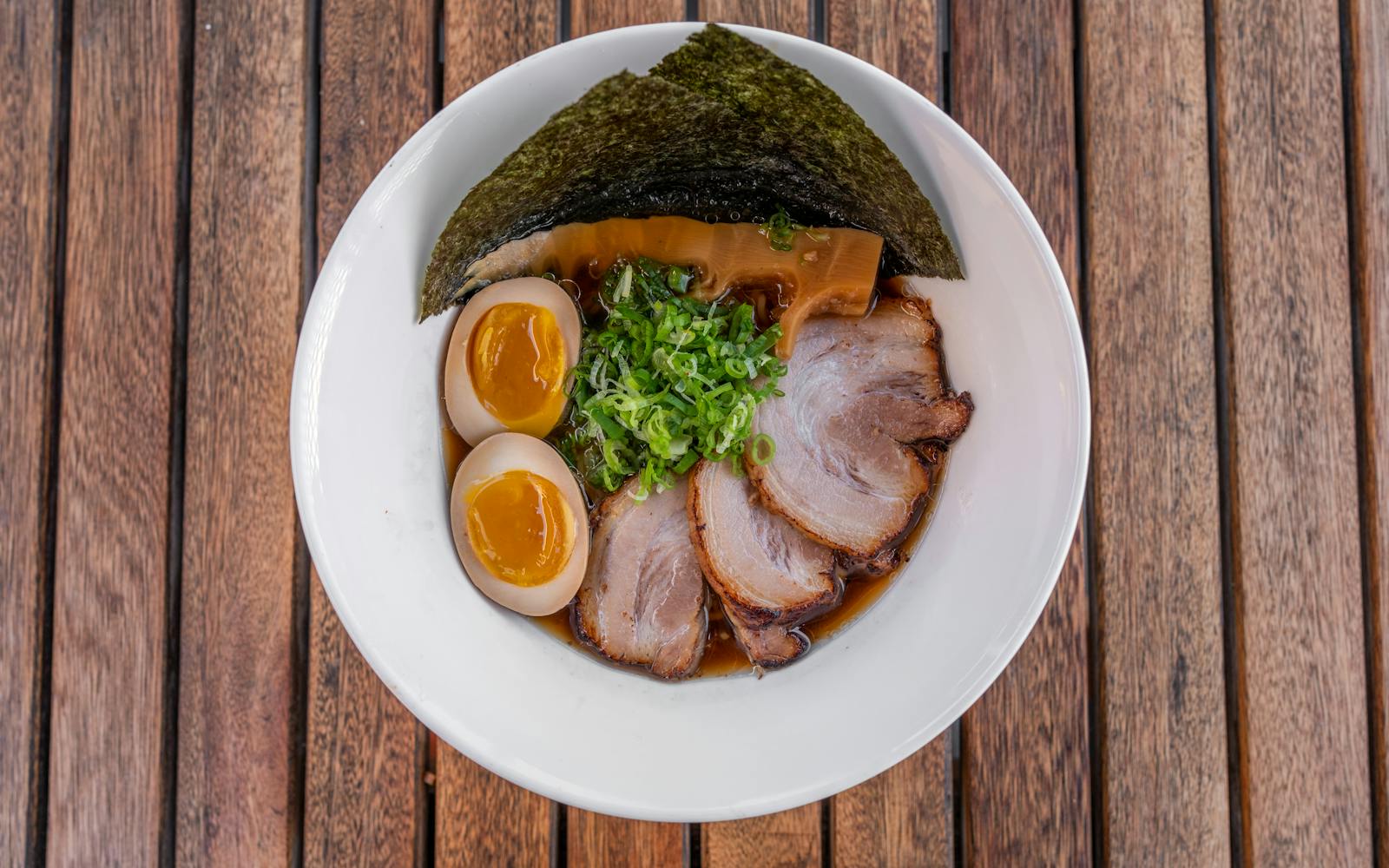
2. Ramen: Japan’s Greatest Comfort Food
Ramen is Japan’s great national comfort dish — a bowl of wheat noodles in broth that varies dramatically by region and style. Understanding the major categories helps you find exactly what you’re craving:
- Tonkotsu — Rich, creamy pork bone broth; thin straight noodles. Originally from Fukuoka (Hakata ramen), now found nationwide. Typically ¥900–¥1,500 ($6–$10 USD).
- Shoyu — Clear soy-sauce based chicken or pork broth; classic Tokyo style. Light, nuanced, and deeply savory.
- Shio — Salt-based clear broth; most delicate style. Showcases the quality of the stock ingredients. Popular in Hokkaido, especially Hakodate.
- Miso — Miso-enriched thick broth; originally from Sapporo. Bold and hearty, particularly satisfying in cold weather.
- Tsukemen — “Dipping ramen.” Thick noodles served cold alongside a concentrated hot dipping broth. A Tokyo specialty.
Japan takes ramen extremely seriously. Top ramen shops have Michelin stars; some have queues starting before they open. Slurping your noodles loudly is completely acceptable — in fact, it aerates the broth and is considered to show appreciation.
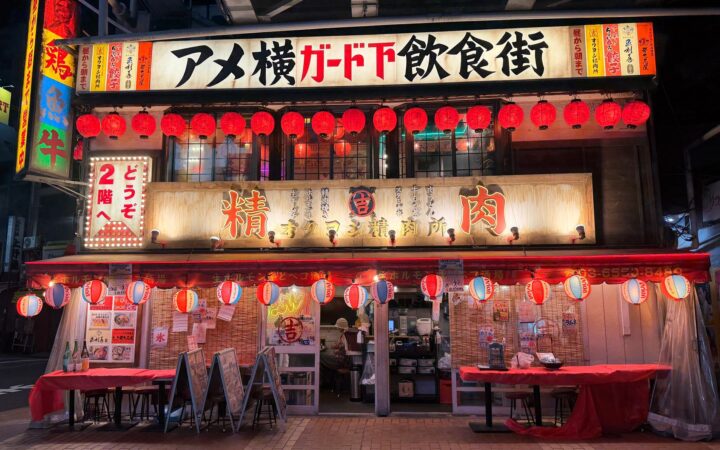
3. Izakaya: Japan’s Pub Dining Culture
An izakaya (居酒屋) is a Japanese pub-restaurant where small dishes are ordered and shared over drinks. It’s one of Japan’s most social and enjoyable dining formats, and an essential experience. The menu typically features yakitori (grilled chicken skewers), karaage (Japanese fried chicken), edamame, agedashi tofu, sashimi platters, gyoza, and endless seasonal specials.
The ritual: say toriaezu nama (“draft beer for now, to start”) when seated; order dishes continuously throughout the evening; end with rice, noodles, or ochazuke (rice in green tea) as a final stomach-setter. Budget ¥3,000–¥5,000 ($19.50–$32 USD) per person including drinks for a satisfying izakaya dinner.
4. Tempura: The Art of the Batter
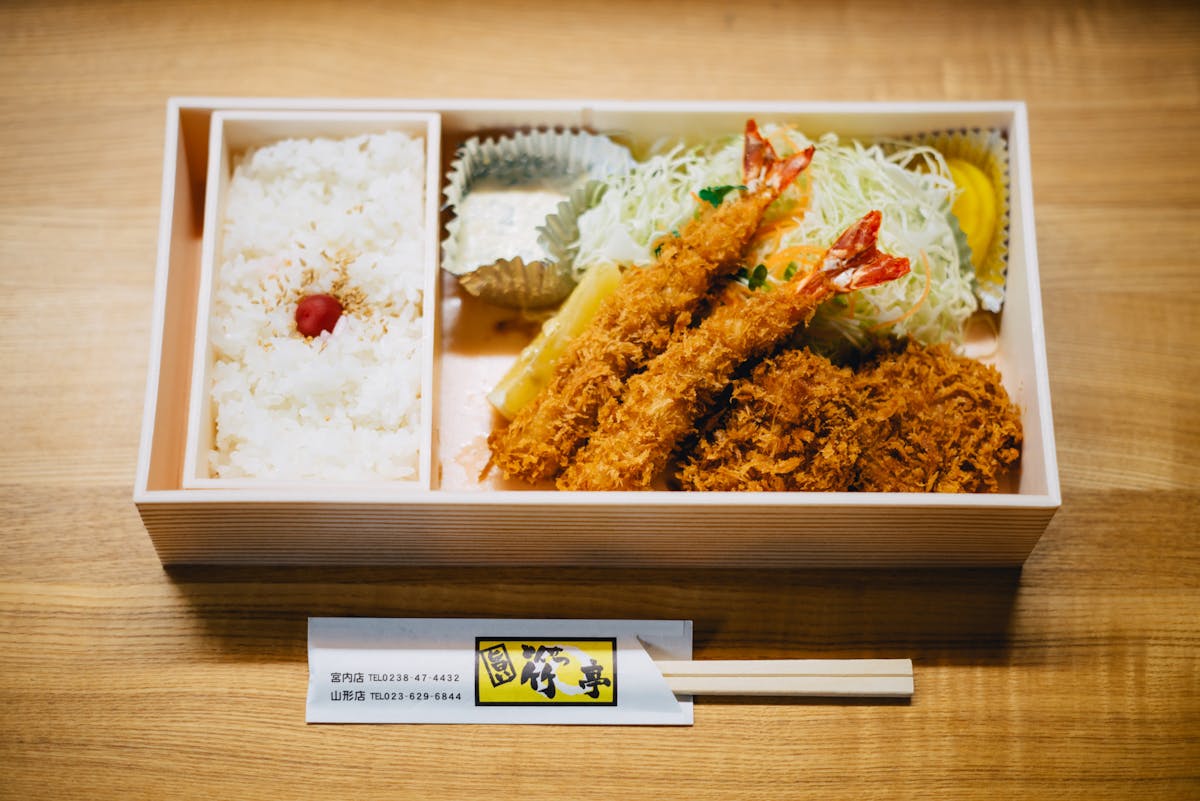
At its finest, tempura is a study in restraint and technique. The batter — made from ice water, egg, and flour, mixed as minimally as possible — creates an impossibly light, sheer coating around seasonal vegetables and seafood. The best tempura restaurants (tempura-ya) fry each piece individually to order and serve it immediately over rice (tendon) or alongside dipping sauce (tentsuyu) and grated daikon.
There is a wide quality spectrum. Street food tempura costs ¥200–¥500 ($1.30–$3.25 USD) per piece; a proper tempura omakase counter meal costs ¥15,000–¥30,000 ($98–$195 USD) per person. Both have their place — the street version is a great introduction, but a counter meal reveals what tempura can truly be.
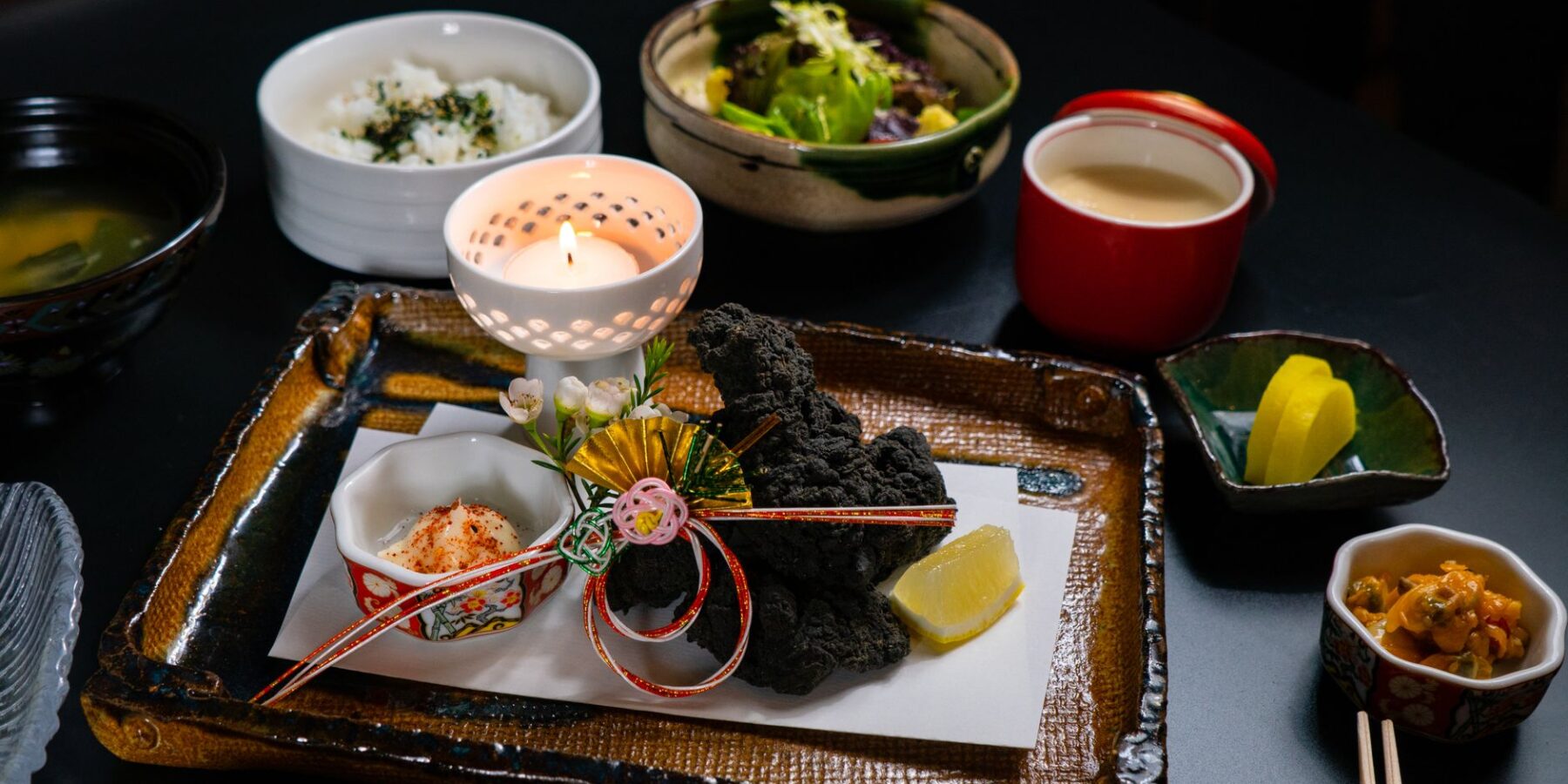
5. Kaiseki: Japan’s Haute Cuisine
Kaiseki (懐石/会席) is Japan’s most refined culinary tradition — a multi-course progression of seasonal dishes that represents the chef’s full creative and technical abilities. Originally rooted in the simple rice and pickles served before a tea ceremony, kaiseki evolved into an art form that reflects the seasons, the local terroir, and the chef’s philosophy through 10–20 carefully sequenced courses.
A typical kaiseki progression might include: sakizuke (amuse-bouche), hassun (seasonal platter), soup, sashimi, grilled dish, simmered dish, fried dish, vinegared dish, rice course, dessert — each using seasonal ingredients at their peak, presented in vessels specifically chosen to complement the food’s colors and textures.
Kaiseki ranges from ¥6,000 ($39 USD) lunch menus at kyoto machiya restaurants to ¥80,000+ ($520+ USD) dinner experiences at legendary restaurants in Kyoto and Tokyo. If you can afford one kaiseki meal, have it in Kyoto — the city’s kyo-ryori cuisine is considered the gold standard.
6. Wagyu Beef: The World’s Most Prized Meat
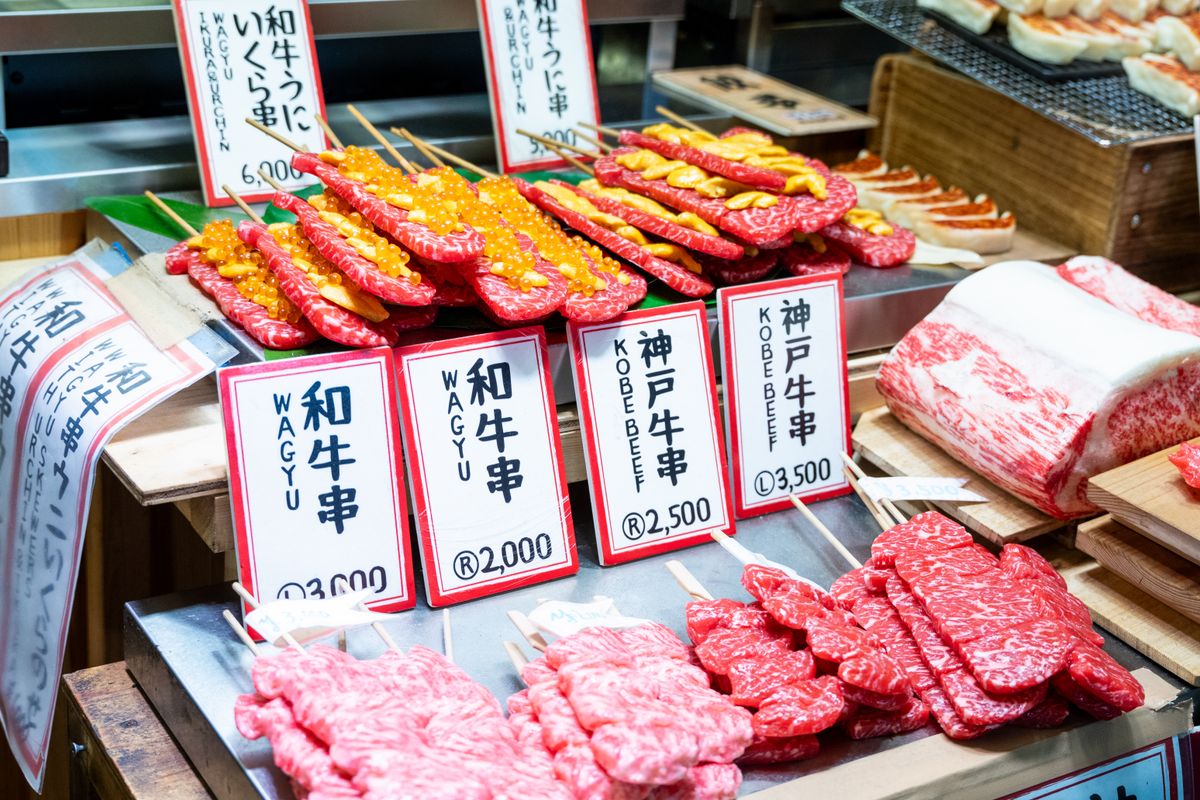
Japanese wagyu (和牛) is widely considered the finest beef in the world, distinguished by its extraordinary intramuscular fat marbling — tiny threads of fat woven throughout the muscle that melt at body temperature, creating a texture that literally dissolves in the mouth. The finest wagyu, from breeds like Tajima cattle (the source of Kobe beef), scores A5, the top grade in Japan’s beef grading system.
There are several ways to experience wagyu in Japan:
- Yakiniku — DIY grilling at your table. Fun and interactive; allows you to cook at your own pace. Wagyu yakiniku sets range from ¥3,000–¥15,000 ($19.50–$98 USD) per person.
- Shabu-shabu — Thin wagyu slices swished briefly through simmering dashi broth. Delicate and elegant. ¥5,000–¥20,000 ($32–$130 USD) per person.
- Sukiyaki — Wagyu simmered in a sweet soy broth with tofu and vegetables, dipped in raw egg. Rich and warming. ¥5,000–¥15,000 ($32–$98 USD) per person.
- Wagyu steak at a specialist restaurant — A 100g A5 Kobe beef steak starts at around ¥10,000 ($65 USD) at dedicated Kobe beef restaurants in Kobe, Osaka, and Tokyo.
7. Yakitori: Grilled Skewers of Perfection
Yakitori (焼き鳥) — grilled chicken skewers — is one of Japan’s most beloved casual dining formats. Unlike the dry chicken skewers of other cuisines, Japanese yakitori masters work with every part of the bird: breast (mune), thigh (momo), skin (kawa), liver (reba), heart (hatsu), knee cartilage (nankotsu), and the prized tail (bonjiri). Each piece is grilled over charcoal with either a sweet soy glaze (tare) or salt (shio), which you can choose per skewer.
The best yakitori shops smell of wood smoke and have counter seating in front of the grill. Skewers cost ¥150–¥500 ($1–$3.25 USD) each; a satisfying dinner for two with beer costs ¥3,000–¥6,000 ($19.50–$39 USD) total.
8. Conveyor Belt Sushi (Kaiten-zushi)
Not all great sushi experiences in Japan require deep pockets. Kaiten-zushi (conveyor belt sushi) restaurants have transformed dramatically over the past decade, with top chains like Sushiro, Kura Sushi, and Hama Sushi offering genuinely good sushi at ¥110–¥500 ($0.71–$3.25 USD) per plate (two pieces per plate). Many now use iPads to order specifically what you want. A filling sushi meal at a good kaiten-zushi restaurant costs ¥1,500–¥2,500 ($10–$16 USD) per person — one of the best value food experiences in Japan.
9. Street Food: Takoyaki, Taiyaki, and More
Japanese street food culture reaches its peak in Osaka (particularly Dotonbori and Shinsekai) and the festival food stalls (yatai) found at shrines and night markets across the country. Essential street food experiences:
- Takoyaki — Golf ball-sized octopus balls in batter, topped with bonito flakes, mayonnaise, and sauce. Osaka’s signature street food. ¥500–¥700 ($3.25–$4.50 USD) for 6–8 pieces.
- Taiyaki — Fish-shaped waffle pastry filled with sweet red bean paste, custard, or chocolate. ¥150–¥200 ($1–$1.30 USD) per piece.
- Yakiimo — Sweet potatoes roasted slowly over stones; sold from mobile stalls in autumn and winter. ¥200–¥400 ($1.30–$2.60 USD).
- Crepes — Japanese street crepes in Harajuku and Asakusa are famously elaborate, stuffed with whipped cream, fruit, ice cream, and even savory fillings. ¥500–¥800 ($3.25–$5 USD).
10. Convenience Store Food (Konbini Culture)
Japan’s convenience stores — 7-Eleven, Lawson, FamilyMart — deserve their own section in any food guide. Unlike convenience stores elsewhere in the world, Japanese konbini offer hot foods of genuine quality: freshly made onigiri (rice balls, ¥120–¥200 / $0.78–$1.30 USD), hot nikuman steamed pork buns (¥130–¥160 / $0.85–$1 USD), oden hot pot items (¥80–¥200 / $0.52–$1.30 USD each), pre-made sandwiches, and an incredible range of desserts. For budget travelers, a konbini breakfast or lunch is both satisfying and authentically Japanese.
Regional Japanese Food You Shouldn’t Miss
- Kyoto: Kaiseki, yudofu (hot tofu), Kyoto pickles (tsukemono), matcha sweets
- Osaka: Takoyaki, okonomiyaki (savory pancake), kushikatsu (breaded and fried skewers), fugu (blowfish) at licensed restaurants
- Tokyo: Edo-mae sushi, shoyu ramen, monjayaki (runny savory pancake, especially in Tsukishima), tempura
- Hokkaido: Dairy products, corn, miso ramen (Sapporo), seafood (sea urchin, crab, salmon roe), soft-serve ice cream
- Fukuoka: Hakata tonkotsu ramen, mentaiko (spicy cod roe), motsunabe (offal hot pot), yatai street stalls open nightly
- Hiroshima: Hiroshima-style okonomiyaki (layered, not mixed), oysters, momiji manju (maple leaf cake)
- Nagoya: Miso katsu (pork cutlet in red miso), hitsumabushi (eel over rice eaten three ways), tebasaki (chicken wings)
Dining Practical Tips for Japan
- Most restaurants serve lunch sets (teishoku): The same quality restaurant that charges ¥8,000 ($52 USD) per person at dinner often has lunch sets for ¥1,200–¥2,000 ($8–$13 USD). Always check the lunch menu.
- Vending machine tickets (券売機): Many casual restaurants (ramen shops, tempura counters, curry places) use ticket vending machines at the entrance. Choose your item, pay, take your ticket, and hand it to the staff when seated.
- Tipping is not done: Never tip in Japan. The service is always included in the price and is of uniformly high quality.
- Vegetarian and vegan dining: Japan’s traditional cuisine relies heavily on fish stock (dashi). Strict vegetarians need to be specific when requesting dishes. Look for restaurants advertising saishoku (vegetarian), vegan, or shojin ryori (Buddhist temple cuisine, strictly plant-based).
- Restaurant hours: Many restaurants close between lunch (11:30am–2pm) and dinner (6–10pm). Don’t assume you can eat at 4pm without checking.
- Food halls (depachika): Basement food halls in Japanese department stores are extraordinary — a curated selection of Japan’s finest food producers in one place. Perfect for gifts, picnic supplies, and discovering regional specialties.
- Google Maps food search: Get a Japan eSIM and use Google Maps to find high-rated restaurants in any neighborhood you visit — it’s consistently reliable in Japan and includes opening hours and photos.
Book your hotel near Tokyo’s or Osaka’s best food districts on Agoda →
Frequently Asked Questions About Japanese Food Experiences
What is the must-eat food in Japan?
If you can only pick one food experience, make it sushi. Specifically, visit a respected sushi counter for either a value lunch or omakase dinner. Japan’s sushi — made with rice seasoned specifically to complement each fish, using catch of the day sourced from Toyosu or local markets — is simply without equal anywhere else in the world.
How much does food cost in Japan?
Japan offers exceptional value at the low to mid range. A convenience store meal costs ¥300–¥600 ($2–$4 USD). A bowl of ramen or a teishoku lunch set costs ¥800–¥1,500 ($5–$10 USD). A sit-down dinner at a good restaurant costs ¥2,000–¥6,000 ($13–$39 USD) per person. High-end kaiseki or sushi omakase dinners start at ¥15,000 ($98 USD) and can exceed ¥50,000 ($325 USD) per person. Japan is not an expensive food destination at the everyday level.
Is Japanese food healthy?
Traditional Japanese cuisine is widely regarded as one of the world’s healthiest diets. The traditional diet is high in fish, vegetables, fermented foods (miso, tsukemono, natto), and whole grains, and relatively low in saturated fat and red meat. Japan has one of the world’s highest life expectancies, and diet is frequently cited as a contributing factor. Modern restaurant food and processed convenience store items are naturally less nutritionally pure.
Can I eat well in Japan without speaking Japanese?
Yes, very easily. Most Japanese restaurants have photo menus or plastic food displays outside. Many casual restaurants use ticket vending machines with images. Major chains have English menus or English-language apps. Google Translate’s camera function can read Japanese menus in real time. And many restaurant staff in tourist areas speak enough English to take basic orders. Food allergies are worth communicating clearly — carrying a printed card in Japanese listing your allergies is strongly recommended.
What is Japanese breakfast like?
Traditional Japanese breakfast (asagohan) consists of steamed rice, miso soup, grilled fish (typically salmon or mackerel), pickled vegetables, a small piece of tamagoyaki (rolled sweet omelette), and sometimes natto (fermented soybeans). It is nutritious and deeply satisfying — very different from Western breakfast. Many ryokan serve this style of breakfast; hotel buffets often offer both Japanese and Western options.
Where is the best place to eat in Tokyo?
Tokyo has the highest concentration of excellent restaurants of any city in the world. For sushi: Tsukiji Outer Market (casual, affordable), Ginza (high-end omakase). For ramen: Fuunji in Shinjuku (tsukemen), Ichiran (solitary tonkotsu booth experience), Nagi in Golden Gai. For izakaya: Shibuya, Shinjuku Golden Gai, Nakameguro. For kaiseki: Ginza and Aoyama. For street food: Asakusa and Tsukishima (monjayaki). No matter where in Tokyo you eat, the quality floor is extraordinarily high.
Related guides
- How to Read a Japanese Restaurant Menu (Even With Zero Japanese)
- Nishiki Market Travel Guide 2026: A First-Timer’s Guide to Eating Your Way Through Kyoto’s Kitchen
- Japan Izakaya Guide: What to Order, How to Behave, and the Best Spots in Tokyo and Osaka
Going to Japan? Speak Japanese with confidence.
Hirameki Japanese — camera translate for menus and signs, a two-way conversation mode, and furigana + romaji on every phrase. Free to download with kana charts, conversation mode and starter words; a one-time purchase unlocks everything.

Plan your Japan trip
Two things every first-timer should book
Some links are affiliate links. If you book through them we may earn a small commission at no extra cost to you.