Iwate Prefecture is one of Tohoku’s most rewarding destinations for travelers who want to explore beyond Japan’s well-trodden tourist trail. Home to a UNESCO World Heritage Site, ancient folklore traditions, and some of the most dramatic coastal scenery in the country, Iwate offers an authentic glimpse into rural Japan that many visitors never see. Whether you’re drawn by samurai history, traditional culture, or simply the promise of fresh seafood and wanko soba, Iwate is a destination worth the journey north.
Why Visit Iwate Prefecture?
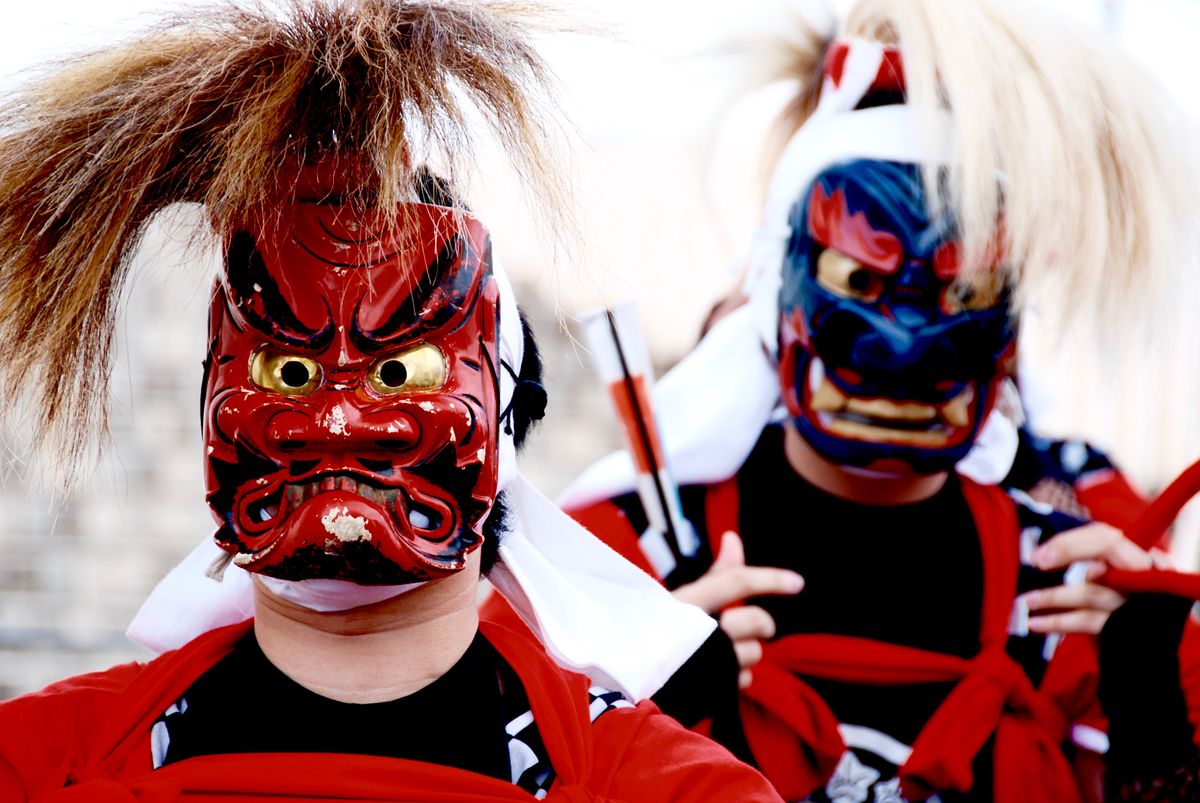
Iwate is Japan’s second-largest prefecture by area, yet it receives only a fraction of the visitors who flock to Tokyo or Kyoto. That relative obscurity is precisely what makes it special. Vast mountain ranges, pristine coastlines, and centuries-old temples create a landscape that feels untouched and deeply Japanese. Morioka, the prefectural capital, is a charming city with a strong castle town heritage, while the countryside around Tono is steeped in folk legends that have shaped Japanese culture for generations.
Hiraizumi: Iwate’s UNESCO World Heritage Site
The crown jewel of Iwate is undoubtedly Hiraizumi, a small town that was once the seat of the powerful Fujiwara clan during the 12th century. At its peak, Hiraizumi rivaled Kyoto in wealth and cultural sophistication. Today, its temples and gardens are recognized as a UNESCO World Heritage Site under the designation “Hiraizumi — Temples, Gardens and Archaeological Sites Representing the Buddhist Pure Land.”
The most iconic sight is Chuson-ji Temple, which houses the breathtaking Konjikido (Golden Hall). This small but extraordinarily ornate hall is covered entirely in gold leaf and contains the mummified remains of three Fujiwara lords. The hall is enclosed in a modern protective structure, but its radiance through the glass is genuinely awe-inspiring. The temple grounds also include a treasure museum with more than 3,000 important cultural artifacts.
Motsu-ji Temple is another must-visit. While most of the original buildings no longer stand, the Pure Land garden surrounding the central pond is considered one of the finest surviving examples of Heian-period garden design. Walking its paths in the early morning mist is a profoundly peaceful experience. In late August, the garden hosts the Motsu-ji Noh Dance Festival, one of Japan’s oldest traditional performing arts events.
Morioka: The Castle Town Capital
Iwate’s capital city, Morioka, sits at the confluence of three rivers and has a quietly confident character shaped by centuries of samurai culture. The ruins of Morioka Castle sit within a large public park where the stone walls and moats give a sense of the fortress’s former scale. Cherry blossoms here are extraordinary in spring, with several hundred trees blooming around the castle grounds.
Morioka is famous for its three noodle dishes, an unusual culinary trifecta that draws food lovers from across Japan. Wanko soba is the most theatrical — a relay of attendants keeps refilling your small bowl with soba noodles until you can eat no more and clap the lid shut. The local record is over 500 bowls. Jajamen (a pork miso noodle dish) and cold reimen (Korean-inspired chilled noodles) complete the trio. All three are affordable and filling, making Morioka an excellent budget food destination.
The historic merchant district of Zaimokucho and the area around the old Kura warehouses along the Nakatsugawa River are perfect for a slow afternoon stroll. The city also has an active craft scene, with Nambu ironware (tetsubin cast iron teapots) being the most celebrated local product — beautifully made and widely exported worldwide.
Tono: Japan’s Folklore Capital
An hour east of Morioka by train lies Tono, a small valley town immortalized by author Kunio Yanagita in his 1910 collection “The Legends of Tono.” The book, compiled from local folk stories, introduced the world to iconic creatures of Japanese folklore including the kappa (river imps), zashiki-warashi (child spirits that bring luck to houses), and the tengu (mountain goblins).
Today, Tono wears its folkloric identity proudly. The Tono Furusato Village is an open-air museum where traditional L-shaped farmhouses called magariya have been preserved, complete with horses once housed in the same building as the family. Fukusen-ji Temple houses Japan’s tallest wooden Kannon statue, standing 17 meters tall. And at Kappabuchi, a small pond surrounded by dense vegetation, it’s said that kappa still lurk beneath the surface — a fun piece of local mythology that children and adults enjoy equally.
The Sanriku Coast
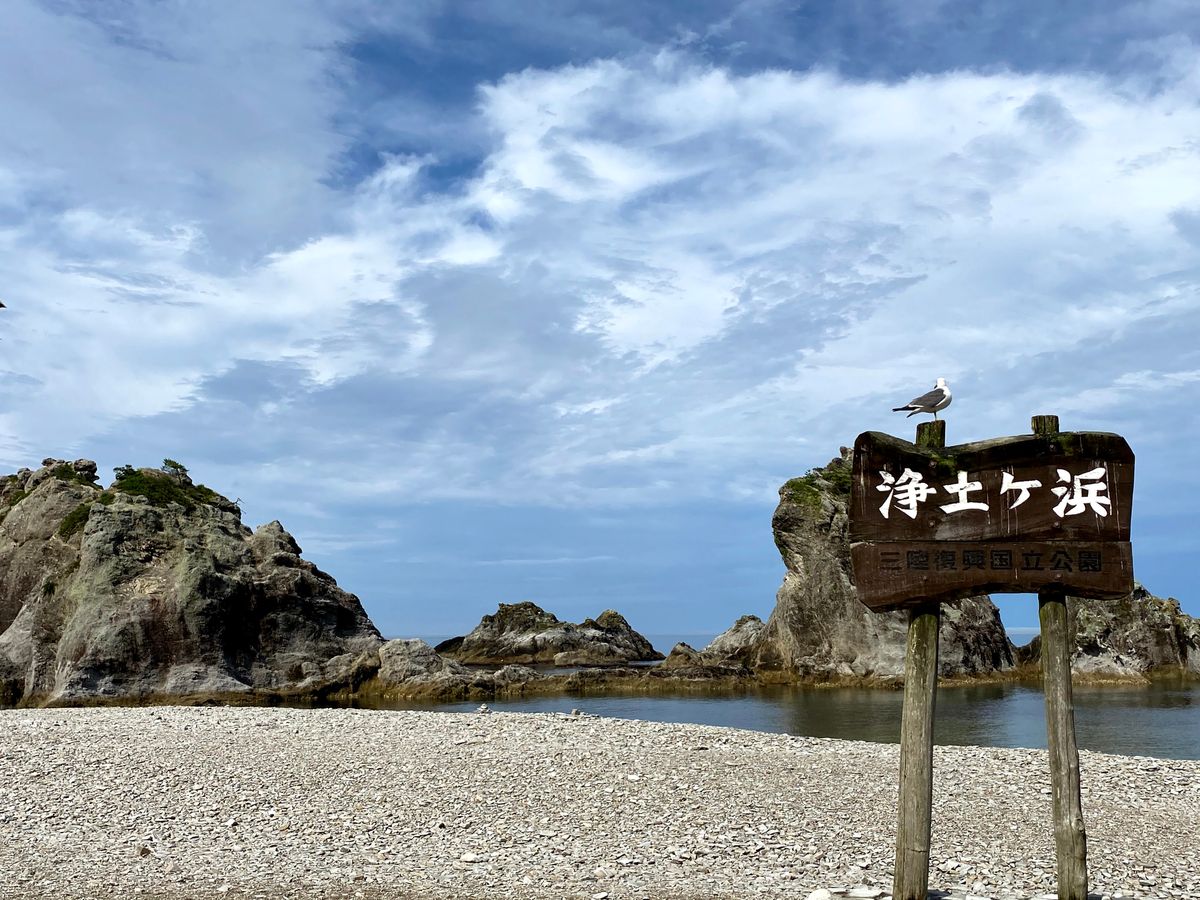
Iwate’s eastern coastline along the Pacific Ocean — the Sanriku Coast — is one of Japan’s most dramatic coastal landscapes. Deep rias (flooded river valleys) create a jagged shoreline of cliffs, inlets, and fishing villages. The town of Miyako is a gateway to Jodogahama Beach, where white rhyolite rock formations rise from crystal-clear water to create a scene that genuinely earns its name (“Pure Land Beach”). Despite its remote location, the beach draws visitors who seek natural beauty without crowds.
The Sanriku Coast was severely affected by the 2011 Great East Japan Earthquake and tsunami. Many towns along the coast have rebuilt with tremendous resilience. Visiting this region offers a chance to understand Japan’s ongoing recovery and to support local communities through your tourism spending. The Sanriku Railway Rias Line connects coastal communities through some of the most scenic rail journeys in northern Japan, running through tunnels and across high bridges with sweeping ocean views.
Practical Travel Information
Getting to Iwate
Morioka Station is a stop on the Tohoku Shinkansen line, making it easily accessible from Tokyo in approximately 2 hours and 20 minutes. The Japan Rail Pass covers this journey, making Iwate an excellent addition to a broader Japan itinerary that includes the Tohoku region. From Osaka or Kyoto, travel time is around 5–6 hours with a transfer in Tokyo.
From Morioka, local JR Tohoku Main Line trains reach Hiraizumi in about 1 hour 20 minutes. Tono is accessible in about 1.5 hours on the JR Kamaishi Line. Both are covered by the Japan Rail Pass.
Best Time to Visit
Spring (late April to May) is spectacular for cherry blossoms, particularly at Morioka Castle Park. Summer is pleasant in the mountains and along the coast, with many local festivals. Autumn brings stunning foliage across Iwate’s mountains, with peak color in mid-October. Winter is cold and snowy but atmospheric, especially around the temples at Hiraizumi.
Where to Stay
Morioka has the widest accommodation options, including several comfortable business hotels near the station and a handful of traditional ryokan. For a more immersive experience, consider staying in a farmhouse guesthouse in the Tono valley or a minshuku (family-run inn) in Hiraizumi. Prices across Iwate tend to be significantly lower than in major tourist cities, making it an excellent destination for budget-conscious travelers.
How Many Days Do You Need?
A minimum of 2–3 days allows you to visit Hiraizumi and Morioka comfortably. Add another day or two for Tono and the Sanriku Coast. If you’re combining Iwate with other Tohoku destinations like Aomori or Miyagi, a 5-day Tohoku loop is very manageable using the Shinkansen and local trains.
Iwate’s Food Culture
Beyond the famous three noodles of Morioka, Iwate’s food culture reflects its coastal geography and agricultural heritage. Seafood from the Sanriku Coast is exceptional — abalone, sea urchin, oysters, and squid are all harvested locally and served fresh at coastal restaurants and izakayas. Hittsumi, a hearty soup of hand-torn wheat dumplings simmered with vegetables and chicken, is a home-style Iwate specialty found throughout the prefecture. Nambu sembei (sesame and peanut crackers) are the signature local snack, often served with hot tea and widely available as souvenirs.
Tips for Visiting Iwate
- Pick up a rental bicycle or car in Morioka — public transport between rural sights can be infrequent
- Hiraizumi is best visited on a weekday; weekends bring Japanese tour groups, especially in autumn
- The wanko soba experience is best at a traditional restaurant where attendants serve you in person, not at all-you-can-eat belt-service versions
- Nambu ironware makes a beautiful, durable souvenir — lighter pieces like a small trivet or accessory are easy to carry home
- Download the Google Translate app with Japanese offline — Iwate has fewer English signs than major cities
- Check the Sanriku Railway timetable in advance, as trains on this line run infrequently outside peak hours
Explore More of Japan
Iwate is a wonderful base for exploring the wider Tohoku region. Neighboring Aomori Prefecture offers the famous Nebuta Festival and Oirase Gorge. For a broader overview of Japan’s most iconic destinations, browse the Destinations guide to plan your perfect Japan itinerary. First-time visitors should also read our comprehensive Japan travel tips for first-time visitors before departure.
Top Attractions in Iwate Prefecture
Hiraizumi: UNESCO World Heritage Site
Hiraizumi is Iwate’s crown jewel and one of Japan’s most historically significant destinations. During the late Heian period (11th to 12th centuries), this small town on the Kitakami River was the power center of the Fujiwara clan of northern Japan — a rival cultural capital to Kyoto, described by Chinese visitors of the time as a city of gold and magnificence. The five UNESCO World Heritage sites concentrated here include the extraordinary Konjikido (Golden Hall) of Chusonji Temple, an entire small hall sheathed inside and out in pure gold leaf, containing the mummified remains of three Fujiwara lords beneath its altar. The garden temple complex of Motsuji preserves one of Japan’s most complete Heian-period Pure Land paradise gardens, its central pond and surrounding earthworks recreating the Buddhist vision of Amida’s Western Paradise. The tragic fate of the Fujiwara clan — destroyed by Minamoto no Yoritomo in 1189 — inspired the celebrated poet Matsuo Basho to write some of his most famous haiku when he visited the ruins in 1689, lamenting the transience of all earthly glory in his travel memoir Oku-no-Hosomichi (The Narrow Road to the Deep North). Hiraizumi is accessible from Ichinoseki Station on the Tohoku Shinkansen, making it an excellent day trip or overnight stop on a Tohoku journey.
Ryusendo Cave
Ryusendo Cave in the northern Shimohei region is one of Japan’s Three Great Limestone Caves and one of the world’s most spectacular underground environments. Formed over millions of years by the erosion of ancient limestone by the Shimizu River, the cave system extends for at least 3.6 kilometers (with significant sections yet to be fully explored) and contains a series of subterranean lakes of extraordinary clarity — the deepest measured at 98 meters, with visibility extending to the full depth due to the remarkable purity of the water. The cave’s underground lakes glow an almost supernatural cobalt blue under artificial lighting, creating a visual experience that consistently astonishes visitors. The accessible tourist section covers approximately 700 meters and is well-lit and paved throughout, including stairways and viewing platforms overlooking the deep underground lakes. Adjacent to the cave, the Ryusendo Cave Museum provides geological context and displays of cave-related artifacts. Combined with the coastal scenery of the nearby Sanriku Fukko National Park, Ryusendo makes a strong case for northern Iwate as a destination worthy of several days’ exploration.
Jodogahama Beach
Jodogahama (Pure Land Beach) in Miyako City is one of the most dramatically beautiful beaches in all of Japan — a cove enclosed by towering white rhyolite rock pinnacles and sea stacks rising from crystal-clear turquoise water, with a shoreline of white pebbles and sea-smoothed boulders. The name Pure Land reflects the perception of early visitors that this extraordinary natural setting resembled the paradisiacal Pure Land of Buddhist tradition. Short boat cruises from the beach navigate between the sea stacks and into coastal caves, offering close-up views of nesting seabirds and the remarkable geology of the Rikuchu Coast. The beach is part of Sanriku Fukko National Park, established after the 2011 Tohoku tsunami, and several viewpoints along the cliff-top hiking trails offer panoramic perspectives across the Pacific and along the dramatic Sanriku coastline. The area was significantly affected by the 2011 disaster but has been fully rebuilt and is now a symbol of Iwate’s remarkable post-disaster recovery.
Morioka City: Wanko Soba and Castle Ruins
Morioka, Iwate’s prefectural capital, is a handsome small city of approximately 300,000 people centered on the ruins of Morioka Castle — a 17th-century fortress whose stone walls and moats remain beautifully preserved within Iwate Park, spectacular with cherry blossoms in late April. The city is famous throughout Japan for two things: wanko soba (relay soba) — a theatrical dining experience in which kimono-clad servers continuously refill your lacquer bowl with single-mouthful portions of thin buckwheat noodles, challenging you to eat as many as possible before slamming down the lid; and for its ties to Hanamaki-born Kenji Miyazawa, Japan’s most beloved poet and author, whose imaginative stories blend rural Iwate’s landscape with Buddhist philosophy and fairy-tale wonder. The Kenji Miyazawa Memorial Museum in the nearby Hanamaki area is a pilgrimage site for Japanese literary enthusiasts. Morioka is also noted for its three-river confluence — the Shizukuishi, Nakatsu, and Kitakami rivers converging within the city — and for its distinctive craft traditions including Nanbu iron kettles (tetsubin), regarded as some of Japan’s finest and most durable ironwork.
Tono: Folk Tales and Rural Tohoku Heritage
The town of Tono, nestled in a wide mountain-ringed basin in central Iwate, is one of Japan’s most atmospheric destinations for travelers interested in traditional rural culture and folklore. Yanagita Kunio’s 1910 collection “Tono Monogatari” (The Legends of Tono) documented the folk beliefs, supernatural stories, and village customs of this isolated community, revealing a world of kappa (river imps), zashiki warashi (house spirits), and ancient animistic traditions that felt completely alien to modernizing Japan. Today, Tono’s thatched-roof L-shaped farmhouses (magariya), folk museums, and the atmospheric Kappabuchi stream — where kappa are said to lurk — draw visitors seeking connection with pre-modern Japanese rural life. The Furusato Village open-air museum preserves historic farmhouses and demonstrates traditional crafts. Cycling through Tono’s gentle valley countryside past rice paddies, horse farms, and ancient shrines is one of Tohoku’s most evocative travel experiences.
Getting to Iwate Prefecture
From Tokyo
The Tohoku Shinkansen is the primary transport link, connecting Tokyo Station to Morioka Station in approximately 2 hours 10 minutes on the fastest Hayabusa services (fares rose with JR East’s March 2026 increase; JR Pass holders ride free). This makes Morioka one of the most accessible Tohoku destinations from Tokyo. Hiraizumi requires continuing to Ichinoseki Station (about 2 hours 40 minutes from Tokyo by Shinkansen), from which local trains and buses serve the UNESCO sites (15 minutes by JR Tohoku Line). Overnight highway buses from Tokyo’s Busta Shinjuku terminal to Morioka take approximately 6 to 7 hours and cost around 4,000 to 7,000 yen — an economical option for budget travelers with flexible schedules.
From Osaka and Nagoya
From Osaka or Nagoya, the most practical route is Shinkansen to Tokyo, then continuing north on the Tohoku Shinkansen to Morioka or Ichinoseki. Total journey from Osaka to Morioka is approximately 4.5 to 5 hours on Shinkansen. Scheduled domestic flights from Osaka Itami to Hanamaki Airport (Iwate’s main airport) are operated by JAL, providing a direct alternative particularly suitable for those based in western Japan.
Before heading out, make sure you have a Japan eSIM ready. Get your Japan eSIM (Stay connected from day 1) →
Book your hotel on Agoda (Best prices guaranteed) → or
Getting Around Iwate
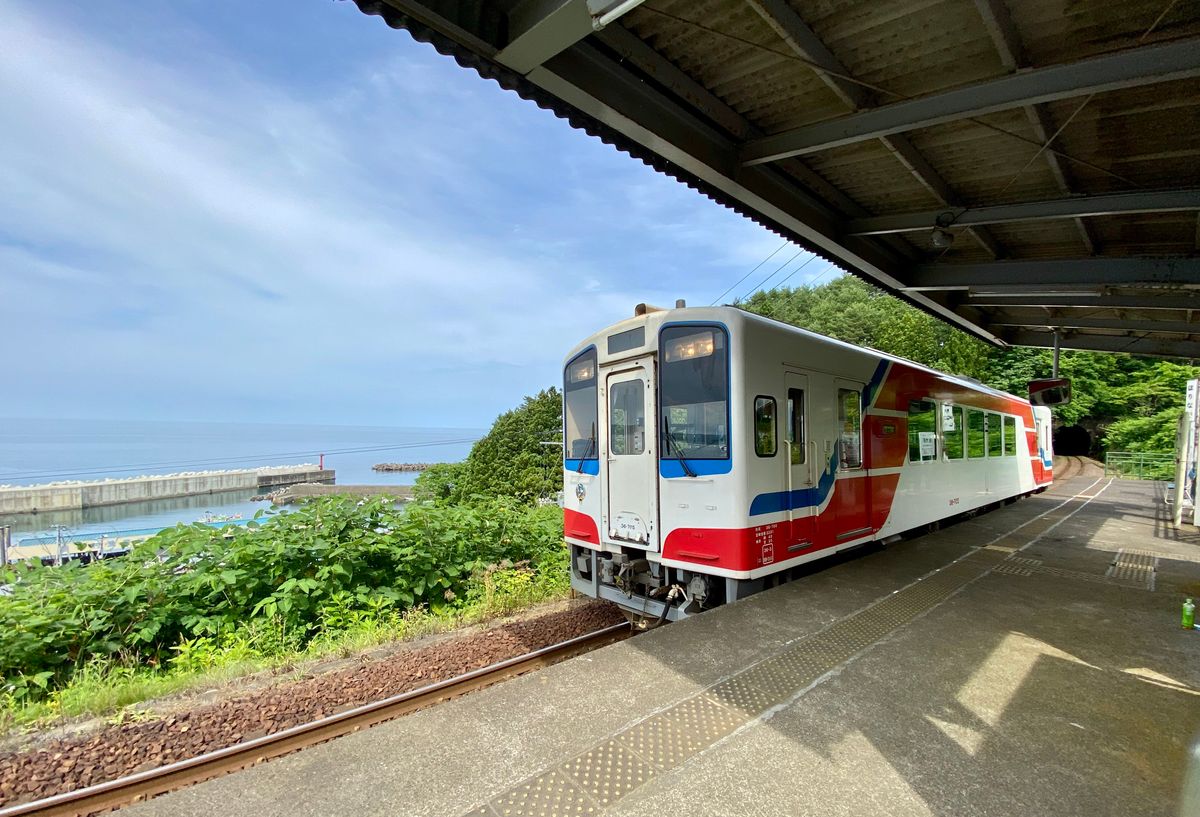
Iwate is Japan’s second-largest prefecture by area and getting around requires planning. The Tohoku Shinkansen and JR Tohoku Main Line form the north-south spine, connecting Ichinoseki, Hiraizumi, Hanamaki, Morioka, and points north. The JR Yamada Line runs from Morioka to the coast at Miyako (Jodogahama), taking approximately 2.5 hours. The JR Kamaishi Line connects to Tono from both Hanamaki and Kamaishi on the coast. A rental car from Morioka provides the greatest flexibility, particularly for exploring the Tono folklore area, northern coastal sites near Ryusendo, and mountain onsen areas. The Sanriku Railway coastal line (separate from JR) runs along portions of the Sanriku Coast, providing access to tsunami memorial sites and fishing villages that tell the powerful story of the 2011 disaster and recovery. IC cards (Suica) work only on part of the JR network in Iwate, mainly the Tohoku Main Line around Morioka; on rural lines, buy paper tickets.
Where to Stay in Iwate
Budget (5,000 to 8,000 yen/night): Business hotels near Morioka Station including the Dormy Inn Morioka and APA Hotel Morioka. Guesthouses and minshuku in Tono (3,500 to 6,000 yen per person) offer authentic rural homestay experiences. Mid-Range (10,000 to 20,000 yen per person): Traditional ryokan in the Hanamaki Onsen area, known for its string of hot spring inns favored since Kenji Miyazawa’s era, offer excellent value. Coastal ryokan near Miyako and Jodogahama provide fresh seafood dinners with ocean views. Luxury (25,000 yen or more): Premium hot spring ryokan in the Hachimantai’s Matsukawa Onsen and, just across the Akita border, Nyuto Onsen offer exclusive mountain retreats with superb kaiseki cuisine featuring Iwate’s finest produce including Maesawa beef, fresh river fish, and foraged mountain vegetables.
Food and Local Specialties in Iwate
Iwate’s cuisine reflects its vast, varied geography — from coastal seafood traditions shaped by the Pacific to mountain foods developed over centuries of isolation in the Ou Mountain range. Wanko Soba: The most theatrical Iwate dining experience, in which servers continuously refill small lacquer bowls with single-mouthful portions of thin soba noodles. The average person eats 50 to 100 bowls; the record exceeds 500. Several Morioka restaurants specialize in wanko soba, with the experience costing approximately 3,000 to 4,000 yen. Morioka Cold Noodles (Reimen): Influenced by Korean naengmyeon, Morioka’s cold noodles are a surprising local specialty — chewy transparent noodles in an icy beef broth topped with kimchi, watermelon or pear slices, and a soft-boiled egg. Morioka Jajamen: Chinese-influenced flat noodles served with a rich miso and meat sauce, topped with raw garlic and ginger — another of Morioka’s distinctive “Three Great Noodles.” Maesawa Beef: Iwate’s premium Wagyu brand, raised in the Oshu city’s Maesawa area, producing beautifully marbled beef served at steakhouses throughout the prefecture. Sanriku Seafood: The Sanriku Coast’s cold, nutrient-rich currents produce exceptionally fine sea urchin (uni), abalone, oysters, and kelp-fed fish that are among Japan’s most prized seafood.
Day Trips and Nearby Attractions
From Morioka, several excellent day trips are accessible. Hiraizumi (1 hour by Shinkansen to Ichinoseki, then local train) offers the UNESCO Golden Hall and Pure Land gardens. Tono (90 minutes by JR Kamaishi Line) immerses visitors in Tohoku’s folklore heritage. Mount Iwate (Nanbu Katafuji), the majestic volcano visible from Morioka, offers excellent summer hiking via trails from Amihari Onsen (1.5 hours from Morioka by car). Aomori Prefecture’s Towada-Hachimantai area is accessible from northern Iwate, and combining a northern Iwate visit with Lake Towada and the Oirase Stream makes for an outstanding multi-day Tohoku nature itinerary.
Best Time to Visit Iwate
Spring (late April to May): Cherry blossoms at Morioka Castle ruins and along Kitakami River are magnificent, and the surrounding mountains turn vivid green. Summer (June to August): Ideal for coastal activities at Jodogahama, hiking on Mount Iwate, and the atmospheric summer festivals including the Morioka Sansa Odori Festival (August 1 to 4) — one of Japan’s largest bon dance festivals. Autumn (September to November): Spectacular foliage in the Tono valley, along the Kitakami River, and on the mountain slopes surrounding Hiraizumi. Winter (December to March): Deep snow in the Ou Mountains makes Iwate one of Tohoku’s finest ski and snowshoeing destinations. Hot spring inns are at their most atmospheric buried in winter snow.
Hidden Gems and Local Tips for Iwate
Genbikei Gorge near Ichinoseki features a narrow rocky canyon through which a turbulent river rushes between sculpted stone walls, spanned by a unique aerial gondola that delivers local snacks (dango on a string) directly from a riverside shop to mid-canyon visitors — a quirky and thoroughly enjoyable experience. Tohoku Reconstruction Sites along the Sanriku Coast — including the Iwate Tsunami Memorial Museum and the preserved “Miracle Pine” at Rikuzentakata, and the Unosumai Tomosu memorial area in Kamaishi — offer deeply moving encounters with the story of the 2011 disaster and the remarkable human resilience of Iwate’s coastal communities. Nanbu Iron Casting Studios in Morioka allow visitors to observe the traditional casting of Nanbu tetsubin (iron kettles) — one of Japan’s most prized and globally exported craft traditions — at several studios that offer tours and direct sales. Koiwai Farm near Morioka, a vast working agricultural enterprise operating since 1891, offers year-round visitor facilities including farm tours, fresh dairy products, and seasonal flower displays within a pastoral setting of exceptional beauty beneath the profile of Mount Iwate.
Practical Information for Visiting Iwate
Tourist Information: Morioka Station Tourist Information Center (open 9:00 to 19:00 daily) provides English maps and staff with basic English capability. Hiraizumi has a dedicated tourism office near the main bus stop. Wi-Fi: Available at Morioka Station, major hotels, and most tourist sites; pocket Wi-Fi recommended for rural coastal areas. Cash: Essential in rural areas; ATMs at convenience stores and Japan Post offices. Emergencies: Police 110, Fire and Ambulance 119. Iwate Medical University Hospital (Morioka): 019-651-5111.
Iwate Budget Guide
Budget (6,000 to 10,000 yen/day): Business hotel in Morioka, wanko soba or reimen lunch (1,000 to 3,000 yen), JR trains. Hiraizumi Chusonji admission 800 yen. Mid-Range (15,000 to 25,000 yen/day): Hanamaki or Tono ryokan, fresh Sanriku seafood dinner, rental car for coastal or folklore area exploration. Luxury (30,000 yen or more/day): Premium mountain onsen ryokan with multi-course kaiseki including Maesawa wagyu, private outdoor bath, guided heritage experience at Hiraizumi.
Frequently Asked Questions About Iwate
How do I get to Iwate from Tokyo?
The Tohoku Shinkansen Hayabusa runs from Tokyo Station to Morioka in approximately 2 hours 10 minutes (around 14,000 yen). JR Pass holders travel free. For Hiraizumi, continue to Ichinoseki Station (2 hours 40 minutes from Tokyo) and take a local train or bus (15 minutes).
What is wanko soba and where can I try it?
Wanko soba is a theatrical Morioka dining experience where servers continuously refill small bowls with single-mouthful portions of soba noodles, challenging you to eat as many as possible. The top restaurants for this experience in Morioka are Azumaya and Ryukotei, both near the city center. Expect to eat 50 to 100 bowls and pay approximately 3,000 to 4,000 yen for the full experience.
Is Hiraizumi worth visiting?
Absolutely. Hiraizumi’s Golden Hall at Chusonji Temple — entirely sheathed in gold leaf — is one of Japan’s most extraordinary historic structures, and the Motsuji Temple’s Heian-period Pure Land garden is equally magnificent. The UNESCO designation is fully justified, and the combination of historical depth and relative absence of crowds makes Hiraizumi one of the Tohoku region’s finest destinations.
What happened to Iwate in the 2011 tsunami?
Iwate’s Sanriku Coast was among the most severely affected areas of the 2011 Tohoku earthquake and tsunami, with coastal towns including Rikuzentakata, Kamaishi, and Yamada sustaining catastrophic damage. The recovery has been extraordinary, with rebuilt communities, new seawalls, and memorial sites that honor the victims while celebrating the resilience of the survivors. Visiting the Kamaishi Tsunami Memorial Museum and the reconstruction sites is a deeply meaningful and educational experience.
What is Tono famous for?
Tono is famous as the home of Japan’s most celebrated collection of folk tales and supernatural legends, documented by Yanagita Kunio in 1910. The town’s traditional magariya farmhouses, kappabuchi stream (said to harbor river imps), and rural folk museum provide an atmospheric encounter with pre-modern Japanese rural culture. It is one of Tohoku’s most evocative and least-visited destinations.
What is the best food to try in Iwate?
The essential Iwate food experiences are wanko soba (relay soba noodles), Morioka reimen (Korean-influenced cold noodles), jajamen (flat noodles with miso meat sauce), fresh Sanriku sea urchin and oysters from the Pacific Coast, and Maesawa wagyu beef. Morioka is particularly rewarding for noodle enthusiasts — it is one of Japan’s great noodle cities.
How many days should I spend in Iwate?
Three to four days allows coverage of Morioka (city exploration, noodles), Hiraizumi (UNESCO sites, half-day), Tono (folklore heritage, half-day to full day), and Jodogahama beach (full day including boat cruise). A fifth day could explore the Sanriku Coast reconstruction sites or the northern Ryusendo Cave area. Iwate also combines naturally with Akita and Aomori for a comprehensive week-long Tohoku itinerary.
Do I need a car in Iwate?
A car is highly recommended for Iwate beyond the Shinkansen corridor. Tono, Jodogahama, Ryusendo Cave, and the Sanriku Coast are all significantly easier to explore with a car. Rental cars are available at Morioka Station, Ichinoseki Station, and Hanamaki Airport. An international driving permit is required.
Is English widely spoken in Iwate?
English is limited outside Morioka Station and major tourist sites like Hiraizumi. The tourist information centers at Morioka and Ichinoseki stations have English-capable staff and printed English materials. A translation app with offline Japanese is strongly recommended throughout the prefecture, particularly in rural areas like Tono and the Sanriku Coast.
Iwate’s Cultural Traditions and Crafts
Iwate Prefecture possesses a remarkable depth of traditional crafts that reflect centuries of skilled artisanship in one of Japan’s most geographically isolated regions. The most internationally celebrated is Nanbu tekki (Nanbu ironwork) — cast iron kettles, teapots, and decorative objects produced in Morioka using techniques developed during the Nanbu Domain’s feudal era. The characteristic rippled and bumpy surface texture, precise weight and balance, and extraordinarily durable construction of Nanbu iron kettles have earned them a global reputation among tea enthusiasts and design collectors; they are now exported worldwide and represent Japan’s most prestigious ironwork tradition. Several Morioka foundries welcome visitors to observe the casting process, and the city’s Konya-cho district has a concentration of ironwork shops where the full range of products — from small tea ceremony accessories to large garden pieces — can be examined and purchased. Kuzumaito silk weaving, a tradition from the Oshu city area using threads drawn from naturally reared silkworms, produces textiles of exceptional fineness and a subtle natural sheen that distinguishes them from industrially produced silk. Joboji lacquerware (Joboji Urushi) from northern Iwate uses lacquer harvested from the region’s wild urushi trees — one of the few remaining production centers in Japan that sources its lacquer locally rather than from China — producing lacquerwork of exceptional depth, durability, and natural variation in color and grain pattern.
Iwate’s Recovery from the 2011 Tsunami: A Story of Resilience
The Great East Japan Earthquake of March 11, 2011 and the subsequent tsunami devastated Iwate’s Sanriku Coast with catastrophic force. Coastal towns including Rikuzentakata, Kamaishi, Ofunato, and Miyako suffered enormous loss of life and near-total destruction of their waterfront communities. The scale of destruction was almost incomprehensible — in Rikuzentakata, the tsunami reached heights of over 14 meters, destroying virtually every structure in the coastal zones and claiming over 1,700 lives in that city alone. In the years since, the reconstruction of Iwate’s coastal communities has proceeded steadily, supported by government investment, community solidarity, and a determination to memorialize the lost while building a safer future. The Sanriku Railway coastal line, damaged and subsequently restored, now operates as a symbol of recovery, carrying visitors along a rebuilt coastline where new seawalls protect rebuilt towns. The “Miracle Pine” at Rikuzentakata — the sole survivor of 70,000 coastal pine trees washed away by the tsunami, subsequently preserved and reinforced as a permanent memorial — has become the most potent symbol of Iwate’s experience of loss and renewal. Visiting the memorial sites along the Sanriku Coast is a profound and sobering experience that contextualizes the remarkable resilience of Iwate’s communities and honors those who lost their lives in one of Japan’s worst modern disasters.
Why Iwate Is Worth Visiting
Iwate Prefecture offers one of Japan’s richest and most varied regional travel experiences: world-class UNESCO heritage at Hiraizumi, spectacular coastal scenery at Jodogahama, a unique underground world at Ryusendo Cave, authentic folk heritage at Tono, excellent noodle cuisine in Morioka, premium ironcraft and lacquerware, outstanding mountain and coastal onsen, and the deeply moving story of post-tsunami recovery along the Sanriku Coast. The prefecture’s relative size — it is Japan’s second largest — means that its various attractions feel genuinely distinct from one another, rewarding the traveler who takes time to move slowly through its varied landscape. Iwate’s combination of historical depth (dating to the golden age of the Fujiwara), natural magnificence, and contemporary human stories of loss and recovery makes it one of Tohoku’s most multidimensional and memorable destinations.
Iwate’s Outdoor Activities and Adventure Tourism
Iwate’s vast mountainous terrain and dramatic Pacific coastline create outstanding conditions for outdoor pursuits throughout the year. Hiking and Mountain Climbing: Mount Iwate (2,038 meters), the majestic stratovolcano visible from Morioka and revered as the guardian spirit of the prefecture, offers challenging full-day ascents with summit views across the Tohoku highlands on clear days. The Hachimantai volcanic plateau on the Iwate-Akita border provides excellent gentler hiking through wetlands and crater lake landscapes accessible by bus from Morioka during summer. Skiing and Winter Sports: The Appi Kogen Ski Resort is one of northern Honshu’s finest ski destinations, with reliable powder snow, 21 runs, and modern lift infrastructure; Geto Kogen is another excellent option with some of the best tree skiing in the Tohoku region. Sea Kayaking: The Sanriku Coast’s numerous bays, sea caves, and dramatic headlands provide superb sea kayaking conditions, with guided tours available from Miyako and Kamaishi during summer months. Cycling: The Kitakami River cycling path running between Morioka and Hiraizumi along a flat riverside corridor is one of Tohoku’s finest cycling routes, passable as a multi-day tour of approximately 100 kilometers with accommodation at towns along the way. River Fishing: Iwate’s mountain rivers — particularly the Hei and Tono rivers — are renowned among Japanese anglers for their populations of yamame (Japanese trout) and iwana (Japanese char), with catch-and-release fly fishing particularly popular from May through October.
Iwate Prefecture stands as one of Japan’s most authentically compelling regions — a place where the gold-sheathed glory of the Fujiwara lords at Hiraizumi, the theatrical noodle culture of Morioka, the mythological depth of Tono’s folk traditions, the crystalline beauty of Ryusendo Cave, and the moving story of coastal recovery from the 2011 tsunami all combine to create a travel experience of extraordinary richness and emotional resonance. It is a prefecture that rewards every traveler who ventures to explore its extraordinary landscapes, living crafts, and deeply human stories with memories that last a lifetime.
Going to Japan? Speak Japanese with confidence.
Hirameki Japanese — camera translate for menus and signs, a two-way conversation mode, and furigana + romaji on every phrase. Free to download with kana charts, conversation mode and starter words; a one-time purchase unlocks everything.
⬇ Get it on the App Store
Plan your Japan trip
Two things every first-timer should book
Some links are affiliate links. If you book through them we may earn a small commission at no extra cost to you.