If you have been dreaming of a side of Japan that feels wide open, green, and gloriously uncrowded, let me introduce you to Mount Daisen. Rising 1,729 meters above the Sea of Japan coast in Tottori Prefecture, Daisen (pronounced “dye-sen”) is the tallest mountain in the Chugoku region and one of the country’s most rewarding day hikes. From the right angle it looks so much like Mount Fuji that locals affectionately call it “Hoki Fuji,” yet almost no foreign tourists make it here. That is exactly why it belongs on your radar.
This guide is written for first-time visitors to Japan who want something beyond the Tokyo–Kyoto–Osaka loop. I will walk you through how to get to Daisen, how to climb it safely even if you are a casual hiker, where to find the 1,300-year-old temple hidden in its forests, what to eat, where to sleep, and how to time your trip around the spectacular autumn colors. By the end you will have everything you need to plan a confident, stress-free adventure in one of Japan’s quietest national parks.
Why Mount Daisen Should Be on Your Japan Itinerary
Most first-time travelers to Japan spend their entire trip in cities. There is nothing wrong with that, but if you only ever see neon and train stations you miss the other half of the country: the mountains, shrines, and farming valleys that shaped Japanese culture for centuries. Mount Daisen is a perfect, beginner-friendly window into that world. It is a sacred mountain that has drawn pilgrims for more than a thousand years, a working national park with well-marked trails, and a place where you can stand on a ridge looking out over the Sea of Japan with hardly another foreign face around.
Daisen has long been considered holy. In the Heian and Kamakura periods it was one of the great mountain-worship centers of western Japan, and at its peak the temple complex on its slopes is said to have housed more than one hundred sub-temples and thousands of warrior monks. That spiritual history is still visible today in the vermilion halls of Daisen-ji Temple and the moss-covered stone path leading up to Ogamiyama Shrine. You are not just climbing a mountain here; you are walking a route that pilgrims have used since the Nara period.
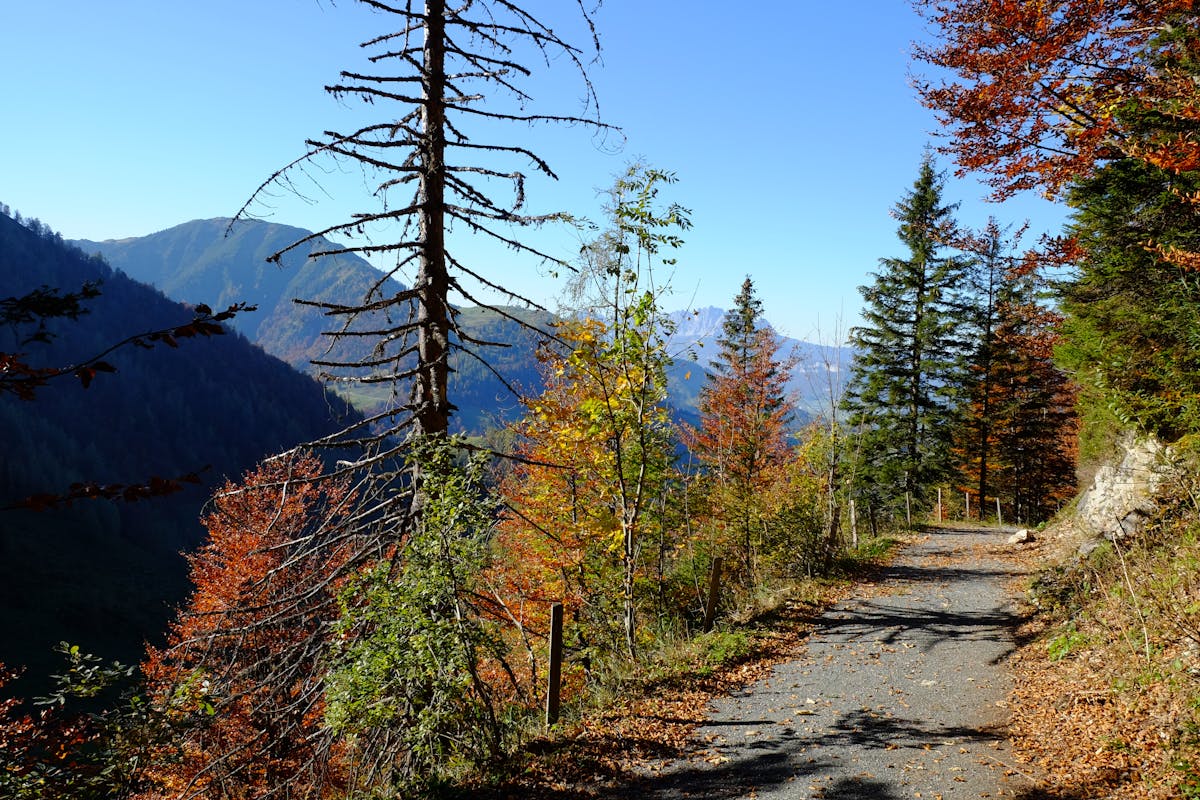
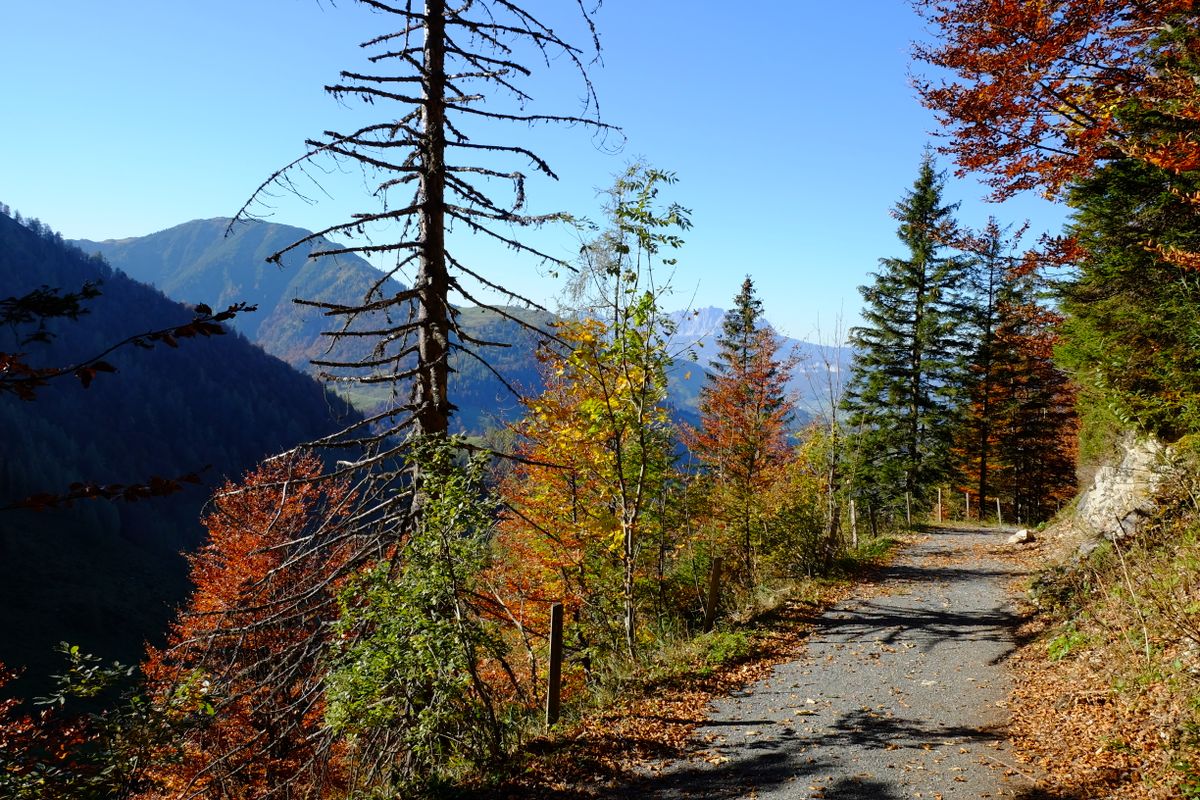
For the modern traveler, the appeal is just as much about scenery and space. In spring the lower slopes fill with wildflowers and fresh green beech leaves. In summer the air stays cool while the cities below swelter. In autumn — the headline season — the entire mountainside turns crimson, orange, and gold. In winter Daisen becomes one of western Japan’s most popular ski areas. Whatever month you arrive, there is a reason to be on the mountain.
Crucially for first-timers, Daisen is achievable. You do not need technical climbing skills or special equipment to reach the summit area. The main trail is a steep but well-built staircase of stone and wood, and thousands of ordinary visitors of all ages complete it every year. If a full summit climb feels like too much, there are gentle forest walks, a temple stroll, and panoramic viewpoints that require almost no effort at all.
How to Get to Mount Daisen
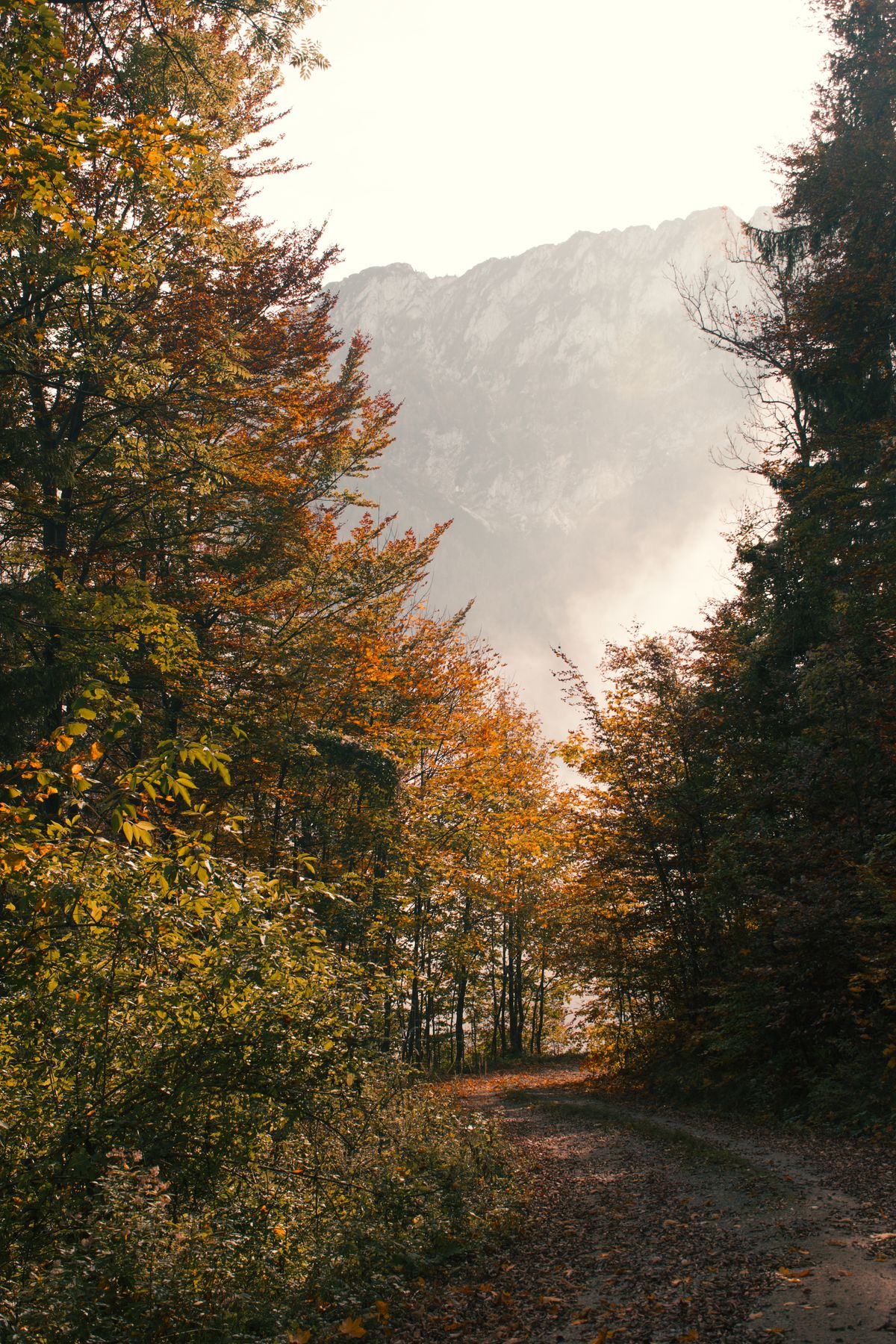
The gateway to Mount Daisen is the city of Yonago, in western Tottori Prefecture. Yonago sits on the JR rail network and is also served by Yonago Kitaro Airport, which has domestic flights from Tokyo (Haneda). Once you reach Yonago, the mountain is a short and inexpensive bus ride away.
Reaching Yonago by train
If you are coming from the Kansai region (Osaka, Kyoto, or Kobe), the most common route is the limited express “Super Hakuto” or a combination of Shinkansen and limited express trains via Okayama. From Okayama Station you can take the JR Hakubi Line limited express “Yakumo” directly to Yonago, a journey of roughly two hours and twenty minutes. From Okayama the full one-way fare is typically around ¥5,000–6,000 (about US$35–42) depending on seat type. The Yakumo is a scenic ride that threads through river valleys, so grab a window seat.
If you hold a nationwide Japan Rail Pass, both the Shinkansen to Okayama and the Yakumo limited express to Yonago are covered (with the exception of the Nozomi and Mizuho Shinkansen, which require a supplement). For a deeper look at whether the pass makes sense for your trip, see our guide on whether the Japan Rail Pass is worth it before you buy.
From Yonago Station to the trailhead
From the bus terminal directly outside JR Yonago Station, take a Nihon Kotsu bus bound for Daisen-ji (大山寺). The ride takes about 50 minutes and costs roughly ¥730 (about US$5) one way, dropping you at the Daisen National Park Center near the temple town. This is the staging point for both the temple visit and the summit hike. From April to November a convenient “Daisen Loop Bus” also runs from Yonago Station, with the first departure around 7:20 a.m. from platform 4 — ideal if you want an early start on the climb. Outside that season, services are less frequent, so always check the current timetable the night before.
The bus stop sits right beside the park center, which has restrooms, coin lockers, and an information office where English-speaking staff hand out free trail maps. Stop here first, pick up a map, and confirm the latest weather and bus times before you set off.
Driving to Daisen
Renting a car is a genuinely good option in this part of Japan, where public transport is sparser than in the big cities. Daisen is about a 30-minute drive from central Yonago and is well signposted from the Yonago-Daisen Interchange on the expressway. There are several parking areas around the temple town; some are free in the off-season and charge a small fee during peak autumn and ski periods. A car also lets you combine Daisen with other Tottori and Shimane sights like the coast and the surrounding highlands. If you plan to land at an airport and head straight for the mountains, a private airport transfer can take the stress out of arrival — you can compare door-to-door shared rides through NearMe airport transfer service.
Climbing Mount Daisen: The Natsuyama Trail
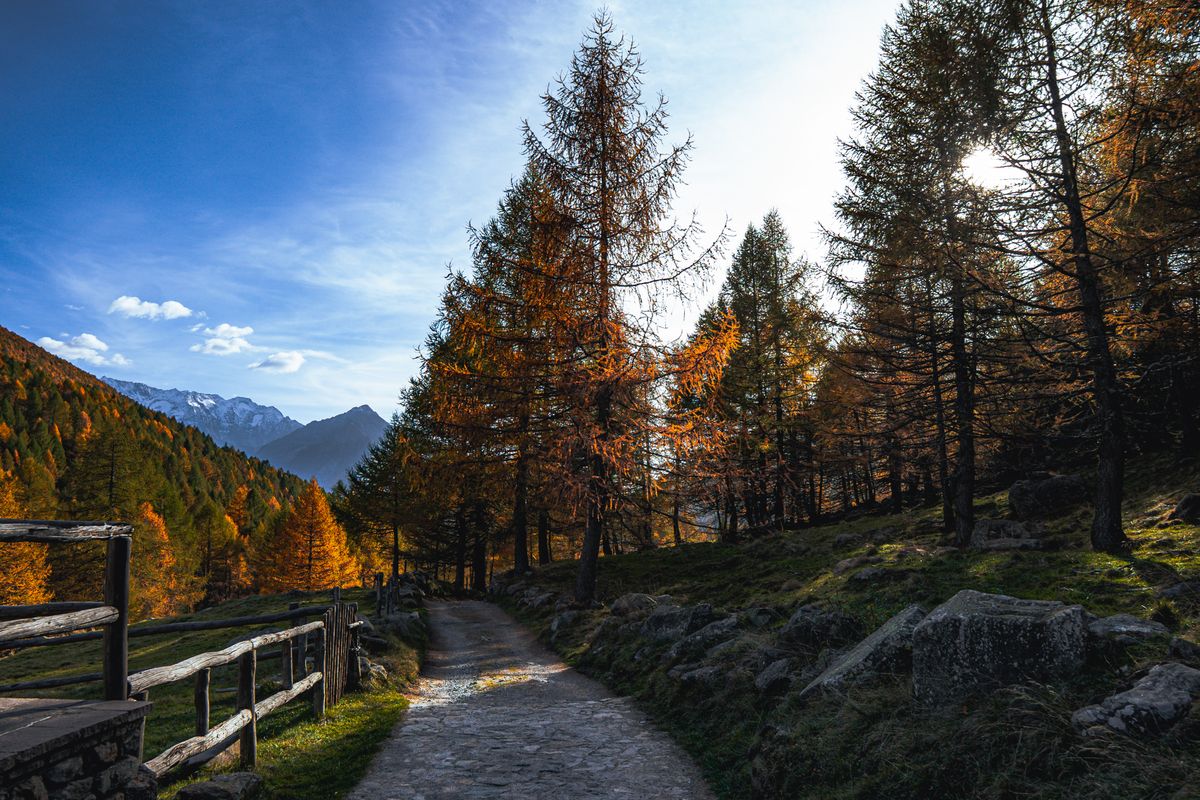
The standard route up Mount Daisen is the Natsuyama Trail (夏山登山道), which begins a short walk uphill from the temple town. It is the most popular and best-maintained path on the mountain, and it is the one almost every first-timer should take. The trail climbs roughly 900 meters of elevation over about three kilometers, and most hikers reach the high point in two and a half to three hours, with a little under two hours for the descent.
The route is divided into numbered stages called “gome” (e.g., 1-gome, 5-gome), which act as natural checkpoints. The lower section winds through dense beech forest with shade and switchbacks. Around the 5th and 6th stage the trees thin out and the views open up dramatically across the Sea of Japan and the patchwork farmland below. From the 6th stage upward, a wooden boardwalk protects the fragile alpine vegetation, including a rare community of Daisen Kyaraboku (a slow-growing Japanese yew) near the top.
About the summit
An important note for safety and conservation: the true highest point, Kengamine Peak (1,729 m), has been closed to hikers for years because the ridge connecting it is severely eroded and dangerous. The official destination is Misen Peak (1,709 m), where a wooden deck and a small shelter mark the turnaround point. The view from Misen is magnificent and entirely satisfying — do not be tempted to scramble onto the closed ridge. Rangers and signs make the boundary clear, and respecting it keeps both you and the mountain safe.
How hard is it really?
Let me be honest: the Natsuyama Trail is a real climb, and the upper half is essentially a long staircase. If you are reasonably fit and walk regularly, you will be fine, but you should expect tired legs the next day. The trail is not technical — there is no scrambling, exposure, or need for ropes — but it is sustained uphill effort. Casual visitors who would rather not commit to the full summit can still walk the lovely lower forest sections and turn around at any of the numbered stages.
What to bring
- Proper footwear: trail runners or hiking shoes with grip. Avoid smooth-soled sneakers, especially in wet weather.
- Water and snacks: at least one liter per person; there are no shops on the trail itself.
- Layers: the summit can be 10–15°C cooler than the base, and weather changes fast. Carry a windproof layer even in summer.
- Rain jacket: mountain weather on the Sea of Japan coast is famously changeable.
- Cash: for the bus and small shops in the temple town, since not everywhere accepts cards.
- A charged phone with mobile data for maps and emergencies. If you do not have a Japanese SIM, an eSIM you activate before arrival is the easiest solution — many travelers use a Japan & Global eSIM so they have a signal on the trail and on remote buses.
Daisen-ji Temple and Ogamiyama Shrine
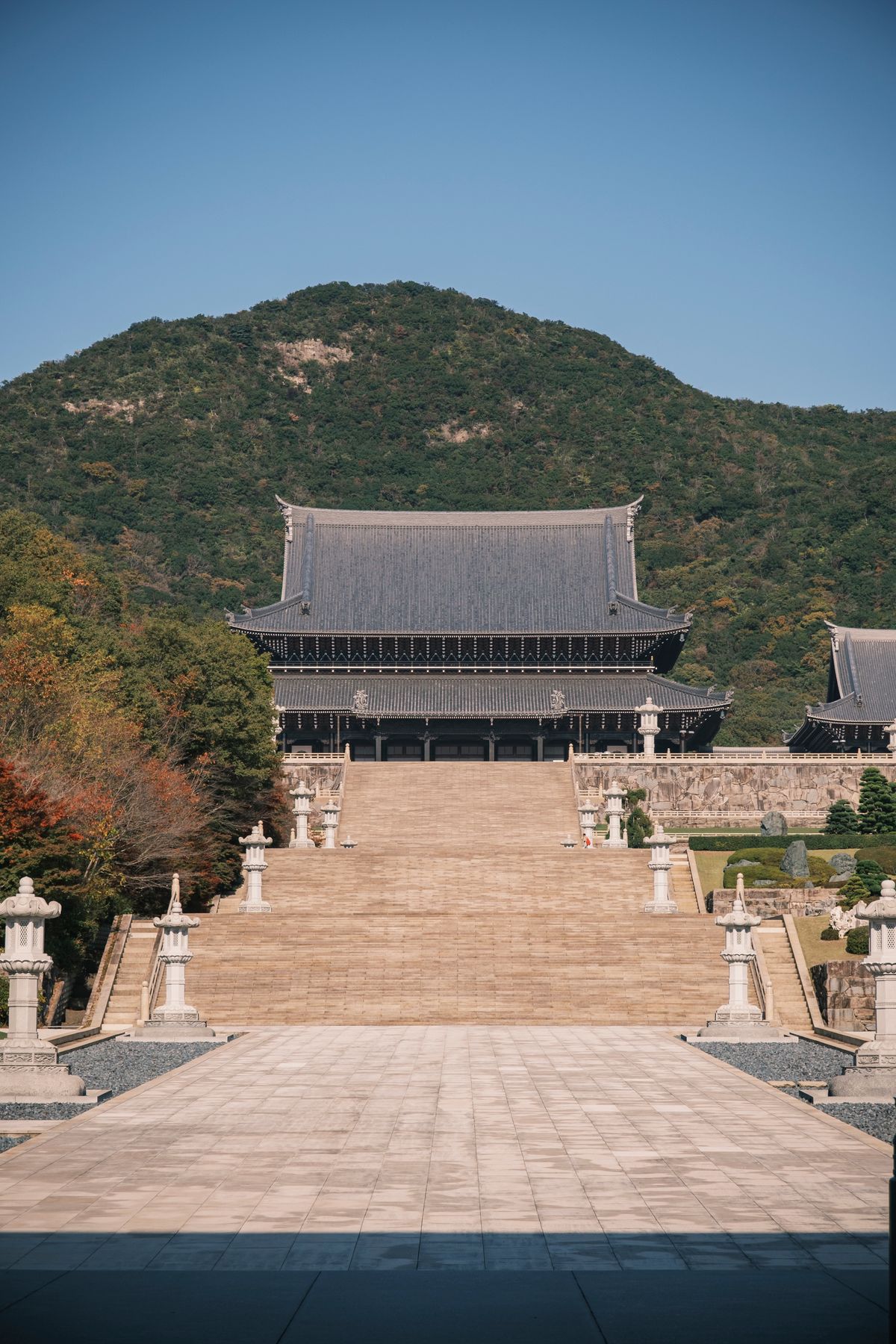
Even if you never set foot on the summit trail, the cultural heart of the mountain is worth the trip on its own. Daisen-ji Temple was founded around the year 718 in the Nara period and grew into one of the most powerful religious centers in western Japan. Today its vermilion main hall sits at the top of a stone-paved slope above the temple town, framed by towering cedars. Entry to the temple grounds is inexpensive (a small donation of a few hundred yen), and the atmosphere — incense, mossy stone, and birdsong — is deeply calming.
To the left of Daisen-ji begins what is said to be the longest natural-stone pilgrimage path in Japan, roughly 700 meters of uneven, moss-edged stone leading to Ogamiyama Shrine’s inner sanctuary (Okunomiya). Walking it slowly, beneath the cedars, is one of those quiet Japanese experiences that stays with you long after the trip. The shrine is also the focus of the Natsuyama summer-opening festival, when a torchlit procession in medieval costume marks the start of the climbing season.
Plan to spend at least 60 to 90 minutes exploring the temple and shrine area. It pairs naturally with the hike: many visitors climb in the morning, then wander the temple precinct in the relaxed light of late afternoon. For broader context on Japan’s temple etiquette and shrine customs, our Japan travel tips for first-timers covers the basics of bowing, purification fountains, and photography rules so you can visit respectfully.
The Four Seasons of Daisen: When to Visit
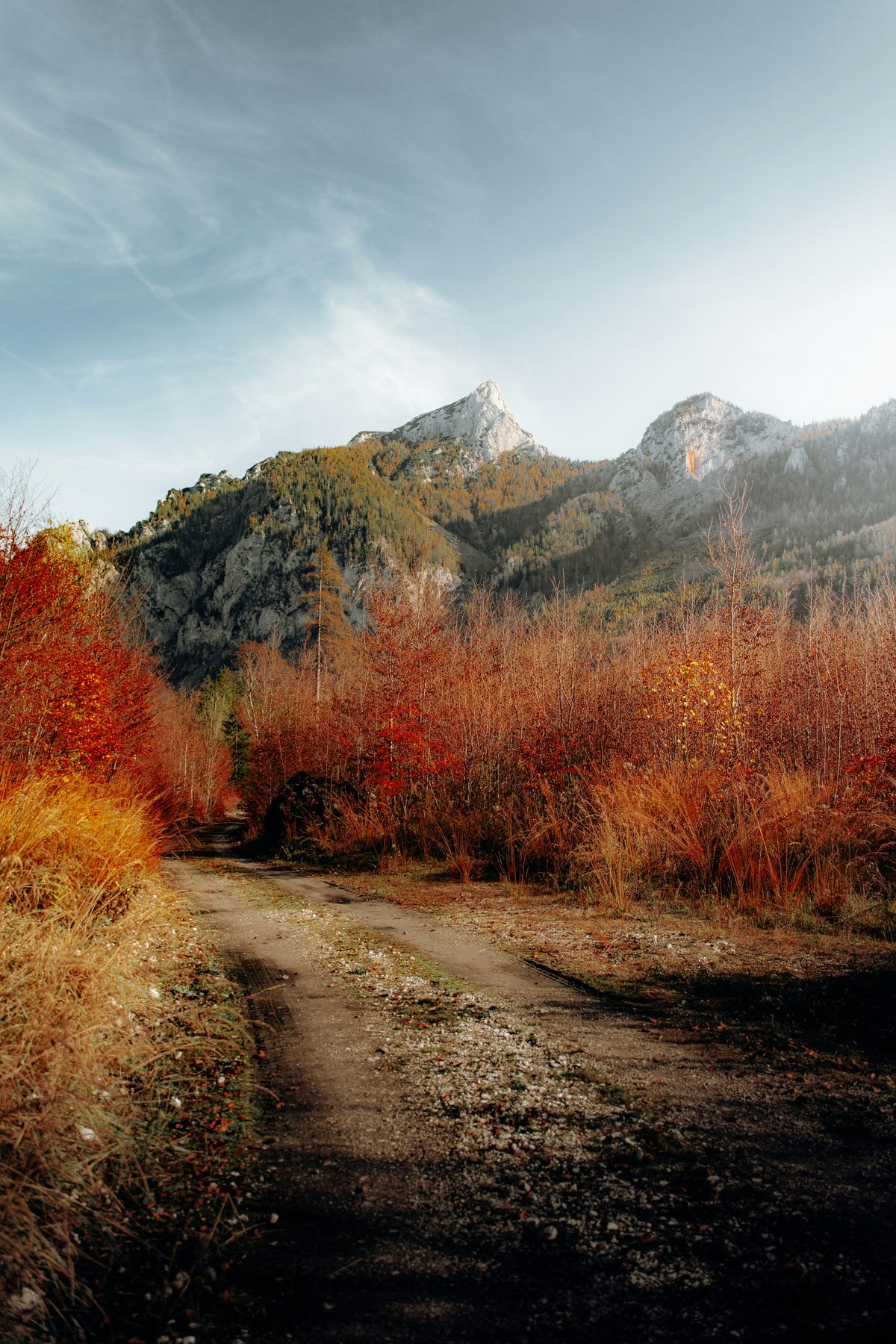
Mount Daisen genuinely rewards visitors in every season, but each one offers something different.
Autumn (late September to mid-November)
This is the marquee season. Autumn colors begin in early October at higher elevations and usually peak from late October to early November, when the beech and maple forests blaze red, orange, and gold. The town of Daisen holds an Autumn Colors Festival around this time. Weekends in late October can be busy with domestic visitors, so aim for a weekday and an early bus if you want the trail to yourself. Mornings often deliver a sea of cloud below the ridge — an unforgettable sight.
Spring (April to early June)
Spring brings fresh green beech leaves, wildflowers, and patches of late snow near the summit. The climbing season officially opens in early summer with the torchlit Natsuyama festival. Temperatures are mild and the crowds are thin, making it an excellent and underrated time to come.
Summer (June to August)
While the cities of western Japan turn hot and humid, Daisen’s elevation keeps the air noticeably cooler. The forests are lush and green, and the long daylight hours give you plenty of time to climb at a relaxed pace. Watch for afternoon thunderstorms and start early.
Winter (December to February)
In winter Daisen transforms into one of the most popular ski resorts in western Japan, with reliable snow and runs suited to families and intermediates. The summer hiking trail is for experienced, properly equipped winter mountaineers only at this time — casual visitors should stick to the ski slopes and the snow-draped temple town, which is beautiful under fresh powder.
Where to Stay Near Mount Daisen
Daisen is best enjoyed with at least one overnight stay, which lets you climb in the cool of the morning and soak up the temple town in the evening. There are three broad options.
In the Daisen temple town: a cluster of small inns, pensions, and shukubo-style lodgings sits right at the trailhead. Staying here means you can be on the trail minutes after breakfast and watch the alpenglow on the peak at dusk. Rooms are simple and book up fast in autumn and ski season.
In Yonago city: if you prefer more choice, restaurants, and easy train connections, base yourself in Yonago and ride the morning bus up. Yonago has a good range of business hotels and a few nicer properties, and it is also handy for the nearby Kaike Onsen seaside hot-spring resort.
At Kaike Onsen: this hot-spring district on the coast just outside Yonago is a relaxing place to soak tired muscles after the climb, with ryokan offering sea views and crab cuisine in winter.
Because availability around Daisen is limited and fills up early in peak seasons, it is worth booking ahead. You can compare inns and hotels across Yonago, Kaike Onsen, and the temple town on Agoda, which tends to have strong coverage of smaller regional properties. For a memorable splurge, the seaside ryokan at Kaike Onsen are worth the extra yen, especially in winter crab season.
What to Eat Around Daisen
Tottori may be Japan’s least populous prefecture, but it punches far above its weight at the dinner table. The cold, clean waters of the Sea of Japan produce some of the country’s finest seafood, and the highland pastures around Daisen yield excellent dairy and beef.
- Matsuba crab (snow crab): in winter, Tottori’s prized snow crab is a genuine bucket-list food. Sweet, delicate, and served everything from sashimi to hot pot, it is worth planning a winter trip around.
- Daisen Okowa: a local steamed glutinous rice dish with mountain vegetables and chicken, traditionally eaten by pilgrims.
- Daisen dairy and soft serve: the highland cattle here produce rich milk, and the soft-serve ice cream and yogurt sold in the temple town are a reliable post-hike reward.
- Tottori beef (Daisen-dori chicken too): the region’s wagyu and its renowned free-range Daisen chicken both appear on local menus.
- Soba and mountain vegetables: hearty buckwheat noodles and foraged sansai are perfect trail fuel.
Most eateries in the temple town are small, family-run places, and many close early, so plan dinner before 7 p.m. or arrange a meal at your inn.
A Suggested Two-Day Itinerary
Here is a relaxed, realistic plan that suits most first-time visitors.
Day 1 — Arrival and temple town. Travel to Yonago and ride the bus up to Daisen in the early afternoon. Check into your inn, then spend the afternoon exploring Daisen-ji Temple and walking the stone path to Ogamiyama Shrine. Enjoy a Daisen soft serve, watch the sunset color the peak, and have an early dinner of local fare. Rest up for the climb.
Day 2 — Summit climb and departure. Start early, ideally on the trail by 7:30–8:00 a.m. Climb the Natsuyama Trail to Misen Peak, soak in the ridge views, and descend by early afternoon. Clean up, grab a late lunch, and catch the bus back to Yonago. If you have time and energy, stop at Kaike Onsen for a soak before moving on.
Travelers with an extra day can easily add the nearby attractions of Shimane Prefecture, the Tottori coast, or a slow exploration of the highland farms. For more ideas on building a regional route, browse our full Japan destinations guide.
Practical Tips for Visiting Mount Daisen
- Start early. The first morning bus gets you on the trail before the day-trippers and gives you the best chance of clear summit views before afternoon cloud builds.
- Check bus times the night before. Services thin out dramatically outside the April–November loop-bus season and on weekdays. Photograph the timetable so you are not stranded.
- Carry cash. Small inns, the bus, and temple-town shops often do not take cards.
- Respect trail closures. The true summit ridge to Kengamine is closed for good reason. Misen Peak is your turnaround.
- Pack out your trash. There are very few bins; carry a small bag and take everything back down with you.
- Tread lightly near the summit. Stay on the boardwalks to protect the rare alpine yew forest.
- Buy snacks in Yonago. Options on the mountain are limited, so stock up before you head up.
- Keep mobile data handy. Offline maps plus a working data connection make navigating buses and trails far less stressful.
- Build in a weather buffer. Coastal mountain weather is fickle; if you can, keep your schedule flexible by a day in case of rain.
Frequently Asked Questions
Is Mount Daisen suitable for beginner hikers?
Yes, with realistic expectations. The Natsuyama Trail is non-technical — no climbing skills or special gear are required — but it is a sustained, steep uphill walk that takes most people two and a half to three hours one way. If you walk regularly and bring proper shoes, water, and layers, you can do it. Less confident visitors can simply turn around at one of the numbered stages and still enjoy beautiful forest and views.
How long does it take to climb Mount Daisen?
Plan for roughly five to six hours of total walking: about two and a half to three hours up to Misen Peak and just under two hours back down, plus time at the top for photos and a rest. Add the temple visit and you have a full, satisfying day on the mountain.
When is the best time to see autumn colors on Daisen?
Autumn foliage begins at higher elevations in early October and typically peaks from late October to early November. For the most reliable color, aim for the last week of October or the first few days of November, and choose a weekday to avoid domestic crowds.
Can I visit Mount Daisen as a day trip?
It is possible if you base yourself in Yonago and take the first morning bus, but it makes for a long, rushed day. Staying one night in the temple town or in Yonago is far more enjoyable, letting you climb in the cool morning and explore the temple at a relaxed pace.
Do I need to speak Japanese to visit Daisen?
No. The park information center has English maps and some English-speaking staff, and trail signs use numbered stages that are easy to follow. That said, this is rural Japan, so a translation app and a working data connection are genuinely useful for buses, small inns, and restaurants where English may be limited.
Is there an entrance fee for Mount Daisen?
There is no fee to hike the mountain itself, which sits within Daisen-Oki National Park. Daisen-ji Temple asks only a small donation of a few hundred yen to enter its main hall area. Your main costs are transport, food, and accommodation.
What should I do if the weather turns bad?
Mountain weather on the Sea of Japan coast changes quickly. If rain or strong wind sets in, do not push for the summit — the upper trail becomes slippery and exposed. Instead, enjoy the temple town, the shrine path, and the local food, all of which are lovely in any weather. Keeping a flexible day in your schedule lets you swap the climb to a clearer morning.
Nature, Wildlife, and the National Park
Mount Daisen forms the centerpiece of Daisen-Oki National Park, a protected area that spans mountains, coastline, and offshore islands across the San’in region. The mountain’s slopes hold one of Japan’s largest natural beech forests, a habitat that turns the whole hike into a moving picture of the seasons — tender green in spring, deep shade in summer, fiery color in autumn, and skeletal silver in winter. These forests are not just scenic; they act as a giant natural reservoir, capturing rain and snowmelt that feeds the famously clean springs and rivers below. Several local sake breweries and tofu makers credit Daisen’s water for the quality of their products.
Near the summit grows the Daisen Kyaraboku, a rare community of Japanese yew that has adapted to the harsh, windswept conditions by growing low and gnarled rather than tall. Some of these slow-growing shrubs are estimated to be hundreds of years old, and the colony is protected as a natural monument, which is why the boardwalks near the top must never be left. Lower down, keep an eye out for woodpeckers, Japanese macaques, and, if you are lucky and quiet, deer slipping through the trees at dawn. Birdsong is constant through the forest sections, and the air carries the clean, resinous smell of beech and fir.
Because the park is protected, the usual rules of responsible mountain travel apply with extra force here: stay on marked trails, take all litter home, keep noise down so you do not disturb wildlife, and never pick plants or disturb the alpine vegetation. Following these simple courtesies keeps Daisen as beautiful for the next visitor as it is for you.
Daisen for Families and Casual Visitors
You do not have to be a dedicated hiker to fall in love with Daisen. The mountain is genuinely welcoming to families, older travelers, and anyone who would rather stroll than scramble. The temple town itself is mostly gentle, paved paths, and the walk up to Daisen-ji and along the stone approach to Ogamiyama Shrine is manageable for most ages with a relaxed pace and a few rest stops. Children tend to love the giant cedars, the koi and clear streams, and of course the local soft-serve ice cream.
For a longer but still easy outing, several nature trails loop through the lower forest without ever attempting the steep summit staircase. These flat-to-rolling paths pass waterfalls, quiet ponds, and viewpoints framing the peak, and they are especially lovely during autumn color. In winter, the ski area has gentle beginner runs and a snow-play zone where families can sled and build snowmen even if no one in the group skis. The point is that Daisen rewards effort at every level — you choose how hard you want to push, and the mountain meets you there.
If you are traveling with young children or older relatives, a rental car makes the day far smoother, letting you drive close to the temple town and avoid long waits for infrequent rural buses. Arriving by car also means you can carry extra layers, snacks, and a change of clothes without lugging them up the hill.
The History and Legends of Mount Daisen
To really appreciate Daisen, it helps to understand why it has been sacred for so long. In Japan’s animist and Buddhist traditions, prominent mountains were seen as homes of the gods and gateways between worlds. Daisen, looming over an otherwise flat coastal plain, was a natural object of worship. Long before organized temples existed, local people revered the mountain itself, and that reverence later fused with Buddhism during the great wave of mountain-temple founding in the Nara and Heian periods.
At the height of its power, the Daisen-ji complex was one of the most influential religious institutions in western Japan, controlling vast landholdings and maintaining a force of warrior monks who could rival regional lords. Pilgrims climbed the mountain to pray for safe harvests, healthy cattle, and protection on journeys. The mountain’s long association with cattle is especially interesting: for centuries Daisen hosted one of the largest cattle markets in the country, and farmers from across the region brought animals here both to trade and to receive blessings. That agricultural heritage lives on in the rich dairy products you can still taste in the temple town today.
Over the centuries fires, civil wars, and the anti-Buddhist policies of the early modern era reduced the once-sprawling complex to the handful of beautiful halls that remain. Yet the sense of accumulated devotion is still palpable. When you walk the mossy stone path to Ogamiyama Shrine or stand before the main hall with incense drifting through the cedars, you are sharing an experience with countless generations of pilgrims who came before you. For first-time visitors, this layering of nature and faith is one of the most distinctly Japanese things you can encounter, and it costs nothing but a little time and attention.
Beyond the Mountain: Day Trips and Nearby Attractions
One of the joys of basing yourself around Daisen and Yonago is how much else there is to see within an easy radius. The San’in coast — the stretch of Japan facing the Sea of Japan — is one of the least-visited yet most rewarding regions in the country. If you can spare an extra day or two, consider adding some of these.
Sakaiminato and Mizuki Shigeru Road: a short ride from Yonago, this fishing port is the hometown of Shigeru Mizuki, creator of the beloved yokai (folklore monster) manga GeGeGe no Kitaro. A whole street is lined with bronze statues of his characters, and it is a delightfully quirky, family-friendly half-day out. The port is also one of the best places in the region to eat fresh crab in winter.
Adachi Museum of Art: over the border in Shimane Prefecture, this museum is famous less for its paintings than for its garden, repeatedly ranked the finest in Japan. The meticulously composed landscape is meant to be viewed like a living scroll painting through the museum’s windows. It is roughly an hour from Yonago and pairs beautifully with a Daisen trip.
Izumo Taisha: also in Shimane, this is one of the oldest and most important shrines in all of Japan, dedicated to the deity of marriage and good relationships. The colossal sacred ropes (shimenawa) over its halls are among the most photographed in the country. It makes a meaningful contrast to the mountain Buddhism of Daisen.
Tottori Sand Dunes: further east along the coast, Japan’s largest sand dunes stretch along the sea in a surprisingly desert-like landscape where you can ride camels, try sandboarding, or simply watch the wind sculpt the ridges. They are a longer trip from Daisen but a genuine one-of-a-kind sight.
Kaike Onsen: as mentioned earlier, this seaside hot-spring resort just outside Yonago is the perfect place to unwind after the climb, with open-air baths looking out over the Sea of Japan and, in winter, lavish crab dinners.
Stitching these together is much easier with your own wheels, but the main sights are also reachable by a combination of local trains and buses if you plan ahead. For a wider menu of regional ideas and how to connect them, our Japan destinations hub is a good place to start mapping a San’in loop.
Getting Around the San’in Region on a Budget
Western Tottori and Shimane are wonderfully affordable compared with Tokyo or Kyoto. Accommodation, meals, and attractions all cost noticeably less, which makes this region a smart choice for travelers watching their budget. A few strategies will stretch your yen even further.
First, time your transport. Local buses and trains here are cheap but infrequent, so building your day around the timetable rather than fighting it saves both money and stress. Second, consider a rental car if there are two or more of you; split between a group, the daily rate often works out cheaper and far more flexible than piecing together rural bus connections. Third, eat where the locals eat — small set-meal restaurants (teishoku) and the food halls of regional supermarkets offer excellent value, and a convenience-store breakfast before an early climb is both practical and economical.
For comparing room rates across the region’s business hotels, ryokan, and onsen inns, it pays to check more than one platform. Many budget-minded travelers cross-reference deals on Yahoo! Travel alongside the international sites, since domestic platforms sometimes surface regional properties and last-minute discounts that the bigger booking engines miss. For a broader playbook on keeping costs down nationwide, see our dedicated guide to budget travel in Japan.
How do I combine Mount Daisen with the rest of my Japan trip?
Daisen slots naturally into a western Japan or San’in itinerary. Many travelers reach it from Osaka or Kyoto via Okayama, spend a night or two around Yonago, then continue to Shimane’s Izumo Taisha and the Adachi Museum, or loop east toward the Tottori Sand Dunes. If you are short on time, even a single overnight from Okayama is enough to experience the mountain, the temple, and a memorable regional meal before rejoining the main tourist route.
Are credit cards and English signage common around Daisen?
This is rural Japan, so do not assume either. Larger hotels and the museum-style attractions usually take cards and have some English, but small inns, the local bus, and family restaurants in the temple town often prefer cash and have limited English. Carry enough yen for a couple of days, keep a translation app handy, and you will navigate everything comfortably.
Final Thoughts
Mount Daisen is the kind of place that reminds you why you wanted to travel in the first place. It offers a real mountain adventure that an ordinary visitor can complete, a thousand-year-old temple wrapped in cedar and mist, food that rivals anywhere in Japan, and the rare luxury of space and quiet. For first-time visitors willing to step just slightly off the beaten path, a couple of days in Tottori will likely become the most memorable part of the whole trip. Pack good shoes, catch the early bus, and go meet “Hoki Fuji” for yourself.
🗾 Planning your trip? Get our free 7-Day Japan Itinerary (PDF)
Day-by-day Tokyo → Kyoto → Osaka plan with real prices and essential phrases — sent straight to your inbox.
Going to Japan? Talk to locals with confidence.
Hirameki Japanese — instant offline translation, camera translation, furigana + romaji, and 314 free flashcards. No login. Works without internet.

Plan your Japan trip
Two things every first-timer should book
Some links are affiliate links. If you book through them we may earn a small commission at no extra cost to you.