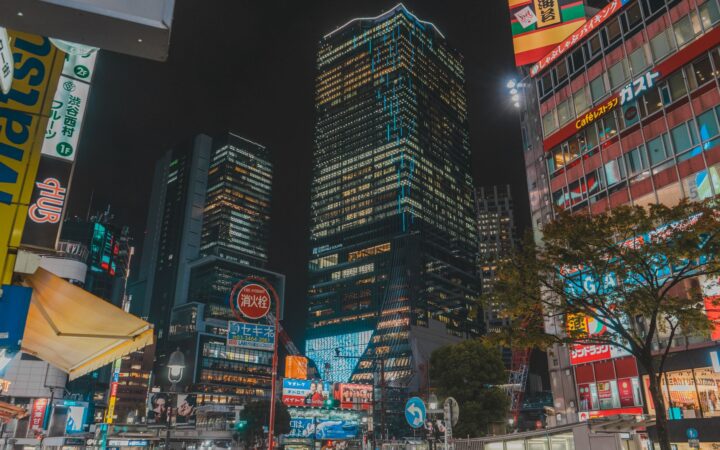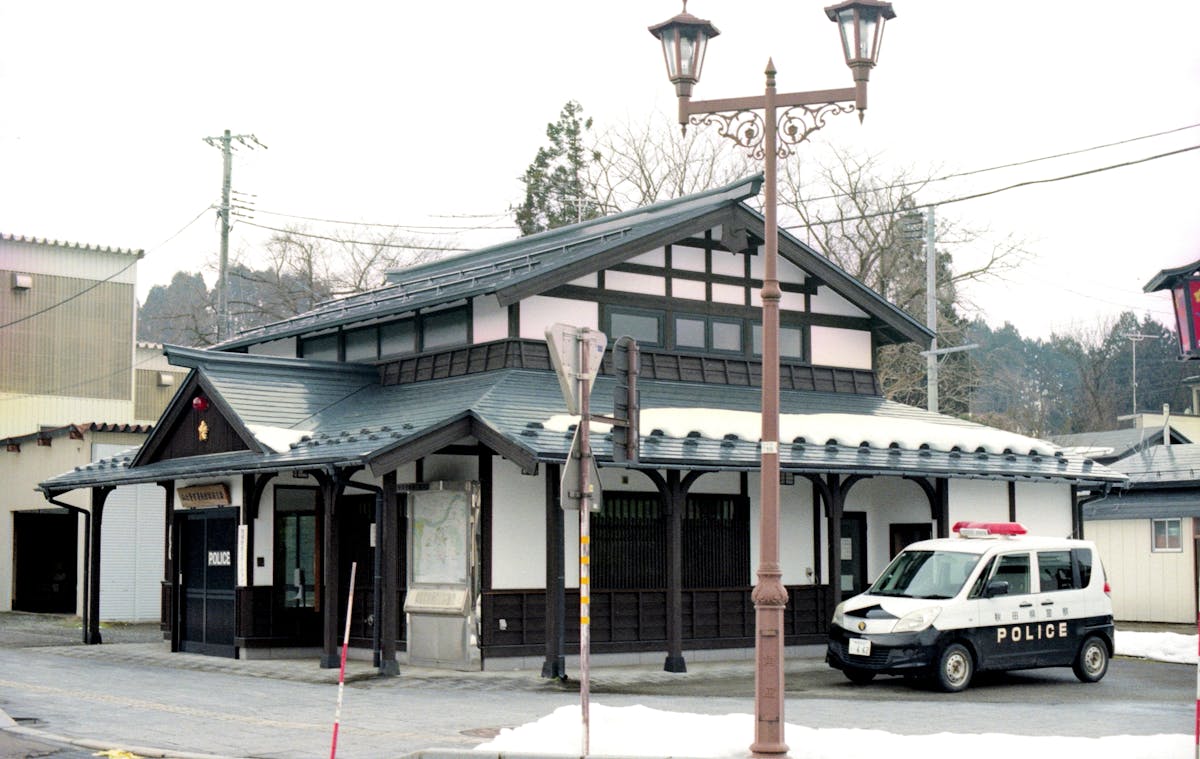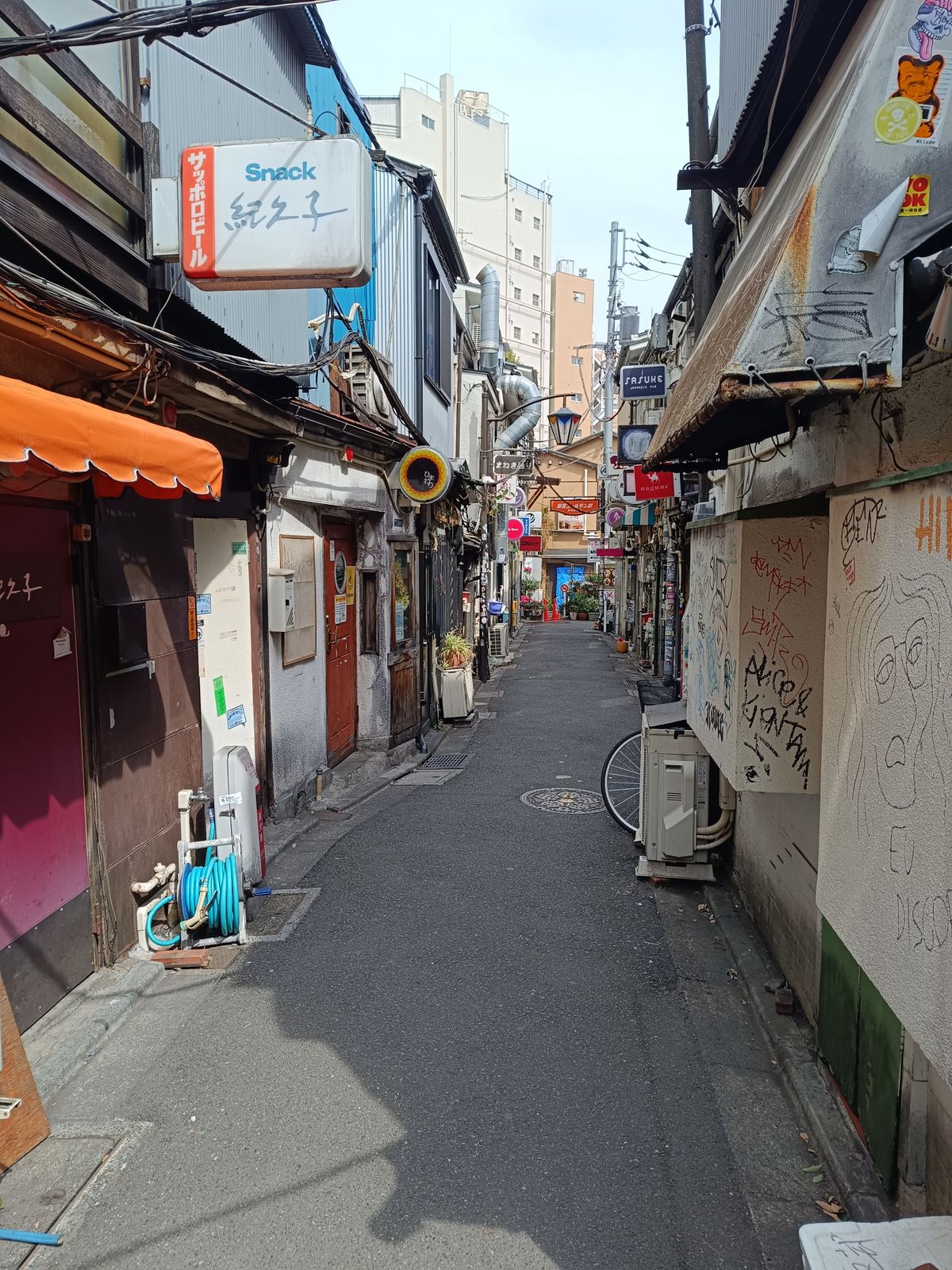
Just a few minutes by train from the roar of Shibuya lies a different kind of Tokyo. Shimokitazawa (下北沢), known to locals simply as Shimokita, is a tangle of narrow lanes packed with vintage clothing stores, tiny cafes, record shops, live music basements, indie theatres and curry counters. There are no skyscrapers, no giant department stores, and almost no traffic in the maze of pedestrian backstreets. Instead there is atmosphere: relaxed, creative, slightly bohemian, and utterly addictive.
For first-time visitors who want to feel Tokyo’s younger, more low-key side, Shimokitazawa is one of the most rewarding neighbourhoods in the city. It rewards aimless wandering rather than ticking off landmarks, and it is best enjoyed slowly, with a coffee in hand and no fixed plan. This guide covers everything you need: how to get there, what makes the neighbourhood special, where to shop for vintage, where to eat and drink, the live music and theatre scene, the best time to visit, practical tips, and answers to the questions first-timers ask most.
If you are still shaping your wider Tokyo plans, our Tokyo travel guide is the perfect companion to this article, and our Japan travel tips for first-timers covers the essentials of trains, money and etiquette.
Why Visit Shimokitazawa?
Tokyo is a city of distinct neighbourhoods, each with its own personality. Shinjuku is overwhelming energy, Ginza is polished luxury, Akihabara is electric and otaku, Asakusa is old-Tokyo tradition. Shimokitazawa is the city’s creative, second-hand, coffee-scented heart, the place young Tokyoites go to browse vintage racks, catch an unsigned band, see experimental theatre, and linger in cafes that each have their own stubborn character.
What makes it special for travellers is the contrast. After a few days of crowds and crossings, Shimokita feels human-scaled and unhurried. The streets are too narrow for big cars, so you walk in the middle of the road. Shops are small and independent, run by owners with strong opinions about denim, vinyl or pour-over coffee. Nothing is mass-produced or corporate, and the whole place has a slightly retro, lived-in warmth that is increasingly rare in fast-changing Tokyo.
It is also wonderfully easy to enjoy on a budget. Browsing is free, vintage bargains are everywhere, a bowl of the neighbourhood’s beloved curry costs little, and the people-watching is some of the best in the city. You could happily spend a whole afternoon and evening here without a single ticketed attraction.
How to Get to Shimokitazawa
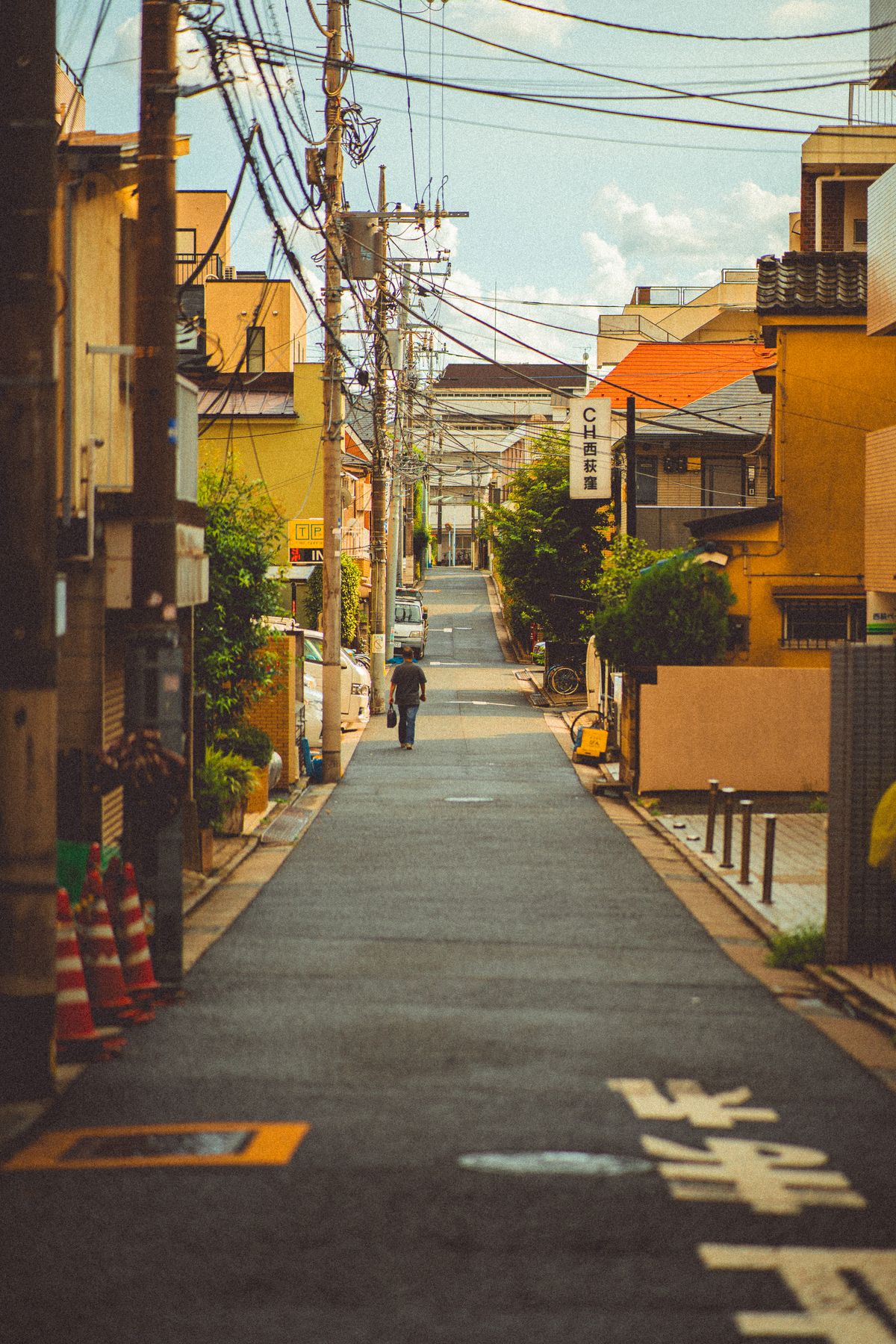
Shimokitazawa is delightfully central and easy to reach, which is part of why it makes such a good half-day or evening escape from the main tourist areas.
By train
The neighbourhood is served by Shimokitazawa Station, a junction of two private railway lines: the Keio Inokashira Line and the Odakyu Odawara Line. From Shibuya, the Inokashira Line whisks you here in about 5 minutes for roughly ¥140 (about US$1). From Shinjuku, the Odakyu Line takes around 7–10 minutes for about ¥170 (about US$1.20). Both are quick, cheap and frequent.
The station itself was rebuilt in recent years, with the tracks moved underground. That redevelopment freed up land above and beside the lines, which has been turned into stylish new low-rise complexes such as the Reload and Mikan Shimokita developments, full of cafes, shops and a hotel. The result is a neighbourhood that blends its scruffy, beloved old lanes with polished new corners, all within a few minutes’ walk of the ticket gates.
From the airport
Coming straight from Haneda or Narita, the simplest routes involve a train or limousine bus to Shinjuku or Shibuya and then a short hop on the Odakyu or Inokashira line. If you are arriving jet-lagged with luggage and would rather not navigate transfers, a shared airport shuttle that takes you door to door can be a stress-free option; you can book one in advance through a service like NearMe airport transfers.
Getting around once you arrive
Shimokitazawa is entirely walkable; in fact, walking is the only sensible way to explore it. The pleasure is in getting slightly lost in the lanes north and south of the station. Wear comfortable shoes, keep your phone handy for navigation, and do not worry too much about a route, the neighbourhood is compact enough that you will keep rediscovering the main streets.
Vintage and Thrift Shopping: The Main Event
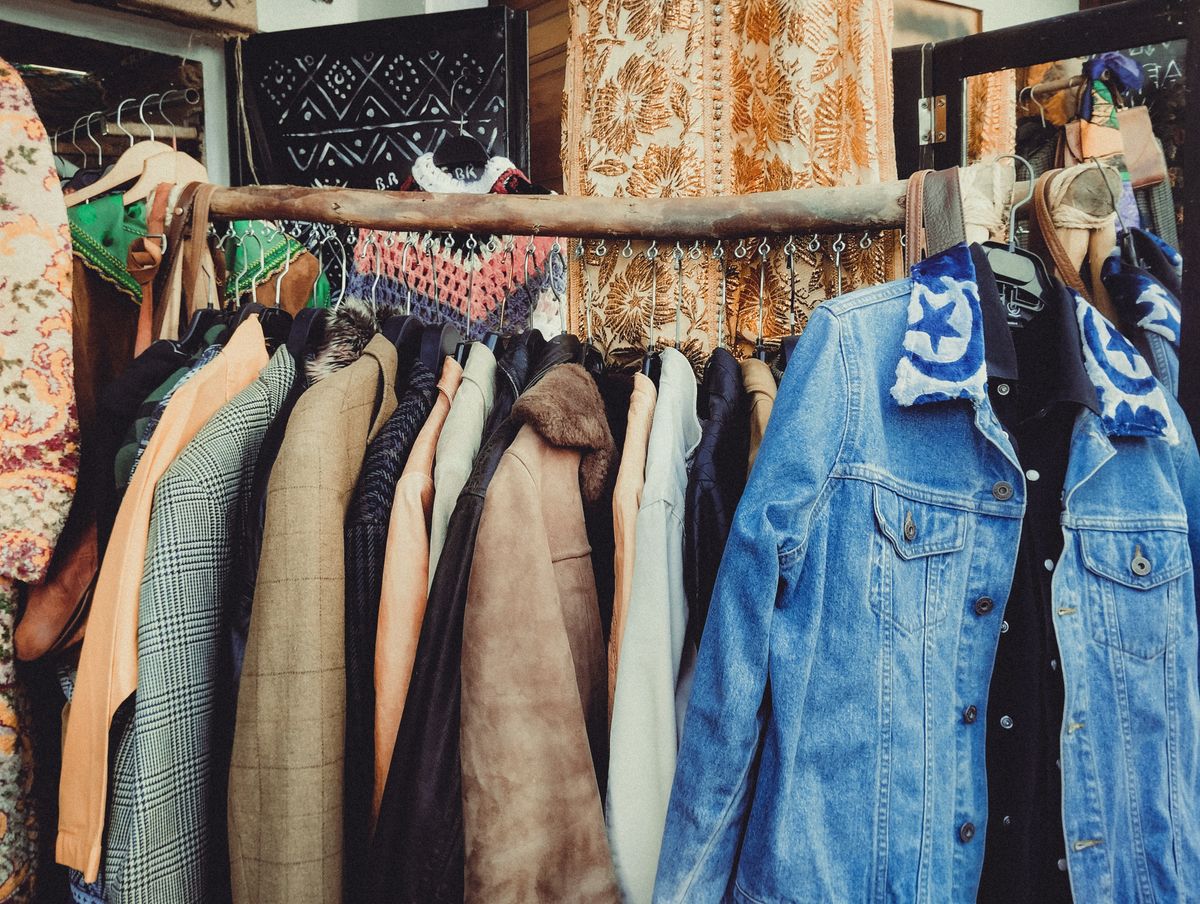
If Shimokitazawa is famous for one thing, it is vintage clothing. The neighbourhood is home to dozens of second-hand and used-clothing stores (known in Japanese as furugi shops), ranging from cavernous warehouses of cheap finds to tightly curated boutiques specialising in a single era, brand or style. For anyone who loves thrifting, it is one of the best hunting grounds in all of Asia.
The range is enormous. Some shops focus on classic American workwear, denim and military surplus. Others specialise in 1970s and 1980s European pieces, band t-shirts, vintage sportswear, or designer cast-offs at a fraction of retail. Prices span the full spectrum, from bargain bins of ¥500 (about US$3.50) items to carefully sourced rarities costing many thousands of yen. The quality and condition tend to be excellent, reflecting Japan’s famous care for second-hand goods.
How to shop the vintage scene
Rather than chasing specific store names, which open and close regularly, the best approach is simply to wander and dip into whatever catches your eye. That said, a few tips help:
- Set aside a few hours. The fun is in browsing slowly across many small shops rather than rushing.
- Carry some cash. Many smaller vintage shops prefer cash, though more now accept cards and IC payments.
- Check sizing. Japanese vintage runs small; try things on, as cuts differ from Western sizing.
- Look beyond clothes. Many shops also stock vintage bags, hats, jewellery, sunglasses and homeware.
- Be respectful. Ask before photographing shop interiors, and handle delicate items gently.
Even if you are not planning to buy, the vintage shops double as a free, ever-changing museum of fashion history, and the displays alone are worth the trip.
Cafes, Coffee and Sweet Stops
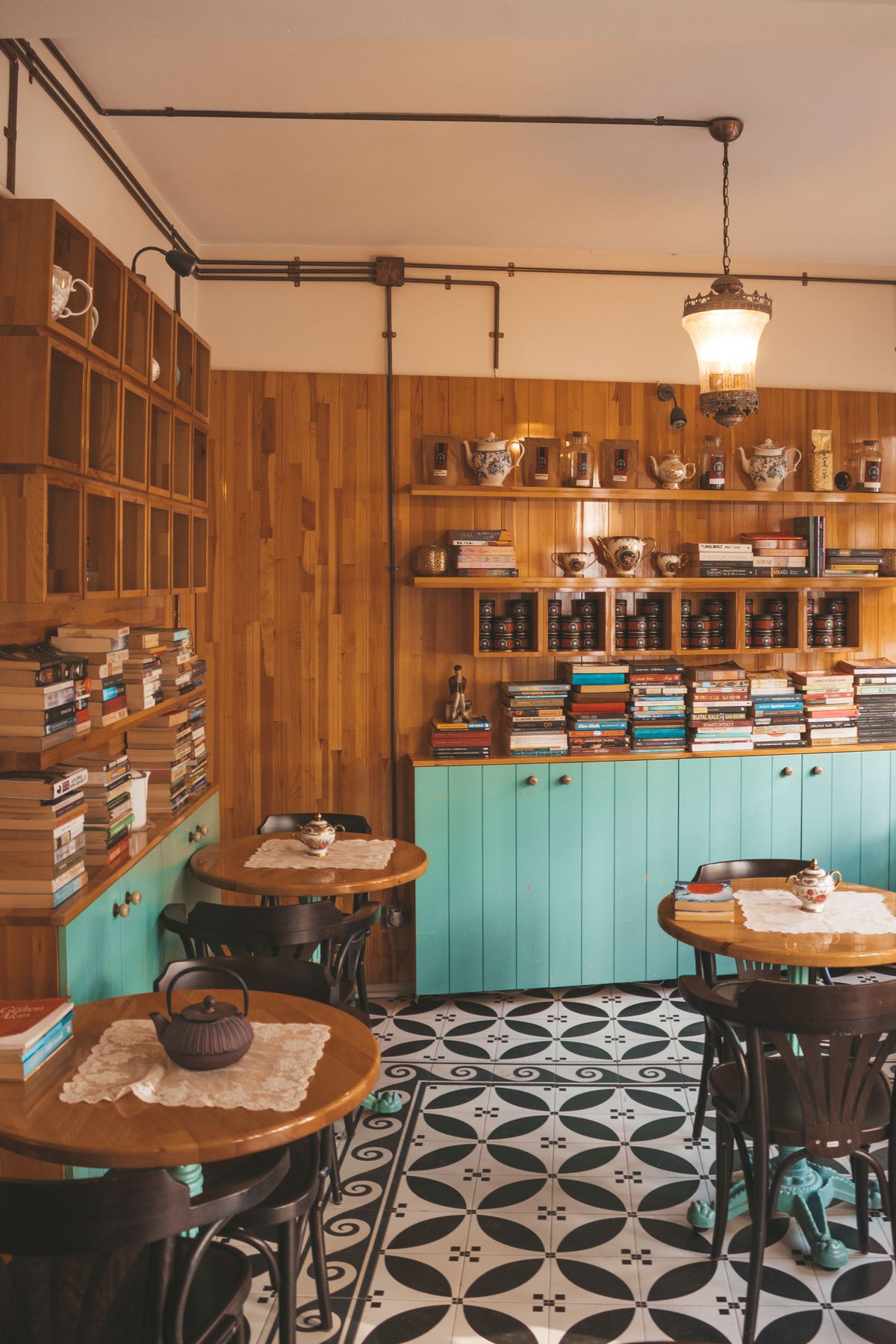
Shimokitazawa takes its coffee seriously. The neighbourhood is dotted with independent cafes, from third-wave specialty roasters with single-origin pour-overs to cosy, cluttered kissaten (old-school Japanese coffee houses) where time seems to stand still. Whatever your taste, a cafe break is an essential part of the Shimokita rhythm.
You will find sleek modern spaces with minimalist interiors and meticulous brewing, alongside retro cafes filled with vinyl records, vintage furniture and the smell of cigarettes-and-coffee nostalgia. Many double as galleries, bookshops or event spaces, hosting small exhibitions and live acoustic sets. Ordering is easy and relaxed; a hand-drip coffee typically costs around ¥500–700 (about US$3.50–5), and many cafes serve cakes, toast sets and light meals.
Beyond coffee, keep an eye out for the neighbourhood’s dessert culture: fluffy pancakes, artisan ice cream, traditional Japanese sweets, and seasonal treats. The newer Reload and Mikan complexes near the station have added a wave of stylish cafes and bakeries to the mix, so you are never far from a good place to sit down.
The kissaten experience
If you have never visited a traditional kissaten, Shimokitazawa is a great place to try one. These atmospheric coffee houses, many dating back decades, serve carefully made siphon or drip coffee in a hushed, timeworn setting. Order a coffee and perhaps a slice of cake or a thick-cut piece of buttered toast, settle into a worn velvet seat, and soak up a slice of Showa-era Tokyo that the rest of the city is rapidly losing.
Live Music, Theatre and Nightlife
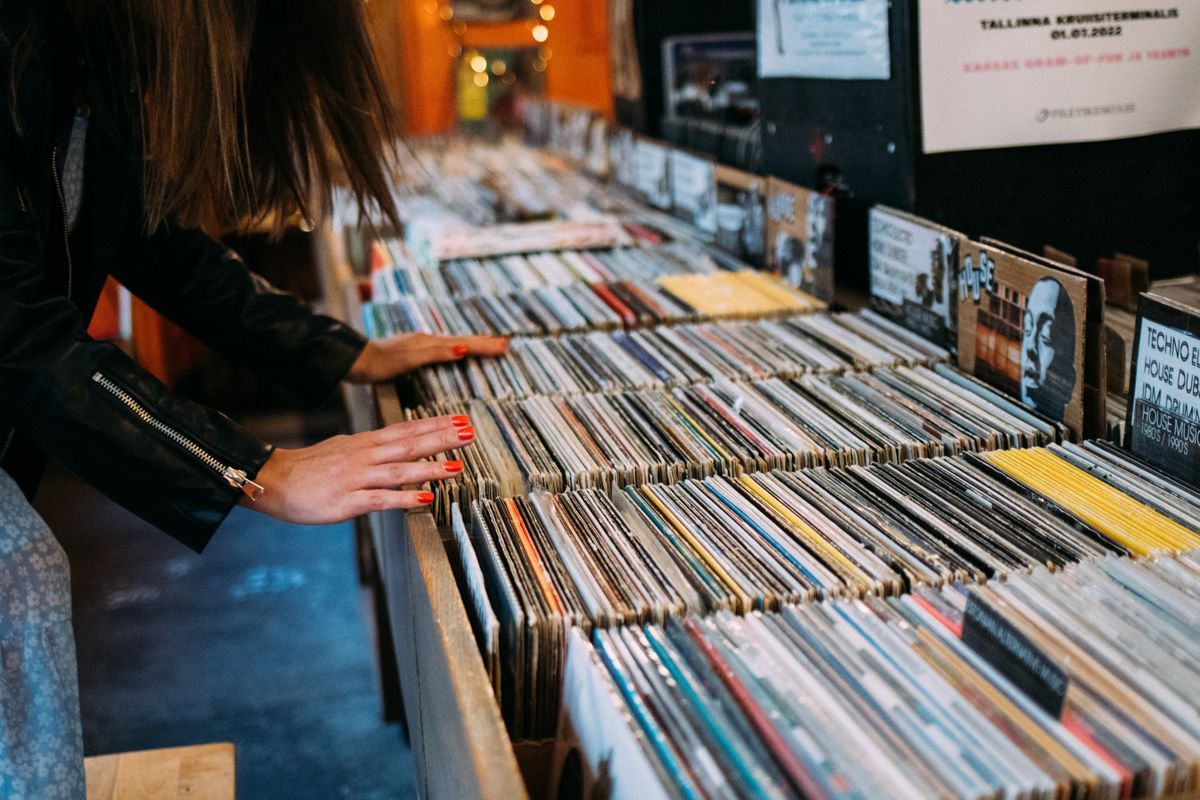
Shimokitazawa has long been the spiritual home of Tokyo’s independent music scene. The neighbourhood is packed with small basement venues known as live houses, where you can catch up-and-coming Japanese bands, singer-songwriters and experimental acts most nights of the week. Cover charges are usually modest, often around ¥2,000–3,500 (about US$14–24), sometimes including a drink, and the intimate rooms put you right up close to the performers.
You do not need to know the bands to enjoy a night out; part of the charm is discovering something new. Venues post their schedules online and on flyers around the neighbourhood, and the staff are used to curious visitors. Alongside the live houses, Shimokitazawa is rich in record shops selling new and used vinyl across every genre, from city pop and jazz to punk and electronica. Even if you do not own a turntable, flipping through the crates is a joy.
Indie theatre and comedy
Shimokitazawa is also one of Tokyo’s most important small-theatre districts. Several intimate playhouses stage everything from experimental drama to comedy and improv. Most performances are in Japanese, so they are best for those with some language ability, but the creative, slightly underground energy is part of what gives the neighbourhood its artistic identity.
Bars and izakaya
As evening falls, Shimokitazawa’s lanes fill with the warm glow of tiny bars and izakaya. You will find standing bars where you rub shoulders with locals, craft beer taprooms, natural wine bars, and cosy izakaya serving grilled skewers and small plates. The atmosphere is friendly and unpretentious, and because the area is popular with students and young creatives, prices stay reasonable. If you would like to join a guided food-and-drink crawl or a curated local experience rather than navigating solo, you can browse options through a platform like NEWT.
What and Where to Eat
Shimokitazawa punches well above its weight for food, with an eclectic mix that mirrors its creative spirit. The neighbourhood’s most iconic dish is curry. Shimokita is famous across Tokyo for its independent curry shops, and it even hosts an annual curry festival when dozens of restaurants offer special menus. Styles range from rich Japanese-style curry to spice-forward soup curry and South Asian influences, and a hearty plate usually costs around ¥900–1,400 (about US$6–10).
Beyond curry, you will find ramen and tsukemen counters, taco stands, vegan and vegetarian cafes (Shimokitazawa is one of Tokyo’s better neighbourhoods for plant-based eating), bakeries, international street food, and plenty of izakaya. The mix of cuisines and the casual, affordable prices make it an easy place to eat well whatever your tastes or budget.
For a fuller picture of Japan’s regional dishes and how to order with confidence, our Japan food experiences guide is a useful companion. In Shimokita specifically, the best approach is the same as for shopping: wander, follow your nose, and trust the small places with a queue of locals outside.
The New Shimokita: Reload, Mikan and Bonus Track
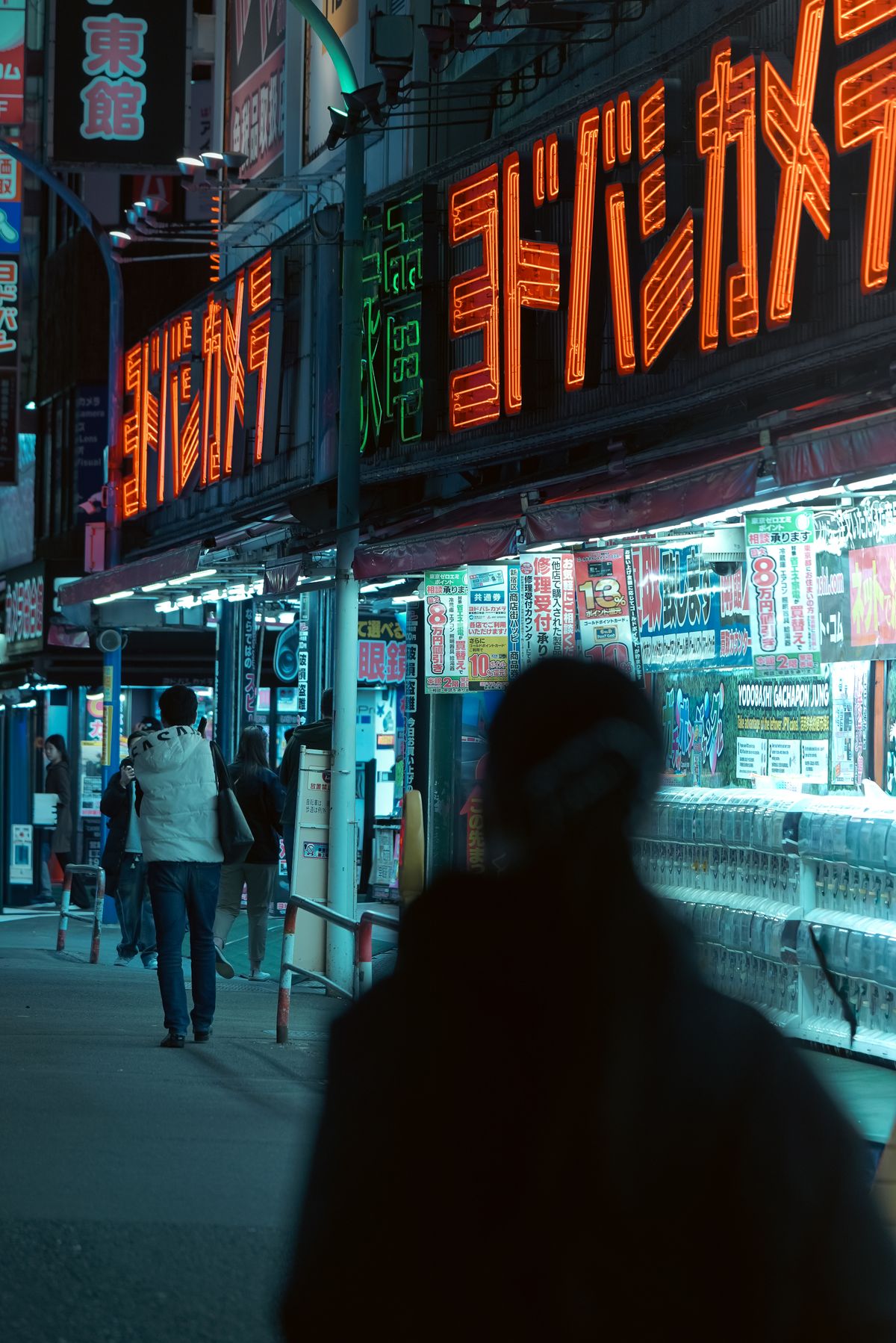
One of the most interesting things about visiting Shimokitazawa now is watching old and new sit side by side. When the railway tracks were moved underground, the freed-up land was developed into a series of stylish, low-rise complexes that have given the neighbourhood a fresh layer without erasing its character.
Reload is a cluster of crisp white two-storey buildings filled with design-led shops, cafes, a barber, a bookshop and more, just north of the station. Mikan Shimokita, built around the elevated tracks, mixes restaurants, shops, a hostel-style hotel and co-working space with a deliberately unfinished, industrial look. Bonus Track, a little further out, is a charming cluster of independent shops, an eatery, a small press and event spaces arranged around a communal courtyard, designed to nurture exactly the kind of small, creative businesses the neighbourhood is known for.
These developments are worth seeking out not because they replace the old Shimokita, but because they complement it. Spend your time wandering the original scruffy lanes for vintage and live music, then dip into the new complexes for a coffee, a meal or a browse in a beautifully designed shop. Together they make the neighbourhood more rewarding than ever.
A Short History: How Shimokitazawa Became Cool
Shimokitazawa’s bohemian identity did not appear by accident. The area developed as a residential and small-business district in the early twentieth century, and a lively black market sprang up around the station in the years after the Second World War. That tangle of tiny stalls and narrow lanes set the physical template for the neighbourhood we know today: small premises, pedestrian alleys and a culture of independent, owner-run businesses.
From the 1970s onward, the area’s cheap rents and central location drew students, musicians, actors and artists. Small theatres and live houses opened, second-hand shops multiplied, and a creative community took root. Over the following decades Shimokitazawa earned its reputation as the home of Tokyo’s indie music and underground theatre scenes, a place where young creatives could afford to experiment. That legacy still shapes the neighbourhood’s atmosphere, even as the city around it has changed dramatically.
More recently, the major project to move the railway tracks underground reshaped the area physically and sparked debate about whether redevelopment would erase its scruffy charm. In practice, the new low-rise complexes have been designed with care to support small, independent businesses, and the original lanes survive intact. The result is a neighbourhood that honours its history while staying very much alive, which is exactly what makes it so interesting to visit now.
Shimokitazawa Compared to Other Tokyo Neighbourhoods
First-time visitors often ask how Shimokitazawa fits among Tokyo’s many districts, and where it should slot into a packed itinerary. The simplest way to think about it is by contrast:
- Versus Shibuya: Shibuya is big, bright and crowded, all giant screens and the famous scramble crossing. Shimokitazawa, five minutes away, is its mellow opposite: low-rise, pedestrian and personal. Pairing the two in one day gives you both extremes of Tokyo.
- Versus Harajuku: Harajuku is youth fashion at full, polished commercial volume. Shimokitazawa is more second-hand, more lived-in and less about brand-new trends, with a thrift-and-vinyl soul rather than a catwalk one.
- Versus Koenji: Koenji, a few stops away, is Shimokitazawa’s closest cousin, another vintage-and-music neighbourhood. Many travellers enjoy both; Shimokitazawa is generally the more polished and accessible of the two.
- Versus Shinjuku or Ginza: Where Shinjuku overwhelms and Ginza dazzles with luxury, Shimokitazawa charms with intimacy and independence. It is the neighbourhood to visit when you want Tokyo to feel human.
For most itineraries, Shimokitazawa works beautifully as a half-day-into-evening complement to a busier daytime district. It is the kind of place that makes a trip feel rounded, giving you a memory of real, everyday Tokyo alongside the headline sights.
Shopping Beyond Vintage Clothing
While vintage fashion is the headline draw, Shimokitazawa rewards shoppers of all kinds. The same independent spirit that fills the clothing racks also runs through the neighbourhood’s other small shops.
Record collectors are spoilt for choice, with stores covering new and used vinyl across jazz, rock, city pop, electronica and more. Book lovers will find characterful independent bookshops, some specialising in art, photography or zines. There are stationery and craft shops selling beautifully designed Japanese paper goods and gifts, homeware stores stocking ceramics and vintage furniture, and tiny galleries showing the work of local artists. The newer Bonus Track and Reload complexes are especially good for design-led shops, small-batch food producers and independent makers.
This variety makes Shimokitazawa an excellent place to pick up genuinely original souvenirs, the kind you will not find in an airport gift shop. A record, an art book, a piece of handmade ceramic or a vintage accessory all carry a story and a connection to the neighbourhood. Because so many shops are small and independent, you are also supporting the local creative economy directly, which is part of what keeps the area special.
Is Shimokitazawa Good for Families?
Shimokitazawa is generally thought of as a young person’s neighbourhood, but it can work well for families too, depending on what you are after. The car-free lanes make wandering relatively safe and relaxed, and there are plenty of cafes, bakeries, ice cream shops and casual restaurants that children enjoy. The new complexes around the station are stroller-friendly and have clean facilities.
That said, this is not a neighbourhood of big attractions or playgrounds; the pleasures are browsing, eating and soaking up atmosphere, which suits older children and teenagers more than toddlers. Teens with an interest in fashion, music or art often love it. The narrow, crowded lanes can be tricky with a large stroller at busy weekend times, so weekday afternoons are easier with little ones. For families looking to balance the city’s bigger draws with a low-key, creative afternoon, Shimokita is a pleasant change of pace.
What’s Nearby: Easy Add-Ons
Shimokitazawa’s central location makes it easy to combine with other parts of west Tokyo. The Keio Inokashira Line that connects it to Shibuya also runs the other way to Kichijoji, a lovely neighbourhood beside the green expanse of Inokashira Park and the famous Ghibli Museum (which requires advance tickets). Riding the Inokashira Line out to Kichijoji and back, with a stop in Shimokitazawa, makes for a relaxed and varied day away from the tourist core.
Shibuya and Shinjuku are both minutes away and offer the full big-city Tokyo experience whenever you want to switch gears. The wider Setagaya ward, in which Shimokitazawa sits, is full of pleasant residential neighbourhoods, small shrines and local shopping streets that reward gentle exploration if you have extra time. For ideas on weaving these together into a wider plan, our Japan destinations guide can help you map out a route that mixes famous sights with neighbourhoods like this one.
Best Time to Visit Shimokitazawa
Shimokitazawa is a year-round destination, and unlike outdoor sights it is enjoyable in almost any weather since much of the fun is indoors among shops, cafes and venues. That said, a few timing tips help:
- Afternoon into evening is the ideal window. Many shops open late morning or midday and stay open into the evening, and the neighbourhood comes alive after dark with bars and live music.
- Weekdays are quieter and more relaxed for browsing; weekends bring more energy, events and crowds.
- Spring and autumn offer the most comfortable walking weather. Summer is hot and humid, and winter is chilly but the cosy cafes and basements are very welcoming.
- Festival times such as the curry festival and music events add extra buzz; check local listings if you want to time your visit around one.
Because Shimokitazawa works so well in the evening, it pairs naturally with a daytime spent in nearby Shibuya or Shinjuku, letting you experience two very different sides of Tokyo in a single day.
Where to Stay Near Shimokitazawa
While most visitors stay in larger hubs like Shinjuku or Shibuya and visit Shimokitazawa for an afternoon or evening, the neighbourhood and its surroundings do offer accommodation for those who want to wake up in a quieter, more local part of Tokyo. The newer developments around the station have added stylish hotel and hostel options, and the wider Setagaya ward has plenty of comfortable mid-range choices a short train ride away.
Staying in or near Shimokitazawa gives you easy evenings out and a calmer base than the big entertainment districts, while still keeping you just minutes from Shibuya and Shinjuku by train. To compare hotels, hostels and guesthouses across the area and find the right balance of price and location, it is worth scanning options on Agoda before you book.
Practical Tips for Visiting Shimokitazawa
- Go in the afternoon or evening. Many shops do not open until late morning or midday, and the neighbourhood is at its best as the day winds down.
- Wear comfortable shoes. You will be walking and weaving through narrow lanes for hours; this is a place for exploring on foot.
- Carry some cash. Card and IC payments are increasingly common, but a number of small vintage shops, bars and music venues still prefer cash.
- Embrace getting lost. Do not over-plan. The joy of Shimokita is turning down an unmarked lane and finding a shop or cafe you never expected.
- Check live house schedules in advance. If you want to catch a show, look up the night’s line-up and any reservation or door policy ahead of time.
- Mind the narrow streets. Many lanes are shared by pedestrians, cyclists and the occasional delivery vehicle, so stay aware even though it feels car-free.
- Be a respectful shopper. Ask before photographing shop interiors and handle vintage items with care.
- Stay connected. Maps, translation and live-music listings all need data. A prepaid travel eSIM set up before you land is the easiest way to stay online across Tokyo; you can compare plans through this Japan & global eSIM service.
- Combine with Shibuya. The two are five minutes apart by train, so it is easy to pair a buzzing Shibuya daytime with a mellow Shimokita evening.
Insider Tips for Vintage Bargain Hunting
For travellers who come to Shimokitazawa specifically for the thrifting, a little strategy turns a fun afternoon into a genuinely rewarding haul. The neighbourhood’s vintage shops are not all the same, and learning to read them quickly helps you find the gems.
Broadly, the shops fall into three types. First are the high-volume warehouses, large spaces packed with affordable used clothing where patience and digging are rewarded with cheap finds. Second are the curated boutiques, smaller shops with a tightly edited selection focused on a particular era, brand, country or aesthetic, where prices are higher but the quality and rarity are excellent. Third are the specialist stores devoted to a single category such as denim, military wear, band t-shirts, or designer pieces.
To shop them well, start with the warehouses to get a feel for prices, then move to the curated shops once you know what you are looking for. Go early in the day for the best selection before others have picked through the racks, and do not be shy about asking staff for help, many speak some English and are passionate about their stock. Inspect items carefully for condition, check measurements rather than relying on labelled sizes, and remember that genuine vintage often runs smaller than modern cuts. Finally, set a rough budget before you start; with so much temptation in such a small area, it is easy to overspend.
One of the quiet joys of Shimokita thrifting is that the stock changes constantly. A shop you loved last visit will have entirely different racks the next time, which is exactly why locals keep coming back. Even on a single afternoon, the variety means almost everyone finds something, whether it is a ¥500 t-shirt or a one-of-a-kind jacket.
Etiquette and Cultural Notes
Shimokitazawa is laid-back, but a few points of etiquette help you fit in and show respect. In shops, ask before taking photos of interiors or merchandise, as some owners prefer you do not. Handle vintage and delicate items gently and put them back as you found them. In the narrow lanes, keep to a relaxed pace and stay aware of cyclists and the occasional small delivery vehicle, even though the area feels car-free.
In cafes and kissaten, especially the older, quieter ones, keep your voice down and avoid lingering for hours during busy periods if the place is small and full. At live houses, follow the venue’s rules about drinks, photography and reservations, and remember that many small venues run on tight margins, so buying a drink supports them. As everywhere in Japan, dispose of rubbish thoughtfully; public bins are scarce, so you may need to carry your litter until you find one, often near convenience stores or station areas.
None of this is complicated, and the neighbourhood is forgiving and welcoming to visitors. A little awareness simply helps preserve the relaxed, friendly atmosphere that makes Shimokitazawa such a pleasure in the first place. For more on general Japanese etiquette around tipping, trains and dining, our first-timer tips are a handy reference before your trip.
How Much Does a Day in Shimokitazawa Cost?
One of Shimokitazawa’s biggest appeals is how affordable it is compared with much of central Tokyo. Here is a rough idea of what a relaxed afternoon and evening might cost per person, in yen and approximate US dollars:
- Train from Shibuya or Shinjuku: around ¥140–170 each way (about US$1–1.20).
- Coffee and a sweet at a cafe: roughly ¥700–1,200 (about US$5–8).
- A curry or izakaya dinner: around ¥900–1,800 (about US$6–13).
- A vintage clothing find: anywhere from ¥500 to several thousand yen, entirely up to you.
- Live music cover charge: about ¥2,000–3,500 (around US$14–24), often with a drink.
In short, you can enjoy a wonderful half day here for very little if you stick to browsing, a coffee and a casual meal, or spend more if you shop hard and catch a show. Either way, it offers excellent value for the depth of experience, which makes it a favourite for budget-minded travellers as well as those simply looking for something more authentic than the tourist trail.
It is also worth remembering that some of the neighbourhood’s best experiences are completely free. Wandering the lanes, window-shopping the vintage displays, watching the constant flow of stylish locals, flipping through record crates, and admiring the design of the new complexes all cost nothing. Many travellers find that an afternoon of simply being present in Shimokitazawa, with no agenda and no entrance fees, ends up being one of the most memorable and relaxed parts of their entire Tokyo trip. If you are travelling on a tight budget, it is one of the easiest neighbourhoods in the city to enjoy without spending much at all.
A Suggested Half-Day Itinerary
Arrive in the early afternoon and start by orienting yourself around the station and the new Reload and Mikan complexes, grabbing a coffee to fuel your wander. Spend the next couple of hours diving into the vintage and second-hand shops north and south of the tracks, trying things on and following whatever lanes look interesting. Take a break at a kissaten or specialty cafe when your feet need a rest.
As the afternoon turns to evening, browse the record shops and pick up flyers for the night’s live music. Have an early dinner at one of the neighbourhood’s famous curry shops or a cosy izakaya, then finish with either a live show in a basement venue or a relaxed drink at a tiny bar. Catch the quick train back to Shibuya or Shinjuku whenever you are ready, having seen a side of Tokyo most first-time visitors miss entirely.
Frequently Asked Questions
Is Shimokitazawa worth visiting for first-time travellers to Tokyo?
Yes. If you want to balance the famous big sights with a more relaxed, creative and local neighbourhood, Shimokitazawa is one of the best choices in the city. It is easy to reach, free to wander, full of character, and offers a refreshing contrast to areas like Shibuya and Shinjuku.
How do I get to Shimokitazawa?
Take the Keio Inokashira Line from Shibuya (about 5 minutes) or the Odakyu Odawara Line from Shinjuku (about 7–10 minutes) to Shimokitazawa Station. Both are quick, cheap (around ¥140–170) and frequent.
How long should I spend in Shimokitazawa?
A half day to a full evening is ideal. Allow at least three to four hours to browse the shops, enjoy a cafe, eat, and soak up the atmosphere. If you plan to catch live music, give yourself the evening too.
What is Shimokitazawa best known for?
Vintage and second-hand clothing shopping, independent cafes, a thriving live music and small-theatre scene, and its famous curry restaurants. Overall it is known as Tokyo’s bohemian, creative neighbourhood.
Is Shimokitazawa expensive?
Not at all, by Tokyo standards. Browsing is free, vintage offers bargains, curry and izakaya meals are affordable, and live music cover charges are modest. It is one of the easier Tokyo neighbourhoods to enjoy on a budget.
Is Shimokitazawa good in the evening?
Very much so. The neighbourhood is arguably at its best after dark, when the bars, izakaya and basement live houses come alive. Many visitors come specifically for an evening out.
Can I combine Shimokitazawa with the Ghibli Museum or Kichijoji?
Yes. The Keio Inokashira Line links Shimokitazawa directly to Kichijoji, home of Inokashira Park and the nearby Ghibli Museum (which needs advance tickets). It is easy to spend the morning in Kichijoji and the afternoon and evening in Shimokitazawa, all on one train line.
Do I need to speak Japanese to enjoy Shimokitazawa?
No. Browsing shops, eating and wandering require no Japanese at all, and many cafe and shop staff speak some English. A translation app helps for menus and live music listings, but the neighbourhood is very easy to enjoy as a non-Japanese speaker.
Why Shimokitazawa Stays With You
Plenty of Tokyo neighbourhoods are impressive, but only a few feel genuinely personal, and Shimokitazawa is one of them. Long after the dazzle of the famous crossings and towers fades in memory, travellers tend to remember the small things here: the owner who pulled out a perfect vintage jacket in your size, the cramped kissaten with its worn velvet seats, the band you stumbled upon in a basement, the plate of curry that hit the spot after hours of walking. These are the textures of a real city rather than a postcard.
That is the quiet magic of the neighbourhood. It does not perform for visitors or arrange itself for photographs; it simply goes about being a creative, slightly scruffy, deeply likeable corner of Tokyo, and lets you join in for an afternoon. In a city that can sometimes feel impossibly large and fast, Shimokitazawa offers something gentler and more intimate, a reminder that the best travel memories are often made not at the headline sights but in the streets where everyday life unfolds.
Final Thoughts
Shimokitazawa is proof that some of Tokyo’s best experiences are not on the standard sightseeing checklist. There is no famous temple, tower or crossing here, just a warren of small streets where independent shopkeepers, baristas, musicians and chefs keep a genuinely creative neighbourhood alive. For travellers willing to slow down and explore on foot, it offers one of the most relaxed and rewarding afternoons and evenings in the entire city.
Pair it with a day in nearby Shibuya, give yourself no fixed plan, and let Shimokitazawa surprise you. For more ideas on exploring the capital, see our full Tokyo guide, and check our first-timer travel tips before you set off.
Going to Japan? Talk to locals with confidence.
Hirameki Japanese — instant offline translation, camera translation, furigana + romaji, and 314 free flashcards. No login. Works without internet.

Plan your Japan trip
Two things every first-timer should book
Some links are affiliate links. If you book through them we may earn a small commission at no extra cost to you.