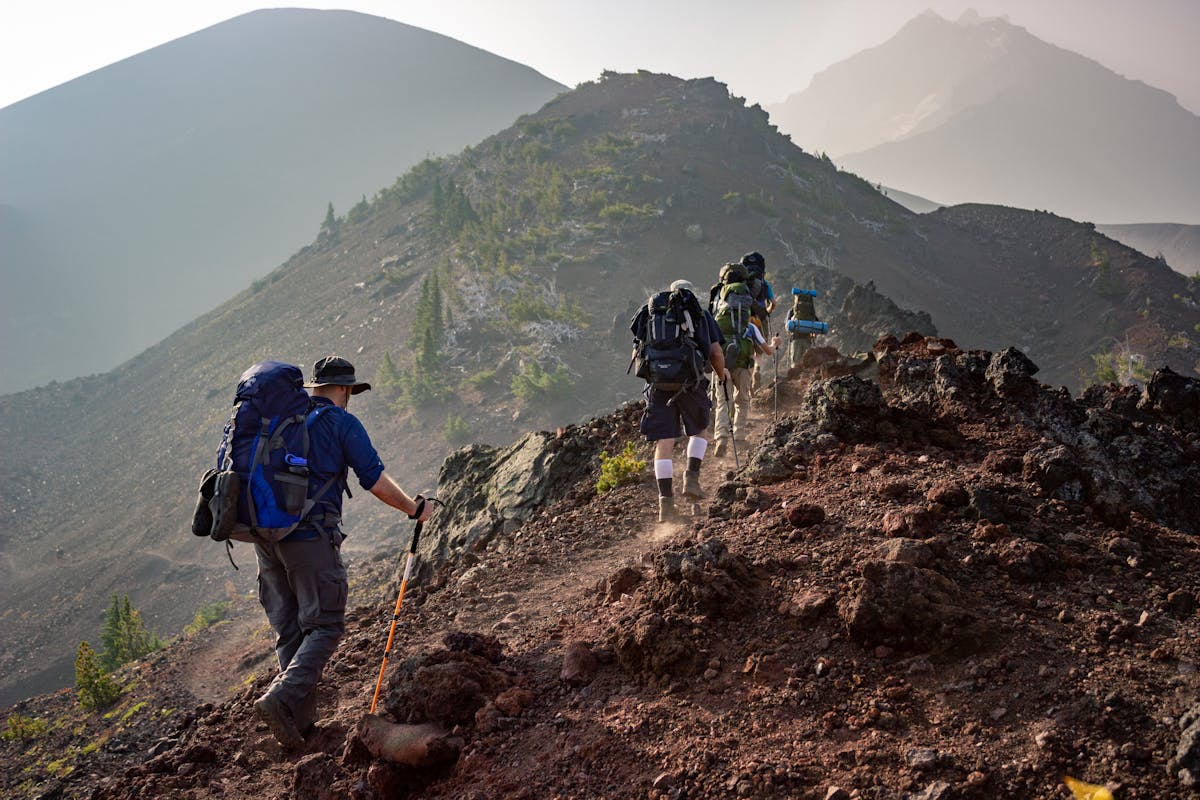
Japan is one of the world’s great hiking destinations, yet it remains surprisingly overlooked by travellers who stick to the Tokyo-Kyoto-Osaka corridor. With more than 70% of its land covered by mountains and forest, Japan offers hiking experiences ranging from gentle forest walks between onsen towns to challenging multi-day traverses of remote alpine terrain. For beginners especially, Japan is an ideal country to start hiking — trails are generally well-marked, huts and facilities are available at regular intervals, and the cultural immersion of mountain villages and temple paths adds a dimension that purely wilderness hikes cannot match.
This guide covers the best beginner hiking trails in Japan, essential gear and preparation, practical tips for first-time hikers, and how to get to the trailheads.
Why Japan for Hiking?
Japan’s hiking culture is ancient and deep. The country has a tradition of mountain worship (sangaku shinko) going back over a thousand years, and many of its most important peaks — Mount Fuji, Mount Koya, the Kumano mountains, Dewa Sanzan — have been pilgrimage routes for centuries. This means that many Japanese hiking trails follow routes of genuine cultural and spiritual significance, passing through ancient cedar forests, past mountain shrines, and through villages that have served pilgrims for generations.
For practical purposes, Japan’s trail system offers several advantages for beginners: trails are typically very well-marked (often with coloured rope markers, stone cairns, and wooden signposts), mountain huts (yamagoya) provide shelter, food, and water on major routes, mobile phone coverage extends surprisingly far into the mountains, and rescue services are effective. Japan also has excellent hiking infrastructure in terms of transport — most trailheads are reachable by bus from major stations.
Best Beginner Hiking Trails in Japan
1. Kumano Kodo Pilgrimage Routes, Wakayama
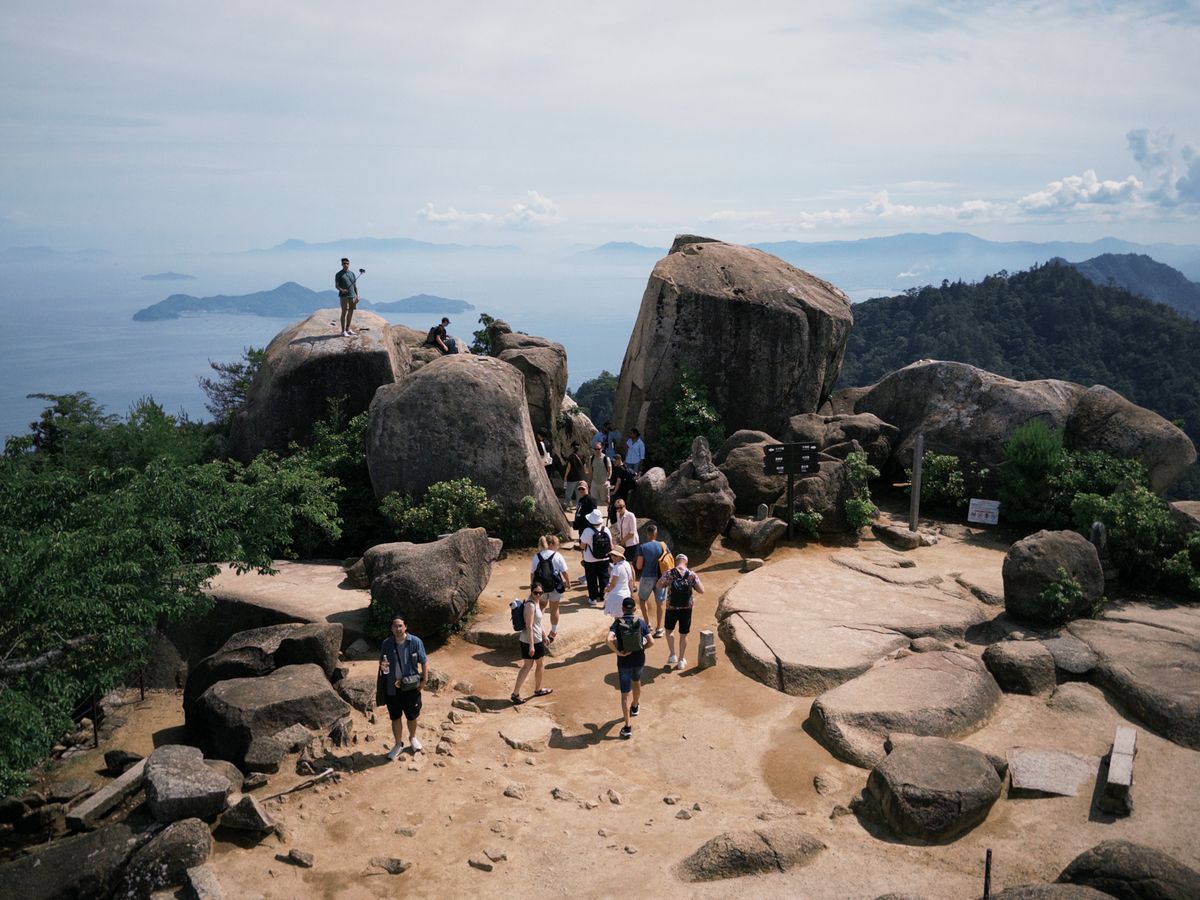
The Kumano Kodo is a network of ancient pilgrimage trails through the Kii Peninsula south of Osaka, connecting three grand shrines: Kumano Hongu Taisha, Kumano Hayatama Taisha, and Kumano Nachi Taisha. A UNESCO World Heritage Site since 2004, the Kumano Kodo is one of only two pilgrimage routes in the world to hold this designation (the other is the Camino de Santiago in Spain).
For beginners, the most accessible section is the Nakahechi route, particularly the two-day walk from Takijiri-oji to Kumano Hongu Taisha (approximately 35 kilometres). The trails are well-maintained, mostly through ancient cedar and cypress forest, with regular rest stops, oji (subsidiary shrines) marking significant points, and accommodation in traditional minshuku guesthouses along the way. The atmosphere — misty ancient forests, moss-covered stone steps, the sound of cicadas and running water — is extraordinary.
Difficulty: Easy to moderate. The terrain is hilly but not steeply mountainous. The main challenge is distance (multiple days). Single-day sections can be walked independently.
Getting there: JR Kisei Line from Osaka/Kyoto to Kii-Tanabe Station (3–4 hours), then bus to Takijiri-oji. A JR Pass covers the main line.
2. Nakasendo Walk — Kiso Valley, Nagano
The Nakasendo (“Central Mountain Road”) was one of the two main roads connecting Kyoto to Edo (now Tokyo) during the Edo period (1603–1868). The best-preserved section runs through the Kiso Valley in Nagano Prefecture, between the post towns of Magome and Tsumago — an 8-kilometre walk through cedar forest and rice fields that takes approximately 2.5–3 hours at a leisurely pace.
This is Japan’s most beginner-friendly long-distance walk: the trail is flat to gently rolling, beautifully maintained, extremely well-marked in English, and ends in one of Japan’s best-preserved Edo-period post towns. The Tsumago townscape is extraordinary — no overhead wires, no modern signage, every building maintained in its original form. Luggage forwarding (¥1,000–¥2,000 per bag) is available between the two towns, so you can walk carrying only a day pack.
Difficulty: Easy. Suitable for all fitness levels.
Getting there: JR Chuo Line from Nagoya to Nagiso Station, then bus to Tsumago (approximately 10 minutes). Return from Magome bus to Nakatsugawa Station. Full details in our Nakasendo walking guide.
3. Mount Takao (高尾山), Tokyo
Mount Takao (599 metres) is the most visited mountain in Japan — and arguably the most visited mountain in the world, with over 2.5 million visitors per year. Located just 50 minutes from Shinjuku by Keio Line train, it is the perfect introduction to Japanese hiking for first-time visitors or those with limited time.
The main Trail 1 (Omotesandô Course) is wide, paved for much of its length, and leads through an interesting mix of cedar forest, ancient temples (Takao-san Yakuoin, founded in 744 AD), and increasingly fine views of Mount Fuji on clear days. The summit is a wide flat area with vendors selling hot sweet potato and dango rice cakes. You can return by cable car (¥490 one way) if your legs are tired. Trail 6 (Biwa-taki Course) follows a stream through denser forest and is more rewarding as an alternative ascent.
Difficulty: Very easy. Suitable for elderly visitors and children.
Getting there: Keio Takaosanguchi Line from Shinjuku Station (50 minutes, ¥390).

4. Shiretoko Peninsula, Hokkaido
The Shiretoko Peninsula in eastern Hokkaido is one of Japan’s wildest and most remote national parks, designated a UNESCO World Heritage Site for its exceptional biodiversity. The peninsula is home to brown bears, Steller’s sea eagles, red foxes, and Blakiston’s fish owls. The main hiking areas are the Shiretoko Five Lakes (五湖) boardwalk trail (an easy 1.6-kilometre elevated wooden boardwalk above the lakes) and the longer ground-level trail (3 kilometres, requires a guided tour from June to July due to bear activity).
For more experienced beginners, the Shiretoko Traverse between Rausu-dake (1,660 metres) and Io-zan is one of Japan’s great mountain hikes, with hot spring waterfalls that empty directly into the sea at the end. This requires proper preparation and ideally a registered guide.
Difficulty: Easy (elevated boardwalk) to strenuous (Traverse).
Getting there: Fly to Memanbetsu Airport (MBF) near Abashiri, then bus to Utoro (2 hours). Or JR network to Shari Station, then bus.
5. Daisetsuzan National Park, Hokkaido
Daisetsuzan (大雪山, “Great Snowy Mountains”) is Japan’s largest national park — 226,764 hectares of volcanic peaks, flower meadows, hot springs, and ancient forest. The main hiking area is accessed via the Sounkyo Gorge ropeway, which takes you to the high plateau around Kurodake and Asahidake. From the ropeway top station, a 6-kilometre round trip to Kurodake peak (1,984 metres) provides extraordinary views and good habitat for nakeys (alpine marmots). The full Daisetsuzan Traverse (Asahidake to Tomuraushi) is a 3–4 day alpine challenge for more serious walkers.
Difficulty: Moderate (day hike from ropeway) to very strenuous (Traverse).
Getting there: JR Kamikawa Station, then bus to Sounkyo (approximately 35 minutes).
6. Oze National Park, Gunma/Fukushima
Oze is Japan’s largest highland moor — a boggy plateau at 1,400 metres elevation that comes alive with skunk cabbages (mizubasho) in May and cotton grass in July. The entire park is crossed by elevated wooden boardwalks that protect the fragile bog ecosystem while providing an exceptional walking experience. The main circuit (approximately 20 kilometres, 6–8 hours) passes Ozenuma Lake and loops around the moor’s perimeter. Shorter routes of 8–12 kilometres are available.
Difficulty: Easy (boardwalk walking, minimal elevation gain).
Getting there: Bus from Numata Station (JR Joetsu Line) or from direct buses from Tokyo (Shinjuku, approximately 3 hours).
Japan Hiking Seasons
Spring (April–May): Lower mountain trails come alive with cherry blossoms and wildflowers. Snow still covers high alpine areas. The Kumano Kodo and Nakasendo walk are at their most beautiful. Beware: mountain bears emerge from hibernation in April and are active and hungry.
Summer (June–August): Peak hiking season for alpine routes. Rainy season (tsuyu, mid-June to mid-July) brings reliable rain in most of Japan but clears for the main hiking period from late July onwards. Mount Fuji opens for climbing July 1–September 10. High humidity in lower-elevation forests can be uncomfortable.
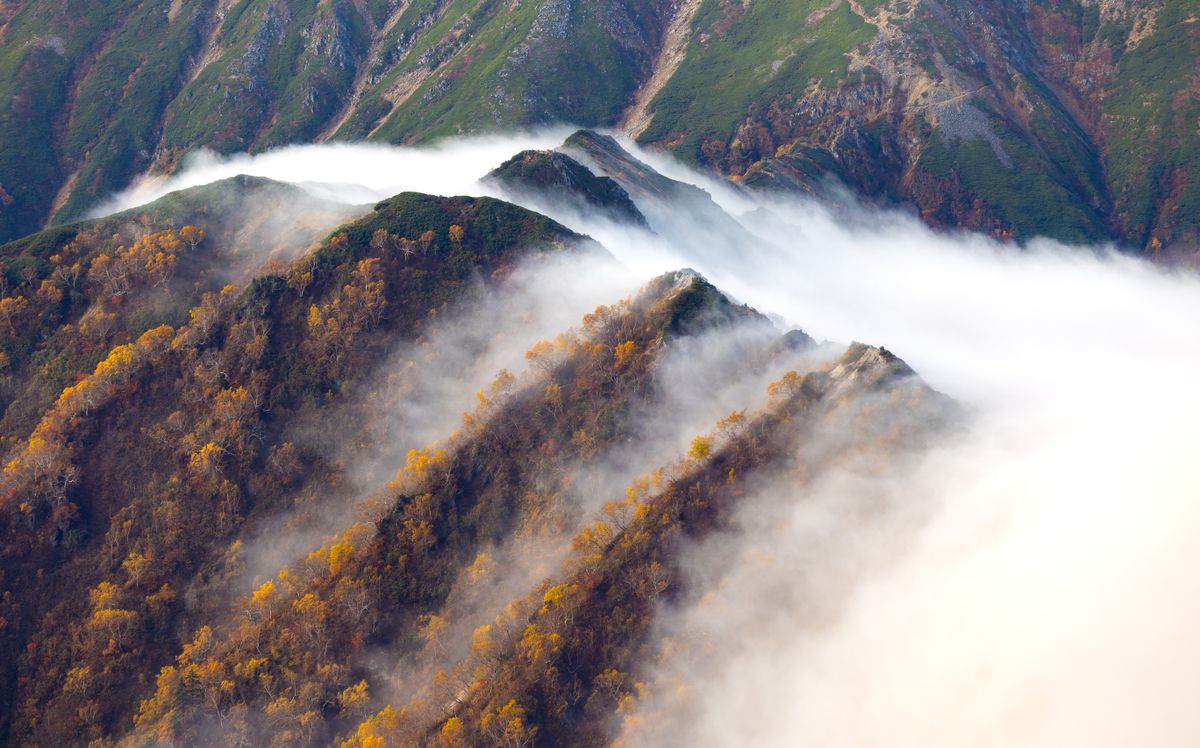
Autumn (September–November): Widely considered the best hiking season in Japan. The autumn foliage (koyo) transforms mountain forests into extraordinary displays of red, orange, and gold from mid-September (Hokkaido) to late November (central Honshu). Temperatures are ideal (10–18°C on trails), precipitation is lower than summer, and the mountain atmosphere is crisp and clear.
Winter (December–March): Low-altitude hikes (Nakasendo, Kumano Kodo sections) remain passable. High mountains require full alpine equipment and experience. Snowshoe hiking in Hokkaido (Daisetsuzan, Shiretoko) is a rewarding speciality activity. Not recommended for beginners above 1,000 metres.
Essential Gear for Hiking in Japan
Footwear: Proper waterproof hiking boots (not trail runners) for anything above an easy day walk. Japanese trails frequently have tree roots, mud, and wet stone surfaces. Ankle support is important. If you do not own hiking boots, they are available at outdoor equipment stores in major Japanese cities — Montbell, a Japanese outdoor brand, has excellent stores across the country with quality boots at reasonable prices.
Layers: Mountain weather in Japan can change dramatically. Even on summer hiking days, carry an insulating layer (fleece or down jacket) and a waterproof shell jacket. On Hokkaido mountains, proper wind and rain protection is essential even in August.
Water: Carry at least 1 litre per person for any hike. Mountain huts sell drinks but at premium prices (¥200–¥400 for a 500ml bottle). Many streams in Japanese mountains are safe to drink from, but carry a filter or purification tablets for backcountry routes.
Navigation: Download Yamap or StravaTrails with offline maps before your hike. Yamap (ヤマップ) is Japan’s most popular hiking app and has English interface — it shows your position on topographic maps even without signal.
Bear bells: Available at any outdoor shop or tourist information centre near hiking areas. Make noise in bear habitat (Hokkaido, northern Honshu). Whistles and singing also work.
Mountain Safety in Japan
File a hiking plan (登山届, tozandodoke): Japan has a voluntary (sometimes mandatory) mountain registration system. You can file your plan at the trailhead box, at local police stations, or online via kompas (Japan’s national mountain plan system). If you go missing, rescuers will know your planned route.
Remember, too, that mountain rescue and hospital care in Japan are billed directly to you as a visitor. This is exactly why many independent hikers carry travel medical cover such as SafetyWing — a simple pay-per-week plan — before heading up a trail.
Weather forecasts: Mountain weather forecast sites include Tenki-to-Kurasu (a speciality mountain weather service) and Japan Meteorological Agency. Always check before departing and be willing to turn back if conditions deteriorate.
Emergency number: 110 (police) or 119 (fire and ambulance) work in most areas. Mountain rescue in Japan is generally excellent, but response times in remote areas can be several hours.
Budget for Hiking in Japan
Hiking in Japan is one of the most affordable outdoor activities available. Main costs:
Transport to trailhead: ¥500–¥5,000 depending on distance. Mountain hut accommodation (if overnight): ¥8,000–¥12,000 per person including dinner and breakfast. Day hiking has no admission fee on most trails (some national park visitor centres charge ¥500–¥1,000). Equipment rental: available at some larger trailhead visitor centres for ¥500–¥2,000 per item.
Frequently Asked Questions
Q: Do I need to be fit to hike in Japan?
A: It depends entirely on the hike. Mount Takao (599m) is manageable for most people regardless of fitness level. The Kumano Kodo can be done in easy daily stages of 10–15 kilometres. Alpine routes in Hokkaido or the Japan Alps require good cardiovascular fitness and some prior hiking experience. Start with easier trails and build up.
Q: Are hiking trails in Japan well-marked in English?
A: Major tourist hiking routes (Kumano Kodo, Nakasendo, Mount Takao) have excellent English signage. More remote trails may have Japanese signage only, making the Yamap app with downloaded offline maps essential.
Q: Can I see Mount Fuji on a day hike?
A: The climbing season is July 1–September 10. Outside those dates, the official trails are closed and the summit is snow-covered — not suitable for beginners. During the season, the standard Yoshida Trail takes 5–7 hours to ascend and 3–4 hours to descend. See our complete Mount Fuji climbing guide for details.
Q: Are bears a real danger in Japan?
A: Brown bears in Hokkaido and Asian black bears (smaller, less dangerous) in Honshu are present in hiking areas. Bear encounters are uncommon but not unheard of. Make noise (bear bell, talking, singing) while hiking in bear areas, carry bear spray in Hokkaido, and follow local advice about areas to avoid.
Q: What is the best beginner multi-day hike in Japan?
A: The Magome-Tsumago section of the Nakasendo (8 kilometres, easy) is excellent for absolute beginners. For those wanting a longer multi-day experience, a 3-day section of the Kumano Nakahechi route is manageable with light training and proper footwear.
Final Thoughts
Japan’s hiking opportunities are vast, varied, and largely unknown to international visitors. From the ancient cedar forests of the Kumano Kodo to the wild volcanic plateaux of Hokkaido, from the perfectly preserved post towns of the Nakasendo to the year-round challenge of Mount Fuji, there is a hiking experience in Japan for every level of ability and interest. The country’s combination of outstanding natural beauty, rich cultural heritage, excellent trail infrastructure, and the promise of a hot bath and excellent food at the end of the day makes it arguably the world’s best hiking destination for beginners and experts alike.
Related guides
- Tomonoura Travel Guide 2026: A First-Timer’s Guide to Japan’s Best-Preserved Edo-Era Port Town in Hiroshima
- Chichibu Travel Guide 2026: A First-Timer’s Guide to Shibazakura, a Sacred Wolf Shrine, and Tokyo’s Best Mountain Day Trip in Saitama
- Kirishima Travel Guide 2026: A First-Timer’s Guide to Sacred Shrines, Volcanic Trails, and Kyushu’s Best Onsen in Kagoshima
Going to Japan? Talk to locals with confidence.
Hirameki Japanese — instant offline translation, camera translation, furigana + romaji, and 314 free flashcards. No login. Works without internet.

Plan your Japan trip
Two things every first-timer should book
Some links are affiliate links. If you book through them we may earn a small commission at no extra cost to you.