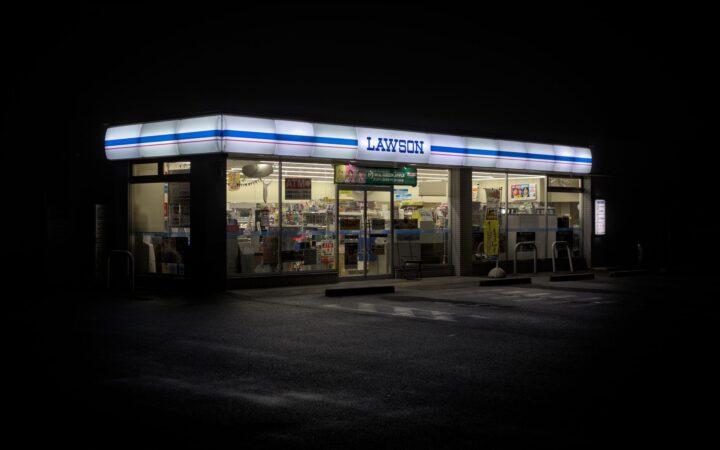
Japan consistently ranks among the safest countries in the world for solo female travel, and for very good reason. Violent crime against tourists — or anyone — is extremely rare. The cultural norm of meiwaku (not causing trouble or inconvenience to others) keeps public behaviour remarkably orderly. Harassment is less common than in most major Western cities. And the country’s infrastructure — clear signage, reliable transport, 24-hour convenience stores, excellent emergency services — makes navigating alone straightforward even on a first visit.
That said, solo female travel in Japan is not entirely without considerations. Groping on crowded trains (chikan) is a documented problem in major cities, women-only train carriages exist for a reason, and navigating the social dynamics of being a woman alone in some traditional settings requires some preparation. This guide covers everything solo female travellers need to know to have a safe, confident, and deeply rewarding trip to Japan.
Safety in Japan for Solo Women
Overall Safety
Japan’s crime rates are consistently among the lowest of any developed country. Theft is rare (many cafés and libraries have unattended bags and laptops with no incident). Physical assault of tourists is extremely uncommon. The country’s deep cultural emphasis on public order and social harmony creates an environment that most Western women describe as dramatically safer than their home cities.
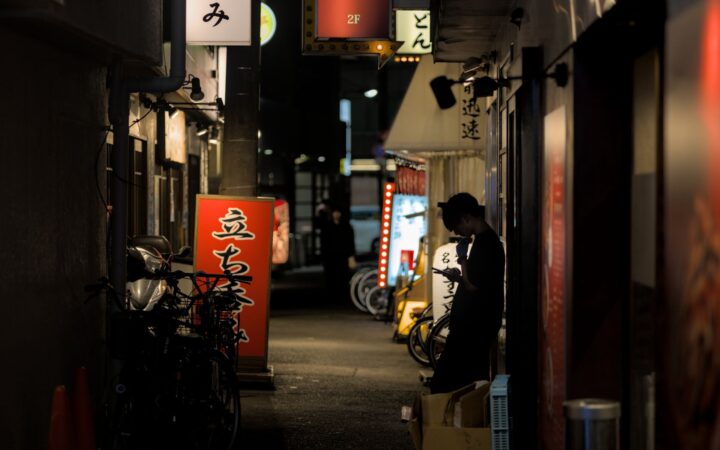
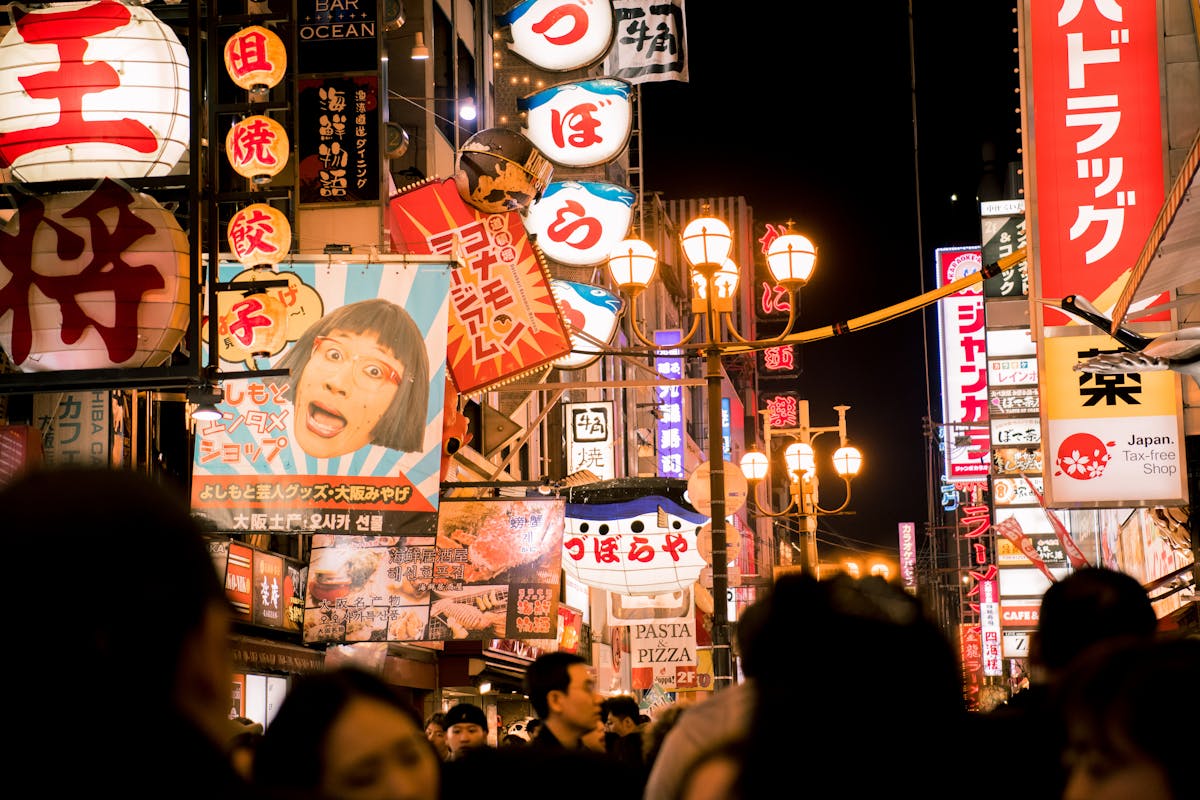
Walking alone at night in major Japanese cities is generally safe. The main areas requiring normal urban alertness are the entertainment districts of Tokyo (Kabukicho in Shinjuku, Roppongi) and Osaka (Namba’s smaller alleys late at night), where touts for clubs and hostess bars can be persistent but are rarely threatening.
Train Safety
The one documented safety concern for women in Japan is chikan (train groping) on crowded commuter trains, particularly in Tokyo and Osaka during rush hour (7:30–9:30, 17:30–19:30). This is taken seriously by Japanese rail operators, and most major lines have designated women-only carriages (女性専用車, joshi senyou-sha) on weekday mornings and sometimes evenings. These carriages are typically the first or last carriage of the train and are clearly marked with pink signage on platforms and on the carriage doors.
Women-only carriages are a good option during rush hour if you prefer them. Outside of rush hour, this is not a significant concern. If you experience or witness groping, you can loudly say “chikan!” (痴漢, “groper!”) — this is socially effective in Japan as it draws immediate attention. Transit police are present at major stations.
Best Destinations for Solo Female Travellers
Kyoto — The Cultural Soul of Japan
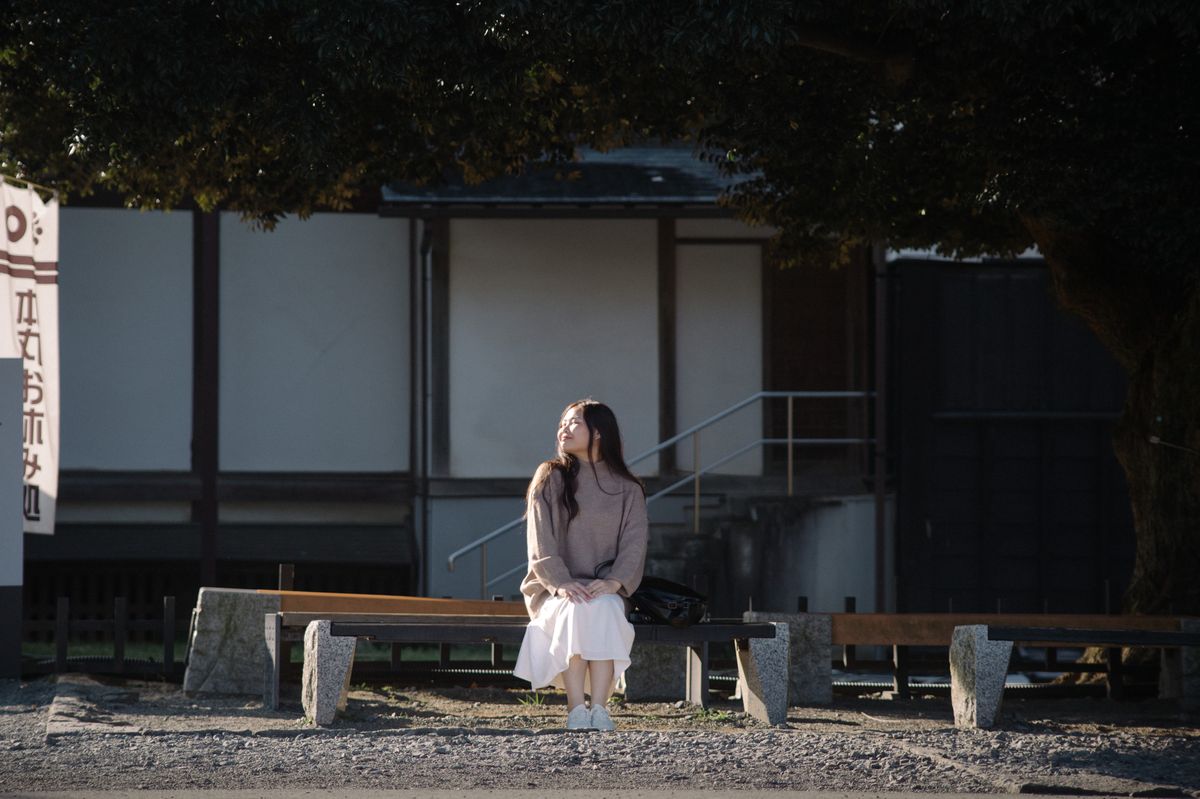
Kyoto is particularly popular with solo female travellers for its walkable scale, its extraordinary concentration of temples and gardens, its excellent café culture, and the ease of spending days pleasurably alone — reading in a traditional teahouse, meditating at a Zen garden, joining a tea ceremony class, or exploring the narrow lanes of Gion at dawn. The city feels gentle and unhurried compared to Tokyo.
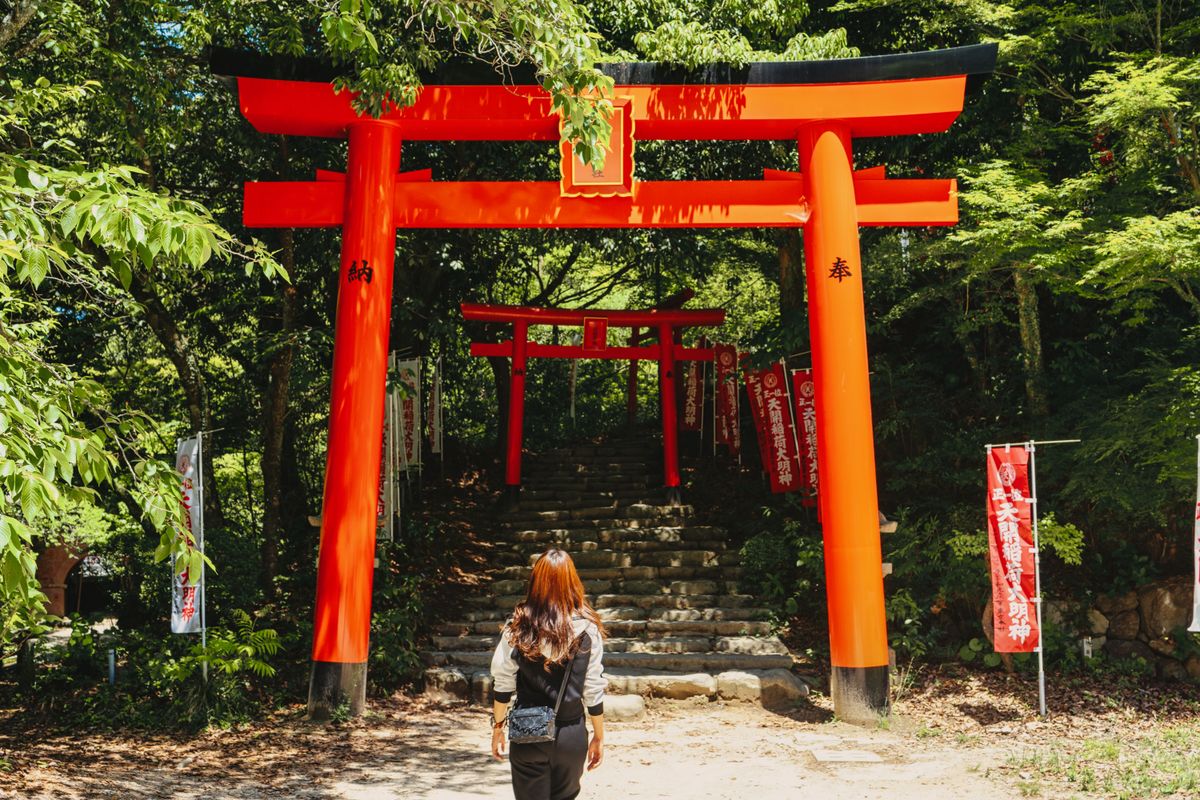
Solo-friendly specific recommendations: Fushimi Inari at dawn (arrive by 6:00 AM to have the lower torii gates largely to yourself — genuinely magical), the Philosopher’s Path in autumn, pottery workshops in the Kiyomizudera area, and the Nishiki Market food tasting walk. Many excellent small cafés and restaurants in Kyoto have counter seating that is socially comfortable for solo diners.
Tokyo — Stimulating and Liberating
Tokyo is energising for solo travel in a different way from Kyoto. The anonymity of a city of 14 million people, combined with its extraordinary density of interesting neighbourhoods, restaurants, and cultural experiences, makes it ideal for self-directed exploration. Tokyo’s young women’s neighbourhoods — Shimokitazawa, Koenji, Yanaka — have excellent independent cafés, vintage clothing shops, and live music venues that are welcoming to solo visitors.
For evening dining alone, sitting at a counter (カウンター席, kauntaa seki) is entirely normal and comfortable in Japanese culture. Counter seating at a ramen bar, sushi restaurant, or small yakitori grill is one of the great pleasures of solo travel in Japan — you eat well, you observe the cooking, and you may have interesting brief conversations with neighbouring diners or the chef.
Kanazawa — Underrated Gem
Kanazawa is one of Japan’s most rewarding cities for solo cultural immersion. Spared from World War II bombing, it has outstanding preserved geisha districts (Higashi Chaya-gai and Nishi Chaya-gai), the extraordinary Kenroku-en garden (one of Japan’s three great gardens), and an excellent contemporary art museum (21st Century Museum of Contemporary Art). The Omicho Market has excellent seafood for solo lunch — the counter seats at the small restaurants around the market are ideal. Kanazawa also has a vibrant craft tradition (Kaga Yuzen dyeing, Kenroku lacquerware, Kutani porcelain) with workshop experiences available.
Kyushu — Hot Springs and Outdoor Adventure
Kyushu, Japan’s southernmost main island, offers excellent solo travel experiences with a slightly more relaxed pace than central Honshu. Fukuoka is a fantastic food city (Hakata ramen, fresh oysters, tonkotsu culture) with a walkable size and excellent coffee scene. Beppu and its extraordinary concentration of onsen is perfect for solo retreat. The Aso volcanic caldera and Yufuin’s quiet mountain town atmosphere are both excellent solo destinations.
Accommodation for Solo Female Travellers
Women-Only Accommodation Options
Japan has an excellent range of women-only accommodation for those who prefer it:
Women-only hostels: Several hostels in Tokyo, Kyoto, and Osaka have women-only dormitory sections or women-only properties entirely. Nui Hostel (Asakusa), Bunka Hostel (Asakusa), and Book and Bed (Shinjuku/Ikebukuro) are popular with solo female travellers.
Ryokan: Traditional Japanese inns are generally very safe and comfortable for solo travellers. Many ryokan have private rooms with en-suite bathrooms (or private onsen access). The formal, service-oriented atmosphere of a good ryokan is welcoming to solo guests. Single supplement charges apply at most ryokan (¥2,000–¥5,000 extra over half the double rate).
Capsule hotels with women-only floors: As covered in our Japan Capsule Hotel Guide, most modern capsule hotels have separate women’s floors with enhanced facilities. Nine Hours, First Cabin, and The Millennials all provide excellent women-only floor options.
Dining Alone in Japan
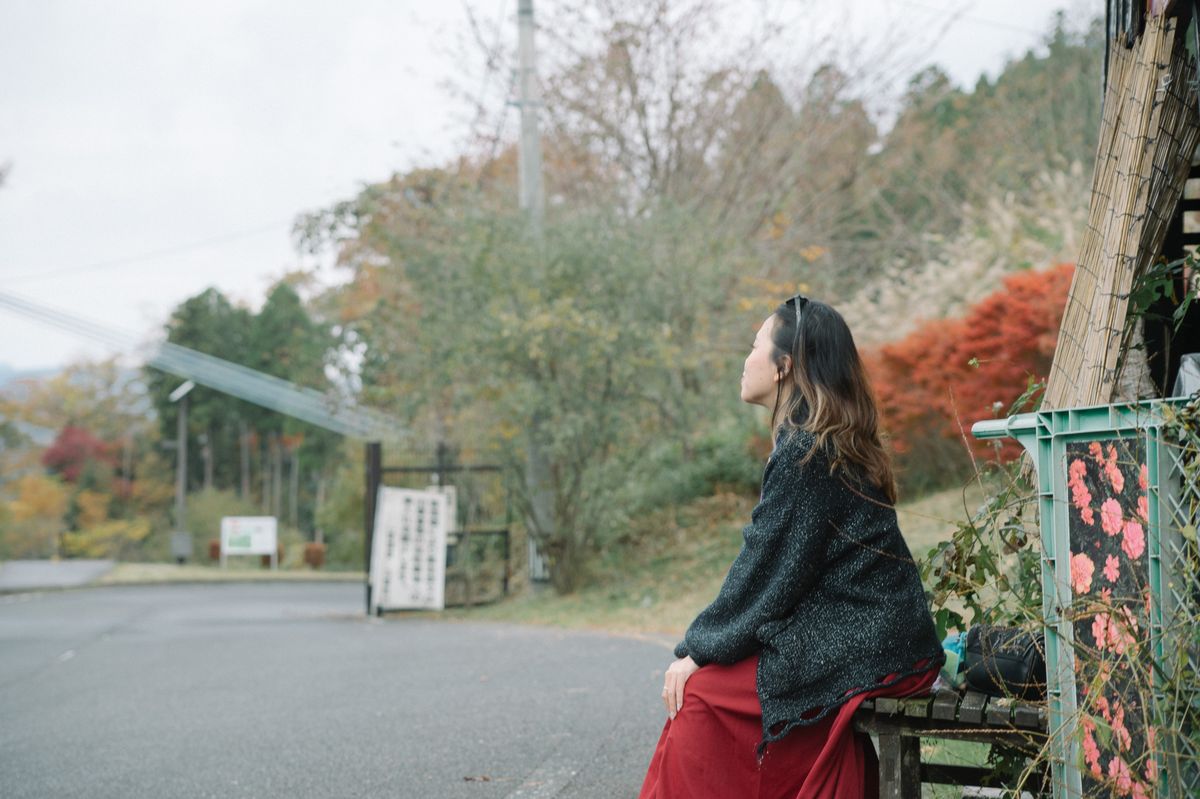
Solo dining is culturally normal in Japan — vastly more so than in many European countries or the Americas. Japanese solo dining culture has even spawned its own vocabulary: ohitori-sama (honourable one-alone) is the polite term for a solo diner, and many restaurants actively cater to solo visitors with counter seating, individual partitioned booths, or small-table arrangements.
For genuine solo dining comfort, these restaurant types are ideal:
Ramen bars: Counter seating is universal. You order at a ticket machine, hand the ticket to staff, and sit at the counter while your bowl is prepared. Virtually no social pressure. Excellent food. ¥800–¥1,500.
Kaiten-zushi (conveyor belt sushi): You sit at the counter or a booth, pick plates from the belt as they pass, and pay by the number of plates. Very interactive, no ordering pressure, excellent for solo visitors. ¥800–¥2,000.
Izakayas with counter seating: Many neighbourhood izakayas have counter seats perfect for solo diners. See our Japan Izakaya Guide for ordering advice.
Convenience store meals: Japan’s convenience stores are genuinely good for solo meals — onigiri rice balls, good sandwiches, excellent hot food counters. A complete and satisfying dinner from 7-Eleven costs ¥500–¥1,000. See our Japan Convenience Store Guide.
Practical Tips for Solo Female Travellers
Trust your instincts: Japan is very safe but not risk-free. The same instincts that serve you well at home serve you in Japan. If a situation or person feels wrong, remove yourself.
Carry cash: Japan remains more cash-reliant than most developed countries, particularly at smaller restaurants, local temples, and markets. Keep ¥5,000–¥10,000 accessible at all times.
Download useful apps: Google Translate (Japan offline pack), HyperDia (train route planner), Google Maps (offline downloaded areas), Japan Official Travel App (emergency information), and Yamap (if hiking).
IC Card in a lanyard wallet: Wearing your IC Card (Suica or ICOCA) in a lanyard wallet means you can tap in and out of train gates without fumbling in a bag — faster, more confident, and less distracting in busy stations.
Onsen etiquette: Onsen (hot spring baths) are separated by gender, so communal onsen are generally very comfortable for solo women. Remove all clothing, wash thoroughly before entering the bath, and do not submerge your towel. Mixed-gender onsen (konyoku) are rare and opt-in. Most mixed onsen allow swimwear.
Emergency services: 110 (police) and 119 (ambulance/fire). Major police boxes (koban) have at least basic English available and are located throughout Japanese cities. Embassy contact numbers should be saved in your phone before travel.
Solo Female Travel Itinerary Suggestions
7 days, first-time Japan: Tokyo (3 nights) — Hakone (1 night, ryokan with private onsen) — Kyoto (3 nights, including Nara day trip). Classic route, highly varied, excellent for solo cultural immersion.
10 days, deeper Japan: Tokyo (2 nights) — Kanazawa (2 nights) — Kyoto (3 nights) — Osaka (1 night) — Kyushu/Fukuoka (2 nights). Less-travelled middle section with excellent solo experiences.
Cultural immersion: Kyoto or Kanazawa (7+ nights) with tea ceremony lessons, craft workshops, cooking classes, temple morning meditation, and slow exploration of gardens and geisha districts. Ideal for those who prefer depth over breadth.
Budget for Solo Female Travel
Solo travel in Japan costs slightly more per person than travelling as a couple due to single supplements at accommodation and the inability to split transport costs. A realistic daily budget:
Budget (~¥8,000–¥12,000/day): Hostel dorm (¥3,000–¥4,500) + convenience store meals or cheap ramen (¥1,500–¥3,000) + transport (¥500–¥1,500) + admissions (¥500–¥1,500).
Mid-range (~¥18,000–¥25,000/day): Business hotel (¥8,000–¥12,000) + restaurant meals (¥3,000–¥5,000) + transport (¥1,000–¥2,000) + activities (¥2,000–¥4,000).
Comfortable (~¥35,000–¥50,000/day): Good hotel or ryokan (¥15,000–¥25,000 including meals) + restaurant meals + admissions + experiences.
Frequently Asked Questions
Q: Is Japan safe for solo female travellers at night?
A: Yes, with normal urban caution. Major cities are safe to walk at night in most neighbourhoods. The entertainment districts (Kabukicho, Roppongi, Namba) warrant more awareness — touts can be persistent but are rarely aggressive. Smaller towns and rural areas are very safe at any hour.
Q: Do I need to speak Japanese?
A: No. English signage is ubiquitous in tourist areas, train stations, and major attractions. Google Translate handles restaurant menus effectively. Most hotel staff speak workable English. Learning a few basic phrases (sumimasen — excuse me; arigatou gozaimasu — thank you; toire wa doko desu ka — where is the bathroom?) is appreciated but not required.
Q: Are there cultural dress codes for women?
A: No strict dress codes apply for most travel. Modest clothing is appropriate at temples and shrines (shoulders and knees covered) — lightweight scarves or a layer work well. At some very traditional ryokan, yukata (light cotton kimono) are provided and expected at dinner.
Q: Is solo female travel in Japan welcoming?
A: Generally yes. Japanese culture is not particularly forward with strangers, but solo travellers consistently report kind assistance when needed, helpful station staff, and a sense of being completely comfortable alone in public spaces. Women solo travellers in Japan report lower levels of unwanted male attention than in most European or American cities.
Final Thoughts
Japan offers solo female travellers a rare combination: genuine safety, extraordinary cultural depth, excellent infrastructure, and a social environment that is respectful of personal space and autonomy. The country rewards careful, curious exploration — the solo traveller who wanders into a neighbourhood izakaya, joins an early-morning temple meditation, or spends a day entirely lost in a single Kyoto temple garden will find experiences that group travel rarely provides. Japan is one of the very best countries in the world to travel alone as a woman, and many who go once return again and again.
Related guides
- Narita & Haneda Airport to Tokyo: The Complete Access Guide
- Best eSIM for Japan (2026): Honest Comparison for Travelers
- Suica vs Pasmo: The Complete Guide to Japan’s IC Cards (2026)
Insurance is part of solo-travel peace of mind too. If you get sick in Japan you’ll pay clinics upfront, and having a plan such as SafetyWing — bought by the week and managed entirely from your phone — means one less thing to sort out alone.
🗾 Planning your trip? Get our free 7-Day Japan Itinerary (PDF)
Day-by-day Tokyo → Kyoto → Osaka plan with real prices and essential phrases — sent straight to your inbox.
Going to Japan? Talk to locals with confidence.
Hirameki Japanese — instant offline translation, camera translation, furigana + romaji, and 314 free flashcards. No login. Works without internet.

Plan your Japan trip
Two things every first-timer should book
Some links are affiliate links. If you book through them we may earn a small commission at no extra cost to you.