Travelling to Japan with children is one of the most rewarding family adventures you can take. Japan is safe, child-friendly, spotlessly clean, and absolutely full of things that children find magical — from shinkansen bullet trains to deer that bow for crackers in Nara, from Studio Ghibli exhibitions to hands-on samurai experiences. Better yet, Japanese culture genuinely values children, and you will find that having kids in tow often opens doors that would otherwise be closed to adult tourists.
That said, planning a Japan trip with children does require some extra thought. Long flights, jet lag, shoe-removal at temples, and the absence of Western food in some regions can all cause friction. This guide covers everything families need to know to make a Japan trip go smoothly, from choosing the right destinations to managing the day-to-day logistics.
Is Japan Suitable for Families with Young Children?
Japan is consistently ranked among the safest countries in the world, which is a significant consideration for families. Street crime is extremely rare, children can play in public spaces without close adult supervision, and the infrastructure is excellent. Convenience stores (konbini) are open 24 hours and stock a wide range of food, drinks, nappies, and basic medicines. Hospital emergency departments in major cities have English-speaking staff, and the healthcare system is efficient and affordable.
Japan also has exceptional public transport, which is good news for families who might struggle with car seats and driving on the left. Shinkansen bullet trains have large overhead luggage racks, spacious seats, and trolley services selling snacks and drinks. Some Shinkansen have family-reserved cars with slightly lower-noise policies.
The main challenges for families with very young children (under 2): stroller accessibility at older temples and shrines (many have steps), the scarcity of Western baby formula (local brands are widely available but different), and managing shoe removal at temples (which can be tricky with toddlers in complicated shoes).
Best Destinations in Japan for Families
Tokyo — The Ultimate Family City
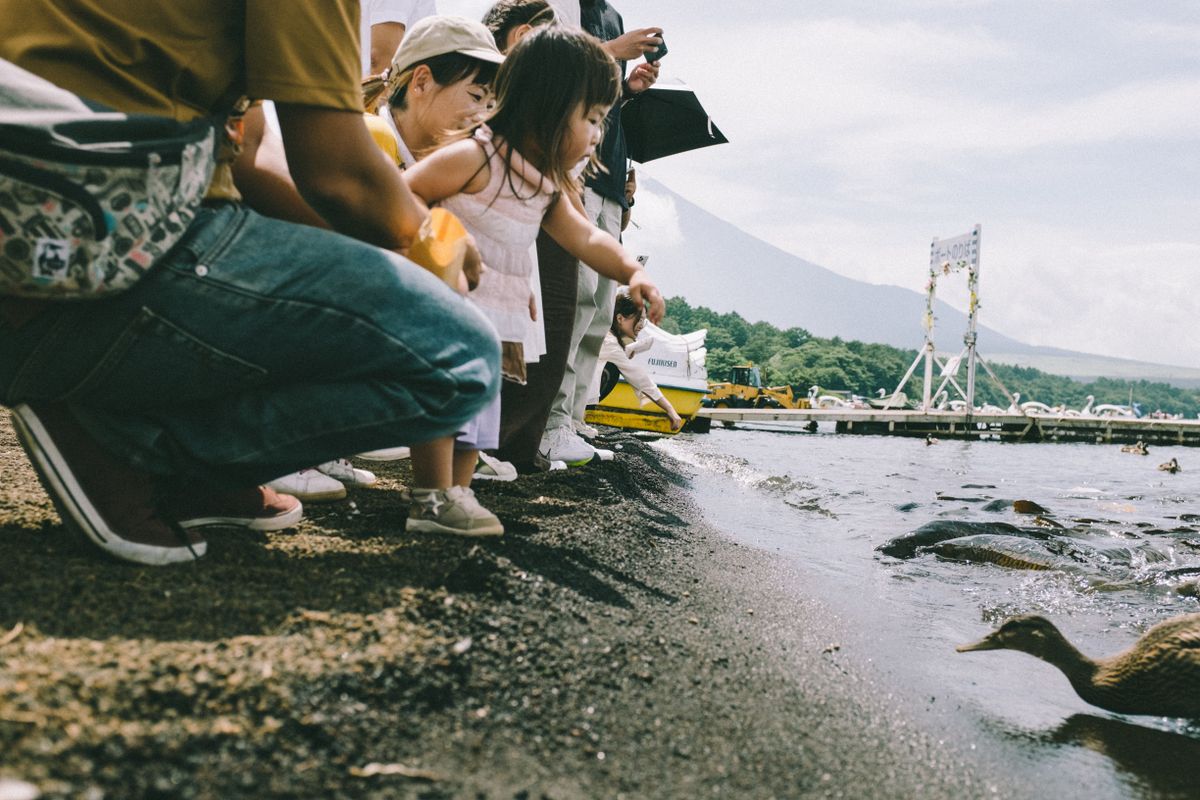
Tokyo offers more family-friendly attractions per square kilometre than almost anywhere on earth. Here are the must-visits for families:
teamLab Borderless (or teamLab Planets): These immersive digital art museums are extraordinary for children of almost any age. Visitors walk through massive rooms filled with projected light, colour, and interactive digital art — it feels like stepping inside a dream. teamLab Planets in Toyosu is smaller and particularly suitable for families with younger children (no strollers allowed in some sections, but worth it). Admission is ¥3,200–¥3,800 per adult, ¥1,000–¥1,800 per child.
Ueno Zoo: Japan’s oldest zoo, with giant pandas, gorillas, and a broad collection of animals. Located in Ueno Park alongside the National Museum of Nature and Science. Great for a half day with younger children. Admission ¥600 adults, free under 13.
Odaiba — the futuristic waterfront island: Odaiba has multiple family attractions in a compact area. The Toyota Mega Web is a free interactive car experience. Legoland Discovery Center (¥2,300), Joypolis Sega indoor theme park (¥800 entry), and a full-scale Gundam statue in front of the DiverCity shopping mall are all clustered here.
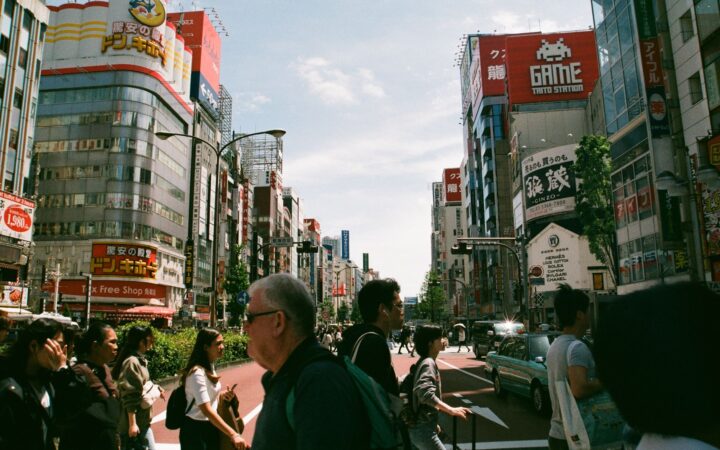
Akihabara: Older children interested in anime, manga, gaming, and electronics will be in heaven. The multi-storey SEGA arcades with prize-winning claw machines alone can entertain for hours.
Tokyo Disneyland and DisneySea: Both Disney parks are exceptionally well-run (see our separate guide comparing the two). They are the world’s most popular Disney parks outside of the American originals. Both parks are located in Urayasu, about 15 minutes from central Tokyo by direct train.
Kyoto — History Comes Alive
Kyoto works well for families with children aged 8 and above who have some interest in history, nature, or traditional culture. For younger children, it can be difficult — many temples require significant walking, shoe removal, and quiet behaviour that may be challenging.
The best Kyoto experiences for families: Nijo Castle (excellent for older children interested in feudal history), Arashiyama Bamboo Grove (short walk, dramatic visuals), Nishiki Market food tasting, and rickshaw tours of Gion (rickshaw rides are great for kids who are tired of walking). The Kyoto Railway Museum (¥1,200 adults, ¥500 children) has an impressive collection of trains including a Shinkansen simulator — excellent for train-obsessed children.
Nara — The Deer Park
Nara is almost universally loved by children. The freely roaming deer in Nara Park have been interacting with humans for centuries and are generally calm and approachable (though they can be pushy when you have crackers). The Great Buddha at Todaiji is genuinely awe-inspiring even for young children who have no context for Buddhist history — it is simply massive and astonishing. The single pillar in the Great Buddha’s base has a hole in it said to be the same size as the Buddha’s nostril — children love crawling through it for luck.
Hakone — Mount Fuji Views and Onsen
Hakone is the easiest destination for a Mount Fuji view and is perfectly manageable with children. The Hakone Free Pass (¥4,000 adults, ¥1,000 children) covers the Romancecar train from Shinjuku, the famous Hakone Ropeway over volcanic Owakudani (active volcanic area, dramatic for older children), and the Lake Ashi sightseeing boat. Many Hakone hotels and ryokan have private onsen rooms (kazoku-buro) that families can book by the hour — a perfect introduction to onsen culture that avoids the communal bathing element.
Hokkaido — Nature and Animals
Hokkaido offers extraordinary nature experiences for families. The Asahiyama Zoo near Asahikawa is consistently ranked Japan’s most popular zoo, famous for its innovative habitats that show animals in natural behaviours (polar bears swimming above you through a water tunnel, penguins walking along a raised walkway at eye level). In winter, the Sapporo Snow Festival is a magical experience for children, with massive ice sculptures including interactive ones with slides and tunnels. The Noboribetsu hot spring hell valleys (Jigokudani) are dramatic and safe to walk around.
Getting Around Japan with Children
Shinkansen bullet trains: Children aged 6–11 travel at half price on the Shinkansen. Children under 6 travel free (one child per adult). The journey from Tokyo to Kyoto (2 hours 15 minutes on the Hikari) is exciting for children and much less stressful than a flight. Book a window seat on the right side (going from Tokyo to Kyoto) for the best view of Mount Fuji.
Strollers: Japan’s trains and elevators accommodate strollers well. However, folding the stroller is expected on escalators and in crowded trains, and many older temples and shrines have steps that are not stroller-accessible. A baby carrier for younger children is a worthwhile supplement to a stroller.
IC Cards: Get an IC Card (Suica or ICOCA) for each family member aged 6 and over. They make hopping on trains and buses completely seamless. Children under 6 ride free; children aged 6–11 pay child fares (roughly half adult price).
Food and Eating Out with Children
Japanese food is generally well-suited to children. Rice, noodles, mild soups, fried chicken (karaage), tempura, and edamame are all commonly eaten by Japanese children and widely available. Sushi restaurants in Japan typically have far less of the raw fish variety than Westerners expect at the cheaper end — kappa maki (cucumber roll), tamago (egg), and ebi (cooked prawn) are good starter options for children.
Ramen: Most ramen shops have a mild chicken or soy-based broth option that children enjoy. The thick Sapporo miso ramen is particularly popular with children. Eating ramen is interactive and fun — slurping is not only acceptable in Japan, it is considered a compliment to the chef.
Convenience store food: Japan’s convenience stores (7-Eleven, FamilyMart, Lawson) are extraordinarily good for family meals on the go. Onigiri rice triangles (¥130–¥180), hot fried chicken, soft-boiled eggs, fresh sandwiches, and good-quality noodle cups are all available 24 hours a day. See our Japan Convenience Store Guide.
Allergen labelling: Japan has strict allergen labelling laws. The main allergens (wheat, milk, eggs, peanuts, prawns, crab, buckwheat, and sesame) are listed on packaged food. Restaurant menus are increasingly available in English or with photographs at family-oriented restaurants.
Practical Tips for Families in Japan
Jet lag: Japan is typically 8–17 hours ahead of Europe, the Americas, and Australia. Build in one or two low-key days at the start of your trip for acclimatisation. Children often adjust faster than adults but may wake extremely early for the first few days.
Comfortable shoes are essential: You will walk an enormous amount. Children (and adults) need broken-in, comfortable walking shoes. Slip-on shoes are useful since you remove them frequently at temples, traditional restaurants, and some ryokan. Avoid shoes with complex laces that are slow to remove.
Book popular attractions in advance: teamLab, DisneySea, and some popular ryokan require advance booking — sometimes months in advance during peak season. Check availability as soon as you confirm your travel dates.
Carry cash: While card acceptance is improving, many smaller temples, street food stalls, and local restaurants remain cash-only. Keep ¥5,000–¥10,000 available per family member per day for incidentals.
Baby-friendly facilities: Major stations, department stores, and shopping malls in Japan have excellent baby rooms (授乳室, junyushitsu) with changing tables, warm water, and nursing chairs. Convenience stores and pharmacies sell nappies, formula, and basic baby supplies. Look for the “baby room” symbol (a stork with a baby).
Best Time to Visit Japan with Kids
Spring (March–May): Cherry blossom season (late March–mid April) is magical for families — parks like Maruyama Park in Kyoto hold hanami (flower viewing) picnics and the atmosphere is festive and family-friendly. However, this is the busiest time of year, with higher prices and larger crowds. Mid-April to May (post-cherry blossom) is slightly quieter with excellent weather.
Autumn (October–November): Beautiful autumn foliage and perfect walking weather. Less crowded than spring except on peak autumn leaf weekends. Halloween events at Tokyo Disneyland in October are a highlight for children.
Summer (July–August): Hot and humid (30–38°C in Tokyo and Osaka), which can be exhausting with children. However, summer has excellent festivals (Gion Matsuri in Kyoto, Awa Odori in Tokushima, Obon period), fireworks displays, and water parks. Hokkaido is comfortable in summer even when the rest of Japan swelters.
Winter (December–February): Cold but clear. Excellent for skiing in Hokkaido or the Alps. Christmas illuminations in Tokyo and Osaka are spectacular. Snow festivals in Sapporo (February) are extraordinary for children. Onsen are at their most enjoyable in cold weather.
Budget Breakdown for a Family of 4 in Japan
Here is a realistic daily budget for a family of two adults and two children (aged 8 and 12) in Japan:
Budget (~¥45,000/day for family of 4): Business hotel with family room (¥15,000–¥20,000) + Shinkansen (if travelling, ¥15,000–¥25,000 total for a day trip) + meals ¥8,000–¥12,000 + admissions ¥2,000–¥4,000. Total approximately ¥40,000–¥60,000 per day depending on transport.
Mid-range (~¥70,000–¥100,000/day): Good hotel or ryokan (¥30,000–¥50,000 including meals) + admissions ¥6,000–¥10,000 + activities ¥5,000–¥10,000 + snacks/extra food ¥5,000.
A 10-day family trip (flights, accommodation, transport, food, admissions) typically costs ¥500,000–¥800,000 (approximately $3,300–$5,300 USD or £2,600–£4,200 GBP) for a family of four, depending on accommodation choices and origin country.
Frequently Asked Questions
Q: What is the minimum age for the shinkansen?
A: There is no minimum age. Children under 6 ride free. Children 6–11 pay half price. Babies can be carried on your lap at no charge.
Q: Are Japanese theme parks safe for children?
A: Yes — Japanese theme parks have excellent safety records. Height restrictions apply to most rides and are strictly enforced. Tokyo Disneyland and DisneySea are particularly well-designed with excellent signage in English.
Q: Can I bring a pushchair/stroller to Japan?
A: Yes, though be prepared to fold it in crowded trains and at many temple staircases. Modern stations have elevators. A lightweight, easy-fold stroller is recommended over a heavy travel system.
Q: Is Japanese food safe for children with common allergies?
A: Japan uses soy, wheat, and sesame extensively in its cuisine, so coeliac disease and soy/sesame allergies require careful management. Carry allergen cards written in Japanese explaining your child’s specific allergies — these are available free from various Japan travel websites.
Q: What is a good first Japan trip for a family?
A: Tokyo (4–5 nights) for theme parks and Odaiba, Hakone (1–2 nights) for Mount Fuji and onsen, Kyoto (2–3 nights) with a day trip to Nara. This classic route covers the highlights while keeping transport straightforward.
Final Thoughts
Japan consistently surprises families who arrive expecting it to be difficult or expensive. The combination of genuine safety, extraordinary food, excellent transport, and a culture that openly delights in children makes it one of the world’s great family travel destinations. Children who visit Japan often become passionate Japan fans for life — and that enthusiasm frequently translates into a lifetime of curiosity about Japanese culture, language, and history. There is no better souvenir than that.
Related guides
- Cash vs Card in Japan: Complete Money Guide for Tourists (2026)
- How to Travel Japan on a Budget: $50/Day is Possible (2026 Guide)
- Narita & Haneda Airport to Tokyo: The Complete Access Guide
Traveling with kids? Budget for the unexpected. A clinic visit somewhere in the trip is a real possibility, and Japanese hospitals bill visiting families in full. Weekly travel medical cover such as SafetyWing keeps a sudden fever from becoming a budget emergency.
🗾 Planning your trip? Get our free 7-Day Japan Itinerary (PDF)
Day-by-day Tokyo → Kyoto → Osaka plan with real prices and essential phrases — sent straight to your inbox.
Going to Japan? Talk to locals with confidence.
Hirameki Japanese — instant offline translation, camera translation, furigana + romaji, and 314 free flashcards. No login. Works without internet.

Plan your Japan trip
Two things every first-timer should book
Some links are affiliate links. If you book through them we may earn a small commission at no extra cost to you.