One of the most common concerns for first-time visitors to Japan is money: how much cash to carry, whether credit cards are widely accepted, where to find ATMs that work with foreign cards, and how to avoid currency exchange fees. Japan has a well-earned reputation as a cash-heavy society, and while that is changing rapidly, the reputation still has enough truth to it that coming unprepared can cause real problems. This guide tells you exactly what to expect, how much cash to carry, the best ways to exchange or access money, and how Japan’s payment landscape is evolving.
A note from Jack, editor of Japan Real Guide:
The Japan cash-versus-card question was more straightforward when I first started travelling to the country in 2012: the answer was always cash, everywhere. That has changed significantly in recent years — convenience stores, train systems, many urban restaurants, and most hotels now accept cards or IC card payments with no friction at all.
But rural Japan, smaller restaurants, temples, local festivals, and cash-only vending machines (still common outside cities) mean that arriving with no cash at all is still a mistake. My current approach: draw ¥30,000–¥40,000 from a 7-Eleven ATM on the first day (reliable, English interface, accepts foreign cards), keep ¥5,000–¥10,000 on hand at all times, and use the IC card (Suica or Pasmo) for all public transport and convenience store purchases.
The guide below reflects the current situation, not the Japan of ten years ago. Cashless adoption has been genuine, but the exceptions matter.
Is Japan Still a Cash-Only Society?
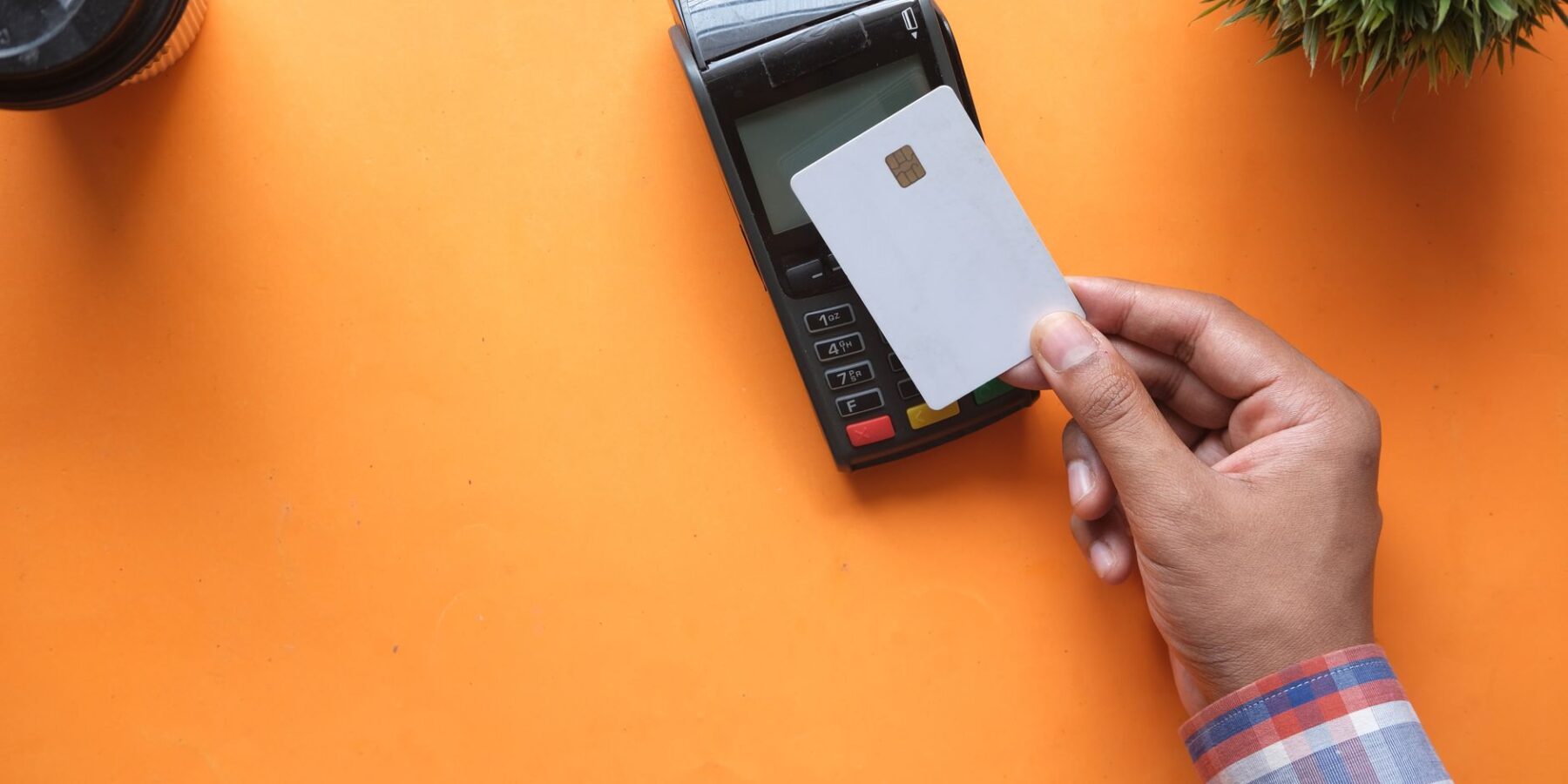
Japan has historically been one of the most cash-centric developed economies in the world. Even today, many traditional restaurants, small shops, rural accommodations, and older businesses operate on cash only. However, the payment landscape has changed significantly over the past five years, accelerated by the 2020 Olympics preparations and the COVID-19 pandemic’s push toward contactless payments.
The current reality: most urban businesses now accept cards or IC card payments; many rural and traditional establishments still require cash.
What this means practically:
- Major hotel chains, department stores, chain restaurants, convenience stores, and most tourist-oriented businesses: cards and IC cards widely accepted
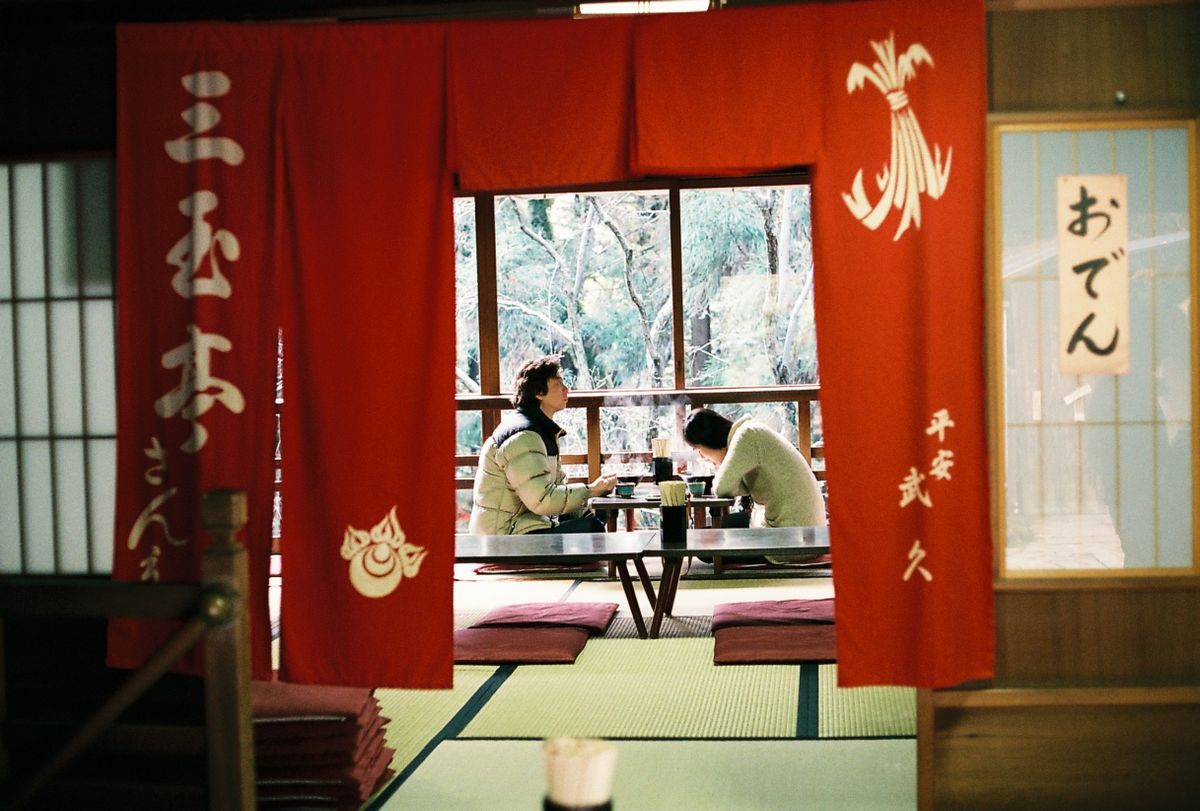
- Traditional ryokan, local restaurants, small izakaya, temples, shrines, markets, street food stalls, and rural businesses: very often cash only
- Public transport: IC cards (Suica/Pasmo) dominant; many Tokyo-area lines also take contactless credit card taps
- Taxis: most Tokyo taxis now accept cards and IC cards; rural taxis may be cash only
Our recommendation: Always carry a minimum of ¥10,000–¥20,000 ($65–$130 USD) in cash. It will get used. Do not rely entirely on cards in Japan.
Japanese Yen: Understanding the Currency
Japan’s currency is the yen (¥, JPY). Unlike most major currencies, yen is denominated in relatively small numbers — a cup of coffee costs ¥500–¥700, a bowl of ramen ¥800–¥1,500, and a train ticket ¥200–¥500. The psychological adjustment to dealing in hundreds and thousands of yen rather than single or double digits takes a day or two.
Coin Denominations
- ¥1 — Small aluminum coin; rarely needed
- ¥5 — Brass coin with hole; traditional “good luck” coin
- ¥10 — Bronze coin
- ¥50 — Silver coin with hole
- ¥100 — Silver coin (most commonly used)
- ¥500 — Bi-metallic coin (largest coin; worth $3.25 USD)
Banknote Denominations
- ¥1,000 — Most common note (~$6.50 USD)
- ¥5,000 — (~$32 USD)
- ¥10,000 — Highest denomination (~$65 USD) — most useful for larger purchases
New banknote designs were issued in 2024 featuring different historical figures. Both old and new notes are valid. Vending machines may not accept the newest notes initially.
Where to Get Japanese Yen: Best Options
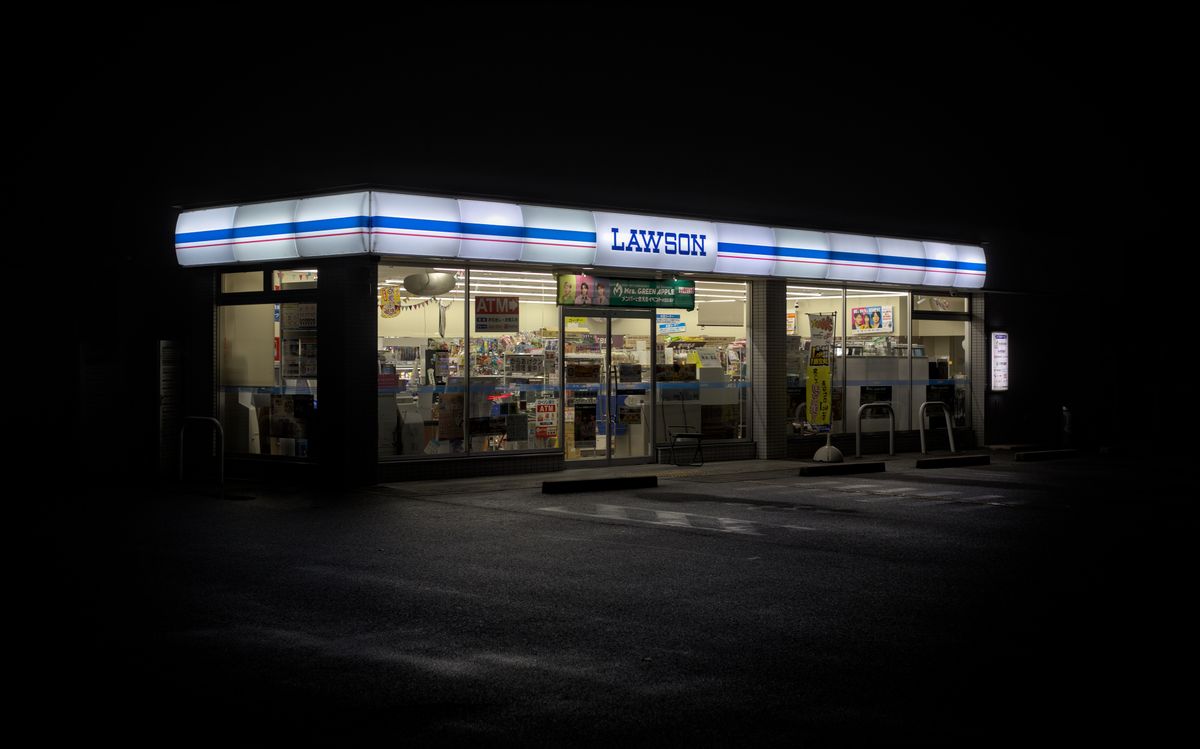
Option 1: 7-Eleven ATMs (Recommended)
The most reliable and widely available ATMs for foreign cards in Japan are those inside 7-Eleven convenience stores (operated by Seven Bank). They accept virtually all international Visa, Mastercard, American Express, and UnionPay cards, have full English menus, and are available 24 hours. The ATM fee is typically ¥110–¥220 ($0.71–$1.43 USD) per transaction on the Japanese side, plus whatever fee your home bank charges.
7-Eleven stores are ubiquitous in Japanese cities — there are over 21,000 locations nationwide — making this the most practical and reliable cash access method in Japan.
Option 2: Japan Post ATMs
Post office ATMs (available at all Japan Post locations) accept major international cards and often have the widest acceptance of obscure foreign cards. Hours are typically 9am–5pm on weekdays, with reduced hours on weekends. Less convenient than 7-Eleven due to hours but very reliable.
Option 3: Airport Currency Exchange
Currency exchange counters at major international airports (Narita, Haneda, Kansai) offer reasonable rates and are convenient on arrival. The rates are slightly worse than ATM rates, but the convenience of arriving in Japan with cash in hand is worth it. Exchange ¥20,000–¥30,000 ($130–$195 USD) on arrival to cover your first 2–3 days comfortably.
Option 4: Home Bank or Travel Cards
Using your home bank’s debit card at Japanese ATMs works if your card has international access (Visa or Mastercard network), but foreign transaction fees of 2–3% plus ATM fees can add up. Consider a dedicated travel card with no foreign transaction fees — Wise, Revolut, and Charles Schwab (US) are popular choices that minimize fees significantly.
What to Avoid
- Currency exchange at airport departure halls: Rates are terrible; exchange before leaving Japan
- Hotel currency exchange desks: Poor rates
- Foreign exchange stores in touristy areas: Often advertise good rates but charge high commissions
- Dynamic Currency Conversion (DCC): When a card terminal asks if you want to pay in your home currency — always choose JPY. Choosing your home currency hands control of the exchange rate to the merchant’s bank, which universally offers worse rates
IC Cards (Suica / Pasmo): Japan’s Essential Payment Tool
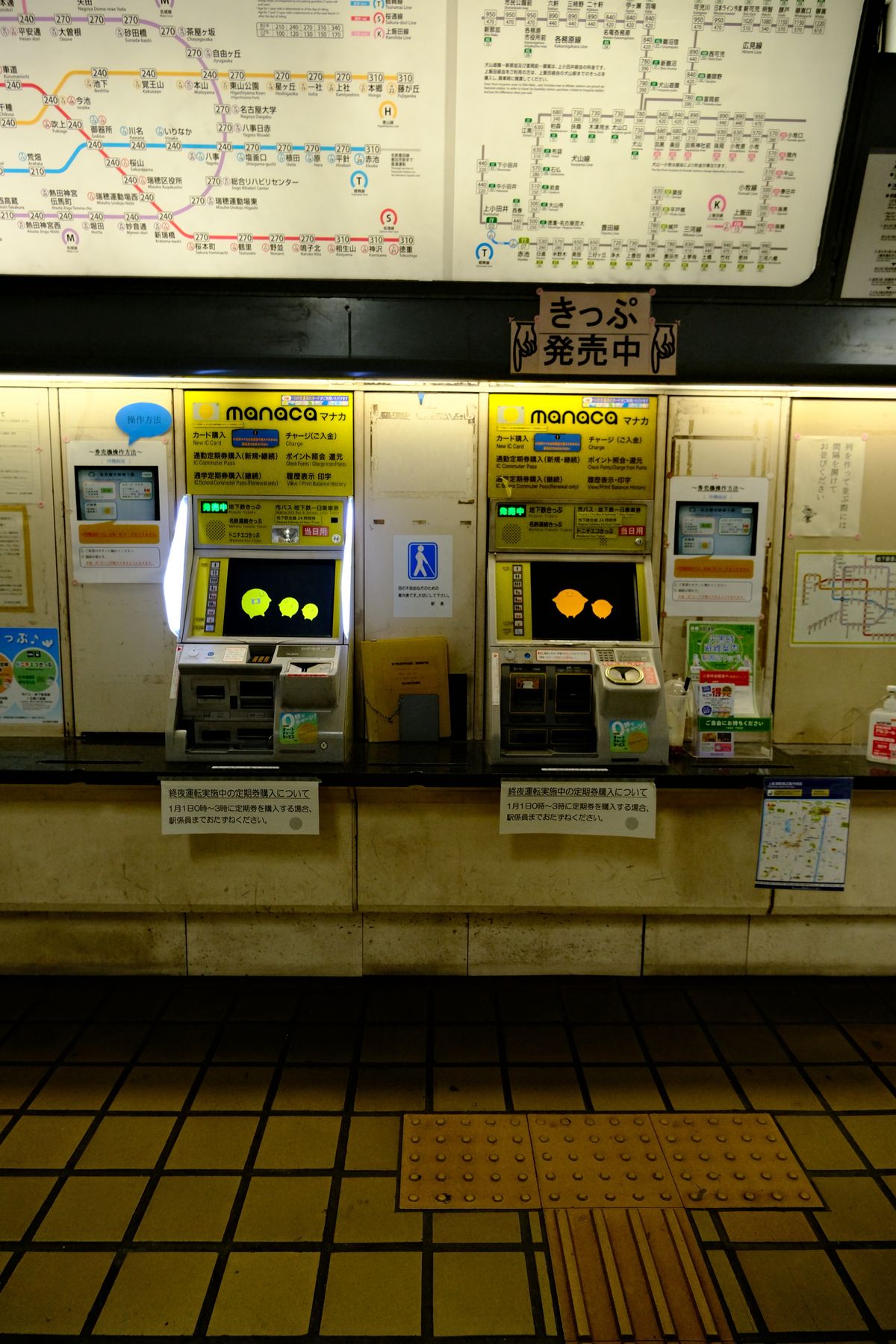
The Suica (JR East) and Pasmo (Tokyo Metro) are rechargeable IC smart cards that function as both transit passes and small-value payment cards. They are loaded with cash value and tapped on readers throughout Japan’s transport network and at thousands of retail locations.
What You Can Pay for with Suica/Pasmo
- All JR trains (within their network)
- Tokyo Metro and other subway systems
- Most city buses
- All 7-Eleven, Lawson, and FamilyMart convenience stores
- Vending machines throughout the country
- Many restaurants, taxis, and airport kiosks
How to Get a Suica or Pasmo
Physical cards (with a ¥500 deposit) are available at any JR East or Tokyo Metro ticket machine or staffed window. More conveniently, iPhone users can add a digital Suica directly to Apple Wallet before leaving home — no physical card needed, and you can charge it with an international credit card through the Suica app.
A chip shortage made physical Suica and PASMO cards hard to buy for a while, but they are back on sale: unregistered cards returned on March 1, 2025, and all card types are available again. You can also use the Welcome Suica (a simpler tourist version available at Haneda and Narita) or add Suica to your iPhone.
Credit Card Acceptance in Japan: What to Expect
Where Cards Are Widely Accepted
- Department stores (Isetan, Takashimaya, Mitsukoshi, etc.)
- Large chain restaurants (Yoshinoya, Sukiya, McDonald’s, Starbucks, etc.)
- Major hotel chains
- Convenience stores (7-Eleven, Lawson, FamilyMart)
- Tourist attraction ticket counters at major sites
- Most Shinkansen ticket counters and JR machines
- Larger pharmacies (Matsumoto Kiyoshi, etc.)
Where You Typically Need Cash
- Traditional ryokan (many still cash at checkout)
- Local restaurants and izakaya (especially smaller ones)
- Street food stalls and markets
- Temple and shrine admission fees
- Some coin lockers at stations (many take IC cards)
- Vending machines (though IC cards and WAON work at many now)
- Public baths and sento
- Some taxis outside major cities
- Local buses in rural areas
How Much Cash to Carry: Day-by-Day Estimates
| Type of Day | Estimated Cash Needed (JPY) | USD Equivalent |
|---|---|---|
| City day (Tokyo/Osaka) with meals | ¥3,000–¥8,000 | $19–$52 |
| Temple/shrine heavy day in Kyoto | ¥5,000–¥10,000 | $32–$65 |
| Day trip to rural area | ¥8,000–¥15,000 | $52–$98 |
| Ryokan stay checkout (if no card) | ¥15,000–¥40,000+ | $98–$260+ |
| Food market or festival day | ¥3,000–¥6,000 | $19–$39 |
A practical rule: withdraw ¥30,000–¥50,000 ($195–$325 USD) at the beginning of each week to have a comfortable buffer without carrying excessive cash.
Tipping in Japan: Important to Know
Tipping is not part of Japanese culture and is actively discouraged. Attempting to tip a waiter, taxi driver, or hotel staff may cause confusion or embarrassment. The price you pay is the full and complete price for the service. This is not false modesty — it reflects a genuine cultural value that good service is a professional obligation, not something requiring additional reward. Save your tipping instincts for when you return home.
Consumption Tax and Price Displays
Japan’s consumption tax (similar to VAT) is currently 10% for most goods and 8% for takeaway food and non-alcoholic beverages (eating in at restaurants is 10%). Since a legal change in 2021, prices must be displayed tax-inclusive (zei-komi), so the price you see on a menu or label is what you pay. No surprise additions at checkout.
Exception: Some businesses, particularly duty-free shops and certain tourist-area retailers, display pre-tax prices alongside the tax-inclusive price. Always check which price applies before deciding.
Tax-Free Shopping for Tourists
From November 1, 2026, Japan’s tax-free system works as a refund: at registered Tax-Free shops (look for the “Tax-Free” sticker) you pay the full price including 10% consumption tax, present your passport (or a Visit Japan Web tax-free QR code where accepted) and register how you want the refund paid. You need to spend at least ¥5,000 (before tax) in one store on one day, the goods must be for personal use, and they must leave Japan and clear Customs within 90 days of purchase. Before you check your bags at the airport, have your purchases confirmed at the customs tax-free kiosk in the departure area; the shop or its refund agent then pays the tax back afterwards, by card, bank transfer, app or cash at the departure port depending on the shop. Major department stores and electronics stores (Yodobashi Camera, Bic Camera, Don Quijote) all offer tax-free processing. Keep every item from each receipt with you until the airport check — if one item is missing, that whole receipt loses its refund. See our step-by-step guide to the new tax-free refund system.
Practical Money Tips for Japan
- Withdraw cash at 7-Eleven ATMs — most reliable for international cards, 24 hours, English menus
- Get a Suica or Pasmo IC card immediately on arrival — load ¥3,000–¥5,000 for transport and convenience stores
- Carry small bills: Many vending machines and ticket machines don’t accept ¥10,000 notes. Having ¥1,000 and ¥5,000 notes is more practical.
- Keep a coin pouch: Japanese coins accumulate quickly; a small pouch helps you use them rather than letting ¥500 coins pile up
- Always ask before assuming cards are accepted: When in doubt at smaller restaurants or shops, check — “Kado wa tsukaemasu ka?” (Can I use a card?) is a useful phrase
- Check your bank’s ATM policy: Some US and European banks charge $5 per international ATM withdrawal — switch to a travel-friendly bank account before your trip
- Wise or Revolut for currency exchange: These apps offer near-interbank exchange rates and very low fees — significantly better than traditional banks for loading your Suica or paying card-acceptance places
Book your Japan hotels on Agoda with card payment accepted →
Get your Japan eSIM (Stay connected from day 1) →
Frequently Asked Questions: Money in Japan
Do I need cash in Japan?
Yes. While card acceptance is improving, Japan still has many cash-only situations: traditional restaurants, temples, ryokan, street food, rural businesses, and coin lockers all commonly require cash. Always carry a minimum of ¥10,000–¥20,000 ($65–$130 USD) in cash at all times during your trip.
Do Japan ATMs accept foreign cards?
Yes, but not all ATMs. The most reliable ATMs for foreign cards are inside 7-Eleven convenience stores (Seven Bank ATMs), Japan Post offices, and some larger bank branches. Bank ATMs on the street (MUFG, SMBC, Mizuho) often don’t accept international cards. Always use 7-Eleven or Japan Post ATMs.
What is the best way to exchange money for Japan?
The most cost-effective method is withdrawing yen directly from 7-Eleven ATMs using a travel card with no foreign transaction fees (Wise, Revolut, or Charles Schwab). The exchange rate at these ATMs is typically very close to the interbank rate, and fees are minimal. Airport exchange counters are the next best option for convenience on arrival.
Can I use Apple Pay or Google Pay in Japan?
Yes, increasingly. Suica can be added to Apple Wallet for iPhone/Apple Watch, enabling tap-to-pay on transit and at IC card-accepting shops. Many Japanese stores also accept Apple Pay and Google Pay through credit card networks. However, this doesn’t substitute for cash at traditional establishments.
How much money should I budget per day in Japan?
Daily budgets vary enormously depending on accommodation and dining choices. A budget traveler staying in hostels and eating convenience store and ramen meals might spend ¥5,000–¥8,000 ($32–$52 USD) per day. A mid-range traveler (business hotel, sit-down meals, some sightseeing) typically spends ¥15,000–¥25,000 ($98–$163 USD) per day. Luxury travelers (high-end hotels, kaiseki, sake pairing) can easily spend ¥50,000+ ($325+ USD) per day.
Is Japan expensive compared to other Asian countries?
Japan is moderately priced by global standards but more expensive than most other Asian destinations. However, the value for money at every price point is exceptional — the quality of a ¥1,000 ($6.50 USD) ramen or ¥800 ($5 USD) convenience store meal in Japan surpasses comparable-price food almost anywhere else in the world. Many travelers find Japan less expensive than expected once they discover the excellent quality-to-price ratio at the everyday level.
Related guides
- Japan with Kids: Complete Family Travel Guide 2026 — Tips, Destinations, and Practical Advice
- How to Travel Japan on a Budget: $50/Day is Possible (2026 Guide)
- The Perfect 7-Day Japan Itinerary for First-Timers
Going to Japan? Speak Japanese with confidence.
Hirameki Japanese — camera translate for menus and signs, a two-way conversation mode, and furigana + romaji on every phrase. Free to download with kana charts, conversation mode and starter words; a one-time purchase unlocks everything.

Plan your Japan trip
Two things every first-timer should book
Some links are affiliate links. If you book through them we may earn a small commission at no extra cost to you.