In this guide
- The route at a glance
- Before you go
- Where to stay on this route
- Days 1–4: Tokyo
- Day 5: Hakone and Mount Fuji views
- Days 6–9: Kyoto and Nara
- Days 10–11: Osaka
- Days 12–14: Hiroshima, Miyajima and home
- The 7-day version
- The 10-day version
- Adjusting the route by season
- Day trips from each base
- Slower pace, families and older travelers
- Swaps and add-ons: Kanazawa, Nikko, Fuji Five Lakes
- Getting around: shinkansen fares and booking
- Japan Rail Pass or individual tickets?
- Budget for 1 and 2 weeks
- What to book, and when
- Practical tips for this route
- Frequently asked questions
- Plan the rest of your trip
The route at a glance
| Days | Base | Highlights | Travel |
|---|---|---|---|
| 1–4 | Tokyo | Asakusa, Shibuya, Shinjuku, a day trip to Nikko or Kamakura | Arrive at Narita or Haneda |
| 5 | Hakone | Ropeway, Lake Ashi, ryokan and onsen, Fuji views | Odakyu Romancecar from Shinjuku |
| 6–9 | Kyoto | Fushimi Inari, Kiyomizu-dera, Gion, Arashiyama; Nara day trip | Shinkansen from Odawara |
| 10–11 | Osaka | Dotonbori, Osaka Castle, street food; optional Himeji or Kobe | JR from Kyoto, 29 min |
| 12–13 | Hiroshima | Peace Memorial Park and Museum, Miyajima | Shinkansen from Shin-Osaka, about 1 h 20 min |
| 14 | Departure | Back to Tokyo (about 3 h 50 min) or fly from Kansai | Shinkansen |
This order works in reverse too, which suits flights into Kansai Airport and out of Tokyo. The 7- and 10-day versions further down keep the same backbone with fewer stops.
Before you go
- Arrival: from Narita, the Keisei Skyliner reaches Ueno in about 40 minutes for ¥2,580; from Haneda, the monorail or Keikyu line reaches central Tokyo quickly. Our airport guide compares every option, and you can buy Skyliner tickets on Klook in advance.
- IC card: set up Suica, PASMO or a mobile version before you start; it works on trains, buses and at konbini across all the cities on this route. See our IC card guide.
- Data: an Airalo eSIM installed before departure means maps and train apps work from the moment you land.
- Luggage: big suitcases are a pain on this route. Send them ahead with a luggage delivery service; Yamato charged ¥3,160 in cash for a large (160-size) case from Tokyo to Kyoto in October 2026. On the Tokaido and Sanyo shinkansen, bags over 160 cm in total dimensions need a seat with an oversized-baggage area, or you may pay a ¥1,000 fee on board. Our luggage forwarding guide explains how.
- Taxes: Japan’s departure tax rose to ¥3,000 on July 1, 2026, and Tokyo, Kyoto, Osaka, Hiroshima and Kanazawa all charge accommodation taxes, from ¥100–¥200 a night for most rooms up to ¥10,000 at Kyoto’s top band.
Your first-day checklist
- Activate your eSIM or pick up your pocket Wi-Fi before leaving the airport.
- Set up or buy an IC card, and top it up with cash at a station machine.
- Withdraw some yen for temples, small restaurants and rural buses.
- If you bought a JR Pass, decide your start date carefully: the 7 days run consecutively, so start it on the day of your first long shinkansen ride, not on arrival day in Tokyo.
- Arrange luggage delivery for your Tokyo-to-Kyoto move at your hotel front desk the evening before.
Where to stay on this route
Staying close to the main station in each city saves time on every travel day. Good bases for a first trip:
| City | Good bases | Why |
|---|---|---|
| Tokyo | Shinjuku, Shibuya, Tokyo Station and Ginza, Ueno and Asakusa | Direct trains to the airports; Tokyo Station for the shinkansen; Shinjuku for the Romancecar to Hakone |
| Hakone | A ryokan with its own onsen | The overnight stay is the point of the visit |
| Kyoto | Around Kyoto Station, or downtown between Shijo, Kawaramachi and Gion | Station area for easy arrivals and day trips; downtown for evenings and walking to sights |
| Osaka | Umeda (Osaka Station) or Namba | Umeda for JR and day trips; Namba for food and the Kintetsu and Nankai lines |
| Hiroshima | Near Hiroshima Station or the Peace Park | Station for the shinkansen; Peace Park area for evenings |
Accommodation taxes are added per person per night: Tokyo ¥100 or ¥200 for most rooms (a flat rate until March 31, 2027), Kyoto ¥200 to ¥10,000 depending on the room rate since March 2026, Osaka ¥200 to ¥500, Hiroshima ¥200 on rooms of ¥6,000 or more, and Kanazawa ¥200 or ¥500. Our guides to where to stay in Osaka and Kyoto go area by area.
Days 1–4: Tokyo
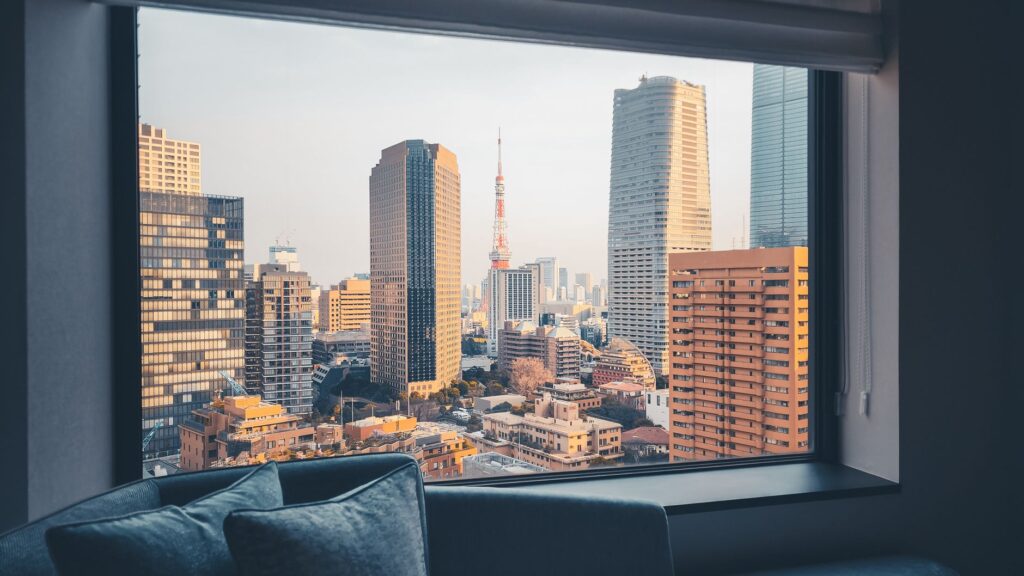
Four nights is enough for a first taste of Tokyo plus one day trip. Choose a hotel near a big station; our Tokyo hotels guide compares the areas, and you can check prices on Agoda.
Day 1: arrive and settle in
Get to your hotel, buy a few things at a konbini, and take an easy evening walk in your neighborhood. If you arrive early, Shinjuku’s skyscraper district and the lanes of Omoide Yokocho are good first impressions.
Day 2: east Tokyo
Start early at Senso-ji in Asakusa before the crowds, then cross to Tokyo Skytree (Tembo Deck from ¥1,800 online). In the afternoon, explore Ueno Park and the Ameyoko market street, and finish in Akihabara.
Day 3: west Tokyo
Meiji Jingu shrine in the morning, Harajuku and Omotesando, then Shibuya. SHIBUYA SKY’s rooftop costs ¥2,700 online for entry before 15:00 and ¥3,400 from 15:00 (more at the counter); tickets go on sale two weeks ahead at midnight Japan time, and sunset slots sell out first. End the day in Shinjuku.
Day 4: day trip or more Tokyo
- Nikko: shrines and mountain scenery; the Tobu limited express from Asakusa costs about ¥3,050.
- Kamakura: the Great Buddha and temples, about an hour by JR.
- Stay in Tokyo: teamLab Planets in Toyosu (from ¥3,800) or teamLab Borderless at Azabudai Hills (from ¥3,400), the Ghibli Museum (¥1,000 for adults, advance tickets only), or Tokyo Tower (Main Deck ¥1,500).
teamLab Planets is open 8:00–22:00 and is scheduled to run until the end of 2027, one minute from Shin-Toyosu Station; teamLab Borderless is permanent, two minutes from Kamiyacho Station, and costs ¥200 more if bought on site. Both use date-based pricing, so book online. Ghibli Museum tickets are sold only in advance, from 10:00 Japan time on the 10th of each month for the following month, through Lawson Ticket’s overseas site, and none are sold at the museum.
For getting around, the Tokyo Subway Ticket covers Tokyo Metro and Toei subway lines for 24, 48 or 72 hours (¥1,000, ¥1,500 or ¥2,000 since March 14, 2026). Our Tokyo day trips guide has more ideas.
Day 5: Hakone and Mount Fuji views
Hakone, in the mountains southwest of Tokyo, is the classic overnight stop for hot springs and a chance of seeing Mount Fuji. Take the Odakyu Romancecar from Shinjuku (about ¥2,470) and loop around by mountain railway, cable car, ropeway and pirate ship on Lake Ashi. The Hakone Freepass (¥7,100 from Odawara or ¥7,500 from Shinjuku) covers most of the loop. Spend the night at a ryokan with an onsen; our Hakone guide explains the circuit.
Fuji is shy: clouds hide it on many days, especially in summer. Winter mornings give the best odds. On the shinkansen west from Tokyo, seat E (the two-seat side in ordinary cars) faces Mount Fuji. See our Mount Fuji guide for viewing tips.
Days 6–9: Kyoto and Nara
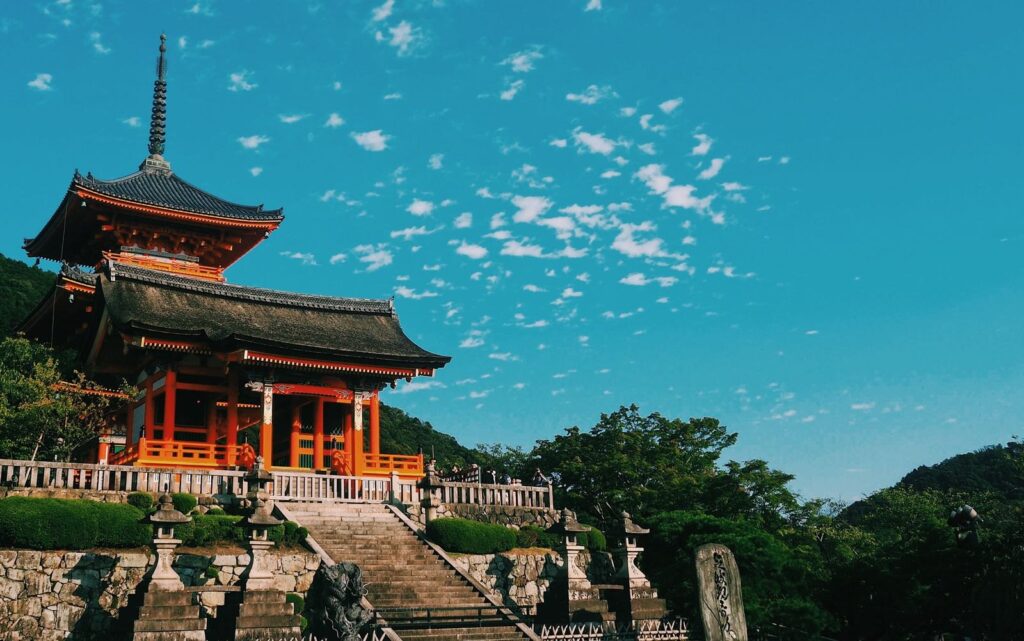
From Hakone, return to Odawara and take the Tokaido Shinkansen west to Kyoto; check the timetable for the fastest connection. Four nights in Kyoto lets you see the main sights without rushing and fit in a day in Nara. Our Kyoto where-to-stay guide compares the areas.
Day 6: arrive and southern Kyoto
Fushimi Inari Taisha is five minutes from Kyoto Station on the JR Nara Line (¥150 to Inari Station). The shrine never closes, so go early in the morning or late afternoon for fewer people.
Day 7: eastern Kyoto
Kiyomizu-dera opens at 6:00; from November 21 to 30, 2026 it also opens at night until 21:30. Walk down through the old lanes of Higashiyama to Gion, then north to Ginkaku-ji (the Silver Pavilion), whose adult fee doubled to ¥1,000 on April 1, 2026.
Day 8: Nara
The JR Miyakoji Rapid from Kyoto takes 47 minutes (¥720). In Nara, see Todaiji’s Great Buddha (¥800, cash only), Kasuga Taisha (grounds free) and the deer of Nara Park, then the Kofukuji National Treasure Museum (¥900, cash only). Feed the deer only the special crackers sold in the park, and keep your distance in autumn, when the males can be aggressive. Our Nara day trip guide has a full route.
Day 9: Arashiyama and northern Kyoto
Arashiyama’s bamboo grove and Tenryuji in the morning (see our Arashiyama guide), then Kinkaku-ji, the Golden Pavilion (¥500), in the afternoon. Alternatives: Nijo Castle (¥800, or ¥1,300 with the Ninomaru Palace; the Honmaru Palace costs ¥1,000 more and is booked online up to 30 days ahead) and the Kyoto Imperial Palace (free, closed Mondays and from December 28 to January 4, with free English tours at 10:00 and 14:00).
Seasonal extras in Kyoto
Ginkaku-ji holds an autumn special viewing from November 1 to December 5, 2026 (¥2,000 extra), and Kiyomizu-dera’s autumn night viewing runs November 21–30, 2026, with no booking needed. For Nara, the Kintetsu line from Kintetsu Kyoto is an alternative to JR: 46 minutes by express (¥760) or 33–35 minutes by limited express (¥1,280), arriving next to Nara Park. Kyoto plans a higher bus fare for non-residents from fiscal 2027, but it was not in force in 2026.
Getting around Kyoto
- The Subway and Bus 1-Day Pass costs ¥1,100; the bus-only pass ended in 2023. A single bus ride is ¥230.
- The sightseeing express buses EX100 and EX101 (¥500) link Kyoto Station with Kiyomizu, Gion and Ginkakuji, but only on weekends and holidays.
- Kyoto’s buses get very crowded; walking and trains are often faster between nearby sights.
Days 10–11: Osaka
Osaka is only 29 minutes from Kyoto by JR (¥580), or 43 minutes by Hankyu (¥410). It is Japan’s great food city: spend the evenings in Dotonbori and Shinsekai, and the days at Osaka Castle, the Umeda Sky Building or Universal Studios Japan (USJ prices vary by date; check the official site). The Osaka Amazing Pass (¥3,500 for one day, ¥5,000 for two calendar days, smartphone only, no child version) covers Osaka Metro, city buses and private railways within Osaka City, plus one entry each to about 40 attractions; a 28-hour version that starts at Kansai Airport costs ¥5,300 from October 2026. Universal City Station is about ¥200 by JR from central Osaka.
With a second day, take a day trip: Himeji Castle is about an hour away by JR (¥1,460), and Kobe 21 minutes (¥420). Our Osaka day trips guide has the details, including Himeji’s new ¥2,500 fee for visitors, and our Osaka where-to-stay guide covers hotels. Don’t miss our Osaka food guide.
Days 12–14: Hiroshima, Miyajima and home
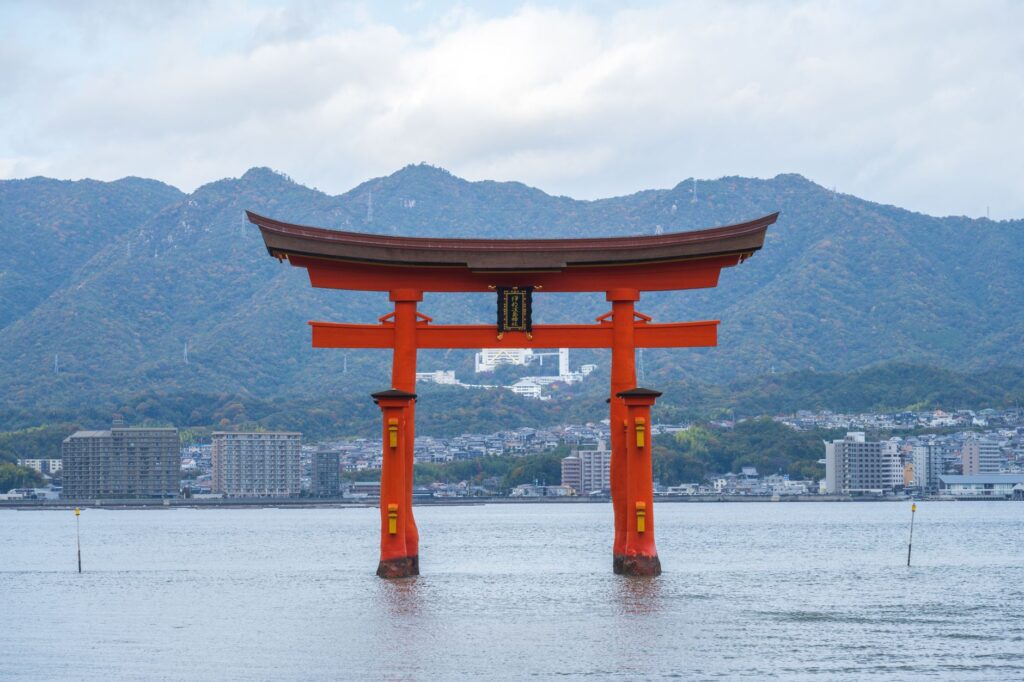
From Shin-Osaka, the Nozomi reaches Hiroshima in about 1 hour 21 minutes (¥10,950 reserved).
Day 12: Hiroshima
- Peace Memorial Museum: ¥200 for adults (¥100 for over-65s with a passport); closed December 30–31. It opens at 7:30 and closes at 19:00 from March to July and September to November (20:00 in August, 18:00 from December to February). Entry in the first hour and the last hour requires an online reservation, and in August 2026 the museum trialled advance tickets only during the Obon period after near all-day queues in 2025.
- Getting around: Hiroshima’s streetcars charge a flat ¥240, including the Miyajima Line, and a one-day pass costs ¥700. Since August 2025 the streetcars enter Hiroshima Station at the second floor.
- Accommodation tax: Hiroshima Prefecture charges ¥200 per person per night on rooms of ¥6,000 or more (room only), since April 2026.
Day 13: Miyajima
- JR Sanyo Line from Hiroshima to Miyajimaguchi: 27 minutes, ¥420.
- JR ferry to the island: ¥200 plus the ¥100 Miyajima visitor tax, collected with the fare. The JR ferry’s “Great Torii route” passes close to the torii on departures between 9:10 and 16:10.
- Itsukushima Shrine: ¥300 for adults. The Great Torii’s repairs finished in 2022, but the Five-storey Pagoda is under repair until November 2027.
- The Miyajima Ropeway up Mount Misen reopened on March 7, 2026 after an inspection closure.
Other ways to the island: the Matsudai ferry also costs ¥200 plus the visitor tax but is not covered by the JR Pass, and Hiroden sells a streetcar-and-Matsudai-ferry day pass for ¥1,000 including the tax. The World Heritage Sea Route boat runs directly from the Peace Park to Miyajima in about 45 minutes (¥2,400 one way, ¥4,400 return, plus the ¥100 tax), which makes an easy one-day combination. Itsukushima Shrine is open from 6:30, closing at 17:30 from mid-October to the end of November and at 17:00 in December. Restoration of the shrine’s East Corridor continues until December 2026.
Arriving or leaving via Kansai Airport
Kansai Airport works well for the reverse route or an open-jaw ticket. The Haruka limited express reaches Osaka Station in about 45 minutes (¥2,380 with a non-reserved seat) and Kyoto in about 1 hour 18 minutes (¥3,060). JR West’s discounted HARUKA One-way Ticket for foreign visitors costs ¥2,700 to Kyoto and ¥1,900 to Osaka or Shin-Osaka for tickets sold from November 1, 2026. Our Osaka where-to-stay guide covers airport transfers in detail.
Day 14: home
The Nozomi from Hiroshima to Tokyo takes about 3 hours 50 minutes (¥19,760 reserved). If your flight leaves from Kansai Airport instead, return to Osaka (about 1 hour 20 minutes) and take the Haruka. See our Hiroshima and Miyajima guide.
The 7-day version
With a week, focus on Tokyo, Kyoto and Osaka, and fly out of Kansai Airport if you can, to avoid backtracking.
| Day | Plan | Night |
|---|---|---|
| 1 | Arrive; evening in Shinjuku | Tokyo |
| 2 | Asakusa, Skytree, Ueno, Akihabara | Tokyo |
| 3 | Meiji Jingu, Harajuku, Shibuya, SHIBUYA SKY at sunset | Tokyo |
| 4 | Shinkansen to Kyoto (about 2 h 10 min, ¥14,170); Fushimi Inari in the afternoon | Kyoto |
| 5 | Kiyomizu-dera at opening, Higashiyama, Gion; Arashiyama or Kinkaku-ji | Kyoto |
| 6 | Nara in the morning (JR 47 min); on to Osaka for the evening in Dotonbori | Osaka |
| 7 | Osaka Castle or a food morning; Haruka to Kansai Airport | – |
If you must fly home from Tokyo, swap day 7 for a morning shinkansen back to Tokyo (about 2 hours 30 minutes from Shin-Osaka, ¥14,720). Hiroshima can replace day 6 as a long day trip from Kyoto or Osaka if Nara does not appeal; the Nozomi from Kyoto takes about 1 hour 36 minutes (¥11,940).
The 10-day version
| Days | Plan |
|---|---|
| 1–3 | Tokyo (as days 1–3 above) |
| 4 | Hakone loop and a ryokan night |
| 5–7 | Kyoto, with Nara on day 7 |
| 8 | Osaka |
| 9 | Hiroshima and Miyajima (stay in Hiroshima) |
| 10 | Back to Tokyo, or to Kansai Airport via Osaka |
Ten days is the sweet spot for many first-timers: enough time for the big three cities plus Hakone and Hiroshima, with only one night in each of the smaller stops.
Adjusting the route by season
- Cherry blossoms: normal full bloom is around March 31 in Tokyo and April 4 in Kyoto and Osaka, so a late-March start in Tokyo and early April in Kyoto follows the blossoms west. Book hotels months ahead.
- Rainy season: roughly early June to mid-July in Tokyo, Kyoto and Osaka. Keep museums and food halls up your sleeve for wet days.
- Summer: very hot, with 2025 the hottest summer on record. Start early, rest in the afternoon, and consider swapping a city day for the mountains.
- Typhoon season: August and September. Keep a buffer day before your flight home.
- Autumn leaves: Kyoto’s famous spots usually peak from mid-November to early December, Tokyo’s ginkgo trees around late November.
- Winter: dry and often sunny, with the best odds of seeing Mount Fuji. Avoid relying on sights over New Year (December 29 to January 3), when many close.
Day trips from each base
| Base | Easy day trips |
|---|---|
| Tokyo | Nikko, Kamakura, Hakone, Kawaguchiko (Fuji Five Lakes), Yokohama |
| Kyoto | Nara (47 min by JR), Uji, Arashiyama, Osaka |
| Osaka | Himeji (about 1 h), Kobe (21 min), Nara, Arima Onsen, Koyasan (better overnight) |
| Hiroshima | Miyajima (27 min by JR plus a 10-minute ferry) |
A day trip replaces one night of packing and moving, so it is often better to stay put and go out and back. Our Tokyo day trips, Kyoto day trips and Osaka day trips guides have the details.
Slower pace, families and older travelers
The 14-day route moves every three or four days, which suits most travelers. If you prefer a slower pace, drop Hiroshima or Hakone and give the extra nights to Kyoto, which rewards slow travel more than anywhere else on the route. With children, short hops help: Kyoto to Osaka is under 30 minutes, and Nara’s deer and Osaka’s food are family favorites. With older travelers, send luggage ahead on every move, choose hotels next to stations, and use taxis for short distances in Kyoto, where buses are crowded. Everywhere, plan one main sight in the morning and a lighter afternoon.
Swaps and add-ons: Kanazawa, Nikko, Fuji Five Lakes
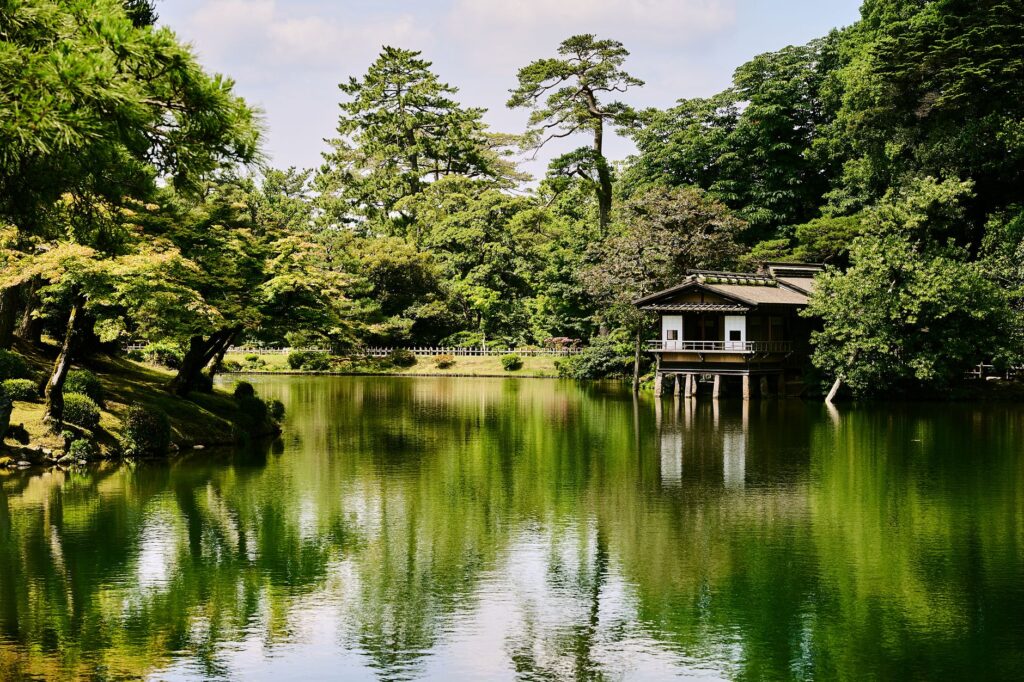
Kanazawa instead of Hakone
Kanazawa makes a beautiful stop between Tokyo and Kyoto. The Hokuriku Shinkansen Kagayaki from Tokyo takes about 2 hours 24 minutes (¥14,400 reserved). From Kanazawa to Kyoto, take the shinkansen to Tsuruga and change to the Thunderbird limited express (about 1 hour 50 minutes to 2 hours in total, ¥7,520; the transfer at Tsuruga took about 12 minutes in our searches).
- Kenrokuen garden: ¥320 for adults; open 7:00–18:00, or 8:00–17:00 from mid-October to the end of February.
- Higashi Chaya District: free to wander.
- 21st Century Museum of Contemporary Art: open now, but closed for renovation from May 6, 2027 to March 2028.
- The Kanazawa Loop Bus costs ¥220 a ride or ¥800 for a day pass and takes IC cards, but Hokutetsu local buses do not take nationwide IC cards.
If you have an extra day, Ishikawa’s tourism site lists day trips to the Noto Peninsula to support its recovery from the 2024 earthquake; the Wajima Morning Market now runs inside a shopping center building in Wajima (9:00–13:00, closed some Wednesdays). See our Kanazawa guide.
Other swaps
- Fuji Five Lakes instead of Hakone: for closer views of Mount Fuji from Lake Kawaguchiko; the Fuji Excursion limited express runs from Shinjuku (about ¥4,200). See our Fuji Five Lakes guide.
- Koyasan instead of a second Osaka day: a night in a temple on the sacred mountain, about two hours from Osaka. See our Koyasan guide.
- Himeji and Kobe: an easy one-day add-on from Osaka.
- Takayama and Shirakawa-go: mountain towns and thatched farmhouses for travelers with extra days.
Getting around: shinkansen fares and booking
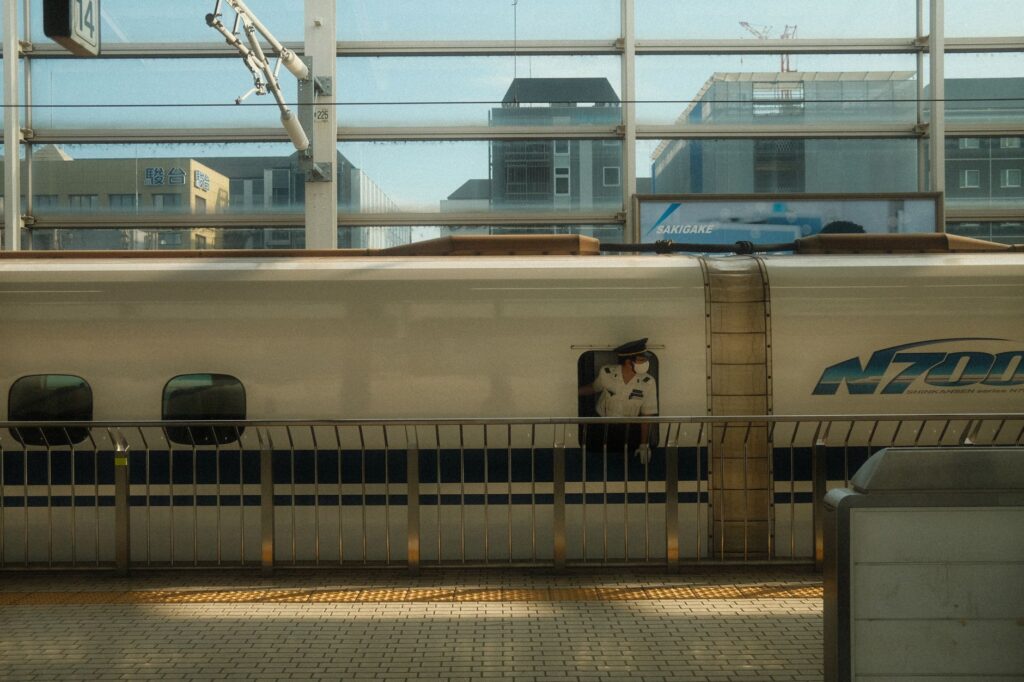
Regular-season fares for an adult reserved seat on the fastest trains (Nozomi or Kagayaki), from route searches in October 2026:
| Route | Fastest time | Fare (reserved) |
|---|---|---|
| Tokyo – Kyoto | 2 h 8 min (daytime 2 h 11–15 min) | ¥14,170 |
| Tokyo – Shin-Osaka | 2 h 22 min (daytime 2 h 27–30 min) | ¥14,720 |
| Kyoto – Hiroshima | 1 h 36 min | ¥11,940 |
| Shin-Osaka – Hiroshima | 1 h 21 min | ¥10,950 |
| Hiroshima – Tokyo | 3 h 49 min | ¥19,760 |
| Tokyo – Kanazawa | 2 h 24 min | ¥14,400 |
| Kanazawa – Kyoto (change at Tsuruga) | about 1 h 50 min | ¥7,520 |
- Seasonal prices: reserved-seat charges move by about ¥200 either way between off-peak and peak dates.
- Short hops: don’t take the shinkansen between Kyoto and Osaka. The JR Special Rapid is barely slower for ¥580.
- Booking windows: JR-West Online Train Reservation opens one month ahead at 10:00 Japan time, and the Tokaido-Sanyo smart EX service sells some tickets up to a year ahead.
- Peak periods: during major holidays all Nozomi seats become reserved, and non-reserved ticket holders may have to stand.
- Price change ahead: JR Central and JR West have announced higher Nozomi and Mizuho reserved-seat charges for tickets bought from July 1, 2027.
Our shinkansen guide explains seats, tickets and luggage, and our Tokyo to Kyoto guide compares every way to make that journey.
Japan Rail Pass or individual tickets?
The nationwide Japan Rail Pass is sold in 7-, 14- and 21-day versions (there is no 10-day pass). Prices for adults, ordinary class:
| Pass | Official website | Overseas agencies (from Oct 2026) |
|---|---|---|
| 7 days | ¥50,000 | ¥53,000 |
| 14 days | ¥80,000 | ¥84,000 |
| 21 days | ¥100,000 | ¥105,000 |
The official site’s lower price applies “for a period to be announced”. The pass is for foreign tourists entering as “Temporary Visitors”; automated immigration gates give no stamp, so use a staffed gate or ask for one.
The math for this route
- 7-day loop (Tokyo – Kyoto – Osaka – Hiroshima – Tokyo by Nozomi, plus JR day trips to Nara and Miyajima): about ¥48,320 in individual tickets, less than the ¥50,000 pass, and the tickets include Nozomi.
- With a pass, Nozomi costs extra: pass holders must buy a special Nozomi ticket for each ride (Tokyo–Kyoto ¥4,960; Kyoto or Shin-Osaka–Hiroshima ¥4,170; Tokyo–Hiroshima ¥6,500), or use the slower Hikari and Sakura trains.
- When the pass wins: if you also ride the Narita Express both ways within the seven days, tickets come to about ¥54,600, and the pass saves a few thousand yen.
- A cheaper mix: Tokyo to Kyoto by ticket, then JR West’s 5-day Kansai-Hiroshima Area Pass (¥17,000, covering the Sanyo Shinkansen to Hiroshima, local JR lines in Kansai and the JR Miyajima ferry), then Shin-Osaka to Tokyo by ticket: about ¥45,890.
- 10 days: the loop plus Hakone by shinkansen comes to about ¥55,940 in tickets, against ¥80,000 for the 14-day pass you would need.
- 14 days with Kanazawa: about ¥63,690 in tickets, against ¥80,000–¥84,000 for the pass.
Buying and using the pass
- On the official site you pay by credit card in the buyer’s name, for up to six companions, and only official-site buyers can reserve seats before picking up the pass.
- Pick it up with your passport at a JR ticket office or at specific reserved-seat machines in the JR East and JR West areas.
- Overseas agencies (JTB, Nippon Travel Agency, JALPAK and others) sell an exchange order, which must be exchanged within three months of issue.
- JR West’s regional passes are worth a look for this route: the 7-day Kansai-Hokuriku Area Pass (¥19,000) covers the Hokuriku Shinkansen from Tsuruga, the Thunderbird and Kansai JR lines, which suits the Kanazawa swap; the Hokuriku Arch Pass (¥35,000) covers Tokyo to Kyoto via Kanazawa but only pays off if you travel that way and back.
The pass does not cover Odakyu (to Hakone), Fujikyu (to Kawaguchiko) or Tobu (to Nikko), which matter on this route. It does cover the Tokyo Monorail and the JR Miyajima ferry (the ¥100 visitor tax is extra). If you prefer the convenience of one pass anyway, you can buy the JR Pass on Klook. Our JR Pass guide covers more routes.
Budget for 1 and 2 weeks
The Japan Tourism Agency’s 2025 survey found that the average international visitor spent ¥228,782 per trip on an average stay of 9.5 nights, or about ¥24,000 per night. Visitors from the US averaged ¥339,708 over 12.0 nights. Spending per visitor broke down like this:
| Category | Average per visitor (2025) | Share |
|---|---|---|
| Accommodation | ¥84,057 | 36.6% |
| Shopping | ¥61,136 | 27.0% |
| Food and drink | ¥50,221 | 21.9% |
| Transport | ¥22,933 | 10.0% |
| Entertainment | ¥10,295 | 4.5% |
These figures exclude international flights. For this route, long-distance trains are a bigger share than average: about ¥48,000 for the 7-day loop and ¥60,000–¥65,000 for 14 days with Hakone and Kanazawa. Admissions are modest by international standards (for example ¥200 at the Peace Museum, ¥300 at Itsukushima Shrine, ¥800 at Todaiji), while hotel prices vary most with the season. Our trip cost calculator builds a budget for your dates, and our budget travel guide has ways to save.
What to book, and when
| What | When bookings open |
|---|---|
| Ghibli Museum (Tokyo) | 10:00 Japan time on the 10th of each month, for the following month (advance only) |
| SHIBUYA SKY | Two weeks ahead, at midnight Japan time |
| Pokémon Café (Tokyo, Osaka) | 18:00 Japan time on the 1st of the month before |
| Nintendo Museum (Uji) | Drawing opens three months ahead; results on the 1st of the following month |
| Nijo Castle Honmaru Palace | Online, 30 days ahead |
| Shinkansen (JR-West online) | One month ahead at 10:00 |
| Hiroshima Peace Memorial Museum | Online reservation needed for the first and last hour of the day |
| Hotels and ryokan | As early as possible for cherry blossom and autumn-leaf seasons |
Practical tips for this route
- Pick your season. Spring and autumn are the most popular and the most crowded; summer is very hot. See our guide to the best time to visit Japan.
- Start early. Fushimi Inari, Kiyomizu-dera and Senso-ji are far calmer before 8:00.
- Carry cash for temples such as Todaiji and Kofukuji, which take cash only.
- Use luggage delivery between Tokyo and Kyoto, and travel with a small bag for the Hakone night.
- Keep a buffer day in typhoon season (August and September) and avoid tight connections on the last day.
- Save on shopping tax. From November 1, 2026, tax-free shopping works as a refund; see our tax-free guide.
- Learn a few phrases. Our Japanese phrases guide covers restaurants, shops and trains.
Frequently asked questions
Is two weeks enough for Japan? Two weeks is enough for Tokyo, Hakone, Kyoto, Nara, Osaka and Hiroshima at a comfortable pace, with one or two day trips.
Is one week in Japan enough? One week covers Tokyo, Kyoto and Osaka if you fly in to Tokyo and out of Kansai. It is busy but rewarding.
Is the JR Pass worth it for this itinerary? Usually not. The 7-day Tokyo–Kyoto–Osaka–Hiroshima–Tokyo loop costs about ¥48,320 in individual tickets, less than the ¥50,000 pass, and tickets let you ride the Nozomi.
How long is the shinkansen from Tokyo to Kyoto? About 2 hours 10 minutes on the Nozomi, for ¥14,170 with a reserved seat in the regular season.
Should I fly into Tokyo or Osaka? Either works. An open-jaw ticket, into Tokyo and out of Kansai or the reverse, saves a long backtrack.
How many nights should I spend in Kyoto? At least three, ideally four, so you can include a day in Nara or Arashiyama without rushing.
Can I see Mount Fuji on this route? Possibly, from Hakone or from seat E on the shinkansen west of Tokyo, but clouds often hide it, especially in summer. Winter gives the best odds.
Do I need to book attractions in advance? Some, yes: the Ghibli Museum, SHIBUYA SKY at sunset, Pokémon Café and the Nintendo Museum all sell out. Most temples and shrines need no booking.
How much does two weeks in Japan cost? The average international visitor spent ¥228,782 over 9.5 nights in 2025, excluding flights. Two weeks on this route typically costs more, with ¥60,000–¥65,000 for long-distance trains alone.
Does a 7-day JR Pass work for the 14-day route? Not well. On this route the long journeys run from day 6 (leaving Hakone for Kyoto) to day 14 (Hiroshima back to Tokyo), which is more than seven days, so a 7-day pass cannot cover them all. Individual tickets, or JR West’s 5-day Kansai-Hiroshima Area Pass for the western part, usually work out cheaper. Tokyo sightseeing is cheapest with an IC card or a subway pass.
Can I do this route without a car? Yes. Every stop is on the rail network, and a car is more trouble than help in Tokyo, Kyoto and Osaka. Only optional add-ons such as rural Hokkaido or parts of Shikoku are easier by car.
Where should I go after this route on a second trip? Hokkaido, Kyushu, Shikoku, the Japanese Alps and Okinawa are all very different from the classic route and good second-trip choices.
What if a typhoon hits during my trip? Trains may stop for a day. Keep flexible bookings, a buffer day, and check our seasons guide for how planned suspensions work.
Plan the rest of your trip
- Best time to visit Japan
- Is the JR Pass worth it?
- Best hotels in Tokyo
- Where to stay in Kyoto
- Best day trips from Osaka
- Hiroshima and Miyajima guide
- Japan trip cost calculator
Sources: route searches on October 22, 2026 for regular-season weekday travel (shinkansen fares and times); Japan Rail Pass official site (prices, conditions, Nozomi tickets, April and October 2026); JR West (area passes, online reservation); JR Central (Nozomi, oversized baggage); JR Central and JR West release on Nozomi charges (October 2026); Tokyo Metro and Toei (Tokyo Subway Ticket, January 2026); SHIBUYA SKY; Ghibli Museum; teamLab; Tokyo Skytree; Tokyo Tower; Pokémon Café; Nintendo Museum; Kiyomizu-dera; Ginkaku-ji (fee notice, January 2026); Kinkaku-ji; Nijo-jo; Imperial Household Agency; Kyoto City Transportation Bureau; Todaiji; Kasuga Taisha; Kofukuji; Hiroshima Peace Memorial Museum; Hiroden; JR Miyajima Ferry; Itsukushima Shrine; Hatsukaichi City; Hiroshima Prefecture (accommodation tax); VISIT KANAZAWA; Osaka Amazing Pass; Japan Tourism Agency International Visitor Survey 2025 (March 2026); JNTO (checked October 2026). Prices change; please check before you travel and let us know if you spot something out of date.
Going to Japan? Speak Japanese with confidence.
Hirameki Japanese — camera translate for menus and signs, a two-way conversation mode, and furigana + romaji on every phrase. Free to download with kana charts, conversation mode and starter words; a one-time purchase unlocks everything.

Plan your Japan trip
Two things every first-timer should book
Some links are affiliate links. If you book through them we may earn a small commission at no extra cost to you.