Osaka is one of Japan’s most dynamic cities and one of the best bases for regional day trips in the country. Its central location in the Kansai region puts some of Japan’s most iconic destinations within 30 to 90 minutes by train — Kyoto’s temples, Nara’s deer, Kobe’s beef, Himeji’s castle, and even Hiroshima’s Peace Memorial are all doable as a day trip from an Osaka base. This guide covers the best day trips from Osaka, including how to get there, what to see, and how to plan your itinerary.
Why Osaka is an Excellent Day Trip Base
Osaka’s JR and private rail network connects to almost everywhere in Kansai and beyond. JR Osaka Station and Shin-Osaka Station (Shinkansen) are the main hubs, while Namba and Umeda stations serve the Kintetsu and Nankai railways. The IC Card (ICOCA) works seamlessly across all lines, making day trips completely straightforward. Accommodation in Osaka also tends to be slightly cheaper than Kyoto, making it a cost-effective base for multiple days of regional exploration.
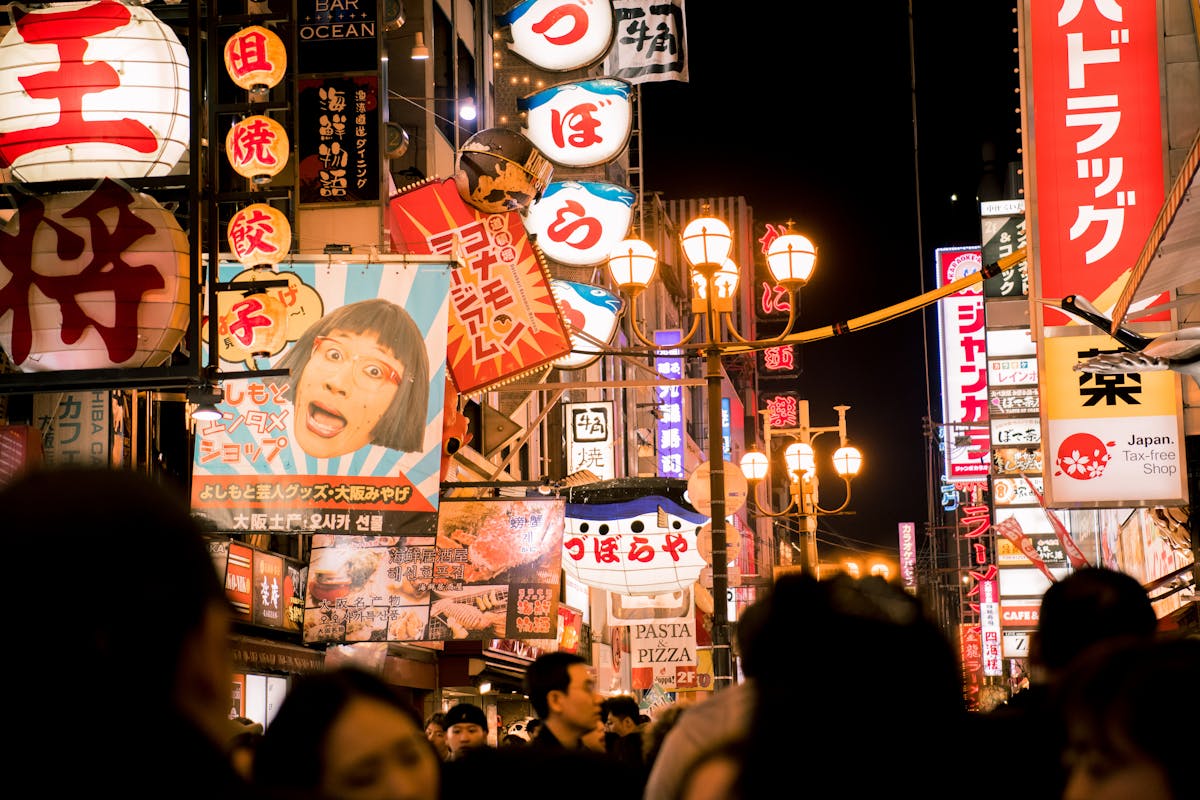
Best Day Trips from Osaka
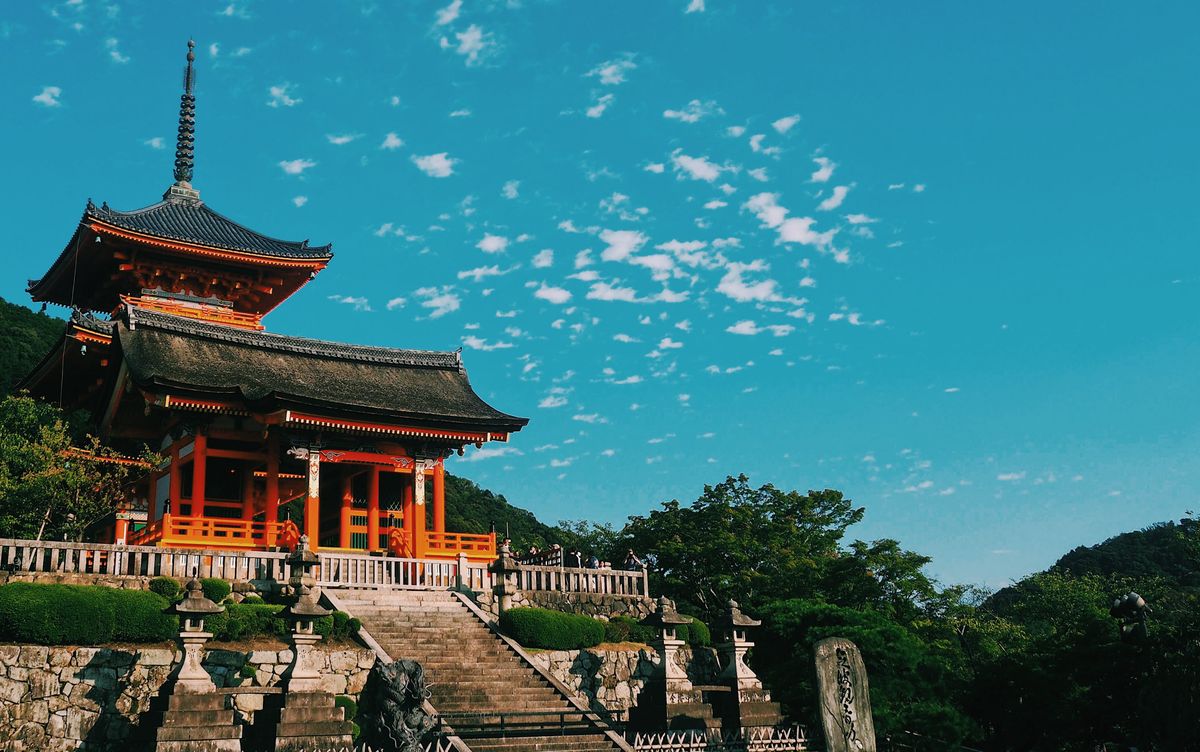
1. Kyoto — Temples, Geisha Districts, and Imperial History (14–30 Minutes)
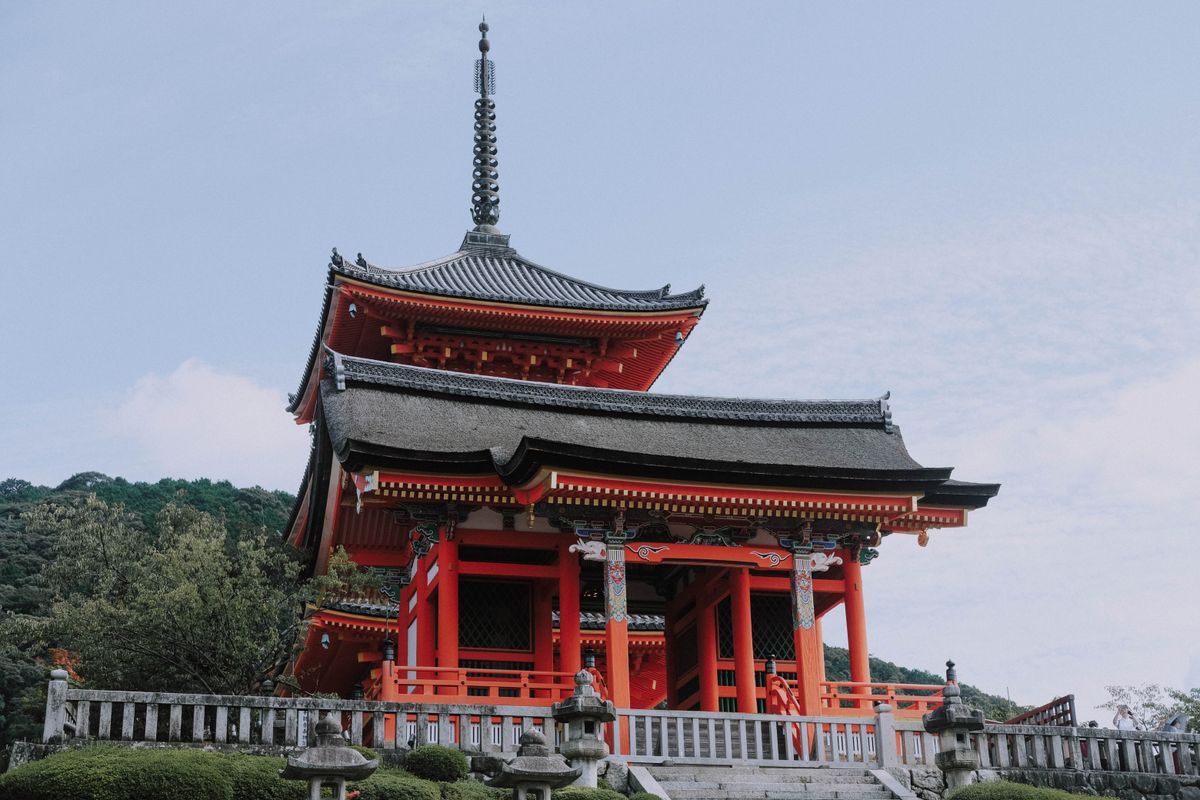
Kyoto is the most obvious day trip from Osaka and remains remarkable no matter how many times you visit. The former imperial capital has over 1,600 Buddhist temples and 400 Shinto shrines, several of which rank among the most beautiful religious sites in the world. For a full day from Osaka, consider a focused neighbourhood approach rather than attempting to see everything: a morning at Fushimi Inari (arrive by 7:00 AM for the lower gates without crowds), followed by the Higashiyama district (Kiyomizudera, Sannenzaka, Ninenzaka cobblestone lanes), and an evening wander through Gion when the lanterns come on.
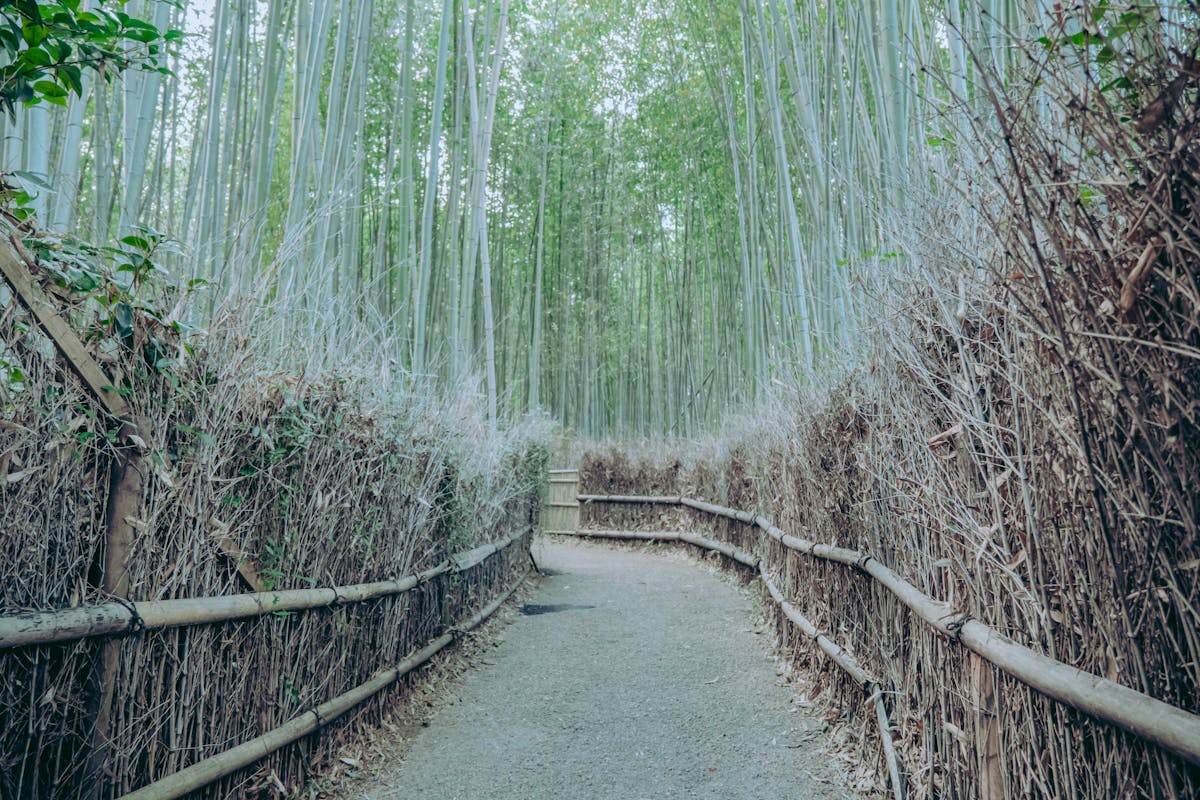
Alternatively, the Arashiyama district (bamboo grove, Tenryu-ji Garden, monkey park, Katsura River) makes an excellent focused half-day, combined with central Kyoto temples in the afternoon. See our full Kyoto Day Trips Guide for ideas on combining Kyoto with other destinations.
Getting there: JR Shinkansen from Shin-Osaka to Kyoto (14 minutes, ¥1,420); or JR Special Rapid from Osaka Station to Kyoto (29 minutes, ¥570); or Hankyu limited express from Umeda to Kawaramachi (45 minutes, ¥410). The Hankyu option is cheapest and delivers you to central Kyoto.
2. Nara — Deer and the Great Buddha (40–45 Minutes)
Nara is one of Japan’s most rewarding day trips from either Osaka or Kyoto. The ancient capital has the enormous Great Buddha (Daibutsu) at Todaiji Temple, 1,200 freely roaming sika deer in Nara Park, the stunning forested approach of Kasuga Taisha Grand Shrine, and the preserved Naramachi merchant district. A half day is sufficient for the main sights; a full day allows thorough exploration including the less-visited Toshodaiji and Yakushiji temples in the city’s western district.
Getting there: Kintetsu Osaka-Namba to Kintetsu Nara (about 39 minutes express, ¥680); or JR Osaka-loop line to JR Nara (about 50 minutes, ¥780). The Kintetsu route is more direct.
3. Kobe — Beef, Views, and the Chinatown (30–40 Minutes)
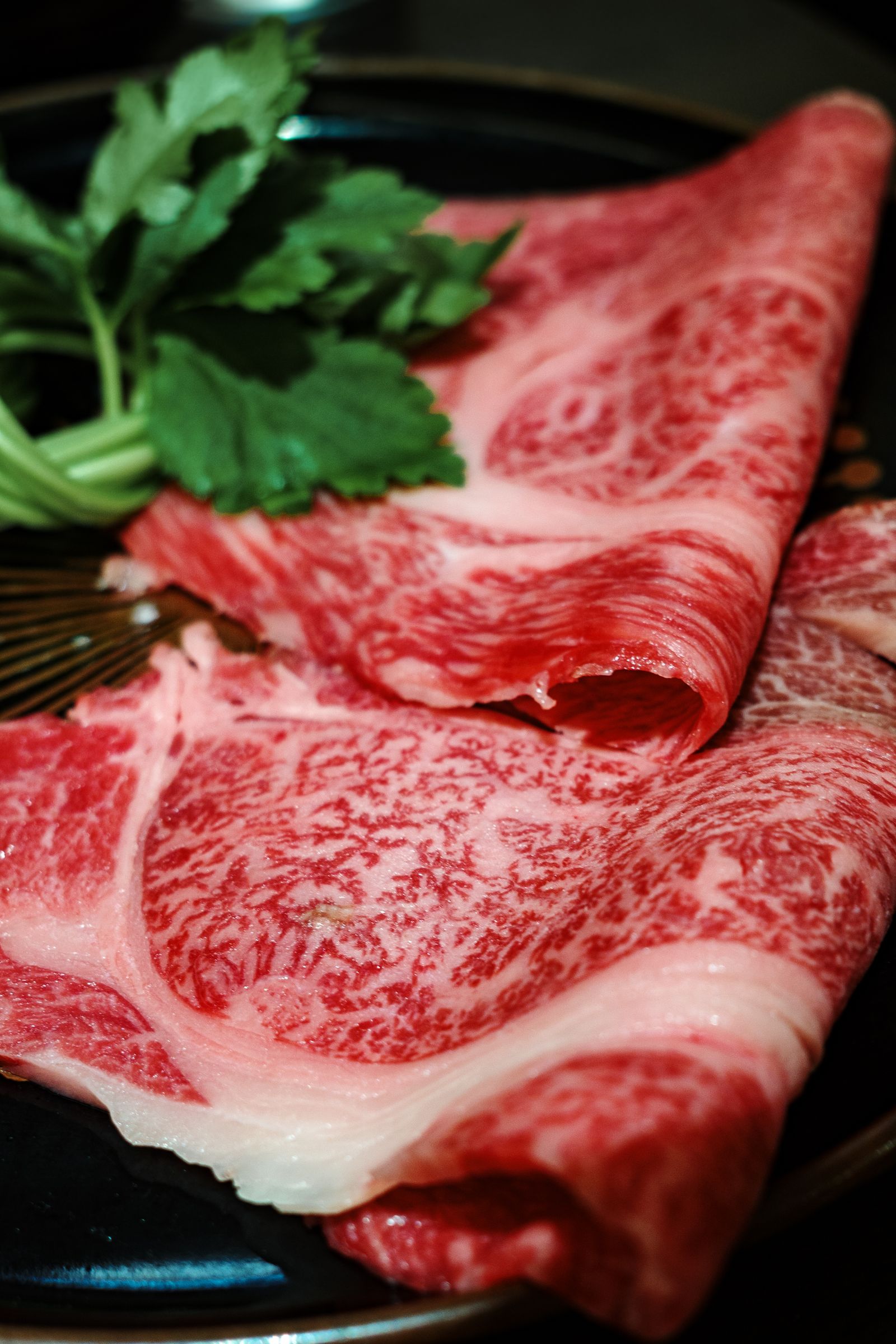
Kobe is one of Japan’s most cosmopolitan cities — a major port that opened to foreign trade in 1868. The Kitano district’s Western-style mansions (built by foreign traders), the compact and lively Nankinmachi Chinatown, and of course the legendary Kobe Beef are the main draws. For the best Kobe Beef experience, book a lunch at a Kobe Beef certified restaurant in advance — a beef teppanyaki lunch costs ¥6,000–¥15,000 but is genuinely extraordinary.
Kobe’s Harborland waterfront area has pleasant walking along the bay, and the Ropeway up Mount Rokko (accessible from Rokko Station) offers sweeping views over the city and Osaka Bay on clear days. The walk from Shin-Kobe Station through Kitano to the harbour takes about 20 minutes and is a pleasant way to see the city’s varied architecture.
Getting there: JR Shinkansen from Shin-Osaka to Shin-Kobe (12 minutes, ¥2,290); or JR Special Rapid from Osaka to Kobe-Sannomiya (22 minutes, ¥420); or Hankyu from Umeda to Hankyu Kobe (25 minutes, ¥330). The Hankyu/JR local options are excellent value.
4. Himeji — Japan’s Greatest Surviving Castle (50–60 Minutes)
Himeji Castle is one of the most spectacular buildings in Japan and one of the country’s two remaining “genuinely original” (as opposed to reconstructed) major castles. The brilliant white castle complex — a UNESCO World Heritage Site — is extraordinary from every angle, particularly at dawn when it appears to glow against the mountains. The castle keep took 40 years to fully reconstruct after the Meiji Restoration; its interior is now restored and open for exploration. The Koko-en garden adjacent to the castle is a beautiful addition to the visit.
Himeji pairs perfectly with Kobe as a combined day trip — take the Shinkansen from Osaka to Himeji first (50 minutes), spend 3–4 hours at the castle, then Shinkansen back to Kobe (30 minutes) for Kobe Beef lunch and the Kitano mansions, and JR local back to Osaka. Both JR journeys are covered by the JR Pass.
Getting there: JR Shinkansen from Shin-Osaka to Himeji (40 minutes, ¥4,590); or JR Special Rapid from Osaka to Himeji (1 hour 15 minutes, ¥1,520). Excellent with JR Pass.
5. Hiroshima and Miyajima — Peace Memorial and the Floating Torii (80–90 Minutes)
Hiroshima is a full-day trip from Osaka and one of the most emotionally significant destinations in Japan. The Peace Memorial Museum and Park are essential viewing — thoroughly and thoughtfully curated, providing an unflinching account of the August 1945 atomic bomb and a powerful argument for nuclear disarmament. The A-Bomb Dome (Genbaku Dome), preserved as it stood immediately after the explosion, is a shocking and moving sight.
Combine Hiroshima with Miyajima Island (30 minutes by JR train + 10-minute ferry), home of the famous floating torii gate of Itsukushima Shrine. High tide dramatically improves the torii photographs — check tide times in advance. Miyajima also has excellent oysters (the island is famous for them) grilled at stalls along the approach street.
Getting there: JR Shinkansen from Shin-Osaka to Hiroshima (about 1 hour 15 minutes on the Sakura, ¥11,200). One of the best uses of a Japan Rail Pass.
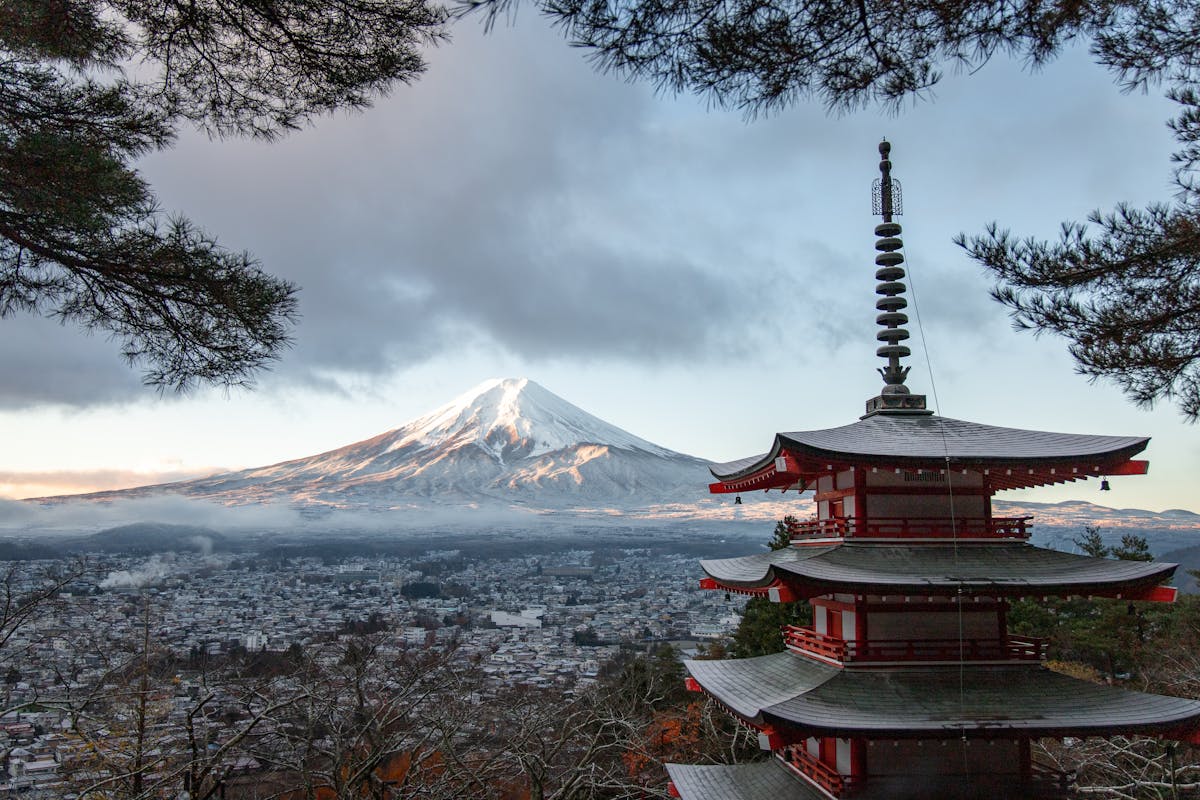
6. Yoshino — Cherry Blossoms and Mountain Temple (90 Minutes)
Yoshino, a small mountain town in Nara Prefecture, is Japan’s most famous cherry blossom destination — with 30,000 Yoshino cherry trees covering the mountain in a sequence of blooms from late March to mid-April. In blossom season, the sight is extraordinary: layers of pink and white clouds of flowers receding up the mountainside. Outside blossom season, Yoshino has excellent hiking, the ancient Kinpusenji Temple, and a profound association with Japanese literary and historical tradition (the Meiji Restoration-era loyalists had strong connections to these mountains).
Getting there: Kintetsu Osaka-Namba to Yoshino (direct limited express, approximately 90 minutes, ¥1,470). Well worth the journey during cherry blossom season.
7. Koyasan — Sacred Buddhist Mountain (2 Hours)
Koyasan (Mount Koya) is one of Japan’s most sacred Buddhist sites — a mountain monastery complex founded in 816 AD by the monk Kobo Daishi (Kukai), who is credited with spreading Shingon Buddhism throughout Japan. The Okunoin cemetery, where Kobo Daishi is entombed (believed to be in eternal meditation), is a 2-kilometre path through ancient cedar forest lined with over 200,000 memorial stones, lanterns, and moss-covered grave markers. It is one of the most atmospheric places in Japan at any hour, but particularly extraordinary after dark when the stone lanterns are lit.
Many travellers choose to stay overnight at a temple (shukubo) on Koyasan to experience morning Buddhist prayers and the excellent multi-course vegetarian cuisine (shojin ryori) at dinner. Day trips are possible but the overnight experience is highly recommended. See our guide to Wakayama and Koyasan.
Getting there: Nankai Railway from Namba to Gokurakubashi (about 1 hour 30 minutes, ¥1,360), then cable car to Koyasan (5 minutes, ¥440).
8. Universal Studios Japan, Osaka (Within Osaka)
Universal Studios Japan (USJ) is technically within Osaka and not a “day trip” in the conventional sense, but it deserves mention as a full-day destination requiring advance planning. The park is world-class, with the Wizarding World of Harry Potter and the new Super Nintendo World consistently earning praise as among the best theme park areas in the world. Advance booking of Express Passes (priority boarding for key attractions, ¥5,000–¥12,000 per person) is strongly recommended for peak periods.
Getting there: JR Yumesaki Line from JR Osaka Station to Universal City Station (approximately 8 minutes, ¥180).
Practical Tips for Osaka Day Trips
ICOCA vs JR Pass: For Osaka-based travel, the Kansai Area Pass (¥2,200 for 1 day, covering JR lines throughout Kansai) is excellent value for a day combining Kyoto, Nara, or Himeji. The full JR Pass is worth purchasing if you also plan Shinkansen journeys to Hiroshima or beyond. Purchase your ICOCA or Kansai Pass at any JR station in Osaka on arrival.
Start early: Kobe and Himeji on the same day, or Hiroshima with Miyajima, require early departures. Aim to leave Osaka by 8:00–8:30 for combination days. The peace and scale of sights like Hiroshima Peace Park are best appreciated without peak afternoon crowds.
Store luggage at JR Osaka or Shin-Osaka: Coin lockers at both stations accommodate standard suitcases (¥500–¥700/day). For day trips, leave your main luggage in Osaka and travel light with a day bag.
Book Kobe Beef in advance: Kobe Beef certified restaurants require advance reservations, especially for lunch. Book online through the restaurants’ websites or through Tableall/Tablecheck before your trip date.
Suggested Itineraries from Osaka
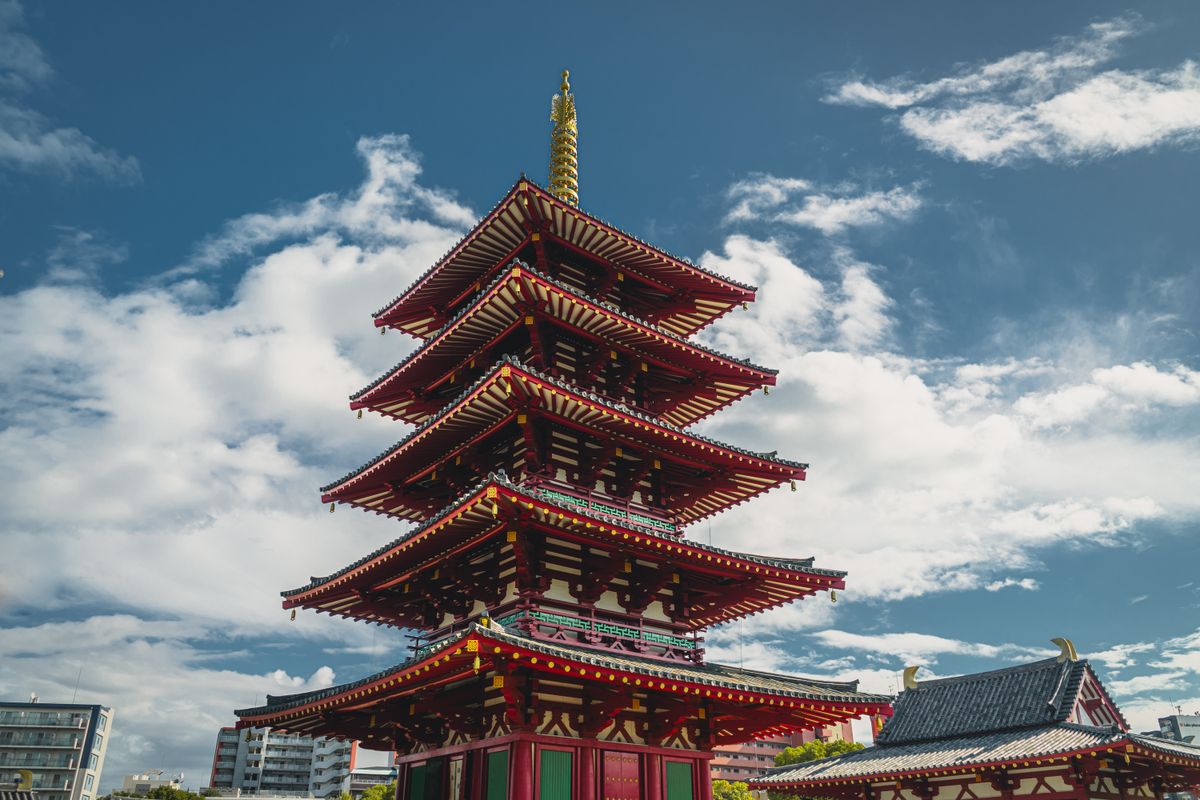
3-day Osaka base: Day 1 — Kyoto (Fushimi Inari + Higashiyama). Day 2 — Nara (full day). Day 3 — Kobe + Himeji combination.
5-day Osaka base: Add Hiroshima/Miyajima (full day) and Koyasan (full day or overnight) to the above.
Cherry blossom special: Late March to mid-April — Yoshino for blossom (90 min journey, spectacular), Kyoto for Maruyama Park and Philosopher’s Path, and Osaka’s own Expo ’70 Commemorative Park (¥260 entry, excellent blossom viewing).
Budget Breakdown for Osaka Day Trips
Per person round-trip transport + main admission costs:
Kyoto: ¥1,140 (JR ¥570 × 2) + admissions ¥700–¥2,000 = approximately ¥2,000–¥3,500 total
Nara: ¥1,360 (Kintetsu ¥680 × 2) + Todaiji ¥600 = approximately ¥2,000–¥2,500 total
Kobe: ¥840 (JR ¥420 × 2) + free walking/lunch = ¥1,000–¥8,000 depending on Kobe Beef
Himeji: ¥3,040 (JR local ¥1,520 × 2) + castle ¥1,000 = approximately ¥4,100 total
Hiroshima + Miyajima: ¥22,400 (Shinkansen ¥11,200 × 2) + museums/ferry ¥1,500 = ¥23,900 (excellent with JR Pass)
Koyasan: ¥3,600 (Nankai round trip ¥1,800 × 2) + cable car ¥880 = approximately ¥4,500 total
Frequently Asked Questions
Q: Should I base myself in Osaka or Kyoto?
A: Both are excellent bases with slightly different advantages. Osaka has slightly lower accommodation costs, better food variety, and a livelier evening atmosphere. Kyoto puts you closer to the famous Kansai temples and has a quieter, more traditionally Japanese atmosphere. For visitors prioritising value and food culture: Osaka. For visitors prioritising temple immersion: Kyoto.
Q: Can I do Kyoto, Nara, and Kobe in one day from Osaka?
A: Not comfortably — three destinations in one day becomes a transport exercise rather than a travel experience. The best paired combinations from Osaka are: Kyoto + Kobe (sequential on the JR line), or Himeji + Kobe, or a long single day at Hiroshima/Miyajima.
Q: Is the JR Pass worth buying for Osaka day trips?
A: Run the numbers based on your specific itinerary. The JR Pass pays for itself quickly if you plan journeys to Hiroshima and Himeji. For Kyoto-only and Nara trips, the Kansai Area Pass or individual tickets are often more economical. Check our detailed JR Pass analysis.
Q: What is the best day trip for food lovers?
A: Kobe for Kobe Beef and the cosmopolitan restaurant scene. Kyoto’s Nishiki Market for Japanese food exploration. Hiroshima for Hiroshima-style okonomiyaki (different from Osaka’s: layered rather than mixed) and fresh oysters. Each of Japan’s major cities has a distinct food culture worth exploring.
Final Thoughts
Osaka’s exceptional transport connections make it one of the most versatile travel bases in all of Japan. From the ancient spirituality of Koyasan to the modern wonder of Universal Studios Japan, from the unforgettable weight of Hiroshima to the cheerful deer of Nara, the range of experiences accessible as a day trip from Osaka is simply extraordinary. Use Osaka well — eat magnificently, sleep cheap, and spend your days discovering the best of Kansai and beyond.
Related Kansai Travel Guides
Plan more of your Kansai trip with these related guides: the best day trips from Kyoto, Dotonbori, Osaka’s neon food paradise, Arima Onsen near Kobe, Koyasan, Japan’s sacred Buddhist mountain, and Kinosaki Onsen’s seven hot springs.
🗾 Planning your trip? Get our free 7-Day Japan Itinerary (PDF)
Day-by-day Tokyo → Kyoto → Osaka plan with real prices and essential phrases — sent straight to your inbox.
Going to Japan? Talk to locals with confidence.
Hirameki Japanese — instant offline translation, camera translation, furigana + romaji, and 314 free flashcards. No login. Works without internet.

Plan your Japan trip
Two things every first-timer should book
Some links are affiliate links. If you book through them we may earn a small commission at no extra cost to you.