In this guide
- How to choose where to stay in Kyoto
- The best areas, compared
- Getting around from your hotel
- Luxury hotels, including 2026 openings
- Mid-range and design hotels
- Budget hotels and hostels
- Staying in a ryokan in Kyoto
- Machiya rentals and Kyoto’s minpaku rules
- Kyoto’s accommodation tax and other costs
- Getting to your hotel from Kansai Airport, Osaka and Tokyo
- Luggage: Kyoto’s “hands-free” services
- Check-in times and booking tips
- How to split 2 to 5 nights
- Quick picks by type of traveler
- Useful Japanese at your hotel or ryokan
- Frequently asked questions
- Plan the rest of your trip
How to choose where to stay in Kyoto
Kyoto is compact compared with Tokyo or Osaka, but its sights are spread around the edges of the city: Kiyomizu-dera and Gion in the east, Arashiyama in the west, Kinkaku-ji in the north and Fushimi Inari in the south. Where you sleep decides how much of each day you spend in transit, so it is worth getting right.
1. Stay near a train or subway line, not just “near the sights”
Kyoto’s buses are famous for being crowded, and the city now actively steers visitors away from them. The official tourism site warns that buses from Kyoto Station are crowded and slow and points visitors to trains instead, and the city’s bus guide asks visitors to store or send luggage before boarding. Buses are at their worst in cherry-blossom and autumn-leaf seasons and in the morning and evening rush (7:00–9:00 and 18:00–19:00). A hotel close to the Karasuma subway line, the Tozai line, Hankyu or Keihan gives you options that do not depend on the bus.
2. Decide how many nights, and whether to split
Two or three nights in one area is enough for most first visits. On a longer stay, consider two bases: for example, downtown for the first part and a ryokan or a Higashiyama hotel for one special night. Kyoto’s luggage delivery services (below) make moving easy.
3. Hotel, ryokan, or both?
Kyoto is one of the best places in Japan for a first ryokan night, and several new luxury hotels now include Japanese-style rooms and private hot-spring baths. Many travelers book a reliable hotel for most of the trip and one ryokan night as a treat.
The best areas, compared
Travel times below are typical times by public transport from route searches in October 2026.
| Area | Best for | To Kyoto Station | To Gion |
|---|---|---|---|
| Downtown (Shijo-Karasuma, Kawaramachi, Sanjo) | First-timers, food, nightlife, trains to Osaka | Shijo 3 min by subway | About 14 min, or walk |
| Kyoto Station area | Late arrivals, early departures, day trips, shinkansen | On the doorstep | About 19–20 min |
| Gion and Higashiyama | Atmosphere, early temple visits, ryokan | About 20 min | On the doorstep |
| Near Nijo Castle | Quieter evenings, the Tozai subway line | 12–14 min | 3–4 min by subway to Kyoto Shiyakusho-mae, then walk |
| Okazaki | Museums, Heian Shrine, Nanzen-ji, the Philosopher’s Path | 18 min | About 13 min |
| Arashiyama | A quiet night by the river | JR 11 min to Saga-Arashiyama | 26–28 min by Hankyu to Kyoto-Kawaramachi |
Downtown: Shijo-Karasuma, Kawaramachi and Sanjo
The official guide describes Shijo-dori between Karasuma and Kawaramachi as Kyoto’s largest shopping district, and the area stays lively at night. You can walk to Nishiki Market, the Kamo River and Gion, and three railways meet here: the Karasuma subway at Shijo, Hankyu at Karasuma and Kyoto-Kawaramachi, and Keihan at Gion-Shijo and Sanjo. From Kyoto Station, Shijo is only 3 minutes by subway (¥220 with an IC card), and Hankyu runs directly from Kyoto-Kawaramachi to Osaka-umeda in 43 minutes by limited express (¥410). The official tip is to board Hankyu at Kyoto-Kawaramachi, the first stop, to get a seat to Osaka. This is the best all-round base for most first visits.
One local rule to know: in Nishiki Market you should not eat while walking; eat at the shop where you bought the food. Our Nishiki Market guide explains the etiquette.
Kyoto Station area
The official guide calls Kyoto Station “Kyoto’s largest gateway”. It has every JR line including the shinkansen, the Kintetsu line to Nara, the Karasuma subway and the main city bus terminal. Higashi and Nishi Honganji are just north, and To-ji, Sanjusangen-do, the Kyoto National Museum, the Kyoto Railway Museum and Tofuku-ji are close. It is the most practical base if you arrive late, leave early, or plan day trips to Nara, Osaka or Himeji. The Kyoto Tourist Information Center is on the 2nd floor of the Kyoto Station Building (075-343-0548). The downside: it is not the prettiest part of Kyoto, and Gion is 20 minutes away. Staying here works best if you use the trains, not the crowded buses from the station terminal.
Gion and Higashiyama
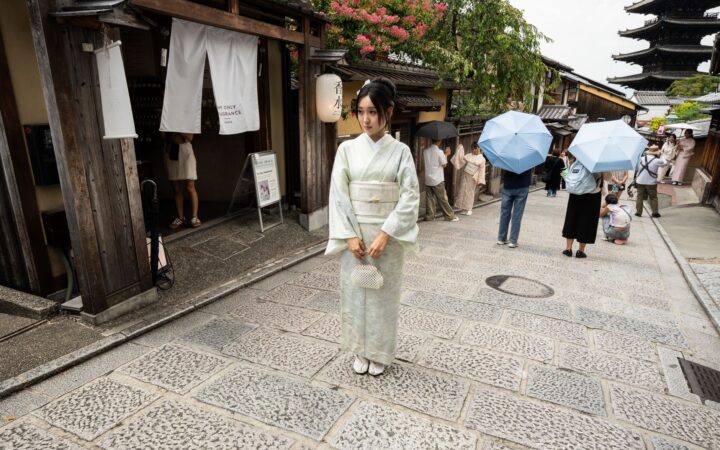
Gion grew up by the gate of Yasaka Shrine and is where geiko and maiko live and work, with tea houses, restaurants and bars. Kiyomizu-dera, Yasaka Shrine, the Yasaka Pagoda, Kodai-ji, Chion-in, Kennin-ji and Maruyama Park are all within walking distance. Staying here means you can reach the temples before the day crowds, and see the streets after dark. Keihan Gion-Shijo and Hankyu Kyoto-Kawaramachi are the nearest stations; Keihan limited expresses skip Kiyomizu-Gojo. From Osaka’s Yodoyabashi, the Keihan limited express takes 50 minutes to Gion-Shijo (¥490).
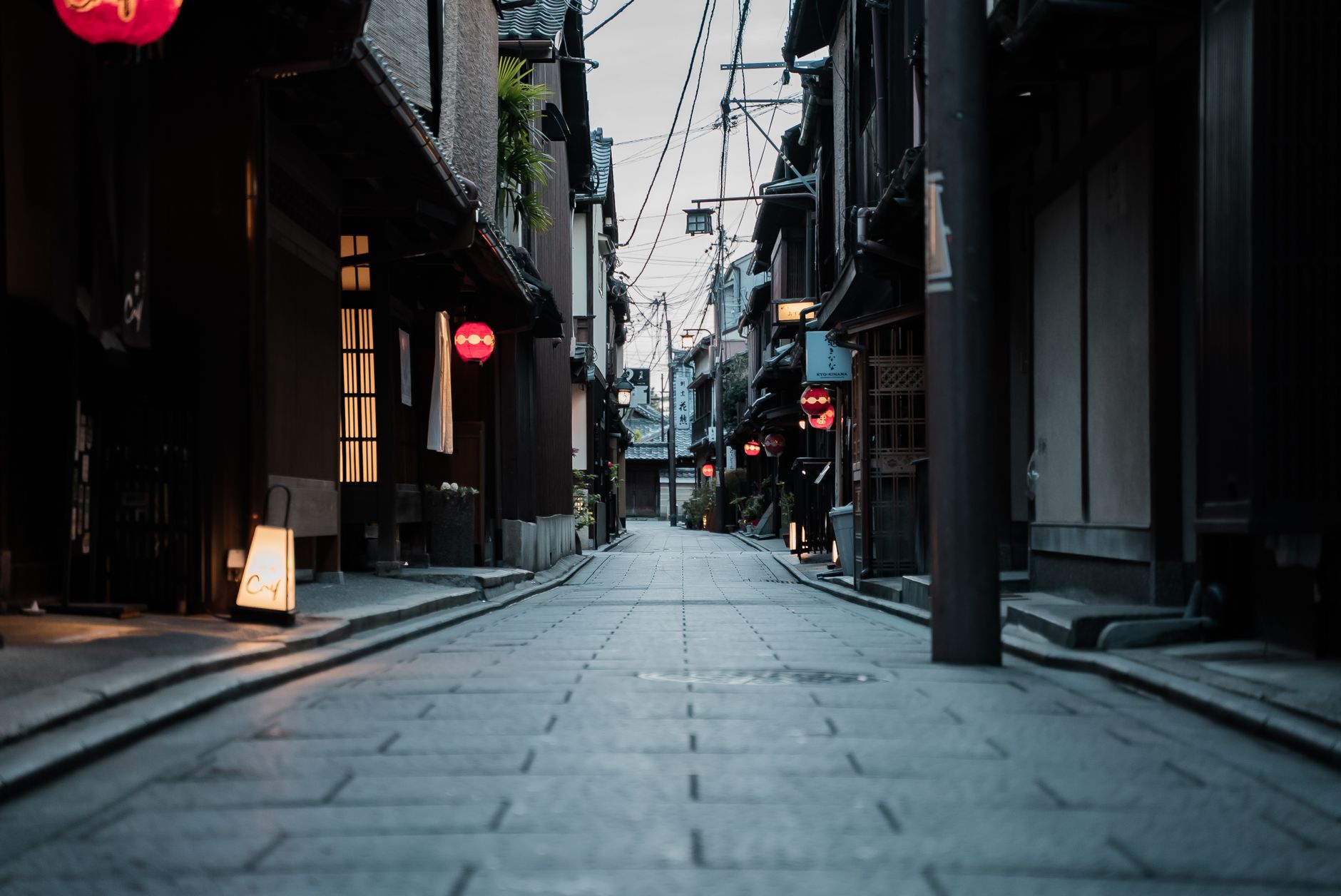
Gion has strict manners rules. Photographing maiko without permission is prohibited, and the official guide asks visitors not to walk in the middle of Hanamikoji, which has heavy traffic. Some private alleys in the district post signs asking tourists not to enter. Our Gion guide covers the etiquette.
Near Nijo Castle
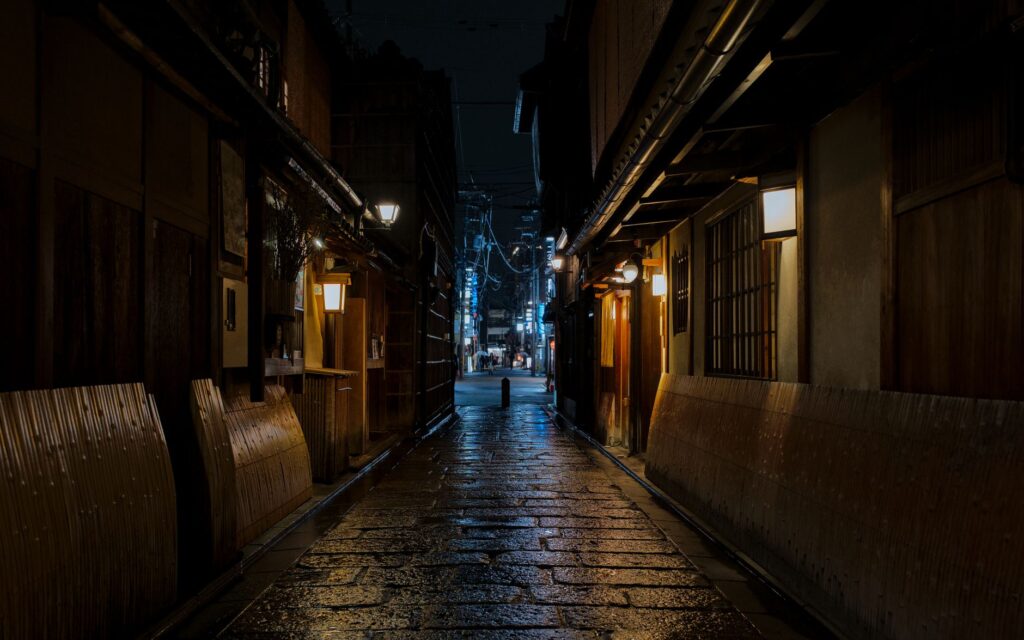
A calmer, more residential part of central Kyoto around Nijo-jo and the Tozai subway line (Nijojo-mae Station) and JR Nijo Station. Kyoto Station is 12 to 14 minutes away by subway, and Kyoto Shiyakusho-mae, for Sanjo and Kawaramachi, is 3 to 4 minutes. A good choice if you want quiet evenings but still a short ride to downtown.
Okazaki
The official guide calls Okazaki Kyoto’s core cultural district: Heian Shrine, the National Museum of Modern Art, the Kyoto City KYOCERA Museum of Art, ROHM Theatre Kyoto, and nearby Nanzen-ji, Eikan-do, the Philosopher’s Path and Ginkaku-ji. Higashiyama Station on the Tozai Line is the nearest stop, 18 minutes from Kyoto Station. On weekends and holidays the Sightseeing Express Bus (below) stops at Okazaki Koen. In spring, the Okazaki Jikkokubune boat runs a 3 km round trip of about 25 minutes along the canal, a relaxing way to see the area.
Arashiyama
Beautiful, but “always crowded” by day, as the official guide puts it, and 11 minutes from Kyoto Station on the JR Sagano Line. Staying here makes sense for one special night, when you can walk the river and the Bamboo Grove after the day-trippers leave. For more, read our Arashiyama guide.
Getting around from your hotel
- Subway: two lines, the Karasuma line (north–south, through Kyoto Station) and the Tozai line (east–west, for Nijo-jo and the Heian Shrine area). They cross at Karasuma Oike.
- Railways: Hankyu, Keihan, JR, Kintetsu and the Randen each charge their own fare, but an IC card works on all of them. See our IC card guide.
- City buses: a flat ¥230 inside the central zone. Use them for the last leg, not the whole journey.
- Sightseeing Express Bus: on Saturdays, Sundays and holidays, the EX100 runs from Kyoto Station to Gojozaka (for Kiyomizu-dera), Gion, Okazaki Koen and Ginkakuji-mae, and the EX101 runs from Kyoto Station to Gojozaka. Adults ¥500, children ¥250; cash, IC cards and the Subway & Bus 1-Day Pass are accepted.
- Subway & Bus 1-Day Pass: ¥1,100 (child ¥550), covering all subway and city bus lines plus most Kyoto Bus, Keihan Bus and West JR Bus routes (some excluded). Sold at subway stations and on city buses.
Short rides you will actually use
These are typical times and IC-card fares from route searches in October 2026. They show why a hotel near a station matters more than one that only looks central on a map.
| From | To | How | Time | Fare |
|---|---|---|---|---|
| Kyoto Station | Shijo | Karasuma subway | 3 min | ¥220 |
| Kyoto Station | Karasuma Oike | Karasuma subway | 5 min | ¥220 |
| Kyoto Station | Kyoto Shiyakusho-mae (Sanjo) | Subway, change at Karasuma Oike | 12–15 min | ¥260 |
| Kyoto Station | Higashiyama (Okazaki) | Subway, change at Karasuma Oike | 18 min | ¥260 |
| Kyoto Station | Kyoto-Kawaramachi | Subway, then Hankyu | About 12 min | ¥390 |
| Kyoto Station | Gion-Shijo | JR to Tofukuji, then Keihan | About 19–20 min | ¥330 |
| Hankyu Karasuma | Kyoto-Kawaramachi | Hankyu | 2 min | ¥170 |
| Nijojo-mae | Kyoto Shiyakusho-mae | Tozai subway | 3–4 min | ¥220 |
| Kyoto Station | Saga-Arashiyama | JR Sagano Line | 11–17 min | ¥240 |
The same trip from Kyoto Station to Kawaramachi takes about 25 minutes door to door on city bus 4, and longer in traffic. Useful transfer pairs to remember: Shijo (subway) and Karasuma (Hankyu) are the same place; so are Sanjo (Keihan) and Sanjo Keihan (subway), and Gion-Shijo (Keihan) and Kyoto-Kawaramachi (Hankyu), which sit on opposite banks of the Kamo River.
Two changes are coming. Kyoto City plans a “resident-priority” bus fare within fiscal 2027 (April 2027 to March 2028): a draft of ¥200 for residents and about ¥350–400 for everyone else, still under discussion with the national transport ministry. And the city plans to switch most flat-fare bus routes to “board at the front, exit at the back” by the end of fiscal 2028, partly because of crowding and large luggage on buses. Do not bring suitcases on city buses; send them ahead (see the luggage section).
Luxury hotels, including 2026 openings
Kyoto has added several new luxury hotels in the last two years, many with Japanese-style rooms, gardens and hot-spring baths. We do not list nightly prices because they change daily; all of these are at the top of the market.
New in 2026
- Imperial Hotel Kyoto (Gion): opened on March 5, 2026, inside the grounds of the Gion Kobu Kaburenjo theater, reusing part of the historic Yasaka Kaikan building, a registered cultural property. It has just 55 rooms, and the rooms in its North Building are the brand’s first tatami rooms.
- Capella Kyoto (Miyagawa-cho): opened on March 22, 2026 in the Miyagawa-cho geisha district near Kennin-ji and the Kamo River, Capella’s first hotel in Japan. It has 89 rooms, including six Onsen Suites with private hot-spring baths, designed by Kengo Kuma & Associates, and a spa with private onsen rooms.
The established names
- The Ritz-Carlton, Kyoto: 134 rooms and suites on the bank of the Kamo River at Nijo-Ohashi, near Kyoto Shiyakusho-mae and Keihan Sanjo stations. A La Prairie spa and an indoor pool; check-in 15:00, check-out 12:00; minimum check-in age 18. Since March 1, 2026, the Kyoto accommodation tax is included in its room rates.
- Aman Kyoto: in a forest garden at the foot of Hidari Daimonji near Kinkaku-ji, in the north of the city, about 30 minutes by car from Kyoto Station, with a hot-spring spa. A retreat rather than a sightseeing base.
- Four Seasons Hotel Kyoto (Higashiyama): opened in 2016, 110 rooms and 13 suites built around the Shakusui-en pond garden, with a 20-meter indoor pool. About 10 minutes by car from Kyoto Station.
- HOTEL THE MITSUI KYOTO: next to Nijo-jo, about 3 minutes from Exit 2 of Nijojo-mae Station, 160 rooms around a garden, and a thermal spring spa with water from its own source.
- HOSHINOYA Kyoto (Arashiyama): 25 rooms along the Rankyo gorge upstream of Arashiyama, check-in 15:00, check-out 12:00, with a luggage delivery service from Kyoto Station and Kansai Airport.
- Park Hyatt Kyoto: in Higashiyama next to Kodai-ji.
- Also in Higashiyama: Six Senses Kyoto (opened 2024, near Sanjusangen-do) and Banyan Tree Higashiyama Kyoto (opened 2024, near Kiyomizu-dera).
- Elsewhere: Hotel Okura Kyoto Okazaki Bettei (opened 2022 in Okazaki), The Westin Miyako Kyoto (renovated in 2021) and ROKU KYOTO, LXR Hotels & Resorts (near Takagamine in the north, rooms 50 m² or more).
To compare these for your dates, check Kyoto luxury hotels on Agoda.
Mid-range and design hotels
This is where most visitors stay, and Kyoto has plenty of good choices close to stations.
By Kyoto Station
- Hotel Granvia Kyoto: inside the JR Kyoto Station building itself. Hard to beat for convenience.
- THE THOUSAND KYOTO: about 2 minutes on foot from Kyoto Station, with all rooms 37 m² or more, generous for Kyoto.
- Mitsui Garden Hotel Kyoto Station: about 3 minutes from the station.
- Hotel Kanra Kyoto: about 8 minutes on foot from the Central Exit, with design inspired by machiya townhouses.
- Courtyard by Marriott Kyoto Station: opens on November 16, 2026, 3 minutes from the Hachijo East Exit.
- DoubleTree by Hilton Kyoto Station: about 5 minutes from the Hachijo exit.
Downtown
- Ace Hotel Kyoto: Asia’s first Ace Hotel, in the Shin-Puh-Kan complex, a former telephone office building that is a city-registered cultural property, directly connected to Karasuma Oike Station. It stores bags before and after your stay and accepts courier deliveries for guests.
- Mitsui Garden Hotel Kyoto Sanjo PREMIER: opened in July 2024 on Sanjo-dori, about 3 minutes from Exit 5 of Karasuma Oike Station. It has a large public bath in the basement (15:00–25:00 and 6:00–9:00), a bookable private bath, and a paid bag transfer to and from its sister hotel at Kyoto Station.
- OMO5 Kyoto Sanjo: 122 rooms of 16 to 27 m², about 2 minutes from Exit 3 of Kyoto Shiyakusho-mae Station. Note that it plans a renovation from January 15 to May 15, 2027, with a full closure from February 27 to March 18, 2027.
- Cross Hotel Kyoto: just south of Kawaramachi Sanjo, by the Takase River.
- Courtyard by Marriott Kyoto Shijo Karasuma: opened in August 2025 in the business district by Shijo.
Gion and the south
- OMO5 Kyoto Gion: 36 rooms, all with a kitchenette, about 5 minutes from Exit 7 of Keihan Gion-Shijo, with a tatami room for up to six people and daily neighborhood tours.
- OMO3 Kyoto Toji: 120 rooms, 2 minutes from Kintetsu Toji Station and about 13 minutes on foot from Kyoto Station’s Hachijo side. Guests get a free tour of To-ji led by temple staff. Payment on site is cashless only.
Budget hotels and hostels
- Dormy Inn PREMIUM Kyoto Ekimae: about 3 minutes from Kyoto Station’s Central Exit, with a natural hot-spring bath on the top (9th) floor using water brought from Kyoto Joyo Onsen. Breakfast features nishin soba, Kyoto’s herring noodle dish.
- Business-hotel chains: Daiwa Roynet, Sotetsu Fresa Inn and APA all have several Kyoto hotels around Kyoto Station and Shijo-Karasuma. They are small, clean and close to stations, which is what matters most here.
- Hostels: Kyoto has many hostels with dorms and private rooms. Check recent reviews and the official site before booking to make sure a small hostel is currently operating.
Kyoto has a lot of beds: the city counts 638 hotels and ryokan and 3,115 smaller “simple lodging” facilities. Even so, cherry-blossom and autumn-leaf dates fill up first, so book those early.
Staying in a ryokan in Kyoto
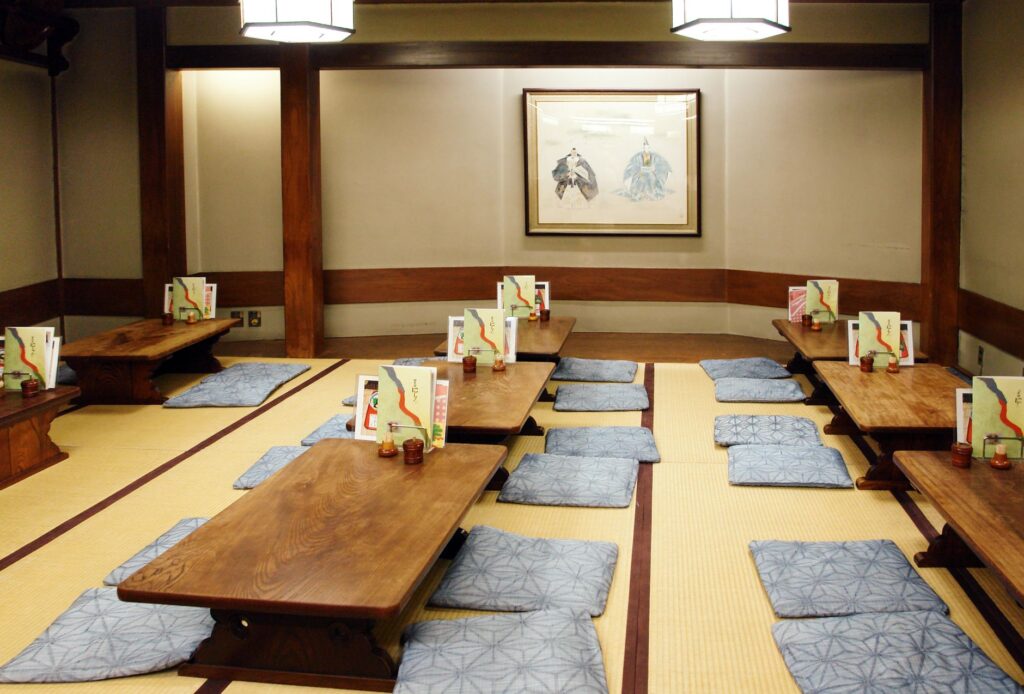
A ryokan is a traditional Japanese inn: tatami rooms, futons laid out for you in the evening, a bath, and usually a multi-course dinner (kaiseki) and breakfast. In Kyoto, ryokan range from historic inns that have hosted guests for generations to small, family-run places near the station.
The historic Fuyacho inns
Three of Kyoto’s most famous ryokan stand close together on Fuyacho in central Kyoto. Hiiragiya combines a wooden wing from the late Edo period, a registered cultural property, with a new wing built in 2006 that includes a barrier-free Western-style room. Tawaraya, across the street, and Sumiya, nearby, are the other two. All three are at the very top of the market and should be booked well ahead, directly or through their official channels.
Ryokan-style luxury hotels
If you want ryokan elements with hotel convenience, HOSHINOYA Kyoto in Arashiyama, the Onsen Suites at Capella Kyoto and the tatami rooms at Imperial Hotel Kyoto are all options.
What to expect
- Check-in is usually in the afternoon so that dinner can be served on time; tell the ryokan if you will be late.
- Dinner is often served at a set time. Tell them about allergies or diets when you book.
- You will wear a yukata (light cotton robe) inside and to the bath.
- Smaller ryokan may have shared baths with set hours, or private baths you book.
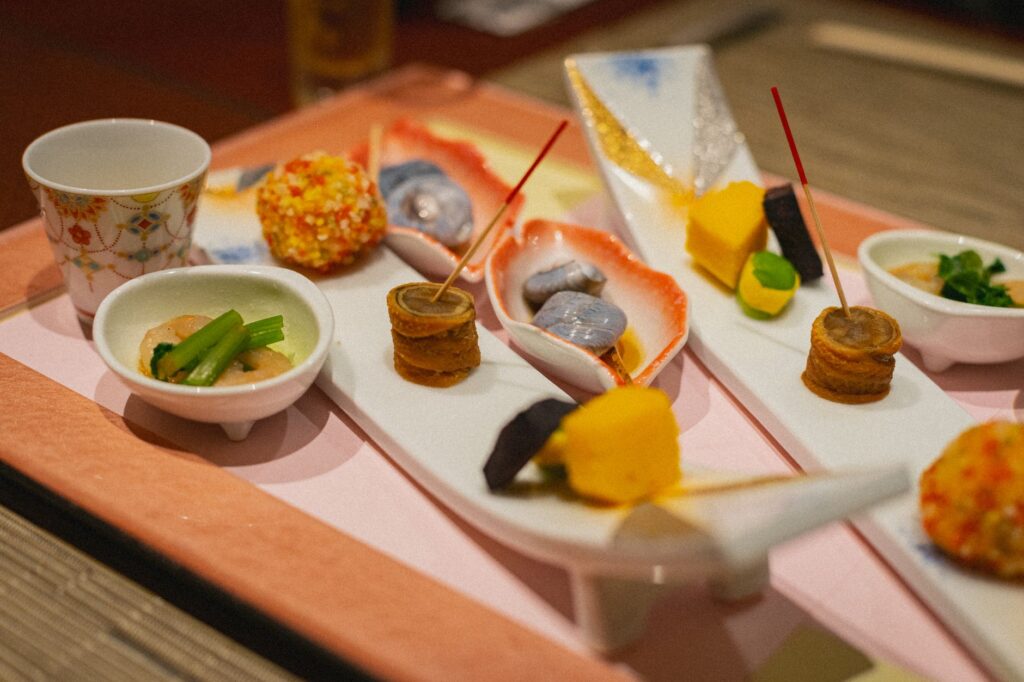
For how ryokan work and how to choose one anywhere in Japan, read our guides to the best ryokan in Japan and onsen etiquette.
Machiya rentals and Kyoto’s minpaku rules
Renting a whole machiya, a traditional wooden townhouse, is a lovely way to stay in Kyoto. But Kyoto has some of the strictest vacation-rental rules in Japan, and they affect what you can book.
- Registered home-sharing (minpaku) can host guests up to 180 days a year in most zones.
- In residential-only zones, a home-share where the host does not live on site may operate only 60 days a year, from January 15 to March 16. Many guides say March 15; the city’s own table says March 16.
- “Simple lodging” businesses, which include many whole-house rentals, are not allowed in residential-only zones at all.
- Staff must be close by: for whole-house rentals and host-absent home-shares, someone must be able to arrive within about 10 minutes, day or night.
- Gion-Shijo and Shijo-dori: local district plans bar home-sharing minpaku.
The city is tightening enforcement. From February 2026 it took stronger action against rentals that skip required reports, up to closure orders, and it stepped up inspections from April 2026. It is also reviewing rules toward stricter limits, though no new rule date had been set as of October 2026. Its survey found 371 suspected illegal “weekly mansion” lodgings in fiscal 2024, and noise and garbage are the leading complaints. What this means for you: book only properties that show a registration or license, expect check-in instructions from staff, and keep noise down after dark. A licensed machiya inn can be a wonderful stay; an illegal one can be cancelled at short notice.
Kyoto’s accommodation tax and other costs
Kyoto City raised its accommodation tax on March 1, 2026. It is charged per person per night, based on the room-only rate excluding consumption tax.
| Room charge per person per night | Tax from March 1, 2026 | Before |
|---|---|---|
| Under ¥6,000 | ¥200 | ¥200 |
| ¥6,000 to under ¥20,000 | ¥400 | ¥200 |
| ¥20,000 to under ¥50,000 | ¥1,000 | ¥500 |
| ¥50,000 to under ¥100,000 | ¥4,000 | ¥1,000 |
| ¥100,000 and over | ¥10,000 | ¥1,000 |
How hotels show it varies. The Ritz-Carlton, Kyoto includes it in the room rate; Ace Hotel Kyoto collects it at check-in; HOTEL THE MITSUI KYOTO posts a separate notice about it. When comparing prices, check whether the tax is included, especially at higher-priced hotels where the new bands make a real difference. For two people in a ¥30,000-per-person room for three nights, the tax alone is ¥6,000.
Leaving Japan also costs a little more: the International Tourist Tax rose from ¥1,000 to ¥3,000 per departure on July 1, 2026. It is normally included in your air ticket.
Getting to your hotel from Kansai Airport, Osaka and Tokyo
| From | Option | Time | Fare (adult) |
|---|---|---|---|
| Kansai Airport (KIX) | JR limited express Haruka to Kyoto | About 1 h 18 min on board | ¥3,060 (non-reserved seat) |
| Kansai Airport (KIX) | HARUKA One-way Ticket (foreign visitors) | Same train | ¥2,200; ¥2,700 for tickets sold from Nov 1, 2026 |
| Kansai Airport (KIX) | Airport limousine bus to Kyoto Station | About 1 h 28 min | ¥2,800 |
| Osaka | JR special rapid to Kyoto | 29 min | ¥580 |
| Osaka-umeda | Hankyu limited express to Kyoto-Kawaramachi | 43 min | ¥410 |
| Yodoyabashi (Osaka) | Keihan limited express to Gion-Shijo | 50 min | ¥490 |
| Shin-Osaka | Shinkansen to Kyoto | 13–14 min | — |
The HARUKA One-way Ticket is for foreign passport holders visiting as temporary visitors. Buy it through overseas agents or JR-WEST ONLINE TRAIN RESERVATION and collect it with your passport; you cannot break the journey at stations along the way. Keihan’s premium car costs extra but has space for large luggage. Coming from Tokyo, see our Tokyo to Kyoto guide.
Luggage: Kyoto’s “hands-free” services
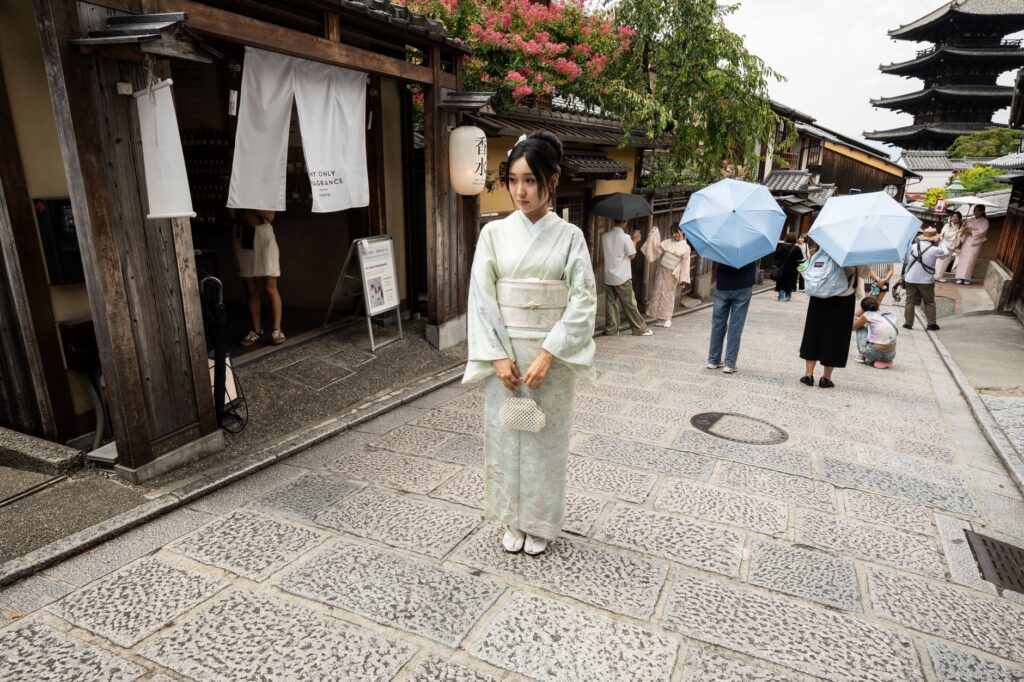
Kyoto wants visitors to sightsee without suitcases, and there are now good services for it.
- pikuraku PORTER (JR West): smart lockers at JR Kyoto Station’s Central (Karasuma) Exit and, since May 22, 2026, inside the Kintetsu Kyoto Station gates. Put your bags in by 14:00 and they reach your hotel the same evening; about 280 Kyoto City hotels are covered. From Kyoto Station: large ¥2,800, medium ¥2,300, small ¥1,900. From Osaka stations to Kyoto hotels: ¥3,300, ¥2,800 or ¥2,400. Storage only, 5:00–0:00: ¥900, ¥600 or ¥400 per 24 hours. Pay by IC card or credit card; screens in English, Chinese and Korean. Delivery from Kyoto Station to Osaka hotels is not available yet.
- Temporary luggage desk: in front of Hotel Granvia Kyoto on the station plaza, planned for November 21–23, 28 and 29, 2026 and March 20–22, 27 and 28, 2027, with same-day delivery to Kyoto and Osaka City hotels and storage (advance booking).
- Coin lockers: the free “Kyoto Station Smart Navi” map shows where the station’s lockers are and whether they are free.
- Hotels: many hold bags before check-in and after check-out. Ace Hotel Kyoto stores bags and holds courier deliveries; OMO hotels accept courier-delivered bags from the day before your stay.
If you are between hotels or have a late train, you can also book luggage storage in Kyoto with Radical Storage. Our luggage forwarding guide explains sending bags between cities.
Check-in times and booking tips
| Hotel | Check-in | Check-out |
|---|---|---|
| The Ritz-Carlton, Kyoto | 15:00 | 12:00 |
| HOSHINOYA Kyoto | 15:00 | 12:00 |
| Ace Hotel Kyoto | 15:00 | 12:00 |
| Mitsui Garden Hotel Kyoto Sanjo PREMIER | 15:00 | 12:00 |
| OMO5 Kyoto Gion, OMO5 Kyoto Sanjo, OMO3 Kyoto Toji | 15:00 | 11:00 |
- Book peak seasons early. Cherry blossoms (late March to early April) and autumn leaves (mid-November to early December) are when Kyoto fills up.
- Check the tax line. With the 2026 tax bands, “tax included” or “tax at check-in” can change the total noticeably.
- Look at the station, not the map pin. A hotel 3 minutes from a subway exit beats one that looks central but sits between stations.
- Member rates: some hotels, such as Ace Hotel Kyoto, give perks (earlier check-in, later check-out) only when you book on their own site.
- Watch for phishing. Hoshino Resorts warns of fake “urgent” emails asking guests for card details. Hotels will not ask you to re-enter card details by email.
When you are ready, compare Kyoto hotels and ryokan for your dates on Agoda.
How to split 2 to 5 nights
Kyoto set records in 2025: 62.79 million visitors in total, 12.68 million of them from abroad, and 8.09 million overnight stays by foreign guests. Popular hotels sell out early, so it helps to decide your nights and areas before you book.
Two nights
Stay downtown (Shijo-Karasuma, Kawaramachi or Sanjo) for both nights. Day one: Gion, Kiyomizu-dera and Higashiyama on foot, with dinner downtown. Day two: Fushimi Inari in the morning by train, then Arashiyama in the afternoon by Hankyu or the JR Sagano Line. You never need a bus.
Three nights
Two nights downtown, then a final night by Kyoto Station if you leave early, or in Gion if you want one evening in the old streets. Add a half day in Okazaki (Heian Shrine, Nanzen-ji and the Philosopher’s Path) from Higashiyama Station on the Tozai Line.
Four or five nights
Split your stay: three nights downtown and one or two in a ryokan or a hotel in Higashiyama or Arashiyama. Send your suitcase between them with a luggage service and travel light. With five nights, use the Kyoto Station area for a day trip to Nara or Osaka; Osaka is 29 minutes away by JR special rapid (¥580).
Arriving from or leaving for the airport
If your flight leaves Kansai Airport early in the morning, make your last night a hotel by Kyoto Station, where the Haruka leaves from. If you arrive late, the same logic applies to your first night.
Quick picks by type of traveler
| You are… | Consider | Why |
|---|---|---|
| A first-timer | Downtown: Mitsui Garden Sanjo PREMIER, OMO5 Kyoto Sanjo, Ace Hotel Kyoto | Walk to Nishiki and Gion, trains to Osaka |
| Doing day trips | Hotel Granvia Kyoto, THE THOUSAND KYOTO, Dormy Inn PREMIUM Kyoto Ekimae | At or next to Kyoto Station |
| A family | OMO5 Kyoto Gion (tatami room for up to 6), OMO3 Kyoto Toji | Larger rooms, kitchenettes, tours |
| After a hot bath | Dormy Inn PREMIUM Kyoto Ekimae, Mitsui Garden Sanjo PREMIER, HOTEL THE MITSUI KYOTO | Hot-spring or large public baths |
| Celebrating | Imperial Hotel Kyoto, Capella Kyoto, The Ritz-Carlton, Aman Kyoto | New openings and classic luxury |
| Wanting a ryokan night | Hiiragiya, HOSHINOYA Kyoto, or a licensed machiya inn | The full Kyoto experience |
Useful Japanese at your hotel or ryokan
Staff at large hotels usually speak English, but at small ryokan and family-run inns a few words help a lot.
| Japanese (romaji) | Meaning |
|---|---|
| Yoyaku shite imasu. | I have a reservation. |
| Chekku-in wa nanji kara desu ka? | From what time is check-in? |
| Nimotsu o azukatte moraemasu ka? | Could you keep my luggage? |
| Yuushoku wa nanji desu ka? | What time is dinner? |
| Ofuro wa nanji made desu ka? | Until what time is the bath open? |
| Arerugii ga arimasu. | I have an allergy. |
| Takushii o yonde moraemasu ka? | Could you call a taxi for me? |
| Osewa ni narimashita. | Thank you for looking after me (said when you check out). |
For more, see our essential Japanese phrases for travelers.
Frequently asked questions
What is the best area to stay in Kyoto for first-time visitors? Downtown around Shijo-Karasuma, Kawaramachi and Sanjo. You can walk to Nishiki Market and Gion, and the subway, Hankyu and Keihan lines all stop here.
Is it better to stay near Kyoto Station or in Gion? Kyoto Station is better for late arrivals, early departures and day trips by train. Gion is better for atmosphere and early mornings at the eastern temples. Downtown is a good middle ground.
How much is Kyoto’s accommodation tax? Since March 1, 2026: ¥200 per person per night under ¥6,000, ¥400 up to ¥20,000, ¥1,000 up to ¥50,000, ¥4,000 up to ¥100,000 and ¥10,000 above that.
Can I rent a machiya in Kyoto? Yes, but book only licensed or registered properties. In residential-only zones, host-absent home-shares can operate only from January 15 to March 16, and simple-lodging rentals are not allowed there at all.
Are Kyoto buses really that crowded? On the main tourist routes in peak seasons, yes. The city recommends using the subway and railways for most of the journey and the bus only for the last part, and on weekends the Sightseeing Express Bus (¥500) is an option.
What new hotels opened in Kyoto in 2026? Imperial Hotel Kyoto in Gion (March 5) and Capella Kyoto in Miyagawa-cho (March 22). Courtyard by Marriott Kyoto Station is due to open on November 16, 2026.
How do I get from Kansai Airport to my Kyoto hotel? The JR Haruka takes about 1 hour 18 minutes to Kyoto Station. Foreign visitors can buy the discounted HARUKA One-way Ticket (¥2,700 for tickets sold from November 1, 2026). The airport bus to Kyoto Station costs ¥2,800.
Can I send my suitcase to my Kyoto hotel? Yes. JR West’s pikuraku PORTER delivers bags dropped at Kyoto Station by 14:00 to about 280 Kyoto hotels the same evening, from ¥1,900.
Do Kyoto hotel prices include the accommodation tax? It depends on the hotel and the booking site. The Ritz-Carlton, Kyoto includes it in its rates, while Ace Hotel Kyoto collects it at check-in. Check the price breakdown before you book, especially for higher-priced rooms where the 2026 tax bands are larger.
Plan the rest of your trip
- Kyoto temples guide
- Gion guide
- Arashiyama and the Bamboo Grove
- Day trips from Kyoto
- Where to stay in Osaka
- Best hotels in Tokyo
- Is the Japan Rail Pass worth it?
Sources: Kyoto City Tourism Association (official Kyoto travel guide area, subway and bus pages; Kyoto Kanko Navi); Kyoto City press releases and minpaku review materials; Kyoto City Transportation Bureau; Kyoto City accessible-lodging records; Travel Voice; JR West (HARUKA One-way Ticket); Imperial Hotel; Capella Hotels via HOTELSMag; JR Central Group; official sites and fact sheets of The Ritz-Carlton Kyoto, Aman Kyoto, Four Seasons Hotel Kyoto, HOTEL THE MITSUI KYOTO, Hoshino Resorts (HOSHINOYA, OMO), Ace Hotel Kyoto, Mitsui Garden Hotels and Dormy Inn; Japan Tourism Agency; route searches for fares and times (checked October 2026). Prices and hours change; if you spot something out of date, please let us know.
Going to Japan? Speak Japanese with confidence.
Hirameki Japanese — camera translate for menus and signs, a two-way conversation mode, and furigana + romaji on every phrase. Free to download with kana charts, conversation mode and starter words; a one-time purchase unlocks everything.

Plan your Japan trip
Two things every first-timer should book
Some links are affiliate links. If you book through them we may earn a small commission at no extra cost to you.