Staying at a ryokan — a traditional Japanese inn — is one of the most distinctive and memorable experiences available to travelers in Japan. From sleeping on tatami mats to soaking in mineral-rich hot springs and savoring elaborate kaiseki meals served in your room, a ryokan stay offers a window into Japanese culture and hospitality that no modern hotel can replicate. This guide covers everything you need to know about the best ryokan in Japan: what to expect, how to book, what to wear, how much it costs, and the best ryokan across the country for every budget.
A note from Jack, editor of Japan Real Guide:
My first ryokan was in Kinosaki Onsen in 2015. I booked the cheapest room, arrived not knowing the difference between a public bath and a private one, and spent the first hour convinced I had misunderstood what a ryokan was. The tatami room, the futon folded in a corner, the yukata hanging on a hook — none of it matched what I expected from the photos.
By the end of that stay I understood: the ryokan experience takes about twelve hours to fully reveal itself. Arriving in the afternoon, exploring the onsen before dinner, eating the kaiseki meal slowly over two hours, then sleeping on the futon to the sound of quiet — the whole sequence is the experience. Rushing any part of it misses the point. I have stayed in around fifteen ryokan since, across different price brackets, and the principle holds every time.
The ryokan in this guide are ones I either personally verified or researched against multiple independent reviews. The price range is wide by design — a good ryokan experience is available at ¥10,000 per person, not just at ¥50,000.
What Is a Ryokan? A Complete Introduction
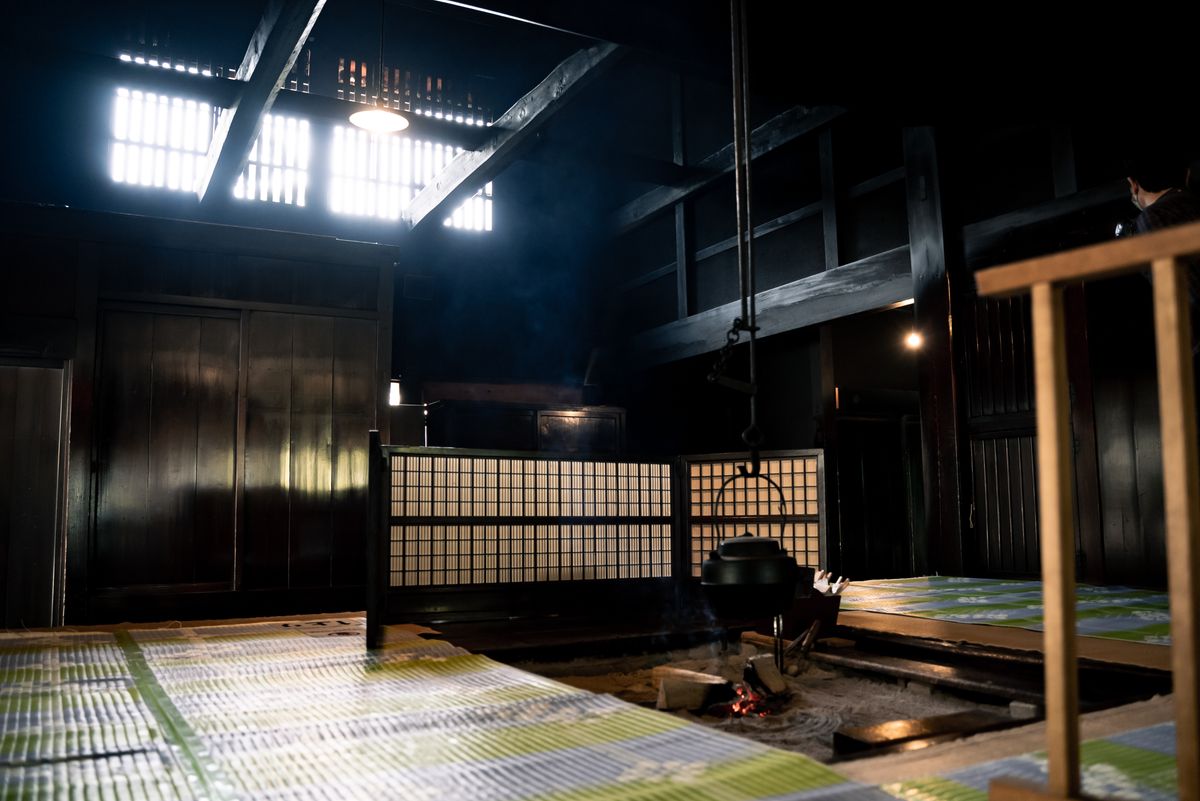
A ryokan (旅館) is a type of traditional Japanese inn that dates back centuries. Unlike Western hotels, ryokan are defined by several distinctive features that together create an experience rooted in Japanese aesthetics and the concept of omotenashi — wholehearted, anticipatory hospitality.
Key Elements of a Ryokan Experience
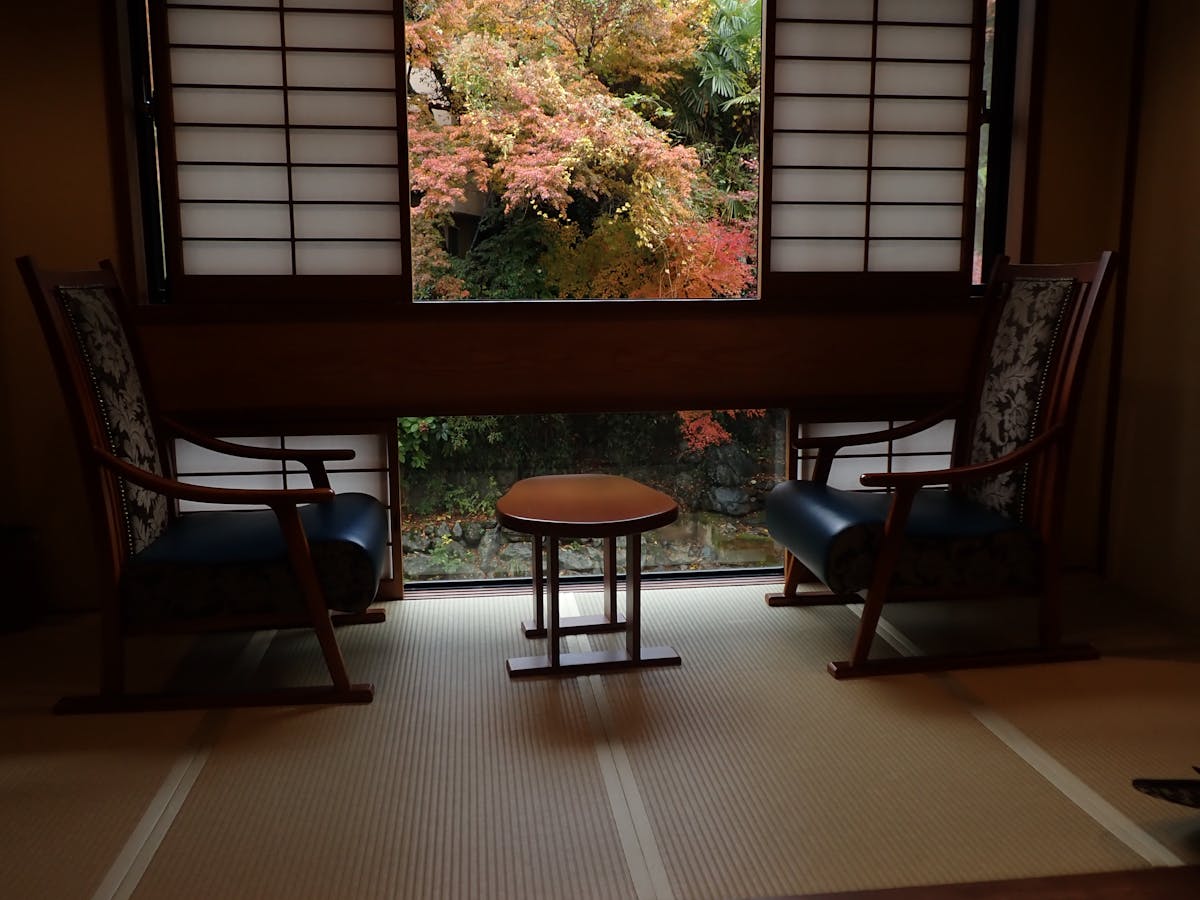
- Tatami rooms: Guest rooms have floors covered in woven rush tatami mats. Beds are futon mattresses laid out on the tatami each evening by inn staff and stored away in the morning.
- Yukata: Guests are provided with a yukata (light cotton kimono), often with a haori jacket in cooler months, to wear throughout their stay — in the room, to the onsen, and even on casual walks in onsen towns.
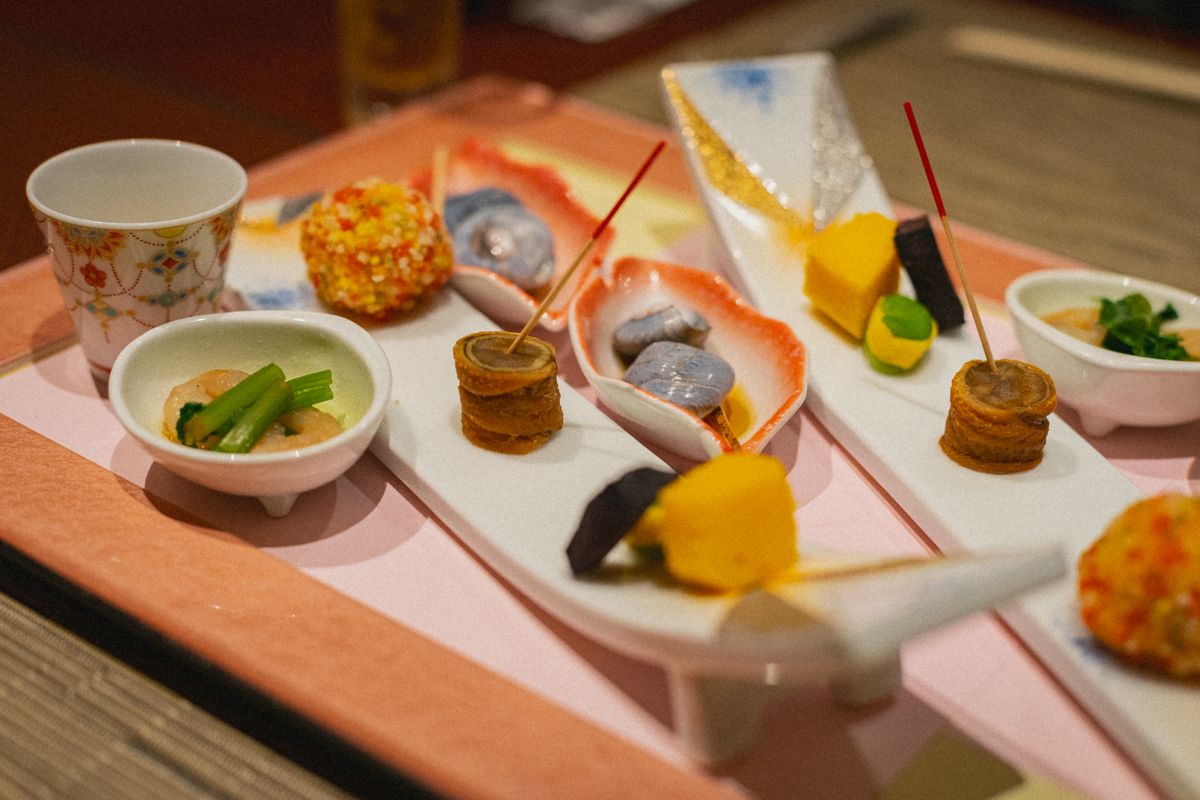
- Kaiseki meals: Many ryokan offer meals as part of the rate (ippaku nishoku — one night, two meals). Dinner is typically kaiseki — a multi-course Japanese haute cuisine — served in your room or in a private dining room.
- Onsen: Most ryokan are located near or contain their own hot spring baths (onsen). These may be communal (separated by gender) or private (kashikiri buro or tsubo-yu) for exclusive use by one party.
- Formal service: A dedicated attendant (nakai) serves meals, prepares the futon, and tends to guest needs throughout the stay.
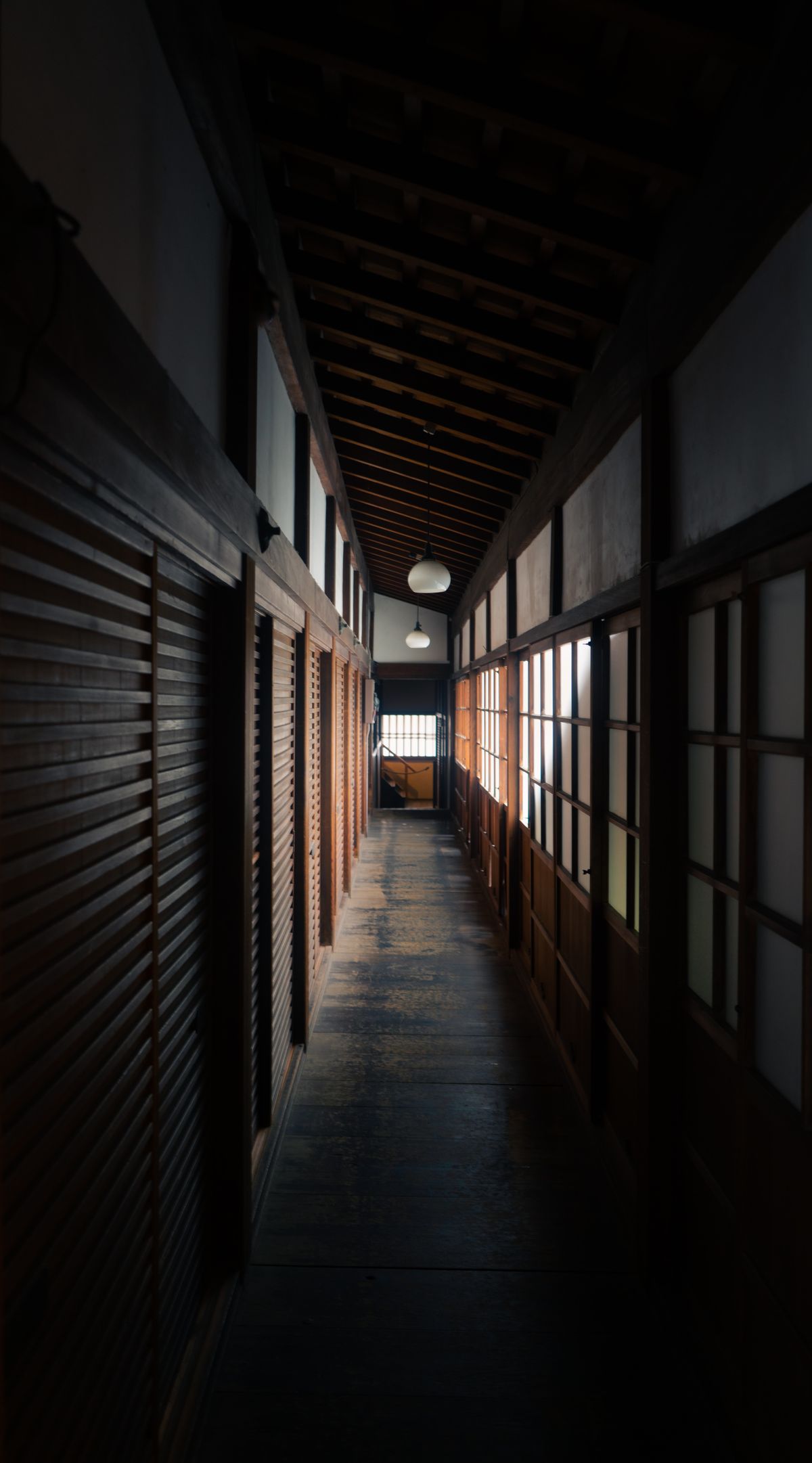
- Architecture: Traditional ryokan feature wooden architecture, shoji (paper-screen) doors, engawa (verandahs), and carefully maintained gardens.
Best Ryokan Regions in Japan
Hakone (Kanagawa Prefecture)
Hakone is Japan’s most accessible and popular ryokan destination, just 90 minutes from Tokyo by express train. The area offers ryokan in every price range, from simple inns in Hakone-Yumoto to world-class luxury properties in Sengokuhara and Gora with private open-air baths and Mount Fuji views. The mineral-rich hot springs here are among the finest in the Kanto region.
Best for: First-time ryokan visitors; Tokyo-based travelers; couples seeking a romantic escape
Price range: ¥8,000–¥80,000+ ($52–$520+ USD) per person including meals
Kyoto (Higashiyama and Arashiyama)
Kyoto’s ryokan are set amid the city’s most historic neighborhoods — a stone’s throw from ancient temples, geisha districts, and bamboo groves. Staying at a Kyoto ryokan is perhaps the most immersive way to experience traditional Japan: you can stroll through Gion at dusk in your yukata, attend a private tea ceremony, and return to a kaiseki dinner of Kyoto’s refined kyo-ryori cuisine.
Best for: Culture immersion; history enthusiasts; those wanting to experience both temples and traditional inn life
Price range: ¥15,000–¥100,000+ ($98–$650+ USD) per person
Kinosaki Onsen (Hyogo Prefecture)
Kinosaki is a beautifully preserved onsen town on the Japan Sea coast, about 2.5 hours from Osaka by limited express train. The town is famous for its soto-yu meguri culture — “external bath hopping” — where guests staying at any ryokan receive free passes to all seven public bathhouses in town. Walking between the baths in your yukata through willow-lined canals is a quintessential ryokan experience.
Best for: Onsen lovers; visitors who want an authentic hot-spring town atmosphere; seafood (crab in winter is legendary)
Price range: ¥15,000–¥40,000 ($98–$260 USD) per person
Nikko (Tochigi Prefecture)
Nikko, famous for its ornate Toshogu Shrine complex, also has excellent ryokan options set amid forested mountain scenery. Kinugawa Onsen nearby offers a string of riverside hot-spring inns that provide a relaxing counterpart to a day of temple sightseeing.
Best for: Combining temple sightseeing with ryokan; those looking for a less-crowded alternative to Hakone
Price range: ¥10,000–¥35,000 ($65–$228 USD) per person
Kurokawa Onsen (Kumamoto Prefecture, Kyushu)
Often called the most beautiful onsen town in Japan, Kurokawa is a tightly clustered village of around 30 ryokan in a forested valley in Kyushu. The atmosphere is extraordinarily peaceful — no large hotels, no chain establishments, just traditional wooden inns with outdoor baths surrounded by cedar forests and rushing streams.
Best for: Travelers seeking an off-the-beaten-path experience; serious onsen enthusiasts
Price range: ¥15,000–¥50,000 ($98–$325 USD) per person
Gero Onsen (Gifu Prefecture)
Gero is one of Japan’s “three great hot springs” (along with Arima and Kusatsu), and offers a wide range of ryokan from budget to luxury on the banks of the Hida River. Its central Honshu location makes it accessible from Nagoya (1.5 hrs) and Osaka (2.5 hrs).
Best for: Budget-conscious ryokan travelers; travelers on the Nagoya–Takayama route
Price range: ¥8,000–¥30,000 ($52–$195 USD) per person
Noboribetsu Onsen (Hokkaido)
Hokkaido’s most famous onsen destination, Noboribetsu is renowned for the sheer variety of its hot spring waters — sulfur, sodium chloride, iron, and more, all bubbling up from the dramatic “Hell Valley” (Jigokudani). Ryokan here are large and comfortable, with extensive communal baths fed by multiple spring types.
Best for: Hokkaido travelers; those who want to try many different onsen water types in one stay
Price range: ¥12,000–¥40,000 ($78–$260 USD) per person
How to Choose the Right Ryokan
Budget Considerations
Ryokan prices in Japan are almost always quoted per person, per night, including meals — not per room. This is an important distinction when comparing prices. A room listed at ¥30,000 ($195 USD) per person for two people is actually ¥60,000 ($390 USD) total for the room, inclusive of both dinner and breakfast for both guests.
| Budget Level | Price (per person/night) | What to Expect |
|---|---|---|
| Budget | ¥6,000–¥12,000 ($39–$78 USD) | Simple tatami rooms, shared baths, basic meals or no meals |
| Mid-range | ¥12,000–¥25,000 ($78–$163 USD) | Quality tatami rooms, communal onsen, good kaiseki dinner and breakfast |
| Luxury | ¥25,000–¥60,000 ($163–$390 USD) | Spacious rooms, private en-suite baths, premium kaiseki, attentive nakai service |
| Ultra-luxury | ¥60,000+ ($390+ USD) | Private rotenburo (open-air bath), seasonal premium ingredients, fully personalized service |
Book your ryokan on Agoda (Best prices guaranteed) →
Private vs. Communal Onsen
If you have tattoos, are traveling as a couple wanting privacy, or are uncomfortable with communal nudity, look for ryokan offering kashikiri (private reserved) baths or rooms with en-suite hot spring baths (heya-furo or tsubo-yu). These are increasingly common at mid-range and above ryokan and typically add ¥5,000–¥15,000 ($33–$98 USD) to the room rate or are available to book by the hour.
Meals Included or Not?
Most ryokan offer three rate types:
- Ippaku nishoku — one night with dinner and breakfast included (most traditional; recommended for your first stay)
- Ippaku choshoku tsuki — one night with breakfast only
- Sudomari — room only, no meals
For a first ryokan experience, we strongly recommend choosing ippaku nishoku. The kaiseki dinner is central to the experience and often reflects the inn’s regional character and seasonal ingredients.
Ryokan Etiquette: What to Do and What Not to Do
Upon Arrival
- Remove your shoes at the genkan (entrance foyer) and change into the slippers provided
- You will usually be greeted, served welcome tea and sweets, and shown to your room
- Confirm meal times — dinner is typically served 6–8pm; breakfast 7:30–9am
In the Room
- Change into your yukata — it is appropriate attire for the entire stay within the inn grounds
- Do not move the furniture or rearrange the room decorations
- The futon is stored in the closet during the day; the nakai (attendant) will lay it out for sleep
- Do not bring outside food into the dining room
At the Onsen
- Wash thoroughly at the shower stations before entering the bath — this is mandatory, not optional
- Do not bring your towel into the bath; leave it on the side or fold it on your head
- No smartphones or cameras in the bathing area
- Be quiet; the onsen is a place of relaxation, not socializing
- Do not drain or disturb the bath
- Rinse off after bathing; pat dry before returning to the changing room
Tipping
Tipping is not customary in Japan and may even cause embarrassment. The price you pay covers all service. The concept of omotenashi means the inn staff take pride in serving you without expectation of gratuity.
How to Book a Ryokan
Booking Platforms
- Jalan and Rakuten Travel — The two largest Japanese booking platforms. Best prices and selection but primarily Japanese-language interfaces.
- Ikyu.com — Japan’s premium travel booking platform. Excellent for luxury ryokan, often with exclusive packages and room types not available elsewhere.
- Agoda / Booking.com — English-friendly and convenient. Good for mid-range ryokan; selection of high-end inns has improved significantly.
- Directly with the ryokan — Many traditional inns take reservations by email (increasingly in English) or via their own websites. Some exclusive properties are reservation-only through direct contact.
When to Book
Book as early as possible — 3–6 months in advance for popular ryokan, particularly during cherry blossom season (late March–April), Golden Week (late April–early May), summer holidays (July–August), and autumn foliage season (October–November). Top-tier luxury ryokan at destinations like Kyoto and Hakone regularly fill up months ahead.
What Information to Provide
When booking, be prepared to specify: arrival and departure dates, number of guests, dietary restrictions (vegetarian, vegan, seafood allergies, and halal requests can often be accommodated with advance notice), and whether you prefer a private onsen bath or communal bath.
What to Pack for a Ryokan Stay
- Toiletries: Most ryokan provide shampoo, conditioner, body wash, toothbrush and toothpaste, razor, and skin care basics — packing minimally is fine
- Towels: Provided in the room and at the onsen
- Pajamas/sleepwear: Not needed — the yukata is your sleeping attire
- Warm layers: Mountain ryokan can be cool; bring a cardigan or light jacket
- Cash: Many traditional ryokan are cash-only for settlement at checkout
- Camera: Capture the room and meals — just never photograph the bathing areas
Practical Tips for First-Time Ryokan Guests
- Arrive before dinner (typically by 5–6pm). Arriving late for a kaiseki meal is considered impolite.
- Inform the inn of any dietary requirements when booking, not upon arrival.
- The rotenburo (outdoor bath) is best enjoyed at dawn or late evening when it is quietest — budget for time in your schedule.
- Check out is typically 10–11am. Some ryokan allow late checkout for an additional fee.
- Internet connectivity: Most ryokan now have Wi-Fi, but rural inns may have limited coverage — a Japan eSIM is recommended for reliable navigation to and from your ryokan.
- Language: English support varies widely. Some high-end ryokan have multilingual staff; smaller rural inns may communicate primarily through translation apps. A basic phrase or two in Japanese is always appreciated.
Get your Japan eSIM — stay connected even in rural ryokan destinations →
Frequently Asked Questions About Ryokan in Japan
Can foreigners stay at a ryokan?
Absolutely. The vast majority of ryokan welcome foreign guests, and many have English-language websites and staff who speak some English. A small number of very exclusive traditional inns may require a Japanese-speaking intermediary to book, but these are rare. Booking through platforms like Agoda or Ikyu.com in English is straightforward for most properties.
What if I have tattoos?
Tattoos are traditionally not permitted in communal Japanese onsen due to historical associations with organized crime. However, policies are changing. Most ryokan still restrict tattoos in communal baths, though more now allow them, and many offer private rental baths as an alternative. Check the inn’s policy when booking and specifically request a private bath if needed.
Do I have to eat the kaiseki dinner?
If you booked the ippaku nishoku (dinner and breakfast included) plan, the dinner is included in the price and is expected to be eaten at the designated time. If you prefer more flexibility, book the room-only or breakfast-only rate. That said, the kaiseki dinner is genuinely one of the highlights of a ryokan stay — it would be a shame to miss it.
Is a ryokan worth the cost?
For most travelers, yes — especially for a first visit to Japan. The combination of unique accommodation, exceptional food, cultural immersion, and onsen access creates an experience that has no direct equivalent elsewhere in the world. Even mid-range ryokan priced at ¥15,000–¥20,000 ($98–$130 USD) per person deliver a quality and distinctiveness that far exceeds similarly priced Western hotels.
What is the difference between a ryokan and a minshuku?
A minshuku is a family-run Japanese bed and breakfast, simpler and less formal than a ryokan. Minshuku typically have smaller rooms, more basic meals (or breakfast only), and a more homey atmosphere. They are cheaper but lack the elaborate service and premium onsen of a traditional ryokan. Think of it as the difference between a B&B and a boutique hotel.
Can I visit a ryokan just to use the onsen without staying?
Yes — many ryokan offer day-use onsen access (higaeri nyuyoku) for a fee of ¥1,000–¥3,000 ($6.50–$19.50 USD). Some also offer lunch or dinner packages combined with onsen access. This is a great way to experience a ryokan onsen without the overnight cost. Check availability directly with the property, as day-use slots are often limited.
How do I find ryokan near specific destinations?
Use Agoda, Ikyu.com, or Jalan (Japanese) and filter by location. For Hakone, Kyoto, Kinosaki, and other onsen destinations, ryokan will appear prominently in search results. Reading recent English reviews on TripAdvisor is also helpful for assessing English-language service quality before booking.
Related guides
- Japan Capsule Hotels Guide 2026: What to Expect, Best Options, and First-Timer Tips
- Best Hotels in Tokyo 2026: From Budget Capsules to 5-Star Luxury
- The Perfect 7-Day Japan Itinerary for First-Timers
Going to Japan? Speak Japanese with confidence.
Hirameki Japanese — camera translate for menus and signs, a two-way conversation mode, and furigana + romaji on every phrase. Free to download with kana charts, conversation mode and starter words; a one-time purchase unlocks everything.

Plan your Japan trip
Two things every first-timer should book
Some links are affiliate links. If you book through them we may earn a small commission at no extra cost to you.