In this guide
- The 8 day trips at a glance
- How to choose the right day trip
- 1. Hakone: hot springs, ropeway and Lake Ashi
- 2. Kamakura: the Great Buddha and old temples
- 3. Enoshima: a shrine island by the sea
- 4. Nikko: Toshogu Shrine and mountain waterfalls
- 5. Kawagoe: “Little Edo” 30 minutes away
- 6. Mount Takao: Tokyo’s easy mountain
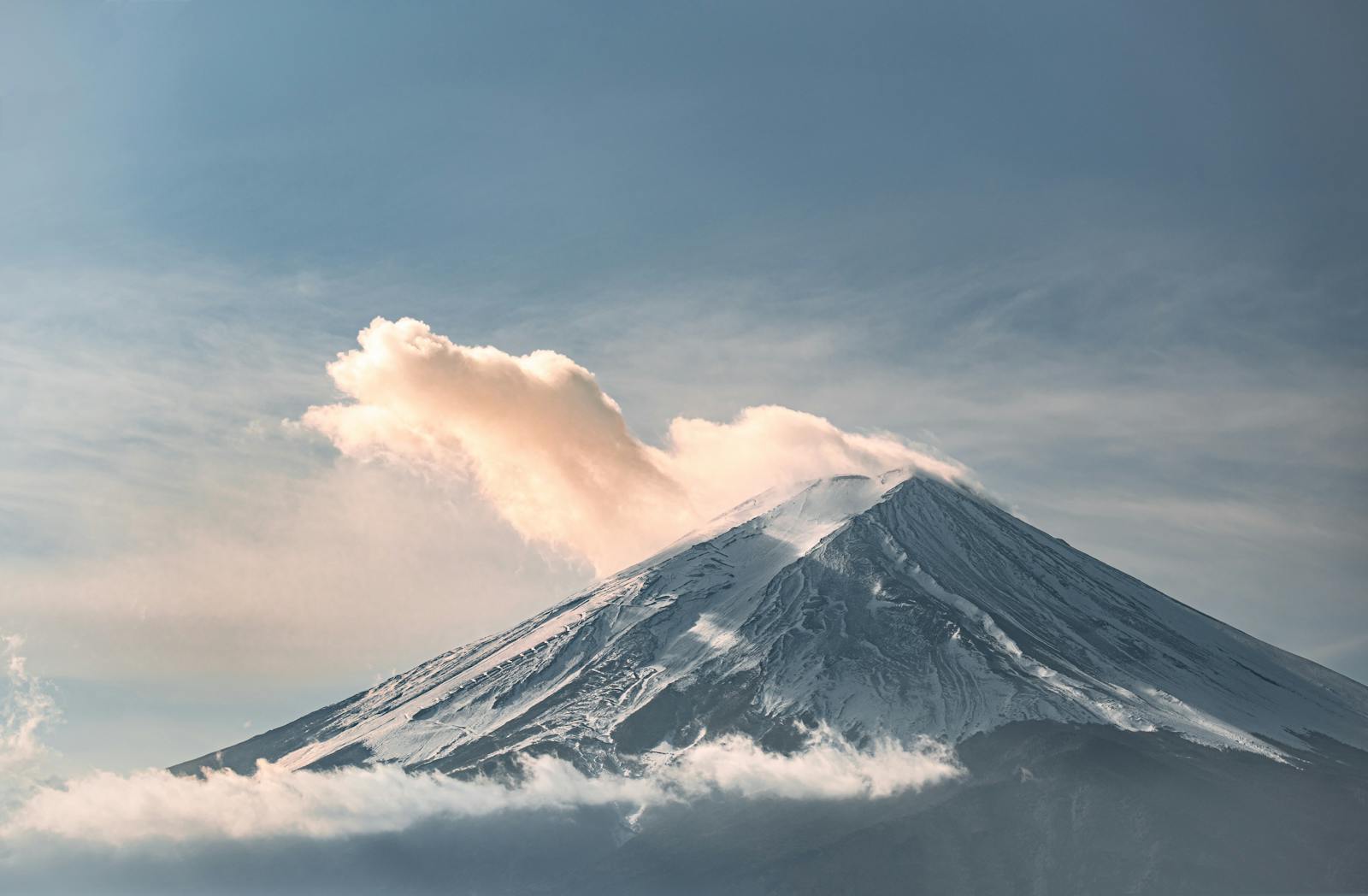
- 7. Kawaguchiko and the Fuji Five Lakes
- 8. Yokohama: harbor, Chinatown and gardens
- Can you do Kyoto as a day trip?
- Passes and the JR Pass: what is actually worth it
- Suica, PASMO and paying on the day
- Autumn and winter 2026 event calendar
- Practical tips: timing, crowds, luggage and safety
- Sample plans for one, two or three days out
- Frequently asked questions
- Plan the rest of your trip
The 8 day trips at a glance
Travel times are for the fastest regular option from the station listed. Fares are adult one-way and were checked in October 2026; several railways raised fares in 2025 and 2026, so older guides are often wrong.
| Destination | From | Fastest train or bus | Best for |
|---|---|---|---|
| Hakone | Shinjuku | Odakyu Romancecar, roughly 75–90 min | Hot springs, Fuji views, a classic loop |
| Kamakura | Tokyo, Shinagawa | JR Yokosuka Line, no change | Temples, the Great Buddha, walking |
| Enoshima | Shinjuku | Odakyu to Katase-Enoshima | Sea views, caves, easy add-on to Kamakura |
| Nikko | Asakusa | Tobu limited express, about 1 h 50 min, ¥3,050 | Ornate shrines, waterfalls, autumn color |
| Kawagoe | Ikebukuro | Tobu Tojo Line, from 26 min, no extra fee | Old merchant streets, sweets, a half day |
| Mount Takao | Shinjuku | Keio Line, from 43 min | An easy hike and a mountain temple |
| Kawaguchiko (Fuji) | Shinjuku | Fuji Excursion train from 1 h 53 min, or bus about 1 h 45 min (from ¥2,000) | Mt. Fuji views |
| Yokohama | Tokyo, Shinjuku | JR, IC fare ¥528 from Tokyo | Harbor, Chinatown, museums, evenings |
How to choose the right day trip
You will not do all eight on one trip, and you should not try. Here is how to pick.
By how much time you have
- Half a day: Kawagoe, Yokohama or Mount Takao. All three are under an hour away and easy to fit around a morning or afternoon in Tokyo.
- A full day: Kamakura with Enoshima, Hakone, Nikko or Kawaguchiko. Leave Tokyo by 8 a.m. to get the most out of the day.
- Worth an overnight: Hakone, Nikko and Kawaguchiko are all good as one-night trips. A ryokan night turns a rushed day into a relaxed one, and in Kawaguchiko the early morning is often your best chance of a clear Fuji.
By what you want to see
- Temples and history: Nikko for spectacle, Kamakura for atmosphere, Kawagoe for streets.
- Mt. Fuji: Kawaguchiko first, Hakone second. Fuji is often hidden by cloud, so see our guide on how to see Mount Fuji before you choose a date.
- Nature and walking: Mount Takao, Nikko’s Lake Chuzenji area, the Kamakura hiking trails.
- Hot springs: Hakone, by far. Read our onsen etiquette guide first.
- Food and city views: Yokohama.
By the season and the day of the week
Autumn leaves bring the biggest crowds to Nikko, Hakone, Takao and Kawaguchiko, and weekends are much busier than weekdays everywhere. If your dates are fixed on a weekend, pick Yokohama or Kawagoe that day and save the mountains for a weekday.
1. Hakone: hot springs, ropeway and Lake Ashi
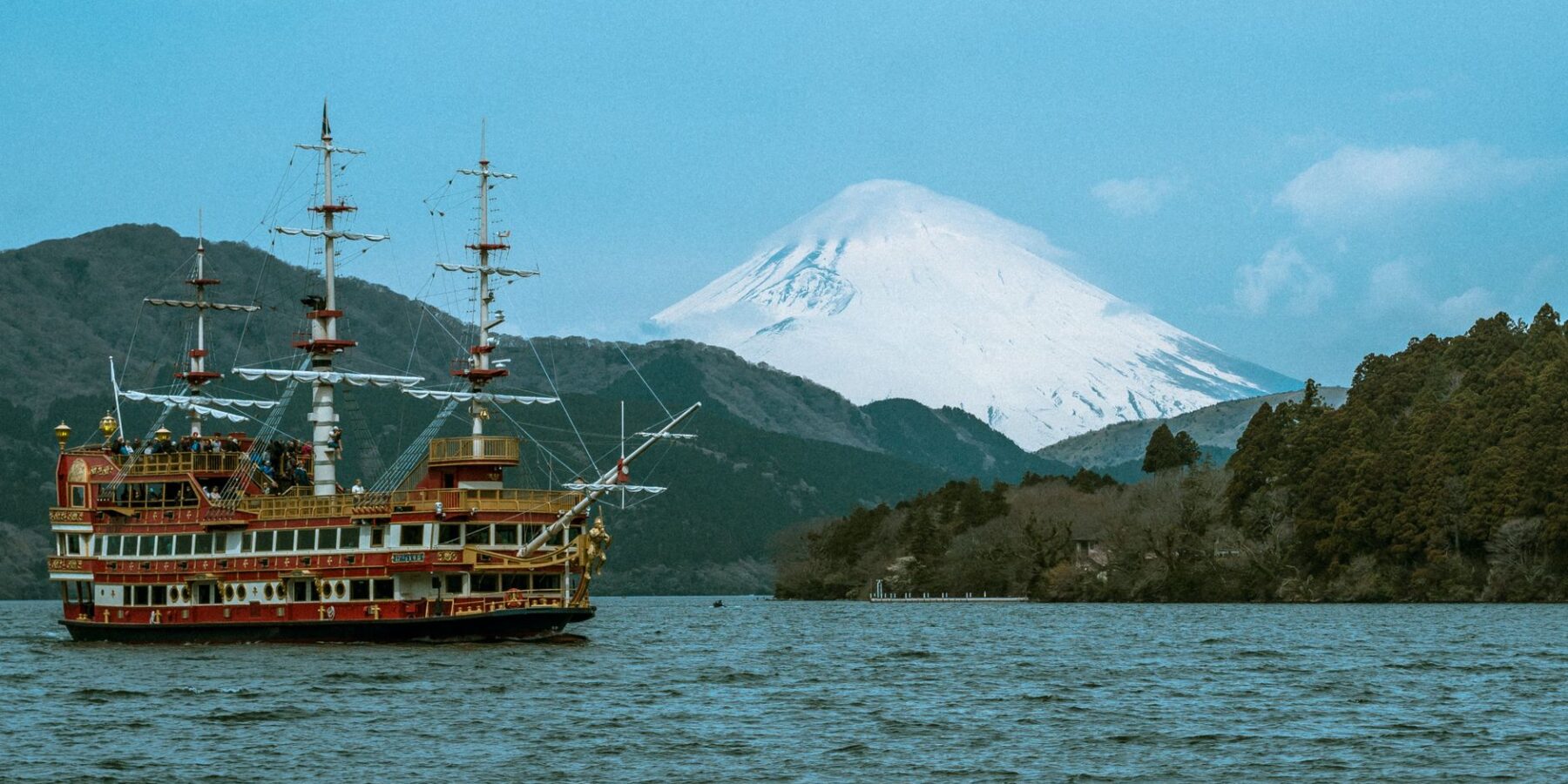
Hakone is a hot-spring area in the mountains southwest of Tokyo, and the classic day out is a loop by mountain train, cable car, ropeway and boat, with Mt. Fuji in view on a clear day. For a full walkthrough, see our Hakone day trip guide.
Getting there
- Odakyu Romancecar from Shinjuku to Hakone-Yumoto: roughly 75 to 90 minutes, all seats reserved. The fare plus limited express fee is around ¥2,500 one way; check Odakyu’s site for the exact current price. Since March 2026, a faster weekend “Super Hakone” service runs Shinjuku to Odawara in 59 minutes.
- JR: JR to Odawara (the IC fare from Tokyo rose to ¥1,595 in March 2026), then the Hakone Tozan train. The Japan Rail Pass covers the JR part only; Odakyu and the Hakone Tozan lines are private railways.
The Hakone Freepass
The Hakone Freepass covers the trains, buses, cable car, ropeway and pirate ship in the area, plus a round trip from Shinjuku or Odawara. Its price went up by ¥1,000 for adults on October 1, 2025. From Odawara it now costs ¥6,000 for 2 days and ¥6,400 for 3 days; from Shinjuku the 2-day pass is about ¥7,100. The Romancecar limited express fee is not included. The Freepass usually pays for itself if you do the full loop, because the ropeway and boat alone now cost more than ¥3,500 one way between them.
What to see, with current prices
| Stop | Price (adult) | Notes |
|---|---|---|
| Hakone Ropeway | ¥2,000 one way, ¥3,000 return | Up from ¥1,500 one way on Oct 1, 2025. When it stops near Owakudani, a replacement bus runs to Sounzan (about 10 min). |
| Hakone Sightseeing Cruise (pirate ship) | ¥1,700 one way, ¥3,000 return | Togendai to Moto-Hakone or Hakone-machi; up from ¥1,200. |
| Owakudani black eggs | ¥500 for 4 | Sold 9:00–16:40 and can sell out. |
| Hakone Open-Air Museum | ¥2,000 at the window, ¥1,800 online | 9:00–17:00 every day, last entry 16:30. |
A sample day
- Romancecar from Shinjuku to Hakone-Yumoto by about 9 a.m.
- Hakone Tozan train up the mountain to Gora; visit the Open-Air Museum.
- Cable car to Sounzan, ropeway over Owakudani (try the black eggs), on to Togendai.
- Pirate ship across Lake Ashi to Moto-Hakone or Hakone-machi.
- Bus back to Hakone-Yumoto, soak in a day-use onsen, Romancecar home.
Changes to know about
- Hakoneyama’s volcano was at the normal level, with no restrictions, when we checked on October 22, 2026. Owakudani’s nature trail, closed in 2015, has reopened for guided visits only, by reservation.
- The Hatajuku–Yamane section of the Old Tokaido Road is closed for works from August 17, 2026 until January 15, 2027 (planned).
- If you stay overnight, the Hakone Carry Service at Hakone-Yumoto Station can take your bags to your inn. Check current prices and drop-off times locally.
To stay the night, compare Hakone ryokan and hotels on Agoda.
2. Kamakura: the Great Buddha and old temples
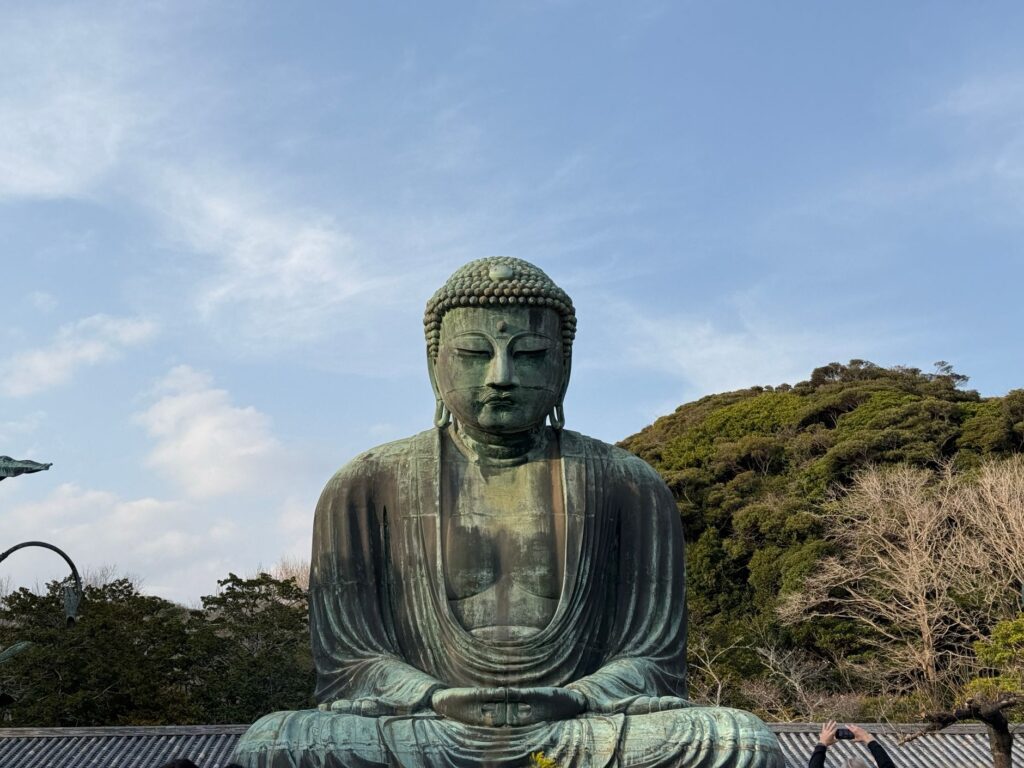
Kamakura is a historic seaside town of temples, shrines and hiking trails on the coast south of Tokyo. It is the most popular day trip from Tokyo and works well for first-timers. Our Kamakura day trip guide has walking routes.
Getting there
The JR Yokosuka Line runs to Kamakura from Tokyo, Shinbashi and Shinagawa without a change, and is covered by the Japan Rail Pass. JR fares rose in March 2026, so check the fare in a route app. For the Great Buddha, change at Kamakura to the Enoden, a small local railway, and get off at Hase; the temple is a 7-minute walk.
Passes
- Enoden 1-day pass “Noriorikun”: ¥800 (child ¥400), unlimited rides on the Enoden on the day of issue, with discounts at 53 shops and sights. Sold at Enoden ticket machines or digitally through the EMot app.
- Odakyu Enoshima-Kamakura Freepass: a round trip from Shinjuku plus the Enoden for a day, about ¥1,640 for adults. Check Odakyu for the current price. It suits a Kamakura and Enoshima combination from western Tokyo.
What to see
| Place | Price (adult) | Hours |
|---|---|---|
| Kotoku-in (Great Buddha) | ¥300; inside the statue ¥50 | Apr–Sep 8:00–17:30, Oct–Mar 8:00–17:00 |
| Hasedera | ¥400 | Usually 8:00–16:30 entry (Apr–Jun to 17:00) |
| Tsurugaoka Hachimangu | No entry fee for the grounds | Gates 6:00–20:00 |
At Kotoku-in, eating and bringing food onto the grounds is not allowed (water is fine), and selfie sticks are banned inside the statue. The Kangetsudo hall there has been dismantled for repair. Hasedera has a live crowd meter on its website, and holds an autumn night viewing with illuminated leaves from November 21 to December 6, 2026, from sunset to 19:00.
A sample day
- Arrive at Kamakura Station around 9 a.m. and walk up Komachi-dori to Tsurugaoka Hachimangu.
- Take the Enoden to Hase for the Great Buddha and Hasedera.
- Continue on the Enoden to Enoshima for the afternoon and sunset (next section).
Crowds and season
Kamakura is busiest on weekends and in June, when hydrangeas bloom; at Hasedera, they were in full bloom around June 11 in 2026. The city has a “residents first” lane at Enoden Kamakura Station for Golden Week, but in 2025 and 2026 the queue never got long enough to use it. The official tourism site is trip-kamakura.com, which also links to a crowding map.
3. Enoshima: a shrine island by the sea
Enoshima is a small island joined to the coast by a bridge, with a shrine, a lighthouse observation tower, sea caves and seafood stalls. Most people combine it with Kamakura on the Enoden, but it also works on its own from Shinjuku on the Odakyu Line.
Getting there
From Odakyu’s Katase-Enoshima Station it is a 12-minute walk to the bronze torii gate at the start of the island. Enoshima Shrine is 15 to 23 minutes on foot from Katase-Enoshima, Enoden Enoshima or Shonan-Enoshima (monorail) stations.
What it costs
| Place | Price (adult) | Notes |
|---|---|---|
| Enoshima Escar (outdoor escalators) | ¥500 | Up only; you walk down. 8:50–19:05. |
| Enoshima Sea Candle (observation lighthouse) | ¥800 | Prices changed in October 2025. |
| Set ticket (garden + Sea Candle + Escar) | ¥1,100 | Good value if you want all three. |
| Iwaya Caves | ¥500 | 9:00–17:00, varies by season. |
| Samuel Cocking Garden | Free by day | ¥500 after 17:00 on event nights. |
The Sea Candle, Escar and garden accept cash, credit cards, transport IC cards and PayPay. The Sunset Terrace in the garden is closed for renovation.
When to go
Enoshima runs seasonal events at the Sea Candle garden. The Shonan Candle event (10,000 candles) runs from October 10 to November 3, 2026, 17:00 to 20:00 (21:00 on weekends and holidays), and the “Shonan no Hoseki” winter illumination runs from early December to the end of February. Late afternoon is the best time to arrive: you get the island in daylight and the sunset from the top.
4. Nikko: Toshogu Shrine and mountain waterfalls
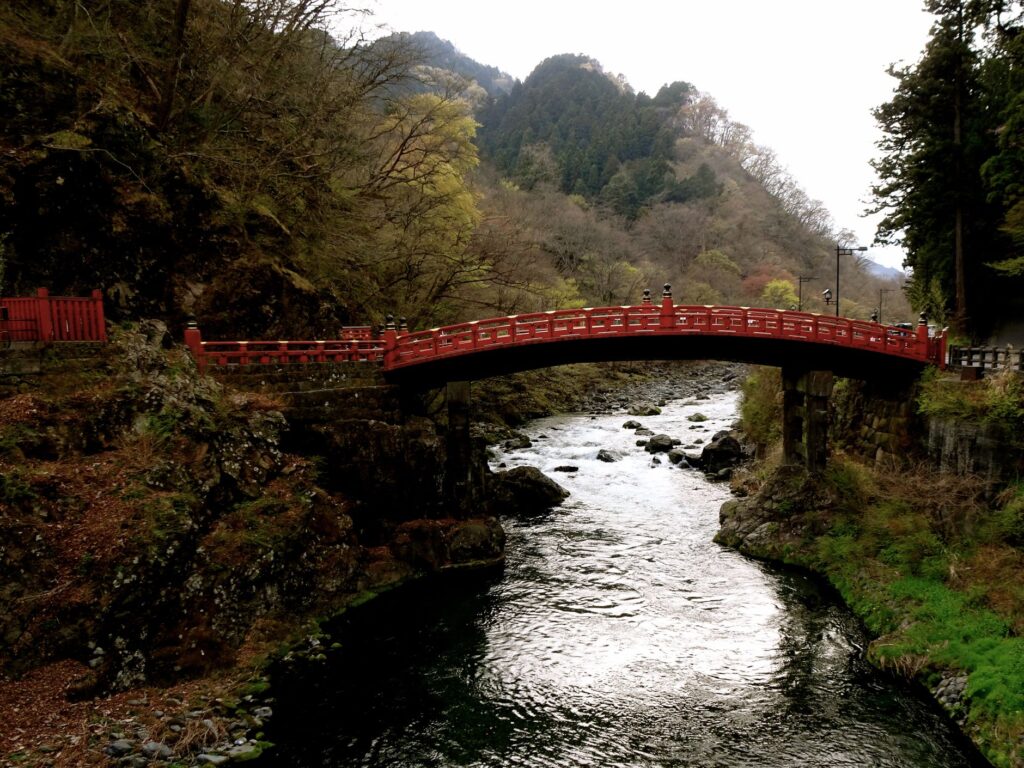
Nikko is famous for Toshogu, the richly carved and gilded shrine of the first Tokugawa shogun, set in a cedar forest. Higher up are Lake Chuzenji and Kegon Falls. It is a long day, but one of the most memorable.
Getting there
- Tobu from Asakusa (the usual way): the limited express SPACIA takes about 1 hour 50 minutes to Tobu-Nikko. The fare is ¥1,400 plus a limited express fee of ¥1,650 in the regular season, ¥3,050 in total. The fee changes with the season, and the newer SPACIA X has its own seat charges. Tobu did not raise fares in March 2026.
- From Shinjuku or Ikebukuro: a JR–Tobu through limited express reaches Tobu-Nikko in about 2 hours.
- JR: shinkansen to Utsunomiya and the JR Nikko Line, which the Japan Rail Pass covers.
The NIKKO PASS
Tobu’s NIKKO PASS is for foreign visitors (Japanese companions can use it too) and includes one round trip from Asakusa plus local Tobu trains and buses:
- World Heritage Area: ¥3,000 (child ¥1,500), valid 2 days. Covers buses around the shrines and temples.
- All Area: ¥8,000 (child ¥4,000), valid 4 days. Adds Okunikko buses and the Lake Chuzenji cruise (mid-April to November 30).
Limited express fees and shrine and temple admission are not included, and the pass is not valid on the JR route from Shinjuku or Ikebukuro. You can buy it online or at the Tobu Tourist Information Center in Asakusa from a month before.
What to see, with current prices
| Place | Price (adult) | Hours |
|---|---|---|
| Nikko Toshogu | ¥1,600 | Apr–Oct 9:00–17:00, Nov–Mar 9:00–16:00 (last entry 30 min before) |
| Rinnoji Sanbutsudo | ¥400 | Apr–Oct 8:00–17:00, Nov–Mar 8:00–16:00 |
| Rinnoji Taiyuin | ¥550 | As above |
| Rinnoji set ticket (Sanbutsudo + Taiyuin) | ¥900 | Sold until 14:30 (Apr–Oct) or 13:30 (Nov–Mar) |
| Kegon Falls elevator | ¥600 return | Mar–Nov 8:00–17:00, Dec–Feb 9:00–16:30 |
Toshogu’s price and hours above are from Nikko’s official tourism site. Rinnoji is showing a normally hidden Bishamonten statue from April 8, 2026 to March 31, 2027.
What has changed
The Akechidaira Ropeway, the classic viewpoint over Kegon Falls and Lake Chuzenji, is suspended from January 16, 2026 to August 31, 2027 for works, and the closure may be extended. Older itineraries that include it need a rethink.
Season
Because of the height difference, autumn color in Nikko starts in September at the top and reaches the lower areas in late November. On October 20, 2026, Ryuzu Falls and Senjogahara were at their peak, and Lake Chuzenji and Kegon Falls were looking good. Nikko’s tourism site describes leaf season as “extremely crowded” and publishes a congestion guide, so go on a weekday and start early. Evening events include the Rinnoji Shoyoen garden light-up (selected dates from October 23 to November 8, 2026), Light-up NIKKO (November 6–8) and the Kegon Falls light-up (November 14–23).
5. Kawagoe: “Little Edo” 30 minutes away
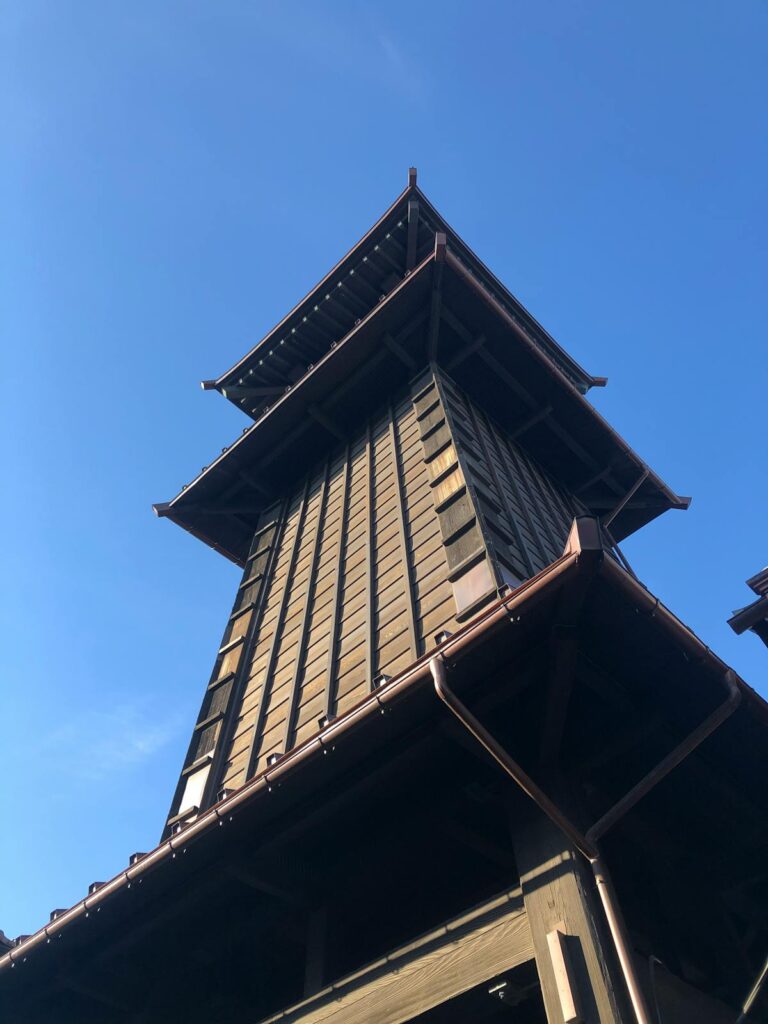
Kawagoe, in Saitama, is known as Koedo or “Little Edo” for its street of dark, fireproof clay-walled merchant houses. It is the easiest half-day trip from Tokyo and a good choice for a rainy or tired day.
Getting there
| From | Line | Time | Fare |
|---|---|---|---|
| Ikebukuro | Tobu Tojo Line (Kawagoe Tokkyu) | From 26 min, no extra fee | About ¥490 |
| Seibu-Shinjuku | Seibu “Koedo” Red Arrow to Hon-Kawagoe | From 44 min | ¥600 base fare (since March 2026) plus limited express fee |
| Shinjuku | JR Saikyo Line rapid | About 50 min | ¥810 (IC ¥803) |
| Shibuya | Tokyo Metro Fukutoshin Line through to Tobu | About 45 min | Check a route app |
Tobu’s Kawagoe Discount Pass Premium (¥1,200, child ¥600) gives a discounted round trip from Ikebukuro plus unlimited Tobu buses in the area, including the Koedo Loop Bus, and discounts at shops. It is available as a digital ticket or at Tobu counters.
What to see
- Kurazukuri street (Ichibangai): the old clay-walled merchant houses. Some shops close early, so aim to arrive by late morning.
- Toki no Kane: the wooden bell tower, free to view.
- Kashiya Yokocho: “candy alley”, a lane of old-fashioned sweet shops.
- Kitain: a temple whose ticket covers the Kyakuden and Shoin halls and the 500 Rakan statues. Admission ¥400 (child ¥200); weekdays 9:00–16:30 from March to November 23, shorter in winter, closed on some dates around New Year and early February and April. Its Sanmon gate is under repair, so access there is restricted.
Food
Kawagoe’s food is sweet potato, in everything from chips to soft-serve, and eel. Both are easy to find on the main streets.
Season
The Kawagoe Festival, with large floats, is held on a weekend in mid-October (October 17–18 in 2026), and the town is very crowded then. Kitain hosts a chrysanthemum festival in November.
6. Mount Takao: Tokyo’s easy mountain
Mount Takao rises on the western edge of Tokyo. A cable car or chairlift takes you most of the way up, and well-made paths lead past Yakuoin Temple to the summit. It is the best choice if you want fresh air without a big hike.
Getting there
- Keio Line from Shinjuku to Takaosanguchi. On weekends and holidays, a reserved-seat train called “Mt.TAKAO” takes 43 minutes; it needs a seat-reservation ticket on top of the fare.
- JR to Takao Station (the IC fare from Shinjuku rose to ¥715 in March 2026), then a short ride on the Keio Line. The Keio route is cheaper and goes straight to the foot of the mountain.
The Takao-san Kippu
Keio’s Takao-san Kippu from Shinjuku costs ¥1,450 for adults and includes the round-trip train plus a round trip on the cable car or chairlift; a version with a one-way cable car or lift costs ¥1,090. Children pay ¥740 or ¥560. Buy it at Keio ticket machines (not at Takaosanguchi) or as a QR ticket through Keio’s TAMa-GO E-TICKET. It is not sold from December 31 to January 3.
On the mountain
- Cable car and chairlift: the same fare, ¥490 one way or ¥980 round trip for adults. The cable car takes about 6 minutes and runs every 15 minutes from 8:00; the chairlift takes about 12 minutes and runs 9:00–16:30 from May to November.
- Paying: from November 1, 2026 you can tap a Suica or PASMO at the gates (one card per person, no auto-charge). Cash, contactless credit cards and QR tickets also work.
- Food: look for Tengu-yaki, a sweet snack sold by the cable car company, and soba on the mountain.
Season and crowds
Autumn leaves usually arrive from mid-November into early December, and those weekends are extremely busy at the cable car. Go on a weekday morning, or walk up one of the trails if the line is long.
7. Kawaguchiko and the Fuji Five Lakes
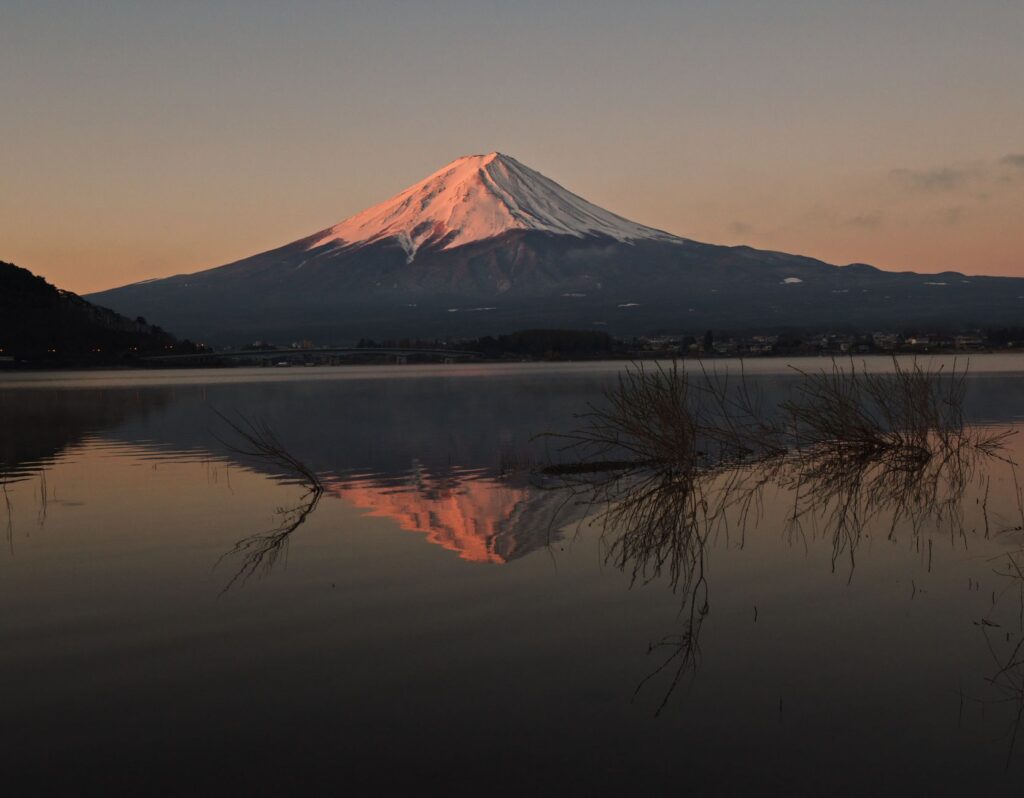
Kawaguchiko is the most accessible of the five lakes at the foot of Mt. Fuji, and the closest you can get to a big Fuji view on a day trip. For more depth, see our Fuji Five Lakes guide.
Getting there
- Fuji Excursion limited express (JR and Fujikyu) from Shinjuku to Kawaguchiko: the fastest takes 1 hour 53 minutes, with four round trips a day plus one seasonal. Since March 2026, weekday departures from Shinjuku are 7:30, 8:30, 9:30, 10:30 and 11:34 (seasonal); weekends 7:30, 8:30, 9:02 (seasonal), 9:30 and 10:30. There are no unreserved cars, so book a seat (on sale one month ahead from 10:00). The one-way total has been about ¥4,200; check JR East for the current price. The Japan Rail Pass covers only the JR part to Otsuki; the Fujikyu section is paid separately.
- Highway bus from Busta Shinjuku (4th floor) to Kawaguchiko Station: about 1 hour 45 minutes, from ¥2,200, or ¥2,000 if you pay on the web. All seats are reserved; booking opens one month ahead.
The bus is cheaper and does the trip without a change; the train is more reliable when traffic is heavy. Weekend buses fill up, so book as soon as you know your date.
Getting around
Fujikyu’s sightseeing bus pass for the Kawaguchiko, Saiko and Motosuko lines costs ¥1,500 for 1 day or ¥2,000 for 2 days (children half) and is sold at the Kawaguchiko Station bus office and online.
What to see
- Chureito Pagoda: the five-story pagoda with Fuji behind it. It is 398 steps up to the viewing deck and about 25 minutes on foot from Shimoyoshida Station, open 24 hours, with a night light-up in October and November (17:00–21:50). The city asks visitors not to use the toilets at Shimoyoshida Station or phone the station with questions.
- Mt. Fuji Panoramic Ropeway (Kachi Kachi Ropeway): about 3 minutes up to a viewpoint at 1,075 m. The round trip is ¥1,000 now and becomes ¥1,200 from November 1, 2026. It closes from December 7 to 18, 2026 for its annual inspection.
- Oishi Park on the north shore, with Fuji across the lake. It gets very congested; the town asks tour groups to use temporary parking and visitors to allow extra time.
About the “Lawson Fuji”
The famous view of Fuji above a convenience store in Fujikawaguchiko town drew so many people that the town put up a large black screen in May 2024. It was removed that August, and in August 2025 the town installed a lower, roughly 1.4-meter barrier. If you go, stay on the pavement, do not cross the road for photos, and remember that people live and work there.
Season
The Fujikawaguchiko Autumn Leaves Festival runs from November 7 to 29, 2026, with about 400 to 500 maple trees lit up from sunset to 21:00; the leaves usually peak in early to mid November. Bears have been reported in Yamanashi, and the ropeway posts warnings, so stay on main paths if you walk in the hills. Hoto, thick noodles in miso soup, is the local dish; the official tourism site lists shops such as Hoto Fudo.
Prefer not to plan the transport? Browse Mt. Fuji and Hakone day tours on Klook, which handle the bus and stops for you. To stay at the lake overnight, compare Kawaguchiko hotels on Agoda.
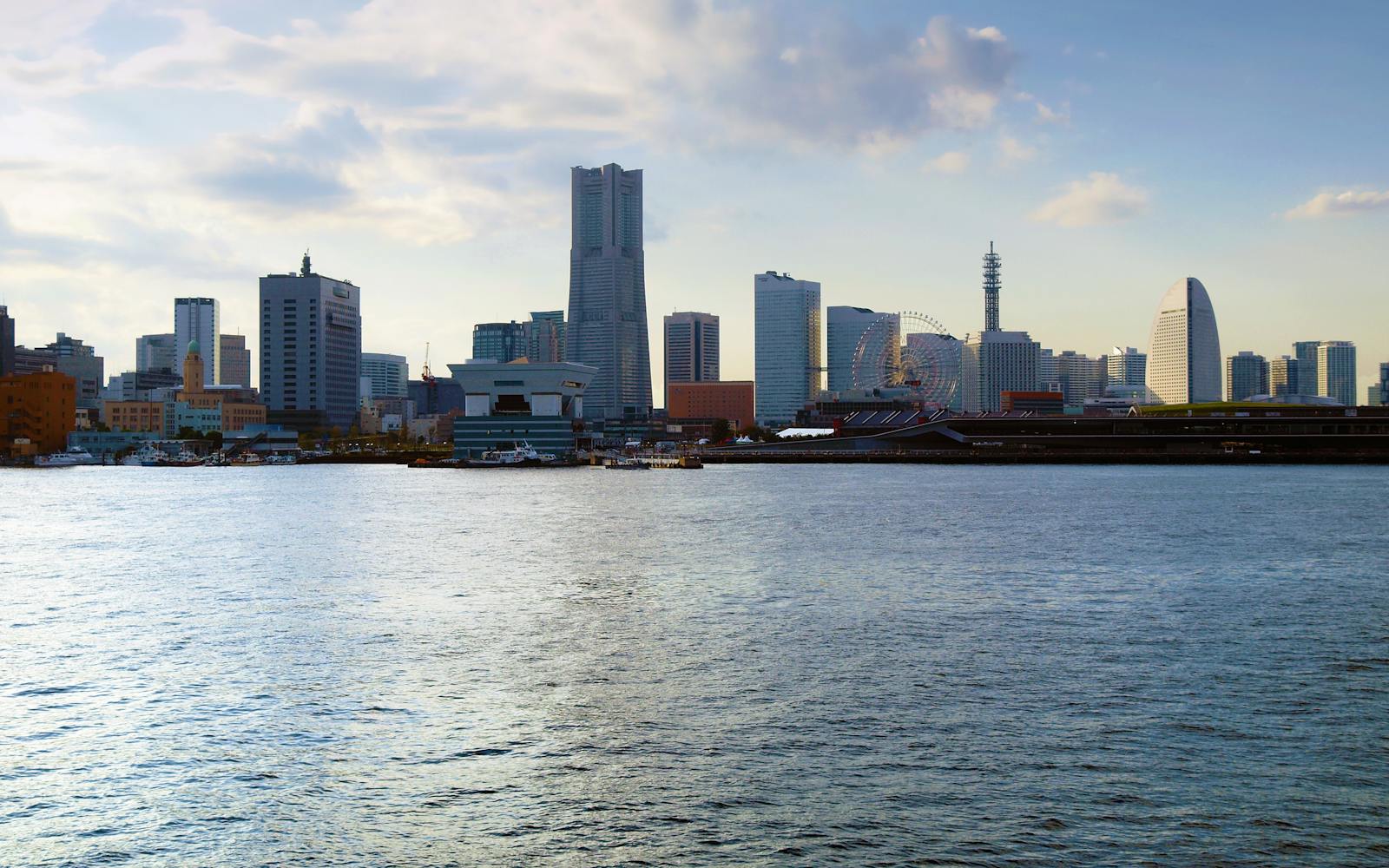
8. Yokohama: harbor, Chinatown and gardens
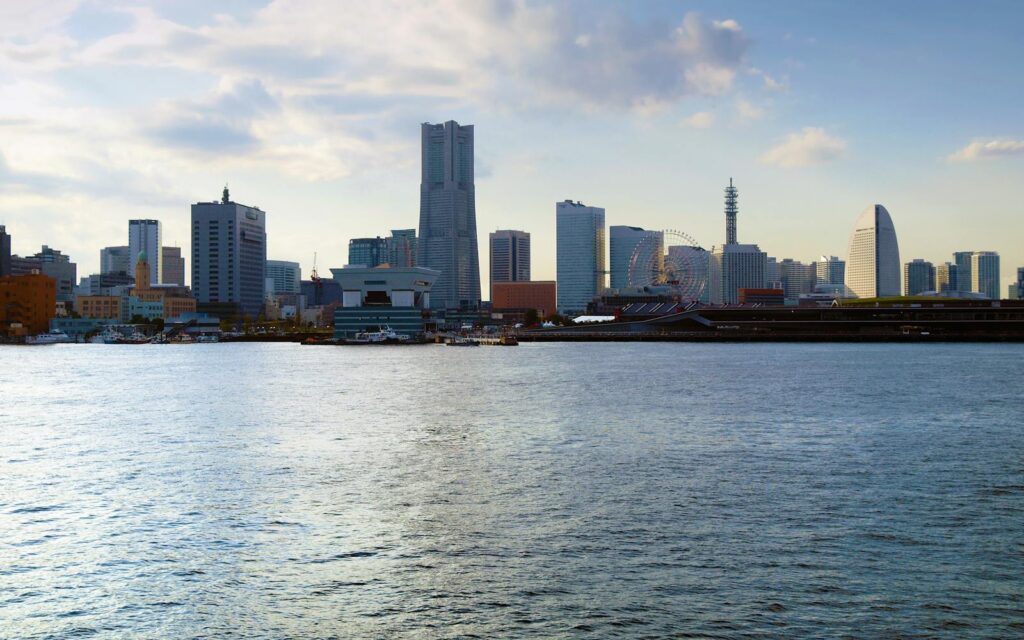
Yokohama is a big port city just south of Tokyo, an easy train ride away. It has a waterfront, a large Chinatown, a beautiful traditional garden and good museums. It is the easiest day trip on a rainy day or a weekend when the mountains are crowded.
Getting there and around
- JR from Tokyo to Yokohama: IC fare ¥528 since March 2026 (from Shinjuku ¥616). Covered by the Japan Rail Pass.
- Minatomirai Line 1-day ticket: ¥460 (child ¥230) for unlimited rides between Yokohama, Minato Mirai and Motomachi-Chukagai (for Chinatown). Sold at the line’s ticket machines.
What to see
| Place | Price (adult) | Hours |
|---|---|---|
| Sankeien Garden | ¥900 | 9:00–17:00 (last entry 16:30), closed Dec 26–31 |
| Cup Noodles Museum | ¥500; high school and under free | 10:00–18:00 (entry until 17:00) |
| My Cup Noodle Factory (inside the museum) | ¥500 per cup | Same-day numbered ticket or advance combo ticket |
| Red Brick Warehouse | Free | Building 1 10:00–19:00, Building 2 11:00–20:00 |
| Yokohama Chinatown | Free | Restaurants vary |
Sankeien is celebrating its 120th anniversary in 2026, with a chrysanthemum show from October 31 to November 23 and a special opening of the old Tokeiji Buddha hall from November 8 to December 13. The Red Brick Warehouse Christmas Market runs from November 20 to December 25, 2026. If you drive to Sankeien, its parking is cash only.
A sample day
- Morning at Sankeien (by city bus or taxi; check the route in a map app).
- Lunch in Chinatown.
- Afternoon at the Cup Noodles Museum and Red Brick Warehouse.
- Evening walk along the Minato Mirai waterfront, then the train back to Tokyo.
Can you do Kyoto as a day trip?
Technically yes, but we do not recommend it. The fastest Nozomi shinkansen takes a little over 2 hours each way, and a reserved seat costs roughly ¥14,000 each way, so a round trip is about ¥28,000 and four and a half hours on trains for perhaps six hours in Kyoto. You would see two or three sights in a hurry. If Kyoto is on your list, spend at least one night there, or two. Our Tokyo to Kyoto guide compares the options, and the shinkansen guide explains how to book.
Passes and the JR Pass: what is actually worth it
The Japan Rail Pass
The nationwide Japan Rail Pass rose in price on October 1, 2026: the 7-day Ordinary pass is now ¥53,000 for adults (¥27,000 for children), the 14-day ¥84,000 and the 21-day ¥105,000. JNTO says passes bought on the official JR Pass website keep the earlier prices (¥50,000 for 7 days) for a limited period, so compare before you buy. It covers JR lines only. Of the eight trips in this guide, Hakone (Odakyu), Nikko by Tobu, Kawagoe by Tobu or Seibu, Takao by Keio, the Enoden and the Fujikyu line are all private railways.
For Tokyo-based day trips alone, the pass is not worth it: even a Tokyo–Kyoto round trip costs well under its price. It makes sense when you also travel long distances, for example Tokyo to Kyoto, Osaka and Hiroshima within seven days. Our article is the Japan Rail Pass worth it? does the math route by route. If it does work for your trip, you can buy the JR Pass on Klook.
Local passes that pay off
| Pass | Price (adult) | Pays off if… |
|---|---|---|
| Hakone Freepass (from Odawara, 2 days) | ¥6,000 | You do the full train–cable car–ropeway–boat loop |
| Tobu NIKKO PASS World Heritage Area (2 days) | ¥3,000 | You go from Asakusa and use local buses |
| Keio Takao-san Kippu | ¥1,450 | Almost always on a Takao trip |
| Kawagoe Discount Pass Premium | ¥1,200 | You go from Ikebukuro and use the loop bus |
| Enoden Noriorikun (1 day) | ¥800 | You hop between Kamakura, Hase and Enoshima |
| Minatomirai Line 1-day ticket | ¥460 | You hop between Yokohama, Minato Mirai and Chinatown |
| Fujikyu sightseeing bus pass (1 day) | ¥1,500 | You visit several viewpoints around the lakes |
Suica, PASMO and paying on the day
An IC card covers almost every train in this guide, including Keio, Tobu, the Enoden and the Minatomirai Line. A few things are new:
- PASMO PASSPORT has ended. All handling stopped in October 2024. The visitor version is now TOURIST PASMO, valid for 28 days from purchase; any balance left is not refunded.
- Phones: PASMO works with Apple Pay on iPhone and Apple Watch, but most Android phones bought outside Japan do not support Mobile PASMO.
- Takao’s cable car and chairlift accept a tap at the gate from November 1, 2026.
- JR fares rose on March 14, 2026 (7.1% on average), and so did Seibu and the Tsukuba Express. Tobu kept its fares.
Our Suica vs PASMO guide explains which card to get. Keep some cash too: rural shops and some temples still prefer it (see cash or card in Japan).
Autumn and winter 2026 event calendar
| Dates (2026) | Where | What |
|---|---|---|
| Oct 10 – Nov 3 | Enoshima | Shonan Candle, 10,000 candles in the Sea Candle garden |
| Oct 23 – Nov 8 (selected dates) | Nikko | Rinnoji Shoyoen garden light-up |
| Oct 31 – Nov 23 | Yokohama | Sankeien chrysanthemum show |
| Nov 1 | Takao, Kawaguchiko | IC tap at Takao cable car; Kachi Kachi Ropeway price rises to ¥1,200 return |
| Nov 6 – 8 | Nikko | Light-up NIKKO |
| Nov 7 – 29 | Kawaguchiko | Fujikawaguchiko Autumn Leaves Festival |
| Nov 8 – Dec 13 | Yokohama | Sankeien old Tokeiji hall special opening |
| Nov 14 – 23 | Nikko | Kegon Falls light-up |
| Nov 20 – Dec 25 | Yokohama | Red Brick Warehouse Christmas Market |
| Nov 21 – Dec 6 | Kamakura | Hasedera autumn night viewing |
| Dec 7 – 18 | Kawaguchiko | Kachi Kachi Ropeway closed for inspection |
| Early Dec – end Feb | Enoshima | “Shonan no Hoseki” winter illumination |
Practical tips: timing, crowds, luggage and safety
Start early
The single best tip for any day trip is to leave Tokyo early. The first Fuji Excursion leaves Shinjuku at 7:30; take it, and you reach Kawaguchiko before most tour buses. In Nikko, Kamakura and Hakone, arriving soon after opening time usually means fewer people at the main sights.
Weekdays over weekends
Every destination here is busier on weekends and Japanese public holidays. If you can, do the mountains and Kamakura on a weekday and save Yokohama for the weekend.
Reserve the seat, not just the ticket
The Romancecar, the Fuji Excursion, the Mt.TAKAO train and the Shinjuku–Kawaguchiko bus all need reserved seats, and weekend seats in autumn sell out. Book when sales open, one month ahead for the Fuji Excursion and the bus.
Luggage
Do not carry big suitcases on a day trip; trains to Hakone and Kawaguchiko are busy and lockers fill up. If you are moving hotels, send your bags ahead with a luggage delivery service; see our luggage forwarding guide.
Phones, apps and safety
You will rely on maps and timetables all day, so set up data before you leave Tokyo. Airalo’s Japan eSIM installs at home, or compare options in our eSIM guide. In the mountains, check the weather before you go, carry water, and in Yamanashi and Nikko keep to main paths because bears have been reported.
Be a good visitor
At Kotoku-in, food is not allowed on the grounds. At Chureito, do not use the local station’s toilets or call the station. At the “Lawson Fuji” spot, people live and work there. Small things like these are why some towns have had to put up barriers.
Sample plans for one, two or three days out
One day out of a week in Tokyo
Choose Kamakura and Enoshima. It needs no special tickets, mixes temples with the sea, and works in almost any season.
Two days
- Day 1: Nikko from Asakusa with the NIKKO PASS.
- Day 2: Kawagoe in the morning, back to Tokyo for the afternoon.
Three days, with one night away
- Day 1: Hakone loop with the Freepass; stay in a ryokan.
- Day 2: Leave Hakone in the morning and stop at Kamakura and Enoshima on the way back (JR Tokaido Line from Odawara to Fujisawa, then the Enoden).
- Day 3: Kawaguchiko for Mt. Fuji on the 7:30 Fuji Excursion or an early bus from Busta Shinjuku.
For where to base yourself in the city, see our guide to the best hotels in Tokyo: Shinjuku is ideal for Hakone, Fuji and Takao, Asakusa for Nikko and Ikebukuro for Kawagoe.
Frequently asked questions
What is the best day trip from Tokyo for first-timers? Kamakura. It is easy to reach on JR, it has the Great Buddha, temples and the sea, and you can add Enoshima on the same day.
What is the best day trip from Tokyo to see Mt. Fuji? Kawaguchiko. Take the 7:30 Fuji Excursion or an early bus from Busta Shinjuku and go to Oishi Park or Chureito Pagoda first, before clouds have a chance to build and the crowds arrive.
Does the Japan Rail Pass cover day trips from Tokyo? Only the JR parts: Kamakura and Yokohama by JR, JR to Odawara for Hakone, the JR Nikko Line, and the JR section of the Fuji Excursion to Otsuki. Odakyu, Tobu, Keio, the Enoden and Fujikyu are private railways and are not covered.
What is the cheapest day trip from Tokyo? Kawagoe or Mount Takao. Takao’s all-in Takao-san Kippu is ¥1,450 including the cable car, and Kawagoe is about ¥490 each way from Ikebukuro.
How much does a Hakone day trip cost? A Hakone Freepass from Shinjuku is about ¥7,100 for two days, and the Romancecar limited express fee is extra. Add the Open-Air Museum (¥1,800 online), food and an onsen. Without the pass, the ropeway alone is ¥2,000 one way.
Is the Akechidaira Ropeway in Nikko open? No. It is suspended from January 16, 2026 to August 31, 2027, and the closure may be extended.
Can I see Nikko in one day? Yes, the shrine and temple area fits easily into a day from Asakusa. Adding Lake Chuzenji and Kegon Falls makes a long day; consider the All Area pass and an early start, or stay one night.
Can I use Suica or PASMO on all these trips? On almost all the trains, yes. Reserved limited express seats (Romancecar, Fuji Excursion, Tobu limited express) need a separate seat ticket, and from November 1, 2026 the Takao cable car accepts an IC tap.
Do I need a tour? No. Every trip here is easy by public transport. A tour can make sense for the Fuji area if you want several viewpoints in one day without planning buses.
Plan the rest of your trip
- Hakone day trip guide
- Kamakura day trip guide
- Fuji Five Lakes guide
- Mount Fuji guide
- Best hotels in Tokyo
- Tokyo neighborhoods guide
- Is the Japan Rail Pass worth it?
- The best ryokan in Japan
- Essential Japanese phrases for travelers
Sources: Odakyu Electric Railway and Hakone Navi (Freepass, ropeway and cruise fares, October 2025 revision); Hakone Open-Air Museum; Owakudani; Hakone Town Tourist Association; Japan Meteorological Agency; Kotoku-in; Hasedera; Tsurugaoka Hachimangu; Kamakura City and trip-kamakura.com; Enoshima Electric Railway; Enoshima Sea Candle and Fujisawa City Tourist Association; Tobu Railway (Nikko fares, NIKKO PASS, Kawagoe Discount Pass); Nikko City Tourist Association; Rinnoji; Koedo Kawagoe Tourist Association; Kitain; Keio Corporation; Takao Tozan Railway; Fuji Kyuko (railway, highway bus and sightseeing buses); Mt. Fuji Panoramic Ropeway; Fujiyoshida City; Fujikawaguchiko Town; Minatomirai Line; Sankeien; Cup Noodles Museum Yokohama; Yokohama Red Brick Warehouse; JNTO (Japan Rail Pass prices); PASMO; railway fare-revision reports (checked October 2026). Prices and hours change; if you spot something out of date, please let us know.
Going to Japan? Speak Japanese with confidence.
Hirameki Japanese — camera translate for menus and signs, a two-way conversation mode, and furigana + romaji on every phrase. Free to download with kana charts, conversation mode and starter words; a one-time purchase unlocks everything.

Plan your Japan trip
Two things every first-timer should book
Some links are affiliate links. If you book through them we may earn a small commission at no extra cost to you.